
Decoding Baby's Object Permanence: What You Need to Know as a Parent


Welcome to BabyCareHub, your ultimate guide to navigating the incredible journey of parenthood! Are you curious about the fascinating leaps your little one is making? Then you've come to the right place. We're diving deep into the world of developmental milestones, starting with a crucial stage: baby object permanence. Discover how understanding this key concept can unlock a deeper connection with your baby and help you support their growth. Let's explore the Baby object permanence development guide and unveil the secrets to this exciting phase!
- Understanding Object Permanence in Infants: A Developmental Guide
- Recognizing Signs of Object Permanence Development
- Supporting Your Baby's Object Permanence Development: Practical Tips
- When to Seek Professional Advice
- Frequently Asked Questions
- Final Reflection: The Enduring Wonder of Object Permanence
- Unlock Your Baby's World: Boost Their Development Today!
Understanding Object Permanence in Infants: A Developmental Guide
Navigating the world of parenthood is a journey filled with wonder and discovery, especially when it comes to understanding your baby's development. One significant milestone that marks a crucial step in your little one's cognitive growth is the development of object permanence. This seemingly simple concept – understanding that objects continue to exist even when they are out of sight – is a fundamental building block for future learning and cognitive abilities.
This comprehensive guide will delve into the intricacies of object permanence, explaining what it is, the stages of its development, and what you as a parent can expect to witness in your baby's journey. This guide is designed to help you understand your baby's development and provide you with valuable insights into this crucial developmental milestone, empowering you to support their cognitive growth effectively. It serves as your ultimate "baby object permanence development guide".
What is Object Permanence? A Simple Explanation
Object permanence refers to a baby's understanding that objects continue to exist even when they cannot be perceived. Before developing this understanding, infants believe that if an object is hidden, it ceases to exist. Imagine playing peek-a-boo with your baby; initially, they might find the game hilarious because when your face is covered, you disappear! As they develop object permanence, they start to understand that you're still there, even when hidden behind your hands.
This seemingly small cognitive leap is actually a giant step forward in their cognitive development, laying the foundation for future problem-solving skills, symbolic thinking, and memory. The development of object permanence is not a sudden switch but rather a gradual process unfolding in several distinct stages. 👶
The Stages of Object Permanence Development
The development of object permanence is a fascinating process, typically unfolding in four distinct stages. Each stage is characterized by specific behaviors and abilities that gradually build upon each other. Understanding these stages will allow you to better appreciate your baby's cognitive development and engage with them in ways that support their learning.
Stage 1: Out of Sight, Out of Mind (Birth to 4 Months)
During the first few months of life, infants demonstrate a complete lack of object permanence. If an object is hidden from their view, they show no interest in searching for it. They act as if the object has vanished completely. This is perfectly normal at this stage; their cognitive abilities are still developing. For example, if you hide a toy under a blanket, they won't attempt to retrieve it. This isn't a sign of a problem; it's simply a reflection of their current cognitive stage.
Stage 2: Partial Understanding (4 to 8 Months)
Between 4 and 8 months, babies begin to show signs of a partial understanding of object permanence. They might follow an object with their eyes as it's moved, even if it's partially hidden. However, they still struggle to actively search for a completely hidden object. For instance, if you hide a toy under a blanket, they might briefly look at the blanket, but they won't necessarily reach for it to retrieve the toy. They are beginning to grasp the concept, but it's not yet fully formed.
Stage 3: Developing Search Strategies (8 to 12 Months)
From 8 to 12 months, babies start developing more sophisticated search strategies. They will actively look for hidden objects, but their search is often limited to the place where they last saw the object. This is known as the A-not-B error. If you repeatedly hide a toy under a blanket (A) and then move it to a different location (B), the baby will still search for it under blanket A, even after seeing you place it under B. This highlights the fact that their understanding is still developing and not yet fully solidified.
Stage 4: Complete Understanding (12 Months and Beyond)
By 12 months and beyond, most babies demonstrate a complete understanding of object permanence. They can successfully search for hidden objects, even after multiple displacements. They understand that objects continue to exist even when completely out of sight. The A-not-B error typically disappears at this stage, indicating a significant leap in their cognitive abilities. This achievement marks a crucial step towards more complex cognitive functions, paving the way for symbolic thinking and future learning. 🎉
Recognizing Signs of Object Permanence Development
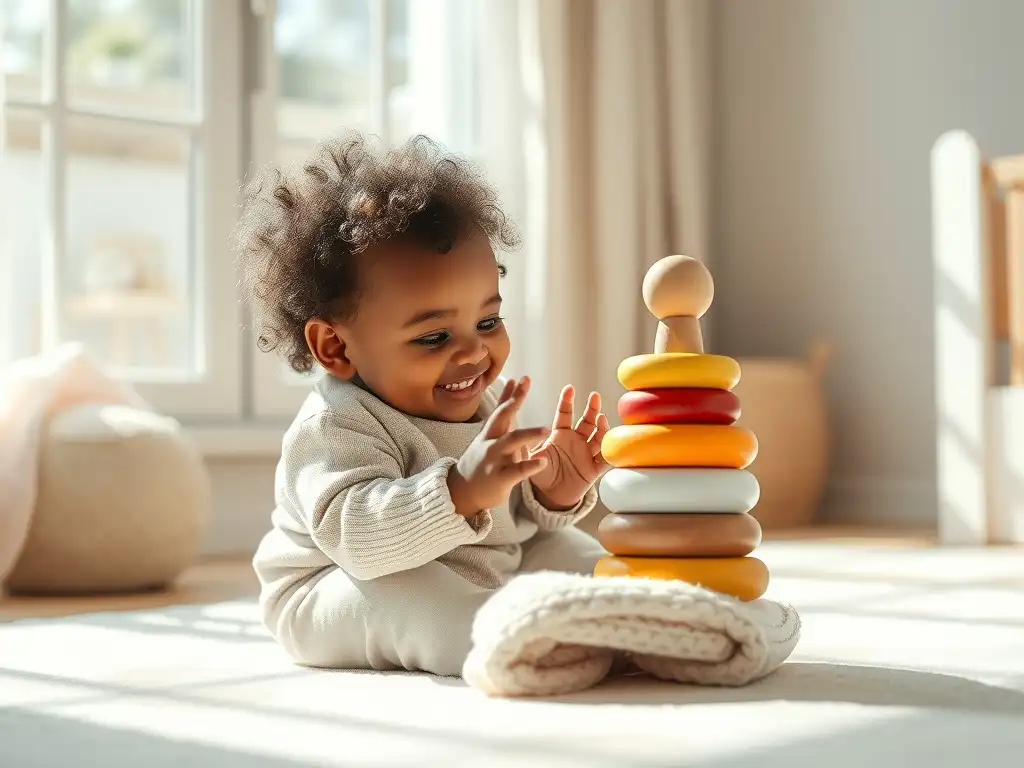
Understanding object permanence – the understanding that objects continue to exist even when they cannot be seen, heard, or touched – is a crucial developmental milestone for babies. This ability isn't magically switched on; it develops gradually over several months. Recognizing the signs of your baby's developing object permanence is key to supporting their cognitive growth and providing appropriate stimulation.
This section will help you identify those key indicators and understand the typical timeline for this development. Early recognition allows parents to engage in activities that further enhance this vital skill, contributing to a strong foundation for future learning. This guide will help you chart your baby's progress on their journey to mastering object permanence.
Observing Your Baby's Play and Reactions
Observing your baby during playtime offers valuable insights into their grasp of object permanence. Initially, babies under six months might show little to no reaction when a toy is hidden from view; they'll simply lose interest. However, as object permanence begins to develop, you'll notice subtle shifts in their behavior.
For example, between 6 and 8 months, you might observe:
- Increased searching: If you partially hide a toy under a blanket, your baby might attempt to retrieve it, indicating a growing understanding that the toy still exists. They may not always succeed, but the effort itself is significant.
- A-not-B error: This is a common phenomenon where babies, even after successfully finding a toy hidden in location A multiple times, will continue to search for it in location A even after seeing it hidden in location B. This demonstrates a developing, but not yet fully solidified, understanding of object permanence.
- Anticipation: When you prepare to hide a favorite toy, your baby might show signs of anticipation or excitement, suggesting they're beginning to anticipate its reappearance.
Between 8 and 12 months, the signs become more pronounced. Babies might:
- Persistently search: They'll search more systematically and effectively for hidden objects, showing a clearer understanding that the object still exists even when out of sight.
- Show less frustration: As their understanding improves, they become less easily frustrated when objects disappear, demonstrating increased patience and problem-solving skills.
- Engage in more complex play: They may begin engaging in more complex play scenarios involving hiding and finding objects, demonstrating a deeper understanding of the concept.
Remember, every baby develops at their own pace. Some might show signs earlier, while others might take a bit longer. The key is to observe your baby's behavior consistently and celebrate their progress.
Assessing Object Permanence: Simple Home Activities
You can actively support your baby's object permanence development through simple, engaging activities at home. These activities are not just fun; they actively stimulate cognitive development. Here are some ideas:
- Peek-a-boo: This classic game is a fantastic way to introduce the concept of object permanence. The disappearance and reappearance of your face reinforces the idea that things continue to exist even when hidden.
- Hiding toys: Start by partially hiding a toy under a blanket and gradually increase the level of concealment. Encourage your baby to find the toy.
- Toy swapping: Show your baby a toy, then discreetly swap it with a similar toy while maintaining eye contact. Observe their reaction; do they notice the change?
- Simple puzzles: Introduce age-appropriate puzzles with one or two pieces. This helps them understand that objects can be hidden and then retrieved.
Remember to keep the activities playful and engaging. Avoid pushing your baby if they seem frustrated or uninterested. The goal is to foster a positive learning experience that builds their confidence and reinforces their understanding of object permanence. Providing a stimulating environment rich in exploration and play is key to supporting this developmental milestone. By incorporating these activities into your daily routine, you can actively contribute to your baby's cognitive development, helping them reach this important milestone successfully. 🎉
Supporting Your Baby's Object Permanence Development: Practical Tips
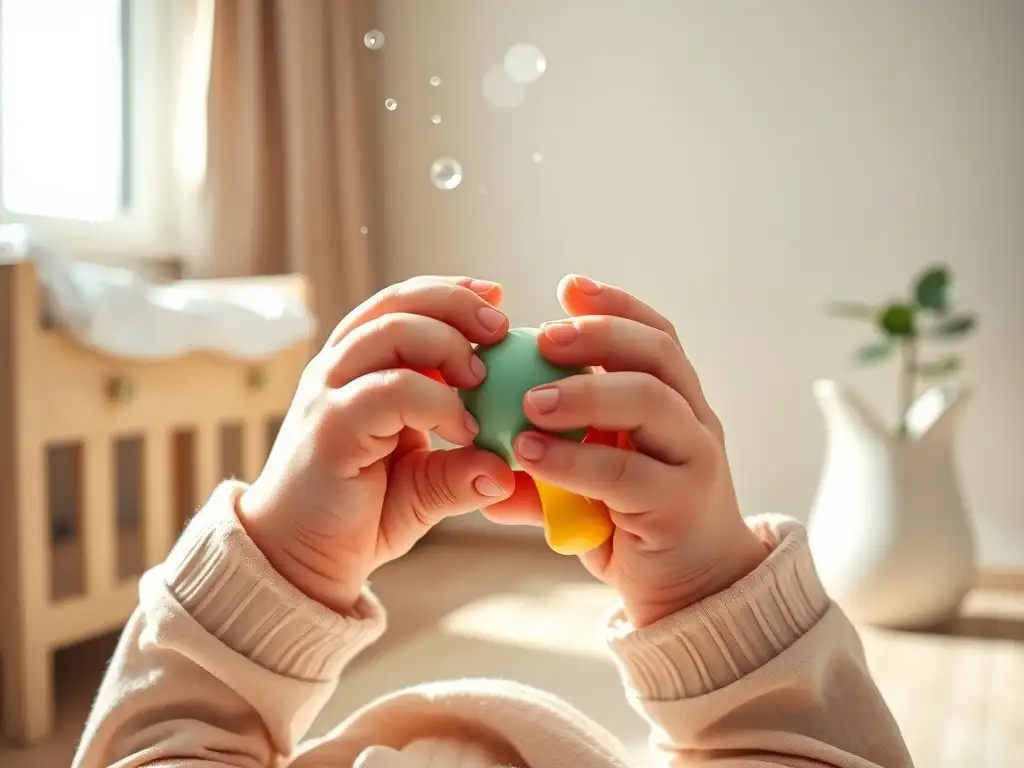
Understanding object permanence is a crucial step in your baby's cognitive development. It's not just about knowing an object exists even when hidden; it's a foundational skill that lays the groundwork for future learning and problem-solving abilities. This section offers practical tips and engaging activities to support your little one's journey in grasping this important concept. Remember, patience and consistent engagement are key. Every baby develops at their own pace, and celebrating small victories is crucial for both you and your child.
Engaging Activities to Boost Object Permanence
Object permanence development is a gradual process, and engaging your baby with the right activities can significantly accelerate their understanding. These activities should be fun, interactive, and tailored to your baby's age and developmental stage. Remember to always supervise your baby closely during playtime.
Peek-a-Boo and Other Hiding Games
The classic game of peek-a-boo is more than just fun; it's a powerful tool for teaching object permanence. By covering your face and then reappearing, you're demonstrating that you still exist even when hidden. As your baby gets older, you can increase the complexity by hiding a toy under a blanket or behind your back. The anticipation and excitement of the reveal reinforce the concept that the object continues to exist, even when out of sight.
This simple game can be adapted and expanded upon as your baby grows, using increasingly complex hiding spots and variations. For example, you could hide the toy under different objects, or even use a soft toy animal to playfully "hide" it. The key is to keep it engaging and fun!
Playing with Toys that Disappear and Reappear
Toys that disappear and reappear, such as toys that go into a box, a toy car that goes behind a piece of furniture, or even a simple ball that rolls out of sight, offer another great way to strengthen object permanence. Observe your baby's reaction as the toy disappears and reappears. Their growing ability to anticipate the reappearance demonstrates a strengthening understanding of object permanence. The more you play these games, the more confident they will become.
Consider using toys with different textures, colors, and sizes to stimulate your baby's senses and keep them engaged. A simple toy rattle disappearing under a blanket, for instance, can be just as effective as a more expensive toy. The focus is on the interaction and the concept of hidden and reappeared objects.
Interactive Games with Cause and Effect
Interactive toys that involve cause and effect are excellent for fostering object permanence. For example, a toy that plays music when a button is pressed teaches your baby that their action (pressing the button) has a consequence (the music playing). This introduces the concept that objects can have an impact on their surroundings, further strengthening their understanding of object permanence.
Even something as simple as dropping a rattle and watching it fall then picking it back up can be a useful game. The repeated action helps solidify the concept that the object still exists, even when out of sight. Variety is key; try various toys and games to keep your baby stimulated and engaged, fostering a love of learning and play.
Creating a Stimulating Environment
Beyond specific activities, creating a stimulating and enriching environment is crucial for supporting your baby's object permanence development. This involves providing a space where your baby can explore, interact with objects, and learn through play.
- Safe exploration: Ensure your baby's play area is safe and free of hazards. Baby-proofing is essential at this stage.
- Variety of textures and materials: Offer toys with different textures, colors, and shapes to stimulate your baby's senses. This helps them engage with objects on multiple levels.
- Rotation of toys: Regularly rotate your baby's toys to prevent boredom and maintain their interest in exploration.
- Predictable routines: While spontaneity is important, predictable routines provide a sense of security and stability, which can positively influence cognitive development.
- Positive reinforcement: Praise and encourage your baby's efforts and explorations. Positive reinforcement will boost their confidence and encourage further learning.
Remember, the development of object permanence is a journey, not a race. By providing a stimulating environment and engaging in playful activities, you'll be supporting your baby's cognitive growth and laying a strong foundation for their future learning. Each small milestone is a significant step towards their overall development. Enjoy the process, and celebrate each achievement!
When to Seek Professional Advice
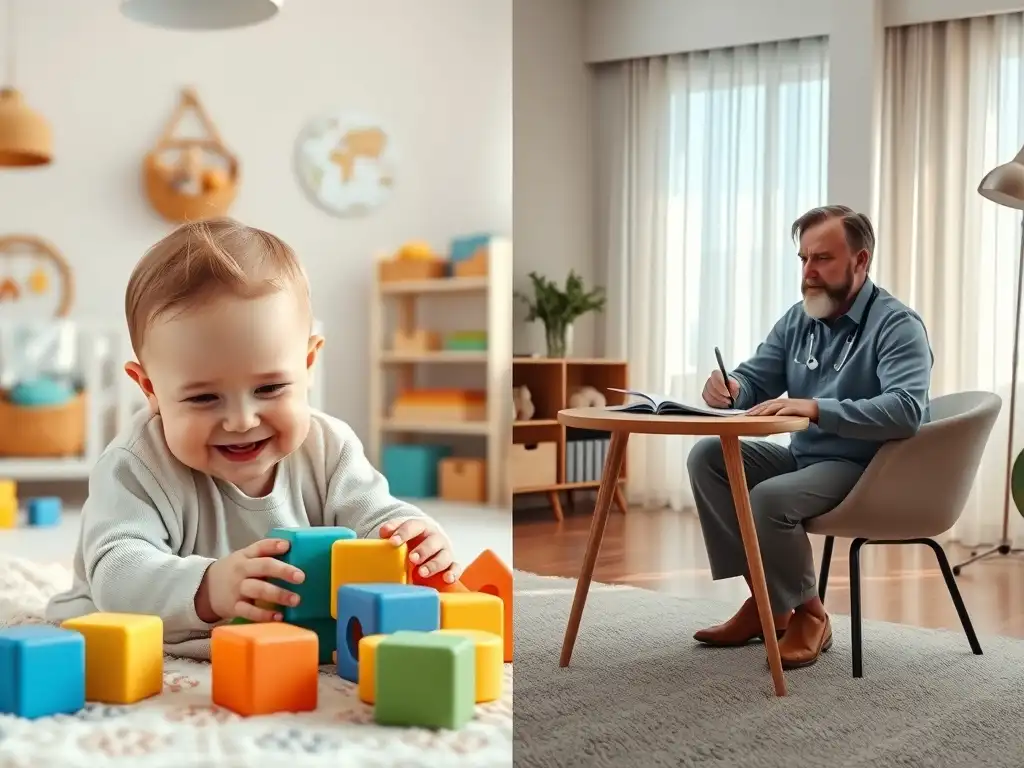
Understanding your baby's developmental milestones is crucial for ensuring their healthy growth. While object permanence typically emerges between 4 and 7 months, variations exist. Knowing when to seek professional guidance is just as important as understanding the developmental stages themselves. This section provides insight into situations where professional intervention may be beneficial for your little one's development.
A proactive approach can make a significant difference in addressing potential developmental delays early on. This empowers you to provide the best possible care and support for your child's journey. Remember, every child develops at their own pace, but recognizing potential concerns is vital.
Signs Requiring Further Assessment
Several signs might indicate a delay in object permanence development or other underlying developmental concerns. These aren't necessarily cause for immediate alarm, but warrant a discussion with your pediatrician or a developmental specialist. Early intervention is key. Here's a checklist of potential warning signs:
- Lack of any search behavior by 9 months: If your baby consistently shows no interest in searching for hidden objects even after repeated demonstrations, this could be a cause for concern. This isn't just about finding the object; it's about understanding that the object continues to exist even when out of sight.
- Significant delays in other developmental areas: Object permanence is interconnected with other developmental milestones. Delays in areas like reaching, grasping, or following visual cues could be linked to a delay in object permanence. For example, if your baby struggles to reach for toys even when they are visible, it might point to a broader developmental concern.
- Inconsistent search behavior: While some inconsistent search behavior is normal, especially in the early stages of object permanence development, consistently failing to find an object even when partially visible could indicate a problem. This could be related to visual processing or cognitive processing difficulties.
- Absence of symbolic play by 18 months: Symbolic play, where a child uses one object to represent another (e.g., a block as a phone), is closely linked to the understanding of object permanence. The lack of this type of play at 18 months might suggest a delay in cognitive development.
- Limited engagement with toys or people: A lack of interest in interactive play, toys, or social interaction could also indicate a potential developmental delay that warrants professional evaluation.
Remember, these are merely potential indicators. Each baby is unique, and some may reach milestones at a slightly different pace. However, if you have any concerns, don't hesitate to seek professional advice. Early intervention can significantly improve outcomes.
Consulting a Pediatrician or Developmental Specialist
If you observe any of the signs mentioned above, scheduling an appointment with your pediatrician is the first step. They can assess your baby's overall development and determine if further evaluation is needed. Your pediatrician may refer you to a developmental specialist, such as a developmental pediatrician, occupational therapist, or psychologist, for a more comprehensive assessment. These specialists are trained to identify and address developmental delays and provide tailored interventions.
During the consultation, be prepared to discuss your baby's developmental history, including:
- Feeding habits: Are they feeding well and gaining weight appropriately?
- Sleep patterns: Do they have a consistent sleep schedule?
- Social interactions: How do they interact with caregivers and other people?
- Motor skills: Can they reach, grasp, and manipulate objects effectively?
- Cognitive skills: Do they show any signs of understanding cause and effect?
The specialist will conduct a thorough assessment, potentially including standardized tests, to determine if any intervention is necessary. They may recommend therapies or strategies to support your baby's development. Remember, seeking professional help is a sign of proactive parenting, not a sign of failure. Early intervention is crucial for optimal outcomes in child development. Early identification and support can significantly improve a child's chances of reaching their full potential, making this a critical aspect of your "baby object permanence development guide."
Frequently Asked Questions
What is object permanence?
Object permanence is the understanding that objects continue to exist even when they cannot be seen, heard, or touched. It's a crucial developmental milestone for babies.
When does object permanence develop in babies?
Typically, object permanence begins to develop around 4-7 months of age, although it's a gradual process that continues to refine throughout the first few years of life. Full understanding takes longer.
How can I help my baby develop object permanence?
Engage in games like peek-a-boo and hide-and-seek with toys. Showing and hiding objects repeatedly helps your baby learn that the object still exists even when out of sight.
What are the signs that my baby is developing object permanence?
Signs include searching for a partially hidden object, looking for a toy after it's been covered, and showing increased interest in finding hidden objects. These are positive indicators.
What should I do if my baby isn't showing signs of object permanence?
If you have concerns about your baby's development, consult your pediatrician. They can assess your baby's progress and provide guidance and support if needed.
Final Reflection: The Enduring Wonder of Object Permanence
Understanding object permanence isn't just a developmental milestone; it's a window into the incredible cognitive leaps your baby is making, shaping their understanding of the world and their place within it. This journey, from the initial confusion of a disappearing toy to the confident search for a hidden object, is a testament to the power of a growing mind. It's a reminder that the seemingly small moments of daily life hold profound significance in a child's development.
Witnessing my own child's grasp of object permanence was a deeply moving experience. The sheer joy on their face when they successfully located a hidden toy, the growing confidence in their little eyes – these are moments I will cherish forever. The development of object permanence is a crucial step in the child's cognitive development, marking a transition from egocentric thought to a more sophisticated understanding of the world.
This quote perfectly encapsulates the profound shift in perspective that occurs as your baby begins to understand that objects exist independently of their perception.
Now, consider the impact of this understanding on your own parenting journey. How can you foster this development further? What playful activities can you incorporate into your daily routine to encourage exploration and discovery?
I urge you to reflect on the unique ways your baby interacts with the world and to celebrate each small victory along the way. Remember, this isn't just about checking off a developmental box; it's about nurturing the blossoming mind of your child and fostering a deep and lasting connection. Embrace the wonder of this journey, and watch your baby's understanding of the world unfold before your eyes.
Unlock Your Baby's World: Boost Their Development Today!
Thank you for learning about object permanence—a crucial step in your baby's cognitive development! You've gained valuable insights into how their understanding of the world is expanding. Now, let's put that knowledge into practice.
- Prioritize engaging playtime: Dedicate some time each day to interactive games that focus on hiding and revealing toys, fostering their understanding of object permanence. For example, try hiding a favorite toy under a blanket and encouraging your baby to find it.
- Create a "peek-a-boo" ritual using different objects or people. This helps them understand that things continue to exist even when they can't be seen.
- Share your experience: Tell us in the comments about your baby's favorite game involving hiding and seeking! What works best, and how do you see their understanding grow?
Ready to witness your little one's amazing progress? What simple game will you try first to nurture their developing mind?