
Sensory Play Outdoors: Nature Activities for Baby's Development

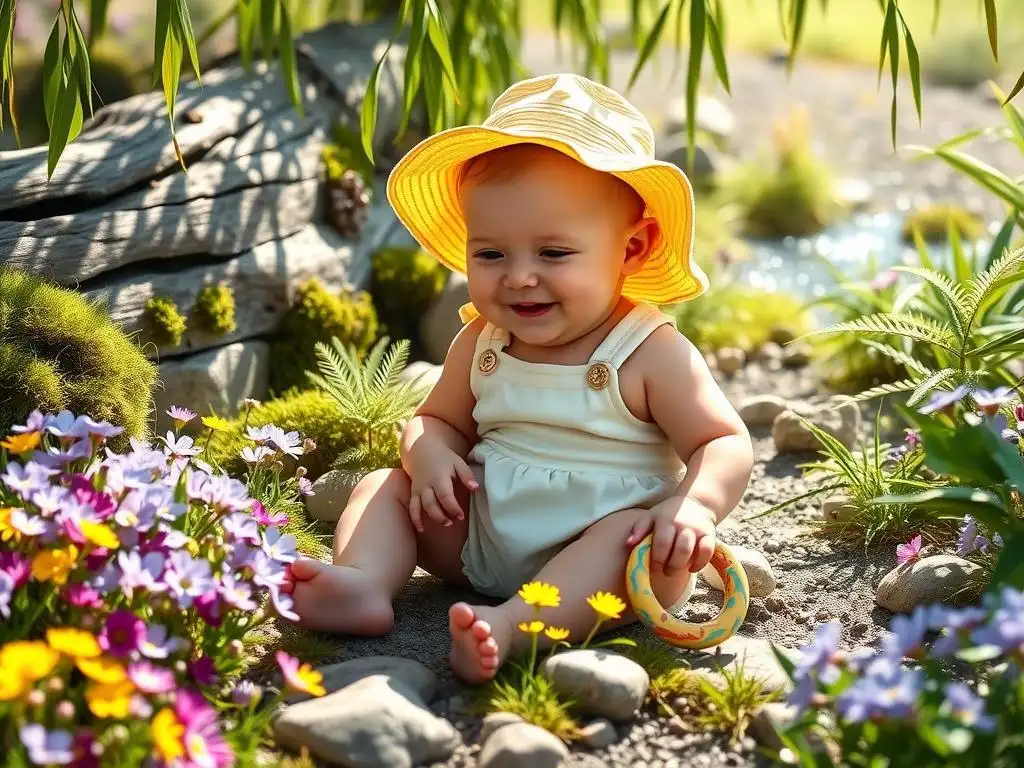
Welcome to BabyCareHub, your ultimate guide to navigating the incredible journey of parenthood! Are you ready to unlock a world of wonder and learning for your little one? We believe that play is paramount to a baby's development, and that's why we're thrilled to share our expert advice on Baby outdoor sensory play ideas. Discover engaging and enriching activities that will stimulate your baby's senses and foster crucial developmental milestones. Dive in and explore the magic of nature-based play – your baby's development will thank you!
- Baby Outdoor Sensory Play Ideas: Benefits for Early Development
- Safe and Engaging Outdoor Sensory Play for Babies: Practical Tips
- Baby Outdoor Sensory Play Ideas: Activities by Age
- Making the Most of Outdoor Sensory Play: Tips for Parents
- Extend the Fun: More Nature-Based Sensory Play Ideas for Babies
-
Frequently Asked Questions
- What are the benefits of outdoor sensory play for babies?
- What are some suitable outdoor sensory play activities for babies?
- Is it safe to take my baby outdoors for sensory play?
- What if my baby doesn't seem interested in outdoor sensory play?
- At what age can I start outdoor sensory play with my baby?
- Final Reflection: Cultivating Wonder: The Lasting Impact of Sensory Play
- Unleash Your Baby's Potential: Nature's Playground Awaits!
Baby Outdoor Sensory Play Ideas: Benefits for Early Development
Stepping into the world of parenthood is a thrilling journey filled with countless discoveries. As your little one grows, providing stimulating experiences becomes crucial for their healthy development. This article explores the incredible benefits of outdoor sensory play for babies, offering practical ideas to nurture your child's cognitive, motor, and sensory skills using the wonders of nature.
We'll delve into how even the simplest natural elements can transform playtime into a powerful tool for your baby's development, helping them learn, grow, and thrive. This guide is specifically designed to provide first-time parents with actionable "baby outdoor sensory play ideas", focusing on the unique advantages of nature-based activities for early childhood development.
From improving motor skills to enhancing sensory exploration and boosting cognitive abilities, we’ll unpack the numerous benefits and provide practical tips to make the most of your outdoor playtime adventures. Remember, safety is paramount, so always supervise your little one closely during these activities.
Enhanced Sensory Exploration Through Nature
Nature provides a rich tapestry of sensory experiences perfectly suited to a baby's developing senses. The soft touch of grass between tiny fingers, the rustling of leaves in the breeze, the vibrant colors of flowers – these experiences stimulate multiple senses simultaneously. Consider these enriching activities:
- Barefoot Walks: Let your baby feel the textures of grass, sand, or smooth stones under their feet. This simple activity stimulates nerve endings and enhances tactile awareness. Pay attention to the surface; avoid rough or hot surfaces.
- Leaf Pile Play: Creating a pile of soft leaves provides a wonderful sensory experience. Let your baby explore the textures, sounds, and smells of the leaves. Ensure the leaves are clean and free from debris.
- Water Play: A simple bowl of water with floating toys or even just splashing in a shallow puddle (on a warm day!) offers endless sensory delight. Always supervise closely near water.
- Sensory Bags: Fill clear, zip-top bags with various natural items like leaves, flowers, or small smooth stones. The visual stimulation and tactile exploration are captivating for babies.
Remember to always supervise your baby closely during these activities and choose a safe, clean environment. The variety of textures and sensory input available in nature will help your baby develop a deeper understanding of their world. 👶
Improved Motor Skills Development with Outdoor Activities
Outdoor play provides a dynamic environment that naturally encourages the development of crucial motor skills. The open space allows for free movement, strengthening large and small muscles while fostering coordination and balance.
- Crawling and Rolling: Soft grass or a blanket on a smooth surface provides a safe and stimulating environment for crawling and rolling. The varied textures and slight inclines can challenge and encourage further development.
- Reaching and Grasping: Offer your baby brightly colored natural objects like smooth stones or soft, clean pinecones to reach for and grasp. This strengthens their hand-eye coordination and fine motor skills.
- Sitting and Standing: Outdoor spaces allow for more freedom of movement, encouraging your baby to practice sitting and standing with support. Supervision is crucial during these developmental stages.
- Walking Practice: If your baby is beginning to walk, a grassy area or soft surface provides a supportive environment for their first steps. Always be close by to offer assistance and prevent falls.
These activities stimulate physical development in a fun and engaging way. The uneven surfaces and varied terrain challenge your baby’s balance and coordination, leading to significant improvements in their gross and fine motor skills. 🎉
Cognitive Benefits of Nature-Based Sensory Play for Babies
Exposure to nature's elements isn't just beneficial for physical development; it also significantly impacts cognitive growth. The diverse sensory experiences stimulate curiosity, problem-solving skills, and a deeper understanding of the world around them.
- Exploration and Discovery: The natural environment is constantly changing, offering new sights, sounds, and textures to explore. This encourages curiosity and fosters a love of learning.
- Cause and Effect: Activities like dropping leaves or watching the wind blow them away introduce the concept of cause and effect in a tangible way.
- Problem-Solving: Navigating uneven terrain, reaching for objects, and interacting with different textures challenges your baby's problem-solving skills.
- Language Development: Talking to your baby about the natural world around them expands their vocabulary and language comprehension.
Remember to narrate your baby's experiences, describing the different textures, colors, and sounds. This helps them connect words with experiences, strengthening their language development. 🧠 The benefits of outdoor sensory play are multifaceted, impacting your baby's development holistically. By embracing nature's playground, you're laying a strong foundation for your child's future learning and growth.
Safe and Engaging Outdoor Sensory Play for Babies: Practical Tips
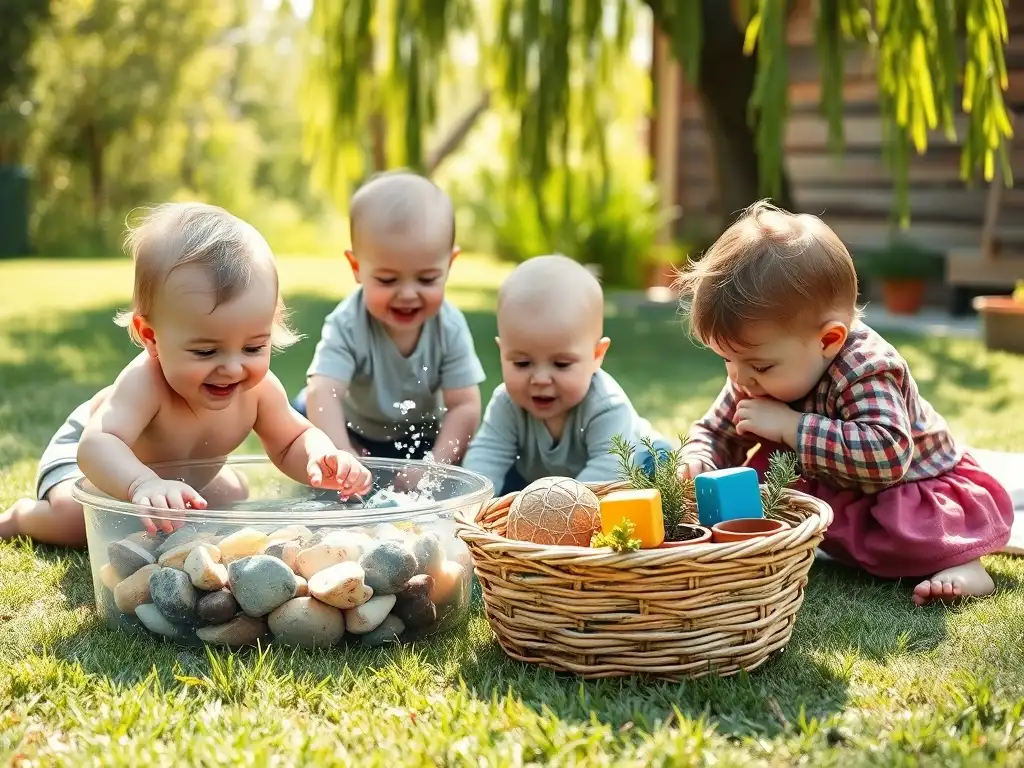
This section focuses on maximizing the benefits of outdoor sensory play while prioritizing your baby's safety. We'll explore creating a secure environment, selecting age-appropriate activities, and implementing essential safety precautions. Remember, the goal is to foster your baby's development in a fun and risk-free manner. Engaging your baby in stimulating outdoor sensory play experiences is crucial for their cognitive, physical, and emotional growth. These experiences provide a wealth of opportunities for learning and exploration, far exceeding what indoor activities can often offer. Let's delve into the specifics.
Creating a Safe Outdoor Play Environment for Your Baby
Before embarking on any outdoor sensory play session, meticulously prepare a safe and stimulating environment. This involves a thorough assessment of your chosen location, eliminating potential hazards, and creating a comfortable space for your little one. Think of it as creating a baby-proofed outdoor haven.
Consider these key aspects:
- Surface Safety: Opt for soft, even surfaces like grass lawns or padded play mats. Avoid hard surfaces like concrete or pavement, which can cause serious injuries in case of a fall. Always supervise your baby closely, even on soft surfaces.
- Sun Protection: Direct sunlight can be harmful to delicate baby skin. Provide ample shade using a sun umbrella, canopy, or by scheduling playtime during cooler parts of the day. Remember to apply a baby-safe sunscreen with a high SPF, frequently reapplying as needed.
- Temperature Regulation: Monitor the temperature carefully. Avoid exposing your baby to extreme heat or cold. Dress your baby appropriately for the weather conditions. Layers are key to adapting to changing temperatures.
- Hazard Elimination: Conduct a thorough inspection of the play area, removing any potential hazards such as sharp objects, poisonous plants, or small items that could be swallowed. Remember, a baby's curiosity knows no bounds!
- Accessibility: Ensure easy access to water and shade. Having these readily available will enhance your baby's comfort and safety during playtime. This is particularly important during warmer months.
Creating a safe outdoor play environment is paramount for a successful and enjoyable sensory play experience. Remember, prevention is key!
Choosing Age-Appropriate Outdoor Sensory Activities
The type of sensory play suitable for your baby will vary significantly based on their developmental stage. For instance, a newborn will respond differently to sensory stimulation than a six-month-old. Always tailor activities to your baby's abilities and interests.
Here’s a breakdown of age-appropriate ideas:
- Newborns (0-3 months): Focus on simple activities like tummy time on a soft blanket outdoors, allowing them to explore textures like grass (under supervision) or feel the gentle breeze. Soft sounds of nature also provide valuable auditory stimulation.
- 4-6 months: Introduce activities involving different textures, such as soft fabrics, smooth stones (carefully supervised! ), and cool water (in a safe container). Introduce rattles or other soft toys that make sounds.
- 7-12 months: Babies at this stage can begin exploring more complex textures and materials. Supervised crawling on grass, playing with sand (in a contained area), or splashing in a shallow container of water are excellent options.
Remember to always supervise your baby closely during sensory play and introduce new activities gradually. Observe your baby's reactions and adjust the activity as needed. This careful approach ensures a positive and enriching experience. Remember to document your baby's progress and responses to different activities. This will help you better understand their preferences and tailor future sessions accordingly.
Essential Safety Precautions for Baby's Outdoor Playtime
Prioritizing safety during baby outdoor sensory play is paramount. This involves constant supervision, proactive hazard mitigation, and quick responses to unexpected events. Never leave your baby unattended, even for a moment.
Here's a checklist of essential safety precautions:
| Safety Aspect | Action |
|---|---|
| Supervision | Never leave your baby unattended, even for a short time. |
| Sun Protection | Use a high SPF baby sunscreen, hats, and shade. |
| Hydration | Offer frequent sips of water, especially on warm days. |
| Insect Protection | Use baby-safe insect repellent. |
| Temperature Control | Dress your baby appropriately for the weather, avoiding extreme temperatures. |
| First-Aid Kit | Keep a well-stocked first-aid kit readily accessible. |
| Emergency Contacts | Ensure emergency contact information is readily available. |
Remember, consistent vigilance and a proactive approach to safety will ensure a joyful and enriching outdoor sensory play experience for your baby. Your attentiveness is the most important safety measure. Enjoy these precious moments of bonding and learning!
Baby Outdoor Sensory Play Ideas: Activities by Age
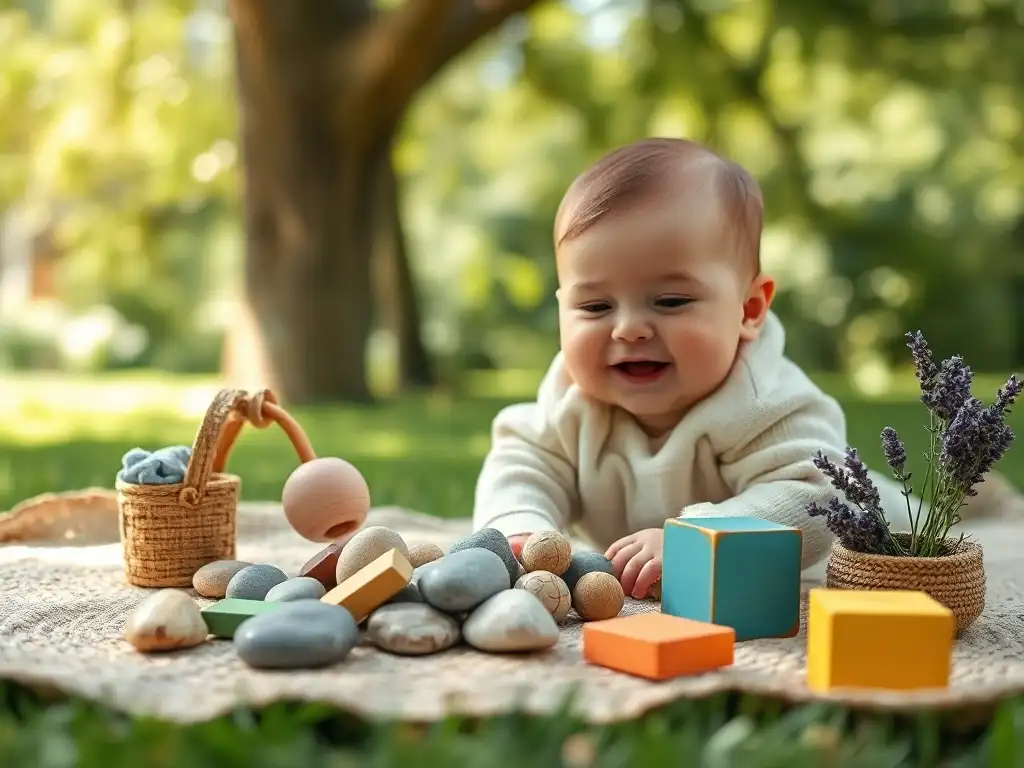
This section provides a detailed breakdown of age-appropriate sensory play activities for babies outdoors, focusing on maximizing developmental benefits while ensuring safety. We'll explore engaging and stimulating activities categorized by age, offering practical tips and considerations for parents. Remember always to supervise your baby closely during outdoor play.
Sensory Play for 6-Month-Old Babies Outdoors
At six months, babies are beginning to explore the world with more intention. Their senses are developing rapidly, and outdoor sensory play can significantly contribute to their cognitive and physical development. Here are some ideas to stimulate their senses in a safe and engaging way:
Exploring Textures with Grass and Sand
Six-month-olds are fascinated by textures. A soft, grassy patch provides a wonderful opportunity for tactile exploration. Supervise your baby closely as they lie on their tummy, allowing them to feel the blades of grass between their fingers and toes. Similarly, a small, contained area of sand (always ensuring it's clean and free from debris) can offer a different tactile experience.
Observe how they react to the different textures – do they grab, push, or simply explore with their fingers? This helps you understand their sensory preferences and tailor future activities accordingly. Remember to choose a location with minimal risk of exposure to harmful insects or substances.
Sound Exploration: Wind Chimes and Nature Sounds
Auditory stimulation is crucial at this age. Hang gentle wind chimes nearby, ensuring they are securely attached and out of reach. The soft tinkling sounds can be soothing and captivating. Take your baby for a walk in a quiet, natural setting.
Point out the sounds of birds chirping, leaves rustling in the breeze, or the gentle hum of bees. Narrate these sounds, helping your baby associate them with the visual stimuli. This helps develop their language skills and expands their understanding of the world around them. Consider playing nature sounds recordings softly in the background if the environment is too noisy.
Visual Stimulation: Colorful Flowers and Leaves
Babies at this age are drawn to bright colors and contrasting patterns. A garden filled with colorful flowers provides excellent visual stimulation. Point out the different colors and shapes, describing them simply. Allow your baby to reach out and touch the petals (with supervision, of course, to avoid any harmful plants).
Similarly, exploring different leaves – their shapes, sizes, and textures – offers another dimension of visual and tactile learning. Remember to always prioritize your baby's safety, ensuring no plants are poisonous or pose a choking hazard. Document your baby's reactions to different colors and patterns to track their preferences over time.
Sensory Play for 9-Month-Old Babies Outdoors
Nine-month-olds are more mobile and curious than their six-month-old counterparts. This offers exciting opportunities for more dynamic sensory play experiences, but also requires increased vigilance in ensuring safety.
Simple Outdoor Motor Activities
At this age, babies are starting to crawl and pull themselves up. Creating a safe, stimulating space for movement is vital. A soft, padded area with various textures (blankets, pillows) provides a safe place to explore crawling and reaching. Include brightly colored toys or objects within reach to encourage them to move and explore.
Observe their motor skills – how easily do they crawl, reach, and grasp? This helps identify areas for further development and tailor future play sessions accordingly. Consider adding obstacles like soft cushions or pillows to encourage them to navigate their environment and improve their gross motor skills.
Introducing Water Play Safely Outdoors
Supervised water play is a fantastic sensory activity for nine-month-olds. A small paddling pool filled with a few inches of lukewarm water allows your baby to splash, feel the texture of water, and learn about cause and effect. Always ensure constant supervision, and never leave your baby unattended near water. Use waterproof toys that float to add an element of fun and engagement.
Observe your baby's reactions to the temperature and texture of the water. This helps you gauge their comfort level and tailor future water play sessions. Remember to always prioritize safety; never leave your baby unattended near water.
Exploring Different Textures and Materials
Continue exploring various textures, but now introduce more diverse materials. For example, a smooth wooden surface contrasts with a rough-textured stone or a soft fabric. Allow your baby to explore these textures under close supervision. Observe their reactions to different materials – do they show a preference for certain textures?
This provides valuable insight into their sensory development and preferences. Remember to select materials that are safe, non-toxic, and free from sharp edges or small parts that could pose a choking hazard. Consider creating a sensory bin with various safe materials, such as small, smooth stones, soft fabrics, and wooden blocks. This provides a contained and safe environment for exploration.
Sensory Play for 12-Month-Old Babies Outdoors
Twelve-month-old babies are becoming increasingly mobile and curious, making outdoor sensory play a fantastic way to stimulate their development. At this age, babies are refining their fine motor skills and exploring cause and effect. Outdoor activities offer a wealth of opportunities for both.
Think about incorporating elements that engage multiple senses simultaneously. For example, a simple activity like filling a bucket with water and providing various sized cups and spoons allows for pouring, scooping, and splashing – engaging their tactile sense and hand-eye coordination. The sound of the water adds an auditory element, while observing the water's movement and reflection stimulates their visual senses.
The key at this stage is supervision and safety. Always ensure the play area is safe and free from hazards. Consider using soft surfaces to cushion falls and keep an eye out for potential dangers like sharp objects or poisonous plants. Remember to provide plenty of shade and hydration, particularly during warmer months. This age group is also beginning to understand simple instructions, so you can start incorporating games with verbal cues, such as "Let's fill the bucket!"
or "Can you put the cup in the water?". This helps with language development and strengthens the parent-child bond. Observe your baby's reactions and adjust the activities to suit their interests and abilities. Some babies might be more interested in exploring textures, while others might prefer manipulating objects. The goal is to foster a love for exploration and learning through play.
More Complex Outdoor Motor Skills Activities
As your baby approaches their first birthday, they're likely mastering more complex motor skills. This is the perfect time to introduce activities that challenge their coordination and balance. Think about setting up a simple obstacle course using pillows, blankets, and soft toys. This encourages crawling, climbing, and navigating different surfaces. Alternatively, you could create a "tunnel" using large cardboard boxes or blankets draped over furniture (always ensuring stability and safety). Crawling through tunnels is a fantastic way to develop spatial awareness and body coordination.
Another engaging activity is rolling a large ball back and forth. This simple game improves hand-eye coordination and strengthens their gross motor skills. You can also introduce simple pushing and pulling toys, like a toy wagon or a sturdy walker. Remember to choose toys that are age-appropriate and safe for outdoor use.
Always supervise your baby closely during these activities to prevent falls or injuries. The focus should be on fun and exploration, allowing your baby to experiment and discover their capabilities at their own pace. Celebrating their achievements, even small ones, will boost their confidence and encourage further exploration. Remember to vary the activities to keep your baby engaged and prevent boredom.
Nature Walks and Sensory Scavenger Hunts
Nature walks are a fantastic way to combine sensory exploration with physical activity. A gentle stroll through a park or a wooded area exposes your baby to a range of sights, sounds, and smells. Encourage them to touch different textures, like grass, leaves, and bark. Point out interesting sights and sounds, like birds singing or squirrels scampering. This helps develop their observational skills and expands their understanding of the world around them.
To make the walk even more engaging, you can organize a simple sensory scavenger hunt. Provide a small basket and ask your baby to help you collect specific items, such as smooth stones, colorful leaves, or interesting twigs. This activity promotes fine motor skills, as they learn to grasp and manipulate objects. It also encourages problem-solving skills as they search for the designated items.
Remember to only collect items that are safe and readily available – avoid picking flowers or disturbing the natural environment. Turning this into a game, such as “Let’s find three red leaves!”, can be motivating and fun. The experience can be further enhanced by narrating the walk, describing what you see, hear, and feel.
Independent Exploration in a Safe Outdoor Space
Providing a safe and stimulating outdoor environment where your 12-month-old can explore independently is crucial for their development. This doesn't mean leaving them unsupervised, but rather creating a dedicated space where they can move freely and engage their senses without constant intervention. This could be a section of your backyard, a play area in a park, or even a designated space on your balcony or patio.
The key is to make the space safe and engaging. Remove any potential hazards, such as sharp objects, toxic plants, or small items that could be swallowed. Provide a variety of textures and objects for exploration, such as soft blankets, textured balls, or safe containers to fill and empty. A sandbox is an excellent addition, offering endless opportunities for sensory play. Remember to supervise your baby at all times, even in a dedicated play area.
Be nearby to offer assistance if needed, but allow them the freedom to explore and discover at their own pace. This fosters independence and self-confidence while providing valuable sensory experiences. Observe your baby's interactions with the environment and adjust the play area as needed to accommodate their evolving interests and abilities. This approach supports their development of autonomy and problem-solving skills.
Making the Most of Outdoor Sensory Play: Tips for Parents
Outdoor sensory play offers a wealth of benefits for your baby's development. It's a fantastic opportunity to stimulate their senses, encourage exploration, and foster a connection with the natural world. But maximizing the experience requires careful planning and mindful participation. This section provides practical tips to ensure your baby's outdoor sensory play sessions are both enjoyable and developmentally enriching.
Incorporating Nature's Elements into Sensory Play
Nature itself provides a boundless array of sensory materials for your baby. Think beyond the typical toys; consider the richness of textures and scents available in your backyard or nearest park.
- Textures: Let your baby explore different textures like soft grass, rough bark, smooth stones, and damp soil. Supervise closely, of course! A patch of soft grass can be a wonderful place for tummy time, while a collection of smooth, water-washed pebbles can be fascinating to touch and grasp. The varied tactile experiences stimulate their developing sense of touch and fine motor skills.
- Scents: The outdoors is filled with amazing aromas! Let your baby experience the scent of freshly cut grass, blooming flowers (ensure they are non-toxic! ), and damp earth. These scents can be calming and stimulating, expanding their olfactory world. Remember to be mindful of any potential allergies.
- Sounds: The sounds of nature are equally captivating. The rustling of leaves, chirping of birds, and buzzing of bees create a dynamic soundscape that enriches your baby's auditory experience. This helps with their sound discrimination and overall auditory development.
- Sights: The vibrant colors of flowers, the changing patterns of leaves, and the movement of clouds provide visual stimulation. These varied sights help in developing their visual acuity and color recognition. Consider using brightly colored, natural items like autumn leaves or colorful flowers (always ensuring safety).
Engaging with Your Baby During Outdoor Playtime
Active engagement is key to making outdoor sensory play effective. It's not just about placing your baby in a stimulating environment; it's about interacting with them and guiding their exploration.
Remember, babies learn through interaction and exploration. Your role is to facilitate this process by:
- Narrating: Describe what your baby is experiencing. "Feel how soft the grass is!" or "Listen to the birds singing!" This helps them connect their senses to language.
- Modeling: Show your baby how to interact with the materials. Gently touch the leaves, smell a flower (carefully! ), and point out interesting sights. This provides a framework for their own exploration.
- Following their lead: Observe your baby's interests and follow their lead. If they're fascinated by a particular texture or sound, let them explore it further. This fosters autonomy and encourages self-directed learning.
- Maintaining safety: Constant supervision is crucial. Always ensure that your baby is safe and that the play environment is free from hazards. This includes checking for sharp objects, poisonous plants, and insects.
Adapting Activities to Your Baby's Individual Needs and Preferences
Every baby is unique, and their sensory preferences will vary. What captivates one baby might bore another. Therefore, it's essential to adapt your activities to your baby's individual needs and preferences.
- Observe their reactions: Pay close attention to your baby's responses to different sensory stimuli. Do they seem engaged, overwhelmed, or disinterested? Adjust the activity accordingly. If they seem overwhelmed, reduce the intensity or duration of the activity.
- Offer variety: Don't stick to the same activities repeatedly. Introduce new sensory experiences regularly to keep your baby engaged and challenged. This ensures continued stimulation and prevents boredom.
- Flexibility is key: Be prepared to deviate from your plan. If your baby shows a strong interest in something unexpected, embrace it! Spontaneity can lead to some of the most enriching learning experiences.
- Record their progress: Keep a simple note of your baby's reactions to different activities. This helps you track their development and identify their preferences, allowing you to tailor future sensory play sessions accordingly. This also helps you gauge their developmental milestones related to sensory play, providing insights for future activities. This personalized approach ensures that the "baby outdoor sensory play ideas" are truly effective and enjoyable for your little one. 👶
Extend the Fun: More Nature-Based Sensory Play Ideas for Babies
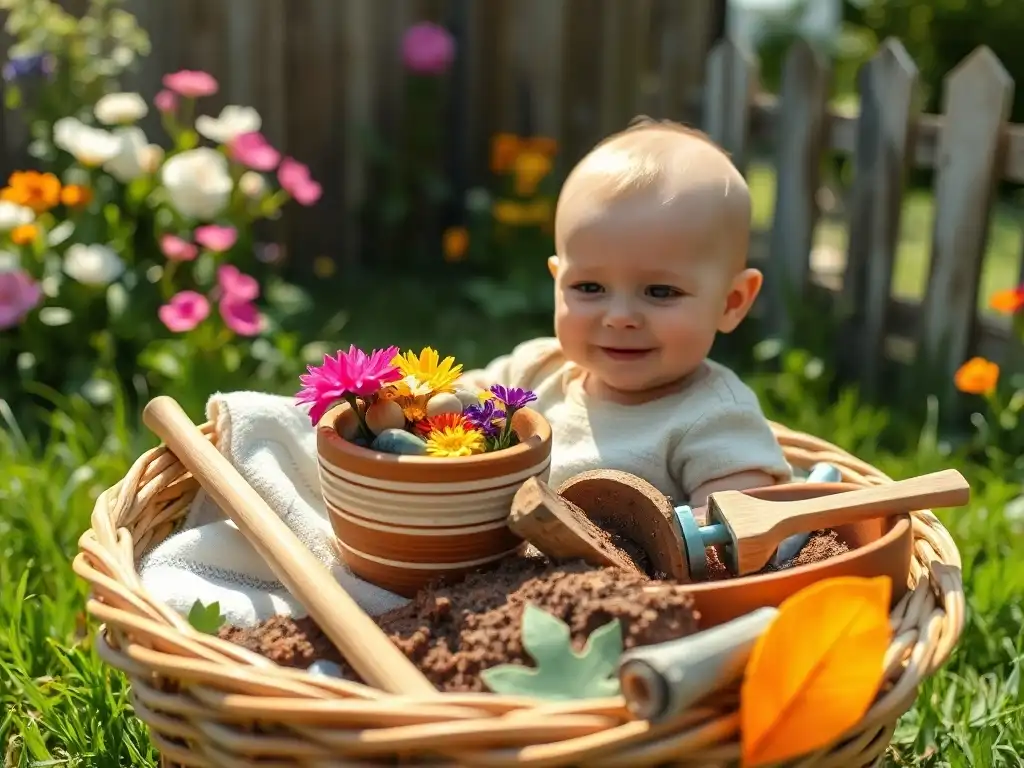
This section expands on the core concepts of baby outdoor sensory play, offering additional activities to stimulate your little one's senses and foster their development. We'll explore creative and readily accessible nature-based activities, perfect for enriching your baby's playtime and creating lasting memories. Remember always to supervise your baby closely during any sensory play activity.
DIY Sensory Bags for Outdoor Exploration
Creating DIY sensory bags is a fantastic way to introduce your baby to different textures and sensations while minimizing mess. These are incredibly simple to make and offer a portable sensory experience, perfect for picnics or trips to the park.
Here's how to make your own:
- Materials: Strong, sealable freezer bags (gallon-sized work best), various natural materials like dried leaves, small smooth stones, rice, beans (ensure they are large enough to prevent choking hazards! ), and water.
- Construction: Select a variety of materials to offer diverse textures. Place the chosen materials into the freezer bag, leaving some space for the bag to expand slightly. Seal the bag tightly, ensuring there are no leaks. Test the seal thoroughly before handing it to your baby.
- Playtime: Supervise your baby closely as they explore the bag. They can squeeze, press, and feel the different textures within. The slight movement of the materials inside adds another layer of sensory stimulation. You can even introduce different bags with varying materials for a more varied experience. Consider introducing bags with water and a few floating objects for added visual and tactile stimulation.
Remember to regularly inspect the bags for any tears or damage to prevent leaks and choking hazards. Always supervise your baby during play. This simple activity provides a fantastic opportunity for baby outdoor sensory play ideas.
Creating a Sensory Garden for your Baby
A dedicated sensory garden tailored to your baby's developmental stage is a wonderful investment in their sensory exploration. It allows for repeated engagement and offers a safe, stimulating environment.
Consider these elements when designing your sensory garden:
- Textural Variety: Include plants with different leaf textures – soft, fuzzy, smooth, spiky (ensure these are not poisonous!). Consider adding patches of grass for crawling and exploring.
- Visual Stimulation: Choose plants with vibrant colors and varying heights. Flowers offer a beautiful visual feast for your baby.
- Aromatic Elements: Some herbs and flowers have pleasant, safe scents. Lavender, for example, is known for its calming properties. However, always research the safety of any plant before including it in your baby's sensory garden.
- Safe Boundaries: Ensure the area is securely fenced or enclosed to prevent your baby from wandering off or encountering hazards.
- Accessibility: The garden should be easily accessible for your baby, allowing for independent exploration under supervision.
This dedicated space provides countless opportunities for baby outdoor sensory play ideas, encouraging both physical and cognitive development. The garden is a dynamic environment that evolves with your baby's growth, offering new sensory experiences throughout their early years.
Using Natural Materials for Sensory Play at Home (extension)
Even when not venturing outdoors, you can easily incorporate nature's bounty into your baby's sensory playtime indoors. This provides a seamless transition between outdoor and indoor sensory experiences.
Here are some ideas:
- Pine Cones and Acorns: These offer varied textures and shapes, perfect for grasping and exploring. Ensure they are thoroughly cleaned before use.
- Smooth Stones: Collected from a safe location, these offer a cool, smooth tactile experience.
- Dried Leaves: Crinkle them, feel their texture, and observe their colors.
- Flower Petals: Soft and delicate, these offer a gentle sensory experience. However, always ensure they are non-toxic.
Remember to always supervise your baby during indoor sensory play and ensure that all materials are safe and cleaned appropriately. This extension of outdoor sensory play seamlessly integrates nature into your baby’s everyday environment, enriching their sensory experiences even on days you can’t venture outside. It demonstrates further options for baby outdoor sensory play ideas, adapted for indoor use.
Frequently Asked Questions
What are the benefits of outdoor sensory play for babies?
Outdoor sensory play offers numerous benefits for your baby's development. It stimulates their senses through exploration of natural textures, sounds, and smells, promoting cognitive growth and physical coordination. It also provides opportunities for social interaction and helps them learn about the world around them.
What are some suitable outdoor sensory play activities for babies?
Simple activities work best! Try a textured nature walk letting your baby touch leaves and grass, or a water play session with safe containers and toys. Bubble blowing is another great option, engaging their vision and hearing.
Is it safe to take my baby outdoors for sensory play?
Yes, but with precautions. Choose a safe, shaded location to avoid overheating, and always supervise your baby closely. Use age-appropriate toys, and be mindful of potential hazards like insects or uneven terrain.
What if my baby doesn't seem interested in outdoor sensory play?
Don't worry! Every baby is different. Try varying the activities and the environment. Keep sessions short and fun, focusing on your baby's cues. Positive interaction is key to making it a enjoyable experience.
At what age can I start outdoor sensory play with my baby?
You can introduce simple sensory play outdoors as soon as your baby can sit up unsupported, usually around 6-8 months. Start with short sessions and gradually increase the duration and complexity of the activities as your baby grows.
Final Reflection: Cultivating Wonder: The Lasting Impact of Sensory Play
The power of outdoor sensory play for babies is not just a fleeting trend; it's a fundamental cornerstone of healthy development, shaping their future understanding of the world and their place within it. These early experiences, filled with the sights, sounds, smells, textures, and tastes of nature, lay the groundwork for cognitive, emotional, and physical growth that extends far beyond the sandbox. We've explored the myriad benefits, from enhanced fine motor skills to improved language development, and the profound impact on a child's overall well-being.
The influence of nature on a child's development is undeniable, shaping their creativity, curiosity, and connection to the natural world. It's a legacy that extends beyond childhood, influencing their environmental awareness and appreciation for the beauty and wonder surrounding them. As the renowned naturalist, Rachel Carson, wisely stated: Those who contemplate the beauty of the earth find reserves of strength that will endure as long as life lasts.
This sentiment perfectly encapsulates the enduring power of early sensory experiences in nature, fostering a lifelong love and respect for the environment.
Consider the simple act of digging in the dirt, the thrill of splashing in a puddle, or the quiet wonder of observing a ladybug. These seemingly small moments are, in fact, monumental building blocks in a child's development. I urge you, dear reader, to embrace the transformative potential of outdoor sensory play.
Create opportunities for your little ones to explore, discover, and connect with the natural world. Let them build their own castles in the sand, feel the soft grass between their toes, and marvel at the vibrant colors of a blooming flower. The memories you create together, and the foundation you build, will last a lifetime.
Unleash Your Baby's Potential: Nature's Playground Awaits!
Thank you for exploring the wonderful world of outdoor sensory play with your little one! We hope you discovered how nature can nurture your baby's development. Now, let's put this knowledge into practice.
- Create a Sensory Bin: Gather natural materials like leaves, twigs, and smooth stones, and let your baby explore the different textures and scents. Get creative and adapt the activity to what most captivated your baby during your exploration.
- Share Your Sensory Adventure: Post a picture on social media of your baby interacting with their nature-based sensory bin, and use #BabyCareHubSensoryPlay to connect with other parents!
- Explore our website for more nature-inspired activities and tips tailored to your baby's age and developmental stage.
Ready to transform your backyard into a learning haven? What natural element will you introduce to your baby's sensory play next?