
Sensory Play and Gross Motor Development: A Powerful Combination


Welcome to BabyCareHub, your ultimate guide to navigating the incredible journey of parenthood! Are you ready to unlock the secrets to your little one's thriving development? We delve into the fascinating world of baby sensory motor skills development, exploring how enriching sensory play can significantly impact your baby's physical and cognitive growth. Discover the powerful connection between sensory experiences and gross motor milestones in our latest article, "Sensory Play and Gross Motor Development: A Powerful Combination," and embark on this enriching adventure with us!
- Understanding Baby Sensory Motor Skills Development (0-12 Months)
- Types of Sensory Play for Boosting Gross Motor Skills
- Practical Sensory Play Activities for Gross Motor Skill Development
- Creating a Safe and Engaging Sensory Play Environment
- Monitoring Your Baby's Progress in Sensory Motor Skills Development
- The Long-Term Benefits of Sensory Play for Gross Motor Development
- Frequently Asked Questions
- Final Reflection: Unlocking Potential Through Sensory Play
- Unleash Your Little One's Potential: Boost Sensory & Motor Skills Now!
Understanding Baby Sensory Motor Skills Development (0-12 Months)
The journey of a baby's first year is a whirlwind of incredible growth and development, with each milestone a testament to their rapidly expanding capabilities. A crucial aspect of this journey is the development of sensory motor skills – the intricate dance between a baby's senses and their ability to move and interact with the world. This article delves into the powerful synergy between sensory play and gross motor development in babies aged 0-12 months, providing practical insights and activities to nurture your little one's progress.
Understanding this connection is key for first-time parents eager to support their baby's healthy physical development and overall well-being. We will explore how enriching sensory experiences directly translate into improved gross motor skills, laying the foundation for future physical abilities and confidence. This is a vital area of baby care, often overlooked, but essential for optimal development.
Successfully navigating this phase empowers parents to confidently support their child's growth and development. We will explore this critical aspect of early childhood development with a focus on practical applications and age-appropriate activities.
The Interplay Between Sensory Input and Motor Skills in Infants
A baby's brain is a remarkable organ, constantly absorbing and processing information from the environment. Sensory input – sights, sounds, smells, tastes, and textures – forms the basis of their understanding of the world. This sensory information isn't passively received; it actively drives motor skill development.
For example, a baby's fascination with a brightly colored rattle (visual input) encourages them to reach for it (motor output), strengthening their arm and hand muscles. The process is cyclical: the successful grasping of the rattle provides further sensory feedback (proprioception – the sense of body position) that reinforces the motor action and encourages repetition.
This intricate interplay is fundamental to a baby's physical development. Consider the following:
- Vision: Tracking moving objects strengthens eye muscles and improves hand-eye coordination.
- Hearing: Responding to sounds helps develop auditory processing skills and encourages head turning and reaching.
- Touch: Exploring different textures promotes tactile discrimination and encourages grasping and manipulating objects.
- Taste and Smell: Experiencing a variety of flavors and scents stimulates the senses and can influence motor responses, such as reaching for a preferred food.
Understanding this interconnectedness allows parents to create stimulating environments that encourage both sensory exploration and motor skill development simultaneously. The more a baby interacts with their environment, the more their brain develops, refining neural pathways and improving motor control.
How Sensory Experiences Enhance Gross Motor Development
Sensory play provides a rich environment that directly supports gross motor skill development. Activities designed to stimulate the senses naturally encourage movement and physical exertion. For instance:
- Tummy Time with Textured Mats: Placing your baby on their tummy on a mat with varying textures (soft fleece, crinkly fabric, bumpy surfaces) stimulates their tactile sense and encourages them to lift their head and chest, strengthening their neck and back muscles – crucial components of gross motor skills. This also improves their head control and strengthens their core muscles.
- Interactive Play with Music and Movement: Playing music and singing songs while engaging in activities like bouncing, swaying, or rocking encourages rhythmic movements and improves balance and coordination. The combination of auditory and kinesthetic (movement) stimulation is particularly effective in fostering gross motor development. Parents can even add simple actions, like clapping or waving arms, to enhance the experience.
- Exploring Different Environments: Taking your baby for walks in the park, visiting the beach, or even just exploring different rooms in your house exposes them to a variety of visual and auditory stimuli, encouraging movement and exploration. The changing environments provide novel sensory input that motivates them to crawl, roll, and eventually walk. Remember safety precautions in varied environments.
The effectiveness of these sensory-motor activities hinges on their age-appropriateness and consistency. Regularly engaging your baby in such activities not only strengthens their gross motor skills but also enhances their cognitive development, problem-solving abilities, and overall confidence. Remember to always supervise your baby during sensory play and choose age-appropriate activities to ensure their safety and well-being. 🧸
Types of Sensory Play for Boosting Gross Motor Skills
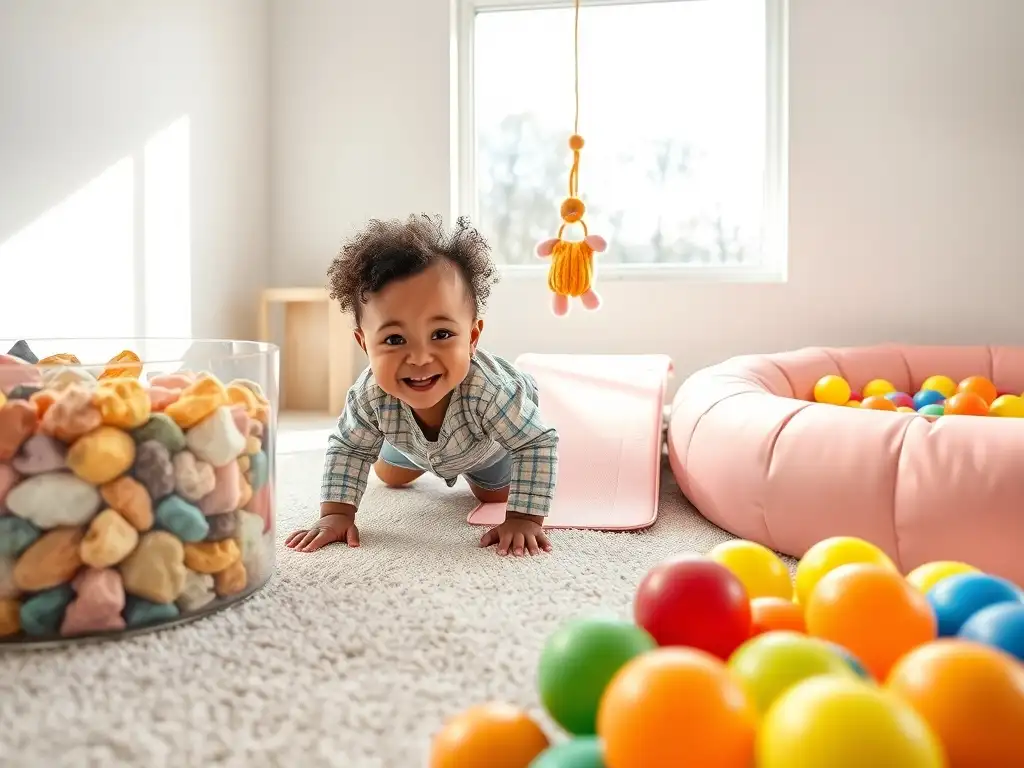
Sensory play offers a fantastic avenue for enhancing your baby's gross motor skills development. By engaging multiple senses simultaneously, you stimulate various neurological pathways, fostering improved coordination, balance, and strength. This section delves into specific types of sensory play ideal for babies in the 0-12 month age range, focusing on how these activities directly translate into improved gross motor skills.
Remember, always supervise your baby during sensory play and ensure the environment is safe and stimulating, but not overwhelming. The key is to observe your baby's reactions and adjust the activity accordingly. This approach helps nurture their natural curiosity and encourages active participation in their development, contributing significantly to their baby sensory motor skills development.
Sensory Bins: Engaging Multiple Senses for Motor Skill Refinement
Sensory bins are incredibly versatile tools for enriching your baby's sensory experiences and boosting their gross motor development. The process of reaching, grasping, and manipulating objects within the bin strengthens their hands, arms, and shoulders. The act of sitting or leaning forward to engage with the bin improves core strength and balance. Consider these examples:
- For 3-6 month olds: A bin filled with soft, crinkly fabrics like silk scarves or textured cloths encourages reaching and grasping. The varied textures provide tactile stimulation, while the movement of reaching and pulling enhances arm and shoulder strength.
- For 6-9 month olds: Introduce larger, lightweight objects like soft balls, stacking cups, or wooden blocks. This encourages more purposeful reaching and grasping, along with improved hand-eye coordination. The act of transferring objects from one hand to another further refines their fine motor skills, which indirectly supports gross motor skill development.
- For 9-12 month olds: You can increase the complexity by including items with different weights and textures, such as small, smooth stones (under supervision! ), dried beans in a sealed container, or small, soft toys. This encourages more controlled movements and helps develop a better understanding of object permanence. They might even begin to pull themselves up to reach for something enticing within the bin, further strengthening their legs and core.
Remember to always ensure the items in the sensory bin are age-appropriate and safe for your baby to explore. Observe your baby's engagement; if they lose interest, try changing the contents or introducing a new activity. The goal is to provide a stimulating and enjoyable experience that supports their overall development.
Texture Exploration: Tactile Stimulation and Movement
Tactile exploration is crucial for gross motor development. By exploring different textures, your baby learns to differentiate sensations, which improves their body awareness and control. This improved awareness directly translates into better coordination and movement. Consider these ways to incorporate texture exploration into your baby's playtime:
- Playing with different fabrics: Provide your baby with a variety of fabrics, such as soft fleece, smooth satin, rough burlap, and spongy towels. Let them touch, feel, and even try to grasp the different materials. This stimulates their tactile senses and encourages reaching and grasping movements.
- Exploring different surfaces: Offer opportunities to crawl or roll on different surfaces, such as a carpet, a smooth wooden floor, or even a soft blanket. The varied textures provide sensory input, promoting exploration and strengthening their muscles. This exploration can also help them develop a better understanding of their own body and its capabilities in different environments.
- Using textured toys: Choose toys with a variety of textures. Think about rattles with bumpy surfaces, soft stuffed animals with different fur textures, or teethers with ribbed patterns. This provides a multi-sensory experience that enhances their motor skill development and helps them build connections between touch and movement.
Remember to supervise your baby during these activities and ensure the chosen textures are safe and appropriate for their age. The aim is to create a playful and engaging environment that encourages exploration and supports the development of their baby sensory motor skills.
Movement and Music: Rhythmic Activities for Gross Motor Development
Music and movement are naturally intertwined, and this combination is especially beneficial for your baby's gross motor skills development. Rhythmic activities stimulate their sense of balance and coordination while promoting physical activity. Here are some ideas:
- Singing and dancing: Sing songs and dance with your baby, encouraging them to move their arms and legs along to the rhythm. This helps develop their sense of rhythm and coordination. The simple act of moving their body in response to the music strengthens their muscles and improves their balance.
- Playing musical instruments: Introduce age-appropriate musical instruments like shakers or soft drums. Let your baby explore the sounds and movements involved in playing them. This activity helps develop hand-eye coordination and strengthens their arm and hand muscles. The rhythmic nature of the music also encourages movement and coordination.
- Following simple instructions: Try simple actions like "pat-a-cake" or "itsy bitsy spider." These actions are fun and teach them to follow instructions, improving their listening skills and body awareness, both essential aspects of gross motor development. These actions help them connect sounds with specific movements, further enhancing their coordination and body control.
Remember to adapt the music and movements to your baby's age and developmental stage. The goal is to create a fun and enjoyable experience that supports their overall development and contributes positively to their baby sensory motor skills development. Observe your baby’s reactions and adjust the activity to match their level of engagement and interest.
Visual Stimulation and Reaching: Encouraging Grasping and Reaching Skills
Visual stimulation plays a crucial role in a baby's early gross motor development. Brightly colored toys, mobiles with contrasting patterns, and even simple objects like colorful scarves or textured balls can capture a baby's attention, sparking their desire to reach and grasp. This isn't just about seeing; it's about the neurological connection between seeing something desirable and the physical act of reaching for it. The process strengthens their eye-hand coordination, a fundamental building block for later motor skills.
For example, hanging a mobile above a baby's crib with various textures and colors encourages them to track the movement with their eyes and then attempt to reach and bat at the hanging objects. The act of reaching, even if initially unsuccessful, strengthens their arm and shoulder muscles, preparing them for more complex movements like crawling and pulling themselves up. Remember to always supervise your baby during playtime to ensure safety. The toys should be age-appropriate and free from small parts that could pose a choking hazard.
The effectiveness of visual stimulation can be significantly enhanced by incorporating different textures and materials. A soft, plush toy offers a different sensory experience compared to a hard, rattle-like toy. This variety keeps the baby engaged and encourages exploration, further developing their hand-eye coordination and strengthening their grasp. Introducing toys with varying weights also contributes to the development of proprioception—the sense of body position and movement in space. A heavier toy requires more effort to lift and manipulate, thus building strength and control.
Furthermore, consider the placement of visual stimuli. Positioning toys just slightly out of reach encourages the baby to stretch and extend their bodies, promoting muscle development and coordination. This strategic placement is a simple yet effective way to transform playtime into a subtle, yet highly effective, gross motor skills workout. As your baby progresses, you can gradually increase the distance, challenging them further and encouraging continued growth in their reaching and grasping abilities. Remember that consistency is key; regular engagement with visually stimulating activities significantly boosts the development of these essential skills.
Practical Sensory Play Activities for Gross Motor Skill Development
This section delves into practical, engaging sensory play activities designed to stimulate your baby's gross motor skill development. We'll explore how to integrate sensory elements into everyday activities, fostering both physical and cognitive growth. Remember, consistency and a playful approach are key to maximizing the benefits of sensory motor skill development for your little one. The activities outlined below are suitable for babies aged 0-12 months, but always adjust them based on your baby's individual developmental stage and preferences. Remember to supervise your baby closely during all activities.
Tummy Time with Sensory Elements: Strengthening Core Muscles and Neck Control
Tummy time is crucial for developing neck and core strength, essential prerequisites for rolling, crawling, and eventually walking. Infants often find tummy time challenging, but incorporating sensory elements can make it more engaging and less frustrating.
Here's how to make tummy time a sensory experience:
- Textured mats: Place your baby on a mat with varying textures – soft fleece, crinkly fabric, smooth silk, or even a textured bath mat. This stimulates tactile senses while encouraging them to lift their head and explore.
- Interactive toys: Position brightly colored toys, rattles, or textured balls just out of reach to encourage reaching and stretching, strengthening their arms and shoulders. Consider toys that make sounds or have different textures. A small, soft mirror can also be fascinating for babies during tummy time.
- Visual stimulation: Hang mobiles with contrasting colors and patterns above your baby to capture their attention and encourage head lifting. The movement and visual stimulation will keep them engaged for longer periods.
- Scent exploration: Use a few drops of a baby-safe essential oil (like lavender) on a nearby cloth to introduce pleasant smells. This adds an olfactory dimension to the experience. Always dilute essential oils heavily and ensure they are appropriate for babies.
- Sound exploration: Play soft, calming music or nature sounds during tummy time. This can help soothe your baby and create a positive association with the activity.
Remember to start with short sessions (a few minutes) and gradually increase the duration as your baby's strength improves. Always ensure your baby is supervised during tummy time. Observe their cues and take breaks when needed. 🎉 Celebrate their progress and make it a fun, positive experience!
Rolling and Reaching Games: Improving Coordination and Spatial Awareness
Once your baby starts showing signs of rolling, you can incorporate sensory play to enhance their coordination and spatial awareness. This stage is crucial for developing body awareness and understanding cause and effect.
Here are some engaging activities:
- Rolling with textured balls: Place a variety of textured balls (soft, spiky, smooth) around your baby. Encourage them to roll onto their side to reach for the balls, promoting both rolling and reaching skills.
- Sound-activated toys: Use toys that make sounds when they are moved or touched. This encourages your baby to roll towards the sound source, improving their ability to locate sounds in space.
- Colorful tunnels: If your baby is comfortable rolling, a soft, brightly colored tunnel can be a great addition to playtime. This adds an element of exploration and fun to the rolling process.
- Reaching for toys in different positions: Place toys slightly out of reach in various positions to encourage your baby to reach and roll in different directions. This helps them develop a better understanding of their body in space.
- Rolling with a sibling or parent: If you have older children, involve them in the fun! Gentle rolling interaction can be a great way to encourage your baby to roll and engage in social interaction.
Remember to always prioritize safety. Ensure the play area is free from hazards and that you are closely supervising your baby. The goal is to make it fun and engaging, not stressful or frustrating.
Crawling and Reaching Activities: Enhancing Mobility and Object Manipulation
Crawling is a significant milestone in gross motor development, requiring coordination, strength, and spatial awareness. Sensory play can significantly enhance your baby's crawling skills and encourage object manipulation.
Here are some ideas to inspire your little crawler:
- Obstacle courses: Create a simple obstacle course using pillows, blankets, or soft toys. This encourages your baby to crawl over, under, and around obstacles, enhancing their coordination and problem-solving skills.
- Treasure hunts: Hide toys or interesting objects under blankets or pillows and encourage your baby to crawl to find them. This adds an element of excitement and motivation to the crawling activity.
- Sensory bins: Fill a bin with various textured materials like rice, beans, or pasta (always supervise to prevent choking hazards!). This encourages your baby to crawl towards the bin and explore the different textures.
- Crawling tunnels: As mentioned previously, crawling tunnels are fantastic for enhancing crawling skills and providing a safe and stimulating environment for exploration.
- Following a moving object: Slowly move a toy across the floor to encourage your baby to crawl after it. This helps improve their tracking skills and hand-eye coordination.
Remember to adapt these activities to your baby’s developmental stage and interests. Always supervise your baby closely during sensory play and ensure that all materials are safe and age-appropriate. By incorporating sensory elements into play, you can make gross motor skill development a fun and enriching experience for your little one. 👶
Pulling to Stand and Cruising: Supporting Upright Mobility and Balance
Pulling to stand and cruising are significant milestones in a baby's gross motor development, representing a major step towards independent locomotion. These activities not only strengthen leg muscles but also dramatically improve balance and coordination. Sensory play can significantly enhance this process. For example, placing brightly colored, textured toys slightly out of reach on a sturdy, low surface encourages your baby to pull themselves up.
The visual stimulation from the toys motivates them, while the act of pulling up strengthens their arm and leg muscles, improving their stability. The varied textures of the toys—perhaps a soft plush animal alongside a crinkly fabric book—add another layer of sensory engagement, enriching the experience beyond just the motor skill development. Remember to always supervise your baby during these activities and ensure the surface is safe and stable to prevent falls.
Furthermore, cruising—the act of walking while holding onto furniture—is a crucial transitional phase. To support this, create a "cruising path" along a wall or furniture line using various sensory elements. For instance, you could place a row of textured cushions or blankets along the path, encouraging your baby to explore different tactile sensations as they cruise.
This adds an element of fun and exploration, making the practice more engaging and less of a chore. Alternatively, you could use toys with different sounds—rattles, textured balls that make noises when rolled—placed along the path to further stimulate their senses and encourage them to move. The variety of sensory input keeps your baby engaged and motivated to practice their cruising, leading to faster progress in their gross motor skills.
This approach seamlessly integrates sensory play with gross motor skill development, making the learning process enjoyable and effective. Remember to maintain a safe environment, ensuring that there are no sharp corners or potentially hazardous objects along the cruising path.
The key here is to make the experience fun and engaging. Don't force your baby to pull themselves up or cruise if they're not ready. Instead, provide a stimulating environment that encourages them to explore their abilities at their own pace.
The integration of sensory elements makes the process much more appealing and successful, fostering a positive association with movement and exploration. By combining sensory stimulation with opportunities for physical activity, you're not only aiding your baby's gross motor skill development but also enhancing their overall cognitive development and sensory awareness. Remember to celebrate each small victory and keep the process positive and playful, fostering a love of movement and exploration in your little one.
Creating a Safe and Engaging Sensory Play Environment
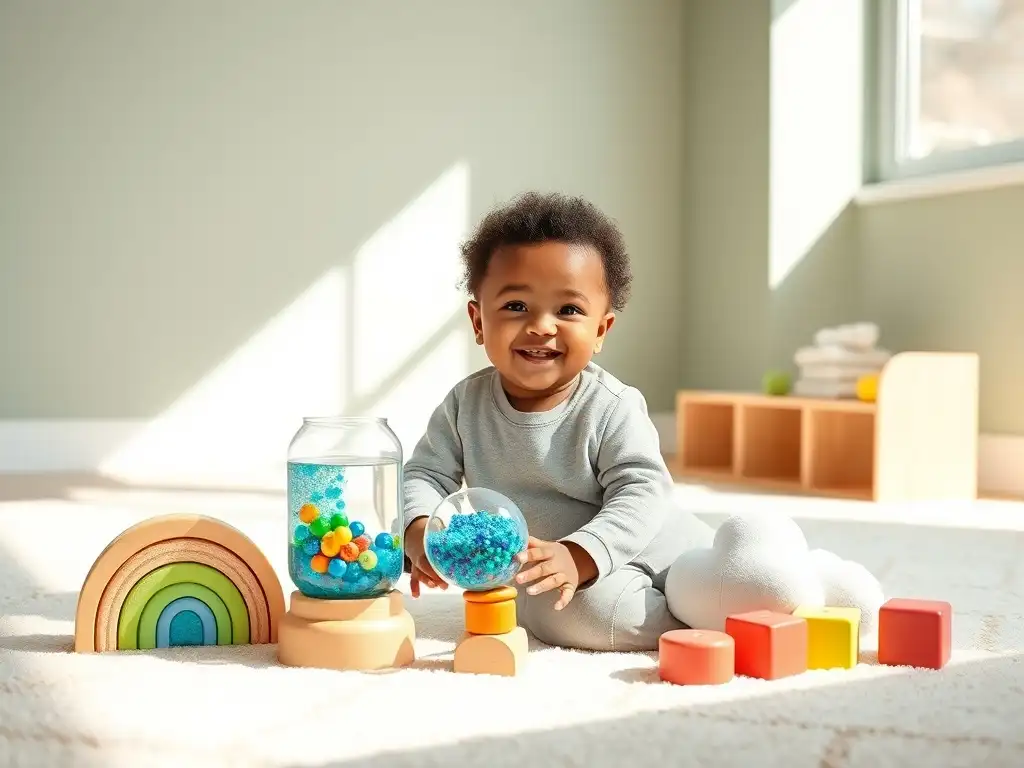
Creating a stimulating and secure environment for sensory play is crucial for your baby's development. This isn't just about throwing a bunch of toys together; it's about thoughtful design that maximizes learning and minimizes risks. Remember, safety is paramount when engaging in baby sensory motor skills development.
Choosing Age-Appropriate Sensory Materials
The key to successful sensory play lies in selecting materials appropriate for your baby's developmental stage. For newborns (0-3 months), focus on simple, high-contrast visuals and textures. Think black and white patterned blankets, soft textured cloths, and rattles with varying sounds. Avoid small objects that could be choking hazards.
As your baby grows (3-6 months), you can introduce more complex textures like crinkly fabrics, soft toys with different shapes, and lightweight, brightly colored balls. Always supervise closely during play. Remember to introduce new textures gradually to assess any potential allergic reactions.
Between 6-12 months, your baby's motor skills significantly improve. You can now introduce larger, more interactive sensory materials such as:
- Soft blocks of varying sizes and textures
- Stacking cups or rings
- Balls of different sizes and weights
- Fabric books with textured pages
- Water play (always under strict supervision)
Remember to always check materials for small parts and sharp edges. Opt for toys made from non-toxic, durable materials.
Supervising Sensory Play for Safety
Constant supervision during sensory play is non-negotiable. Even seemingly safe materials can become hazards if a baby puts them in their mouth or tries to pull them apart. Never leave your baby unattended, even for a moment.
Here's a checklist to ensure safety during sensory play:
| Safety Measure | Importance |
|---|---|
| Constant Supervision | Prevents choking, ingestion of harmful materials, and accidental injuries. |
| Age-Appropriate Materials | Minimizes choking hazards and ensures appropriate developmental stimulation. |
| Safe Play Space | Prevents falls and injuries from colliding with furniture or other objects. |
| Regular Material Inspection | Identifies and removes any damaged or unsafe items. |
| Emergency Contact Information Ready | Ensure easy access to emergency contacts in case of accidents. |
Babies explore their world through their mouths. This means rigorous cleaning and sanitization are crucial.
Cleaning and Sanitizing Sensory Toys
Regular cleaning and sanitization of sensory toys is essential to prevent the spread of germs and maintain hygiene. Babies constantly put toys in their mouths, making them breeding grounds for bacteria.
Here's a simple guide:
- Wash frequently: Wash soft toys and fabrics regularly in warm soapy water.
- Sanitize hard toys: Use a baby-safe disinfectant wipe or spray on hard plastic toys. Ensure complete drying before returning the toys to your baby.
- Check product labels: Always follow the manufacturer's cleaning instructions. Some materials may require specific cleaning methods.
- Air drying is best: Avoid using harsh chemicals or high heat that might damage the toys or pose a risk to your baby's health.
- Regularly inspect for damage: Discard any toys that show significant wear and tear or have broken parts.
Remember, a safe and engaging sensory play environment fosters your baby's baby sensory motor skills development, supporting their physical, cognitive, and emotional growth. Prioritize safety and enjoy the enriching experience of watching your little one learn and explore! 👶
Monitoring Your Baby's Progress in Sensory Motor Skills Development
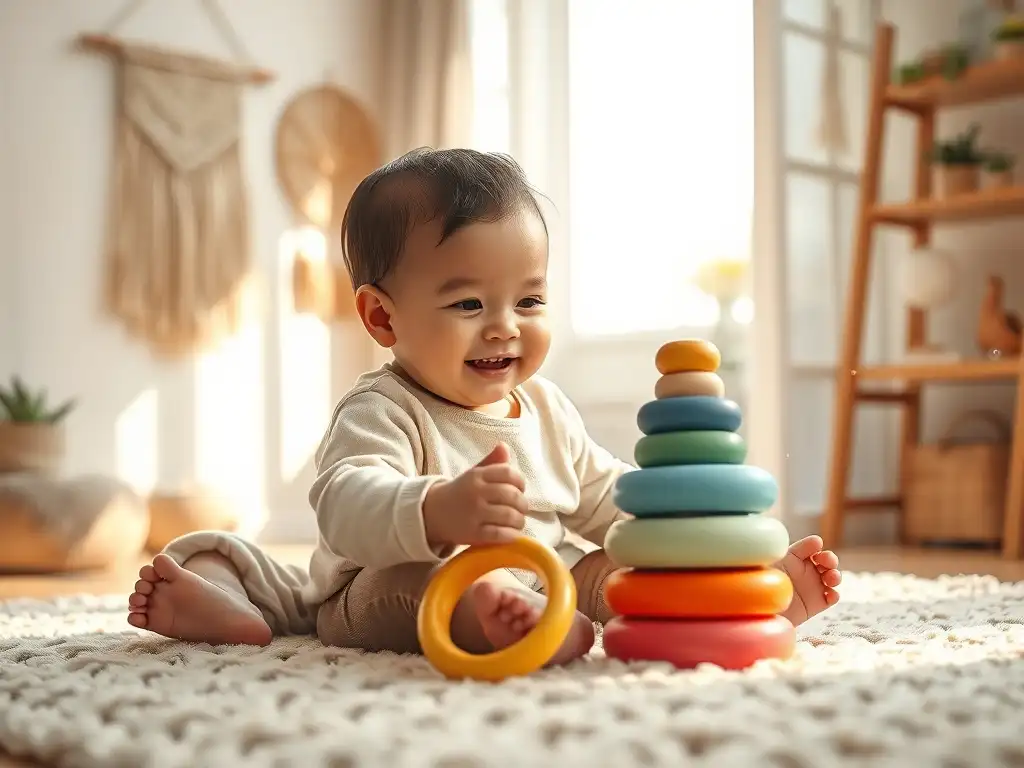
Tracking your baby's sensory motor skill development is crucial for ensuring they're meeting key milestones. This doesn't require rigid testing, but rather attentive observation of their daily activities. Remember, every baby develops at their own pace, but consistent monitoring allows for early identification of potential delays. The focus should be on progress, not perfection. We'll explore how to effectively monitor your little one's journey.
Recognizing Developmental Milestones in Gross Motor Skills
Gross motor skills involve large muscle movements like rolling over, crawling, sitting, and walking. These skills are intrinsically linked to sensory input. For example, a baby learning to crawl needs to process visual and tactile information from their surroundings. Here's a timeline of typical gross motor milestones, keeping in mind that variations are normal:
| Age Range | Milestone | Sensory Input Involved | Notes |
|---|---|---|---|
| 2-4 Months | Lifting head and chest while lying on tummy | Visual (tracking objects), Tactile (feeling the surface) | Encourage tummy time! This strengthens neck and back muscles. |
| 4-6 Months | Rolling over (both ways) | Proprioceptive (body awareness), Vestibular (balance) | Observe their attempts and provide safe, supportive surfaces. |
| 6-8 Months | Sitting unsupported | Proprioceptive, Visual, Vestibular | Ensure a safe environment to practice sitting. |
| 8-10 Months | Crawling | Tactile, Visual, Vestibular, Proprioceptive | Some babies skip crawling and go straight to pulling to stand. |
| 10-12 Months | Pulling to stand, cruising along furniture | Visual, Vestibular, Proprioceptive | Provide stable furniture for support. |
| 12-15 Months | Walking | Visual, Vestibular, Proprioceptive, Auditory (balance and coordination) | Celebrate their first steps! 🎉 |
Remember, this is a general guideline. Some babies may achieve these milestones earlier or later. The key is consistent observation and noting any significant deviations from the typical developmental trajectory. Pay attention to your baby's individual preferences and capabilities. For instance, some babies are naturally more cautious, while others are bolder explorers.
When to Seek Professional Guidance for Developmental Delays
While variations in developmental timelines are common, it's important to recognize potential delays. If you notice your baby consistently lagging behind in several areas of gross motor development, or if you have any concerns, consulting a pediatrician or developmental specialist is crucial. Early intervention can significantly improve outcomes.
Here are some red flags to watch for:
- Significant delays: If your baby isn't meeting several milestones within the expected age ranges, it's time to seek professional advice.
- Asymmetry: Noticeable differences in strength or movement between the left and right sides of the body.
- Lack of progress: If your baby isn't showing any progress over several weeks in achieving a particular milestone, consult a healthcare professional.
- Excessive floppiness or stiffness: Unusual muscle tone can indicate underlying neurological issues.
- Parent's intuition: Trust your gut feeling. If something feels "off," don't hesitate to seek professional input. Your concerns are valid.
Early intervention is key for optimal baby sensory motor skills development. Don't hesitate to reach out to your pediatrician or a qualified therapist if you have any concerns. They can provide personalized assessments and recommendations to support your baby's development. Remember, seeking help is a sign of proactive parenting, not a cause for alarm.
The Long-Term Benefits of Sensory Play for Gross Motor Development
Sensory play isn't just about fleeting fun; it's a cornerstone of healthy baby sensory motor skills development. The activities and experiences a baby engages with during sensory play significantly impact their long-term physical capabilities. These benefits extend far beyond the immediate gratification of exploring textures, sounds, and sights. We'll delve into how early sensory stimulation translates into robust gross motor skills later in life.
Building a Strong Foundation for Future Physical Abilities
Early sensory experiences directly influence the development of crucial neural pathways responsible for motor control. Think of it like this: every time a baby reaches for a rattling toy, their brain is strengthening the connections between the sensory input (seeing and hearing the toy) and the motor output (reaching and grasping). This constant feedback loop is essential for refining motor skills. The more varied and engaging the sensory input, the more robust and complex these neural pathways become. This translates to improved coordination, balance, and strength as the child grows.
For example, a baby who frequently engages in activities like tummy time on various textured surfaces (a soft rug, a hard floor, a bumpy blanket) develops stronger neck and shoulder muscles. This seemingly simple activity strengthens the muscles needed for later milestones like crawling, pulling themselves up, and eventually, walking. The diverse tactile input from different textures further enhances their proprioception – their awareness of their body's position in space – a crucial element of motor control.
Research consistently shows a strong correlation between early sensory stimulation and later motor skill proficiency. Studies indicate that infants who participate in regular sensory play activities exhibit significantly improved gross motor skills at later ages compared to their peers with limited sensory exposure. This improved motor development extends to activities like jumping, running, and even complex sports later in childhood. The foundation built in infancy is crucial for a lifetime of physical activity and athletic potential.
Promoting Cognitive Development Through Sensory Experiences
The benefits of sensory play extend beyond just physical development; it significantly boosts cognitive development, creating a powerful synergy between sensory input and brain function. This enhanced cognitive function then further supports the development of gross motor skills, creating a positive feedback loop.
The process of exploring different textures, sounds, and sights stimulates multiple areas of the brain simultaneously. For example, a baby playing with a textured ball not only develops hand-eye coordination (a gross motor skill) but also learns about different shapes, sizes, and weights (cognitive development). This simultaneous stimulation enhances overall brain development and cognitive processing speed. This enhanced cognitive function allows for quicker learning and improved problem-solving abilities, further enhancing motor skill acquisition.
Moreover, sensory play encourages problem-solving skills. A baby attempting to reach a toy placed slightly out of reach must strategize and utilize their developing gross motor skills to overcome the challenge. This active engagement in problem-solving strengthens not only their physical abilities but also their cognitive flexibility and adaptability.
The more complex the sensory experience, the more sophisticated the problem-solving skills that are developed, leading to a more refined and efficient approach to mastering gross motor skills. This intricate interplay between sensory input and cognitive processing is a key driver of holistic development, ensuring a child is well-equipped for future physical and intellectual endeavors. This is vital for optimal baby sensory motor skills development.
Frequently Asked Questions
What are sensory-motor skills?
Sensory-motor skills involve the coordination between a baby's senses (sight, touch, hearing, smell, taste) and their movements. Developing these skills is crucial for overall development and learning. It's a fundamental building block for later cognitive abilities.
How can I stimulate sensory-motor development at home?
Simple activities like tummy time, playing with textured toys, singing songs, and reading aloud are excellent ways to stimulate sensory-motor development. Offer opportunities for exploration and movement. Remember to prioritize safety.
What are some signs of delayed sensory-motor development?
Signs can include a lack of interest in toys, difficulty reaching for objects, delayed milestones like rolling over or sitting up, and limited exploration of their environment. If concerned, consult your pediatrician.
At what age should I start focusing on sensory-motor activities?
You can begin stimulating sensory-motor development from birth. Even newborns benefit from tummy time and gentle interaction. The activities will naturally evolve as your baby grows and develops new skills.
How does sensory play contribute to gross motor development?
Sensory play activities encourage active exploration, leading to improved balance, coordination, and strength. For example, crawling to reach a toy or pulling themselves up to stand strengthens muscles and improves gross motor skills.
Final Reflection: Unlocking Potential Through Sensory Play
The profound impact of sensory play on a child's gross motor development is undeniable, shaping not only their physical abilities but also their cognitive and emotional growth. We've explored how engaging the senses—sight, sound, touch, taste, and smell—directly translates into improved coordination, balance, strength, and spatial awareness in young children. This isn't just about building stronger muscles; it's about building confident, capable individuals.
The influence of sensory experiences on a child's development is a continuous process, shaping their understanding of the world and their place within it. It's a journey of discovery, filled with wonder and learning, that extends far beyond the early years. As Maria Montessori wisely observed, Play is the work of the child.
This work, fueled by sensory exploration, lays the foundation for future learning, creativity, and self-expression. It's a privilege to witness this unfolding, and a responsibility to provide enriching sensory opportunities for every child.
Consider the power you hold in shaping a child's development. By incorporating simple sensory play activities into your daily routine—whether it's finger painting, playing with textured materials, or exploring nature—you are actively investing in their future. Don't underestimate the transformative power of these seemingly simple interactions. Embrace the mess, encourage exploration, and watch as your child blossoms into a confident, capable, and joyful individual. The journey of sensory play is a journey of discovery, for both the child and the caregiver.
Unleash Your Little One's Potential: Boost Sensory & Motor Skills Now!
Thank you for exploring the world of sensory play and its amazing benefits for your baby's development! You've discovered how enriching these experiences can be. Now, let's put this knowledge into practice!
- Create a sensory bin today! Gather safe household items like dried beans, pasta, or fabric scraps and let your little one explore the textures and sounds. This simple activity offers significant developmental benefits.
- Share your sensory play adventures! Snap a photo of your child engaging in sensory play and post it on social media using #BabyCareHubSensoryFun. Let's build a supportive community of playful parents!
- Introduce a new sensory activity each week. From finger painting to playing with water beads, the possibilities are endless! Regularly introducing new experiences will keep your child engaged and learning.
What exciting sensory experience will you and your baby explore next?