
7MonthOld Play: Activities to Support Independent Sitting

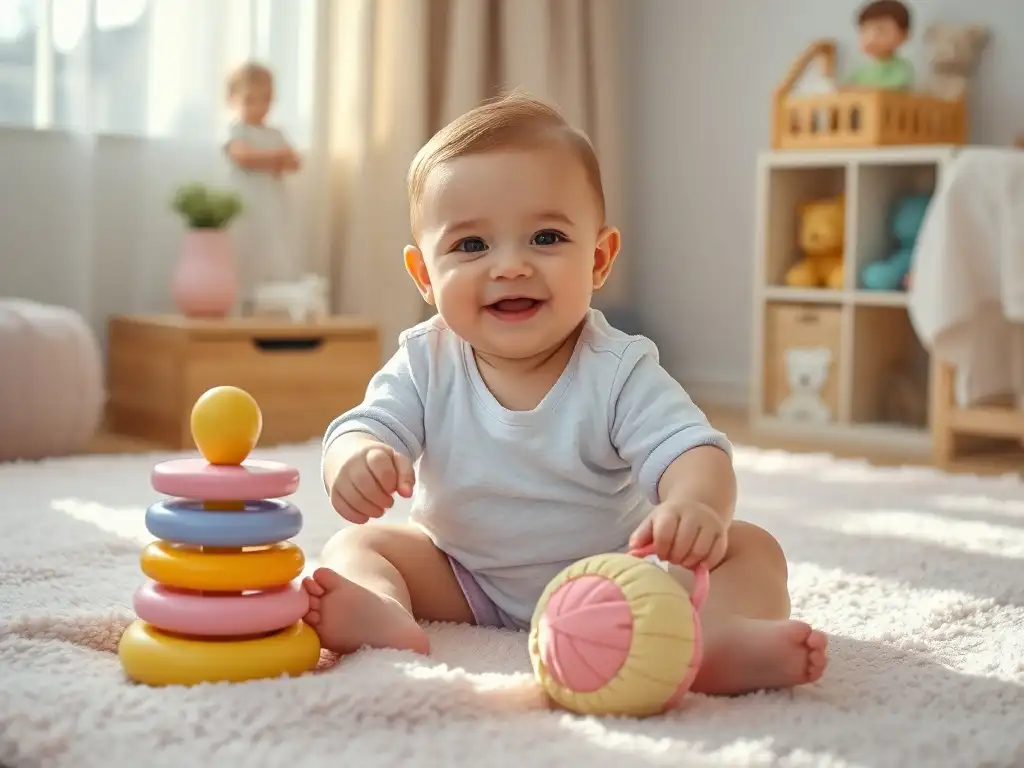
Welcome to BabyCareHub, your ultimate guide to navigating the incredible journey of parenthood! Are you ready to unlock the world of play and development for your little one? We understand the challenges and joys of raising a baby, and that's why we've created this comprehensive resource. Discover engaging and stimulating 7monthold baby sitting activities that will not only entertain your child but also support crucial developmental milestones. Dive in and uncover the secrets to fostering your baby's growth and independence – it's an adventure you won't want to miss!
- Encouraging Independent Sitting in Your 7-Month-Old
- 7-Month-Old Baby Sitting Activities: Fun and Engaging Games
- Engaging Your 7-Month-Old During Sitting Practice: Interactive Play Ideas
- Understanding Your Baby's Progress: Recognizing Milestones and Challenges
- Maintaining a Positive and Fun Learning Environment
-
Frequently Asked Questions
- What are the benefits of encouraging my 7-month-old to sit independently?
- My 7-month-old can sit with support, but struggles independently. What can I do?
- Are there any safety precautions I should take while my 7-month-old practices sitting?
- What types of activities are suitable for a 7-month-old who is learning to sit?
- When should I be concerned if my 7-month-old isn't sitting independently?
- Final Reflection: The Power of Play in a Baby's Journey to Independence
- Unlock Your Baby's World: Support Their Sitting Journey!
Encouraging Independent Sitting in Your 7-Month-Old
Congratulations, new parent! As your little one approaches 7 months old, you're likely noticing exciting developmental leaps. One significant milestone many babies reach around this age is independent sitting. This isn't just about achieving a new posture; it's a crucial step in their physical development, opening up a world of new experiences and opportunities for learning and play.
This comprehensive guide will explore why independent sitting is so important at 7 months, how to recognize the signs your baby is ready, and most importantly, how to create a safe and stimulating environment to support their progress. We'll delve into engaging activities specifically designed to encourage your 7-month-old to sit independently, enhancing their physical strength, balance, and coordination. Get ready to embark on this exciting journey with your little one, filled with fun, learning, and the joy of witnessing their incredible development!
Remember, every baby develops at their own pace, so celebrate each milestone, no matter how small. Let's dive into the world of 7-month-old play focused on sitting! 🎉
Why Independent Sitting is Important at 7 Months
Independent sitting is a significant milestone for several reasons. It's not just about the posture itself; it unlocks a whole new level of interaction with the world. Sitting independently improves:
- Upper body strength: Holding themselves upright strengthens their core muscles, neck, and back, preparing them for future milestones like crawling and walking.
- Hand-eye coordination: With their hands free, they can explore toys and objects more effectively, improving their dexterity and hand-eye coordination.
- Cognitive development: Being able to sit and observe their surroundings enhances their cognitive development, allowing them to process information and learn from their environment more effectively.
- Social interaction: Sitting upright allows for better eye contact and interaction with caregivers and other people, fostering social and emotional development.
- Fine motor skills: Sitting provides a stable base for exploring objects and manipulating toys, contributing to improved fine motor skills.
This improved physical and cognitive ability is crucial for subsequent developmental stages. Think of it as building a strong foundation for future physical activities and cognitive learning. The enhanced hand-eye coordination and fine motor skills developed during this phase will be instrumental in their later development.
Signs Your Baby is Ready for Sitting Practice
Before you start actively encouraging sitting, it's essential to assess whether your baby shows readiness. Look out for these key indicators:
- Head control: Can your baby hold their head steady and upright without support?
- Rolling: Can they roll from their back to their tummy and vice versa?
- Pushing up: Do they push themselves up to a sitting position when lying on their tummy?
- Weight bearing: Can they bear some weight on their legs when held in a standing position?
- Interest in sitting: Do they seem interested in sitting and attempt to sit up on their own?
Remember, these are just indicators. Some babies may show some signs, while others may exhibit all of them. The most important factor is your baby's individual development. If you're unsure, consult your pediatrician for personalized advice. Don't force your baby to sit before they are ready; doing so may be counterproductive and could even be harmful.
Safety First: Creating a Safe Space for Sitting
Before you begin any sitting activities, prioritize safety. A safe environment is crucial to prevent injuries and allow your baby to explore confidently.
- Soft surface: Always place your baby on a soft, cushioned surface, such as a playmat or carpet, to protect them from falls.
- Clear space: Ensure the area is free of any hazards, such as sharp objects, small toys that could be swallowed, or electrical cords.
- Support: Provide support initially, using pillows or rolled-up blankets to prevent your baby from falling over. Gradually reduce support as they gain more strength and balance.
- Supervision: Never leave your baby unattended while they are sitting. Always supervise them closely to prevent accidents.
- Avoid high surfaces: Do not place your baby on high surfaces, such as a changing table or bed, without proper support and supervision.
Creating a safe and engaging environment is crucial to encourage your baby's independent sitting and overall development. Prioritizing safety allows your little one to explore their newfound abilities without risk. Remember, a happy and safe baby is a thriving baby!
7-Month-Old Baby Sitting Activities: Fun and Engaging Games
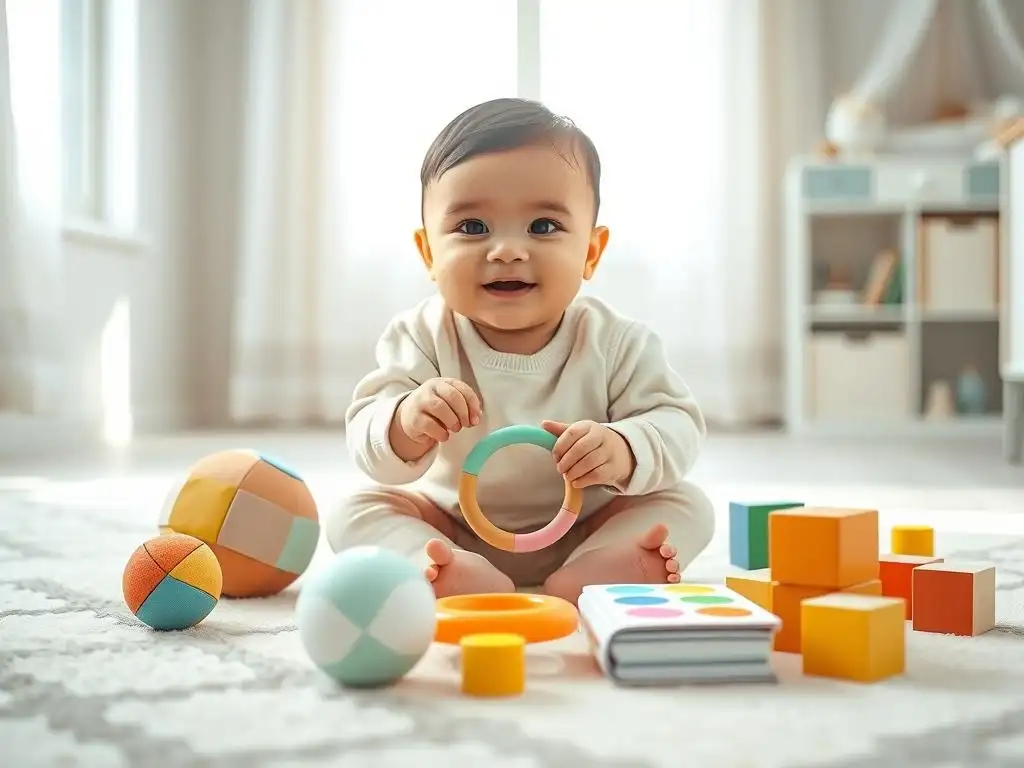
Seven-month-olds are on the cusp of a major developmental leap: independent sitting! While some babies achieve this milestone earlier, many reach this point around seven months. This section focuses on activities specifically designed to encourage and support your little one's newfound sitting skills, turning playtime into a valuable developmental experience. Remember, always supervise your baby closely during playtime. Never leave your 7-month-old unattended.
Supported Sitting Activities with Toys
Providing supported sitting opportunities is crucial at this stage. Think of it as "assisted sitting," gradually reducing support as your baby gains confidence. Here are some ideas:
- Boppy Pillow: A Boppy pillow provides excellent support and a comfortable, semi-reclined position, perfect for playing with toys. Place your baby in the Boppy, surrounding them with engaging toys like soft blocks, rattles, or textured balls. Vary the toy placement to encourage reaching and turning.
- Floor Seats: Many floor seats offer varying degrees of support. Look for seats with adjustable straps and a wide, stable base. These provide a safe and secure environment for your baby to explore toys while practicing their sitting posture.
- Large Pillows: Create a cozy nest with large, soft pillows. This allows your baby to lean against the pillows for support while playing with toys. The softness of the pillows provides a comfortable landing if they do slightly topple.
Remember to rotate toys regularly to keep your baby engaged and stimulated. Observe their preferred play styles and adjust the activity accordingly. For instance, if your baby shows a strong preference for stacking toys, focus on activities that encourage this skill. If they are more interested in cause-and-effect toys, incorporate those into playtime. This personalized approach maximizes engagement and learning.
Interactive Play for Enhanced Sitting Skills
Engaging your baby in interactive play significantly boosts their sitting skills. The following activities encourage core strength and balance, naturally improving their sitting abilities.
- Interactive Books: High-contrast board books with textures and sounds are fantastic for this age. The act of holding and looking at the book requires core engagement. Make it a shared experience, narrating the story and pointing out the pictures. This promotes language development alongside physical development.
- Reaching and Grasping Games: Scatter a variety of age-appropriate toys around your baby in their supported sitting position. Encourage them to reach for and grasp different items. This strengthens their arm and shoulder muscles, improving their posture and stability. This also aids in hand-eye coordination.
- Sing-Along and Action Songs: Singing songs like "Itsy Bitsy Spider" or "Pat-a-Cake" encourages movement and engagement. The rhythmic actions involved strengthen core muscles and improve balance. This also fosters bonding and positive emotional development.
The key here is to make it fun! Observe your baby's cues. If they seem tired or frustrated, take a break. Short, frequent play sessions are more effective than long, tiring ones. Remember, consistency is key in developmental activities.
Building Core Strength Through Play: Tummy Time Variations
While your baby is mastering sitting, tummy time remains crucial for building core strength. However, at seven months, you can adapt tummy time to make it more engaging and less strenuous.
- Supported Tummy Time: Place your baby on their tummy on a soft surface with a rolled-up towel or blanket under their chest to elevate their upper body. This provides support while still allowing them to engage their core muscles. Use toys to entice them to lift their head and chest.
- Tummy Time with Mirror: Babies are fascinated by mirrors. Placing a mirror in front of your baby during tummy time provides visual stimulation and encourages them to lift their head and chest to see their reflection. This makes tummy time more appealing and less of a chore.
- Tummy Time on Your Lap: Hold your baby across your lap, supporting their chest and allowing them to reach for toys. This provides a sense of security and comfort while still working their core muscles. This is a great option if your baby dislikes traditional tummy time.
Remember, even short bursts of tummy time are beneficial. Aim for several short sessions throughout the day, rather than one prolonged session. Be mindful of your baby's cues; if they seem uncomfortable or distressed, adjust their position or take a break. Always prioritize their comfort and safety. The goal is to strengthen their core muscles through enjoyable and engaging play.
Engaging Your 7-Month-Old During Sitting Practice: Interactive Play Ideas
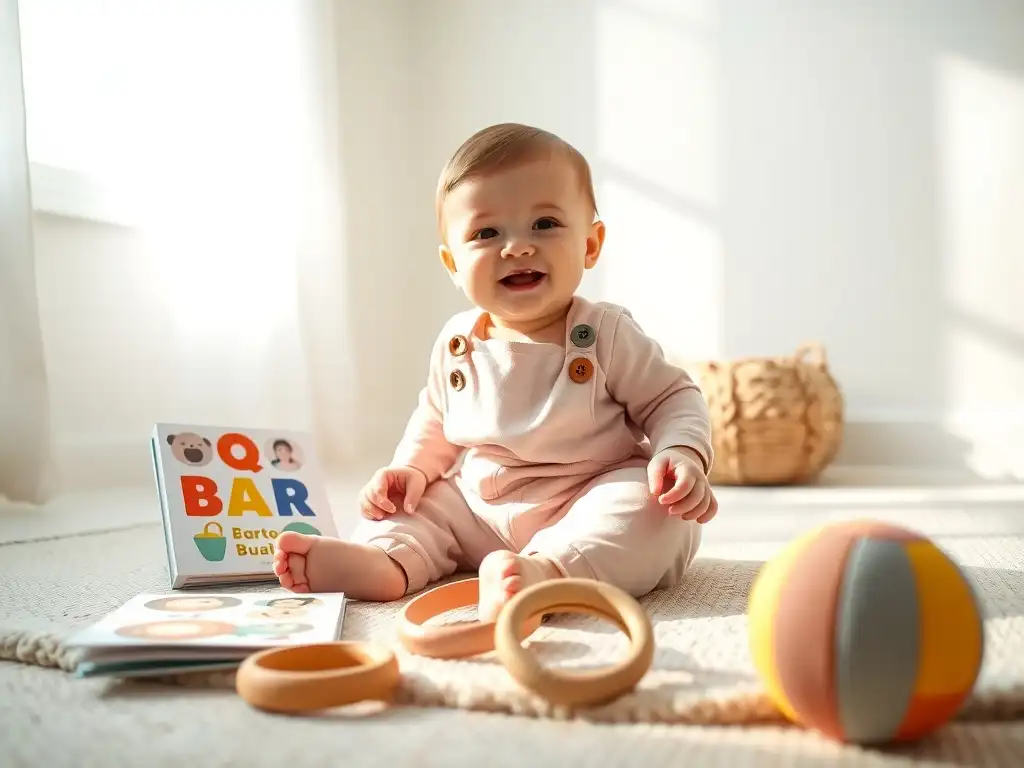
This section focuses on fun and engaging activities to encourage your 7-month-old to practice sitting independently. Remember, every baby develops at their own pace, so celebrate small victories and don't compare your little one to others. The goal is to make sitting practice enjoyable and rewarding. We'll explore both sensory and social play options to maximize engagement and support healthy development.
Sensory Play to Stimulate Sitting Engagement
Sensory play is incredibly beneficial for 7-month-olds, stimulating their senses and encouraging them to engage their core muscles – crucial for sitting. Think about activities that are visually appealing, texturally interesting, and offer a range of sounds.
Here are some ideas:
- Textured Play Mats: A play mat with different textures – soft fur, crinkly fabric, bumpy surfaces – can entice your baby to reach, grasp, and explore, strengthening their arm and back muscles while they're in a sitting position. They might even try to pull themselves up to a sitting position to better investigate the textures!
- Soft Blocks: Large, soft blocks are perfect for stacking and knocking down, providing visual stimulation and encouraging your baby to reach and sit up to manipulate them. Choose blocks with contrasting colors and patterns for added visual appeal. This helps with hand-eye coordination and strengthens upper body muscles.
- Crinkle Balls and Toys: These offer auditory and tactile stimulation. The crinkling sound is often captivating for babies, and the varied textures encourage exploration. Place these around your baby while they're in a supported sitting position to encourage reaching and grasping.
- Water Play (Supervised): A small container with a few inches of water and some floating toys can be very engaging. The visual movement of the water and the tactile experience of the water itself can stimulate your baby and encourage them to maintain a sitting position to observe. Always supervise your baby closely during water play.
Remember to always supervise your baby during sensory play, ensuring their safety and preventing any choking hazards. Rotate toys regularly to maintain your baby's interest and prevent boredom.
Social interaction is key to a baby's development, and incorporating it into sitting practice can be highly effective. The engagement and excitement generated can motivate your baby to work towards sitting independently.
Here are some suggestions:
- Face-to-Face Interaction: Sitting facing your baby at their eye level while engaging in playful conversation, singing songs, or making silly faces can be very motivating. Your baby will naturally want to stay in a sitting position to better interact with you.
- Interactive Games: Games like peek-a-boo or simple hand gestures can be highly engaging. These require your baby to focus and maintain their sitting position for a short period, gradually increasing their sitting stamina.
- Reading Books: Show your baby colorful books with interesting pictures and read aloud with enthusiasm. This is a calming and engaging activity that can help them practice sitting for longer periods. Choose books with sturdy pages that are easy for little hands to handle.
- Toy Rotation: Introduce new toys regularly to keep your baby stimulated and engaged. This prevents boredom and encourages them to actively participate in sitting practice to explore the new toys.
The key is to make the interaction fun and positive. Celebrate your baby's attempts at sitting, even if they only manage to sit for a few seconds. Positive reinforcement will encourage them to continue practicing and mastering this important milestone. Remember to always provide a safe and supportive environment for your baby during these activities. This approach helps to build confidence and encourages further development in your 7-month-old’s journey towards independent sitting. 👶
Understanding Your Baby's Progress: Recognizing Milestones and Challenges
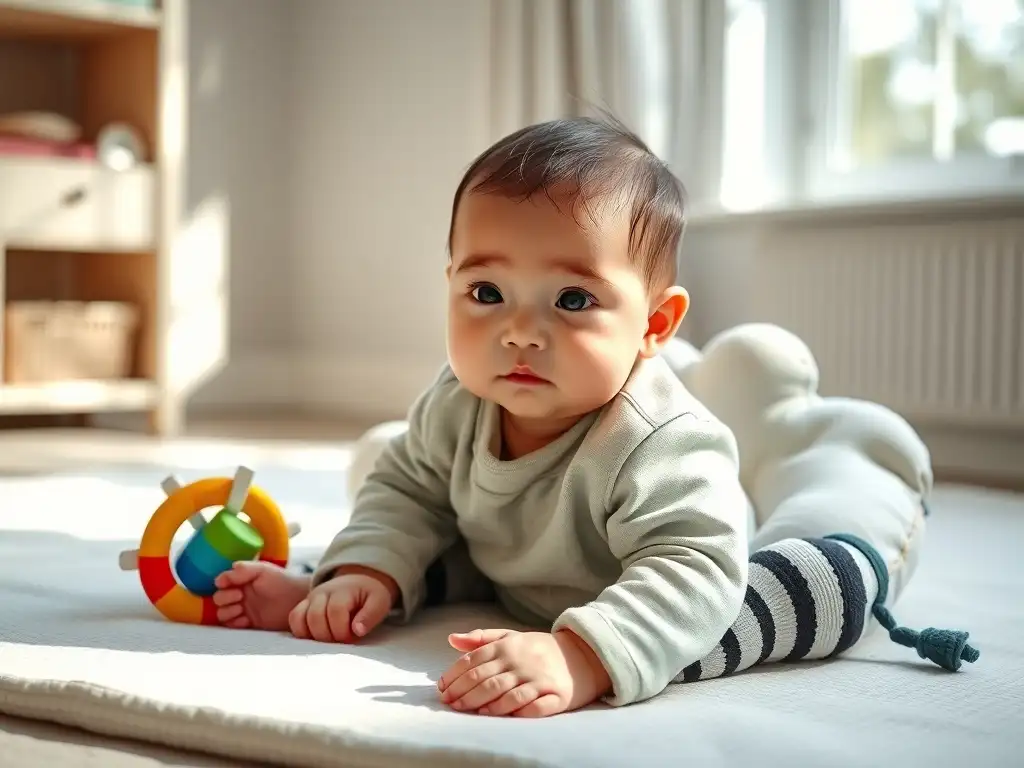
At 7 months old, your little one is likely exploring a world of new possibilities! Many babies around this age are working hard to master sitting independently, a significant developmental milestone. However, remember that every baby develops at their own pace. While some might be confidently sitting unsupported, others may still need assistance or prefer to sit with support. This is perfectly normal. This section focuses on recognizing typical progress and potential challenges in a 7-month-old's sitting development.
When to Seek Professional Advice Regarding Sitting Development
While most babies master sitting independently between 6 and 9 months, there are instances where professional guidance is beneficial. It's crucial to monitor your baby's progress and seek advice if you observe any of the following:
- Significant Delay: If your baby shows no interest in sitting or attempts to sit at all by 9 months, it's advisable to consult your pediatrician or a developmental specialist. This doesn't necessarily indicate a problem, but early intervention is always best.
- Muscle Weakness or Lack of Control: Noticeable weakness in the neck, back, or legs, or difficulty controlling their head and torso, could warrant a professional assessment. This might indicate underlying conditions that require attention.
- Asymmetry: If your baby consistently favors one side of their body when sitting or shows noticeable differences in strength or movement between the two sides, it's important to discuss this with your healthcare provider.
- Unusual Posture: Persistent unusual postures, such as arching the back excessively or slumping significantly, should be evaluated.
- Lack of Progress After Consistent Efforts: If you've been actively engaging your baby in sitting activities and you see little to no progress over several weeks, seeking professional opinion is advisable.
Remember, early intervention can make a significant difference. Don't hesitate to reach out to your pediatrician or a developmental specialist if you have any concerns. Their expertise can provide reassurance and, if necessary, guide you towards appropriate support and therapies. Early identification and management of potential issues can contribute to your baby's optimal development.
Adapting Activities Based on Your Baby's Development
The activities suggested for 7-month-olds focusing on sitting should be tailored to your baby's individual abilities. Some babies may be ready for more challenging activities, while others might benefit from simpler, more supportive exercises. Here's how to adapt activities:
- For Babies Who Can Sit with Minimal Support: For babies who can sit with just a little assistance, you can introduce activities that encourage longer periods of independent sitting, such as stacking blocks, playing with textured toys, or engaging in simple cause-and-effect games. These activities promote balance and coordination.
- For Babies Who Need More Support: If your baby struggles to sit independently, focus on activities that provide support and gradually increase their sitting time. Use pillows, bolsters, or a supportive seat to help them maintain an upright posture. Short, frequent sitting sessions are better than prolonged attempts which could lead to frustration. Start with just a few minutes at a time and gradually increase the duration as they gain strength and confidence.
- Always Supervise: Regardless of your baby's sitting abilities, always supervise them closely during playtime. Never leave a baby unattended, especially when they are attempting to sit up. Safety is paramount.
Remember, the goal is to encourage development in a fun and engaging way. Observe your baby's cues, adjust activities accordingly, and celebrate their progress! 🎉 Each milestone reached is a testament to their growing strength and abilities.
Maintaining a Positive and Fun Learning Environment
Encouraging your 7-month-old to sit independently requires patience and a positive approach. Creating a stimulating and enjoyable environment is crucial for their success and overall development. Remember, this is a developmental milestone, not a race. Pressure can hinder progress and create negative associations with learning. Instead, focus on making sitting practice a fun and rewarding experience.
Creating a Routine for Sitting Practice
Consistency is key when working towards independent sitting. Aim for short, frequent practice sessions rather than long, tiring ones. Two to three 10-15 minute sessions throughout the day are ideal. These sessions should be incorporated into your baby's daily routine, perhaps after a nap or feeding, when they are alert and happy.
A structured approach helps your baby understand what to expect and can increase their cooperation. For example, you could dedicate the first 10 minutes after their morning nap to sitting practice, followed by playtime with their favorite toys. This creates a positive association between sitting and fun activities. Remember to observe your baby's cues; if they seem tired or frustrated, it's time for a break.
Celebrating Successes and Encouraging Persistence
Positive reinforcement is paramount. Celebrate even the smallest successes—a few extra seconds of sitting, a slight improvement in posture—with enthusiastic praise and encouragement. A simple "Wow, you're sitting up so well!" or a joyful clap can significantly boost their confidence. Use a variety of rewards, such as a favorite toy, a special song, or a gentle cuddle. Never punish or scold your baby for struggling to sit.
Instead, offer gentle support and encouragement. Remember, the goal is to build their confidence and make sitting a positive experience. Focus on effort, not just outcome. Even if your baby doesn't achieve independent sitting during a session, acknowledge their effort and reassure them that they are making progress. This helps foster a growth mindset and encourages persistence.
Remember, every baby develops at their own pace. Some may reach this milestone earlier than others, and that's perfectly normal. The most important thing is to create a supportive and encouraging environment where your 7-month-old feels safe and empowered to explore their abilities. Patience, positive reinforcement, and consistent practice are the key ingredients for success. 🎉
Frequently Asked Questions
What are the benefits of encouraging my 7-month-old to sit independently?
Encouraging independent sitting helps develop core strength and improve balance, crucial for future milestones like crawling and walking. It also provides opportunities for enhanced sensory exploration of their environment.
My 7-month-old can sit with support, but struggles independently. What can I do?
Start with short periods of supervised sitting practice, using pillows or bolsters for support. Gradually decrease support as their strength improves. Never leave your baby unattended.
Are there any safety precautions I should take while my 7-month-old practices sitting?
Always supervise your baby closely during sitting activities. Ensure the area is free from hazards like sharp objects or unstable furniture. A soft, padded surface is recommended.
What types of activities are suitable for a 7-month-old who is learning to sit?
Simple stacking toys, soft blocks, and textured balls are great options. Interactive games like peek-a-boo also aid in development. Remember to keep it engaging and age-appropriate.
When should I be concerned if my 7-month-old isn't sitting independently?
Most babies sit independently around 7 months, but development varies. If you have concerns about your baby's development, consult your pediatrician. They can assess your baby's progress and provide personalized guidance.
Final Reflection: The Power of Play in a Baby's Journey to Independence
The ability to sit independently marks a significant milestone in a baby's development, impacting their physical capabilities, cognitive growth, and overall confidence. This seemingly small act opens up a world of new experiences and opportunities for exploration, laying the foundation for future motor skill development and independent play.
Witnessing a 7-month-old's struggle and eventual triumph in sitting upright is a profoundly moving experience. It's a testament to their innate resilience and the power of consistent, supportive play. This journey underscores the importance of providing age-appropriate activities that encourage, rather than force, this developmental leap. Play is the highest form of research.
- Albert Einstein. This quote perfectly encapsulates the importance of allowing babies the freedom to explore and learn through play, shaping their physical and cognitive development in profound ways. The activities outlined in this article are not just exercises, but opportunities for joyful discovery and growth.
Now, consider your own child, or a child you know. Think about how you can foster their independence and confidence through playful interaction. Don't just focus on the end goal of sitting; focus on the journey, celebrating each small victory and providing a nurturing environment for exploration. Remember, every playful interaction is an investment in their future, building a strong foundation for a lifetime of learning and self-discovery. Embrace the joy of watching them grow, and remember the power of play in shaping their world.
Unlock Your Baby's World: Support Their Sitting Journey!
Thank you for learning about supporting your baby's journey to independent sitting! We hope you found the tips and activities helpful and inspiring. Now it's time to put them into practice!
- Prioritize tummy time: Even if your baby is already attempting to sit, continued tummy time strengthens the core muscles crucial for sitting upright independently. Make it fun with engaging toys!
- Create a supportive environment: Arrange pillows strategically to provide gentle support as your baby explores sitting. Experiment with different positions to find what feels most secure and comfortable for them.
- Share your successes (and challenges!): Let's build a supportive community! Share your experiences and photos of your baby's sitting milestones in the comments below.
Ready to see your baby reach this exciting developmental milestone? What fun activity will you try first?