
The Pros and Cons of Using Baby Feeding Trackers


Welcome to BabyCareHub, your ultimate guide to navigating the incredible journey of parenthood! Are you overwhelmed by the choices facing new parents? We understand. That's why we've created this comprehensive resource, packed with practical advice and expert insights. Considering the increasingly popular baby feeding tracker? Discover the surprising pros and cons in our in-depth article, and make informed decisions about what's best for you and your little one. Let's embark on this adventure together!
- Baby Feeding Tracker: Advantages and Disadvantages for New Parents
- Baby Feeding Tracker Apps: Features to Consider
- Choosing the Right Baby Feeding Tracker App
- Alternatives to Baby Feeding Tracker Apps
- Conclusion: Balancing Technology and Intuition in Baby Feeding
- Frequently Asked Questions
- Final Reflection: Navigating the Digital Landscape of Infant Feeding
- Unleash Your Baby's Feeding Potential!
Baby Feeding Tracker: Advantages and Disadvantages for New Parents
Navigating the world of newborn care can feel overwhelming, especially when it comes to feeding. First-time parents often grapple with questions about feeding frequency, amount, and whether their little one is thriving. Baby feeding trackers, available as apps and physical devices, promise to simplify this process by providing a structured way to monitor feeding patterns.
However, like any technological tool, they come with both advantages and disadvantages. This article will delve into the pros and cons of using baby feeding trackers, helping you make an informed decision about whether this technology is right for your family. We'll examine the benefits of improved monitoring and data-driven decision-making, while also addressing potential drawbacks such as increased anxiety and over-reliance on technology.
Ultimately, our goal is to empower you with the knowledge to choose the approach that best supports you and your baby's unique needs. Remember, the most important aspect of baby feeding is establishing a healthy and loving bond between parent and child.
Benefits of Tracking Baby's Feeding Schedule: Improved Monitoring and Insights
Tracking your baby's feeding schedule offers several significant advantages, providing valuable insights that can contribute to a smoother feeding journey. The benefits extend beyond simple record-keeping, offering a powerful tool for understanding your baby's individual needs.
Enhanced Awareness of Feeding Patterns and Habits
By meticulously recording each feeding session – including the time, duration, and type of feed (breast milk, formula, etc.) – you gain a clear picture of your baby's feeding patterns. This detailed record reveals whether your baby is feeding regularly, showing a consistent appetite, or exhibiting any irregularities. This increased awareness allows for proactive adjustments to your feeding strategy, ensuring your baby's nutritional needs are met. For example, noticing a sudden decrease in feeding frequency might prompt you to consult your pediatrician to rule out any underlying issues.
Early Detection of Potential Feeding Issues
Regular tracking can facilitate the early detection of potential feeding problems. A consistent pattern of poor weight gain, for example, might be easily identified through a feeding tracker, leading to prompt medical intervention. Similarly, tracking can help identify potential issues like latch difficulties (in breastfeeding) or an insufficient intake of nutrients. Early detection is crucial for addressing these issues before they escalate.
Data-Driven Decisions for Breastfeeding or Formula Feeding
Whether you're breastfeeding or formula feeding, a feeding tracker provides valuable data to inform your decisions. For breastfeeding mothers, it can help identify periods of increased or decreased milk supply, informing decisions about supplementation or seeking lactation consultant support. For formula-feeding parents, it can ensure consistent formula preparation and help monitor the baby's intake to ensure adequate nutrition.
Tracking Growth and Development Through Feeding Data
Feeding data, when combined with your baby's weight and length measurements, provides a comprehensive picture of their growth and development. This integrated approach allows you to monitor your baby’s progress and identify any deviations from expected growth curves. This data is particularly valuable during routine checkups with your pediatrician, facilitating a more informed discussion about your baby's overall health.
Drawbacks of Relying on Baby Feeding Apps: Limitations and Concerns
While baby feeding trackers offer many benefits, it's crucial to acknowledge potential drawbacks. Over-reliance on these tools can lead to unintended negative consequences, impacting both parents and babies.
Potential for Increased Anxiety and Stress
The constant monitoring inherent in using a feeding tracker can, paradoxically, increase anxiety and stress for parents. The pressure to meticulously record every detail can be overwhelming, especially during the already demanding early days of parenthood. Constantly scrutinizing the data might lead to unnecessary worry about whether your baby is eating enough or following the "ideal" schedule, potentially overshadowing the joy of nurturing your child.
Time Consumption and Distractions During Feeding Time
The act of recording feeding data can be time-consuming and distracting during already precious feeding moments. The focus shifts from connecting with your baby to meticulously entering information into the app or device. This distraction can disrupt the bonding experience and create a less nurturing environment for both parent and baby.
Accuracy and Reliability of Data Input
The accuracy of the data depends entirely on the user's diligence and precision in inputting information. Inaccurate or incomplete data renders the tracker largely useless, potentially leading to misinterpretations and incorrect decisions based on flawed information. Human error is unavoidable, and this can significantly impact the reliability of the tracking system.
Over-Reliance on Technology and Loss of Intuition
Over-reliance on technology can overshadow parents' own intuition and instincts. While data is valuable, it shouldn't replace the importance of observing your baby's cues, responding to their needs, and trusting your parental instincts. Focusing solely on the numbers might lead to neglecting subtle signs of hunger or satiety communicated by your baby, hindering the development of a responsive feeding relationship.
Baby Feeding Tracker Apps: Features to Consider
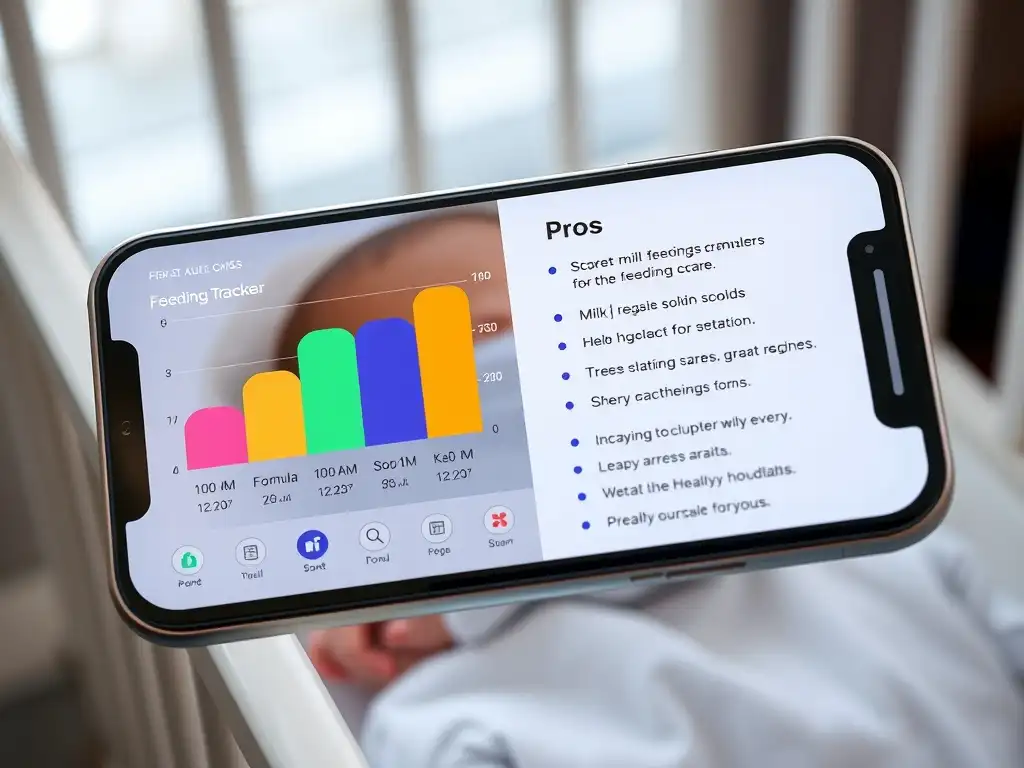
Choosing the right baby feeding tracker app can significantly simplify your life as a new parent. However, not all apps are created equal. Understanding the essential features is crucial to finding one that truly meets your needs and enhances, rather than complicates, your baby's feeding routine. This section delves into the key features you should look for when evaluating different baby feeding tracker apps. Optimizing your search with keywords like "baby feeding log" or "infant feeding schedule" will also help you find suitable options.
Essential Features for Effective Baby Feeding Tracking
Effective baby feeding tracking relies on a well-designed app with several key features. These features ensure accurate data recording, ease of use, and ultimately, a more informed understanding of your baby's feeding patterns. Remember, the goal is to simplify your life and provide valuable insights, not to add extra stress.
Ease of Use and Intuitive Interface
The best baby feeding tracker app should be incredibly user-friendly, even during those sleep-deprived moments. Look for an app with a clean, intuitive interface. A cluttered or confusing design can be frustrating and lead to inaccurate data entry. Consider these points:
- Simple Navigation: The app should be easy to navigate, with clear buttons and menus. Avoid apps with complex layouts or hidden features.
- Quick Data Entry: The process of logging feeding details (type of feed, amount, duration, time) should be quick and straightforward. Pre-set options for common feeding types (breast milk, formula, solids) are a huge plus.
- Visual Appeal: A visually appealing app can make data entry a less tedious task. Think clear fonts, appropriate color schemes, and a generally pleasant aesthetic.
An app that is not intuitive will likely lead to inconsistent usage, defeating the purpose of tracking in the first place. Think of it like this: Would you use a complex spreadsheet to track your baby's feeding, or a simple, easy-to-use app? The answer is clear.
Comprehensive Data Recording Capabilities
Beyond simply recording the time and type of feed, a truly comprehensive app will allow you to capture a wider range of data. This granular data allows for a much more detailed analysis of your baby's feeding habits and can help identify potential issues early on. Consider these capabilities:
- Detailed Feeding Information: The ability to log the amount of breast milk (in ounces or milliliters), formula (in scoops or ounces), or solids (type and amount).
- Tracking Other Details: The option to note diaper changes, sleep patterns, and any other relevant information related to feeding time. This holistic approach provides a more complete picture.
- Multiple Feeding Types: Support for various feeding methods, including breastfeeding, bottle-feeding, and solids. This flexibility is crucial for parents who use a combination of approaches.
- Customizable Fields: The ability to add custom fields to record additional information relevant to your baby's needs. This might include notes on your baby's mood during feeding or observations about their behavior.
The more data you can record, the more effectively you can monitor your baby's growth and development. This comprehensive approach turns your app into a powerful tool for informed decision-making.
Integration with Other Baby Care Apps
Seamless integration with other baby care apps can create a unified system for tracking your baby's overall well-being. This integrated approach prevents data silos and offers a more holistic view of your baby's health.
- Sleep Trackers: Integration with sleep trackers can provide valuable insights into the relationship between sleep and feeding patterns.
- Diaper Change Trackers: Linking diaper changes with feeding times can help identify patterns related to bowel movements and hydration.
- Weight Tracking Apps: Integrating weight data helps you monitor your baby's growth and ensure they are gaining weight appropriately.
The value of integration lies in its ability to create a comprehensive picture of your baby's health and development. A connected ecosystem of apps offers a much richer dataset than individual, isolated apps.
Data Security and Privacy
Protecting your baby's sensitive data is paramount. When choosing a baby feeding tracker app, prioritize apps with robust security measures and a clear privacy policy. Look for the following:
- Data Encryption: Ensure the app uses encryption to protect your data both in transit and at rest.
- Privacy Policy: Carefully review the app's privacy policy to understand how your data is collected, used, and protected. Avoid apps with vague or unclear policies.
- Data Control: You should have control over your data, including the ability to export or delete it at any time. This is essential for maintaining your privacy and control over your personal information.
Protecting your baby's data is not just a good practice; it’s a necessity. Choosing an app with a strong commitment to security and privacy is crucial for peace of mind. Remember to always read the fine print and understand how your data is being handled.
Choosing the Right Baby Feeding Tracker App
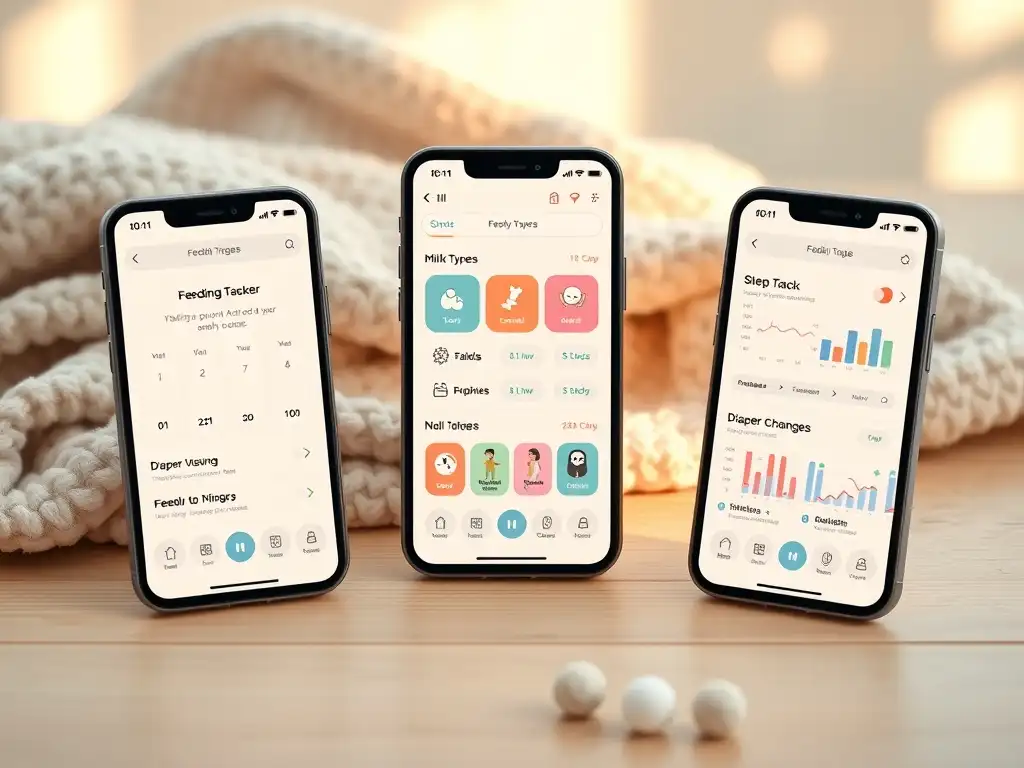
Choosing the right baby feeding tracker app can significantly ease the burden of tracking your baby's feeding schedule and intake. However, with numerous apps available, navigating the options can feel overwhelming. This section will guide you through key factors to consider when selecting an app that best suits your needs and preferences. Remember, the goal is to find a tool that simplifies your life, not adds to your stress. Finding the perfect fit for your family's needs is crucial when considering the pros and cons of using a baby feeding tracker.
Factors to Consider When Selecting a Baby Feeding App
Selecting the perfect baby feeding tracker app requires careful consideration of several key factors. The best app for one family might not be ideal for another, so prioritize features that align with your specific needs and parenting style. Think about your daily routine, your technological comfort level, and your long-term goals for using this type of technology. This careful selection process will maximize the benefits and minimize any potential drawbacks of using a baby feeding tracker app.
App Reviews and User Feedback
Before downloading any baby feeding tracker app, thoroughly examine user reviews and ratings on app stores. Look for patterns in feedback—consistent praise or criticism offers valuable insights. Pay close attention to reviews that mention ease of use, accuracy, data security, and customer support. A high average rating with overwhelmingly positive comments is a good sign, but also check for any recurring negative comments that might indicate potential problems.
Remember, a diverse range of opinions helps you gain a balanced perspective. For example, an app with excellent functionality might still receive negative reviews due to a clunky interface or poor customer service. Consider the overall weight of the feedback when making your decision. Don't just look at the number of stars; delve into the details of the comments to understand the app's strengths and weaknesses.
Compatibility with Your Smartphone
Ensure the app is compatible with your smartphone's operating system (iOS or Android). Incompatibility can lead to frustration and wasted time. Check the app store listing for specific OS version requirements. Also, consider the app's size and storage requirements.
A large app might consume significant storage space, impacting the performance of your phone. Many apps also require access to certain phone functions (like notifications or location services), so review these permissions carefully before installation. Understand what data the app accesses and how it uses that data to ensure your privacy is protected. This might involve reading the app's privacy policy, which is a recommended step before you download any app to your device.
Cost and Subscription Models
Many baby feeding tracker apps offer a free version with limited features, while premium versions unlock additional functionalities. Carefully evaluate the cost versus the benefits provided by the paid version. Determine if the extra features justify the expense. Some apps also offer subscription models, which might be more cost-effective in the long run than one-time purchases, depending on how long you plan to use the app.
Consider the total cost of ownership over time. Compare pricing across several apps to find the best value for your money. Don't forget to factor in any potential in-app purchases or additional costs associated with using the app.
Data Export and Sharing Options
Consider the app's ability to export data. This is crucial if you want to share feeding information with your pediatrician or other healthcare providers. Check if the app allows export to common formats like CSV or PDF. Look for options to share data securely with authorized individuals.
This feature is important not only for healthcare purposes but also for creating backups of your data. Losing valuable feeding information can be detrimental, so choose an app that offers robust data export and backup capabilities. It's also good to check the app's policy on data retention and deletion, ensuring your data is managed securely and in accordance with your preferences. Knowing how your data is handled is an important aspect of using a baby feeding tracker.
Alternatives to Baby Feeding Tracker Apps

Choosing the right method for tracking your baby's feeding is crucial for monitoring their growth and development. While baby feeding tracker apps offer convenience and data analysis features, they're not the only option. Several effective alternatives exist, each with its own set of advantages and disadvantages. Understanding these alternatives empowers parents to make informed decisions based on their individual needs and preferences. This section explores viable alternatives to digital baby feeding trackers, focusing on their practicality and limitations.
Manual Tracking Methods: Notepads and Spreadsheets
For parents who prefer a low-tech approach, or those concerned about data privacy, manual tracking offers a simple and secure solution. A simple notepad or a dedicated baby journal can be used to record feeding times, durations, and the type of feed (breast milk, formula, etc.). This method allows for personalized notes and observations, offering a more intimate record of your baby's feeding journey.
This approach offers several benefits:
- Simplicity: No need for technology or internet access. A pen and paper are all you need.
- Privacy: All data remains private and offline. No risk of data breaches or unauthorized access.
- Flexibility: You can easily adapt the format to suit your needs and include additional notes.
However, manual tracking also presents some challenges:
- Data Analysis: Analyzing trends and patterns requires manual calculation and interpretation, which can be time-consuming.
- Accuracy: There's a higher potential for errors in recording data compared to automated tracking.
- Portability: Carrying a notepad around can be cumbersome, especially when you're out and about.
Using spreadsheets (like Google Sheets or Microsoft Excel) offers a middle ground. Spreadsheets allow for organized data entry, automatic calculations (like total daily intake), and the possibility of generating charts and graphs to visualize feeding patterns. However, this method still requires manual input and might not be as intuitive as dedicated apps. Consider using pre-made templates to streamline the process. For example, a simple spreadsheet could include columns for:
| Date | Time Started | Time Ended | Feed Type | Amount (oz/ml) | Notes |
|---|---|---|---|---|---|
| 2024-10-27 | 7:00 AM | 7:20 AM | Breast Milk | 4 oz | Seemed a little less hungry today. |
| 2024-10-27 | 12:00 PM | 12:30 PM | Breast Milk | 5 oz | Good feeding, seemed satisfied. |
Choosing between notepad and spreadsheet depends on your comfort level with technology and your need for data analysis. Both offer a viable alternative to app-based tracking.
Consultations with Pediatricians and Lactation Consultants
While not a direct replacement for tracking, regular consultations with healthcare professionals provide invaluable insights into your baby's feeding habits and overall health. Pediatricians can assess your baby's growth and development, identify potential issues, and offer personalized advice. Lactation consultants are particularly helpful for breastfeeding mothers, providing support and guidance on latch, milk production, and feeding techniques. These consultations can supplement or even replace the need for detailed tracking in some cases, as the professional can assess the baby's health and feeding patterns through observation and discussion.
Regular check-ups allow for a holistic assessment, going beyond simple numerical data. The pediatrician or lactation consultant can observe your baby's behavior during feeding, assess their weight gain, and address any concerns you might have. This personalized approach focuses on your baby's individual needs and offers a more comprehensive understanding of their development.
This personalized approach, combined with observation and discussion, can often provide a clearer picture of your baby's feeding patterns than any app or manual record. Remember, the advice of a healthcare professional is crucial for ensuring your baby's healthy development. They can provide context to the data you gather, helping you interpret it correctly and address any potential problems promptly.
Conclusion: Balancing Technology and Intuition in Baby Feeding
This exploration of baby feeding tracker pros and cons reveals a nuanced picture. While technology offers undeniable conveniences and data-driven insights, it's crucial to remember that these tools are supplements, not replacements, for parental intuition and the unique needs of each baby. Over-reliance on trackers can detract from the vital connection between parent and child, potentially leading to stress and anxiety rather than the intended peace of mind.
The key lies in finding a balance – leveraging the helpful features of these apps strategically, without allowing them to dominate the nurturing process. Remember, every baby is different, and what works for one may not work for another. Flexibility and responsiveness remain paramount in baby feeding, regardless of the technology employed.
Using Baby Feeding Trackers Responsibly and Effectively
Successfully integrating a baby feeding tracker into your routine requires a mindful approach. Avoid getting bogged down in the minutiae of data collection. Instead, focus on using the app's features to identify patterns and trends that might inform your decisions. For example, tracking feeding times can highlight potential issues like infrequent feeding or excessively long intervals between feeds.
Similarly, monitoring the amount consumed can be helpful for babies who are struggling to gain weight or those with special dietary needs. Remember to consult your pediatrician or a registered dietitian if you notice any concerning trends or have questions about your baby's feeding patterns. Don't let the app dictate your actions; use it as a tool to support your informed decisions. Consider these practical tips:
- Set realistic goals: Don't aim for perfect data entry every single time. Prioritize the most important information, such as feeding times and approximate quantities.
- Choose the right app: Different trackers offer various features. Select one that suits your needs and is easy to navigate.
- Regularly review the data: Use the data to identify patterns, but don't get overwhelmed by it. Focus on the big picture.
- Don't compare your baby to others: Every baby is unique. Avoid comparing your baby's feeding data to others.
- Maintain a healthy balance: Prioritize the special bond with your baby over achieving perfect data in your baby feeding tracker.
Prioritizing the Baby-Parent Bond Above Data Collection
The most important aspect of baby feeding is the bond between parent and child. While baby feeding trackers can provide valuable information, they shouldn't come at the cost of this crucial connection. Spending quality time with your baby during feeding sessions, providing skin-to-skin contact, and responding to their cues are essential for their development and well-being. The act of feeding isn't just about nutrition; it's a time for nurturing, comforting, and building a strong relationship.
Remember that your intuition and your baby's cues are invaluable sources of information that even the most advanced baby feeding tracker cannot replicate. If you find yourself constantly checking the app during feeding sessions, it's a sign that you may be relying on technology too heavily. Step back, put down the phone, and focus on the precious moments you're sharing with your little one. The data can wait; your baby's needs cannot.
This mindful approach will ensure that technology enhances, rather than hinders, the precious experience of nurturing your child. Remember, a happy, connected parent leads to a happy, thriving baby. 👶💕
Frequently Asked Questions
What is a baby feeding tracker?
A baby feeding tracker is a tool, either a physical notebook or a digital app, used to record your baby's feeding times, amounts, and type (breast milk, formula, etc.). This helps you monitor feeding patterns and identify potential issues.
What are the pros of using a baby feeding tracker?
Tracking feeding patterns helps you ensure your baby is getting enough to eat and identify potential problems like insufficient milk supply or slow weight gain. It can also provide valuable data for doctor visits and offer peace of mind.
What are the cons of using a baby feeding tracker?
Some parents find trackers time-consuming and stressful, especially during already busy days. Over-reliance on trackers can lead to anxiety and may not always accurately reflect the baby's individual needs.
Can a baby feeding tracker replace professional advice?
No, a baby feeding tracker should never replace advice from your pediatrician or healthcare provider. It's a helpful tool but shouldn't be the sole basis for making decisions about your baby's feeding.
Are there different types of baby feeding trackers?
Yes, there are many options! You can choose between physical journals, smartphone apps, and even dedicated baby monitors with built-in tracking features. Consider your preferences and needs when selecting one.
The rise of baby feeding trackers reflects our modern desire for data-driven parenting, yet this convenience comes with a crucial caveat: the potential for increased anxiety and a disconnect from the intuitive aspects of infant care. The seemingly simple act of feeding a baby has become interwoven with technology, raising important questions about our relationship with both our children and ourselves. We must carefully consider the balance between helpful tools and the potential pitfalls of over-reliance on digital solutions.
The subtle shift in parental experience, from trusting instinct to relying on quantified data, is a significant cultural change. The pressure to optimize every aspect of a baby's development, often fueled by social media and readily available technology, can be overwhelming. The most important thing is to enjoy your children. To cherish every moment they are with you.
This simple truth, often overlooked amidst the flurry of apps and trackers, reminds us that the human connection remains paramount. The pursuit of perfect data shouldn't overshadow the precious moments of nurturing and bonding.
You, the parent, hold the key to finding the right balance. Consider this article not as a definitive answer, but as a starting point for your own reflection. Ask yourself: Does this technology enhance my connection with my child, or does it create unnecessary stress? Are the benefits outweighing the potential drawbacks? By consciously choosing how you utilize technology in your parenting journey, you can create a more fulfilling and less anxiety-ridden experience for both yourself and your little one. Embrace the intuitive, cherish the moments, and remember that parenting is a journey, not a race to perfect data.
Unleash Your Baby's Feeding Potential!
Thank you for exploring the world of baby feeding trackers with us! We hope you found our information helpful. Now, let's put that knowledge into practice.
- Decide if a feeding tracker is right for your family: Consider your needs and lifestyle. Try using a tracker for a week and see how it fits into your daily routine. If it doesn't improve things, don't hesitate to stop using it.
- Share your experience: We encourage you to join the conversation! Share your feedback—both positive and negative—in the comments below. Let's learn from one another's experiences.
- Explore alternative tracking methods: If a dedicated feeding tracker isn't for you, consider simpler methods like a notebook or a feeding app. Find what works best for you and your baby.
Ready to optimize your baby's feeding journey? What small step will you take today to improve your baby's feeding routine?