
The Hidden Dangers of Screen Time for Babies: What You Need to Know

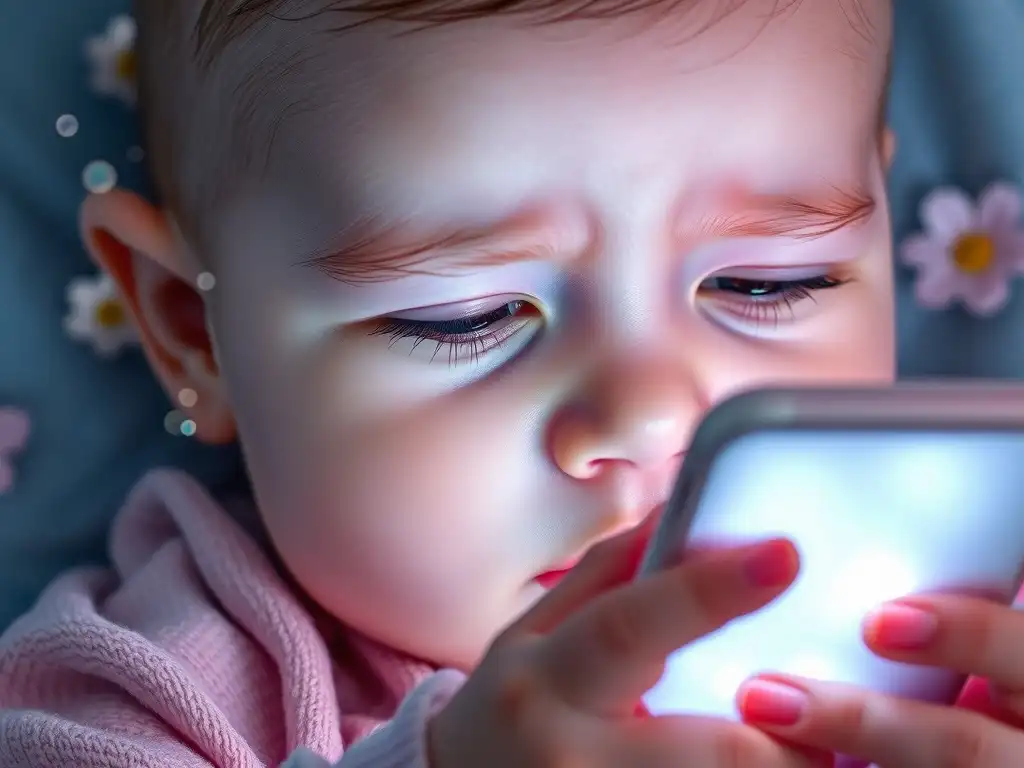
Welcome to BabyCareHub, your ultimate guide to navigating the exciting (and sometimes overwhelming!) world of parenthood. We understand that raising a baby can feel like a constant learning curve, and that's why we're here to provide you with expert, step-by-step advice on everything from feeding schedules to developmental milestones.
But have you considered the potential impact of technology on your little one's well-being? Discover the hidden dangers and potential risks associated with baby screen time in our insightful article, and learn how to create a healthy digital environment for your child's development. Let's explore this crucial topic together – your baby's future depends on it.
- Understanding the Risks of Excessive Baby Screen Time
- Baby Screen Time Dangers: Physical and Social Development
- Safe Screen Time Guidelines for Babies: Minimizing the Risks
- Alternatives to Screen Time for Baby's Entertainment and Learning
- Recognizing the Signs of Excessive Screen Time in Babies
- Protecting Your Baby from the Dangers of Excessive Screen Time: A Summary
- Frequently Asked Questions
- Final Reflection: A Legacy of Light, Not Screens, for Our Children
- Unlock Your Baby's Potential: Limit Screen Time, Maximize Development
Understanding the Risks of Excessive Baby Screen Time
The digital age offers incredible convenience, but for new parents, navigating the world of technology and its impact on their little ones can be daunting. This article delves into the often-overlooked dangers of excessive screen time for babies, addressing the concerns surrounding brain development, language acquisition, and sleep patterns. Understanding these risks is crucial for ensuring your baby's healthy development and well-being.
We'll explore the specific dangers associated with baby screen time, providing you with evidence-based information to make informed decisions about your child's screen exposure, ultimately empowering you to create a nurturing and enriching environment for your baby's growth. This is not about demonizing technology; rather, it’s about fostering a balanced approach that prioritizes your baby's developmental needs. We will focus on the specific risks associated with the keyword "Baby screen time dangers risks" to help you understand and mitigate potential harm.
Negative Impact of Screen Time on Baby Brain Development
The developing brain of a baby is incredibly sensitive to external stimuli. While some carefully curated educational apps might offer limited benefits, excessive screen time can negatively impact a baby's cognitive development in several ways. Studies suggest that prolonged exposure to screens can interfere with the formation of crucial neural connections responsible for language acquisition, problem-solving, and social-emotional skills. Furthermore, the fast-paced and visually stimulating nature of many screen-based activities can overstimulate a baby's still-developing nervous system, leading to difficulties with attention span and focus later in life.
The passive nature of screen time also limits opportunities for active exploration and hands-on learning, crucial for optimal brain development. For example, a baby interacting with a physical toy develops fine motor skills, problem-solving abilities, and creativity not replicated through screen interaction. Remember, real-world experiences are paramount for building a strong foundation for cognitive growth.
The Link Between Screen Time and Language Delays in Infants
Research strongly suggests a correlation between excessive screen time and language delays in infants. Babies learn language primarily through interaction with caregivers, hearing spoken words, and engaging in back-and-forth communication. Screen time often replaces these crucial interactions. The rapid-fire visuals and sounds of screens can overwhelm a baby's capacity to process information effectively, hindering their ability to understand and respond to verbal cues.
Furthermore, the lack of face-to-face interaction limits opportunities for turn-taking conversations, which are fundamental for language development. Studies have shown that babies exposed to excessive screen time often exhibit smaller vocabularies and delayed language milestones compared to their peers with less screen exposure. This delay can have long-term consequences, impacting academic performance and social interactions later in life. The American Academy of Pediatrics recommends minimizing screen time for children under 18 months, emphasizing the importance of real-life interactions for optimal language development.
How Excessive Screen Time Affects Baby's Sleep Patterns
The blue light emitted from screens interferes with the production of melatonin, a hormone crucial for regulating sleep. Exposure to screens before bedtime can disrupt a baby's natural sleep-wake cycle, leading to difficulty falling asleep, shorter sleep durations, and fragmented sleep. Poor sleep quality can have cascading effects on a baby's mood, appetite, immune function, and overall development. Furthermore, the stimulating nature of screen content can keep a baby's brain active, making it harder for them to wind down and transition into a restful sleep state.
Consistent sleep deprivation can negatively impact a baby's growth and development, leading to irritability, behavioral problems, and difficulties with attention and focus. Establishing a consistent bedtime routine free from screens is essential for promoting healthy sleep habits in babies. Creating a calm and dark environment conducive to sleep is also crucial for optimal sleep quality.
The Correlation Between Screen Time and Attention Problems in Toddlers
Research increasingly points towards a strong correlation between excessive screen time in toddlers and the development of attention problems. While a definitive causal link isn't fully established, numerous studies suggest a significant association. The mechanisms behind this potential connection are multifaceted. One theory suggests that the fast-paced, highly stimulating nature of many screen-based activities overloads a toddler's still-developing brain, hindering their ability to focus on less stimulating tasks. This constant barrage of sensory input can lead to difficulties with sustained attention and self-regulation, crucial skills for academic success and social interaction.
Furthermore, excessive screen time often displaces other activities crucial for cognitive development, such as interactive play with caregivers and peers. This type of play is essential for developing crucial attention skills, problem-solving abilities, and social-emotional intelligence. When screen time replaces these vital interactions, toddlers may miss out on the opportunities to practice and refine their attention spans in a naturally engaging and rewarding way.
Studies have shown that children who spend more time passively consuming screen content often exhibit poorer performance on tasks requiring sustained attention and impulse control compared to their peers with less screen exposure. This difference can manifest as difficulties following instructions, completing tasks, and maintaining focus in classroom settings. The impact can be particularly noticeable in children already predisposed to attentional difficulties.
It's important to note that the amount of screen time considered "excessive" can vary depending on the child's age, developmental stage, and the type of content consumed. However, experts generally advise limiting screen time for toddlers to a minimum, prioritizing interactive play and real-world experiences. Parents should actively seek out age-appropriate activities that promote cognitive development and encourage healthy attention spans, such as reading books together, engaging in imaginative play, and spending time outdoors.
Monitoring screen time and actively engaging with the child during screen time can also help mitigate some of the potential risks. The key is balance and mindful engagement, ensuring that screen time doesn't dominate a child's day and detract from essential developmental activities. Early intervention and a focus on enriching alternative activities are crucial in mitigating potential negative impacts on a toddler's attention development.
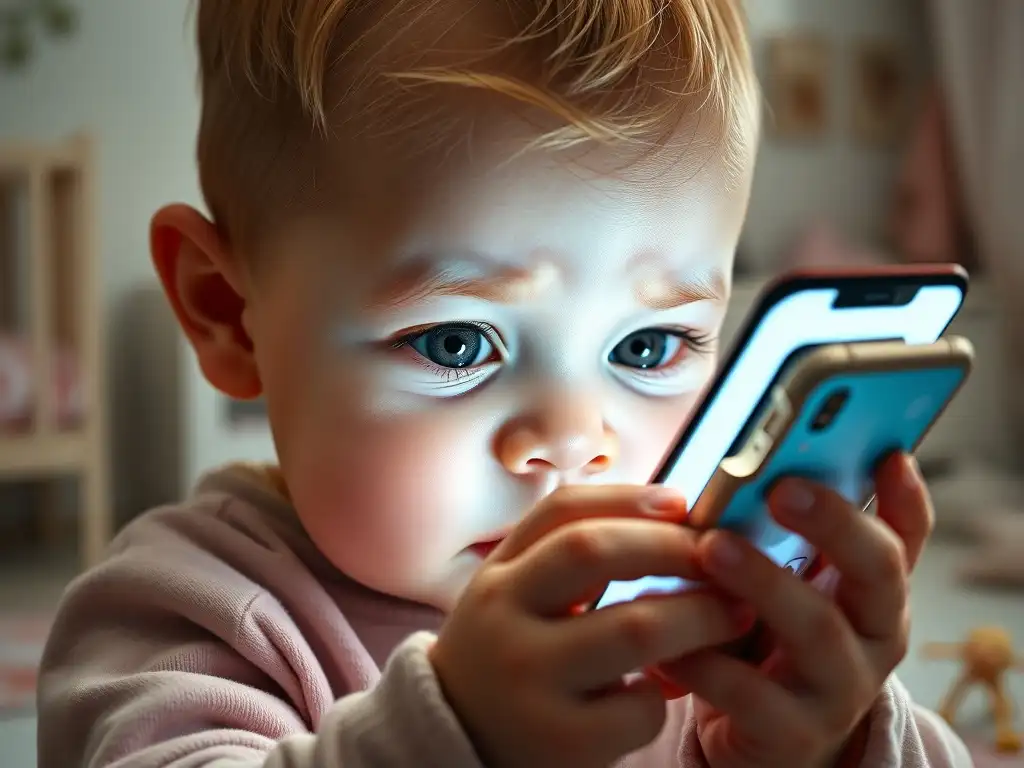
Excessive screen time poses significant risks to a baby's physical and social-emotional development. While some interactive apps might seem beneficial, the potential negative impacts often outweigh any perceived advantages, especially during crucial developmental stages. This section will delve into specific areas where screen time can hinder a baby's healthy growth and development, focusing on the dangers associated with excessive screen use for infants and toddlers.
Understanding these risks is crucial for parents to make informed decisions about their baby's screen time exposure and prioritize healthy development. We will explore the detrimental effects on fine motor skills, social-emotional development, and the contribution to childhood obesity. The risks associated with "baby screen time dangers" are substantial and require careful consideration.
Impact of Screen Time on Fine Motor Skill Development in Babies
The first few years of a baby's life are critical for the development of fine motor skills. These skills, encompassing hand-eye coordination, dexterity, and manipulation of small objects, are foundational for future activities like writing, drawing, and playing musical instruments. Excessive screen time can significantly hinder this development. Instead of engaging in activities that promote fine motor skill development, such as grasping toys, stacking blocks, or playing with textured materials, babies passively watch screens, limiting opportunities for hands-on exploration and manipulation.
Studies have shown a correlation between increased screen time and delays in reaching developmental milestones related to fine motor skills. For instance, babies who spend excessive time watching videos or playing passive screen-based games may show delays in things like picking up small objects, using utensils, or turning pages in a book. This passive engagement fails to stimulate the brain and muscles necessary for the development of these crucial skills.
The active, hands-on play crucial for development is replaced by passive observation. This difference can have lasting consequences on a child's overall dexterity and ability to perform complex tasks later in life. The impact of excessive screen time on fine motor skills is a serious consideration for parents concerned about their child's overall development.
Beyond the physical impacts, excessive screen time significantly impairs a baby's social and emotional development. Babies learn through interaction and real-world experiences. Face-to-face interactions with caregivers are essential for developing crucial social-emotional skills such as empathy, communication, and emotional regulation. Screen time often replaces these vital interactions.
The lack of genuine human connection can lead to difficulties in understanding and expressing emotions, impacting their ability to form healthy relationships later in life. Furthermore, the fast-paced, often unrealistic content presented on screens can overstimulate a baby's developing brain, leading to difficulties with attention span and emotional regulation. Babies may become less engaged in real-world activities and struggle to self-soothe or manage their feelings effectively.
Passive screen time limits opportunities for babies to learn social cues, practice turn-taking in conversations, and develop essential communication skills through real-life interactions. This can lead to social isolation and difficulties forming healthy relationships as they grow. The potential impact on social and emotional well-being is a crucial aspect of the "baby screen time dangers risks" discussion.
How Screen Time Can Contribute to Obesity in Infants and Toddlers
Another significant concern regarding excessive screen time is its contribution to childhood obesity. Screen time often displaces physical activity. Instead of engaging in active play, babies may spend hours passively watching screens, leading to a sedentary lifestyle. This lack of physical activity, combined with exposure to advertisements for unhealthy foods often found within programming aimed at young children, increases the risk of weight gain and obesity.
Moreover, the constant exposure to high-calorie, processed food advertisements on screens can influence a baby's food preferences and increase their desire for these unhealthy options. This, coupled with reduced physical activity, creates a perfect storm for weight-related issues. Studies have consistently demonstrated a strong correlation between increased screen time and a higher Body Mass Index (BMI) in children.
The impact is particularly concerning in the early years, as unhealthy habits established during infancy and toddlerhood can persist into adulthood, increasing the risk of long-term health problems. This underscores the importance of limiting screen time and promoting healthy eating habits and physical activity from the earliest stages of development. Addressing this aspect of "baby screen time dangers risks" is paramount for ensuring the long-term health and well-being of infants and toddlers.
Screen Time and the Risk of Vision Problems in Young Children
Excessive screen time in young children is strongly linked to a heightened risk of developing vision problems. The close proximity to screens, coupled with the often-poor lighting conditions, can strain the delicate muscles controlling eye focusing. This can lead to nearsightedness (myopia), a condition where distant objects appear blurry. Studies have shown a significant correlation between increased screen time and the onset of myopia, particularly in children under the age of two. 1 The American Academy of Ophthalmology recommends limiting screen time for young children to minimize this risk. Furthermore, the blue light emitted from digital screens can disrupt the natural sleep-wake cycle, potentially leading to eye fatigue and dryness, further contributing to vision problems. Early intervention is crucial; regular eye examinations are recommended to detect any developing issues early, allowing for timely corrective measures. The impact of screen time on a child's developing vision isn't fully understood, and ongoing research continues to uncover further nuances and long-term consequences. It's vital for parents to be mindful of their children's screen time and prioritize eye health. Remember, a balanced approach that combines physical activity, outdoor time, and limited screen time is beneficial for overall child development, including their visual health. Early detection and prevention are key to mitigating the potential negative effects of excessive screen time on vision.
1 [Citation needed: Specific study demonstrating correlation between increased screen time and myopia onset in children under two.]
Safe Screen Time Guidelines for Babies: Minimizing the Risks

The American Academy of Pediatrics (AAP) recommends no screen time for children under 18 months, except for video chatting. This recommendation is based on extensive research highlighting the potential negative impacts of excessive screen time on a baby's developing brain. For children aged 18-24 months, screen time should be limited to high-quality programming, and even then, parents should watch alongside their child, engaging in interaction and discussion.
This is crucial because passive screen time, where a child simply watches without interaction, offers minimal developmental benefit and can even be detrimental. The risks associated with baby screen time dangers are significant and warrant careful consideration.
Creating a Screen-Free Environment for Your Baby
Creating a screen-free environment isn't about complete isolation from technology; it's about prioritizing enriching, real-world experiences. Think of it as a proactive approach to mitigating the risks associated with "baby screen time dangers risks." Here are some practical strategies:
- Designated screen-free zones: Establish specific areas in your home, like the baby's bedroom or play area, as technology-free zones. This helps reinforce the importance of screen-free time.
- Family screen time: Schedule family time that explicitly excludes screens. Engage in activities like reading books, playing games, singing songs, or going for walks. This fosters bonding and provides valuable developmental opportunities.
- Adult role modeling: Children learn by observing their parents. Limit your own screen time in front of your baby to demonstrate healthy technology habits. This sets a positive example and reinforces the importance of real-world interactions.
- Alternative activities: Provide a wide range of engaging alternatives to screen time. Toys, books, art supplies, and outdoor play are all excellent options that stimulate a baby's development in a positive way. Consider age-appropriate activities that encourage exploration, creativity, and social interaction.
Selecting Age-Appropriate Educational Apps for Babies (if any)
Even with the AAP's recommendations, some parents may still consider educational apps for their babies. If you choose to use any apps, prioritize those designed specifically for babies and toddlers, focusing on interactive elements that encourage active participation, rather than passive viewing.
Look for apps that:
- Feature simple, clear visuals and sounds.
- Include interactive elements that require the baby to touch, swipe, or manipulate the screen.
- Offer a variety of activities to keep the baby engaged.
- Are age-appropriate and aligned with developmental milestones.
- Have a limited amount of screen time.
Remember, even with the best educational apps, excessive screen time poses risks. Use apps sparingly and always supervise your baby's interaction with them. Prioritize real-world interactions and activities over screen time. The potential dangers of excessive screen time for babies outweigh any perceived educational benefits.
Setting Limits on Baby's Screen Time: A Practical Guide
Setting limits on screen time is crucial for mitigating the risks associated with "baby screen time dangers risks." Here's a practical guide:
| Age Range | Recommended Screen Time (AAP Guidelines) | Practical Strategies |
|---|---|---|
| Under 18 months | None (except video chatting) | Focus on real-world interactions and parent-child bonding. |
| 18-24 months | High-quality programming, limited time | Supervise closely; engage with your baby during screen time. |
| 2-5 years | 1 hour/day maximum (high-quality content) | Use a timer; create a visual schedule for screen time. |
Remember, these are guidelines, and every baby is different. Observe your baby's behavior and adjust screen time accordingly. If you notice any negative changes in behavior, sleep, or development, reduce or eliminate screen time altogether. Prioritize your baby's well-being and healthy development above all else. Remember, minimizing screen time is a proactive measure against the numerous "baby screen time dangers risks."
Engaging in Interactive Play Instead of Screen Time
Interactive play offers a wealth of benefits for your baby's development that screen time simply cannot replicate. Instead of passively watching a screen, interactive play encourages active participation, stimulating multiple senses and fostering crucial cognitive, social, and emotional growth. Think about the difference: a screen shows a brightly colored cartoon animal, but real-world interaction with a stuffed animal allows for cuddling, imaginative play, and the development of tactile awareness. The soft fur, the different textures, the feeling of weight – these are all sensory experiences absent from digital interactions.
Consider the impact on language development. While some baby apps claim to boost vocabulary, nothing beats the direct, nuanced communication that occurs during interactive play. When you sing songs, read books, or simply talk to your baby, you're modeling language and encouraging vocalizations.
You're also fostering a strong bond through shared experiences and eye contact – something a screen can't provide. The back-and-forth of conversation, the shared laughter, the expressions on your face – these are critical elements in a child's early linguistic development. Studies have shown a direct correlation between parent-child interaction and language acquisition, highlighting the importance of prioritizing real-life engagement.
Furthermore, interactive play promotes physical development. Tummy time, for example, strengthens neck and back muscles, crucial for later crawling and walking. Playing with blocks helps develop fine motor skills and hand-eye coordination. Rolling a ball back and forth fosters gross motor skills and social interaction.
These activities are not only physically beneficial but also mentally stimulating, encouraging problem-solving and creativity. Screen time, on the other hand, often involves passive observation, limiting the opportunities for physical exertion and sensory exploration. The absence of physical activity can contribute to developmental delays and health concerns later in life. Prioritizing interactive play helps build a strong foundation for your baby's overall physical well-being.
Finally, remember the importance of social-emotional development. Interactive play provides ample opportunities for your baby to learn about emotions, social cues, and turn-taking. Through face-to-face interaction, your baby learns to read your expressions, understand your tone of voice, and respond to your emotions. This reciprocal interaction is crucial for building secure attachment and developing healthy emotional regulation skills.
The absence of this crucial interaction during crucial developmental periods can potentially lead to difficulties in social interaction and emotional regulation later in life. So, while screen time might seem like an easy way to occupy your baby, remember that interactive play offers invaluable benefits that no app can replace. Choose wisely. 🧸
Alternatives to Screen Time for Baby's Entertainment and Learning
Excessive screen time poses significant risks to your baby's development, impacting everything from language acquisition to social-emotional growth. Fortunately, there are many enriching and engaging alternatives that can stimulate your baby's mind and body without the harmful effects of screens. Prioritizing these activities fosters a strong parent-child bond and contributes to healthier development. Let's explore some fantastic options to replace screen time with meaningful interactions. Understanding the dangers of baby screen time is crucial, but equally crucial is knowing how to replace it with beneficial activities. This shift in focus will contribute to a more well-rounded and happy baby.
Interactive Play Ideas to Stimulate Baby's Development
Interactive play is key to a baby's cognitive, physical, and social development. It provides opportunities for exploration, problem-solving, and communication. Instead of passively watching screens, your baby can actively participate in activities that challenge their senses and encourage learning.
Here are a few ideas:
- Tummy Time: This simple activity strengthens neck and back muscles, improves hand-eye coordination, and encourages exploration. Make it fun by placing colorful toys within reach. Aim for several short sessions throughout the day. Remember to always supervise your baby during tummy time.
- Sensory Bins: Fill a container with safe, textured materials like rice, beans, or pasta. Add scoops, cups, and other utensils for your baby to explore. This stimulates tactile senses and encourages fine motor skill development. Monitor carefully to prevent choking hazards.
- Building Blocks: Soft, large blocks are perfect for babies to grasp, stack, and knock down. This enhances problem-solving skills and hand-eye coordination. Start with a few blocks and gradually increase the number as your baby's skills improve.
- Finger Painting: Use non-toxic, washable paints to let your baby explore colors and textures. This encourages creativity and sensory exploration. Protect surfaces and your baby's clothes appropriately.
- Music and Movement: Play music and encourage your baby to move their body. This stimulates their auditory senses and improves gross motor skills. Dance, sing, and clap along with your baby.
Reading Books and Storytelling with Your Baby
Reading to your baby is one of the most effective ways to promote language development and literacy skills. Even newborns benefit from the soothing sounds of your voice and the visual stimulation of colorful illustrations. Books are a fantastic alternative to screen time, offering numerous benefits:
- Vocabulary Expansion: Reading exposes your baby to a wide range of words and phrases, enriching their vocabulary.
- Language Development: The rhythm and rhyme of stories help develop their language skills and comprehension.
- Bonding Experience: Reading together creates a special bond between parent and child, fostering a sense of closeness and security.
- Cognitive Development: Stories stimulate imagination and creativity, enhancing cognitive development.
- Early Literacy Skills: Reading prepares your baby for future literacy success.
Choose board books with bright colors and simple pictures for younger babies. As your baby grows, you can introduce more complex stories and interactive books. Remember to make it a fun and engaging experience, using different voices and sounds to bring the story to life.
Singing Songs and Nursery Rhymes with Your Infant
Singing songs and nursery rhymes is a delightful and effective way to engage your baby and foster their development. These activities offer multiple benefits:
- Language Development: Nursery rhymes and songs introduce your baby to rhythm, rhyme, and vocabulary in a fun and memorable way. The repetitive nature of these songs helps them learn and retain new words.
- Cognitive Development: The melodic patterns and simple stories stimulate cognitive development and memory skills.
- Emotional Development: Singing and rhyming create a warm and loving atmosphere, fostering emotional bonding and security.
- Social Development: Singing songs together encourages interaction and communication, promoting social skills.
- Motor Skill Development: Many songs involve actions and movements, which help develop gross and fine motor skills.
Consider incorporating different musical styles and instruments to keep things interesting. Use hand gestures and actions to enhance the experience. The benefits of singing to your baby extend far beyond simple entertainment; it's a powerful tool for fostering holistic development and creating a strong parent-child bond. This provides a natural and healthy alternative to the potential risks associated with baby screen time dangers.
Exploring the Outdoors and Nature with Your Baby
Spending time outdoors offers a wealth of benefits for your baby's development and well-being, providing a fantastic alternative to screen time. Fresh air, sunlight (in moderation! ), and the stimulation of natural environments are crucial for healthy growth. The sights, sounds, and smells of nature engage multiple senses simultaneously, fostering cognitive development far more effectively than passive screen viewing. Remember to always prioritize safety; choose locations appropriate for your baby's age and mobility, and supervise them closely.
For newborns and very young infants, a simple stroll in a stroller through a park or quiet neighborhood can be incredibly enriching. The gentle movement, the changing scenery, and the sounds of birds chirping or leaves rustling provide ample sensory input. As your baby grows, you can introduce more interactive outdoor experiences. A soft, padded playmat on the grass allows for tummy time with a view of the sky and surrounding nature. Remember to protect your baby's skin from the sun with appropriate clothing and sunscreen.
Older babies, who can sit unsupported, may enjoy exploring a sensory garden or a designated play area within a park. The different textures of plants, the feel of grass between their fingers, and the visual stimulation of colorful flowers are all engaging and educational. You can introduce simple concepts like "big" and "small," "soft" and "rough," through interaction with natural elements. This hands-on learning is far superior to the passive consumption of information offered by screens. Always ensure the area is safe and free from hazards like sharp objects or poisonous plants.
Remember to make outdoor time a regular part of your baby's routine. Even short periods of outdoor play can significantly contribute to their development. The benefits extend beyond physical and cognitive development; outdoor time also promotes healthy sleep patterns and reduces stress in both baby and parent. The fresh air and natural light can improve mood and reduce the likelihood of sleep disturbances often associated with excessive screen time.
Embrace the natural world as a powerful tool for your baby's holistic development and a healthy, engaging alternative to screens. Consider exploring different locations and activities to keep things interesting and stimulating. The possibilities are endless! 🌳👶
Recognizing the Signs of Excessive Screen Time in Babies
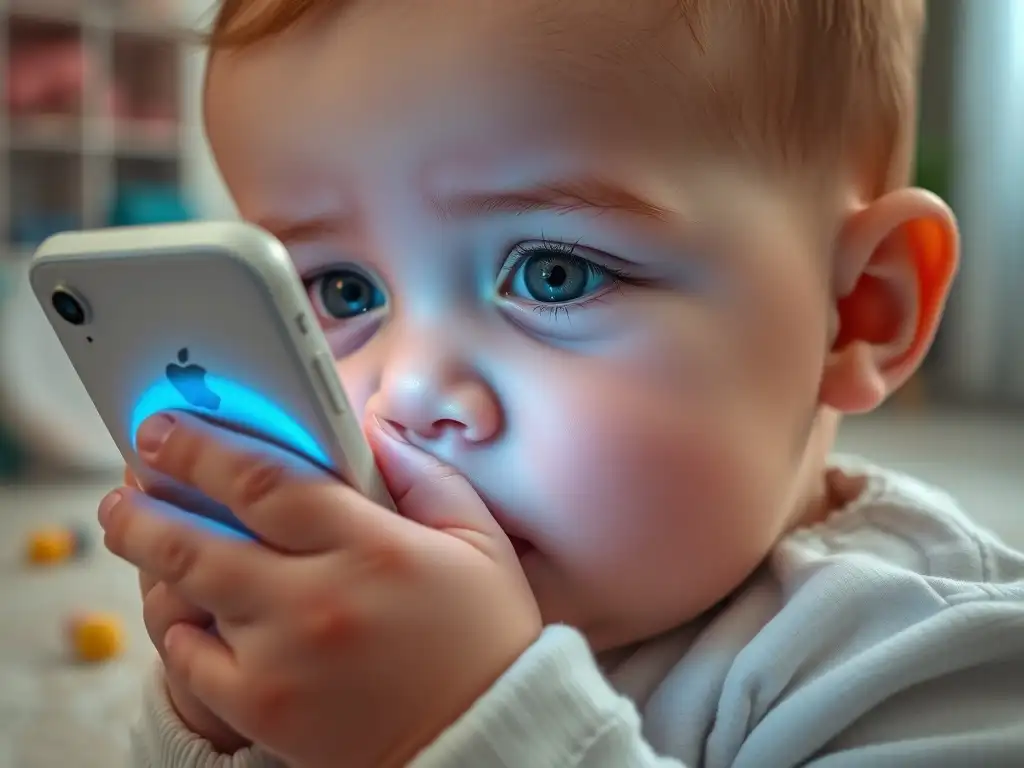
Excessive screen time in babies, while often subtle, can manifest in various concerning ways. Parents need to be vigilant and aware of the potential indicators, understanding that the effects can be both behavioral and physical. Early detection is key to mitigating potential long-term developmental risks associated with "Baby screen time dangers risks". This section focuses on identifying these crucial signs.
Behavioral Changes Indicating Too Much Screen Time
Babies heavily exposed to screens might exhibit noticeable behavioral shifts. These changes often aren't isolated incidents but rather a pattern of behavior. For example, a baby who previously engaged readily in interactive play might show decreased interest in toys and other stimulating activities. They may become increasingly fussy and irritable, particularly when screen time is interrupted. This irritability can manifest as tantrums, difficulty settling down for naps or bedtime, and overall clinginess.
Furthermore, some babies might display attention deficits, struggling to focus on tasks for even short periods. This can impact their ability to engage in age-appropriate play, hindering their developmental progress. A common observation is a reduced capacity for self-soothing, relying more on screen time for comfort rather than developing healthy coping mechanisms. It's crucial to differentiate between normal fussiness and a pattern indicative of excessive screen time. Keeping a detailed daily log of your baby's behavior, including screen time duration and subsequent reactions, can be very helpful in recognizing these subtle shifts.
Physical Symptoms Associated with Excessive Screen Time
Beyond behavioral changes, excessive screen time can also lead to physical symptoms. One common issue is sleep disturbances. Babies exposed to screens close to bedtime may experience difficulty falling asleep, fragmented sleep patterns, and shorter sleep durations. This can impact their overall well-being, affecting their mood, development, and immune system.
Moreover, prolonged screen time can contribute to eye strain and problems with visual development. Babies' eyes are still developing, and the close proximity to screens can lead to blurry vision, eye fatigue, and even the development of refractive errors in some cases. Additionally, prolonged periods of inactivity associated with screen time can contribute to a lack of physical activity, potentially leading to developmental delays and obesity in later years. Pay close attention to your baby's sleep patterns and eye health; any noticeable changes warrant further investigation and potential professional consultation.
When to Seek Professional Help Regarding Baby's Screen Time Habits
While some level of screen time might seem unavoidable in modern life, persistent behavioral or physical changes linked to excessive screen exposure necessitate professional help. If your baby exhibits significant sleep disturbances, persistent irritability, noticeable attention deficits, or eye strain despite adjustments to screen time, consultation with a pediatrician or child development specialist is crucial. These professionals can provide personalized advice, assess the severity of the situation, and recommend appropriate interventions. Early intervention is essential to mitigate potential long-term consequences.
Remember, seeking help isn't an admission of failure; it's a proactive step towards ensuring your baby's healthy development. Don't hesitate to reach out for support if you are concerned about the impact of screen time on your baby's well-being. Early identification and management of "Baby screen time dangers risks" are crucial for a child's healthy development.
Protecting Your Baby from the Dangers of Excessive Screen Time: A Summary
This section summarizes the key risks associated with excessive screen time for babies and offers actionable steps parents can take to mitigate those risks. Understanding the potential negative impacts of screen time on your baby's development is crucial for making informed decisions about their digital exposure. Remember, the goal is to foster healthy development, not to eliminate technology entirely. A balanced approach is key.
Key Takeaways and Actionable Steps for Parents
Excessive screen time for babies poses significant developmental risks. Research consistently shows a correlation between prolonged screen exposure and delays in language acquisition, social-emotional development, and cognitive skills. Furthermore, the passive nature of screen time can hinder the active learning and exploration crucial for a baby's healthy growth. Instead of passively watching screens, babies need opportunities for hands-on interaction with their environment and caregivers.
Here's a breakdown of actionable steps parents can take:
- Limit Screen Time: The American Academy of Pediatrics (AAP) recommends no screen time for children under 18 months, except for video chatting. For children aged 18-24 months, screen time should be highly limited and of high quality, chosen by the parent. This recommendation underscores the critical developmental period during these early years. Think of it as a crucial investment in your child's future.
- Prioritize Interactive Play: Engage your baby in activities that stimulate their senses and encourage active learning. Think tummy time, reading books, singing songs, playing with toys, and exploring different textures. These interactions foster crucial brain development and bonding.
- Be a Role Model: Children learn by observing their parents. Limit your own screen time, showing your baby the importance of balanced technology use. This demonstrates healthy habits from a young age.
- Choose High-Quality Content: If you do decide to introduce screen time within the AAP's guidelines, select age-appropriate and educational content. Look for apps and videos that focus on interactive learning and avoid those with fast-paced visuals or excessive stimulation. Remember, quality over quantity is key when it comes to baby screen time.
- Create Screen-Free Zones: Designate specific areas in your home as screen-free zones, such as the bedroom and dining area. This helps establish a healthy balance between screen time and real-world interactions. This conscious effort creates a nurturing environment conducive to development.
- Monitor Your Baby's Reactions: Pay close attention to your baby's behavior and mood after screen time. Are they irritable, restless, or having difficulty sleeping? These could be signs of excessive screen exposure. Adjust accordingly. Always prioritize your baby's well-being.
| Potential Risk | Impact on Development | Mitigation Strategy |
|---|---|---|
| Delayed Language Acquisition | Reduced vocabulary and communication skills | Engage in frequent verbal interactions, read aloud often |
| Impaired Social-Emotional Development | Difficulty with social cues and emotional regulation | Focus on interactive play and face-to-face interactions |
| Cognitive Delays | Slower cognitive processing and problem-solving skills | Provide stimulating toys and activities |
| Sleep Disturbances | Difficulty falling asleep and staying asleep | Establish a consistent bedtime routine |
| Attention Problems | Difficulty focusing and maintaining attention | Limit screen time and encourage focused play activities |
Remember, the information provided here is for educational purposes only and does not substitute professional medical advice. Consult with your pediatrician for personalized guidance on your baby's screen time and overall well-being. The goal is to ensure your baby thrives, both physically and developmentally. 👶
Frequently Asked Questions
What are the main dangers of screen time for babies?
Excessive screen time in babies can hinder cognitive development, impacting language acquisition and problem-solving skills. It can also lead to sleep disturbances and attention problems.
At what age is screen time particularly harmful for babies?
The American Academy of Pediatrics recommends no screen time for children under 18 months, except for video chatting. Exposure before this age is linked to the most significant developmental risks.
How does screen time affect a baby's sleep?
Screen light disrupts melatonin production, making it harder for babies to fall asleep and stay asleep. This can lead to irritability and developmental delays.
Are there any educational benefits to screen time for babies?
While some apps claim educational value, research shows that interactive play with caregivers provides far more significant benefits for a baby's development than passive screen time.
What are some healthy alternatives to screen time for babies?
Reading books, singing songs, playing with toys, and engaging in tummy time are all excellent alternatives that promote healthy development and bonding. Focus on hands-on activities and parent-child interaction.
Final Reflection: A Legacy of Light, Not Screens, for Our Children
The pervasive presence of screens in our lives, especially for our youngest members, presents a far greater challenge than simply managing screen time; it demands a fundamental re-evaluation of how we nurture the developing minds of our babies. The risks outlined – from delayed language development to impaired social-emotional growth – are not abstract possibilities; they are increasingly documented realities impacting children worldwide.
The subtle yet profound shift in early childhood development, driven by excessive screen time, is a concern that resonates deeply with me. It's not just about the immediate effects; it's about the long-term implications for a generation raised in the digital age. Give a child a good start and you give them a head start in life.
This quote speaks volumes about the critical role of early childhood experiences, experiences that should be rich in real-world interaction and not dominated by the glow of a screen.
Consider the legacy you wish to leave for your child. Will it be one defined by the endless scroll of a digital device, or by the vibrant tapestry of real-life experiences, filled with sensory exploration, face-to-face connection, and the joy of unstructured play? I urge you to reflect on your own screen time habits and consciously create a nurturing environment for your baby, prioritizing real-world interactions and fostering a love for learning through tangible experiences. Let's build a future where our children thrive, not just survive, in the digital age.
Unlock Your Baby's Potential: Limit Screen Time, Maximize Development
Thank you for learning about the impact of screen time on your baby's development. You've gained valuable insights into protecting your child's precious early years. Let's put this knowledge into action:
- Prioritize real-world interactions: Dedicate screen-free time to engaging with your baby through play, singing, and reading. This is crucial for healthy development.
- Create a screen-free zone: Designate areas in your home as screen-free zones where your baby can explore and play without digital distractions. Make it a fun family activity!
- Share your knowledge: Discuss these important points with other parents; your experiences can help shape healthier habits for young children.
What creative, screen-free activities will you enjoy with your baby today?