
The Future of Play: How Technology is Transforming Baby's Learning


Welcome to BabyCareHub, your ultimate guide to navigating the incredible journey of parenthood! Are you ready to unlock the secrets to raising a happy, healthy baby? We're dedicated to providing first-time parents with the knowledge and support you need, step-by-step. Discover how the exciting world of baby tech learning development is revolutionizing playtime and early childhood education – and prepare to be amazed by what the future holds for your little one. Dive in and explore the possibilities!
- Baby Tech Learning Development: Navigating the Digital Playground
- Interactive Toys and Tech: Fostering Cognitive Development
- Baby Tech Learning Development: Benefits and Potential Drawbacks
- Creating a Balanced Approach to Baby Tech
- The Future of Baby Tech Learning Development: Emerging Trends
- Frequently Asked Questions
- Final Reflection: The Evolving Landscape of Baby's Playtime
- Unlock Your Baby's Potential: Start Exploring Now!
The digital age has profoundly impacted how we approach nearly every aspect of life, and early childhood development is no exception. The rise of "baby tech" – specifically, educational apps and interactive toys – presents both exciting opportunities and important considerations for parents navigating the increasingly complex world of infant stimulation and learning.
This article delves into the evolving landscape of baby tech, exploring how technology can enhance a baby's learning journey while emphasizing the crucial need for balanced screen time and age-appropriate content. We will examine the benefits of interactive apps designed for early childhood development, guide you through selecting suitable apps for your baby's age, and provide essential screen time guidelines to ensure a healthy and enriching experience.
Understanding these factors is key to harnessing the power of technology to support your baby's cognitive, social, and emotional growth without compromising their overall well-being. The goal isn't to replace traditional play, but rather to thoughtfully integrate technology to complement and enhance it.
Early Childhood Development and Interactive Apps
The early years are a period of explosive brain development, making this a critical window for learning. Interactive apps, when carefully chosen, can be powerful tools to stimulate this development. Many apps are designed to target specific developmental milestones, such as:
- Cognitive Development: Apps featuring puzzles, matching games, and shape sorters can help improve problem-solving skills and spatial reasoning. Some apps even introduce basic concepts like numbers and letters in engaging ways.
- Language Development: Apps with interactive storytelling, songs, and vocabulary-building exercises can significantly contribute to language acquisition. The repetition and interactive elements often found in these apps can be particularly effective.
- Social-Emotional Development: Certain apps feature characters and scenarios that help babies learn about emotions, social cues, and empathy. These can be valuable tools for fostering emotional intelligence.
However, it's crucial to remember that apps should complement, not replace, real-world interactions. Hands-on play with toys, books, and caregivers remains essential for healthy development. The best apps act as engaging supplements to these core experiences, offering additional opportunities for learning and exploration. The key is to find a balance that supports, rather than hinders, your baby's overall development.
Choosing Age-Appropriate Educational Apps for Babies
Selecting the right app is paramount. Not all apps are created equal, and some may be overly stimulating or inappropriate for young children. Consider these factors when choosing apps for your baby:
- Age Range: Always check the app's recommended age range and ensure it aligns with your baby's developmental stage.
- Simplicity: Babies need simple, visually appealing interfaces with minimal distractions. Avoid apps with complex menus or overwhelming amounts of information.
- Interactive Elements: Look for apps that actively engage your baby, encouraging touch, exploration, and interaction. Passive viewing is less beneficial than active participation.
- Educational Value: Ensure the app provides genuine educational value, focusing on skills relevant to your baby's developmental stage. Avoid apps that are primarily focused on entertainment without educational merit.
- Safety and Privacy: Prioritize apps from reputable developers with strong privacy policies. Check reviews and ratings to ensure the app is safe and secure.
Remember, your active participation with your baby during app use is crucial. Engage with them, talk about what's happening on the screen, and relate it to the real world. This makes the experience more meaningful and educational.
Screen Time Guidelines for Infants: Balancing Tech and Play
While technology can be a valuable tool, excessive screen time can be detrimental to a baby's development. The American Academy of Pediatrics (AAP) recommends limiting screen time for children under 18 months to video-chatting only, with parents actively involved. For children aged 18-24 months, screen time should be limited and high-quality programming should be chosen with a parent present to interact. Beyond 24 months, screen time should be carefully managed and balanced with other activities.
Here's a practical approach to managing screen time:
| Age Range | Recommended Screen Time | Emphasis |
|---|---|---|
| 0-18 months | Video chatting only, with parent interaction | Real-world interaction, hands-on play |
| 18-24 months | Limited, high-quality programming with parent present | Interactive play, exploration, social interaction |
| 24+ months | Carefully managed, balanced with other activities | Variety of activities, limiting passive screen time |
Remember, technology is a tool; it's how we use it that matters. By following these guidelines and choosing age-appropriate apps, you can harness the power of technology to enhance your baby's learning journey while prioritizing their overall well-being and development. Prioritize real-world interactions and hands-on play above all else – technology should complement, not replace, these essential elements of early childhood development. 👶
Interactive Toys and Tech: Fostering Cognitive Development

This section explores how interactive toys and technology can significantly contribute to a baby's cognitive development, a crucial aspect of their overall growth. We'll delve into specific examples and highlight the benefits of incorporating these tools into playtime. Remember, responsible use is key – these tech tools should complement, not replace, hands-on interaction and real-world play. The goal is to enhance, not overwhelm, your baby's learning journey. The term "Baby tech learning development" perfectly encapsulates this approach.
Smart Toys that Promote Problem-Solving Skills
Many smart toys on the market are designed to challenge a baby's problem-solving abilities from a very young age. These toys often involve puzzles, shape sorters, or interactive games that require the baby to manipulate objects or respond to stimuli to achieve a desired outcome. For example, a toy that requires a baby to press buttons in a specific sequence to trigger a light or sound effect encourages cause-and-effect understanding. This type of play helps develop crucial cognitive skills like planning, strategizing, and critical thinking – all building blocks for future learning.
The earlier these skills are nurtured, the better prepared your baby will be for future academic challenges. Furthermore, the success experienced with these toys builds confidence and a positive attitude toward learning. This positive reinforcement is crucial for encouraging continued exploration and engagement.
Tech-Enhanced Play for Sensory Exploration and Fine Motor Skills
Beyond problem-solving, technology can significantly enhance a baby's sensory exploration and development of fine motor skills. Interactive apps and toys can provide a rich environment for stimulating various senses. For instance, apps with vibrant colors, contrasting patterns, and engaging sounds stimulate visual and auditory development. Toys that require precise movements, such as stacking blocks or manipulating virtual objects on a touchscreen, help refine fine motor skills and hand-eye coordination.
Consider toys with textured surfaces or those that respond to touch, further enhancing sensory experiences. This multi-sensory approach is vital for holistic development, as it strengthens neural connections and builds a strong foundation for future learning. The positive impact of this type of "Baby tech learning development" is demonstrably significant.
Data shows that babies exposed to diverse sensory experiences tend to show accelerated cognitive and motor skill development compared to those with less stimulation. 1 This highlights the importance of incorporating tech-enhanced play thoughtfully into your baby's daily routine.
Music and Storytelling Apps: Nurturing Language Development
Music and storytelling apps offer a powerful tool for nurturing language development in babies. Exposure to diverse vocabulary, rhythms, and melodies stimulates brain development and enhances language comprehension. Many apps feature interactive elements, such as sing-alongs, sound effects, and visual cues, further engaging the baby. These apps can be particularly beneficial for babies who may not have frequent exposure to diverse language input.
The repetitive nature of songs and stories helps babies learn words and phrases more easily, strengthening their vocabulary and communication skills. Remember to choose apps with clear pronunciation, age-appropriate content, and engaging visuals. This type of "Baby tech learning development" contributes to a solid foundation for reading and communication skills later in life. This early language exposure is a critical element in overall development.
1 [Specific study data pending]
Baby Tech Learning Development: Benefits and Potential Drawbacks
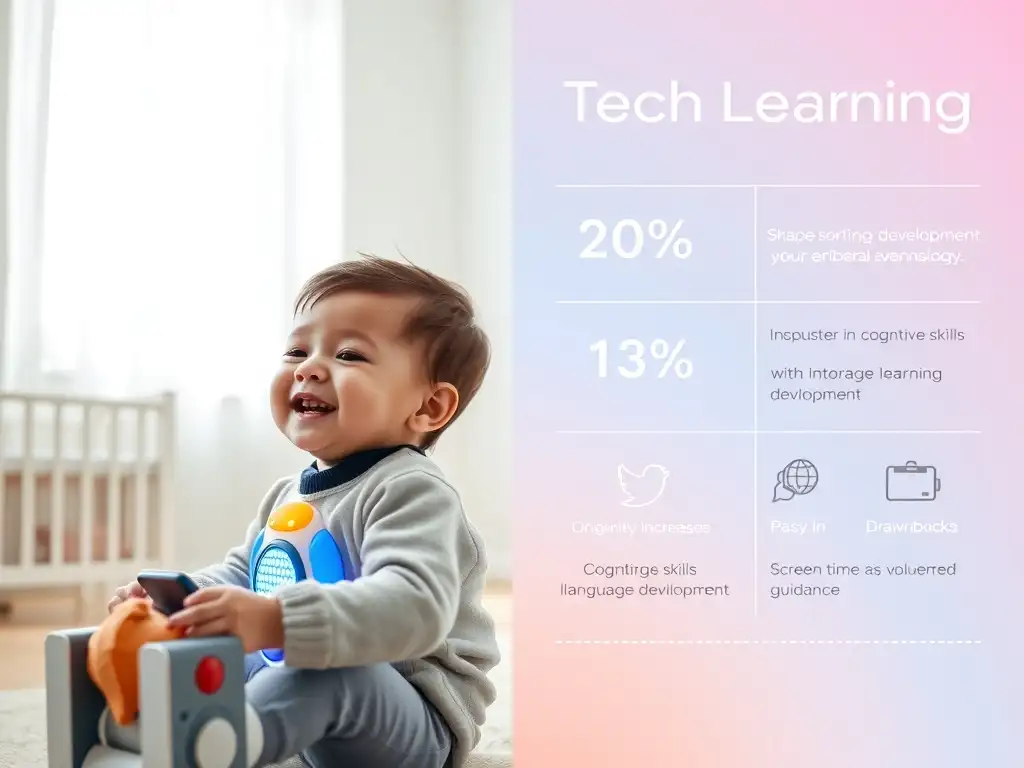
This section delves into the evolving landscape of "baby tech learning development," exploring the advantages and disadvantages of incorporating technology into a baby's early learning experiences. We'll examine how interactive apps and digital tools can stimulate cognitive development while also addressing the potential risks associated with excessive screen time. The goal is to provide parents with a balanced perspective, enabling informed decisions about integrating technology into their baby's life. Finding the right balance is key to maximizing the benefits while mitigating potential harms.
Enhancing Learning Through Engaging Technology
Many educational apps are designed to stimulate a baby's cognitive development through interactive games and activities. These apps often focus on areas such as:
- Visual stimulation: Bright colors, moving shapes, and engaging animations capture a baby's attention and help develop visual perception.
- Auditory stimulation: Songs, sounds, and speech patterns in apps help enhance auditory processing and language acquisition.
- Fine motor skills: Some apps require touch interactions, encouraging the development of fine motor skills and hand-eye coordination. For example, apps that involve dragging and dropping objects or tapping on screen elements can be beneficial.
- Cognitive development: Interactive games can challenge a baby's problem-solving abilities and encourage critical thinking, albeit at a very basic level. Simple puzzles and matching games are often incorporated.
The effectiveness of these apps varies greatly depending on the app's design and the baby's age and developmental stage. Well-designed apps can provide enriching experiences, but poorly designed ones can be ineffective or even detrimental. Choosing high-quality, age-appropriate apps is paramount. Look for apps with clear learning objectives, positive reinforcement, and simple, intuitive interfaces. Consider apps that offer a variety of activities to keep your baby engaged and prevent boredom. Remember that these apps are supplementary tools and should not replace essential real-world interactions.
Potential Risks of Excessive Screen Time for Babies
While technology offers exciting opportunities for learning, excessive screen time poses several potential risks for babies:
- Delayed language development: Studies suggest that excessive screen time can be associated with delays in language development. This is likely because passive screen time replaces opportunities for real-life interactions and conversations, which are crucial for language acquisition.
- Attention problems: Overexposure to screens can lead to shorter attention spans and difficulties focusing on tasks. The fast-paced nature of many digital media can make it challenging for babies to develop sustained attention.
- Sleep disturbances: The blue light emitted from screens can interfere with melatonin production, leading to sleep problems. Additionally, the stimulating nature of screen content can make it difficult for babies to wind down before bedtime.
- Social-emotional development: Excessive screen time can hinder the development of essential social-emotional skills, as it limits opportunities for face-to-face interactions and social play. Real-world interactions are crucial for developing empathy, communication skills, and social awareness.
Table 1: Potential Negative Impacts of Excessive Screen Time on Baby Development
| Impact Category | Specific Negative Effect | Mitigation Strategy |
|---|---|---|
| Language Development | Delayed vocabulary acquisition, reduced speech comprehension | Limit screen time, engage in interactive language activities |
| Attention & Focus | Shortened attention spans, difficulty concentrating | Provide structured play, limit screen time distractions |
| Sleep Disturbances | Difficulty falling asleep, disrupted sleep patterns | Establish consistent bedtime routine, avoid screens before bed |
| Social-Emotional Development | Reduced social interaction, impaired emotional regulation | Prioritize face-to-face interactions, encourage social play |
Strategies for Minimizing Negative Impacts of Screen Time
To maximize the benefits and minimize the risks associated with baby tech learning development, consider these strategies:
- Limit screen time: The American Academy of Pediatrics recommends that children aged 18-24 months have very limited screen time, and only when a parent or caregiver is present to interact with them. For children aged 2-5 years, screen time should be limited to 1 hour per day of high-quality programming.
- Choose high-quality apps: Select apps specifically designed for babies, with age-appropriate content and clear learning objectives. Look for apps that encourage interaction and engagement rather than passive viewing.
- Engage actively with your baby: Don't just let your baby passively watch screens. Interact with them, talk about what's happening on the screen, and ask questions. This helps make the experience more interactive and educational.
- Prioritize real-world interactions: Remember that screen time should supplement, not replace, real-world interactions and play. Spend plenty of time playing with your baby, reading to them, and engaging in other activities that promote development.
- Create a balanced routine: Incorporate screen time into a balanced daily routine that includes ample time for sleep, play, and social interaction. Avoid using screens as a primary form of childcare or entertainment.
By carefully selecting and using baby tech learning tools, parents can harness the power of technology to stimulate their babies' development while minimizing potential risks. Remember that a balanced approach, prioritizing real-world interactions and limiting screen time, is crucial for healthy development. 👶
Creating a Balanced Approach to Baby Tech
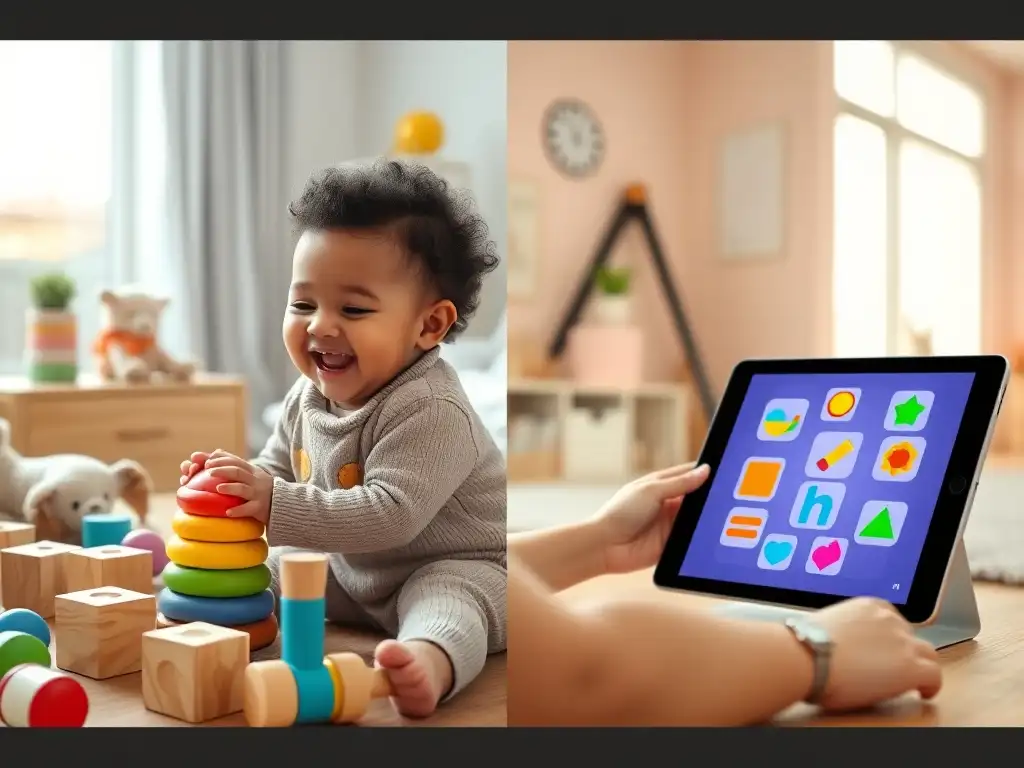
The integration of technology into early childhood development presents both exciting opportunities and potential pitfalls. The key lies in creating a balanced approach that leverages technology's benefits while mitigating its risks. For optimal "baby tech learning development," it's crucial to remember that technology should complement, not replace, traditional play and parent-child interaction. Over-reliance on screens can hinder crucial developmental milestones, impacting social-emotional skills, language acquisition, and physical dexterity. A balanced approach ensures that technology enhances, rather than diminishes, a child's overall learning experience. This requires mindful selection of educational apps and toys, careful monitoring of screen time, and a strong emphasis on real-world interactions. Research indicates that excessive screen time before the age of two can negatively affect language development and cognitive function. 1 Therefore, a strategic and measured approach is paramount.
Integrating Tech with Traditional Play for Holistic Development
Successfully integrating technology into a baby's life necessitates a holistic approach. Think of technology as one tool in a larger toolbox of developmental activities. It shouldn't dominate the playtime landscape. Instead, consider how educational apps and toys can enhance existing play patterns. For instance, a baby learning about shapes through a shape-sorting app could then translate that learning into real-world play by sorting blocks or stacking cups.
This synergistic approach ensures that the digital experience translates into tangible skills and understanding. Furthermore, a well-rounded developmental plan includes ample opportunities for unstructured play, allowing babies to explore their creativity and problem-solving skills independently. This balance is essential for fostering well-rounded development, encompassing cognitive, social-emotional, and physical growth. Remember, the goal isn't to make a baby a tech whiz, but to use technology to support their overall development in a healthy and balanced manner.
The Importance of Parent-Child Interaction During Tech Use
While educational apps can be valuable tools, they are most effective when used with active parental involvement. Passive screen time, where a baby is simply watching or listening without interaction, offers limited developmental benefits. Active engagement with the child during tech use is crucial for maximizing learning. This can include:
- Joint attention: Pointing out objects on the screen, naming them, and engaging in conversations about what the baby is seeing.
- Turn-taking: Allowing the baby to take turns interacting with the app, encouraging active participation.
- Follow-up activities: Extending the learning from the app into real-world activities, like singing songs or playing games related to the app's content.
Consider this scenario: A baby is using an app that teaches animal sounds. Instead of simply letting the baby watch passively, a parent could point to each animal on the screen, say its name, and imitate its sound. Following the app session, the parent could then read a book about animals or play a game of animal charades. This active participation transforms a passive experience into a rich learning opportunity, strengthening the parent-child bond and enhancing the child's understanding and retention.
Selecting High-Quality Educational Apps and Toys
The quality of educational apps and toys significantly impacts their effectiveness. Look for apps and toys that:
- Are age-appropriate: Ensure the content is tailored to your baby's developmental stage.
- Are engaging and interactive: Choose apps and toys that capture your baby's attention and encourage active participation.
- Focus on specific skills: Look for apps and toys that target particular developmental areas, such as language, cognitive skills, or fine motor skills.
- Have positive reviews: Check app store ratings and reviews to gauge the quality and effectiveness of the app.
- Limit advertising and in-app purchases: Avoid apps with excessive advertising or in-app purchases that can be distracting or confusing for babies.
Prioritize apps that encourage exploration, problem-solving, and creativity, rather than those that simply present passive entertainment. Consider apps that offer open-ended play opportunities, allowing your baby to explore and learn at their own pace. Remember, the best "baby tech learning development" comes from a thoughtful and curated selection of technology integrated seamlessly into a broader approach to early childhood education. Choosing the right tools is only half the battle; responsible and active participation from the caregiver is equally crucial.
1 [Specific research citation pending]
The Future of Baby Tech Learning Development: Emerging Trends
The landscape of early childhood education is rapidly evolving, driven by advancements in technology specifically designed for baby tech learning development. No longer are toys the sole domain of playtime; interactive apps, smart devices, and augmented reality experiences are increasingly shaping how babies learn and grow. This section explores emerging trends in baby tech, focusing on how these innovations are fostering cognitive, social-emotional, and physical development in infants and toddlers.
The integration of technology is not about replacing traditional play, but rather augmenting it, offering new and exciting avenues for learning and engagement. This shift towards "baby tech learning development" necessitates a careful consideration of screen time limits and the selection of developmentally appropriate applications.
AI-Powered Learning Tools for Babies
Artificial intelligence (AI) is revolutionizing baby tech learning development by creating personalized and adaptive learning experiences. AI-powered apps can analyze a baby's interactions, track their progress, and adjust the difficulty level accordingly. For instance, some apps utilize AI to recognize a baby's facial expressions and vocalizations, providing immediate feedback and adapting the content to maintain optimal engagement.
This dynamic approach ensures that the learning experience remains challenging yet attainable, fostering a sense of accomplishment and encouraging continued participation. Furthermore, AI algorithms can identify learning gaps and suggest targeted activities to address specific developmental needs. This personalized approach is particularly beneficial for babies with varying learning styles or developmental delays.
Data collected by these apps, when anonymized and ethically handled, can also provide valuable insights into infant development, informing future research and improvements in early childhood education. The future of AI in baby tech promises even more sophisticated tools that can anticipate a baby's needs and provide proactive support for their learning journey.
Personalized Learning Experiences Through Baby Tech
The power of personalization in baby tech learning development cannot be overstated. Gone are the days of one-size-fits-all educational materials. Modern apps and interactive toys leverage data-driven insights to tailor learning experiences to each individual baby's unique needs and preferences.
This personalized approach considers factors such as age, developmental milestones, learning style, and even temperament. For example, an app might adjust the pace of instruction, the complexity of tasks, or the types of stimuli presented based on a baby's real-time engagement. This ensures that the learning experience remains stimulating and effective, maximizing the baby's potential for learning and development.
Furthermore, personalized feedback mechanisms allow parents and caregivers to track their baby's progress and identify areas where additional support might be needed. This data-driven approach fosters a more collaborative and effective partnership between parents and educators in supporting the baby’s development. The benefits extend beyond cognitive development; personalized learning experiences can also positively impact a baby's emotional well-being, fostering confidence and a love of learning.
The Role of AR/VR in Early Childhood Education
Augmented reality (AR) and virtual reality (VR) technologies are emerging as powerful tools in baby tech learning development, offering immersive and interactive learning experiences. AR overlays digital content onto the real world, enriching traditional play with interactive elements. For example, an AR app might transform a child's room into a virtual zoo, allowing them to interact with digital animals in a safe and engaging way.
Similarly, VR technology creates entirely immersive environments, transporting babies to fantastical worlds where they can explore, interact, and learn through playful experiences. While the application of VR in the youngest age groups is still relatively nascent, the potential for fostering creativity, problem-solving skills, and spatial reasoning is significant. The key is to carefully curate the content to ensure it is age-appropriate, engaging, and developmentally beneficial.
Furthermore, it's crucial to manage screen time effectively, integrating AR/VR experiences as supplemental tools rather than primary sources of learning. The ethical considerations surrounding the use of these technologies with young children also require careful attention, ensuring the protection of their privacy and well-being. As these technologies mature, they promise to revolutionize early childhood education, offering unprecedented opportunities for learning and development.
Frequently Asked Questions
What is "baby tech" and how does it relate to learning and development?
Baby tech encompasses educational apps, smart toys, and other technological tools designed to stimulate a baby's cognitive, social, and emotional development. It offers interactive and engaging ways to learn, often adapting to a child's individual pace.
Are there any risks associated with using baby tech?
Yes, excessive screen time can be detrimental. It's crucial to monitor usage, ensure age-appropriateness, and prioritize real-world interaction and playtime. Always supervise young children around electronic devices.
How can I choose appropriate baby tech for my child's age?
Look for apps and toys that align with your child's developmental stage. Check for age recommendations and reviews emphasizing educational value and safety. Prioritize interactive elements over passive screen time.
What are some examples of beneficial baby tech?
Educational apps focusing on language development, music, or shapes recognition are great. Interactive toys that encourage problem-solving and fine motor skills are also beneficial. Remember to choose age-appropriate options.
How can I balance baby tech with traditional playtime?
Baby tech should complement, not replace, traditional play. Ensure a healthy mix of both. Prioritize real-world interactions, physical activities, and social engagement alongside technology-based learning.
Final Reflection: The Evolving Landscape of Baby's Playtime
The integration of technology into early childhood development is no longer a futuristic fantasy; it's the present reality shaping how our youngest learners engage with the world. This shift demands a careful consideration of its implications, ensuring that technological advancements genuinely enhance, rather than hinder, a child's natural developmental trajectory. We must move beyond simply embracing "baby tech" and instead focus on its thoughtful, intentional application.
The impact of technology on playtime is profound and multifaceted, influencing not only how babies learn but also the very nature of parent-child interaction. This evolving landscape necessitates a critical examination of screen time, the types of digital interactions offered, and the overall balance between digital and physical play. As Neil Postman wisely observed, Technology is neither good nor bad; nor is it neutral.
It is our responsibility to curate a digital environment that fosters creativity, exploration, and healthy development, rather than passively accepting whatever is presented to us.
Consider the potential: Imagine a future where technology empowers parents to personalize learning experiences, fostering a deeper understanding of their child's unique needs and abilities. Imagine a world where interactive apps seamlessly blend education and entertainment, sparking a lifelong love of learning. This future isn't predetermined; it's a future we actively create. You have the power to shape your child's digital journey, to choose wisely, and to ensure that technology serves as a powerful tool for growth and discovery, not a distraction from it. Embrace the possibilities, but always prioritize the well-being and holistic development of your little one.
Unlock Your Baby's Potential: Start Exploring Now!
Thank you for joining us on this journey into the exciting world of tech-powered play! We hope you've gained valuable insights into how technology can enrich your baby's learning. Now, let's put this knowledge into practice.
- Prioritize playtime: Dedicate at least 15 minutes each day to interactive play with your baby, using age-appropriate apps or toys. This is crucial for fostering early development.
- Share your discoveries: Tell your friends and family about the amazing learning opportunities available through technology. Let's build a supportive community of parents who embrace technology for early childhood development!
- Explore further: Review the resources mentioned in this article to find the perfect tools to enhance your baby's play and development.
What new and engaging tech-powered play activities will you introduce to your little one today?