
Baby Feeding Trackers: The Modern Parent's Guide to Organized Feeding


Welcome to BabyCareHub, your ultimate guide to navigating the incredible journey of parenthood! Are you overwhelmed by the sheer volume of information surrounding newborn care? We understand. That's why we've created this comprehensive resource, packed with practical advice and expert insights. Intrigued by the possibilities of simplifying your baby's feeding schedule? Discover our in-depth analysis of Baby feeding tracker app reviews and unlock the secrets to organized, stress-free feeding. Let's embark on this exciting adventure together!
- Understanding the Benefits of Baby Feeding Tracker Apps
- Top Baby Feeding Tracker App Reviews: Features and Comparisons
-
Essential Features to Look for in a Baby Feeding Tracker App
- Accurate Time Tracking and Recording Capabilities for Both Breast and Bottle Feeding
- Detailed Data Logging: Volume, Duration, and Type of Feed
- Growth Chart Integration and Weight Tracking Capabilities
- User-Friendly Interface and Intuitive Navigation for Busy Parents
- Data Backup and Security Features for Peace of Mind
- How to Effectively Use a Baby Feeding Tracker App
- Beyond the App: Combining Technology with Traditional Feeding Practices
-
Frequently Asked Questions
- What are the benefits of using a baby feeding tracker app?
- How do I choose the best baby feeding tracker app for my needs?
- Are baby feeding tracker apps safe and secure?
- Can a baby feeding tracker app help me identify feeding problems?
- What are some of the top-rated baby feeding tracker apps based on reviews?
- Final Reflection: Navigating the Feeding Frenzy: A Parent's Journey
- Unlock Your Baby's Feeding Success!
Understanding the Benefits of Baby Feeding Tracker Apps
Navigating the world of newborn care can feel overwhelming, especially for first-time parents. From sleepless nights to constant feeding schedules, the sheer volume of information and tasks can be daunting. One tool that significantly simplifies this journey and provides invaluable support is the baby feeding tracker app.
This comprehensive guide explores the advantages of using baby feeding tracker apps, examining various features and helping you choose the best app to streamline your baby's feeding routine and enhance your overall parenting experience. We'll delve into why tracking baby feedings is crucial, how these apps benefit both breastfed and formula-fed babies, and how the data collected can lead to better, more informed feeding decisions.
This guide will also touch upon the key features to look for when reviewing different baby feeding tracker apps, ultimately helping you make an informed choice and empowering you to confidently manage your baby's nutritional needs. Our goal is to provide you with the knowledge necessary to navigate the world of "Baby feeding tracker app reviews" with confidence.
Why Track Baby Feedings? Improved Monitoring and Early Detection of Issues
Tracking your baby's feeding habits offers numerous benefits, going beyond simple record-keeping. Regular monitoring allows for early detection of potential issues. For example, consistently tracking feeding amounts and times can help identify patterns indicative of insufficient milk intake (in breastfed babies) or potential allergies or intolerances. Early identification of such issues allows for timely intervention and prevents potential health complications.
Furthermore, consistent tracking provides valuable data for healthcare professionals during check-ups, facilitating more accurate assessments of your baby's growth and development. This data-driven approach allows for proactive healthcare and peace of mind for parents. Imagine the ease of recalling precise feeding times and amounts during a doctor's visit – eliminating guesswork and ensuring a more accurate assessment of your baby's well-being. This improved communication with healthcare providers is a significant advantage of utilizing a baby feeding tracker app.
Streamlining Feeding Schedules for Breastfed and Formula-Fed Babies
Whether you're breastfeeding or formula-feeding, a baby feeding tracker app can significantly simplify your daily routine. For breastfeeding mothers, the app can help track feeding duration on each breast, monitor feeding frequency, and even note any difficulties encountered during feeding sessions. This detailed information can be invaluable in identifying potential breastfeeding challenges and seeking appropriate support. For formula-feeding parents, the app allows precise tracking of the amount of formula consumed at each feeding, ensuring your baby receives the appropriate nutrition.
Moreover, many apps allow you to set reminders for feedings, preventing missed feedings and promoting a consistent routine. This structured approach contributes to a more relaxed and organized parenting experience. The ability to effortlessly track both breast milk and formula feedings in a single app is a significant advantage for parents who may switch between feeding methods.
Data-Driven Insights for Better Feeding Decisions
One of the most significant benefits of using a baby feeding tracker app is the ability to gain data-driven insights into your baby's feeding patterns. The app compiles feeding data over time, generating reports and visualizations that help you understand your baby's nutritional needs and feeding preferences. This data can inform decisions regarding feeding schedules, amount of formula, or even addressing breastfeeding concerns. For instance, you might notice a correlation between your baby's sleep patterns and feeding times, or identify specific times of day when your baby feeds more frequently.
These insights empower you to make informed decisions about your baby's care, promoting healthier growth and development. The ability to analyze this data, coupled with the advice of your pediatrician, contributes to a more confident and empowered parenting experience. This data-driven approach is a key differentiator in the effectiveness of baby feeding tracker apps.
Top Baby Feeding Tracker App Reviews: Features and Comparisons
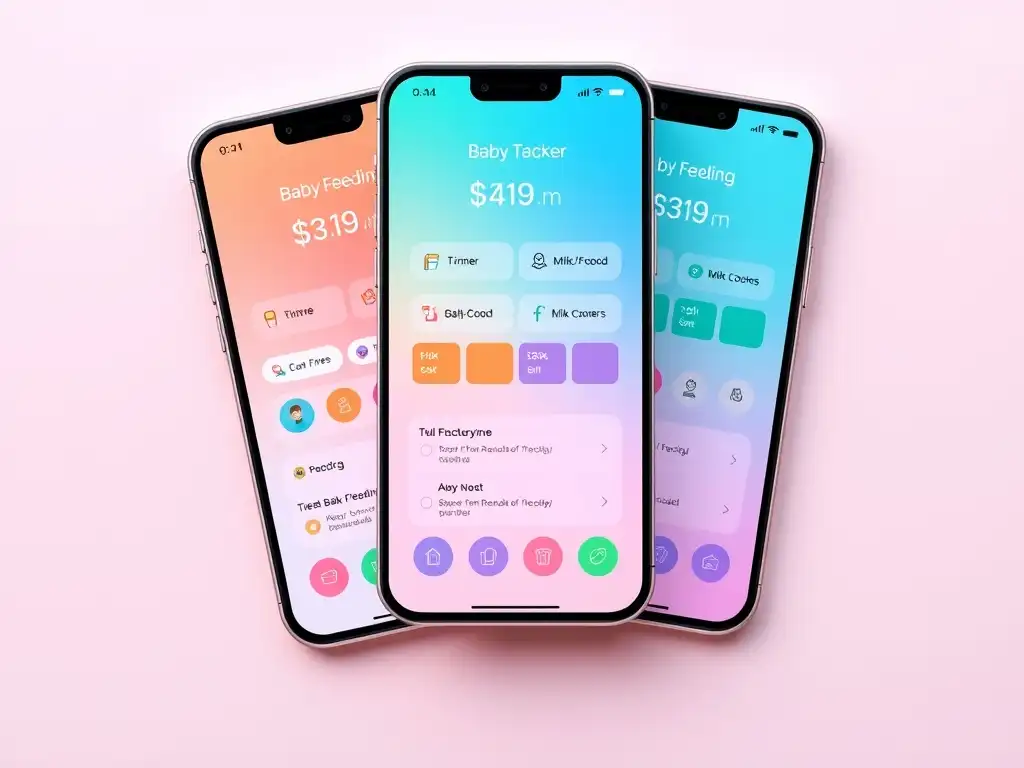
This section delves into detailed reviews of popular baby feeding tracker apps, comparing their features, pricing, and user experiences to help you choose the best fit for your family. We'll analyze several apps, focusing on their strengths and weaknesses to aid your decision-making process in the often overwhelming world of baby care technology. Finding the right app can significantly streamline your baby's feeding schedule tracking, contributing to better sleep for both you and your little one.
Baby Tracker Pro: Detailed Review, Pros and Cons, and User Experience
Baby Tracker Pro is a comprehensive baby feeding tracker app boasting a user-friendly interface and a wide array of features. Its popularity stems from its ease of use, even for tech-newbies. The app allows you to meticulously track both breastfeeding and bottle-feeding sessions, recording details such as start and end times, duration, amount consumed (in ounces or milliliters), and even notes on your baby's behavior during feeding.
The app also provides valuable insights into your baby's feeding patterns, generating helpful charts and graphs that visualize feeding frequency, total intake, and growth trends. This data can be invaluable for identifying potential issues or simply understanding your baby's individual needs.
Pros:
- Intuitive interface: Easy navigation and data entry make it stress-free to use, even during those sleep-deprived moments.
- Comprehensive tracking: Caters to both breastfeeding and bottle-feeding, offering detailed tracking options.
- Data visualization: Clear charts and graphs make it easy to understand your baby's feeding patterns.
- Growth tracking: Monitors weight and height changes to identify growth trends.
- Multiple profiles: Allows tracking data for multiple children.
Cons:
- Limited customization: While offering many features, the app's customization options are somewhat limited compared to competitors.
- Occasional glitches: Some users have reported minor glitches or bugs, although these appear to be infrequent.
- Subscription model: While a free version exists, the full functionality requires a paid subscription.
User Experience: The majority of user reviews highlight the app's ease of use and the helpfulness of the generated reports. Many parents appreciate the clear visualization of data, which assists in understanding their baby's feeding habits. However, some users express a desire for more customization options and a more robust customer support system. The overall user experience leans towards positive, making it a strong contender in the baby feeding tracker app market.
BabyLog: Features Comparison with Baby Tracker Pro, Pricing and Value
BabyLog presents a strong alternative to Baby Tracker Pro, offering similar core functionalities but with some key differences. Both apps allow detailed tracking of feeding sessions, but BabyLog stands out with its focus on sleep tracking integration. This combined tracking of feeding and sleep patterns provides a holistic view of your baby's daily routine, potentially revealing correlations between feeding times and sleep cycles.
| Feature | Baby Tracker Pro | BabyLog |
|---|---|---|
| Feeding Tracking | Breastfeeding & Bottle-feeding | Breastfeeding & Bottle-feeding |
| Sleep Tracking | Basic | Integrated and detailed |
| Data Visualization | Charts & Graphs | Charts & Graphs, Sleep Pattern Analysis |
| Pricing | Free version with in-app purchases | One-time purchase or subscription model |
| User Interface | Simple & Intuitive | Clean and Modern |
While Baby Tracker Pro relies on a subscription model for full access, BabyLog offers both a one-time purchase and subscription options, providing flexibility in choosing a payment plan that suits your budget. The value proposition of BabyLog lies in its integrated sleep tracking and the option for a one-time purchase, eliminating recurring subscription fees. However, the absence of a free version might be a deterrent for some users.
LactApp: A Focus on Breastfeeding Tracking and Support Features
LactApp distinguishes itself by focusing specifically on breastfeeding mothers. While it offers feeding tracking functionalities similar to other apps, its core strength lies in its comprehensive support for breastfeeding mothers. This includes information on breastfeeding positions, latch techniques, and troubleshooting common breastfeeding challenges. It goes beyond simple tracking, providing a supportive community and educational resources to help navigate the complexities of breastfeeding.
LactApp excels in providing personalized support through its detailed tracking of breastfeeding sessions, including duration, breast used, and any notes on the feeding experience. It also incorporates features to monitor milk supply and identify potential issues, such as insufficient milk production or latch difficulties. The integration of educational resources and a supportive community makes LactApp a valuable tool for breastfeeding mothers seeking both practical assistance and emotional support.
Its focus on breastfeeding makes it a less versatile option for those using formula, but for breastfeeding mothers, it offers a superior level of specific support and guidance. The app’s development shows a clear understanding of the unique challenges faced by breastfeeding mothers, setting it apart from more generalized baby feeding trackers.
Choosing the Right App Based on Your Needs: A Comparison Table
Choosing the right baby feeding tracker app can feel overwhelming with so many options available. To help you navigate this, we've compiled a comparison table highlighting key features of several popular apps. Remember that the "best" app depends entirely on your individual needs and preferences. Consider what features are most important to you – detailed logging, breastfeeding tracking, pumping data integration, growth chart visualization, or perhaps community support.
The following table compares several leading baby feeding tracker apps across various functionalities. Note that features and pricing can change, so always verify the latest information on the app's official website or app store listing. We've focused on features relevant to "baby feeding tracker app reviews," highlighting aspects frequently mentioned in user feedback.
| Feature | Baby Tracker App A | Baby Tracker App B | Baby Tracker App C | Baby Tracker App D | Notes |
|---|---|---|---|---|---|
| Feeding Type Tracking | Breastfeeding, Formula, Solids | Breastfeeding, Formula, Solids, Pumped Milk | Breastfeeding, Formula, Solids | Breastfeeding, Formula, Solids, Other | App D allows for highly customizable feeding types. |
| Pumping Data Integration | Yes | Yes | No | Yes | Crucial for breastfeeding mothers who also pump. |
| Growth Chart Integration | Yes | Yes | Yes | Yes | Visual tracking of weight and length is valuable for monitoring development. |
| Sleep Tracking Integration | No | Yes | Yes | No | Combined sleep and feeding tracking offers a holistic view of baby's routine. |
| Diaper Change Tracking | Yes | Yes | Yes | Yes | Useful for identifying patterns and potential health concerns. |
| Multiple Baby Support | No | Yes | Yes | Yes | Essential for parents with twins or closely spaced children. |
| Community Features | No | Limited | Robust Forum | Limited | App C boasts a large and active community for peer support. |
| User Interface | Intuitive | Somewhat Clunky | Clean and Simple | Intuitive | A user-friendly interface is crucial for ease of use, especially during busy times. |
| Cost | Free (with in-app purchases) | Subscription Based | Free (with in-app purchases) | Free (with in-app purchases) | Consider the value proposition of free vs. paid features and subscription costs. |
This table provides a snapshot of key features. Thorough research, including reading individual "baby feeding tracker app reviews" and exploring free trial periods (if available), is highly recommended before committing to a specific app. Remember to prioritize features that align with your parenting style and the needs of your baby. Don't hesitate to try out a few different apps to find the perfect fit! Many apps offer free versions or limited trial periods, allowing you to test the waters before committing to a paid subscription.
Essential Features to Look for in a Baby Feeding Tracker App
Choosing the right baby feeding tracker app can significantly simplify your life as a new parent. Navigating the world of newborn feeding can be overwhelming, and a well-designed app can provide invaluable support. This section focuses on the crucial features you should prioritize when evaluating different baby feeding tracker apps, helping you find the perfect fit for your needs and ultimately improving your baby's care.
Remember, the best app will be intuitive, reliable, and tailored to your feeding method. This guide will assist you in finding the best app for your family, based on your specific needs and preferences, making your search for the ideal "baby feeding tracker app" much easier.
Accurate Time Tracking and Recording Capabilities for Both Breast and Bottle Feeding
Accurate timekeeping is paramount in tracking your baby's feeding patterns. A reliable baby feeding tracker app should offer precise time stamping for both breast and bottle feeds. This means the app needs to be easy to start and stop the timer, even with one hand while managing a wriggly baby. Furthermore, look for features that allow for easy editing in case of accidental mis-timing.
Some advanced apps even offer reminders to initiate feeding sessions, preventing you from accidentally skipping scheduled feeds. The ideal app will differentiate between breast and bottle feeding, allowing you to record specifics relevant to each method. For instance, for breast feeding, the app should record the side used and duration for each breast, while for bottle feeding, it should record the type of formula, the volume, and the preparation method.
Consider apps with customizable options, allowing you to record additional information relevant to your specific situation. For example, some parents may want to log the baby's mood before and after feeding, or note any unusual behaviors. This level of detail can be crucial in identifying potential feeding challenges early on.
Detailed Data Logging: Volume, Duration, and Type of Feed
Beyond simple time tracking, a comprehensive baby feeding tracker app should meticulously log crucial data points. This includes not just the duration of the feed but also the volume consumed (in ounces or milliliters, depending on your preference), and the type of feed (breast milk, formula, expressed milk, etc.). The ability to distinguish between different types of formula (e.g., hypoallergenic, soy-based) is especially useful for parents with babies who have specific dietary requirements.
Some apps offer options to add notes, allowing you to record any observations relevant to the feed, such as the baby’s behavior during feeding, any difficulties encountered, or the use of supplements. This detailed logging facilitates the identification of patterns and trends, helping you and your pediatrician understand your baby's feeding habits. The app should also be able to generate reports summarizing this data over various time periods (daily, weekly, monthly), which can be incredibly helpful during doctor's visits.
This feature is invaluable for providing your pediatrician with comprehensive information about your baby's feeding patterns. The more detailed your logs, the more insightful the data analysis will be, leading to better informed decisions regarding your baby's nutritional needs.
Growth Chart Integration and Weight Tracking Capabilities
Tracking your baby's weight is essential for monitoring their growth and development. An ideal baby feeding tracker app should seamlessly integrate with your baby's weight measurements. Ideally, this integration would allow you to input your baby's weight directly into the app, alongside the feeding data. Some advanced apps even offer growth chart visualization based on the data entered, allowing you to visually monitor your baby's progress against standard growth percentiles.
This visual representation of your baby's growth trajectory can provide valuable insights into their overall health and development. The ability to easily compare your baby's weight over time helps identify any potential growth concerns early on. This feature is particularly useful in identifying potential issues that might warrant a visit to the pediatrician, allowing for timely intervention.
Remember to always consult with your pediatrician for any concerns regarding your baby's growth. The app should present this growth information in a clear, easily understandable manner, perhaps with color-coded indicators to highlight any potential deviations from the expected norms. The integration of weight tracking within the feeding tracker offers a holistic view of your baby's health and well-being.
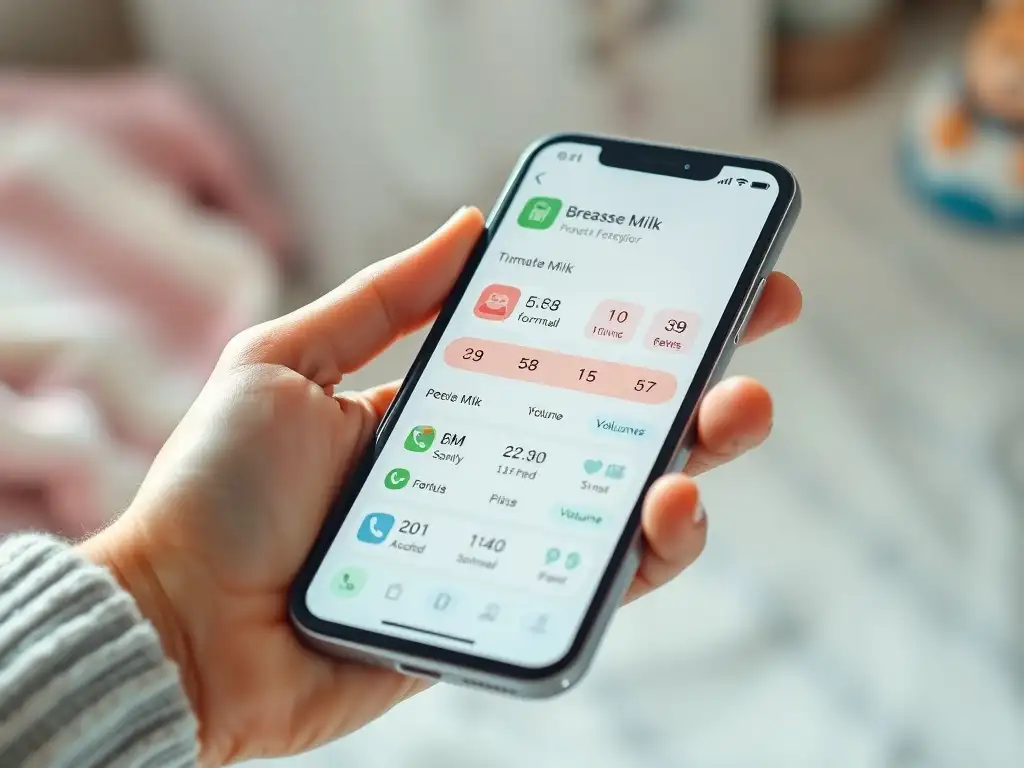
New parents are often sleep-deprived and juggling a million tasks. The last thing they need is a complicated baby feeding tracker app. A truly excellent app prioritizes ease of use. Look for apps with a clean, uncluttered interface. Intuitive navigation is key – you should be able to quickly log feedings, view historical data, and generate reports without needing a tutorial. Consider the size and placement of buttons; are they easy to tap, even with one hand while holding a baby?
The app should adapt seamlessly to different screen sizes, whether you're using a smartphone or a tablet. Think about color schemes; are they soothing and not overly stimulating? A well-designed app reduces stress and allows you to focus on what matters most: your baby. Many apps boast intuitive drag-and-drop functionality for easy data entry, minimizing the number of steps required to record a feeding session. Look for apps that prioritize minimizing clicks and taps, optimizing the user experience for busy parents.
The best apps anticipate your needs and present information in a clear, concise manner. For example, a summary view showing the total feeding volume over a 24-hour period should be readily available. Finally, consider the accessibility features. Are there options for adjusting font sizes and color contrast? These features are crucial for inclusivity and cater to a wider range of users.
Data Backup and Security Features for Peace of Mind
Your baby's feeding data is incredibly valuable. It's a record of their health and development, and you need to know it's safe. Therefore, robust data backup and security are essential features in a baby feeding tracker app. Look for apps that offer cloud storage as a backup option. This ensures that even if your phone is lost or damaged, you won't lose precious feeding information. Furthermore, understand the app's security protocols.
Does it use encryption to protect your data? What measures are in place to prevent unauthorized access? Reputable apps will be transparent about their security practices, often providing a detailed privacy policy. Consider how the app handles data deletion. Can you easily delete data if needed?
What is the process for permanently removing your data from the app's servers? A good app will provide you with control over your data and its security. The best apps offer multiple backup options such as cloud storage and local backups, providing redundancy and ensuring data security even in the event of a cloud service outage. They should also adhere to strict data privacy regulations, providing users with complete control over their data and allowing for easy data export in case they wish to switch to another app. Remember, choosing an app with strong security features provides peace of mind, knowing your child's sensitive information is well-protected.
How to Effectively Use a Baby Feeding Tracker App
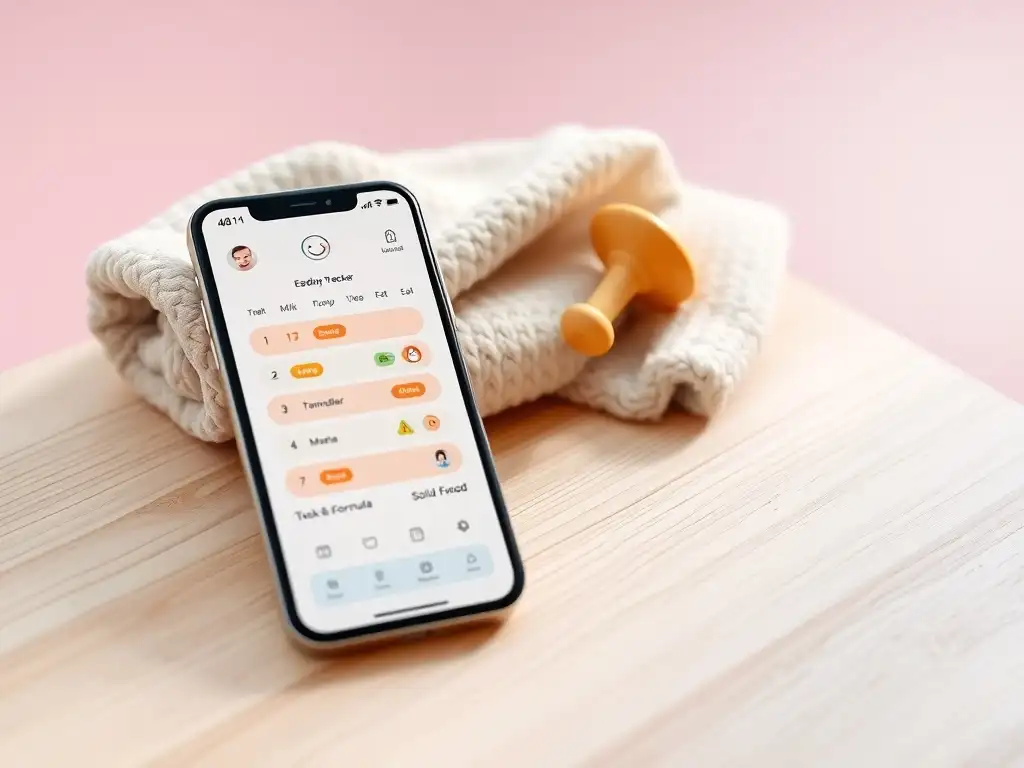
This section delves into the practical application of baby feeding tracker apps, offering detailed guidance on maximizing their benefits for informed parental decision-making. We'll explore setup, data input strategies, and data interpretation techniques to help you leverage these tools effectively. Remember, consistent and accurate data entry is key to unlocking the full potential of these apps in managing your baby's feeding schedule and overall health. This guide will help you navigate the process, transforming your app from a simple tool into a powerful ally in your baby's care.
Setting Up Your Profile and Initial Data Entry
The initial setup of your chosen baby feeding tracker app is crucial for accurate and efficient tracking. Begin by creating a comprehensive profile for your baby, including their date of birth, weight at birth, and any relevant medical information such as allergies or feeding challenges. Accuracy in this initial data entry is paramount; any inaccuracies will propagate throughout your tracking, potentially leading to misinterpretations of your baby's feeding patterns.
Many apps allow you to input various feeding methods, including breastfeeding, formula feeding, or a combination. Ensure you select the appropriate options that reflect your baby's feeding routine. Some apps even allow you to track supplementary foods introduced during weaning. Take the time to fully explore the app's features during setup to understand all available data fields. This initial investment of time will save you considerable effort and potential frustration later.
For example, consider meticulously recording the type of formula used (e.g., standard, soy, hypoallergenic) and the amount (in ounces or milliliters). Similarly, for breastfeeding mothers, note the duration of each feeding session on each breast, as well as any observations about the baby's feeding behavior. The more detailed your initial data entry, the more valuable insights you will gain from the app's analysis features. Think of it as building a robust foundation for your baby's feeding data.
Consistent Data Input for Accurate Tracking
Maintaining consistent data input is the cornerstone of effective baby feeding tracker app usage. Irregular or incomplete entries can skew the data analysis, rendering the app's insights unreliable. Aim for regularity in your data entry – ideally, immediately after each feeding session. This ensures accuracy and prevents the risk of forgetting details later. Many apps offer features such as reminders to prompt data entry at regular intervals. Utilize these features to establish a consistent routine.
Consider using a system that works with your lifestyle. Some parents find it helpful to keep a small notebook next to the feeding station to jot down quick notes before entering the data into the app. Others prefer to use the app directly while feeding. The key is to find a method that minimizes disruption and maximizes the accuracy of your data.
Let's illustrate with an example: If your baby typically feeds every 3 hours, setting a reminder on your phone can greatly aid consistency. This consistent data entry is essential for identifying trends and patterns in your baby's feeding behavior. Inconsistent data will make it difficult to spot deviations from the norm, which could be indicative of underlying issues. Accurate and consistent data is the gold standard for leveraging the app's analytical capabilities.
Interpreting the Data: Identifying Patterns and Trends
Once you've consistently input data for a few weeks, your baby feeding tracker app will begin to generate valuable insights into your baby's feeding patterns. Most apps offer visual representations of the data, often in the form of charts and graphs. These visual aids make it easy to identify trends, such as increases or decreases in feeding frequency or volume. This information can be incredibly helpful in monitoring your baby's growth and development. Pay close attention to any significant deviations from established patterns.
For instance, a sudden drop in feeding volume could indicate illness, while an increase might suggest a growth spurt. Understanding these patterns allows you to make informed decisions about your baby's care. Remember to consult with your pediatrician if you notice any concerning trends. The app's data should serve as a tool to supplement, not replace, professional medical advice.
The app's analytics may also highlight the effectiveness of different feeding strategies. For example, if you're breastfeeding, you might notice a correlation between your diet and your baby's milk intake. Similarly, if you're formula-feeding, you might identify the optimal formula type and amount for your baby.
The app's data can empower you to make adjustments to your feeding approach based on your baby's individual needs. Always remember to approach the data with a critical eye, and never hesitate to seek professional guidance when needed. The app is a tool to help you, not to replace the expertise of your pediatrician.
Troubleshooting Common App Issues and Technical Support
Navigating the digital world of baby feeding tracker apps can sometimes present challenges. Understanding how to troubleshoot common issues and access effective technical support is crucial for a smooth user experience. Many apps experience glitches or connectivity problems, especially during periods of high usage. For example, a common issue is the app failing to sync data correctly between your phone and other devices, such as your partner's phone if you're using a shared tracking system. This can lead to discrepancies in feeding records and potentially inaccurate data analysis.
In such cases, first try the simple fixes: force-closing the app, restarting your device, and checking your internet connection. If the problem persists, reviewing the app's FAQ section often provides solutions to common technical issues. Many apps offer step-by-step guides and troubleshooting tips. Look for sections addressing syncing problems, data entry errors, or notification failures.
Another frequent problem users encounter is difficulty understanding the app's interface or features. Baby feeding tracker apps can have a variety of features, from simple feeding logging to sophisticated growth charts and sleep tracking. The complexity can sometimes be overwhelming, especially for first-time parents already juggling numerous responsibilities. In such instances, don't hesitate to utilize the app's in-app help resources.
Many apps include interactive tutorials, video guides, or even a dedicated help center with articles and FAQs. These resources can walk you through the functionality step-by-step, clarifying any confusing aspects. If the in-app help isn't sufficient, consider contacting the app's customer support directly.
Most reputable baby feeding tracker app developers provide various channels for technical support. This may include email support, a dedicated phone line, or even a live chat feature within the app itself. Before contacting support, it's helpful to gather relevant information, such as the app version, your device's operating system, and a detailed description of the issue you're experiencing.
This will help the support team diagnose the problem more efficiently. Remember to be patient; response times can vary depending on the app and the volume of support requests. While some apps offer immediate assistance through live chat, others may have longer response times for email inquiries.
However, persistent and clear communication with the app's support team will usually lead to a resolution of the problem. Don't be afraid to escalate the issue if necessary, especially if the problem significantly impacts your ability to use the app effectively. A good app developer will prioritize resolving user issues promptly and efficiently.
Beyond the App: Combining Technology with Traditional Feeding Practices
While baby feeding tracker apps offer incredible convenience and data-driven insights, it's crucial to remember that they are tools to support, not replace, traditional feeding practices and parental intuition. Over-reliance on the app can lead to missed cues and a less responsive feeding experience for your baby. The best approach involves a balanced integration of technology and time-tested methods.
Integrating App Data with Your Baby's Health Records
One of the most valuable aspects of using a baby feeding tracker app is the ability to consolidate feeding information, which can be incredibly useful during pediatrician visits. Instead of struggling to recall details about feeding times, volumes, and types, you can present a clear, organized record of your baby's feeding patterns. This data can aid in identifying potential issues like insufficient weight gain or feeding difficulties.
Many apps allow for exporting data in various formats (e.g., CSV, PDF), making it easy to share with healthcare professionals. Remember to always discuss any concerns or observations gleaned from the app data with your pediatrician. They can help interpret the information within the larger context of your baby's overall health and development.
Consider creating a dedicated folder in your baby's health records specifically for app-generated reports. This organized approach ensures easy access to this valuable data whenever needed. This proactive approach demonstrates responsible technology use and promotes effective communication with your healthcare provider.
Using the App to Communicate with Your Pediatrician or Healthcare Provider
Beyond simply sharing data, a baby feeding tracker app can facilitate more effective communication with your pediatrician or healthcare provider. For instance, if you notice a sudden change in your baby's feeding patterns – a significant decrease in intake, frequent spitting up, or changes in stool consistency – the app's detailed logs can provide concrete evidence to discuss with your doctor. This precise information allows for a more informed diagnosis and appropriate intervention.
Before your appointments, prepare a concise summary of any relevant data points from the app, highlighting any trends or concerns. This demonstrates your proactive engagement in your baby's care and enables your healthcare provider to focus on the most important aspects of your baby's health. Remember, the app is a tool to enhance communication, not replace direct conversations with medical professionals.
The Importance of Intuitive Feeding Cues and Responsive Feeding
While technology can help track feeding patterns, it's crucial to remain attuned to your baby's individual cues. An app cannot replace the importance of observing your baby's hunger and satiety signals. These cues, which can include rooting, sucking on hands, fussiness, or turning their head towards the breast or bottle, are vital for establishing a responsive feeding relationship.
Don't solely rely on the app to determine feeding times; instead, use the app to complement your observation of your baby's needs. Prioritizing responsive feeding fosters a strong bond between you and your baby and promotes healthy eating habits. Remember, every baby is different; what works for one might not work for another.
Trust your instincts and adapt your feeding approach based on your baby's unique cues, using the app to track and analyze the data, but not to dictate feeding schedules entirely. This approach ensures a healthy balance between technological assistance and intuitive parenting.
Frequently Asked Questions
What are the benefits of using a baby feeding tracker app?
Using a baby feeding tracker app offers several benefits. It helps you track feeding patterns, identify potential issues like insufficient intake, and provides valuable data for doctor visits. This leads to better informed decisions regarding your baby's nutritional needs.
How do I choose the best baby feeding tracker app for my needs?
Consider factors like ease of use, features (like charting and exporting data), and compatibility with your devices. Read reviews and compare different apps before making a decision. Look for apps with intuitive interfaces and strong privacy policies.
Are baby feeding tracker apps safe and secure?
Reputable apps prioritize data security and privacy. Look for apps with strong privacy policies and data encryption. Always check reviews to see what other users say about the app's security features.
Can a baby feeding tracker app help me identify feeding problems?
Yes, by tracking feeding times, amounts, and types, you can spot inconsistencies or patterns that might indicate problems like poor weight gain or allergies. This information is crucial for discussing with your pediatrician.
What are some of the top-rated baby feeding tracker apps based on reviews?
Many apps receive positive reviews, but popular choices often include features like customizable profiles, detailed charts, and easy data sharing. Check recent reviews on app stores to see which apps consistently earn high ratings and positive feedback.
The digital age has revolutionized parenthood, and nowhere is this more evident than in the rise of baby feeding tracker apps. These tools, once a niche offering, are now integral to the experience of countless parents, offering a lifeline of organization and peace of mind in the often chaotic world of infant feeding. The sheer volume of choices available underscores the significant impact these apps have on modern parenting.
The shift towards digital record-keeping for baby feeding is more than just a technological advancement; it reflects a broader cultural change. It speaks to a desire for data-driven decision-making, a need for community and support in the often isolating experience of new parenthood, and a yearning for a sense of control in a period characterized by uncertainty. The most important thing a father can do for his children is to love their mother.
While this quote speaks to a different era, the underlying sentiment remains: finding support and structure is crucial for successful parenting, and apps can provide a valuable element of both.
You, the parent, are now equipped with the knowledge to navigate the world of baby feeding tracker apps. Consider which features are most important to your needs and parenting style. Don't be afraid to experiment and find the perfect tool to support your journey. Remember, technology is a servant, not a master. Use these apps to empower yourself, to track your baby's progress, and to celebrate the milestones along the way. Embrace the journey, and let technology be your helpful companion.
Unlock Your Baby's Feeding Success!
Thank you for learning about baby feeding trackers and how they can simplify your life! We hope you found valuable information about managing your little one's nutrition. Now let's put that knowledge into practice.
Here's how to get started:
- Start using a feeding tracker today! Choose a method that suits you—a digital app, a notebook, or a spreadsheet—and begin recording your baby's feeding patterns. This is crucial for understanding their individual needs.
- Share your experiences! Join our BabyCareHub community forum and connect with other parents. Let's build a supportive network to help each other through this exciting journey.
- Find the right tracking method for you. Experiment with different approaches until you find what works best for you and your family. There's no one-size-fits-all solution.
Ready to experience the benefits of organized feeding? What's the first step you'll take to simplify your baby's feeding routine?