
Baby Feeding Apps: A Tool for Empowering Parents


Welcome to BabyCareHub, your ultimate guide to navigating the incredible journey of parenthood! Are you overwhelmed by the sheer volume of information surrounding newborn care? We understand. That's why we've created this comprehensive resource, packed with practical advice and expert insights. Discover how technology can simplify your life with our in-depth look at the Best baby feeding apps 2024, and unlock a world of support and convenience designed to help you thrive in this exciting new chapter. Let's explore together!
- Best Baby Feeding Apps 2024: A Comprehensive Guide for New Parents
-
Baby Feeding App Features: Boosting Parental Confidence and Reducing Stress
- Detailed Feeding Logs: Accurate Records for Doctors and Healthcare Providers
- Reminders and Notifications: Staying on Schedule with Breastfeeding or Bottle Feeding
- Community Features: Connecting with Other Parents for Support and Advice
- Personalized Insights and Analytics: Understanding Baby's Feeding Patterns
- Data Privacy and Security in Baby Feeding Apps: Ensuring Your Information is Safe
- Frequently Asked Questions
- Final Reflection: Nurturing the Future, One App at a Time
- Unlock Your Baby's Feeding Journey
Best Baby Feeding Apps 2024: A Comprehensive Guide for New Parents
Navigating the world of newborn care can feel overwhelming, especially for first-time parents. From sleep schedules to diaper changes, the sheer volume of information can be daunting. One area that often causes significant stress and uncertainty is infant feeding.
This guide explores how baby feeding apps can empower parents by providing tools to track feeding patterns, monitor baby's growth, and offer support and guidance tailored to various feeding methods. We will delve into the key features to look for in a baby feeding app, consider different feeding styles, and present a curated list of top contenders for the title of "Best baby feeding apps 2024," helping you choose the perfect digital companion for your parenting journey.
We'll also discuss the importance of considering app compatibility and user-friendliness for a seamless and positive experience. Remember, the goal is to find an app that supports your unique needs and preferences, making the feeding process smoother and less stressful.
Choosing the Right Baby Feeding App: Factors to Consider
Choosing the right baby feeding app is crucial for a positive experience. The market is flooded with options, each offering a unique set of features. To help you navigate this, consider these factors:
Key Features to Look for in Top-Rated Baby Feeding Apps
A top-rated baby feeding app should offer a comprehensive suite of features designed to simplify and improve your baby's feeding routine. These features may include:
- Detailed Feeding Logs: The ability to record feeding times, duration, and amount (ounces for bottle-feeding, or duration for breastfeeding).
- Growth Chart Integration: Visual representations of your baby's weight and height gain over time.
- Diaper Change Tracking: Integrating diaper changes into the log helps monitor hydration and bowel movements.
- Sleep Tracking: Linking sleep patterns with feeding times can reveal valuable insights into your baby's routine.
- Feeding Reminders: Customizable alerts to remind you of feeding times.
- Multiple User Access: Allowing multiple caregivers to access and update the app simultaneously.
- Data Export: The option to export data for sharing with healthcare providers.
- Community Features: Forums or support groups to connect with other parents.
Understanding Different Feeding Methods: Breastfeeding, Bottle-Feeding, and Mixed Feeding Support
The best app for you will depend on your chosen feeding method. Look for an app that specifically caters to your needs:
- Breastfeeding: Apps that track nursing duration on each breast, and help monitor feeding frequency and baby's weight gain specifically for breastfed infants.
- Bottle-Feeding: Apps that focus on tracking the amount of formula consumed, and provide information on formula preparation and feeding schedules.
- Mixed Feeding: Apps that support both breastfeeding and bottle-feeding, allowing for comprehensive tracking regardless of the method used.
App Compatibility and User-Friendliness: Navigating Different Interfaces
Consider the app's compatibility with your devices (iOS, Android, etc.) and its user interface. A user-friendly interface is crucial for ease of use, especially during those sleep-deprived moments. Look for intuitive navigation, clear data visualization, and a simple design. A cluttered or confusing interface can quickly become frustrating.
Top 5 Best Baby Feeding Apps for Tracking and Monitoring
Below are five highly-rated apps that stand out for their features and user reviews. Remember that individual preferences vary, so it's best to try out a few free versions before committing to a paid subscription.
Baby Tracker: Features, Pros, and Cons
- Features: Detailed feeding logs, weight tracking, diaper change tracking, sleep tracking, growth charts.
- Pros: Comprehensive features, easy-to-use interface.
- Cons: [Specific information pending - e.g., limited community features, potential for subscription costs]
Glow Baby: Features, Pros, and Cons
- Features: Feeding tracking, sleep tracking, diaper tracking, milestone tracking, community forum.
- Pros: Strong community aspect, helpful articles and resources.
- Cons: [Specific information pending - e.g., interface might feel cluttered to some users, limited customization options]
Baby Connect: Features, Pros, and Cons
- Features: Feeding tracking, sleep tracking, diaper tracking, medication tracking, multiple caregiver access.
- Pros: Excellent for families with multiple caregivers, robust features.
- Cons: [Specific information pending - e.g., might be overwhelming for some users, potential for subscription costs]
Ovia Pregnancy & Baby Tracker: Features, Pros, and Cons
- Features: Feeding tracking, growth charts, milestone tracking, articles and advice.
- Pros: Provides comprehensive information beyond just feeding tracking.
- Cons: [Specific information pending - e.g., some users find the ads intrusive, limited customization options]
LactApp: Features, Pros, and Cons
- Features: Specifically designed for breastfeeding mothers, includes information on breastfeeding positions, latch techniques, and troubleshooting common issues.
- Pros: Excellent resource for breastfeeding mothers, detailed information on breastfeeding.
- Cons: [Specific information pending - e.g., may not be suitable for bottle-feeding parents, limited features beyond breastfeeding support]
Beyond Tracking: Utilizing Baby Feeding Apps for Growth Charts and Development Monitoring
Many baby feeding apps go beyond simple feeding schedule tracking. Several incorporate growth charts and developmental milestone trackers, providing a holistic view of your baby's progress. This integrated approach allows parents to monitor not just feeding patterns, but also weight gain, height increase, and the achievement of key developmental milestones. This comprehensive perspective can be invaluable in identifying potential concerns early on.
For example, an app might flag if your baby's weight gain is consistently below the expected range, prompting you to consult your pediatrician. Similarly, a delay in reaching certain developmental milestones, like rolling over or sitting up, might also be highlighted, enabling proactive intervention. The convenience of having this information readily available within the feeding app simplifies the process of monitoring your baby's overall development and reduces the need to consult multiple sources.
This feature is particularly beneficial for first-time parents who may be less familiar with interpreting growth charts and developmental indicators. Remember to always consult your pediatrician with any concerns, even if flagged by the app. These apps are tools to assist, not replace, professional medical advice.
Interpreting Growth Charts: Understanding Baby Weight Gain and Development Milestones
Growth charts integrated into baby feeding apps typically present your baby's weight and height against percentile curves. Understanding these curves is crucial. A percentile indicates where your baby's measurements rank compared to other babies of the same age and sex. For example, a baby in the 50th percentile means their weight and height are exactly average.
A baby in the 75th percentile is larger than 75% of babies their age, while a baby in the 25th percentile is smaller than 75% of babies their age. It's important to understand that these are just averages and a baby's growth can fluctuate. Consistent deviation from the expected range, however, warrants attention. The app may provide helpful explanations of the growth chart, detailing the typical weight gain expectations for different ages and stages.
Some apps even offer informative articles and resources on baby development, providing parents with a deeper understanding of what to expect. This contextual information empowers parents to make informed decisions and reduces anxiety associated with interpreting potentially confusing data. Remember, small variations are normal, but significant and consistent deviations require a consultation with a pediatrician.
Identifying Potential Feeding Issues with the Help of Baby Feeding Tracker Apps
Baby feeding tracker apps can play a crucial role in identifying potential feeding issues. By diligently tracking feeding frequency, duration, and the amount consumed, parents can notice patterns that might indicate problems. For example, consistent refusal to feed, significant weight loss, or frequent spitting up could be signs of underlying issues such as reflux, allergies, or latch problems. Similarly, tracking the type and amount of food consumed can be helpful in identifying potential food intolerances or allergies.
The app's data visualization features can make it easier to spot these patterns. For instance, a graph showing a sudden drop in weight gain over several days will be more noticeable than just looking at individual feeding entries. Furthermore, some apps allow you to note other relevant information, such as bowel movements, sleep patterns, and any symptoms your baby might be experiencing. This comprehensive data set can be extremely valuable for your pediatrician in diagnosing any potential problems.
However, it's crucial to understand that the app itself cannot diagnose. The app's data serves as a valuable tool to support a pediatrician's assessment and guide discussions about your baby's health. Always consult a healthcare professional for any concerns regarding your baby's feeding or overall wellbeing.
Baby Feeding App Features: Boosting Parental Confidence and Reducing Stress
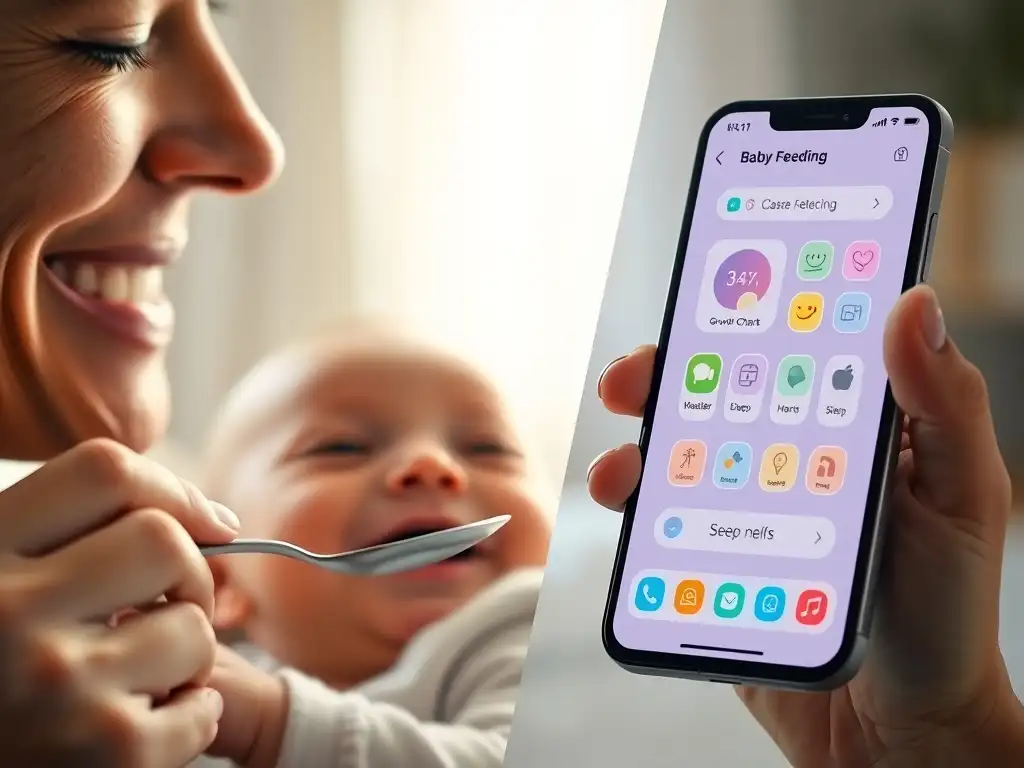
This section delves into the key features that make baby feeding apps invaluable tools for new parents in 2024. These features go beyond simple tracking, offering support and peace of mind during a demanding period. Choosing the best baby feeding apps often hinges on understanding how these features contribute to a smoother feeding journey. We'll explore how these apps alleviate stress and build parental confidence.
Detailed Feeding Logs: Accurate Records for Doctors and Healthcare Providers
Accurate record-keeping is crucial for monitoring your baby's growth and development. Many of the best baby feeding apps offer detailed feeding logs that go beyond simple timestamps and amounts. These apps allow you to meticulously record various crucial data points, empowering you to identify patterns and address potential concerns proactively.
Features often include:
- Type of feed: Breast milk, formula, expressed milk, solids, etc.
- Feeding side (for breastfeeding): Helps track which breast was used and for how long, assisting in ensuring even milk production.
- Duration of feeding: Precise timing helps you understand your baby's feeding patterns.
- Amount consumed (ounces or milliliters): Essential for monitoring intake, especially with formula-fed babies.
- Notes: Space to add details like baby's mood, bowel movements, or any other relevant observations. This contextual information is invaluable for healthcare professionals.
- Automatic calculations: Some apps calculate total daily intake, making it easy to see if your baby is meeting their nutritional needs.
This detailed information is not only helpful for you but also provides your pediatrician or healthcare provider with valuable insights during check-ups. Having these precise records readily available can lead to quicker diagnosis and treatment of potential issues, ensuring your baby receives the best possible care. The ability to easily export this data is also a significant benefit for sharing information with healthcare professionals.
Reminders and Notifications: Staying on Schedule with Breastfeeding or Bottle Feeding
Maintaining a consistent feeding schedule is vital for newborn health and parental well-being. Many best baby feeding apps provide customizable reminders and notifications, eliminating the guesswork and reducing parental anxiety. These reminders are crucial for both breastfeeding and bottle-feeding parents.
For breastfeeding mothers, reminders can help:
- Track nursing sessions: Ensure that both breasts are used equally and that feeding sessions are of sufficient duration.
- Promote regular pumping: Maintain milk supply if the baby isn't feeding directly.
- Monitor intervals: Apps can remind you when it's time to offer another feeding, helping to establish a healthy feeding rhythm.
For bottle-feeding parents, reminders help maintain consistency:
- Scheduled feedings: Ensure that the baby is fed at regular intervals to promote healthy growth.
- Formula preparation: Apps can remind you to prepare a bottle in advance, avoiding rushed moments.
- Burping reminders: A gentle prompt to burp the baby during and after feeding can help prevent gas and discomfort.
These timely reminders help prevent missed feedings, leading to a more relaxed and confident parenting experience. The ability to customize these notifications based on your baby's individual needs is a key feature to look for when choosing a baby feeding app.
Community Features: Connecting with Other Parents for Support and Advice
Navigating the challenges of baby feeding can be isolating, but many best baby feeding apps offer community features that connect parents with others facing similar experiences. This social aspect provides invaluable support and reduces feelings of loneliness and inadequacy.
These features often include:
- Forums and discussion boards: Spaces where parents can share their experiences, ask questions, and offer advice to one another.
- Direct messaging: The ability to privately connect with other parents for personalized support.
- Expert advice: Some apps include access to certified lactation consultants or other healthcare professionals who can answer questions and provide guidance.
The sense of community fostered by these apps provides emotional support and practical tips, making the feeding journey less daunting. The ability to connect with other parents who understand the unique challenges of feeding a newborn is a significant benefit, fostering a sense of belonging and shared experience. This emotional support is as important as the tracking features themselves, contributing to a holistic approach to baby care.
Personalized Insights and Analytics: Understanding Baby's Feeding Patterns
Personalized insights and analytics are a cornerstone of many top-rated baby feeding apps in 2024. These features move beyond simple tracking, offering parents a deeper understanding of their baby's unique feeding patterns. Instead of just recording feedings, these apps analyze the data to identify trends, highlight potential issues, and offer personalized recommendations. For example, an app might notice a consistent decrease in feeding volume over several days and alert the parent to this potential change, prompting them to consider factors like illness or developmental milestones. This proactive approach can significantly reduce parental anxiety.
Many apps utilize sophisticated algorithms to generate these insights. They consider factors such as the baby's age, weight, and feeding type (breast milk, formula, or a combination) to provide contextually relevant information. The visualization of this data, often presented through charts and graphs, makes it easy for parents to grasp complex information at a glance.
This visual representation is particularly helpful for parents who might find interpreting raw data challenging. The ability to easily see feeding patterns over time—daily, weekly, or monthly—allows parents to identify potential problems early on and seek professional advice if needed. This empowers parents to be more active participants in their baby's healthcare.
Furthermore, some advanced apps offer predictive analytics. By learning from the data entered, they can predict future feeding needs, potentially helping parents anticipate hunger cues and avoid unnecessary crying. This predictive capability is a significant advancement, transforming the app from a simple record-keeping tool into a proactive assistant for parents. However, it's crucial to remember that these predictions are based on algorithms and should not replace professional medical advice.
Always consult a pediatrician or other healthcare professional if you have any concerns about your baby's feeding. The best apps clearly state this limitation and encourage parents to seek professional guidance when necessary. The aim is to support parents, not replace expert medical care. Ultimately, the personalized insights provided by these apps contribute to a more confident and informed parenting experience, reducing stress and promoting a healthier relationship between parent and child.
Data Privacy and Security in Baby Feeding Apps: Ensuring Your Information is Safe
Choosing the right baby feeding app can significantly ease the challenges of parenthood. However, with the convenience comes the responsibility of understanding and prioritizing data privacy and security. This section delves into the crucial aspects of protecting your family's information when using these helpful tools. Finding the best baby feeding apps 2024 requires more than just user-friendly interfaces; it demands a thorough assessment of their security protocols.
Understanding App Permissions and Data Collection Practices
Many baby feeding apps request access to various aspects of your device and personal information. Understanding these permissions is critical to making informed decisions. Apps might request access to:
- Storage: To save feeding logs, photos, and other relevant data.
- Location: While not always necessary, some apps might use location data for [specific information pending - e.g., location-based services or integration with other health apps].
- Camera: For easy photo logging of feeding sessions.
- Health data: Integration with other health apps may require access to broader health information.
Before granting any permission, carefully review the app's privacy policy. Look for clear explanations of what data is collected, how it's used, and who has access to it. Avoid apps that request excessive permissions without clear justification. Pay attention to whether the app collects personally identifiable information (PII) beyond what is strictly necessary for its functionality. For example, does it collect your full name, address, or other sensitive data that isn't directly related to tracking feeding schedules? A responsible app will minimize data collection and clearly articulate its practices. Remember, transparency is key.
Choosing Reputable Apps with Strong Security Measures
Selecting a reputable app is paramount. Look for apps developed by established companies with a proven track record of data security. Check online reviews and forums to see if users have raised any concerns about data breaches or privacy violations. Consider these factors:
| Feature | Importance | Example |
|---|---|---|
| Encryption | Protects data transmitted between your device and the app's servers. | AES-256 encryption |
| Data Anonymization | Reduces the risk of identifying your child or family through the data. | Using pseudonyms or unique identifiers instead of names |
| Privacy Policy | Clearly outlines data collection, usage, and sharing practices. | Readily available and easy to understand policy |
| Security Audits | Independent verification of security measures. | Certifications from reputable security organizations |
| Customer Support | Provides a channel to report security concerns or data breaches. | Responsive and helpful customer service team |
Choosing apps with robust security features like end-to-end encryption will further enhance your data protection. End-to-end encryption ensures that only you and the app's servers can access your data, adding an extra layer of security. The use of strong passwords and two-factor authentication are also important features to look for.
Protecting Your Baby's Data: Best Practices for App Usage
Even with the most secure apps, proactive measures are essential to safeguarding your baby's data. Here are some best practices:
- Regularly review app permissions: Check and revoke unnecessary permissions periodically.
- Use strong passwords: Avoid easily guessable passwords and use unique passwords for each app. Consider a password manager to help you manage complex passwords.
- Enable two-factor authentication: This adds an extra layer of security, making it harder for unauthorized users to access your account.
- Keep your software updated: Regular updates often include security patches that address vulnerabilities.
- Be mindful of public Wi-Fi: Avoid using baby feeding apps on public Wi-Fi networks, as these networks are more susceptible to hacking.
- Read privacy policies carefully: Don't just skim them; understand what data is collected and how it's used.
By carefully considering these factors and following best practices, you can confidently use baby feeding apps while ensuring the privacy and security of your family's sensitive information. Remember, choosing the best baby feeding apps 2024 involves a comprehensive evaluation that extends beyond functionality to include robust security measures. 👶 This proactive approach is crucial for peace of mind in today’s digital world.
Frequently Asked Questions
What are the benefits of using baby feeding apps?
Baby feeding apps offer several benefits, including tracking feeding schedules and amounts, monitoring baby's weight gain, and providing personalized insights into your baby's nutritional needs. This helps parents stay organized and informed.
Are all baby feeding apps created equal?
No, apps vary significantly in features and functionality. Some focus on breastfeeding, others on formula feeding, while some combine both. Look for apps with features that best suit your needs and parenting style.
How do I choose the best baby feeding app for my needs?
Consider factors like ease of use, data security, and the specific features offered (e.g., growth charts, feeding timers, pump tracking). Read reviews and compare different apps before making a decision.
What information should a good baby feeding app track?
A good app should track feeding times, amounts (ounces or milliliters), type of feed (breast milk, formula, solids), and potentially diaper changes for a comprehensive overview. Some apps also integrate weight tracking.
Are these apps safe for storing sensitive baby data?
Reputable apps prioritize data security and privacy. Look for apps that clearly state their privacy policy and use encryption to protect your data. Always read reviews to gauge user experiences related to data security.
Final Reflection: Nurturing the Future, One App at a Time
The digital age has revolutionized parenthood, and the rise of baby feeding apps exemplifies this shift. These tools are no longer mere conveniences; they are essential resources empowering parents to navigate the complex world of infant nutrition with confidence and ease. The sheer volume of information available, coupled with the diverse needs of each child, makes these apps invaluable in the journey of raising healthy, thriving babies.
The impact of these apps extends beyond individual families, shaping a new landscape of parental support and community. They foster a sense of shared experience, allowing parents to connect, learn from each other, and overcome the anxieties often associated with feeding their newborns. This collective learning is crucial, fostering a more informed and supportive environment for new parents. The most effective parenting is a collaborative effort.
This sentiment rings true in the digital age, where apps facilitate this collaboration on an unprecedented scale.
Consider the information you've learned today. Reflect on how these apps can help you, not just in managing feeding schedules, but in building a stronger connection with your child. Take the time to explore the options available, find the app that best suits your needs, and embrace the power of technology to support your parenting journey. The future of parenting is collaborative, informed, and empowered – and you are a vital part of it.
Unlock Your Baby's Feeding Journey
Thank you for exploring the world of baby feeding apps with us! We hope this article has provided you with the knowledge to choose the right tool for your family. Ready to take the next step?
- Streamline your baby's feeding routine: Download an app from our recommended list and begin tracking your baby's feeding patterns. This small change can significantly improve your peace of mind.
- Share your experience: Join our BabyCareHub community forum and share which app you chose and why—your advice could be invaluable to other parents.
- Discover hidden features: If you already use a feeding app, explore its less-obvious features. You might uncover helpful time-saving tools or functionalities you didn't know existed.
What's one unexpected benefit you hope to gain from using a baby feeding app?