
Baby Feeding Apps: Your Partner in the Journey of Parenthood


Welcome to BabyCareHub, your ultimate guide to navigating the incredible journey of parenthood! We understand that those first few months are a whirlwind of emotions and new experiences, and finding reliable information can feel overwhelming. That's why we've curated a treasure trove of resources to support you every step of the way. Discover the best tools to simplify your life, starting with our expert review of the Best baby feeding apps 2024 – your new partner in ensuring your little one thrives. Dive in and explore the wealth of knowledge waiting to help you embrace this beautiful adventure!
- Best Baby Feeding Apps 2024: A Comprehensive Guide for New Parents
- Beyond Tracking: How Baby Feeding Apps Enhance Your Parenting Experience
- Safeguarding Your Data: Privacy Concerns and App Security
- Getting Started with Baby Feeding Apps: A Step-by-Step Guide
- Baby Feeding Apps and Your Pediatrician: A Collaborative Approach
- Frequently Asked Questions
- Final Reflection: Nurturing the Next Generation, One App at a Time
- Unlock Your Baby's Nutritional Potential
Best Baby Feeding Apps 2024: A Comprehensive Guide for New Parents
Navigating the world of newborn care can feel overwhelming, especially when it comes to feeding. From establishing a feeding routine to tracking growth and ensuring adequate nutrition, the demands on new parents are significant. This guide explores the increasingly popular solution of using baby feeding apps to help manage this crucial aspect of infant care.
We'll delve into the key features to look for when choosing an app, review some of the best baby feeding apps available in 2024, and help you determine which one best suits your needs and parenting style. This comprehensive review aims to empower you with the knowledge and tools to make informed decisions, ultimately contributing to a smoother and more confident parenting journey.
Choosing the right app can significantly reduce stress and provide valuable support during those precious early months. Let's explore how technology can become your trusted partner in this exciting and sometimes challenging adventure.
Choosing the Right Baby Feeding App: Key Features to Consider
Selecting the perfect baby feeding app requires careful consideration of several key factors. The right app will streamline your routine, offer valuable insights, and provide peace of mind. Let's examine the features that make an app indispensable for modern parents.
Essential Features for Tracking Baby's Feeding Schedule
A good baby feeding app should offer a straightforward and intuitive interface for recording feeding times, amounts (whether breast milk or formula), and duration. Features like customizable alerts for feedings, the ability to log burping sessions, and notes for any observations (e.g., baby's mood, sleep patterns) are highly beneficial. The app should also ideally generate clear and easy-to-understand reports summarizing feeding patterns over time, helping you identify any potential issues or trends.
The ability to export this data for sharing with your pediatrician is also a valuable asset. Think of it as a digital baby feeding diary, readily available at your fingertips.
Apps for Breastfeeding Mothers: Support and Tracking
For breastfeeding mothers, an app should offer features specifically designed to support their unique needs. This includes the ability to track feeding time on each breast, note the type of feeding (e.g., breastfeeding, pumping, supplemental feeding), and record any challenges encountered (e.g., latch difficulties, milk supply concerns). Some apps even offer information and support related to breastfeeding techniques and resolving common issues. Ideally, the app should be designed to encourage consistent tracking to provide the best overview of your baby's feeding habits and your milk production.
Apps for Formula Feeding: Precise Measurement and Mixing Guides
Apps catering to formula feeding should prioritize accuracy and ease of use. The ability to input the type of formula used, the concentration, and the amount prepared is crucial. Some advanced apps even provide mixing guides and calculators, ensuring the correct formula-to-water ratio is consistently maintained. Integration with smart scales can automate the process further, minimizing errors and ensuring consistency. This is particularly useful in managing the precise measurements required for infant formula.
Apps with Growth Charts and Development Tracking
An ideal app goes beyond basic feeding tracking. Integrating growth charts allows you to monitor your baby's weight gain and overall development alongside their feeding patterns. This holistic approach provides a more complete picture of your baby’s health and progress, enabling early identification of potential concerns and facilitating informed discussions with your pediatrician. Visual representations of growth trends can be particularly reassuring and helpful for new parents.
Top 5 Baby Feeding Apps for 2024: Detailed Reviews
This section will provide detailed reviews of five top-rated baby feeding apps, highlighting their features, pros, and cons. Remember that individual needs vary, so the "best" app will depend on your specific circumstances and preferences.
App 1: Features, Pros, and Cons
[Specific information pending] This section will include detailed information about App 1 including features, pros and cons, and user reviews. We will analyze the app's user interface, data security, and overall user experience.
App 2: Features, Pros, and Cons
[Specific information pending] This section will include detailed information about App 2 including features, pros and cons, and user reviews. We will analyze the app's user interface, data security, and overall user experience.
App 3: Features, Pros, and Cons
[Specific information pending] This section will include detailed information about App 3 including features, pros and cons, and user reviews. We will analyze the app's user interface, data security, and overall user experience.
App 4: Features, Pros, and Cons
[Specific information pending] This section will include detailed information about App 4 including features, pros and cons, and user reviews. We will analyze the app's user interface, data security, and overall user experience.
App 5: Features, Pros, and Cons
[Specific information pending] This section will include detailed information about App 5 including features, pros and cons, and user reviews. We will analyze the app's user interface, data security, and overall user experience.
Beyond Tracking: How Baby Feeding Apps Enhance Your Parenting Experience
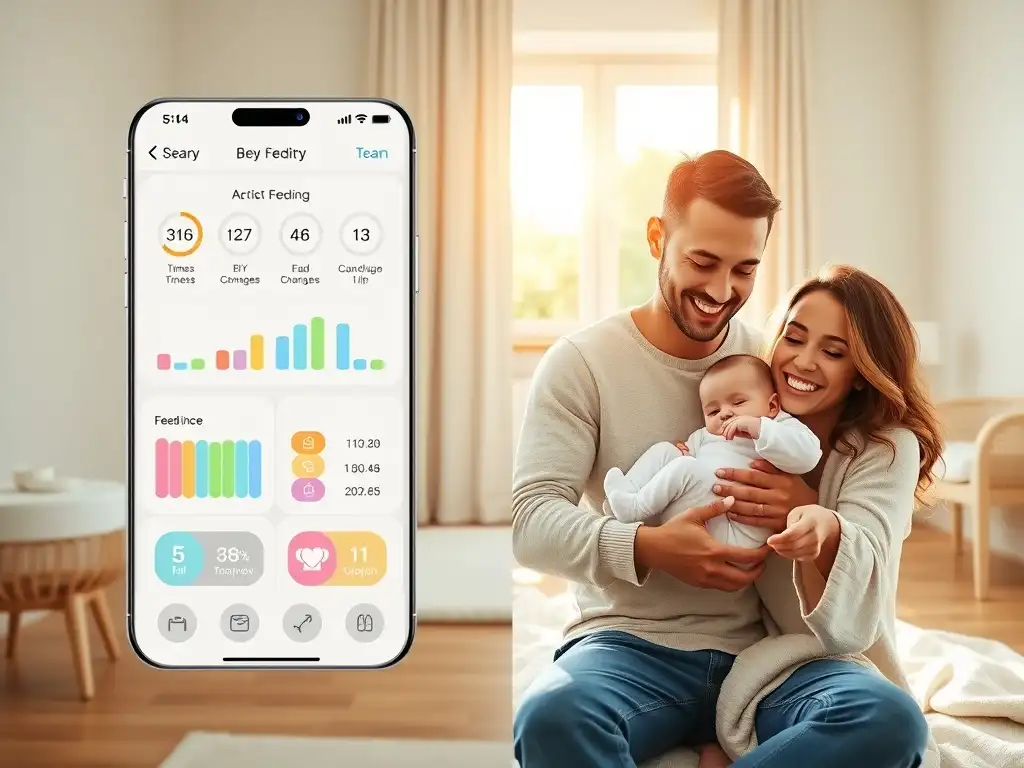
This section explores the multifaceted benefits of baby feeding apps beyond simple feeding tracking. While recording feeding times and amounts is undeniably helpful, the best baby feeding apps in 2024 offer a wealth of features designed to enhance the overall parenting experience, reducing stress and fostering a deeper connection with your little one. We'll delve into how these apps become invaluable tools in navigating the often-challenging early months of parenthood.
Streamlining Your Baby's Feeding Routine: Time-Saving Benefits
The early days are often a blur of feedings, diaper changes, and sleep deprivation. Efficiently managing your baby's feeding schedule can significantly impact your daily life and reduce overall stress. Top-rated baby feeding apps offer features that streamline this process considerably. For instance, many apps allow you to set reminders for feedings, generating alerts based on your baby's usual schedule. This eliminates the need for constant mental tracking, freeing up mental space for other crucial tasks.
Furthermore, some apps offer the ability to create custom feeding schedules, allowing you to tailor the app to your baby’s unique needs and patterns. This is particularly helpful for parents of babies who are breastfed, formula-fed, or a combination of both, as the app can accommodate different feeding types and intervals. Imagine eliminating the mental load of remembering when the last feeding was – this time-saving benefit alone can make a significant difference in the overall well-being of new parents. Consider the potential increase in sleep, a precious commodity often in short supply during the newborn phase!
The ability to quickly log feedings, with minimal effort, is another key time-saver. Intuitive interfaces with simple input methods allow for rapid data entry, even during those late-night feedings when you're sleep-deprived and operating on minimal brainpower. This ensures accurate tracking without adding to the already considerable demands on your time and energy. This feature is a boon for parents who are juggling multiple responsibilities, including work, older siblings, and household chores.
Reducing Parental Anxiety: Data-Driven Insights and Support
One of the most significant advantages of utilizing a baby feeding app is the reduction of parental anxiety. The data these apps collect provides valuable insights into your baby's feeding patterns, allowing you to identify potential issues early on. For example, if your baby consistently seems hungry or is exhibiting signs of weight loss, the app's data can help you identify this trend and seek professional advice sooner.
The ability to easily visualize feeding trends provided invaluable peace of mind. It helped me feel more confident in my ability to care for my baby.
- A satisfied user.
Many apps incorporate growth charts and other visualizations to help parents understand their baby's progress. This eliminates the guesswork and allows for more informed decision-making regarding feeding. Furthermore, some apps provide access to resources and articles on topics like breastfeeding challenges, formula selection, and common feeding issues. This built-in support system can significantly alleviate parental anxieties and provide reassurance during this crucial period. The data-driven approach empowers parents, turning them from passive observers into active participants in their baby's care.
The ability to track weight gain and other key developmental milestones adds another layer of reassurance. Seeing tangible evidence of your baby's healthy growth can be incredibly comforting, particularly for first-time parents navigating the unknowns of infant development. This data is not only useful for personal monitoring but can also be easily shared with healthcare providers during routine check-ups.
Connecting with Other Parents: Community Features and Forums
The journey of parenthood is often isolating, but many of the best baby feeding apps of 2024 offer community features that connect parents with others facing similar challenges. These features can include forums, discussion boards, or even in-app chat functionality. Connecting with other parents provides a crucial support network, allowing you to share experiences, ask questions, and receive advice from those who understand the unique struggles and triumphs of raising a baby.
This sense of community is invaluable, offering a space to share concerns, celebrate milestones, and receive emotional support. Knowing you're not alone in navigating the complexities of infant feeding can significantly reduce feelings of isolation and overwhelm. This shared experience fosters a sense of belonging and provides invaluable peer support during a time when parental support is crucial.
The ability to compare feeding patterns with other parents (while respecting privacy, of course) can also be reassuring. Seeing that your baby's feeding habits fall within a normal range can alleviate anxieties related to insufficient feeding or overfeeding. This aspect provides a sense of normalcy and reassurance, reminding parents that their experiences are shared by many others. The collective wisdom of a supportive community can make a significant difference in the overall parental experience. The best apps prioritize this community aspect, recognizing its vital role in the overall well-being of both parents and babies.
Safeguarding Your Data: Privacy Concerns and App Security
Choosing the right baby feeding app involves more than just ease of use and features; it's crucial to prioritize the security and privacy of your child's sensitive data. Many apps collect significant information about your baby's feeding habits, weight, and even sleep patterns. This data, if compromised, could have serious consequences.
Therefore, understanding the security measures implemented by these apps is paramount in your selection process. This section will delve into the critical aspects of data protection within the context of baby feeding apps, helping you make informed decisions about which apps best protect your family's information. Finding the best baby feeding apps 2024 requires a keen eye for both functionality and security.
Data Encryption and Security Protocols in Baby Feeding Apps
Data encryption is a fundamental aspect of app security. Look for apps that utilize robust encryption methods like AES-256 (Advanced Encryption Standard with a 256-bit key) to protect your data both in transit (between your device and the app's servers) and at rest (stored on the app's servers). This ensures that even if a breach occurs, the data remains unreadable without the correct decryption key. Many reputable apps will clearly state their encryption methods in their privacy policy.
However, understanding the technical details can be challenging. A simple way to assess this is to look for mentions of industry-standard security protocols like HTTPS (Hypertext Transfer Protocol Secure) for data transmission. The presence of these protocols signifies a commitment to data security.
Furthermore, consider the app developer's reputation and track record. A well-established company with a history of secure app development is generally a safer bet than a lesser-known developer. Look for reviews and testimonials that mention security or privacy concerns. While no app is entirely invulnerable, choosing one from a reputable developer significantly reduces the risk. The best baby feeding apps 2024 will transparently communicate their security measures, providing users with confidence in their data protection. Remember, checking the app's privacy policy is crucial; it should clearly outline their data handling practices.
Understanding App Permissions and Data Usage
Before installing any baby feeding app, carefully review the requested permissions. Apps often request access to various functionalities on your device, such as your camera, microphone, location, and contacts. While some permissions might seem innocuous, it's important to understand how the app uses this data. For example, does the app need access to your contacts to function correctly, or is it collecting unnecessary data? A legitimate app will only request permissions strictly necessary for its core functionality. Excessive or unclear permissions should raise red flags.
Consider the following when reviewing app permissions:
- Location: Does the app need your location? If so, why? Many apps don't require location access.
- Camera: Is camera access needed for photo uploads of your baby? If not, it should be questioned.
- Storage: Does the app access your device's storage? This is often necessary for data storage, but excessive access warrants scrutiny.
- Contacts: Does the app need access to your contacts? This is usually unnecessary for a baby feeding app.
A detailed privacy policy should explain exactly how the app uses your data. Look for information about data retention policies – how long the app keeps your data and what happens to it after you delete your account. Transparency in data handling is a crucial indicator of a secure and trustworthy app.
Remember, protecting your baby's data is as important as choosing an app with useful features. Choosing one of the best baby feeding apps 2024 should not compromise on data security. Understanding app permissions and data usage is key to making an informed choice that prioritizes your family’s digital safety.
Getting Started with Baby Feeding Apps: A Step-by-Step Guide

This section provides a practical, step-by-step guide to help you navigate the initial stages of using baby feeding apps. We'll cover the process from downloading the app to inputting your baby's feeding data, ensuring you're comfortable and confident in using this valuable tool. Remember, choosing the best baby feeding apps 2024 is a personal decision, but mastering their use is key to reaping their benefits.
Downloading and Installing Your Chosen App
Once you've researched and selected a baby feeding app that suits your needs (considering factors like features, user interface, and reviews), the downloading and installation process is typically straightforward. Most apps are available on both iOS and Android platforms.
The process usually involves these steps:
- Locate the App: Open your device's app store (Apple App Store or Google Play Store). Use the app's name in the search bar to easily find it. Ensure you're downloading the correct app from a reputable developer to avoid malicious software.
- Download the App: Once located, tap the "Get" or "Install" button. The app will begin downloading. The download speed will depend on your internet connection.
- Installation: After downloading, the app will automatically install on your device. You may need to accept permissions for access to certain features, such as notifications or storage.
- Launch the App: Once installed, locate the app icon on your home screen and tap it to launch the application. You'll typically be greeted with a welcome screen or a quick tutorial.
Setting Up Your Baby's Profile and Preferences
Before you start logging feeding data, you'll need to create a profile for your baby within the chosen app. This usually involves providing some basic information. Accurate profile setup is crucial for generating reliable reports and tracking your baby's growth and feeding patterns. This is a vital step in effectively using the best baby feeding apps 2024.
The information typically requested includes:
- Baby's Name and Date of Birth: This is fundamental for identifying your child's data within the app.
- Sex: Some apps may use this information for personalized recommendations or growth charts.
- Birth Weight: This is essential for tracking weight gain and overall health.
- Feeding Type (Breastfeeding or Formula): This allows the app to tailor its features and data input options to your specific feeding method.
- Other Preferences: Some apps allow you to customize units (ounces vs. milliliters), set reminders, or add notes about your baby's feeding habits.
Inputting Feeding Data: Breastfeeding vs. Formula Feeding
Inputting feeding data is the core functionality of any baby feeding app. However, the method differs slightly depending on whether you're breastfeeding or formula feeding. Accurate data entry is crucial for obtaining meaningful insights into your baby's feeding patterns. Using the best baby feeding apps 2024 can streamline this process.
- Breastfeeding: Most apps allow you to log the start and end times of each feeding session on each breast. Some advanced apps may even allow you to track the duration of feeding on each side. You might also add notes about your baby's behavior during breastfeeding. 👶
- Formula Feeding: For formula feeding, you'll typically input the amount of formula fed (in ounces or milliliters) and the time of feeding. Some apps allow you to specify the type of formula used. You may also add notes regarding your baby's response to the feeding. 🍼
Remember to input data consistently throughout the day to maintain accuracy and gain the most benefit from your chosen app. Regular and precise data entry ensures the app provides useful, reliable information about your baby's feeding habits. This is key to selecting and effectively using one of the best baby feeding apps 2024.
Interpreting Data and Tracking Your Baby's Progress
Understanding the data presented by baby feeding apps is crucial for effectively monitoring your baby's nutritional intake and growth. These apps typically track feeding amounts, frequency, and duration, often allowing you to distinguish between breast milk and formula feedings. Some apps even incorporate growth charts, allowing you to visually compare your baby's weight and length against established percentiles. However, it's vital to remember that these charts are just guidelines, and individual babies vary significantly. Don't panic if your baby's measurements fall outside the "average" range; consult your pediatrician for personalized advice.
Interpreting the data requires careful consideration. For instance, a sudden drop in feeding volume might indicate illness, while an increase could mean a growth spurt. Similarly, changes in feeding frequency should be observed in conjunction with other factors like your baby's behavior and sleep patterns. Consistent tracking allows you to identify trends and patterns, providing valuable insights into your baby's feeding habits. This information can be invaluable during doctor's visits, enabling you to provide accurate and detailed information about your baby's health.
Remember, the app is a tool, not a replacement for professional medical advice. While the data visualization offered by many apps is helpful, it shouldn't replace regular check-ups with your pediatrician. Always discuss any concerns about your baby's feeding patterns or growth with your healthcare provider. They can assess the data in conjunction with a physical examination to provide the most accurate and personalized recommendations.
Moreover, different apps may present data differently, so familiarize yourself with the specific app you are using to ensure accurate interpretation. Look for apps that offer clear explanations and visualizations of the data they collect. This will minimize confusion and maximize the usefulness of the app's tracking capabilities. Regularly reviewing the data, noting trends, and discussing any unusual patterns with your doctor will ensure you're using the app effectively to support your baby's healthy development.
Baby Feeding Apps and Your Pediatrician: A Collaborative Approach
Using a baby feeding app can significantly enhance your understanding of your baby's feeding patterns and overall health. However, it's crucial to remember that these apps are tools to support, not replace, professional medical advice. A collaborative approach, integrating app data with your pediatrician's expertise, provides the most comprehensive and effective care for your little one. This section explores how to leverage this synergy for optimal results.
Sharing data from your baby feeding app with your pediatrician can be incredibly beneficial. It allows for a more informed discussion about your baby's feeding habits, potential growth concerns, and overall well-being. Before sharing, it's important to:
- Understand your app's data privacy policy: Ensure you're comfortable with how the app handles your personal and your baby's data. Look for apps with robust security measures and transparent data handling practices.
- Prepare a concise summary: Instead of overwhelming your pediatrician with raw data, prepare a summary highlighting key trends or concerns. For example, note periods of decreased feeding, significant weight changes, or any patterns you've observed.
- Focus on relevant data: Don't share every single feeding entry. Concentrate on information pertinent to your concerns, such as total daily intake, feeding duration, or types of milk consumed.
- Ask for guidance: Don't hesitate to ask your pediatrician how they prefer to receive this data – a printed summary, screenshots, or a specific data export format.
Remember, your pediatrician is ultimately responsible for your baby's health. The app data serves as supplementary information, enhancing their ability to provide the best possible care. Using this data effectively requires careful preparation and a clear understanding of its limitations. It's not a substitute for regular check-ups and open communication with your healthcare provider. Think of it as a powerful tool to facilitate a more productive and data-driven conversation about your baby's health. The aim is a partnership between you, the app, and your healthcare provider, working together for your baby's best interests.
Using App Data to Address Feeding Challenges
Baby feeding apps offer a wealth of data that can be invaluable in identifying and addressing potential feeding challenges. By tracking feeding frequency, duration, and volume, parents can quickly spot irregularities that might otherwise go unnoticed. For example:
- Insufficient weight gain: If your app consistently shows lower-than-expected milk intake, this can be an early indicator of insufficient weight gain. This data, shared with your pediatrician, can prompt further investigation and appropriate interventions.
- Colic or reflux: Tracking feeding times and noting any subsequent fussiness or discomfort can help identify potential links between feeding and symptoms. This information can be crucial in diagnosing and managing conditions like colic or reflux.
- Allergic reactions: Detailed feeding logs can help pinpoint potential food allergens if you're introducing solids. Tracking the type and amount of food consumed, along with any subsequent reactions, can be essential in identifying potential allergies.
However, it's crucial to interpret the data cautiously. While apps can highlight potential issues, they cannot provide diagnoses. Always consult your pediatrician before making any significant changes to your baby's feeding routine based on app data alone. The app should be considered a valuable tool for observing trends and raising concerns, but professional medical advice remains paramount.
Remember, the app is a helpful assistant, but your pediatrician is the expert. Their guidance ensures your baby receives the best possible care, supported by the insightful data provided by your chosen baby feeding app. The collaborative approach ensures you are well-equipped to navigate the complexities of infant feeding.
Frequently Asked Questions
What are the benefits of using a baby feeding app?
Baby feeding apps offer numerous benefits, including tracking feeding schedules, monitoring baby's growth, and providing personalized feeding plans. This helps parents stay organized and address potential feeding concerns effectively.
How do I choose the best baby feeding app for my needs?
Consider factors like ease of use, features offered, and compatibility with your devices. Read reviews and compare different apps to find one that best suits your parenting style and baby's needs. Look for apps updated for 2024.
Are all baby feeding apps safe and reliable?
While many apps are reputable, it's important to research and choose apps from trusted developers with positive user reviews. Always check for privacy policies and ensure the app aligns with your values.
Can baby feeding apps replace professional advice?
No, baby feeding apps should be used as a supplementary tool, not a replacement for professional advice from your pediatrician or healthcare provider. Always consult a medical professional with any concerns about your baby's health.
What features should I look for in a "best" baby feeding app in 2024?
Look for apps with features such as detailed feeding logs, growth chart integration, sleep tracking, and helpful resources like feeding guides and articles. Intuitive interfaces and reliable data backups are also crucial.
Final Reflection: Nurturing the Next Generation, One App at a Time
The digital age has revolutionized parenthood, and the rise of baby feeding apps exemplifies this shift. These aren't just tools; they're vital companions, offering support and guidance to parents navigating the often-challenging world of infant nutrition. The convenience and personalized information they provide are transforming how we approach this crucial aspect of childcare.
The impact of these apps extends beyond simple meal tracking; they foster a sense of community and shared experience among parents. They provide a space for connection, allowing parents to learn from each other and feel less isolated in their journey. This shared experience is invaluable, especially for new parents. It takes a village to raise a child,
and in the modern world, that village increasingly includes digital tools designed to support and empower parents. This sense of community, facilitated by technology, is a powerful force for good.
Now, consider your own parenting journey. Will you embrace the support offered by these technological advancements? I encourage you to explore the apps discussed in this article, find the one that best suits your needs, and use it to build confidence and create a more fulfilling experience for both you and your little one. Remember, technology is a tool; it's your love and dedication that truly nurture the next generation.
Unlock Your Baby's Nutritional Potential
Thank you for exploring the world of baby feeding apps with us! We hope you've gained valuable insights into simplifying mealtimes and supporting your little one's healthy growth. Ready to take the next step?
- Start your free trial of our top-rated BabyFoodTracker app today! Experience personalized meal plans and effortless tracking to ensure your baby receives optimal nutrition.
- Share your favorite baby food recipes and mealtime tips with other parents in our supportive community forum. Let's create a thriving space where we can all learn and share experiences!
- Discover more helpful resources and articles on our website to further support your parenting journey. We cover topics ranging from effective weaning strategies to solutions for common feeding challenges.
What's your biggest success in making mealtimes smoother and more enjoyable for you and your baby? Share your experience in the comments below!