
BabyCareHub's Guide to DIY Baby Products: Save Money and Get Creative

Welcome to BabyCareHub, your ultimate guide to navigating the exciting (and sometimes overwhelming!) world of parenthood. We understand that caring for a newborn is a journey filled with countless questions, and we're here to provide the answers. Discover how you can take control of your baby's well-being with our expert advice, covering everything from feeding schedules to safe sleep practices. Intrigued by the possibility of creating your own baby products? Dive into our DIY baby product recipes – a Smart Shopping for Baby solution that’s both budget-friendly and incredibly rewarding. Let's embark on this adventure together!
- Introduction: The Allure of Homemade Baby Products
- DIY Baby Lotion Recipes: Gentle on Sensitive Skin
- Creating Your Own Baby Powder: A Soft Touch for Baby's Bottom
- DIY Baby Wash: Gentle Cleansing for Delicate Skin
- Homemade Baby Food Purees: Fresh, Nutritious, and Delicious
- DIY Baby Wipes: Eco-Friendly and Budget-Friendly
- Troubleshooting Common DIY Baby Product Challenges
- Resources for DIY Baby Product Recipes and Supplies
- Frequently Asked Questions
- Final Reflection: The Enduring Power of Homemade Goodness
- Unleash Your Inner DIY Parent!
Introduction: The Allure of Homemade Baby Products
Navigating the world of baby products can feel overwhelming for first-time parents. The sheer volume of choices, coupled with the often-high price tags, can lead to significant financial strain. However, there's a growing movement towards a more affordable and eco-conscious approach: creating your own baby products!
This comprehensive guide from BabyCareHub will delve into the exciting world of DIY baby product recipes, showing you how to save money, ensure your baby's safety, and even have fun in the process. We’ll explore the numerous benefits of making your own baby products, from gentle cleansers to soothing balms, using natural and organic ingredients.
This isn't just about saving money; it's about taking control of what touches your little one's delicate skin and fostering a connection through the act of creating something special for your baby. Prepare to discover a wealth of simple, effective, and budget-friendly DIY baby product recipes that will empower you on your parenting journey.
Why Choose DIY Baby Products? Saving Money and Ensuring Safety
The financial benefits of making your own baby products are undeniable. Commercially produced baby lotions, shampoos, and wipes can be surprisingly expensive, quickly adding up to a substantial cost over the first few years of your baby's life. By creating your own, you can significantly reduce these expenses, freeing up your budget for other essential baby items or family needs. But the savings extend beyond the monetary.
Making your own products allows you to carefully select the ingredients, ensuring they are safe and gentle for your baby's sensitive skin. Many commercially available products contain harsh chemicals, fragrances, and preservatives that can irritate or even trigger allergic reactions. By opting for DIY, you can avoid these potentially harmful substances and create products tailored specifically to your baby's needs. This control over ingredients translates directly to peace of mind, knowing exactly what's going onto your baby's skin.
For example, a simple homemade baby wash might cost only a fraction of the price of a store-bought version, while offering the assurance of natural, gentle cleansing. This is particularly important for babies with sensitive skin or eczema. The cost savings are significant, and the peace of mind is invaluable.
The Benefits of Natural and Organic DIY Baby Recipes
Choosing natural and organic ingredients for your DIY baby products offers a multitude of advantages. These ingredients are typically gentler on delicate skin, reducing the risk of irritation and allergic reactions. Many commercially produced baby products contain synthetic fragrances and preservatives that can be harsh and potentially harmful. By using natural alternatives like essential oils (used sparingly and appropriately) and natural preservatives, you can create products that are both effective and safe.
Furthermore, opting for organic ingredients ensures that your baby is not exposed to pesticides and other harmful chemicals often found in conventionally grown crops. This commitment to natural and organic ingredients aligns with a growing awareness of the potential impact of chemicals on a baby's developing immune system. The benefits extend beyond just skin health; it’s about creating a healthier, more natural environment for your baby's overall well-being.
Consider the difference between a store-bought diaper rash cream, potentially laden with unknown chemicals, versus a homemade version using soothing ingredients like calendula oil and beeswax. The choice is clear for many parents prioritizing natural and safe options for their little ones. 👶
DIY Baby Lotion Recipes: Gentle on Sensitive Skin
Creating your own baby lotion allows you to control the ingredients, ensuring a gentle and safe product for your little one's delicate skin. This is especially important as many commercial lotions contain fragrances, parabens, and other potentially irritating chemicals. With a few simple ingredients, you can whip up a batch of homemade lotion that's both effective and affordable. This section provides recipes for different skill levels, from a basic, easy-to-make lotion to a more advanced version incorporating essential oils. Remember, always perform a patch test on a small area of your baby's skin before applying the lotion liberally.
Simple Homemade Baby Lotion Recipe Using Coconut Oil and Shea Butter
This recipe is perfect for beginners and requires only two main ingredients: coconut oil and shea butter. Both are known for their moisturizing and nourishing properties, making them ideal for baby's sensitive skin.
- Ingredients:
- 1/2 cup unrefined coconut oil (choose organic and virgin for best results)
- 1/4 cup unrefined shea butter (organic and fair-trade are preferred)
- Instructions:
- Melt the coconut oil and shea butter together in a double boiler or a heat-safe bowl set over a pan of simmering water. Stir occasionally until completely melted and smooth.
- Remove from heat and let the mixture cool slightly.
- Pour the mixture into a clean, airtight container.
- Allow the lotion to cool and solidify completely before using. This usually takes about 30-60 minutes.
This simple lotion provides excellent hydration and protection. The creamy texture is easily absorbed, leaving your baby's skin soft and supple. The absence of added fragrances makes it suitable even for babies with extremely sensitive skin. Remember to store the lotion in a cool, dark place to prolong its shelf life. You can expect this lotion to last for approximately 2-3 months if stored properly.
Advanced DIY Baby Lotion: Adding Essential Oils for Calming Scents (Lavender, Chamomile)
For a more luxurious and aromatherapeutic experience, you can incorporate essential oils into your baby lotion. Lavender and chamomile are known for their calming and soothing properties, making them excellent choices for bedtime routines or to help soothe fussy babies. However, it's crucial to use only high-quality, pure essential oils specifically designed for babies and to dilute them properly. Never use essential oils undiluted on a baby's skin.
- Ingredients:
- Follow the base recipe from above (1/2 cup coconut oil, 1/4 cup shea butter)
- 2-3 drops of pure lavender essential oil (ensure it's specifically formulated for babies)
- 1-2 drops of pure chamomile essential oil (again, baby-safe formulation is crucial)
- Instructions:
- Prepare the coconut oil and shea butter mixture as described in the previous recipe.
- Once the mixture has cooled slightly (but is still liquid), add the essential oils.
- Stir gently to combine thoroughly.
- Pour into a clean container and allow to cool and solidify.
The addition of essential oils enhances the lotion's sensory experience, promoting relaxation and a sense of calm. However, remember that essential oils should be used sparingly, and always perform a patch test before applying to your baby's entire body. Observe your baby for any adverse reactions, such as redness or irritation. If any reaction occurs, discontinue use immediately.
Where to Source High-Quality Ingredients for Your DIY Baby Lotion
The quality of your ingredients directly impacts the effectiveness and safety of your homemade baby lotion. Therefore, sourcing high-quality, pure ingredients is paramount. Look for:
- Organic and unrefined oils: These oils retain more of their natural beneficial properties and are less likely to contain harmful chemicals or pesticides.
- Fair-trade shea butter: Supporting fair-trade practices ensures ethical sourcing and better working conditions for producers.
- Pure essential oils: Choose essential oils specifically labeled as suitable for babies and diluted appropriately. Avoid oils with added fragrances or other chemicals.
Consider purchasing ingredients from reputable suppliers specializing in natural and organic products. Always check labels carefully for ingredient lists and certifications to ensure the purity and quality of the products you use. Remember, using high-quality ingredients is key to creating a safe and effective DIY baby lotion that will gently nourish your baby's delicate skin. Investing in quality ingredients is an investment in your baby's well-being.
Creating Your Own Baby Powder: A Soft Touch for Baby's Bottom
Creating your own baby powder is a fantastic way to save money and ensure you're using only the purest ingredients on your little one's delicate skin. Many commercially available baby powders contain talc, a mineral that has raised some safety concerns. By making your own DIY baby product, you can control the ingredients and avoid potentially harmful additives. This section provides simple, effective recipes for homemade baby powder, focusing on readily available and natural ingredients. Remember to always perform a patch test on a small area of your baby's skin before applying any homemade product to their entire body.
DIY Baby Powder Recipe: Cornstarch and Baking Soda Blend
This simple recipe combines cornstarch and baking soda for a gentle, absorbent baby powder. Cornstarch provides softness and absorbency, while baking soda helps neutralize odors.
- Ingredients:
- 1/2 cup cornstarch
- 1/4 cup baking soda
- 2-3 drops of essential oil (optional, lavender or chamomile are calming scents. Always test a small amount of essential oil on your skin first to check for any allergic reaction)
- Instructions:
- Combine the cornstarch and baking soda in a bowl.
- Add essential oils (if using) and mix thoroughly.
- Store in an airtight container.
This blend provides a basic, effective baby powder. The ratio of cornstarch to baking soda can be adjusted depending on your preference. More cornstarch will result in a softer powder, while more baking soda will increase its odor-absorbing capabilities. Remember to sift the mixture before use to remove any lumps. This DIY baby powder recipe is a cost-effective and safe alternative to commercially available products, allowing you to easily control the ingredients and ensure a gentle touch for your baby's delicate skin.
Homemade Baby Powder with Oatmeal for Extra Soothing Properties
For babies with sensitive or irritated skin, adding finely ground oatmeal to the baby powder recipe provides extra soothing properties. Oatmeal has anti-inflammatory and moisturizing qualities, making it ideal for calming rashes or chafing.
- Ingredients:
- 1/2 cup cornstarch
- 1/4 cup baking soda
- 1/4 cup finely ground oatmeal (use a high-speed blender or food processor to achieve a very fine powder)
- 2-3 drops of essential oil (optional, like calendula or chamomile)
- Instructions:
- Grind the oatmeal into a very fine powder using a blender or food processor.
- Combine the cornstarch, baking soda, and ground oatmeal in a bowl.
- Add essential oils (if using) and mix thoroughly.
- Sift the mixture before storing in an airtight container.
This enhanced recipe combines the absorbency of cornstarch and baking soda with the soothing power of oatmeal. The finely ground oatmeal is crucial; coarse particles can irritate sensitive skin. Always ensure the oatmeal is finely powdered before mixing it with the other ingredients. This DIY baby product provides a gentle and effective way to soothe irritated skin and keep your baby feeling comfortable. This recipe is particularly beneficial for babies prone to diaper rash or other skin irritations.
Avoiding Talc-Based Powders: Safety Concerns and Natural Alternatives
Many traditional baby powders contain talc, a mineral that has been linked to potential health risks, particularly respiratory issues when inhaled. While the scientific community continues to debate the extent of these risks, many parents prefer to err on the side of caution and opt for talc-free alternatives. This DIY approach allows you to completely avoid talc and use only natural, gentle ingredients.
The recipes above provide safe and effective alternatives, prioritizing your baby's health and well-being. Using homemade baby powder is a simple and effective way to embrace a natural approach to baby care, ensuring you only use ingredients you feel comfortable with on your baby's delicate skin. Consider this a proactive step in prioritizing your baby's health and wellbeing while utilizing simple DIY baby product recipes.
DIY Baby Wash: Gentle Cleansing for Delicate Skin
A baby's skin is incredibly sensitive, making the choice of cleansing products crucial. Commercial baby washes, while convenient, often contain harsh chemicals, fragrances, and preservatives that can irritate delicate skin. Creating your own DIY baby wash allows you to control the ingredients, ensuring a gentle and effective clean. This section explores simple, effective recipes using readily available ingredients, focusing on creating a product that is both safe and affordable. Learning how to make your own DIY baby product recipes can save you money in the long run, while also allowing you to cater specifically to your baby's unique needs.
Simple Homemade Baby Wash Recipe with Castile Soap and Water
This recipe is the cornerstone of many DIY baby wash options. Its simplicity and effectiveness make it a favorite amongst parents seeking natural alternatives. The key ingredient is castile soap, a vegetable-based soap known for its gentle nature.
Ingredients:
- 1/4 cup liquid castile soap (unscented and pure)
- 3 3/4 cups distilled water
Instructions:
- Combine the castile soap and distilled water in a clean container.
- Stir gently until the soap is fully dissolved.
- Pour the mixture into a clean pump bottle.
Important Considerations:
- Always use distilled water to avoid introducing impurities.
- Unscented castile soap is recommended to minimize the risk of allergies or skin irritation. Avoid soaps containing added essential oils, especially for newborns.
- Store the baby wash in a cool, dark place. It should last for approximately 2-3 weeks.
This basic recipe provides a gentle cleansing experience without harsh chemicals. It's perfect for everyday use and suitable for most skin types. Remember to always perform a patch test on a small area of your baby's skin before applying the wash all over.
DIY Baby Wash with Added Honey for Extra Moisturizing Benefits
For babies with dry or sensitive skin, adding a touch of honey can provide extra moisturizing benefits. Honey possesses natural antibacterial and antifungal properties, further enhancing its suitability for delicate skin.
Ingredients:
- 1/4 cup liquid castile soap (unscented and pure)
- 3 3/4 cups distilled water
- 1 tablespoon raw honey (organic and unpasteurized is preferred)
Instructions:
- Gently warm the distilled water. This helps the honey dissolve more easily.
- Add the honey to the warm water and stir until completely dissolved.
- Add the castile soap and stir gently until combined.
- Pour into a clean pump bottle.
Caution: Never use honey for babies under 12 months old due to the risk of botulism. This recipe is only suitable for babies older than one year.
This enhanced recipe provides gentle cleansing while adding a layer of moisture to combat dryness. The addition of honey makes it ideal for babies prone to dry or irritated skin. Always check for any allergic reactions after the initial application.
Choosing the Right Castile Soap for Your Baby Wash Recipe
The quality of the castile soap is paramount to the success of your DIY baby wash. Not all castile soaps are created equal. Look for these key characteristics when selecting your soap:
- Pure and Unscented: Avoid soaps containing added fragrances, essential oils, or other additives that could irritate your baby's skin. Pure castile soap typically contains only olive oil and lye.
- Vegetable-Based: Ensure the soap is made from vegetable oils, not animal fats.
- Organic: Opt for organically produced castile soap whenever possible to minimize exposure to pesticides and other harmful chemicals.
Selecting the right castile soap is crucial for creating a safe and effective DIY baby wash. Pay close attention to the ingredient list to ensure it aligns with your baby's needs and your desire for a truly natural and gentle product. This attention to detail will contribute to a healthier and happier baby. Remember, prioritizing quality ingredients in your DIY baby product recipes is key.
Homemade Baby Food Purees: Fresh, Nutritious, and Delicious
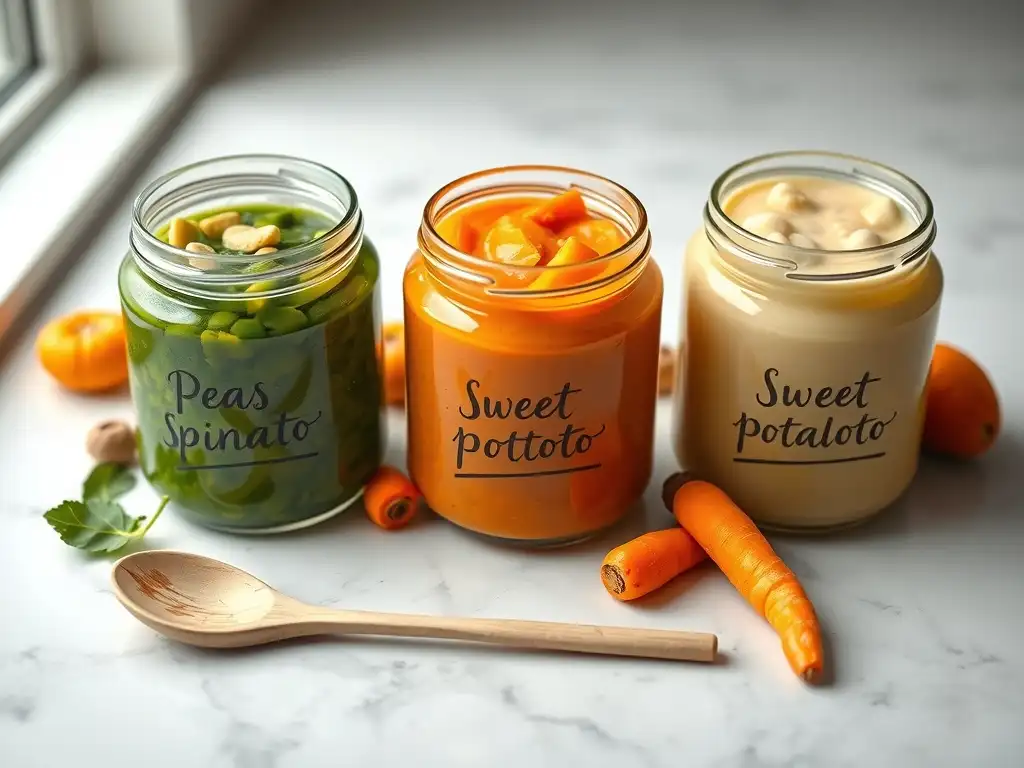
Homemade baby food purees offer a fantastic alternative to commercially produced options. They allow you to control the ingredients, ensuring your little one receives fresh, nutritious, and delicious meals free from additives and preservatives often found in store-bought varieties. This approach not only saves money – a significant factor for new parents – but also provides a sense of accomplishment and allows for customization based on your baby's individual needs and preferences.
Furthermore, making your own baby food purees opens up exciting possibilities for creative flavor combinations and introduces your baby to a wider range of tastes and textures from an early age. The benefits extend beyond just nutrition; the process can be a bonding experience for parents and a fun way to engage with your child's development.
DIY Baby Food Puree Recipes: Applesauce, Sweet Potato, and Avocado
Let's dive into some simple and delicious DIY baby food puree recipes perfect for starting your little one on their culinary journey. Remember to always consult your pediatrician before introducing new foods to your baby's diet.
Applesauce:
- Ingredients: 1 medium apple (peeled, cored, and chopped), 1-2 tablespoons of water (optional).
- Instructions: Steam or simmer the apple until tender (approximately 10-15 minutes). Blend until smooth, adding water if needed to achieve desired consistency. Start with a small amount and adjust as needed for your baby's preference.
Sweet Potato:
- Ingredients: 1 medium sweet potato (peeled and cubed), 1-2 tablespoons of water (optional).
- Instructions: Bake, steam, or boil the sweet potato until tender (approximately 20-25 minutes). Once cool enough to handle, blend until smooth, adding water if needed for consistency. Sweet potato is naturally sweet and a great source of Vitamin A.
Avocado:
- Ingredients: ½ ripe avocado, 1-2 tablespoons of breast milk or formula (optional, for creamier consistency).
- Instructions: Simply mash the avocado with a fork until smooth. If you desire a creamier texture, add a small amount of breast milk or formula. Avocado is rich in healthy fats and is easily digestible.
| Puree | Main Ingredient | Cooking Method | Consistency | Nutritional Highlights |
|---|---|---|---|---|
| Applesauce | Apple | Steaming/Simmering | Smooth | Vitamins C and A, fiber |
| Sweet Potato | Sweet Potato | Baking/Steaming/Boiling | Smooth | Vitamin A, fiber, potassium |
| Avocado | Avocado | Mashing | Creamy/Smooth | Healthy fats, Vitamin K, potassium |
Remember to always check the temperature of the puree before feeding it to your baby to prevent burns. Introduce one new food at a time and wait a few days to monitor for any allergic reactions.
Introducing Solids: A Step-by-Step Guide to Starting Baby Food
Introducing solid foods is a significant milestone in your baby's development. The timing and approach vary, but generally, pediatricians recommend starting around 4-6 months of age, when your baby shows signs of readiness, such as good head control, ability to sit upright with support, and showing interest in food.
- Start with single-ingredient purees: Begin with simple, easily digestible purees like the ones mentioned above. This allows you to identify any potential allergies easily.
- Small portions: Offer only a teaspoon or two of puree at first, gradually increasing the amount as your baby gets used to it.
- Observe for reactions: Watch closely for any allergic reactions, such as rash, vomiting, or diarrhea. If you notice anything unusual, stop feeding the food immediately and consult your pediatrician.
- Introduce new foods one at a time: Wait 2-3 days before introducing a new food to allow you to identify any potential allergic reactions.
- Offer a variety of textures: As your baby progresses, gradually introduce different textures, such as finely chopped vegetables or fruits.
- Follow your baby's cues: Pay attention to your baby's signals of hunger and fullness. Don't force them to eat if they're not interested.
Storing and Freezing Homemade Baby Food Purees Safely
Proper storage is crucial to maintain the quality and safety of homemade baby food purees.
- Refrigeration: Store prepared purees in airtight containers in the refrigerator for up to 3 days.
- Freezing: For longer storage, freeze purees in ice cube trays or small freezer-safe containers. Once frozen, transfer the cubes to a larger freezer bag to save space. Frozen purees can last for 3-6 months.
- Thawing: Thaw frozen purees in the refrigerator overnight. Never refreeze thawed purees.
- Heating: Gently warm the puree in a saucepan or microwave before serving. Always check the temperature to prevent burns.
Following these guidelines ensures your baby enjoys fresh, nutritious, and safely prepared homemade baby food purees, making your DIY baby product journey a success. Remember, creating these purees is a wonderful way to bond with your baby while providing them with the best possible nutrition. 👶
DIY Baby Wipes: Eco-Friendly and Budget-Friendly
Creating your own baby wipes is a fantastic way to save money and reduce your environmental impact. Commercial baby wipes often contain harsh chemicals and preservatives that can irritate your baby's delicate skin. Furthermore, the packaging contributes significantly to landfill waste. By making your own wipes, you gain complete control over the ingredients, ensuring they're gentle and safe for your little one.
This also allows you to tailor the recipe to your baby's specific needs, addressing sensitivities or allergies. The long-term cost savings are substantial, especially considering the ongoing expense of buying disposable wipes. You'll also be contributing to a more sustainable future by reducing waste and choosing eco-friendly materials. This guide provides DIY baby product recipes, focusing on simple, effective methods for creating your own wipes.
Homemade Baby Wipe Recipe: Simple and Effective
This recipe uses readily available ingredients and is easy to adapt based on your baby's needs and preferences.
Ingredients:
- 2 cups of distilled water (essential for preventing bacterial growth)
- 2 tablespoons of extra virgin olive oil (or other gentle oil like jojoba or almond oil)
- 1 tablespoon of aloe vera gel (soothes and moisturizes)
- 10-15 drops of essential oil (optional, choose a gentle scent like chamomile or lavender. Always test a small amount on your baby's skin first to check for any allergic reactions).
- Soft, absorbent cloths (cotton flannel, bamboo, or microfiber are excellent choices).
Instructions:
- Combine the water, oil, and aloe vera gel in a bowl and mix thoroughly.
- Add the essential oil (if using) and stir gently.
- Pour the mixture into a clean container with a lid.
- Cut your chosen fabric into squares (approximately 6x6 inches).
- To use, soak a cloth in the mixture and wring out excess liquid.
- Gently wipe your baby's bottom and dispose of the used cloth in the laundry.
DIY Baby Wipes: Choosing the Right Fabric and Materials
The fabric you choose for your DIY baby wipes significantly impacts their effectiveness and gentleness on your baby's skin. Several options offer different benefits:
- Cotton Flannel: A classic choice, cotton flannel is incredibly soft, absorbent, and durable. It's gentle on sensitive skin and easy to wash.
- Bamboo: Bamboo fabric is naturally antibacterial and hypoallergenic, making it an excellent choice for babies with sensitive skin. It's also incredibly soft and absorbent.
- Microfiber: Microfiber cloths are highly absorbent and can be quite durable. However, some babies might find them slightly less soft than cotton or bamboo. Ensure you choose a high-quality microfiber designed for sensitive skin.
Consider these factors when selecting your fabric:
| Fabric Type | Softness | Absorbency | Durability | Cost | Eco-Friendliness |
|---|---|---|---|---|---|
| Cotton Flannel | High | High | High | Moderate | High |
| Bamboo | High | High | High | High | High |
| Microfiber | Moderate | High | High | Low | Moderate |
Remember to pre-wash your chosen fabric before making your wipes to remove any potential residue from the manufacturing process. This will also help the fabric become softer and more absorbent.
Making Your Own Reusable Baby Wipes: A Sustainable Solution
Creating reusable baby wipes is a significant step towards a more sustainable approach to baby care. By avoiding disposable wipes, you drastically reduce your environmental footprint. The initial investment in fabric may seem slightly higher, but the long-term savings and reduced waste far outweigh this initial cost. Remember to properly wash and sanitize the wipes after each use to maintain hygiene.
Here are some tips for maximizing the lifespan and hygiene of your reusable baby wipes:
- Wash your wipes in hot water with a gentle detergent, ensuring a thorough rinse.
- Consider adding a cup of white vinegar to your wash cycle to help remove any lingering bacteria.
- Dry your wipes completely before storing them to prevent mold and mildew growth.
- Store your wipes in a clean, dry container. A glass jar with a lid works perfectly.
- Regularly replace your wipes (every few months) to ensure optimal hygiene. This also gives you a chance to refresh your fabric supply.
Using DIY baby product recipes, like this one for reusable wipes, is a smart, eco-conscious choice that benefits your baby and the planet. The process is simple, affordable, and ultimately rewards you with the satisfaction of knowing you're providing the best and most sustainable care for your little one.
Troubleshooting Common DIY Baby Product Challenges
Creating your own baby products can be incredibly rewarding, offering both cost savings and the peace of mind that comes with knowing exactly what's going into your little one's care. However, like any endeavor, DIY baby product creation comes with its own set of potential challenges. Understanding these hurdles and having strategies to overcome them is key to a successful and safe DIY experience.
This section will address some of the most common issues faced by parents venturing into the world of homemade baby lotions, washes, and other necessities, providing practical solutions and preventative measures. We'll explore issues ranging from ingredient compatibility to ensuring the longevity of your creations. Remember, always prioritize your baby's safety and consult a pediatrician if you have any concerns.
Dealing with Ingredient Allergies and Skin Irritations
One of the primary concerns with DIY baby products is the potential for allergic reactions or skin irritations. Even natural ingredients can trigger sensitivities in some babies. A common culprit is essential oils, which, even in diluted form, can be potent. Many babies have sensitive skin, and introducing a new ingredient can result in rashes, redness, or itching. Therefore, patch testing is crucial before applying any new product to your baby's entire body.
To perform a patch test, apply a small amount of the finished product to a small, inconspicuous area of skin, like the inside of the elbow or behind the ear. Wait 24-48 hours to observe any reaction. If redness, swelling, itching, or any other adverse reaction occurs, discontinue use immediately and consult your pediatrician.
Another important preventative measure is to carefully select your ingredients. Opt for hypoallergenic and fragrance-free options whenever possible. Common irritants to watch out for include:
- Essential oils: These should generally be avoided in baby products, or used only in extremely diluted amounts under the guidance of an aromatherapist.
- Fragrances: Artificial fragrances are often harsh and can trigger sensitivities.
- Certain botanical extracts: Some plant extracts, while natural, can be irritating to delicate skin. Always research the potential irritants of any ingredient before incorporating it into your recipe.
Remember, a simple DIY baby wash might only require gentle, unscented soap and water. Starting with the simplest recipes and gradually introducing new ingredients allows you to easily identify any potential allergens. Keeping a detailed record of ingredients used in each batch is also highly recommended for future reference.
Preserving the Shelf Life of Your Homemade Baby Products
The shelf life of homemade baby products is significantly shorter than commercially produced ones due to the lack of preservatives. Understanding how to extend this shelf life while ensuring safety is essential. Improper preservation can lead to bacterial growth, potentially harming your baby.
Several strategies can help extend the shelf life of your creations:
- Use fresh, high-quality ingredients: Starting with the freshest ingredients minimizes the risk of early spoilage.
- Proper storage: Store your products in clean, airtight containers in a cool, dark, and dry place. Avoid exposure to direct sunlight or extreme temperatures.
- Small batch production: Making smaller batches reduces the risk of spoilage before the product is used up.
- Consider natural preservatives: Some natural preservatives, such as vitamin E oil or grapefruit seed extract, can help extend the shelf life, but research their safety for babies carefully before using them. Always follow recommended usage guidelines.
It's crucial to inspect your products regularly for any signs of spoilage, such as changes in color, odor, or texture. If you notice anything unusual, discard the product immediately. A good rule of thumb is to use homemade products within a few weeks, even with preservative additions. Always err on the side of caution when it comes to your baby's health. Remember that safety is paramount when making DIY baby products. Regularly reviewing and updating your knowledge of safe practices and ingredient selection will help you continue to provide your baby with the best possible care.
Resources for DIY Baby Product Recipes and Supplies
This section provides a detailed overview of where to find the necessary ingredients and resources for creating your own baby products. We'll explore reliable suppliers for organic and natural ingredients, and highlight online communities where you can connect with other DIY enthusiasts, share recipes, and get expert advice. Remember, safety is paramount when making DIY baby products, so always prioritize high-quality, non-toxic ingredients.
Recommended Suppliers for Organic and Natural Ingredients
Finding high-quality, organic ingredients is crucial for creating safe and effective DIY baby products. Avoid suppliers that use harsh chemicals or preservatives. Look for certifications like USDA Organic or similar reputable seals. Here's a breakdown of where to source your ingredients:
- Bulk Suppliers: Purchasing ingredients in bulk can often save you money, especially if you plan to make several batches of DIY products. Look for online retailers specializing in organic and natural ingredients, often catering to soap makers, candle makers, and other DIY enthusiasts. Many offer a wide selection of carrier oils, essential oils, butters, and other necessary components. Compare prices and shipping costs before committing to a supplier.
- Local Farmers Markets and Health Food Stores: Supporting local businesses is a great way to ensure the quality and freshness of your ingredients. Farmers markets often have vendors selling organic herbs, flowers, and other plant-based materials suitable for DIY baby products. Similarly, health food stores frequently stock a range of organic oils, butters, and other ingredients. Building relationships with local suppliers can provide access to unique and high-quality materials.
- Specialty Online Retailers: Many online retailers specialize in supplying ingredients for natural and organic cosmetics and skincare. They often offer a curated selection of high-quality ingredients with detailed information on their sourcing and processing. Always check reviews and ratings before purchasing from an unfamiliar supplier.
| Supplier Type | Pros | Cons | Considerations |
|---|---|---|---|
| Bulk Suppliers | Cost-effective, wide selection | May require larger minimum orders, shipping costs | Check reviews, look for certifications (e.g., USDA Organic) |
| Local Farmers Markets | Fresh ingredients, support local businesses | Limited selection, seasonal availability | Ask about growing practices and ingredient sourcing |
| Specialty Online Retailers | Curated selection, detailed information | Potentially higher prices, shipping costs | Compare prices and shipping, read reviews carefully |
Remember to carefully label all your ingredients and store them appropriately to maintain their freshness and effectiveness. Proper storage can significantly extend the shelf life of your DIY baby products.
Online Communities and Forums for DIY Baby Product Enthusiasts
Connecting with other DIY baby product enthusiasts can be invaluable. These online communities offer a wealth of information, support, and inspiration. You can share recipes, troubleshoot challenges, and learn new techniques from experienced crafters.
- Dedicated DIY Baby Product Forums: Search for forums specifically focused on DIY baby products. These communities often have dedicated threads for specific products, such as homemade baby lotions, diaper rash creams, or baby wipes. You can find valuable information about recipes, ingredient sourcing, and safety precautions.
- Larger Craft and DIY Communities: More general craft and DIY forums and social media groups may also have sections or threads dedicated to DIY baby products. While not exclusively focused on baby products, these communities can still provide valuable insights and support.
- Social Media Groups: Facebook groups, Instagram hashtags, and other social media platforms often host communities of DIY enthusiasts. Searching for relevant keywords, such as "#DIYbabyproducts" or "#naturalbabycare," can help you find these groups. Engage with the community, ask questions, and share your own experiences.
Remember to always prioritize safety when using DIY recipes. Thoroughly research any recipe before attempting it, and always test a small batch on a small area of skin before applying it to your baby's entire body. If you have any concerns about the safety of a particular ingredient or recipe, consult with a pediatrician or other qualified healthcare professional. Enjoy the process of creating your own safe and effective baby products! 👶🧴
Frequently Asked Questions
Are DIY baby products safe for my baby's sensitive skin?
Yes, but it's crucial to use high-quality, natural ingredients and avoid anything potentially irritating or allergenic. Always perform a patch test before widespread application. Research thoroughly before making any product.
How much money can I save by making my own baby products?
You can save a significant amount depending on the products you make and the cost of ingredients in your area. Bulk buying ingredients can further increase your savings.
What are some easy DIY baby product recipes to start with?
Simple recipes include homemade baby lotion (using oils and beeswax) and gentle baby wash (using castile soap and water). Many recipes are readily available online.
What ingredients should I avoid when making DIY baby products?
Avoid essential oils, alcohol, and artificial fragrances as these can be harsh on a baby's delicate skin. Always check for potential allergens.
Where can I find reliable recipes for DIY baby products?
Reliable sources include reputable parenting websites like BabyCareHub and books on natural baby care. Always cross-reference recipes from multiple sources before use.
Final Reflection: The Enduring Power of Homemade Goodness
The rising cost of baby products coupled with a growing awareness of ingredient transparency has ignited a renewed interest in DIY baby care. Creating your own products isn't just a cost-saving measure; it's a powerful act of empowerment, allowing parents to take control of what touches their little ones' delicate skin.
The shift towards homemade baby products reflects a broader cultural movement valuing natural ingredients and mindful consumption. This trend speaks to a deeper desire for connection – a connection between parent and child, and a connection to simpler, more sustainable practices. The best things in life are simple,
a sentiment that rings particularly true when considering the purity and love infused into each homemade batch of baby lotion or shampoo. This isn't merely about saving money; it's about investing in a healthier, more conscious approach to parenting.
You, the reader, now hold the knowledge and inspiration to embark on your own DIY baby product journey. Consider the ingredients you use, the time you invest, and the love you pour into each creation. This isn't just about making baby products; it's about creating a legacy of mindful parenting, one carefully crafted batch at a time. Embrace the creativity, savor the process, and enjoy the peace of mind that comes with knowing exactly what touches your precious little one.
Unleash Your Inner DIY Parent!
Thank you for exploring BabyCareHub's guide to making your own baby products! We hope you found some fantastic ways to save money and bond with your little one through creative, homemade solutions. Now it's time to put your knowledge into practice.
- Start your first DIY project today! Choose a recipe from the article that appeals to you—perhaps the soothing lavender bath salts or the gentle homemade baby wash—and gather your supplies. Remember to prioritize safety and always supervise young children.
- Share your creations! Post a picture of your finished product on social media and tag us @BabyCareHub—we'd love to see it!
- Explore more baby-friendly DIY recipes on our blog for even more inspiration. Search for "BabyCareHub DIY" to find a wealth of ideas.
Ready to transform your baby's care routine with the magic of DIY? What will you make next?