
White Noise and the Transition to a Crib: A Helpful Guide

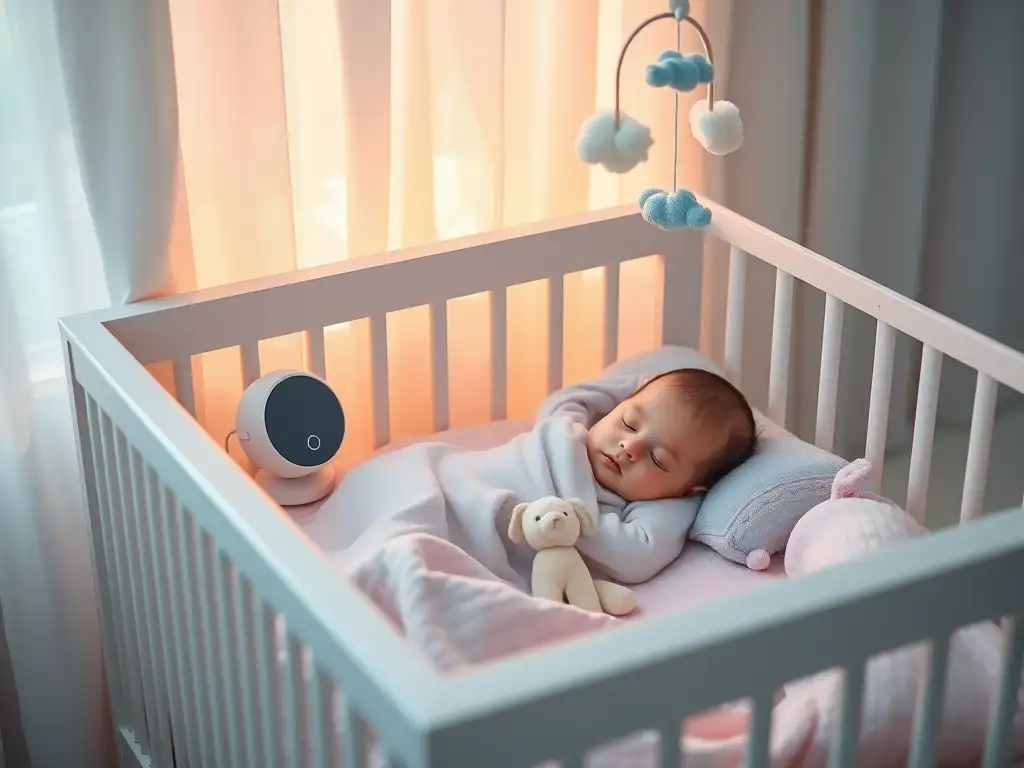
Welcome to BabyCareHub, your ultimate guide to navigating the wonderful, yet sometimes challenging, world of parenthood. Are you ready to unlock the secrets to a peaceful night's sleep for your little one? We delve into the fascinating world of baby crib white noise transition, offering practical, step-by-step advice to help you smoothly transition your baby to their crib. Discover how this simple yet powerful technique can revolutionize your baby's sleep and, in turn, your family's well-being. Explore our comprehensive resources and embark on this journey with confidence.
- Understanding the Benefits of White Noise for Baby Sleep
- Preparing Your Baby for the Crib Transition
- Gradual Introduction of White Noise in the Crib
- Troubleshooting Common Challenges
- Maintaining Consistency and Adapting to Changes
- Long-Term Benefits of Using White Noise for Sleep
- Frequently Asked Questions
- Final Reflection: Finding Peace in the Transition to a Crib
- Unlock Your Little One's Peaceful Slumber
Understanding the Benefits of White Noise for Baby Sleep
The transition to a crib can be a challenging time for both parents and babies. Many newborns find solace in the womb-like sounds and consistent rhythm they experienced before birth. Introducing white noise during this crucial period can significantly ease this transition, promoting better sleep for your little one and, consequently, for you.
This article will explore the benefits of using white noise, specifically focusing on how it aids in the transition to a crib, offering practical tips and addressing common concerns related to baby crib white noise transition. We'll delve into the science behind its effectiveness, different types of white noise machines, and how to best integrate this tool into your baby's sleep routine for optimal results.
Understanding the nuances of white noise and its application can be a game-changer in establishing healthy sleep habits from the earliest stages of your baby's life, contributing significantly to a more peaceful and harmonious home environment. This guide provides a comprehensive approach to incorporating white noise into your baby's sleep routine, focusing on its role in the often-challenging transition to their crib.
White Noise and Improved Sleep Quality for Infants
White noise, characterized by its consistent and non-patterned sound, effectively masks disruptive noises that might startle or wake your baby. These noises can range from household sounds like the creaking of the floorboards or a distant dog barking, to more subtle sounds like your own movements or those of other family members.
By creating a soothing auditory backdrop, white noise helps to create a more peaceful sleep environment, allowing your baby to sleep more soundly and for longer periods. Studies have shown that babies exposed to consistent white noise often experience fewer night wakings and exhibit improved sleep quality, leading to better overall development and a happier baby.
👶 The consistent sound mimics the rhythmic sounds of the womb, providing a sense of familiarity and security that can reduce anxiety and promote relaxation. This is especially beneficial during the transition to a crib, a significant change in environment that can be unsettling for some infants.
Reducing Night Wakings with Consistent White Noise
One of the most significant benefits of utilizing white noise during the baby crib white noise transition is its ability to reduce the frequency of night wakings. Newborns often wake easily due to their immature nervous systems and sensitive hearing. However, the consistent sound of white noise acts as a buffer against these disturbances, preventing them from escalating into full awakenings. This is particularly helpful during the early months, when babies typically wake several times a night. By creating a stable auditory environment, white noise allows your baby to drift back to sleep more easily, reducing the number of times you need to intervene and promoting longer stretches of uninterrupted sleep for both you and your baby. Consistent use is key; establish a routine that includes white noise from the start of bedtime to maximize its effectiveness. Remember to adjust the volume appropriately – it should be soothing, not overwhelming.
Types of White Noise Machines and Their Features
Several types of white noise machines are available, each with its own set of features. Choosing the right one is crucial for maximizing its benefits during the baby crib white noise transition.
| Type of Machine | Features | Pros | Cons |
|---|---|---|---|
| Dedicated White Noise Machine | Variable volume, timer, multiple sound options | Consistent sound quality, dedicated functionality | Can be more expensive, requires additional space |
| Smartphone Apps | Variety of sounds, often free or low cost | Convenient, readily available | Sound quality can vary, reliant on device battery life |
| Fan | Consistent, natural sound | Inexpensive, readily available, no electricity needed | Limited sound options, can be noisy, safety concerns |
Choosing the right white noise machine, and using it effectively, can significantly improve your baby's sleep and ease the transition to a crib. Remember to always prioritize safety and follow manufacturer guidelines. Consider factors like volume control, timer options, and the variety of sounds offered when making your selection. The goal is to find a machine that creates a consistently soothing environment conducive to your baby's sleep.
Preparing Your Baby for the Crib Transition
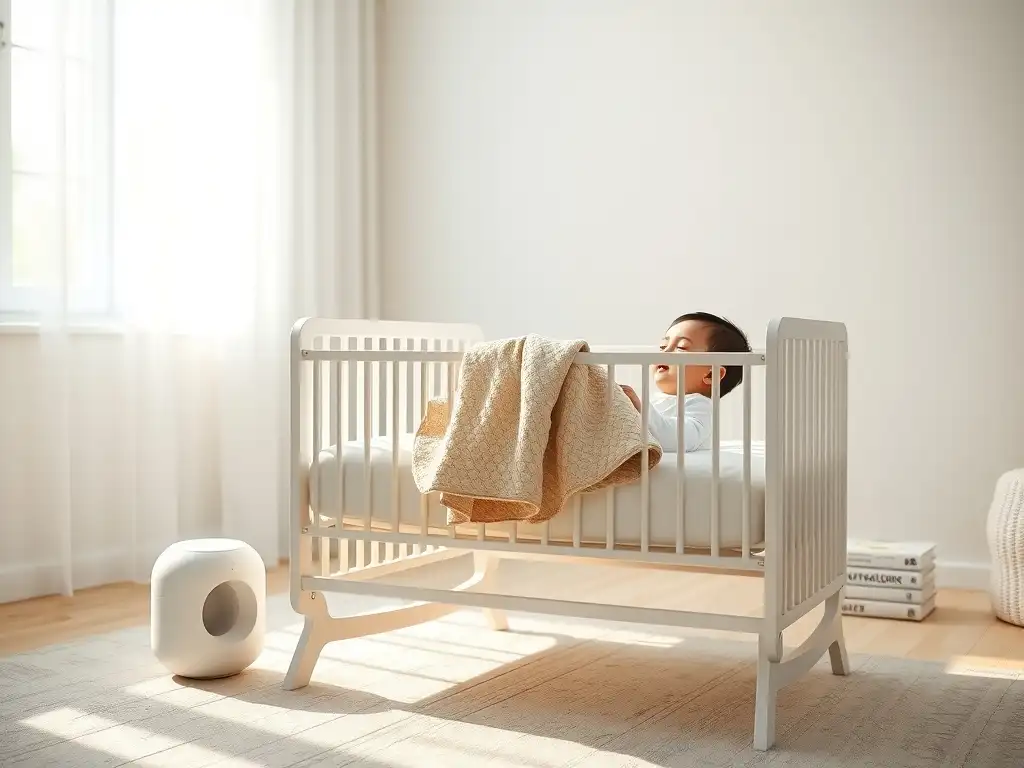
This section focuses on the crucial steps to take before introducing white noise and transitioning your baby to a crib. A smooth transition relies heavily on preparation and a gradual approach. Rushing the process can lead to increased anxiety for both you and your little one. Remember, patience is key!
Choosing the Right White Noise Machine for the Crib
Selecting the appropriate white noise machine is paramount for a successful transition. Consider these factors:
- Sound Variety: Look for machines offering a range of sounds beyond just white noise. Consider pink noise (deeper, more soothing), brown noise (even deeper, excellent for masking sudden noises), or nature sounds like rain or ocean waves. Variety allows you to experiment and find what best soothes your baby. This flexibility is crucial during the transition period, as preferences can shift.
- Volume Control: A precise volume control is essential. You need to be able to adjust the sound level subtly, ensuring it’s loud enough to mask disruptive noises but not so loud as to be jarring or potentially harmful to your baby's hearing. Start at a low volume and gradually increase it as needed.
- Safety Features: Prioritize safety features. Look for machines with auto-off timers to prevent unnecessary energy consumption and ensure the machine doesn't run all night. Choose a machine made from durable, non-toxic materials and ensure it's securely placed out of your baby's reach.
- Portability: A portable option is beneficial, especially during the initial transition phase. You might want to use the machine in your baby’s room and then move it to your room for a few nights to be nearby.
Creating a Calming Crib Environment
The crib itself should be a haven of tranquility. Here's how to cultivate a peaceful atmosphere:
- Optimal Temperature: Maintain a comfortable room temperature. An overly warm or cold room can disrupt sleep. Aim for a temperature that is slightly cool, around 68-72°F (20-22°C).
- Darkness: Ensure the room is dark enough. Consider using blackout curtains or blinds to minimize light intrusion. A dimly lit nightlight might be helpful for some babies, but avoid anything too bright.
- Soft Bedding: Use a firm mattress and fitted sheet. Avoid loose blankets, pillows, or stuffed animals, which pose a suffocation risk. Choose soft, breathable materials for the bedding.
- Scent: A calming scent, such as lavender (always check for allergies first! ), can help create a relaxing atmosphere. However, avoid strong or artificial fragrances.
Establishing a Consistent Bedtime Routine with White Noise
Consistency is the cornerstone of successful sleep training. A predictable bedtime routine helps signal to your baby that it’s time to sleep. White noise plays a crucial role here:
- Introducing White Noise Gradually: Don't abruptly introduce the white noise machine. Start by playing it softly during daytime naps for a few days before bedtime. This helps your baby become accustomed to the sound.
- Timing is Key: Incorporate the white noise into your existing bedtime routine, perhaps after the bath and feeding. Consistency in timing is vital.
- Monitoring Your Baby's Response: Pay close attention to your baby's cues. If they seem agitated or distressed by the white noise, adjust the volume or try a different sound. Remember, the goal is to soothe, not startle.
- Gradual Weaning (if needed): Once your baby is sleeping soundly in their crib with the white noise, you can gradually reduce the volume over several nights. This helps them associate sleep with the gradual fading sound, and not just the loud sound itself. The ultimate goal is for your baby to self-soothe and fall asleep without the assistance of the white noise machine. This process can take time and patience. Remember to celebrate the small victories along the way!
Remember, every baby is unique. What works for one might not work for another. Be patient, flexible, and responsive to your baby's individual needs during this transition. The goal is a peaceful sleep experience for both you and your little one.
Gradual Introduction of White Noise in the Crib
Introducing white noise to your baby's sleep environment, especially during the transition to a crib, should be a gradual process. Rushing the process can lead to negative associations and make the transition more difficult. The key is to create a positive and comfortable experience with the white noise, helping your baby associate it with sleep and security. Remember, every baby is different, so flexibility and observation are crucial components of successful white noise integration for better "baby crib white noise transition".
Starting with Short White Noise Sessions
Begin by playing white noise at a very low volume for only short periods, perhaps 15-20 minutes, during the daytime while your baby is awake and in the crib. This allows your baby to become familiar with the sound without associating it with sleep initially. You can choose from various white noise sounds—fan sounds, rain sounds, or even dedicated white noise machine apps offer a plethora of options. Observe your baby's reactions.
If they seem startled or distressed, immediately reduce the volume or turn it off. Positive responses might include relaxed gazing or even falling into a drowsy state. 🎉
It's important to note that the optimal volume is crucial. The goal is to create a soothing background hum, not a deafening roar. A good rule of thumb is to keep the volume at a level where you can comfortably hear it but it doesn't dominate the room's soundscape.
Remember to keep the sessions short and sweet during this initial phase. The focus is on familiarization, not sleep training. This approach is key for a smooth "baby crib white noise transition".
Gradually Increasing the Duration of White Noise
Once your baby seems comfortable with short white noise sessions during the day, you can gradually increase the duration. Add 5-10 minutes each day or every other day, depending on your baby's response. For instance, you might start with 20 minutes, then progress to 30, then 40, and so on. Always prioritize your baby's comfort and well-being. If they show any signs of distress, revert to the previous duration and increase it more slowly.
Consider introducing white noise during naps as well. This can help your baby associate the sound with sleep in different contexts. However, always maintain the gradual increase approach. Consistency is key. A consistent and gentle introduction to white noise will significantly improve your baby's "baby crib white noise transition".
Keep a journal to track your baby’s reactions and the duration of the white noise sessions. This will help you monitor progress and make adjustments as needed.
Monitoring Your Baby's Response to White Noise
Constant monitoring is essential throughout the process. Pay close attention to your baby's cues. Are they sleeping soundly? Do they seem restless or agitated? Do they startle easily? These are all important indicators of whether the volume is appropriate and the duration is suitable for your baby.
Remember, the goal is to create a calming and secure sleep environment, not to force your baby to sleep. If your baby consistently shows negative reactions to white noise, you may need to reconsider its use or try different types of sounds. Some babies respond better to other sounds like nature sounds or lullabies. A good "baby crib white noise transition" hinges on careful observation and adaptation to your baby's individual needs.
Consider keeping a record of your observations. Note the type of white noise used, the volume level, the duration of the session, and your baby's reactions. This detailed information can be invaluable in fine-tuning your approach for optimal results. This detailed approach will help ensure a positive "baby crib white noise transition".
Troubleshooting Common Challenges
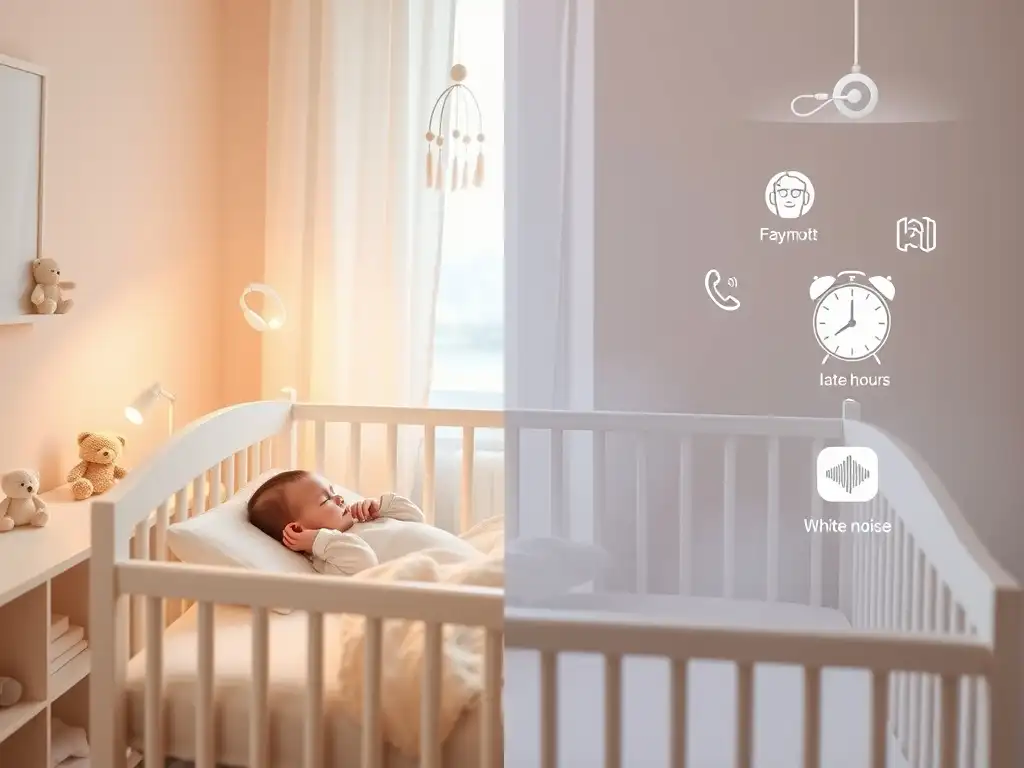
This section addresses common hurdles parents face when using white noise to facilitate the transition to a crib and improve their baby's sleep. Remember, every baby is unique, and what works for one might not work for another. Patience and consistency are key.
Addressing White Noise Resistance in Babies
Some babies initially resist white noise. They might cry more or seem agitated when the sound is introduced. This isn't necessarily a sign that white noise is ineffective; it's often a matter of finding the right type and volume. Experimentation is crucial. Start with a lower volume and gradually increase it if needed. Consider trying different types of white noise – some babies respond better to rain sounds, while others prefer fan noise or shushing sounds.
A common mistake is introducing white noise too abruptly. Instead of immediately turning on a loud machine, try gradually introducing the sound over several days. Start with a very low volume during playtime and gradually increase it as your baby gets accustomed to the sound. Think of it as desensitization.
Another factor is the location of the sound machine. Ensure it's positioned appropriately to avoid creating unwanted echoes or overly loud spots within the room. The ideal placement will minimize disruptive sound reflections and ensure even sound distribution.
Finally, consider the overall sleep environment. If your baby is already overtired, hungry, or uncomfortable, white noise alone won't solve the sleep problems. Address underlying issues before solely relying on sound machines. For example, ensuring a comfortable room temperature and a consistent bedtime routine can contribute to better sleep outcomes, even with white noise.
Dealing with Sudden Changes in Sleep Patterns
Even with a successful initial transition aided by white noise, sudden changes in sleep patterns can occur. These shifts are often linked to developmental leaps, teething, or even minor illnesses. It's essential to differentiate between a temporary setback and a persistent problem.
For example, a baby who previously slept soundly through the night might start waking more frequently during a growth spurt. Their increased energy expenditure and developmental changes can impact their sleep cycle. In such cases, maintaining consistency with the white noise routine is vital. Don't abandon it just because of a temporary disruption. However, also consider adjusting the timing or type of white noise if needed.
Keep a sleep diary. Note down the baby's sleep patterns, including wake-up times, feeding times, and any other significant events. This diary can help identify patterns and triggers for disruptions, allowing you to better address the cause of the sleep changes. This detailed record can be invaluable when discussing your baby's sleep with a pediatrician.
When to Consult a Pediatrician Regarding Sleep Issues
While white noise can be a helpful tool, it's not a cure-all for all sleep problems. If your baby consistently struggles to sleep despite implementing white noise and other sleep hygiene practices, it's important to consult a pediatrician. Persistent sleep disturbances can sometimes indicate underlying health issues.
Consult a pediatrician if your baby:
- Displays excessive fussiness or crying that isn't easily soothed.
- Experiences prolonged periods of wakefulness during the night.
- Shows signs of sleep apnea or other breathing difficulties.
- Has difficulty settling down, even with consistent use of white noise and other sleep aids.
- Exhibits unusual behaviors during sleep, such as excessive jerking or tremors.
Your pediatrician can conduct a thorough assessment to rule out any medical conditions and provide tailored advice. Remember, seeking professional help is a sign of proactive parenting, not a sign of failure. Early intervention can often prevent more significant sleep issues from developing. Don't hesitate to reach out for support when needed.
Maintaining Consistency and Adapting to Changes
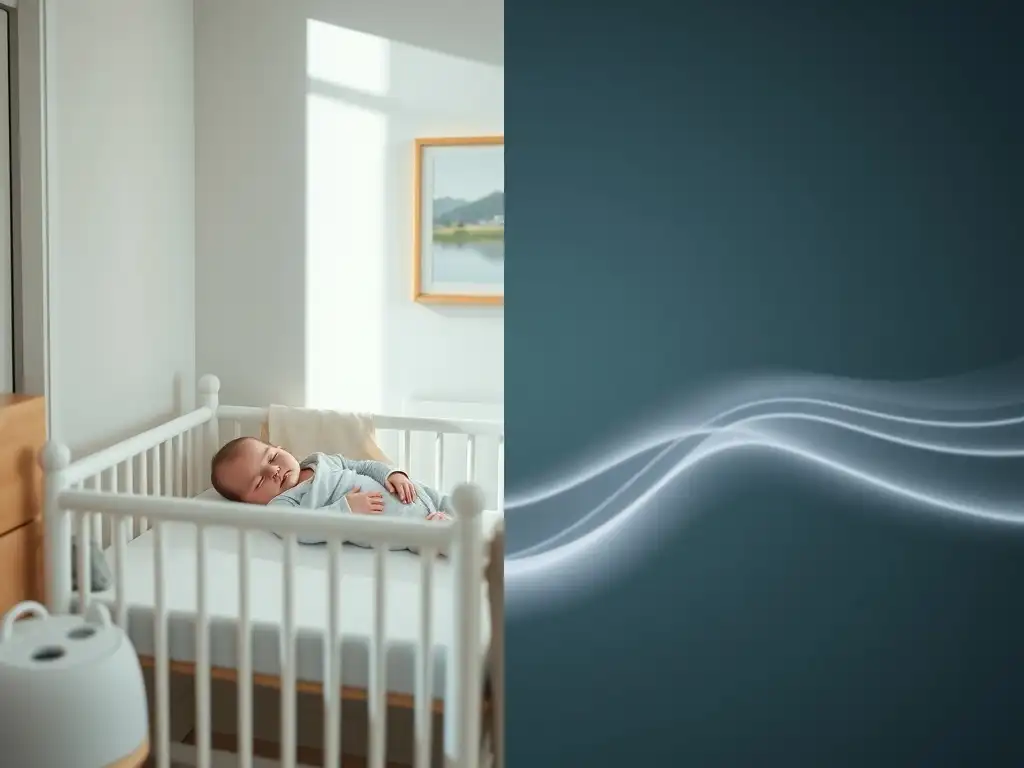
Maintaining a consistent sleep environment is crucial for your baby's healthy sleep development. This includes the use of white noise. However, your baby's needs will change as they grow. The intensity and type of white noise that worked wonders at two months might be too much or too little at six months.
This section explores how to adapt your white noise strategy to accommodate these developmental shifts and maintain a positive sleep association. Successfully navigating this process minimizes sleep disruptions during this period of rapid growth and change, contributing to improved sleep for both you and your baby. Remember, the goal is not to eliminate white noise abruptly but to gradually adjust it as your baby matures.
The key to success lies in observing your baby's cues and adapting accordingly. For example, a baby who previously slept soundly with a high-volume white noise machine might become more sensitive to sound as they get older, requiring a lower volume or a different type of white noise such as nature sounds. Paying close attention to your baby’s sleep patterns and adjusting the white noise accordingly will ensure a smooth transition.
Adjusting White Noise Levels as Your Baby Grows
As your baby develops, their auditory sensitivity changes. What once soothed them might now be overwhelming. Start by gradually decreasing the volume of your white noise machine over a period of several days or weeks. Observe your baby's sleep patterns carefully. If they seem disturbed by the change, increase the volume slightly.
If they continue to sleep well, you can continue gradually decreasing it further. You can also experiment with different types of white noise. Some babies find that a softer, less intense sound like ocean waves or rainfall is more soothing as they grow older. Consider using a white noise machine with adjustable volume and a variety of sound options to accommodate these changes.
This allows for a personalized approach, catering to your baby's evolving preferences. Keep a sleep journal to track the volume level and type of white noise used, along with your baby's sleep patterns. This will help you identify the optimal settings for your baby at each stage of their development. Remember, the goal is to create a calming and consistent sleep environment, not to force a specific sound on your baby.
Transitioning Away from White Noise Gradually
Weaning your baby off white noise shouldn’t be a sudden event. A gradual approach is far more effective and less disruptive to their sleep. Begin by reducing the duration of white noise exposure each night. For instance, if you currently use it all night, start by turning it off an hour before their usual wake-up time.
Over a week or two, gradually decrease this time until the machine is only on for a short period at the beginning of the night. Another strategy is to gradually reduce the volume, as described above. Observe your baby's reaction to these changes. If they show signs of distress, such as increased fussiness or difficulty falling asleep, revert to the previous settings for a few days before attempting another reduction.
This process might take several weeks, depending on your baby's temperament and responsiveness to the change. It's a gradual process that requires patience and observation. Remember, the aim is to support your baby in developing independent sleep skills, not to abruptly remove a significant element of their sleep environment.
Creating a Positive Association with the Crib and Sleep
The crib itself should be associated with comfort and sleep. This association is vital, especially during the transition away from white noise. Ensure the crib is a safe and cozy space. A comfortable mattress, soft bedding (following safe sleep guidelines! ), and a consistent bedtime routine are crucial.
Keep the room dimly lit and quiet. Consider introducing a comforting object, like a favorite stuffed animal or blanket, to help your baby feel secure in their crib. Regular and consistent bedtime routines are key. These routines signal to your baby that it's time to sleep, preparing them for rest. A consistent routine can help your baby associate the crib with sleep, even without the aid of white noise.
Avoid using the crib for playtime; it should be solely for sleep. This helps solidify the association between the crib and rest. By creating a positive and consistent sleep environment, you can help your baby transition away from white noise and develop healthy sleep habits. This approach focuses on establishing a positive relationship with the crib itself as a place of comfort and rest.
Long-Term Benefits of Using White Noise for Sleep
White noise, a consistent and soothing sound, offers more than just temporary sleep assistance for your little one. Its consistent sound can contribute significantly to your baby's long-term sleep health and overall well-being. The benefits extend beyond the immediate relief of nighttime fussiness, paving the way for healthier sleep patterns as your baby grows. While individual responses vary, numerous studies suggest a positive correlation between consistent white noise use and improved sleep quality over time. This section will explore some key long-term advantages.
Fostering Independent Sleep Habits
One of the most valuable long-term benefits of introducing white noise during the baby crib transition is its role in fostering independent sleep habits. Babies often rely on parental intervention to fall asleep, creating a dependence that can lead to sleep disruptions later on. White noise acts as a consistent, comforting cue, helping babies self-soothe and fall asleep independently.
Think of it as a gentle, auditory security blanket. Over time, the association between white noise and sleep becomes ingrained, reducing the need for constant parental intervention. This is particularly helpful during the challenging toddler years when sleep regressions and disruptions are common.
By establishing this independent sleep association early, you're setting the stage for healthier sleep patterns in the long run. This is supported by anecdotal evidence from parents who report that their children, introduced to white noise early, transition more smoothly through sleep regressions and develop more self-sufficient sleep patterns.
Promoting a Healthier Sleep-Wake Cycle
The consistent nature of white noise can significantly contribute to a healthier sleep-wake cycle. Newborns and babies often have irregular sleep patterns. White noise can help regulate this by masking disruptive noises that might otherwise interrupt their sleep. This consistency helps to solidify sleep-wake cycles, promoting longer stretches of sleep at night and more alert wakefulness during the day.
The result is a more predictable and balanced circadian rhythm, which is crucial for healthy development and overall well-being. A regular sleep-wake cycle is also linked to improved mood and cognitive function, benefiting your baby's overall development. [Specific data on the correlation between white noise and improved circadian rhythm in infants pending].
Reducing the Risk of Sleep Regression
Sleep regressions, those periods of disrupted sleep that often occur at developmental milestones, can be incredibly challenging for both parents and babies. While white noise cannot entirely eliminate sleep regressions, evidence suggests it may mitigate their severity and duration. The familiar, consistent sound can provide a sense of security and comfort during these periods of change, helping babies to more easily resettle themselves.
By maintaining a sense of calm and predictability, white noise can help buffer the impact of developmental changes on sleep patterns. This is especially crucial during periods of significant developmental leaps, such as the 4-month sleep regression or the 8-month sleep regression. The consistent auditory input helps create a sense of normalcy and stability, minimizing the disruption to the baby's sleep.
While further research is needed to quantify this impact precisely, many parents report positive experiences using white noise to navigate these challenging periods. The reduction in parental intervention required during these periods is also a significant benefit, contributing to better sleep for the entire family.
Frequently Asked Questions
What is the benefit of using white noise for crib transitions?
White noise can mask disruptive sounds, helping your baby sleep more soundly and making the transition to the crib smoother and less stressful. It creates a consistent auditory environment, mimicking the sounds of the womb.
How long should I use white noise for my baby?
There's no set timeframe. Continue using white noise as needed, gradually reducing its volume and duration as your baby becomes accustomed to sleeping independently in the crib. Always monitor your baby's response.
What kind of white noise is best for crib transitions?
Many options exist, including fan sounds, rain sounds, or dedicated white noise machines. Choose a sound that is consistently low and soothing and avoid sounds with sudden loud noises. Experiment to find what works best for your baby.
What are the potential drawbacks of using white noise?
While generally safe, prolonged exposure at high volumes can potentially damage your baby's hearing. Ensure the volume is low and always monitor your baby's reaction. Gradually wean them off of it over time.
My baby seems to rely heavily on white noise. How can I wean them off it?
Gradually decrease the volume and duration of the white noise over several days or weeks. You can also introduce other calming techniques, such as a gentle lullaby or a comforting touch, to help your baby fall asleep independently.
Final Reflection: Finding Peace in the Transition to a Crib
The gentle hum of white noise, once a comforting lullaby, now represents a crucial bridge in a baby's journey to independent sleep. This transition, often fraught with anxiety for parents, highlights the delicate balance between providing security and fostering self-sufficiency in our little ones. Mastering this transition is not just about sleep; it's about nurturing a child's development and building a stronger family unit.
The impact of white noise extends far beyond the nursery walls. It's a testament to the power of simple solutions in navigating the complexities of parenthood. It's a tool that has helped countless families find solace in the otherwise chaotic early months. Sleep is the golden chain that binds health and our bodies together.
- Thomas Dekker. This quote, though not directly about white noise, speaks to the vital role sleep plays in a child's overall well-being, a well-being directly impacted by the successful transition to a crib. The quiet moments of a sleeping baby, achieved with the help of white noise, are precious gifts for parents, allowing for rest and rejuvenation.
Now, consider your own journey. Reflect on the challenges you've faced, the successes you've celebrated, and the lessons you've learned. Embrace the power of small, consistent steps, just like the gentle hum of white noise, to guide your child towards a peaceful and independent sleep. Remember, this transition is a journey, not a race. Celebrate the small victories, and know that you are not alone in this experience. Your dedication and patience will pave the way for sweeter dreams for both you and your little one.
Unlock Your Little One's Peaceful Slumber
Thank you for exploring the world of white noise and crib transitions! We hope you found helpful strategies to soothe your baby and improve their sleep. Now, let's put this knowledge into practice.
- Establish a consistent white noise routine: Experiment with different sounds and volumes to find what works best for your baby, remembering to keep the volume at a safe level. This simple change can significantly improve sleep quality.
- Gradually transition your baby to the crib: If your baby isn't already sleeping in the crib, slowly introduce them to it, following the tips for a smooth transition. Celebrate every milestone along the way!
- Share your experiences! What soothing techniques have worked well for your family? Let us know in the comments below – your advice could help other parents.
Are you ready to create a tranquil sleep environment and enjoy more peaceful nights with your baby?