
White Noise for Newborns: A Gentle Guide for New Parents

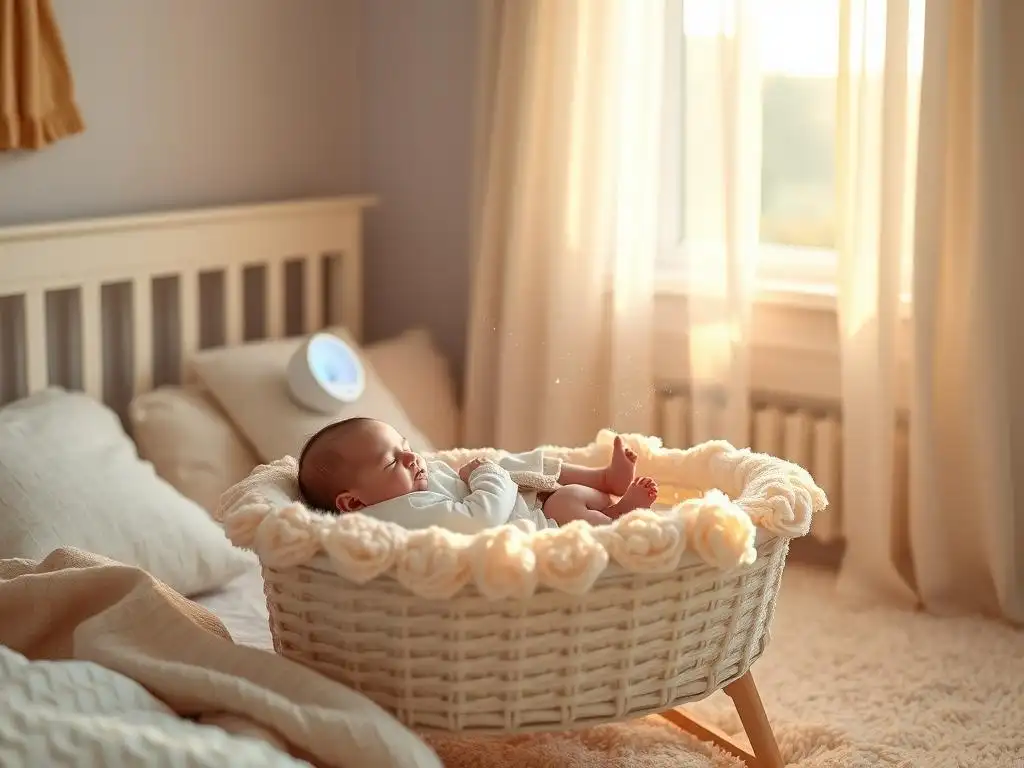
Welcome to BabyCareHub, your ultimate guide to navigating the incredible journey of parenthood! Are you overwhelmed by the complexities of newborn care? We understand. That's why we've created this comprehensive resource, packed with expert advice and practical tips. Discover how to create a peaceful and nurturing environment for your little one, starting with our in-depth exploration of the best white noise for newborns' sleep – a game-changer for both baby and parent. Dive in and unlock the secrets to calmer nights and happier days!
- Understanding the Benefits of White Noise for Newborn Sleep
- Choosing the Right White Noise Machine for Your Newborn
- Safely Using White Noise for Your Baby
- Troubleshooting Common Issues with White Noise Machines
- Integrating White Noise into Your Newborn's Sleep Routine
- Long-Term Effects and Considerations of White Noise Use
- Frequently Asked Questions
- Final Reflection: The Quiet Revolution of White Noise for Baby Sleep
- Unlock Your Baby's Peaceful Slumber: A Calming Journey Starts Now
Understanding the Benefits of White Noise for Newborn Sleep

Welcome to BabyCareHub's guide on using white noise to help your newborn sleep soundly. As first-time parents, you're likely navigating a world of sleep deprivation, and finding ways to improve your baby's sleep patterns is a top priority. This article delves into the world of white noise for newborns, exploring its benefits, optimal sounds, and the scientific backing behind its effectiveness.
We’ll equip you with the knowledge to make informed decisions about incorporating white noise into your baby's sleep routine, helping you and your little one achieve more restful nights. Learning about the best white noise for newborns' sleep can be a game-changer, transforming those sleepless nights into opportunities for much-needed rest. This guide focuses on providing practical, evidence-based advice to ensure the safe and effective use of white noise for your precious baby.
We'll explore various aspects, from understanding the soothing effects of white noise to selecting the best sounds and understanding the science behind its efficacy. Let's embark on this journey towards better sleep for both you and your baby!
How White Noise Soothes Newborns and Improves Sleep Quality
Newborns are incredibly sensitive to their surroundings. Loud noises, sudden movements, and even subtle changes in light can easily disrupt their delicate sleep cycles. White noise acts as a masking agent, effectively blocking out these disruptive sounds and creating a more consistent and calming auditory environment.
This consistent sound helps to soothe your baby, reducing their startle reflex and promoting longer, deeper sleep periods. Think of it as a gentle, comforting blanket of sound that buffers your baby from the everyday noises of the home. Many parents report significant improvements in their baby's sleep duration and quality after introducing white noise.
This isn't just anecdotal; studies have shown a positive correlation between white noise exposure and improved sleep in infants. The reduction in startling and the creation of a predictable auditory landscape contributes to a more peaceful sleep experience, benefiting both the baby and the parents. The consistent sound also helps to mimic the womb sounds that babies are familiar with from their nine months in utero, providing a sense of security and familiarity.
Best White Noise Sounds for Babies: Types and Preferences
While "white noise" is a broad term, there's a range of sounds that fall under this category, each with its own characteristics and potential effectiveness. Some popular choices include:
- Fan noise: A classic and readily available option, the gentle hum of a fan mimics a constant, low-level sound.
- Rain sounds: The soft patter of rain can be incredibly soothing, creating a calming atmosphere.
- Ocean waves: Similar to rain, the rhythmic sound of ocean waves can induce relaxation and promote restful sleep.
- Shushing sounds: A consistent "shhh" sound mimics the soothing sounds often used to calm babies.
- White noise machines: These devices offer a variety of pre-programmed sounds and often include features like adjustable volume and timers.
It's important to note that each baby has unique preferences. What works wonders for one infant might not be as effective for another. Experiment with different sounds and volumes to find what best suits your baby's needs. Start with a low volume and gradually increase it if necessary, always monitoring your baby's response. Remember to prioritize safety and choose devices with appropriate volume controls and safety certifications. Avoid sounds that are too loud or jarring, as these can have the opposite effect and disrupt rather than improve sleep.
The Science Behind White Noise and Infant Sleep
The effectiveness of white noise for infant sleep isn't simply based on anecdotal evidence; there's a scientific basis for its benefits. Research suggests that white noise helps to mask startling noises, reducing the likelihood of your baby waking up due to sudden sounds. The consistent auditory stimulation also helps to regulate the baby's brainwaves, promoting deeper and more restorative sleep.
Furthermore, the familiar and consistent sound can provide a sense of security and comfort, mimicking the sounds experienced in the womb. This sense of security is crucial for a newborn's ability to fall asleep and stay asleep. However, it's important to use white noise responsibly.
Maintaining a safe volume level is crucial to prevent potential hearing damage. Always ensure that the sound is at a comfortable level and that the device is placed at a safe distance from your baby's crib. More research is ongoing to fully understand the long-term effects of white noise on infant sleep and development, but the current evidence strongly supports its use as a safe and effective tool for improving sleep quality in newborns.
Choosing the Right White Noise Machine for Your Newborn
This section focuses on helping new parents navigate the world of white noise machines and select the best option for their newborn's sleep. Finding the best white noise newborns sleep with can significantly improve your baby's sleep quality and, consequently, yours. The market offers a wide variety of machines, each with its own set of features and benefits. Understanding these differences is crucial to making an informed decision. We’ll explore key factors to consider to ensure you choose a machine that is both safe and effective.
Selecting a Safe and Effective White Noise Machine
Safety is paramount when choosing a white noise machine for your newborn. Prioritize machines with certifications from reputable organizations, indicating compliance with safety standards. Look for features like automatic shut-off timers to prevent prolonged exposure to potentially harmful sound levels. The volume should be adjustable to a low level, mimicking the gentle sounds of nature rather than overwhelming your baby.
Avoid machines with sharp edges or small parts that could pose a choking hazard. Always place the machine on a stable, flat surface, well out of your baby's reach. Regularly inspect the machine for any signs of wear and tear, and replace it if necessary. Remember, the goal is to create a soothing sleep environment, not to subject your baby to loud, jarring noises.
A machine that is too loud can actually be counterproductive and stressful for your little one. Prioritize quality over flashy features; a simple, reliable machine is often the best choice for a newborn. Consider reading independent reviews to assess the safety and effectiveness of different models before purchasing.
Features to Consider When Buying a Baby White Noise Machine: Volume Control, Timers, and Safety Features
Choosing a white noise machine involves carefully considering several key features. The most crucial are volume control, timers, and safety features. Let's break down each one:
- Volume Control: A machine with precise volume control is essential. You need to be able to adjust the sound level to a comfortable and safe level for your baby. A good rule of thumb is to keep the volume low enough that you can comfortably hold a conversation in the same room. Some machines offer adjustable sound levels measured in decibels (dB), allowing for more precise control. This is particularly important as your baby's hearing is still developing.
- Timers: An automatic timer is a must-have safety feature. It prevents the machine from running continuously throughout the night, potentially exposing your baby to excessive noise. Look for machines with timers that allow you to set intervals ranging from 30 minutes to several hours. This allows you to tailor the duration of white noise exposure to your baby's needs and preferences. Many models offer multiple timer settings, giving you flexibility.
- Safety Features: Beyond timers, consider other safety aspects. Look for machines made from non-toxic materials and that meet relevant safety standards. Check for features like an auto-shutoff function in case of power surges or malfunctions. The machine should be sturdy and durable, resistant to accidental damage. Machines with a low-profile design and rounded edges are less likely to cause injury.
| Feature | Importance | Considerations |
|---|---|---|
| Volume Control | Crucial for safe and effective use | Adjustable volume, decibel (dB) indication, low volume settings |
| Timer | Essential safety feature to prevent overuse | Multiple timer settings (30 min, 1 hour, 2 hours, etc. ), auto-shutoff function |
| Safety Features | Prioritize non-toxic materials and robust design | Compliance with safety standards, sturdy construction, rounded edges |
Portable vs. Stationary White Noise Machines: Which is Best for Your Needs?
The choice between a portable and a stationary white noise machine depends on your lifestyle and preferences. Each type offers distinct advantages and disadvantages:
- Portable White Noise Machines: These are compact and easily moved from room to room, ideal for families who frequently travel or move their baby between different sleeping locations (e.g., crib, bassinet, travel cot). They typically run on batteries, offering flexibility but requiring regular battery changes. However, battery life can vary significantly between models. Some portable machines sacrifice sound quality for portability, and the volume might not be as adjustable as larger models.
- Stationary White Noise Machines: These are generally larger and plugged directly into a wall outlet. They often offer superior sound quality and more robust features, including more precise volume control and a wider range of sounds. However, their size and lack of portability might be a drawback for families who move their baby frequently. They provide a consistent and reliable sound source, ideal for consistent use in a single location.
Ultimately, the best choice depends on your individual needs and circumstances. Consider your baby's sleep patterns, your home environment, and your travel habits when making your decision. Weighing the pros and cons of each type carefully will help you choose the white noise machine that best supports your baby's sleep and your family's lifestyle. Remember, the goal is to create a calming and consistent sleep environment. 👶😴
Safely Using White Noise for Your Baby
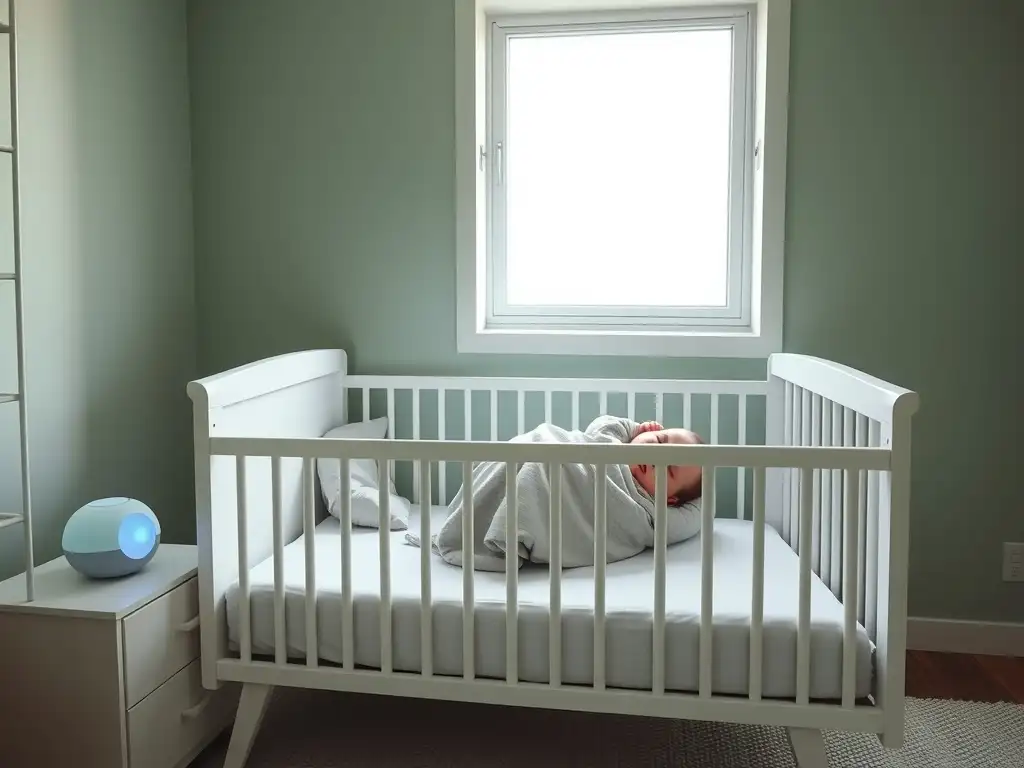
This section focuses on the safe and effective implementation of white noise for your newborn's sleep. Remember, while white noise can be beneficial, responsible use is paramount. Prioritizing your baby's safety and well-being should always be your top priority when considering any sleep aid. The goal is to find the best white noise newborns sleep soundly to, and this requires careful consideration and monitoring.
Setting the Optimal Volume for White Noise for Newborns
Finding the right volume is crucial. Too loud, and you risk damaging your baby's hearing; too quiet, and it won't be effective. The American Academy of Pediatrics recommends keeping the volume low enough that you can comfortably hold a conversation over it. Think of it as a gentle background hum, not a roaring sound.
A good rule of thumb is to set the volume at a level where you can barely hear it from a few feet away. You can use a sound level meter app on your smartphone to measure the decibel level, aiming for under 50dB. Remember that newborns have more sensitive hearing than adults, so err on the side of caution. Regularly check the volume throughout the night, as the machine's sound output might fluctuate.
It's also important to consider the placement of the white noise machine. Positioning it too close to the crib could lead to excessively loud sound levels for your little one. Placing it across the room, or even on a different floor, might provide adequate sound without being overly intense. Experiment with placement to find what works best for your baby and your home environment.
Avoiding Potential Risks Associated with White Noise Machines
While generally safe, white noise machines do present some potential risks if not used correctly. The most significant concern is hearing damage. Prolonged exposure to high volumes can harm your baby's delicate hearing. Therefore, always prioritize a low volume setting.
Another potential risk is the potential for the machine to malfunction. Ensure you choose a reputable brand with positive reviews, and regularly check the machine's condition for any signs of wear or tear. Consider using a machine with an auto-shutoff feature to avoid it running continuously throughout the night. This can help to reduce the risk of both hearing damage and potentially overheating issues.
Finally, always supervise your baby while using a white noise machine. While rare, there is a small risk of the machine overheating, or the power cord posing a safety hazard. This underscores the importance of regular checks and responsible usage. Understanding and mitigating these risks will help ensure a safe and beneficial experience for both you and your baby.
When to Stop Using White Noise for Your Baby
There's no hard and fast rule on when to stop using white noise. Many parents continue to use it until their child is a toddler, while others wean their babies off it much sooner. The best approach depends on your child's individual needs and preferences.
However, some signs might indicate it's time to consider reducing or eliminating white noise. If your baby seems to be overly reliant on the noise to fall asleep, or struggles to sleep without it, it might be time to gradually reduce the volume or duration of use. Similarly, if your child starts to show signs of discomfort or agitation while the machine is running, this would suggest it’s time to reassess.
Pay close attention to your baby's cues. If they seem to be sleeping well without the white noise, then there's no need to continue using it. The goal is to promote independent sleep habits, and white noise should be a tool to support this, not a crutch. Ultimately, the decision of when to stop using white noise is a personal one, based on your child's development and your family's preferences. Remember to prioritize your baby's individual needs and well-being above all else.
Troubleshooting Common Issues with White Noise Machines
This section addresses common problems parents encounter when using white noise machines for their newborns. Successfully integrating white noise into your baby's sleep routine requires understanding and addressing potential hurdles. Finding the best white noise newborns sleep to is a process of trial and error, and knowing how to troubleshoot common issues will significantly improve your chances of success.
Addressing Common Problems: Machine Malfunctions and Sound Issues
White noise machines, like any electronic device, can malfunction. Understanding common problems and their solutions is crucial. Some frequent issues include:
- No sound: Check the power source (batteries or outlet), ensure the machine is turned on, and verify the volume isn't set to zero. Sometimes, a simple reset by unplugging and replugging the machine can resolve the issue. If the problem persists, check for any obvious physical damage to the device.
- Distorted sound: This might indicate a problem with the speaker or internal components. Try cleaning the speaker grille to remove any dust or debris that might be muffling the sound. If the distortion continues, consider contacting the manufacturer for repair or replacement options.
- Intermittent sound: This could be due to low batteries (if battery-powered), a faulty power connection, or an internal component issue. Try replacing batteries or checking the power cord. If the problem continues, the machine might require professional repair.
- Too loud or too quiet: Most machines have volume controls. Adjust the volume to a level that is soothing and not jarring for your baby. Remember, the goal is to create a consistent, calming soundscape, not to drown out other noises completely. A good starting point is a volume level comparable to a gentle rainfall.
It's important to regularly inspect your white noise machine for any signs of damage or wear and tear. Regular cleaning, especially of the speaker, can prevent sound issues and extend the life of your machine. Consider keeping a spare set of batteries on hand for battery-operated models to avoid interruptions in the middle of the night. Remember, a consistently functioning machine is key to establishing a reliable sleep aid for your newborn.
Dealing with White Noise Machine Resistance: How to Introduce it Gradually
Not all newborns readily accept white noise. Some babies might initially show resistance, crying or becoming agitated when the machine is turned on. Successfully integrating white noise requires a gradual and patient approach. The key is to make the transition as smooth as possible. Here's how:
- Start slowly: Don't immediately blast your baby with loud white noise. Begin with a very low volume and gradually increase it over several days or even weeks, observing your baby's reaction closely.
- Introduce it during awake times: Start playing the white noise machine while your baby is awake and alert. This helps them to associate the sound with positive, calming experiences rather than solely with bedtime. This helps to desensitize them to the noise.
- Pair it with other calming routines: Combine the white noise with other soothing bedtime rituals, such as a warm bath, a gentle massage, or a lullaby. This creates a positive association with the sound.
- Be consistent: Once you've found a suitable volume and your baby seems comfortable, maintain consistency. Using the white noise machine at the same times each day, particularly during naptime and bedtime, helps to establish a predictable sleep routine.
- Observe your baby's cues: Pay close attention to your baby's reactions. If they seem distressed, reduce the volume or turn the machine off. Every baby is different, and finding the right approach requires careful observation and adjustment. Remember, patience is key.
Remember, the goal is to create a calming and consistent soundscape to help your baby sleep better. By addressing potential issues promptly and introducing white noise gradually, you can increase the likelihood of success and find the best white noise newborns sleep solution for your little one. The benefits of a well-integrated white noise routine can be significant in improving sleep quality for both you and your baby.
Integrating White Noise into Your Newborn's Sleep Routine
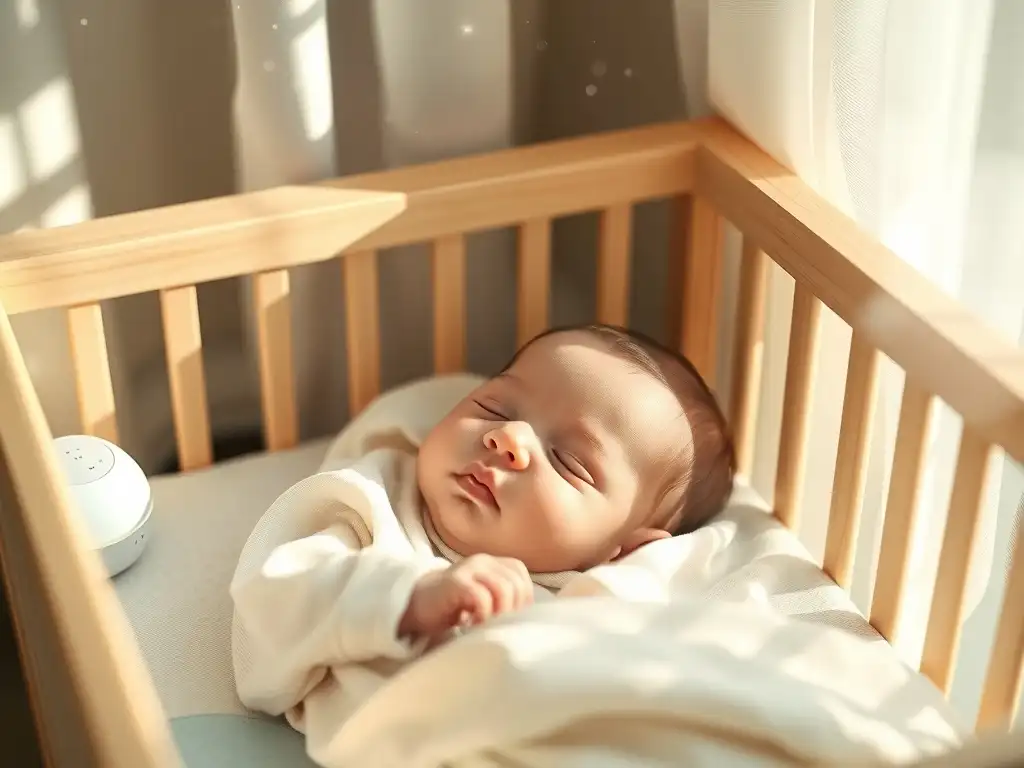
This section focuses on seamlessly incorporating white noise into your newborn's sleep schedule for improved rest and reduced nighttime awakenings. Remember, consistency is key when establishing any sleep routine, especially one involving white noise.
Creating a Consistent Sleep Schedule that Incorporates White Noise
Establishing a consistent sleep schedule is crucial for newborns. A predictable routine helps regulate their circadian rhythm, leading to better sleep. Integrating white noise into this routine can significantly enhance its effectiveness. Consider these steps:
- Start Early: Begin introducing white noise from the first few weeks of your baby's life. This early introduction helps them associate the sound with sleep.
- Consistency is Paramount: Play the white noise at the same volume and for the same duration each time your baby is put down for a nap or bedtime. This predictability is vital for creating a calming association.
- Gradual Introduction: Don't suddenly blast your baby with loud white noise. Start at a low volume and gradually increase it as needed, always ensuring it's not overly loud. A good rule of thumb is to keep the volume at a level where you can comfortably hold a conversation nearby.
- Monitor Your Baby's Response: Observe your baby's reactions carefully. If they seem startled or distressed, lower the volume or try a different type of white noise. Every baby is unique, and what works for one might not work for another.
- Consider the Sound Source: Choose a high-quality white noise machine or app that offers a variety of sounds and volume controls. Avoid using devices with harsh or fluctuating sounds. A consistent, gentle hum is ideal.
Here's a sample daily schedule incorporating white noise:
| Time of Day | Activity | White Noise? | Notes |
|---|---|---|---|
| 7:00 AM | Wake-up | No | Gentle interaction and feeding |
| 9:00 AM | Morning Nap | Yes | Start with low volume, adjust as needed |
| 12:00 PM | Lunch & Playtime | No | |
| 2:00 PM | Afternoon Nap | Yes | Maintain consistent volume and duration |
| 6:00 PM | Evening Routine | No | Bath, feeding, quiet playtime |
| 7:30 PM | Bedtime | Yes | Gradually increase volume over a few minutes |
| 10:00 PM | Overnight Sleep | Yes | Maintain consistent volume throughout the night |
Remember, this is just a sample schedule. Adjust it to fit your baby's individual needs and preferences. The goal is to create a calming, predictable routine that promotes healthy sleep habits. The use of white noise is merely one component of this larger strategy.
Combining White Noise with Other Sleep Aids for Optimal Results
White noise is a powerful tool, but combining it with other sleep aids can often yield even better results. This approach is about creating a holistic sleep environment that supports your baby's natural sleep cycles. Consider adding:
- Swaddling: Swaddling can provide a sense of security and comfort, mimicking the feeling of being held. This is especially effective for newborns.
- Consistent Bedtime Routine: A predictable routine, including a warm bath, quiet playtime, and a feeding, signals to your baby that it's time to sleep.
- Darkened Room: A dark and quiet room minimizes distractions and promotes melatonin production, a hormone crucial for sleep.
- Pacifier (if used): For babies who use pacifiers, offering one at bedtime can be soothing and help them self-soothe.
- Gentle Rocking or Shushing: These techniques can calm a fussy baby and help them transition into sleep.
By combining white noise with these other strategies, you can create a synergistic effect that promotes better and longer sleep for your baby. Remember that every baby is different, so experimenting with various combinations to find what works best for your little one is crucial. Patience and consistency are key to success.
The ultimate goal is to help your baby achieve the best possible sleep, and a comprehensive approach will often produce the best results for your unique situation. Finding the right combination might take some trial and error, but the improved sleep for both you and your baby will be well worth the effort. 😴
Long-Term Effects and Considerations of White Noise Use
While white noise can be incredibly beneficial for promoting better sleep in newborns, it's crucial for parents to understand the long-term implications and potential drawbacks. Responsible use is key to ensuring your baby's well-being. This section addresses potential concerns and provides guidance on safe and effective white noise implementation. Remember, always prioritize your baby's comfort and safety. The goal is to create a peaceful sleep environment, not to mask underlying sleep issues.
White Noise and Baby's Hearing Development: Addressing Potential Concerns
A common worry among parents using white noise machines is the potential impact on their baby's hearing development. While there's no definitive scientific evidence suggesting that appropriately used white noise directly damages a baby's hearing, maintaining a safe volume is paramount. Prolonged exposure to excessively loud sounds, including white noise, can indeed lead to hearing problems.
The key is volume control. The sound should be at a level where you can comfortably hold a conversation nearby without needing to raise your voice. Think of it as a gentle background hum, not a deafening roar. Many sound machines offer volume adjustments; utilize these features responsibly. Aim for a sound level equivalent to a quiet conversation – approximately 50 decibels. Anything louder significantly increases the risk of hearing damage.
It's also important to consider the type of white noise. Harsh, static-filled sounds might be more jarring than softer, more natural-sounding options like rain sounds or ocean waves. The American Academy of Pediatrics recommends monitoring your baby's response to white noise. If you notice any signs of distress, such as flinching or turning away from the sound, reduce the volume or turn it off entirely.
Transitioning Away from White Noise as Your Baby Grows
While white noise can be a lifesaver during the newborn and early infancy stages, it's not a solution for sleep problems forever. As your baby grows, their sleep patterns and needs change. Gradual weaning from white noise is crucial to prevent dependence and foster healthy sleep habits independently.
The ideal time to start reducing reliance on white noise varies from baby to baby. However, many parents begin the transition around 6 months of age, gradually lowering the volume over several weeks or months. Some babies might readily adapt; others might require a more extended period. Observe your baby's cues and adjust the process accordingly.
Consider these strategies for a smooth transition:
- Decreasing volume gradually: Reduce the volume incrementally each week, ensuring a subtle change rather than a sudden silence.
- Introducing alternative soothing sounds: Gradually replace white noise with other calming sounds, such as lullabies or nature sounds.
- Creating a consistent bedtime routine: Establish a relaxing bedtime routine that doesn't rely solely on white noise, including a warm bath, a gentle massage, and quiet time together.
- Positive reinforcement: Celebrate your baby's successes in sleeping without white noise. Positive reinforcement can help create a positive association with independent sleep.
Remember, the aim is not to abruptly remove white noise but to gently wean your baby off it, fostering independence and healthy sleep habits. Patience and consistency are key to a successful transition. The ultimate goal is to nurture your baby’s ability to self-soothe and fall asleep independently, equipped with healthy sleep associations. This ensures that they develop healthy sleep habits for the long term, reducing their reliance on external aids like white noise.
Frequently Asked Questions
What is white noise, and how does it help newborns sleep?
White noise is a consistent, calming sound that masks disruptive noises, helping newborns sleep better by creating a soothing, womb-like environment. It blocks out sudden sounds that might startle them awake.
What are some good sources of white noise for newborns?
There are many options! You can use a white noise machine, a fan, a white noise app on your phone, or even recordings of ocean waves or rain. Choose a source that's safe and produces a consistent sound.
Is it safe to play white noise for my newborn all night?
While generally safe, it's best to monitor the volume and avoid placing the sound source too close to your baby's crib. Consult your pediatrician if you have any concerns about prolonged use.
How loud should the white noise be for my baby?
The volume should be low and comfortable, similar to the sound of a gentle rainfall. You should be able to easily hear it from a short distance, but it shouldn't be overwhelmingly loud. Never play it at a volume that could damage your baby's hearing.
At what age is white noise most beneficial for newborns?
White noise can be beneficial from birth, helping newborns adjust to the outside world and sleep more soundly. Many parents find it helpful throughout the first few months, although its effectiveness can vary from baby to baby.
Final Reflection: The Quiet Revolution of White Noise for Baby Sleep
The gentle hum of white noise isn't just a trend; it's a powerful tool that can significantly improve the sleep quality of newborns and their parents. The consistent, soothing soundscape offers a refuge from the jarring noises of the outside world, creating an environment conducive to peaceful rest and reducing the likelihood of startling awakenings. This translates to happier babies and more rested parents, a win-win scenario in the often-sleep-deprived world of new parenthood.
The impact of white noise extends beyond simply helping babies sleep; it speaks to a broader societal shift in understanding the importance of creating optimal sleep environments for infants. This understanding is crucial for healthy development and parental well-being. Sleep is the golden chain that ties health and our bodies together.
– Thomas Dekker. This quote highlights the fundamental connection between sleep, health, and overall well-being, a connection that is particularly crucial during the vulnerable and formative months of infancy. The use of white noise, therefore, becomes a symbol of proactive care and a commitment to nurturing the child's development.
Now, consider your own approach to sleep. What strategies do you employ to ensure restful nights? How can you create a more peaceful and conducive sleep environment for yourself and your loved ones? Remember, the journey to better sleep is a personal one, and the knowledge gained here can be applied to your own life, fostering a healthier and more balanced lifestyle. Embrace the quiet revolution of white noise, and discover the transformative power of a peaceful night's rest for both you and your little one.
Unlock Your Baby's Peaceful Slumber: A Calming Journey Starts Now
Thank you for exploring the world of white noise and its benefits for your little one! We hope you found practical tips and valuable insights to help create a more serene sleep environment for your newborn.
Ready for calmer nights and happier days? Here's what you can do:
- Experiment with different white noise sounds: Try various sounds, such as ocean waves, rainfall, or the gentle hum of a fan, to discover what soothes your baby best. Keeping a journal to track what works can be very helpful.
- Establish a consistent, calming bedtime routine that incorporates your chosen white noise. This predictability will help your baby drift off to sleep peacefully.
- Share your experiences! Tell us in the comments what white noise techniques worked well (or didn't!) for you. Let's build a supportive community of parents helping each other navigate the joys and challenges of parenthood.
What's the first step you'll take tonight to improve your baby's sleep?