
White Noise Alternatives: When Sound Machines Aren't Enough


Welcome to BabyCareHub, your ultimate guide to navigating the incredible journey of parenthood! Are you ready to unlock the secrets to a peaceful night's sleep for your little one, without relying on white noise? Our expert advice on Baby sleep without white noise offers innovative and natural solutions for establishing healthy sleep habits, empowering you to create a calm and nurturing environment for your baby. Dive in and discover a world of effective alternatives to sound machines – your baby's peaceful slumber awaits!
- Understanding Your Baby's Sleep Needs Beyond White Noise
- Exploring Gentle Alternatives to White Noise for Baby Sleep
-
Creating a Relaxing Sleep Environment Without White Noise
- Optimizing Your Baby's Nursery for Peaceful Sleep: Darkness and Temperature
- Establishing a Consistent Bedtime Routine to Improve Sleep Quality
- Swaddling and Other Comfort Techniques for Improved Baby Sleep
- Baby Sleep Positioning and Safe Sleep Practices: Minimizing Disruptions
- Optimizing the Baby's Sleep Space: Darkness, Temperature, and Air Quality
- Introducing Soothing Rituals and Routine for Better Sleep: A Step-by-Step Guide
- Addressing Underlying Sleep Issues Affecting Your Baby
- Transitioning Away From White Noise: A Gradual Approach
- When to Seek Professional Help for Baby Sleep Issues
- Long-Term Strategies for Healthy Sleep Habits in Babies
-
Frequently Asked Questions
- What are some alternatives to white noise for helping my baby sleep?
- My baby seems dependent on white noise. How can I wean them off it?
- Is it harmful to use white noise machines for babies?
- My baby sleeps better with white noise, but I'm concerned about the long-term effects.
- At what age should I stop using white noise for my baby?
- Final Reflection: Finding Peaceful Slumber Beyond the Static
- Unlock Deeper Sleep: Go Beyond White Noise
Understanding Your Baby's Sleep Needs Beyond White Noise
Many new parents rely on white noise machines to soothe their babies to sleep. The gentle, consistent sound can mask disruptive noises and create a calming environment conducive to rest. However, what happens when white noise, despite its popularity, isn't enough to ensure your little one sleeps soundly?
This article explores effective alternatives to white noise for baby sleep, addressing situations where sound machines fail to provide the desired results and helping you understand your baby's unique sleep needs. We'll delve into identifying when white noise is ineffective, recognizing potential dependence, and assessing your baby's sleep quality using methods beyond simply relying on white noise metrics. This guide provides a holistic approach to achieving peaceful sleep for both you and your baby, focusing on understanding the underlying reasons for sleep disturbances and implementing tailored solutions.
Learning to discern your baby's individual sleep cues is crucial for establishing healthy sleep habits that extend far beyond the reliance on artificial sounds. The journey to better sleep is a personalized one, and this article will equip you with the tools to navigate it successfully.
Identifying When White Noise Isn't Working for Your Baby
White noise isn't a magic bullet for every baby. Sometimes, a baby who initially responded well to white noise might suddenly become restless or wake frequently even with the machine running. Several indicators suggest white noise may no longer be effective:
- Increased fussiness: If your baby is crying more frequently or exhibiting increased fussiness even with white noise playing, it could signify that the sound is no longer soothing, or that another underlying issue is at play.
- Difficulty falling asleep: A prolonged struggle to fall asleep, even with the white noise, warrants investigation into other potential sleep disruptors.
- Frequent awakenings: Consistent nighttime wakings, despite the consistent white noise, could indicate that the sound is no longer masking other noises effectively or that your baby is experiencing discomfort or developmental changes.
- Resistance to falling asleep without white noise: A strong reliance on white noise to fall asleep, where your baby struggles to settle without it, might be a sign of dependence that needs to be addressed.
- Changes in sleep patterns: A sudden shift in sleep patterns, such as shorter sleep cycles or earlier wake-ups, could be linked to the ineffectiveness of white noise.
Understanding these signs allows you to proactively address potential sleep problems and explore alternative strategies. Remember, each baby is unique, and what works for one might not work for another.
Recognizing Signs of White Noise Dependence in Infants
While white noise can be beneficial, over-reliance can lead to dependence. Infants may struggle to self-soothe or fall asleep without the constant sound. Signs of white noise dependence include:
- Inability to fall asleep without white noise: This is a clear indicator of dependence. Your baby might become agitated or cry inconsolably if the machine is turned off.
- Frequent awakenings when white noise stops: Even a brief interruption in the white noise might cause your baby to wake up and struggle to resettle.
- Increased anxiety or distress when the white noise is absent: Your baby might exhibit signs of anxiety or discomfort in environments without white noise.
- Difficulty transitioning to different sleeping environments: Taking your baby to a new location without the familiar white noise might cause significant sleep disruptions.
Addressing white noise dependence requires a gradual weaning process, slowly reducing the volume or duration of the white noise over time. This approach helps your baby learn to self-soothe and fall asleep independently.
Assessing Your Baby's Sleep Quality: Beyond White Noise Metrics
Effective sleep assessment goes beyond simply observing whether your baby sleeps with or without white noise. Consider these factors:
| Factor | Indication of Good Sleep | Indication of Poor Sleep |
|---|---|---|
| Sleep Duration | Consistent sleep periods appropriate for age | Frequently interrupted sleep, short sleep cycles |
| Sleep Cycles | Regular sleep cycles with clear transitions between stages | Irregular or fragmented sleep cycles |
| Ease of Falling Asleep | Quickly falls asleep with minimal fuss | Prolonged struggle to fall asleep, excessive crying |
| Night Wakings | Minimal night wakings with easy self-soothing | Frequent night wakings requiring significant intervention |
| Daytime Alertness | Alert and engaged during the day | Excessive daytime sleepiness, irritability |
By carefully observing these aspects of your baby's sleep, you gain a more comprehensive understanding of their sleep needs and can make informed decisions about alternative sleep-promoting strategies beyond white noise. Remember to consult your pediatrician if you have any concerns about your baby's sleep patterns. 😴
Exploring Gentle Alternatives to White Noise for Baby Sleep
Finding the right sleep solution for your little one can be a journey. While white noise machines are popular, they aren't the only path to peaceful slumber. Many parents successfully achieve baby sleep without white noise, utilizing gentler, equally effective methods.
This section explores alternative approaches to promoting restful sleep in your baby, focusing on techniques that prioritize a calm and nurturing environment. We'll examine natural sounds, soothing music, and traditional rhymes, offering a range of options to consider alongside, or instead of, white noise. Remember, every baby is unique, and what works for one may not work for another; experimentation is key to finding the perfect fit for your family.
Soothing Sounds of Nature: Alternatives to White Noise Machines
The consistent, monotonous hum of a white noise machine can be effective, but the sounds of nature offer a similarly calming effect with added benefits. Natural sounds are often perceived as less jarring and more organically soothing to both babies and parents. Consider these alternatives:
- Ocean waves: The rhythmic crashing of waves creates a gentle, hypnotic effect, mimicking the sounds experienced in the womb. Many apps offer high-quality recordings of ocean sounds, often with adjustable volume and additional features like rain or seagull sounds.
- Rain sounds: The gentle patter of rain can be incredibly soothing. The consistent rhythm is similar to white noise but feels less artificial. Look for recordings that focus on a light, steady rain rather than heavy thunderstorms.
- Forest sounds: The combination of rustling leaves, birdsong, and gentle breezes creates a calming soundscape. This option offers a more complex soundscape than ocean or rain sounds, providing a richer auditory experience.
Studies have shown that exposure to natural sounds can reduce stress hormones and promote relaxation. 1 This makes them a valuable tool in creating a peaceful sleep environment for your baby, offering a natural alternative to baby sleep without white noise solutions that rely on artificial sounds. Experiment with different combinations and volumes to find what works best for your child.
The Calming Power of Lullabies and Soft Music for Baby Sleep
Music has a profound impact on mood and relaxation, and lullabies and soft music have been used for generations to soothe babies to sleep. The gentle melodies and predictable rhythms can be incredibly effective in calming a fussy infant and promoting restful sleep.
- Classical music: Slow-tempo classical pieces, such as those by Bach or Mozart, often feature calming melodies and predictable harmonies. The consistent rhythm and lack of jarring changes in tempo can be particularly beneficial for promoting sleep.
- Nature-inspired music: Music incorporating natural sounds, such as birdsong or gentle streams, combines the benefits of music and natural soundscapes. These often create a relaxing atmosphere conducive to sleep.
- Custom playlists: Create a playlist of your baby's favorite songs or lullabies. Consistency is key; playing the same music each night can help create a calming bedtime routine associated with sleep.
Remember to keep the volume low. The goal is to create a soothing, not overwhelming, auditory environment. Experiment with different genres and tempos to find what best suits your baby's preferences. The use of soft music is a great way to achieve baby sleep without white noise, offering a personalized and emotionally resonant sleep aid.
Hush Little Baby: Traditional Sleep-Inducing Rhymes and Songs
Traditional rhymes and songs, passed down through generations, hold a special place in bedtime routines. Their simple melodies, repetitive lyrics, and comforting words can have a powerful soothing effect on babies.
- "Twinkle Twinkle Little Star": This classic rhyme is familiar to many and its gentle melody and predictable rhythm make it ideal for bedtime.
- "Hush Little Baby": This lullaby, with its comforting lyrics and repetitive phrases, is a long-standing favorite for soothing babies to sleep.
- "Rock-a-bye Baby": The gentle rocking motion suggested by the lyrics, combined with the soothing melody, can help lull your baby into a peaceful sleep.
The rhythmic nature of these rhymes and songs provides a predictable auditory pattern that can help regulate your baby's breathing and heart rate, contributing to a more relaxed state. Singing these songs or rhymes in a soft, gentle voice adds a personal touch and strengthens the bond between parent and child, making bedtime a more positive and comforting experience. This approach offers a powerful way to achieve baby sleep without white noise, leveraging the power of familiar sounds and comforting voices.
1 [Specific study details pending]
The Benefits of Gentle Rhythmic Sounds: Alternatives to White Noise
Gentle rhythmic sounds offer a compelling alternative to white noise for promoting baby sleep. Unlike the constant, somewhat harsh shushing of white noise, these sounds are often more soothing and naturally calming. The key lies in their predictable, repetitive nature which helps to regulate a baby's nervous system and promote a sense of security. This is particularly helpful for babies who are sensitive to loud or jarring sounds. Many parents find that these gentler sounds are less likely to mask important cues from their baby, such as subtle cries or whimpers, allowing for more responsive parenting.
One of the significant advantages of rhythmic sounds is their ability to mimic the sounds of the womb. The consistent heartbeat and other internal sounds a baby experiences in utero are known to be calming and conducive to sleep. Gentle rhythmic sounds, such as those found in nature recordings (rain, ocean waves), or lullabies with a steady tempo, can evoke a similar sense of familiarity and comfort, promoting relaxation and sleep onset. This approach aligns with the principle of creating a nurturing and secure environment for the baby to sleep soundly.
Furthermore, rhythmic sounds can be more easily adjusted to suit the individual needs of the baby. If a baby seems unsettled by a particular sound, the volume or the type of sound can be easily modified. This flexibility is a significant advantage over white noise machines, which often offer limited customization.
For example, if a baby is particularly sensitive to higher-pitched sounds, a lower pitched lullaby or a nature sound with a deeper base might be a more effective and calming option. The adaptable nature of these gentle sounds makes them a versatile tool in a parent's sleep training arsenal. This personalized approach allows for a more responsive and effective sleep solution tailored to the unique temperament of each child.
Creating a Relaxing Sleep Environment Without White Noise
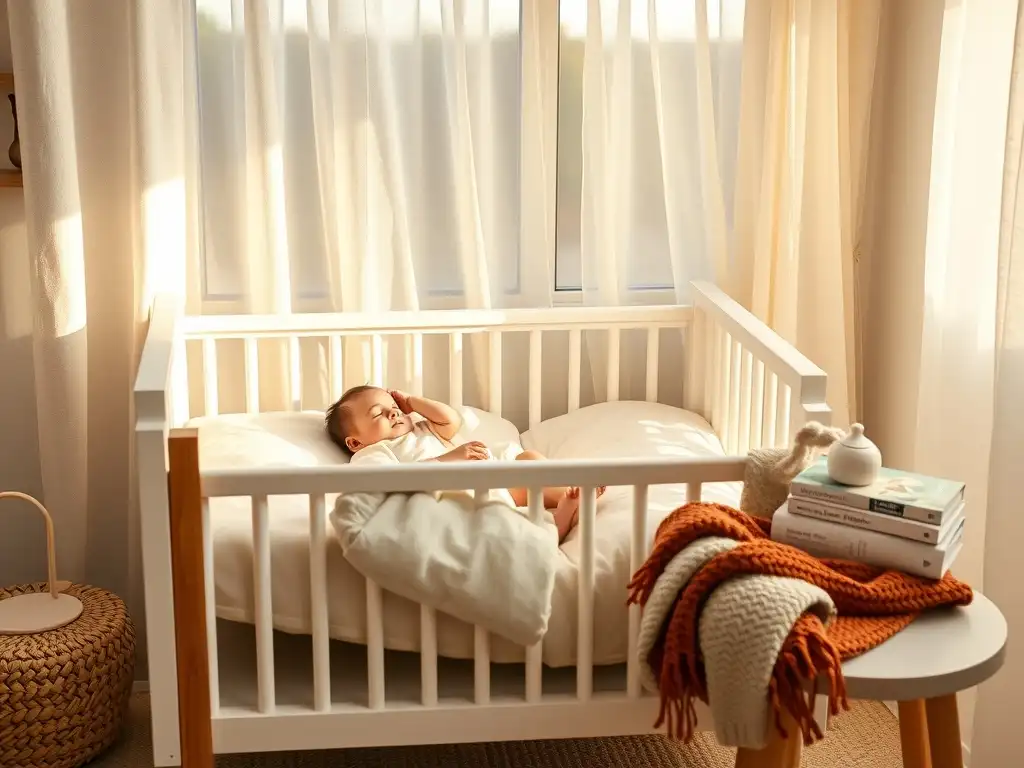
This section explores how to cultivate a peaceful sleep environment for your baby without relying on white noise machines. Creating an optimal sleep space contributes significantly to better sleep for your little one, even without the ubiquitous hum of a sound machine. Remember, the goal is to create a space conducive to baby sleep without white noise, focusing on factors that naturally promote relaxation and rest.
Optimizing Your Baby's Nursery for Peaceful Sleep: Darkness and Temperature
A dark and comfortably cool room is crucial for healthy sleep. Light, even dim light, can interfere with melatonin production, a hormone essential for regulating sleep-wake cycles. Invest in blackout curtains or blinds to minimize light intrusion, especially during the crucial hours of nighttime sleep. For daytime naps, consider using a sleep sack or swaddle to help block out light.
Maintaining the ideal temperature is just as important. A slightly cool room (around 68-72°F or 20-22°C) is generally recommended for baby sleep. Overheating can disrupt sleep, causing restlessness and frequent awakenings. Avoid overdressing your baby and use a lightweight blanket or sleep sack if necessary. Regularly check your baby's temperature to ensure they're comfortable. Consider a room thermometer to monitor the temperature consistently.
Remember, consistent temperature and darkness are key components of achieving baby sleep without white noise. These environmental factors significantly impact your baby's ability to fall asleep and stay asleep.
Establishing a Consistent Bedtime Routine to Improve Sleep Quality
A predictable and calming bedtime routine signals to your baby that it's time to sleep. This routine should be consistent every night, even on weekends, to help regulate your baby's internal clock. The routine should be short, sweet, and relaxing. Here's a sample routine:
- Bath time: A warm bath can be soothing and relaxing.
- Massage: Gentle massage can help relax your baby’s muscles.
- Pajamas and diaper change: A fresh diaper and comfortable pajamas are essential for a good night's sleep.
- Story time: Reading a short, calming story can help your baby wind down.
- Nursing or bottle feeding: Feeding your baby before bed can help them feel full and secure.
- Quiet cuddle time: Spend a few minutes cuddling your baby before placing them in their crib.
The specific elements of your routine can be adapted to your baby's needs and preferences. However, consistency is key. Sticking to the same routine every night helps your baby anticipate bedtime and promotes better sleep. This approach to creating a predictable bedtime routine is a significant factor in achieving baby sleep without white noise.
Swaddling and Other Comfort Techniques for Improved Baby Sleep
Swaddling can be incredibly effective for promoting sleep, especially for newborns. It mimics the feeling of being held and provides a sense of security. However, it's crucial to follow safe swaddling practices and discontinue swaddling once your baby shows signs of rolling over.
Other comfort techniques that can help your baby sleep better without white noise include:
- Pacifiers: Pacifiers can soothe your baby and help them self-soothe when they wake up during the night.
- Skin-to-skin contact: Skin-to-skin contact can be incredibly calming for babies and promotes bonding.
- Rhythmic movement: Gently rocking or swaying your baby can help them fall asleep.
- Shushing: A soft shushing sound can mimic the sounds your baby heard in the womb and help calm them down.
Remember, each baby is unique, and what works for one may not work for another. Experiment with different techniques to find what best suits your baby's needs. The key is to create a calm and predictable sleep environment that fosters a sense of security and comfort, enabling baby sleep without white noise.
Baby Sleep Positioning and Safe Sleep Practices: Minimizing Disruptions
Safe sleep practices are paramount for a peaceful night's sleep for both baby and parents. Incorrect positioning can lead to discomfort and awakenings, hindering your baby's ability to sleep soundly without the aid of white noise. The American Academy of Pediatrics (AAP) recommends placing your baby on their back to sleep, on a firm, flat surface, free from loose bedding, pillows, bumpers, or toys. This reduces the risk of Sudden Infant Death Syndrome (SIDS).
Ensuring your baby is comfortably positioned, but not overly swaddled, is key. Over-swaddling can restrict movement and lead to overheating, disrupting sleep. A lightly swaddled position, allowing for some leg movement, is often ideal for newborns. However, as your baby grows and becomes more mobile, it's generally recommended to discontinue swaddling to prevent rollover accidents.
Furthermore, maintaining a consistent room temperature is crucial. An overly warm or cold room can cause discomfort and wake your baby. Aim for a temperature between 68-72°F (20-22°C). Regularly check your baby's temperature by feeling their chest or back; they should feel neither too hot nor too cold.
This is especially important if you're using alternative methods to white noise for sleep, as you'll want to ensure other environmental factors aren't contributing to sleep disturbances. Addressing these factors proactively can significantly improve your baby's sleep quality, reducing the reliance on white noise or sound machines. Remember to always consult your pediatrician for personalized advice on safe sleep practices tailored to your baby's age and development. They can offer specific guidance on swaddling, room temperature, and other sleep-related concerns.
Optimizing the Baby's Sleep Space: Darkness, Temperature, and Air Quality
Creating a conducive sleep environment is vital for achieving baby sleep without white noise. Darkness plays a significant role in regulating melatonin production, the hormone responsible for sleep-wake cycles. A dark room helps signal to your baby that it's time to sleep. Blackout curtains or blinds are excellent tools for achieving this. However, a completely dark room might be too stimulating for some babies, so a dim nightlight might be a better option to help them feel secure. Experiment to find what works best for your little one.
Beyond darkness, maintaining the right temperature is essential for comfortable sleep. As mentioned previously, a temperature between 68-72°F (20-22°C) is generally recommended. However, individual preferences vary, so monitor your baby's comfort level and adjust accordingly. Overheating can lead to restlessness, while being too cold can cause shivering and discomfort, both disrupting sleep. Regularly check the temperature of the room and your baby's skin.
Additionally, ensuring good air quality is important. Regularly airing out the room and using an air purifier can help remove dust mites and other allergens that might irritate your baby's respiratory system and lead to sleep disturbances. A clean and well-ventilated room contributes significantly to a peaceful sleep environment. These seemingly small details can collectively have a profound impact on your baby's sleep patterns and reduce the need for artificial sounds.
Introducing Soothing Rituals and Routine for Better Sleep: A Step-by-Step Guide
Establishing a consistent bedtime routine is crucial for promoting healthy sleep habits and reducing reliance on white noise. A predictable routine signals to your baby that it's time to wind down and prepare for sleep. This routine should be calming and relaxing, avoiding overly stimulating activities.
A typical routine could involve a warm bath, a gentle massage, reading a bedtime story, singing lullabies, or quiet playtime. The key is consistency – performing the same steps in the same order each night. This predictability helps regulate your baby's circadian rhythm, making it easier for them to fall asleep and stay asleep.
The duration of the routine should also be considered. Aim for a routine that is long enough to be effective but not so long that it becomes overstimulating. Around 30-45 minutes is usually sufficient for most babies. As your baby grows older, you can adjust the routine to suit their developmental stage.
For example, older babies might enjoy more interactive bedtime activities, such as playing with soft toys or listening to calming music. However, the core principle of consistency and predictability should remain. This consistent, soothing routine can signal sleep time more effectively than white noise, promoting independence and healthy sleep habits. Remember to keep the environment calm and dimly lit during this time to further enhance its effectiveness.
Addressing Underlying Sleep Issues Affecting Your Baby

White noise machines are a popular tool for promoting baby sleep, but they aren't a magic bullet. Many parents find that even with consistent white noise, their little one still struggles to sleep soundly. This often points to underlying sleep issues that need to be addressed directly.
Focusing solely on the sound masks the root cause, potentially leading to frustration for both parent and baby. Let's explore some common culprits hindering your baby's ability to sleep peacefully, even with the assistance of white noise. Achieving baby sleep without white noise might require a different approach, focusing on the underlying reasons for sleep disturbances.
Common Causes of Sleep Problems in Infants: Beyond White Noise
Infants' sleep patterns are complex and influenced by a multitude of factors. Simply relying on white noise to mask external sounds often overlooks internal issues. Some common causes of sleep disruptions include:
- Developmental Leaps: Babies experience periods of rapid development that can disrupt their sleep. These leaps often involve significant changes in their cognitive and physical abilities, leading to increased fussiness and disrupted sleep cycles. Recognizing these periods and offering extra comfort can significantly improve sleep.
- Growth Spurts: Similar to developmental leaps, growth spurts can also cause sleep disturbances. The increased energy expenditure during growth can lead to increased hunger and more frequent waking. Addressing feeding needs appropriately can alleviate this.
- Teething: The discomfort of teething can be significant, leading to restless nights. Offering teething toys, gentle massage of the gums, and pain relief medication (as advised by a pediatrician) can significantly improve sleep quality.
- Underlying Medical Conditions: In some cases, sleep problems can be a symptom of an underlying medical condition, such as reflux, allergies, or ear infections. Consulting a pediatrician is crucial if you suspect a medical issue is contributing to your baby's sleep difficulties.
Recognizing and Addressing Feeding Issues Affecting Sleep
Feeding issues are a common contributor to poor sleep in infants. Whether it's insufficient milk intake, difficulty latching, or digestive problems, feeding can directly impact a baby's ability to sleep through the night.
- Insufficient Milk Intake: Babies who aren't getting enough milk might wake more frequently due to hunger. Monitoring feeding patterns, ensuring proper latch, and potentially supplementing with formula (if necessary and under pediatrician guidance) can help.
- Reflux: Gastroesophageal reflux disease (GERD) can cause discomfort and pain, leading to frequent waking and crying. Positioning strategies, dietary changes, and medication (if prescribed) can help manage reflux.
- Lactose Intolerance or Allergies: Some babies experience discomfort from lactose intolerance or milk allergies. Identifying and addressing these issues through dietary changes can dramatically improve sleep.
Dealing with Gas and Colic: Improving Baby's Sleep Comfort
Gas and colic are notoriously disruptive to baby sleep. The pain and discomfort caused by these issues can lead to extended periods of crying and restlessness, making it difficult for your baby (and you!) to get a good night's rest.
- Identifying Triggers: Keeping a detailed feeding diary can help identify potential triggers for gas and colic. Common culprits include specific foods in the mother's diet (if breastfeeding) or certain formulas.
- Techniques for Relief: Various techniques can help alleviate gas and colic, including bicycle kicks, tummy massage, and warm baths. These methods can help to soothe your baby and promote more restful sleep. Remember to always consult your pediatrician before trying any new methods.
- Medication: In severe cases, your pediatrician may recommend medication to help manage colic symptoms. This can provide much-needed relief and improve sleep quality for both baby and parents. Understanding that baby sleep without white noise might require a multi-faceted approach, including addressing these underlying issues, is key to achieving restful nights for everyone. 😴
Identifying and Managing Other Medical Conditions Affecting Sleep
Many medical conditions can significantly impact a baby's sleep. Failing to address these underlying issues can render even the best sleep strategies ineffective. It's crucial to consult a pediatrician if your baby consistently experiences disrupted sleep despite trying various sleep aids and techniques. Some common medical conditions affecting infant sleep include:
- Reflux (Gastroesophageal Reflux Disease or GERD): Reflux occurs when stomach acid flows back into the esophagus, causing discomfort and often waking the baby. Symptoms can include spitting up, arching the back, and fussiness, particularly after feedings. Treatment may involve dietary changes, medication, or positioning techniques. A pediatrician can accurately diagnose reflux and recommend appropriate management strategies. For instance, holding your baby upright for a period after feeding can significantly reduce reflux episodes.
- Ear Infections (Otitis Media): Ear infections are a common cause of sleep disturbances in babies. The pain and discomfort associated with an ear infection can make it difficult for your baby to fall asleep and stay asleep. Symptoms include pulling at the ears, fever, irritability, and difficulty feeding. A pediatrician can diagnose an ear infection and prescribe appropriate antibiotics if necessary. Pain relief medication, such as infant acetaminophen or ibuprofen (as directed by your doctor), can help alleviate discomfort and improve sleep.
- Allergies: Allergies, whether to food or environmental allergens, can lead to congestion, coughing, and skin irritation, all of which can disrupt a baby's sleep. Symptoms may include sneezing, runny nose, itchy eyes, and skin rashes. Working with an allergist or pediatrician to identify and manage allergies is crucial for improving sleep quality. This might involve dietary changes, allergy medication, or environmental modifications to reduce exposure to allergens.
- Respiratory Issues: Conditions such as asthma, bronchiolitis, or croup can cause significant breathing difficulties, leading to frequent awakenings and restless sleep. These conditions often present with wheezing, coughing, and shortness of breath. Prompt medical attention is crucial for diagnosis and treatment. A pediatrician or pulmonologist can develop a management plan that may involve medication, respiratory treatments, or environmental control measures.
- Colic: Colic is characterized by excessive crying in otherwise healthy babies, often lasting for several hours a day. The exact cause isn't fully understood, but it can significantly affect sleep. While there's no definitive cure for colic, strategies such as swaddling, white noise (if it works for your baby), and consistent routines can sometimes help. Consulting a pediatrician is important to rule out other underlying issues and receive support and guidance.
Remember, addressing these potential medical issues is paramount for achieving restful sleep for both you and your baby. Early identification and appropriate management are key to improving your baby's sleep quality and overall well-being. Always consult your pediatrician before making any changes to your baby’s care or medication routine. Ignoring potential medical issues can lead to prolonged sleep problems and negatively impact your baby's development. A healthy baby is a better sleeper! 😴
Transitioning Away From White Noise: A Gradual Approach
Successfully transitioning your baby from white noise to quieter sleep requires a gentle, gradual approach. Rushing the process can lead to disrupted sleep patterns and increased fussiness. The key is to make the change so subtle that your baby barely notices. Remember, the goal is baby sleep without white noise, but achieving this requires patience and careful observation. We'll explore strategies to minimize disruption and maximize your baby's chances of adapting smoothly. This process is unique to each child, so be prepared to adjust your approach based on your baby's individual needs and reactions.
Slowly Reducing White Noise Exposure: A Step-by-Step Guide
The most effective strategy is to gradually decrease the volume and duration of white noise exposure. Start by lowering the volume of your sound machine by a small increment – perhaps 5% – every few days. Observe your baby's sleep carefully during this period. If they seem undisturbed, continue the gradual reduction. If you notice any changes in sleep patterns (increased wakefulness, more difficulty settling), pause the reduction and maintain the current volume for a longer period before attempting another decrease.
Another approach is to shorten the duration of white noise use. If you currently use it throughout the night, try reducing the play time by 15 minutes each night until you reach your desired duration. Again, close monitoring of your baby's sleep is crucial. This method allows for a consistent sound presence, slowly decreasing the intensity.
Consider using a sound machine with a fade-out feature. This allows for a smoother transition, decreasing the intensity of the sound gradually over a set time period. This gentle tapering off can minimize the shock to your baby’s system. Remember that consistency is key; sticking to a schedule will help your baby adapt more easily.
| Volume Reduction Strategy | Duration Reduction Strategy | Notes |
|---|---|---|
| Reduce by 5% every 3 days | Reduce by 15 minutes nightly | Monitor sleep closely, adjust as needed |
| Reduce by 10% every week | Reduce by 30 minutes weekly | Be patient, consistency is paramount |
| Use fade-out feature | Gradually eliminate nighttime use | Observe for signs of distress or disruption |
Introducing Alternative Soothing Methods Gradually
As you slowly reduce white noise, simultaneously introduce alternative soothing methods. These methods can help create a sense of comfort and security, minimizing reliance on the sound machine. Consider these options:
- Gentle rocking or swaying: The rhythmic motion can be very soothing.
- Soft humming or singing: Your voice is incredibly comforting.
- A pacifier: For babies who use them, a pacifier can be a self-soothing tool.
- Skin-to-skin contact: Holding your baby close provides warmth and security.
- A weighted blanket or swaddle: The gentle pressure can be calming.
- A comforting object: A favorite stuffed animal or blanket can provide a sense of familiarity and security.
Introduce these alternatives gradually, combining them with the reduced white noise. For example, you might rock your baby for 5 minutes before placing them down with a lower volume of white noise. Over time, you can gradually increase the duration of the alternative method and decrease the white noise.
Monitoring Your Baby's Sleep During the Transition
Closely monitor your baby's sleep patterns throughout the transition. Keep a sleep diary to track their sleep duration, wake-ups, and any noticeable changes in behavior. Note the time of day when they seem most affected by the noise reduction. This detailed record will provide valuable insight into their responses and help you adjust your strategy accordingly. Look for signs of sleep disruption such as increased fussiness, difficulty settling, more frequent night wakings, or changes in their usual sleep cycles.
If you observe significant sleep disturbances, don't hesitate to slow down the process or even temporarily revert to the previous white noise level. Remember, the goal is a calm and peaceful transition, prioritizing your baby's well-being above all else. Patience and flexibility are key to successful weaning from white noise. 🎉 You've got this!
Responding to Night Wakings Without White Noise
Transitioning your baby away from white noise means preparing for an increase in night wakings, at least initially. This is perfectly normal; your baby is adjusting to a new sleep environment and may rely on the consistent sound for self-soothing. The key is to respond to these wakings with patience and consistency, reinforcing healthy sleep habits without reverting back to the white noise. Instead of immediately reaching for the sound machine, try these techniques:
First, observe your baby before intervening. Often, babies will self-soothe and return to sleep on their own within a few minutes. Give them a chance. This teaches them valuable self-soothing skills, crucial for independent sleep. A dimly lit room can help with this process. Avoid turning on bright lights, which can disrupt their sleep cycle.
If your baby continues to cry, employ a gentle and gradual approach. Start with a quiet, reassuring presence. You might softly pat their back, offer a pacifier (if you use one), or simply whisper soothing words. Avoid picking them up unless absolutely necessary, as this can create a dependency. The goal is to comfort them without fully waking them. Remember, consistency is key; responding the same way each time helps your baby learn to associate nighttime with quiet comfort rather than immediate attention.
Consider implementing a modified "check-and-console" method. This involves checking on your baby at increasingly longer intervals (e.g., 5 minutes, then 10 minutes, then 15 minutes). Each time you check, offer minimal comfort and then leave the room. This teaches your baby to fall back asleep independently, while still providing reassurance that you are there.
Some babies respond well to physical comfort, such as a weighted blanket or a special lovey. These provide tactile comfort that can mimic the constant sound of white noise. Experiment to see what works best for your little one. Remember, every baby is different and what works for one may not work for another.
Finally, track your baby's sleep patterns. Keeping a sleep diary can help you identify patterns and triggers for night wakings. This information can be invaluable in adjusting your approach and understanding your baby's needs. Note the times of wakings, the duration of crying, and the methods you used to soothe your baby. This data will inform your future strategies and highlight any adjustments needed. This detailed record allows you to assess the effectiveness of your techniques over time, facilitating a more informed and successful transition away from white noise.
When to Seek Professional Help for Baby Sleep Issues
Many parents successfully utilize white noise or sound machines to help their babies sleep. However, sometimes these methods aren't enough, and persistent sleep problems can significantly impact the entire family's well-being. Knowing when to seek professional help is crucial for both the baby's development and the parents' sanity. This section focuses on identifying those crucial moments when professional intervention becomes necessary for achieving baby sleep without white noise or other sleep aids, and how to find the right support.
Recognizing Signs that Professional Intervention is Necessary
Persistent sleep problems aren't just about occasional sleepless nights. They become a cause for concern when they consistently disrupt the baby's development and the family's routine. Here are some red flags indicating the need for professional help:
- Extreme sleep deprivation: If your baby consistently sleeps less than 10-12 hours a day (total sleep, including naps) for several weeks, despite trying various sleep strategies, including alternatives to white noise, it’s time to seek expert advice. This prolonged sleep deprivation can negatively affect their growth, immune system, and overall development.
- Failure to thrive: If your baby isn't gaining weight appropriately or showing other signs of poor physical development alongside sleep difficulties, it's vital to consult a pediatrician immediately. Sleep disruption can be a contributing factor to failure to thrive, and addressing the sleep issue is part of the solution.
- Excessive crying and inconsolability: While some crying is normal, persistent inconsolable crying during bedtime or throughout the night, even after attempts to soothe with various techniques (beyond white noise), warrants professional assessment. This could indicate underlying medical conditions or other sleep-related issues.
- Parental exhaustion and stress: Sleep deprivation significantly impacts parental mental and physical health. If you're experiencing burnout, anxiety, or depression due to your baby's sleep problems, seeking professional help is crucial for the entire family. Your well-being is essential for providing optimal care for your child.
- Underlying medical conditions: Certain medical conditions, such as reflux, allergies, or ear infections, can severely disrupt a baby's sleep. If you suspect a medical issue might be contributing to the sleep problems, consult your pediatrician first before exploring other solutions.
Remember, seeking help early is often more effective and can prevent long-term sleep issues from developing. Don't hesitate to reach out to professionals if you're struggling.
Finding a Qualified Pediatric Sleep Consultant or Doctor
Finding the right professional is key to addressing your baby's sleep challenges. Here's what to look for when seeking help for baby sleep without white noise:
- Pediatric Sleep Consultant: These specialists have extensive training in infant and child sleep. They can provide personalized guidance and strategies tailored to your baby's unique needs and your family's preferences. Look for consultants with certifications or affiliations with reputable organizations.
- Pediatrician: Your child's pediatrician is a valuable resource for ruling out any underlying medical conditions that might be affecting their sleep. They can refer you to a sleep specialist if necessary and provide overall guidance on your baby's health and development.
- Certified Child Sleep Specialist: Ensure any professional you choose has the appropriate credentials and experience working with infants and young children. Check reviews and testimonials to gauge their approach and effectiveness.
When contacting potential professionals, clearly explain your baby's sleep issues, your attempts to address them (including the use and subsequent discontinuation of white noise), and your goals for improving sleep. This will help you find a professional who understands your specific needs and can offer tailored solutions.
Understanding Different Approaches to Baby Sleep Training
Different professionals may adopt various approaches to baby sleep training. Some might focus on creating consistent sleep routines, others on addressing feeding schedules, and some on tackling underlying medical or developmental issues. It's crucial to understand these various approaches to find the best fit for your family and your baby. Remember, successful baby sleep without white noise often involves a holistic approach considering the baby's overall well-being.
- Gentle sleep training methods: These methods prioritize a gradual and supportive approach, focusing on establishing healthy sleep habits without harsh techniques. They often involve creating a calm and predictable bedtime routine and gradually reducing parental intervention during sleep.
- Behavioral sleep training: This approach emphasizes modifying the baby's behaviors associated with sleep, such as crying or seeking parental attention during the night. This often involves establishing clear expectations and using positive reinforcement.
- Combination methods: Many professionals use a combination of gentle and behavioral techniques to tailor their approach to individual needs. This flexibility ensures that the chosen method aligns perfectly with the baby's temperament and developmental stage.
Understanding the different approaches available empowers you to make informed choices and work collaboratively with the professional to achieve your goals for improved sleep for both your baby and your family. Remember, finding the right fit is crucial for a successful outcome, and patience is key.
Long-Term Strategies for Healthy Sleep Habits in Babies
This section focuses on establishing sustainable sleep practices for your baby, moving beyond the immediate reliance on white noise. Successful baby sleep without white noise hinges on creating a supportive environment and consistent routines. Remember, consistency is key for long-term sleep success. We'll explore strategies to help your little one develop healthy sleep associations that don't depend on artificial sounds.
Building a Consistent Sleep Schedule for Your Baby
A predictable sleep schedule is crucial for babies, regardless of whether you use white noise. This doesn't mean rigidly adhering to the minute, but establishing a general timeframe for naps and bedtime promotes better sleep regulation. Consider your baby's cues – yawning, rubbing eyes, fussiness – to identify their sleepy windows. Aim for a consistent bedtime and wake-up time, even on weekends, to regulate their internal clock. This consistent rhythm helps your baby's body anticipate sleep, reducing the need for sleep aids like white noise machines.
Implementing a consistent bedtime routine is equally important. This could involve a warm bath, a massage, putting on pajamas, reading a book, or singing a lullaby. The routine signals to your baby that it’s time to wind down and prepare for sleep. Keep the routine short, sweet, and consistent – around 30-45 minutes – to avoid overstimulation. The predictability of the routine will help your baby associate these actions with sleep, making it easier for them to fall asleep independently.
Data suggests that babies with consistent schedules experience fewer nighttime wakings and sleep more soundly. [Specific data on sleep improvement with consistent schedules pending]. Remember to adjust the schedule as your baby grows and their sleep needs change.
Promoting Healthy Sleep Habits for Long-Term Sleep Success
Beyond a consistent schedule, fostering healthy sleep habits is vital for long-term sleep success without reliance on white noise. This involves creating a sleep-conducive environment and addressing any underlying sleep problems. A dark, quiet, and cool room is ideal for sleep. Consider blackout curtains, a sound machine (if needed, but with gradually decreasing volume over time), and a comfortable sleep surface. A consistent sleep environment helps signal to your baby that it's time to sleep.
It's important to distinguish between soothing your baby to sleep and teaching them to self-soothe. While comforting your baby when they wake up is perfectly acceptable, avoid rocking or feeding them to sleep every time. These practices can create sleep associations that make it difficult for your baby to fall asleep independently. Instead, gently reassure your baby and encourage them to self-soothe, gradually decreasing your intervention over time.
Teaching self-soothing techniques, such as using a lovey or pacifier, can be beneficial. These comfort objects provide a sense of security and can help your baby to calm down and fall asleep on their own. Remember, the goal is to equip your baby with the skills they need to fall asleep and stay asleep independently, without the reliance on external stimuli like white noise. This process may take time and patience, but the results are well worth the effort.
Addressing Regression and Maintaining Sleep Habits
Sleep regressions are normal developmental phases where your baby's sleep patterns temporarily change. These regressions can occur at various ages, often coinciding with developmental leaps or illnesses. During regressions, your baby might wake more frequently, have difficulty falling asleep, or experience changes in their sleep cycle. While it can be challenging, maintaining consistency is key during these periods. Stick to your established sleep schedule and bedtime routine. This consistency provides a sense of security and predictability for your baby, helping them navigate the changes in their sleep patterns.
If your baby's sleep regression persists or seems particularly disruptive, consider consulting your pediatrician to rule out any underlying medical issues. Sometimes, a temporary adjustment to the routine, such as a slightly earlier bedtime or additional comforting measures, can be helpful. However, avoid drastic changes to the routine, as this can further disrupt your baby's sleep. Remember, patience and consistency are essential during sleep regressions.
The goal is to reinforce the healthy sleep habits you’ve already established, helping your baby return to their usual sleep pattern. The key is to ride out the regression without resorting back to heavy reliance on white noise. This approach builds resilience and reinforces independent sleep skills. 😴
Frequently Asked Questions
What are some alternatives to white noise for helping my baby sleep?
Many alternatives exist! Consider gentle music, nature sounds (like rain or ocean waves), or a fan. You can also try shushing or humming softly.
My baby seems dependent on white noise. How can I wean them off it?
Gradually reduce the volume and duration of the white noise over several nights. Introduce a new sleep aid simultaneously, like a comfort object or a calming routine. Be patient; it takes time.
Is it harmful to use white noise machines for babies?
While generally safe, excessively loud white noise can damage hearing. Ensure the volume is low and the machine is placed at a safe distance. Consider using a volume-limiting device.
My baby sleeps better with white noise, but I'm concerned about the long-term effects.
While studies are ongoing, some suggest potential long-term effects on sleep development. Explore alternatives to minimize potential risks. Consider it as a temporary tool.
At what age should I stop using white noise for my baby?
There's no single answer; it depends on your baby's individual needs and responsiveness. If your baby sleeps well without it, you can gradually phase it out. But always prioritize safe sound levels.
Final Reflection: Finding Peaceful Slumber Beyond the Static
The quest for quiet, restful sleep for our little ones transcends the simple hum of a white noise machine; it's a journey into understanding the nuances of infant sleep and discovering personalized solutions that truly work. The pervasive reliance on white noise, while seemingly effective for some, often masks underlying sleep challenges and can even hinder the development of healthy sleep habits. This exploration into alternative methods highlights the importance of a holistic approach, recognizing that every baby is unique.
The impact of this journey into sleep solutions extends far beyond the crib. It forces us to question our assumptions about "easy fixes" and to prioritize a deeper understanding of our children's needs. The best thing one can give his child is a happy home.
This quote, while seemingly simple, underscores the importance of creating a peaceful and nurturing environment conducive to healthy sleep, an environment that goes beyond the artificial sounds of a machine. The shift towards personalized sleep solutions reflects a broader cultural movement towards mindful parenting and a deeper appreciation for the individual needs of each child.
Consider this your invitation to embark on a similar journey of discovery. Observe your baby's sleep patterns, experiment with the alternative methods discussed, and most importantly, trust your intuition. Don't be afraid to deviate from the "norm" and create a sleep routine that fosters a sense of calm and security, tailored specifically to your little one. The path to peaceful slumber may not always be straightforward, but the rewards – a well-rested baby and a more peaceful family – are immeasurable.
Unlock Deeper Sleep: Go Beyond White Noise
Thank you for exploring quieter sleep solutions for your baby! We hope you found helpful alternatives to traditional white noise machines. Ready to create a more peaceful sleep environment?
- Prioritize a consistent bedtime routine: This is fundamental for better sleep. Establish a calming ritual to signal bedtime, such as a warm bath, gentle massage, and a quiet lullaby.
- Experiment with nature sounds: The soothing sounds of rain, ocean waves, or a gentle forest can be surprisingly effective.
- Share your experiences! Let us know in the comments which sleep solutions have worked best for your family.
What other calming strategies have you found successful? Let's build a supportive community of parents dedicated to peaceful nights!