
Understanding the Risks of Cosleeping: How to Minimize Potential Dangers


Welcome to BabyCareHub, your ultimate guide to navigating the incredible journey of parenthood! Are you a first-time parent seeking expert advice on newborn care? Then you've come to the right place.
We're dedicated to providing you with the knowledge and confidence you need to thrive. Discover how to create a safe and nurturing environment for your little one, starting with our crucial article on safe cosleeping baby risks – understanding the potential dangers and learning how to minimize them is the first step towards ensuring a peaceful night's sleep for both you and your baby. Let's explore the world of baby care together!
- Safe Cosleeping Baby Risks: A Comprehensive Overview
- Minimizing Cosleeping Risks: Creating a Safe Sleep Environment
- Safe Cosleeping Practices for Reducing Baby Risks
- Alternatives to Cosleeping: Room Sharing and Separate Rooms
- When to Seek Professional Advice on Cosleeping and Baby Safety
- Frequently Asked Questions
- Final Reflection: A Balanced Approach to Cosleeping: Prioritizing Safety and Connection
- Unlock Safer Sleep: Your Next Steps to Cosleeping Confidence
Safe Cosleeping Baby Risks: A Comprehensive Overview
Cosleeping, the practice of a parent and baby sleeping in the same bed, is a topic surrounded by both passionate advocacy and significant concerns. While many parents find it beneficial for bonding and breastfeeding accessibility, understanding the potential risks is crucial for ensuring your baby's safety.
This article aims to provide a comprehensive overview of the dangers associated with cosleeping, focusing on how to mitigate those risks and practice safe cosleeping when choosing this option. We'll delve into the key dangers, offering practical advice to help you make informed decisions about your baby's sleep environment, ultimately contributing to a safer and more peaceful sleep for both parent and child.
Choosing the right sleep arrangement is a deeply personal decision, and this guide will equip you with the knowledge to make the best choice for your family, prioritizing your baby's well-being above all else. Remember, informed choices lead to safer and healthier outcomes.
Understanding the Dangers of Unsafe Cosleeping
Unsafe cosleeping, unfortunately, presents several significant risks to infants. These risks are often amplified by certain factors, such as parental exhaustion, alcohol or drug consumption, the use of soft bedding, and the presence of other individuals or pets in the bed. The key to safe cosleeping lies in proactive risk mitigation. Creating a safe sleep environment involves careful attention to detail and a commitment to prioritizing your baby's well-being.
Failing to adhere to safe sleep guidelines can unfortunately lead to devastating consequences. Let's explore some of the key risk factors in detail to understand how to avoid them effectively. Remember, preventing accidents is always the best approach.
Sudden Infant Death Syndrome (SIDS) and Cosleeping
Sudden Infant Death Syndrome (SIDS) remains a leading cause of infant mortality, and while the exact causes remain unclear, research suggests a correlation between unsafe cosleeping practices and a higher risk of SIDS.
Factors that increase the risk of SIDS in the context of cosleeping include:
- Soft bedding: Pillows, blankets, and loose sheets can obstruct your baby's breathing.
- Overheating: Excessive warmth can increase the risk of SIDS.
- Parental intoxication: Alcohol or drug use impairs judgment and increases the risk of accidental suffocation.
- Premature or low-birth-weight infants: These babies are at a statistically higher risk of SIDS.
- Sleeping on their stomach or side: Babies should always sleep on their backs.
Practicing safe cosleeping involves creating a firm, flat sleep surface free from loose bedding, ensuring adequate ventilation, and avoiding any substances that could impair your judgment. Regular monitoring of your baby's breathing and body temperature is also crucial. Remember, a safe sleep environment is a crucial factor in reducing the risk of SIDS. The available data strongly suggests that minimizing these risk factors significantly reduces the chances of this tragedy.
Suffocation Risks Associated with Cosleeping
Beyond SIDS, cosleeping also presents a significant risk of accidental suffocation. This can occur if the baby becomes wedged between the mattress and the wall, trapped under bedding, or accidentally smothered by a parent during sleep. The risk of suffocation is significantly higher in:
- Beds with gaps or crevices: These spaces can trap a baby's head or body.
- Soft surfaces such as waterbeds or sofas: These offer little support and increase the risk of suffocation.
- When sharing the bed with multiple adults or children: Increased movement and potential for accidental smothering increases.
- When the parent is extremely tired or unwell: Reduced awareness and responsiveness significantly increases the risk.
To mitigate suffocation risks, choose a firm mattress, remove any loose bedding from the bed, and ensure that the baby cannot roll or be pushed into any gaps or crevices. Consider using a bedside bassinet or co-sleeper that attaches to your bed, allowing proximity without the dangers of shared bedding. Prioritizing a safe sleep environment is paramount. Remember, a vigilant and aware parent is the best defense against accidental suffocation. Regular monitoring and awareness are key components of safe cosleeping.
Accidental Injury During Cosleeping
Accidental injury is a significant concern when it comes to safe cosleeping. The close proximity of the parent and baby during cosleeping increases the risk of accidental suffocation, strangulation, or entrapment. For example, a parent might roll over onto the baby during sleep, unintentionally restricting their breathing. This risk is heightened if the parent is fatigued, under the influence of alcohol or drugs, or if the sleeping surface is soft or uneven.
A baby could also become entangled in bedding, such as loose blankets, pillows, or bumpers, leading to suffocation or restricted airflow. The risk of accidental injury is not limited to suffocation; parents could inadvertently injure their baby during restless sleep, through a sudden movement or roll. The use of soft bedding, such as a waterbed or sofa, dramatically increases this risk. Furthermore, if multiple people are cosleeping, the risk of accidental injury multiplies.
The severity of accidental injuries can range from minor bruises to severe trauma, even death. It's crucial to understand that even seemingly minor injuries can have long-term consequences for a baby's development. The potential for serious harm underscores the importance of mitigating risks through careful planning and preventative measures. For instance, parents who choose to cosleep should ensure they are well-rested, avoid alcohol and drug use before bed, and create a safe sleeping environment.
This means eliminating soft bedding, ensuring the baby sleeps on a firm surface, and selecting sleep attire that minimizes the risk of entanglement. A thorough understanding of the potential dangers associated with cosleeping empowers parents to make informed decisions that prioritize their baby's safety. Regularly reviewing and updating safety measures is essential, as babies grow and their needs change. Remember, consistent vigilance and proactive risk reduction are paramount in ensuring a safe cosleeping experience.
Minimizing Cosleeping Risks: Creating a Safe Sleep Environment
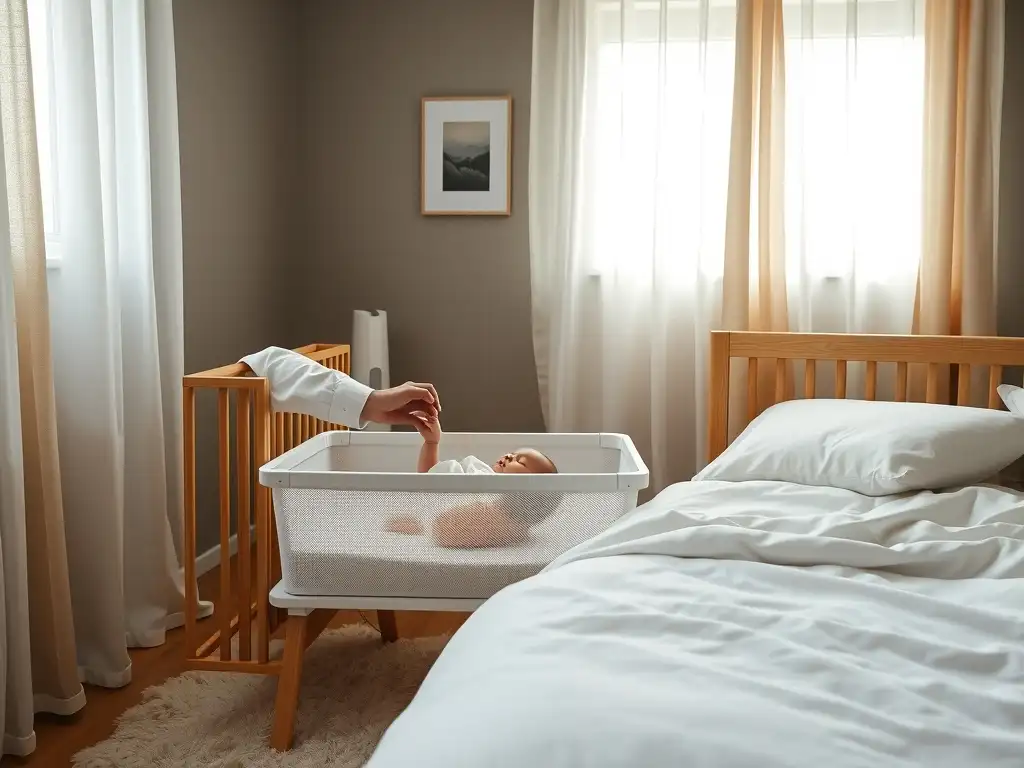
Cosleeping, while offering benefits like increased bonding and easier breastfeeding access, presents inherent risks if not approached cautiously. Understanding and mitigating these risks is crucial for ensuring your baby's safety. This section focuses on practical steps to create a safe cosleeping environment, minimizing the potential dangers associated with this practice. Remember, a safe cosleeping setup prioritizes a firm, flat surface free from hazards and ensures your baby is positioned correctly to prevent suffocation or overheating. The goal is to balance the advantages of cosleeping with the paramount importance of your baby's safety and well-being. Let's delve into the specifics.
Choosing a Safe Cosleeping Surface
The foundation of safe cosleeping is a secure and appropriate sleeping surface. Avoid soft surfaces like sofas, armchairs, or waterbeds, as these significantly increase the risk of suffocation. Instead, prioritize a firm, flat mattress on the floor or a firm bed. A crib placed directly adjacent to your bed offers a compromise between cosleeping and a dedicated sleep space.
Consider the height of your bed and the possibility of your baby rolling off. If your bed is high off the ground, a mattress on the floor might be safer. The surface should be large enough for your baby to sleep comfortably but not so vast as to allow them too much space to roll and become entangled in bedding.
A firm surface minimizes the risk of your baby sinking into soft materials, reducing the likelihood of rebreathing exhaled carbon dioxide or becoming trapped. Prioritize a space dedicated solely to sleep and avoid sharing a bed with other adults, siblings, or pets. A dedicated cosleeping bed or a sidecar crib offers an ideal solution, ensuring both proximity and safety.
Selecting Appropriate Bedding for Cosleeping
Bedding selection is another critical aspect of safe cosleeping. Overheating is a significant risk factor, so avoid using excessive blankets, pillows, or stuffed animals. These items can obstruct your baby's breathing and increase the risk of Sudden Infant Death Syndrome (SIDS). Opt for lightweight, breathable bedding materials such as cotton.
A single, lightweight blanket tucked securely around your baby’s feet is sufficient, avoiding covering their head or face. Remember, babies regulate their temperature differently than adults, so it's crucial to monitor their body temperature carefully. Avoid using adult-sized pillows or comforters near your baby; these are simply too large and pose a suffocation risk. Consider using a sleep sack or swaddle, which can help regulate your baby's temperature and prevent them from kicking off their blankets.
Keeping the room at a comfortable temperature is also paramount. A cool, well-ventilated room is ideal, preventing overheating and creating a safe sleeping environment. Regularly check your baby's temperature and adjust bedding accordingly.
Positioning Your Baby for Safe Cosleeping
The baby's position within the sleeping arrangement is crucial for safe cosleeping. Always place your baby on their back to sleep. This is a universally recommended practice to minimize the risk of SIDS. Ensure your baby's head and face are uncovered, and that nothing obstructs their breathing. Avoid placing your baby between you and your partner or any other sleeping person to prevent accidental smothering.
This is especially important if you’re tired or have consumed alcohol or drugs. Maintain skin-to-skin contact with your baby while cosleeping. This will help to regulate their body temperature and heart rate. However, skin-to-skin contact should not be so close that it restricts your baby’s breathing.
Breastfeeding mothers often find that cosleeping facilitates easier breastfeeding, but be sure to position your baby correctly to avoid rolling onto them. Regularly check on your baby throughout the night to ensure they are breathing comfortably and positioned correctly. A watchful eye and a safe sleep environment are the cornerstones of safe cosleeping. Remember, awareness and proactive measures are key to mitigating the risks associated with cosleeping and ensuring a safe and healthy sleep for your baby.
Avoiding Hazards in the Cosleeping Area
Creating a safe cosleeping environment is paramount to minimizing risks. This involves a meticulous assessment of your sleeping area and the removal of any potential hazards. Soft bedding, for example, is a significant risk factor. Babies should never sleep on a waterbed, sofa, armchair, or other soft surface.
These surfaces present a suffocation risk due to the baby sinking into the soft material and being unable to breathe freely. Even seemingly safe surfaces like a thick, fluffy mattress can pose a danger. Opt for a firm mattress that conforms to safety standards. The surface should be flat and even, providing a stable and secure sleeping area for your baby.
Furthermore, you need to eliminate any loose bedding or items that could cover your baby's face. This includes pillows, blankets, comforters, stuffed animals, and even loose clothing. While a light receiving blanket might seem harmless, it can easily shift during sleep and cover the baby's nose and mouth, leading to suffocation. The American Academy of Pediatrics (AAP) strongly advises against using any loose bedding in the cosleeping area. Instead, consider using a sleep sack or swaddle, which keeps the baby warm without the risk of loose fabric. Remember, a safe sleep environment is a bare sleep environment.
Another crucial aspect of avoiding hazards is securing the sleeping area. Ensure there are no gaps between the mattress and the bed frame, or between the bed and the wall, where the baby could become trapped. Similarly, keep cords from blinds, curtains, or electrical devices away from the bed. These cords present a strangulation risk, a danger that is often overlooked. Consider using cord covers to protect your baby from this potential hazard.
Regularly check the sleeping area for any new hazards that might have emerged – a dropped toy, a misplaced item of clothing – and remove them promptly. This proactive approach to safety is essential for protecting your little one. Even small things, seemingly innocuous, can become a significant safety concern in the context of cosleeping. Vigilance is key.
Safe Cosleeping Practices for Reducing Baby Risks
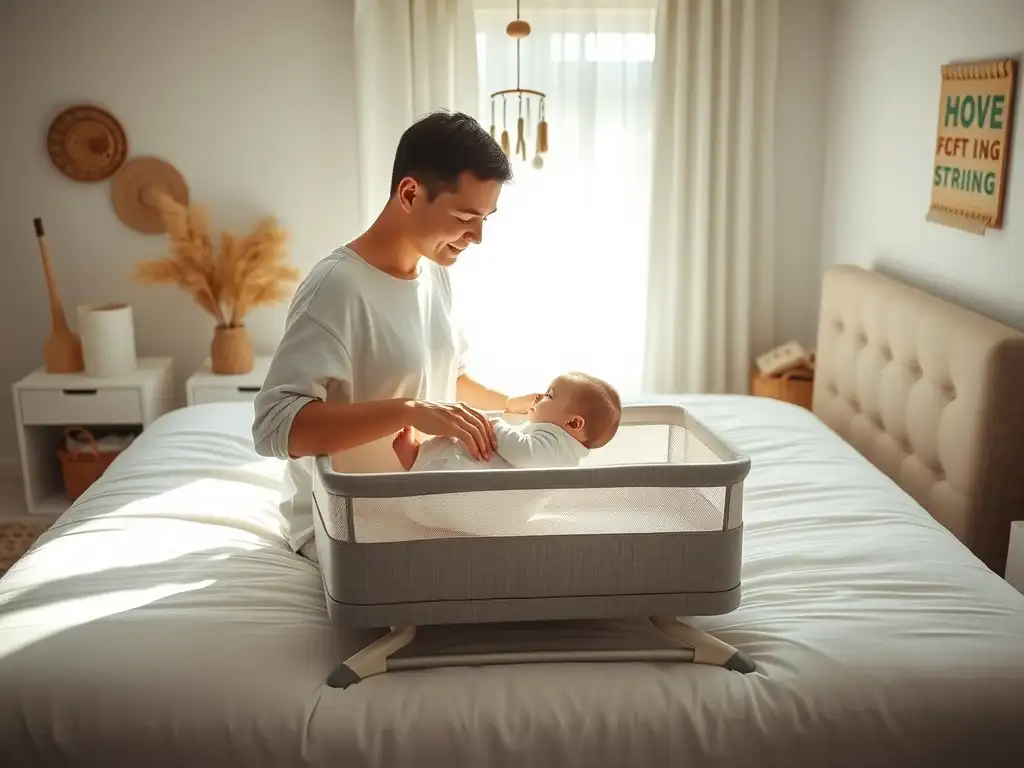
Cosleeping, while offering bonding benefits for parents and babies, presents inherent risks if not approached with meticulous care. Understanding and implementing safe cosleeping practices significantly reduces the potential dangers associated with this sleeping arrangement. This section focuses on crucial preventative measures to mitigate risks and promote a safe sleep environment for your baby. Remember, prioritizing safety is paramount when considering cosleeping. Proper precautions are key to ensuring a peaceful and secure sleep experience for both parent and child. The goal is to minimize the chances of Sudden Infant Death Syndrome (SIDS) and other sleep-related infant deaths.
Maintaining a Smoke-Free Environment
A smoke-free environment is absolutely crucial for safe cosleeping. Exposure to secondhand smoke is a significant risk factor for SIDS and respiratory problems in infants. Even low levels of environmental tobacco smoke can have detrimental effects on a baby's developing lungs and increase the likelihood of Sudden Infant Death Syndrome. This risk extends beyond direct exposure during cosleeping; lingering smoke particles in the sleeping area can also pose a threat.
Therefore, it's essential to completely eliminate smoking within the home and even nearby areas where the baby might spend time. This includes not only cigarettes but also cigars and pipes. Furthermore, parents who smoke should refrain from smoking immediately before handling or cosleeping with their baby, as the residual smell on clothing and hair can still expose the infant to harmful chemicals.
Consider designating specific smoke-free zones within the home and adhering strictly to them to create a safe haven for your baby. The health and safety of your baby should always be the top priority. A smoke-free environment is a fundamental step towards safe cosleeping.
Avoiding Alcohol and Drug Use Before Cosleeping
Cosleeping while under the influence of alcohol or drugs is extremely dangerous and should be strictly avoided. Alcohol and drugs impair judgment, reflexes, and breathing, increasing the risk of accidental suffocation or overlaying the baby. Even small amounts of alcohol or drugs can significantly alter breathing patterns and responsiveness, making it difficult to react quickly to any signs of distress in your baby.
Important Note: Never cosleep with your baby if you have consumed alcohol or drugs. The risks far outweigh any potential benefits. Arrange for alternative sleeping arrangements, such as having another responsible adult care for the baby, or utilizing a crib or bassinet in the same room.
The consequences of impaired judgment while cosleeping can be catastrophic. It's crucial to prioritize your baby's safety and refrain from cosleeping when under the influence of any substances. This commitment to safe cosleeping practices is essential for protecting your baby's well-being. Planning ahead for safe sleep arrangements is vital.
Monitoring Baby's Breathing and Position During Cosleeping
Continuous monitoring of your baby's breathing and position is vital during cosleeping. While it's impossible to constantly watch your baby, remaining vigilant and checking on your baby regularly can help identify potential issues. Avoid heavy bedding or loose items in the sleeping area that could cover the baby’s face and restrict breathing.
| Potential Risk | Mitigation Strategy |
|---|---|
| Suffocation from loose bedding | Use a firm mattress with a fitted sheet; avoid pillows, blankets, and toys. |
| Overlaying | Maintain awareness of your position relative to the baby. |
| Restricted breathing | Ensure baby’s face is uncovered and unobstructed. |
Regularly checking on your baby allows for early detection of any breathing difficulties or unusual positioning. This proactive approach significantly reduces the risk of accidental suffocation or other sleep-related incidents. Remember, attentive monitoring is a cornerstone of safe cosleeping. Prioritizing your baby's safety through vigilance is a crucial aspect of responsible cosleeping. Your awareness and attentiveness are key to a safe sleep environment for your little one. 😴
Recognizing Signs of Potential Problems During Cosleeping
Careful observation is crucial when cosleeping. While cosleeping offers benefits like increased bonding and easier breastfeeding access, it's vital to be aware of potential hazards and react swiftly to any warning signs. These signs can indicate a situation that requires immediate intervention to ensure your baby's safety. A parent's attentiveness is the first line of defense against accidental suffocation or other cosleeping-related incidents.
One critical sign to watch for is changes in your baby's breathing. Irregular breathing patterns, pauses in breathing (apnea), or labored breathing should prompt immediate action. These could be indicators of a serious underlying health condition or a dangerous cosleeping situation. If you notice any of these, gently rouse your baby and check their responsiveness. If they remain unresponsive or their breathing remains labored, seek immediate medical attention. Don't hesitate to call emergency services if you are concerned.
Another important warning sign is your baby's skin color. If your baby's skin turns blue or gray (cyanosis), it's a clear indication of a lack of oxygen and requires immediate attention. This is a medical emergency and warrants an immediate call to emergency services while simultaneously attempting to rouse your baby and ensure they are breathing freely. Quickly assess the sleeping environment and remove any potential obstructions.
Beyond breathing and skin color, observe your baby's position and overall comfort. If your baby is consistently found in an unusual or uncomfortable position, such as face down or wedged between bedding and you, this could pose a suffocation risk. Adjust your baby's position gently to ensure they are lying on their back with their face uncovered. Ensure the sleeping surface is firm and flat, free from pillows, blankets, or any other soft items that could obstruct their breathing.
Finally, pay attention to your own sleep patterns. If you are consistently extremely tired or struggling to stay awake while cosleeping, this significantly increases the risk of accidental injury or suffocation to your baby. Prioritize getting adequate rest. Consider alternating nights with your partner or utilizing a baby monitor with movement sensors to increase vigilance and ensure the baby’s safety.
Remember, exhaustion impairs judgment and reflexes, making it more difficult to respond to warning signs. If you are consistently sleep-deprived, consider adjusting your cosleeping practices or seeking additional support to ensure both you and your baby are safe. Prioritizing your sleep is just as important as prioritizing your baby's safety in this context.
Alternatives to Cosleeping: Room Sharing and Separate Rooms
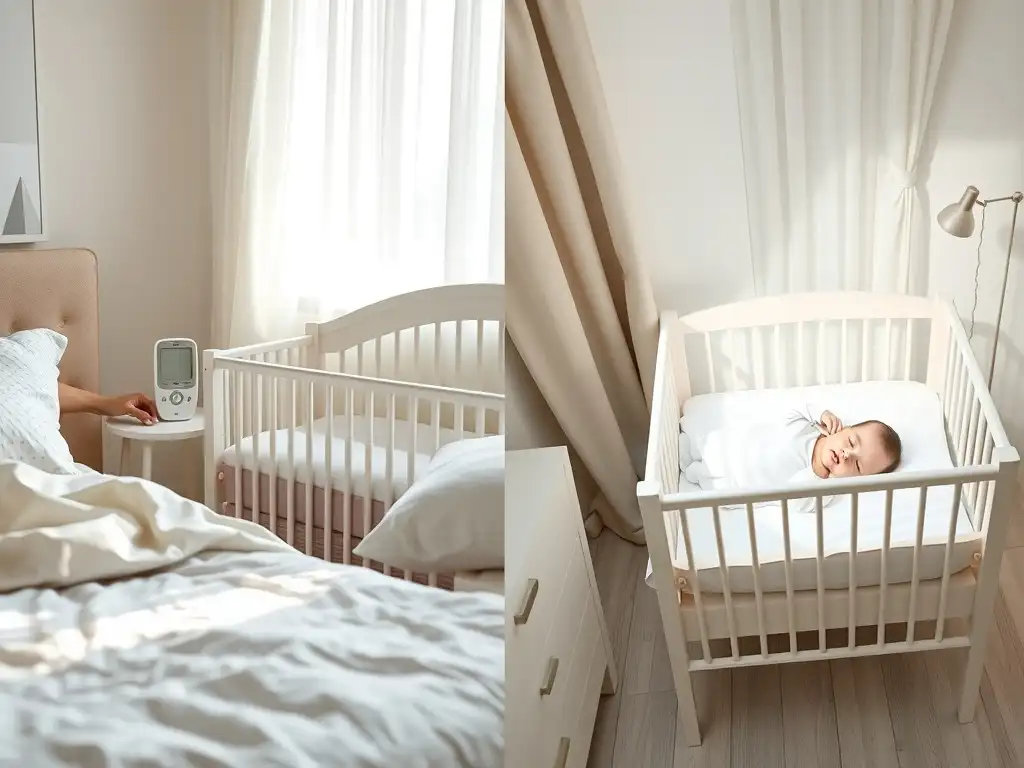
Cosleeping, while offering bonding benefits for some parents, presents inherent risks. Understanding these risks is crucial for prioritizing your baby's safety. Fortunately, there are safe and effective alternatives to cosleeping that still promote closeness and parental responsiveness. Let's explore room sharing and separate rooms as viable options.
Room Sharing: Benefits and Safety Considerations
Room sharing, where your baby sleeps in their own crib or bassinet in your room, offers a happy medium between cosleeping and separate sleeping arrangements. It allows for easy nighttime monitoring and quick responses to your baby's needs, minimizing risks associated with cosleeping while still fostering a sense of proximity.
Many studies highlight the reduced risk of Sudden Infant Death Syndrome (SIDS) associated with room sharing. The American Academy of Pediatrics (AAP) recommends room sharing for at least the first six months, and ideally for the first year, of your baby's life. This proximity allows you to easily check on your baby throughout the night, attend to their cries promptly, and provide comfort and reassurance.
However, room sharing isn't without its considerations. It's vital to ensure the baby's sleeping space is safe. This means:
- A firm, flat sleep surface. Avoid soft surfaces like adult beds or sofas.
- A properly fitted crib mattress. Gaps between the mattress and crib sides should be minimal to prevent entrapment.
- No loose bedding, blankets, pillows, or toys in the crib. These can pose suffocation risks.
- Maintaining a safe room temperature. Overheating is a SIDS risk factor.
The benefits of room sharing, particularly in reducing the risk of SIDS, significantly outweigh the potential drawbacks when appropriate safety measures are implemented. Parents should prioritize creating a safe and comfortable sleeping environment for their baby while enjoying the convenience of proximity. Remember to always place your baby on their back to sleep.
Separate Rooms: Advantages and Disadvantages for Baby Safety
While room sharing is generally recommended for the first year, transitioning your baby to their own room is a common practice. This decision often depends on factors like family dynamics, living space, and parental preferences.
The primary advantage of a separate room is the potential for improved sleep quality for both parents. The sounds and movements of a baby in the same room can disrupt parents' sleep, leading to fatigue. A separate room can offer a more peaceful sleep environment, promoting better rest and reducing parental stress. This, in turn, indirectly contributes to baby safety by ensuring parents are well-rested and more attentive during daytime interactions.
However, the main disadvantage is the increased distance from the baby. This requires a more proactive approach to monitoring, such as using baby monitors to listen for your baby's sounds. While baby monitors offer peace of mind, it's crucial to remember that they are not a replacement for regular checks. The increased distance also means a slightly delayed response time to your baby's cries, potentially increasing the risk of prolonged distress if not managed effectively.
Careful consideration should be given to the potential downsides of separate rooms, especially for newborns and infants. The transition should be gradual, and parents should always prioritize their baby’s safety and well-being. The decision of when to transition to a separate room is a personal one, and parents should base their choice on their individual circumstances and their baby's developmental needs. Remember to always follow safe sleep guidelines regardless of the chosen sleeping arrangement. This includes placing your baby on their back to sleep on a firm surface, free from loose bedding.
When to Seek Professional Advice on Cosleeping and Baby Safety
Safe cosleeping requires careful consideration and a proactive approach to minimizing risks. While many parents successfully cosleep with their infants, understanding when professional guidance is crucial is paramount. This section focuses on identifying situations where seeking expert advice is not just recommended, but essential for ensuring your baby's safety. Ignoring potential dangers can have severe consequences, so prioritizing professional input in high-risk scenarios is vital for safe cosleeping practices. Remember, your baby's well-being is the top priority.
Consulting with a Pediatrician or Sleep Specialist
Consulting a pediatrician or a certified sleep specialist is highly recommended before initiating cosleeping, especially for first-time parents. They can assess your individual circumstances, considering factors such as your baby's health, your sleep habits, and your living environment. A comprehensive evaluation helps mitigate potential risks.
For instance, if your baby was born prematurely or has underlying health conditions like reflux or respiratory issues, a pediatrician can provide tailored advice on safe sleeping arrangements. They can address specific concerns and offer personalized recommendations, ensuring you're taking the right steps to safeguard your baby. Similarly, a sleep specialist can help you establish healthy sleep habits for both you and your baby, minimizing the likelihood of accidental suffocation or other sleep-related incidents.
They can guide you on appropriate positioning, bedding, and overall sleep environment optimization. Don't hesitate to seek professional guidance; it's an investment in your baby's safety and well-being.
Identifying Risk Factors for Unsafe Cosleeping
Several factors significantly increase the risk of unsafe cosleeping. Recognizing these risk factors is crucial for making informed decisions and seeking professional help when necessary. Failing to address these issues can lead to tragic consequences. Therefore, understanding and mitigating these risks is non-negotiable for safe cosleeping.
Here's a table summarizing key risk factors for unsafe cosleeping:
| Risk Factor | Description | Mitigation Strategies |
|---|---|---|
| Parental Sleep Deprivation | Exhausted parents are more prone to accidental smothering. | Prioritize getting sufficient rest; consider alternating nighttime duties with a partner. |
| Smoking or Substance Use | Nicotine and other substances impair judgment and increase the risk of accidental injury or suffocation. | Abstain from smoking and substance use completely. |
| Premature or Low Birth Weight | Premature or low birth weight babies are more vulnerable to sleep-related problems and require extra precautions. | Close monitoring; consult with a pediatrician for personalized advice on safe sleeping arrangements. |
| Soft Bedding/Loose Items | Soft bedding, pillows, blankets, and stuffed animals can increase the risk of suffocation. | Use a firm mattress; avoid loose bedding, pillows, and toys in the sleeping area. |
| Overheating | Overheating can lead to sleep apnea and other sleep-related problems. | Dress your baby appropriately for the room temperature; avoid excessive layering. |
| Co-sleeping on a Couch or Chair | Sofas and chairs are extremely dangerous co-sleeping surfaces and significantly increase the risk of suffocation. | Never co-sleep on a sofa, armchair, or other soft surface. |
| Underlying Medical Conditions | Certain medical conditions in either parent or child can increase risks. | Consult with a pediatrician or sleep specialist to address specific concerns and develop a safe plan. |
Remember, safe cosleeping is not about eliminating the risks entirely, but about minimizing them as much as possible through careful planning, awareness, and professional guidance when needed. Prioritizing your baby's safety should always be your top priority. 👶
Frequently Asked Questions
What are the main risks associated with cosleeping?
Cosleeping, while seemingly beneficial for bonding, carries risks like suffocation, entrapment, and accidental injury from the parent rolling onto the baby or the baby getting trapped between the mattress and wall. Sudden Infant Death Syndrome (SIDS) is also a concern.
How can I reduce the risks of cosleeping?
To minimize risks, ensure the sleep surface is firm and flat, avoid loose bedding, and never cosleep if you are tired, intoxicated, or using medication that could impair your alertness. Choose a safe sleep space for your baby.
Is cosleeping ever safe?
Cosleeping can be relatively safe if you follow strict safety guidelines, such as ensuring a firm sleep surface, avoiding soft bedding, and maintaining a smoke-free environment. However, it's crucial to be aware of the potential dangers.
What are safer alternatives to cosleeping?
Consider placing your baby in a crib or bassinet in your room. This allows for proximity while minimizing the risks associated with direct bed-sharing. Room-sharing is often recommended for the first six months.
At what age is cosleeping most risky?
Cosleeping is considered most risky during the first few months of a baby's life, when the risk of SIDS is highest. As the baby gets older and develops better motor skills, the risks gradually decrease, but caution is still advised.
Final Reflection: A Balanced Approach to Cosleeping: Prioritizing Safety and Connection
The allure of cosleeping, the close physical proximity between parent and child, remains strong, yet understanding and mitigating its inherent risks is paramount for ensuring a safe and healthy sleep environment. The potential dangers, while real, shouldn't overshadow the benefits of bonding and responsiveness that many parents find invaluable. This delicate balance requires informed decision-making and a commitment to prioritizing safety.
The cultural shift towards a more nuanced understanding of infant sleep is ongoing, moving away from rigid, one-size-fits-all recommendations. We've seen a gradual acceptance of the importance of parental responsiveness and the benefits of close proximity for both parent and child. However, this shift necessitates a parallel emphasis on risk mitigation. The most important thing is to create a safe sleep environment, regardless of where the baby sleeps.
This quote encapsulates the core message: safety should never be compromised, no matter the chosen sleep arrangement. The ongoing dialogue surrounding cosleeping underscores the need for continuous education and open communication among parents, healthcare professionals, and researchers.
Consider the information presented in this article, and reflect on your own family's sleep practices. Are you actively creating a safe sleep environment, regardless of whether you cosleep or practice independent sleep? Take the time to assess your surroundings, identify potential hazards, and implement strategies to minimize risks. By prioritizing both safety and connection, you can create a nurturing and secure sleep environment for your child, fostering healthy development and a strong parent-child bond. This journey of informed decision-making is a continuous process, one that requires ongoing vigilance and a commitment to the well-being of your little one.
Unlock Safer Sleep: Your Next Steps to Cosleeping Confidence
Thank you for learning about cosleeping and its potential risks. We hope this article provided valuable information to help you prioritize your baby's safety. Now, let's put that knowledge into practice!
- Prioritize Safe Cosleeping Practices: Carefully review the safety guidelines in this article and create a checklist for your sleeping arrangements. This is crucial for ensuring a safe and comfortable sleep environment for both you and your baby.
- Share Your Experience: Have you discovered helpful tips or strategies for safe cosleeping? Share your insights and experiences with other parents in the comments below – your advice could be invaluable to others!
- Learn More: Consider exploring additional resources on safe sleep practices from reputable organizations like the American Academy of Pediatrics or La Leche League International. A comprehensive understanding will help you make informed decisions.
Ready to create a safer sleep environment for your baby? What's the first step you'll take to implement these recommendations?