
The Teething Troubles and Sleep: What Parents Need to Know

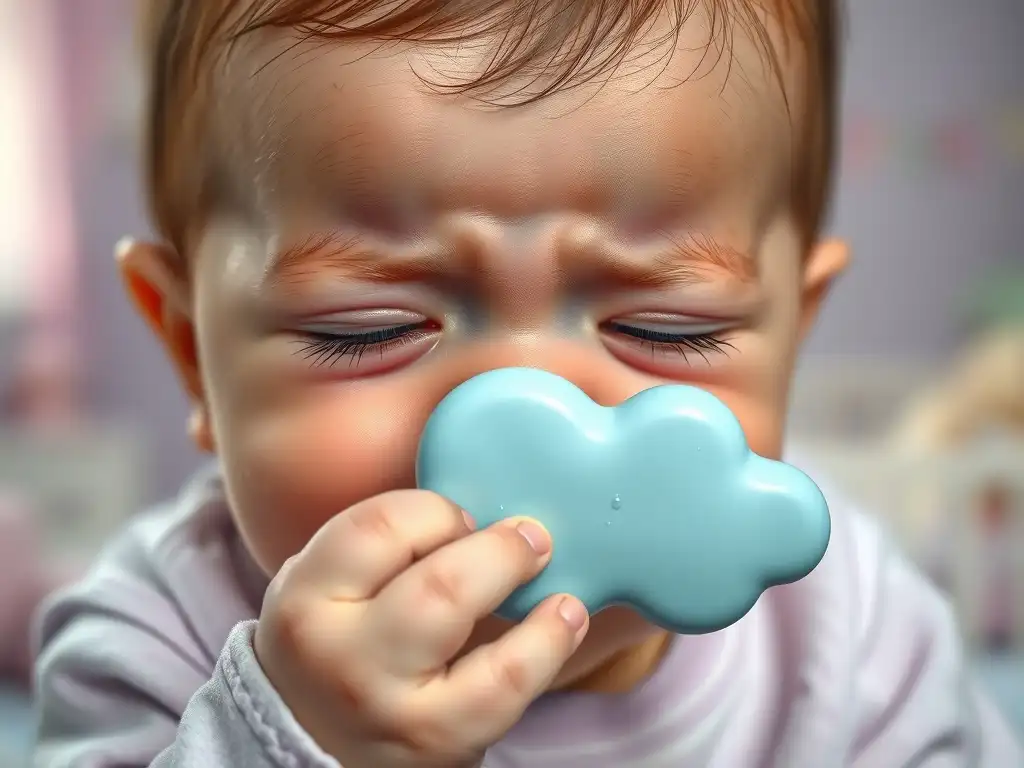
Welcome to BabyCareHub, your ultimate guide to navigating the incredible journey of parenthood! Are you facing sleepless nights due to your little one's teething? We understand the challenges of those first few months, and that's why we've created this comprehensive resource. Discover expert advice and practical solutions to help you tackle baby teething sleep problems and find the peaceful nights you and your baby deserve. Dive in and unlock the secrets to a happier, healthier, and better-rested family!
- Understanding the Connection Between Teething and Sleep Disruptions
- Common Sleep Issues During Teething
- Soothing Your Baby During Teething and Improving Sleep
- When to Seek Professional Help for Teething-Related Sleep Problems
- Long-Term Strategies for Managing Sleep During Teething and Beyond
- Baby Teething Sleep Problems: Prevention and Mitigation
-
Frequently Asked Questions
- What are the common sleep problems associated with teething?
- How can I tell if my baby's sleep problems are due to teething?
- What can I do to help my teething baby sleep better?
- Are there any home remedies to soothe teething pain and improve sleep?
- When should I seek professional help for my baby's teething-related sleep problems?
- Final Reflection: Navigating the Night: Teething, Sleep, and the Unbreakable Bond
- Unlock Your Baby's Peaceful Sleep: A Parent's Guide to Teething
Understanding the Connection Between Teething and Sleep Disruptions
Teething is a significant developmental milestone for babies, typically starting around 6 months of age and continuing for several months afterward. This process, while natural, often brings about considerable discomfort for infants, significantly impacting their sleep patterns. Many first-time parents find themselves grappling with disrupted sleep during this period, leading to exhaustion and frustration for the entire family.
This article will explore the intricate relationship between teething and sleep disturbances, providing practical insights and strategies to help parents navigate this challenging phase. We'll delve into the specific ways teething pain manifests, how it interferes with sleep cycles, and how to identify the telltale signs of teething discomfort in your little one.
Understanding these connections is crucial for effectively addressing sleep problems associated with teething and promoting a more restful night for both baby and parents. Successfully managing teething-related sleep disruptions can significantly improve the overall well-being of your baby and contribute to a happier, healthier family.
The emergence of teeth through the gums is a painful process. Infants experience pressure, inflammation, and irritation as their teeth break through the gum tissue. This pain and discomfort can be intense, making it difficult for them to settle down and fall asleep. Furthermore, the pain often intensifies at night, further disrupting sleep cycles. Babies may wake frequently, cry inconsolably, and struggle to return to sleep.
The intensity of the pain varies from baby to baby, with some experiencing mild discomfort while others suffer more severe symptoms. This variation in pain levels explains why the impact of teething on sleep can be so dramatically different across infants. Many parents report their babies being more irritable and fussy during the day as well, further compounding the exhaustion. Providing pain relief and comfort measures is essential in mitigating the impact of this pain on their sleep.
How Teething Affects Baby's Sleep Cycles
Teething doesn't just cause occasional awakenings; it can significantly disrupt a baby's entire sleep architecture. The pain and discomfort associated with teething interfere with the normal progression of sleep cycles. Babies typically cycle through different sleep stages throughout the night, progressing from lighter sleep to deeper, more restful sleep. However, teething pain can prevent them from reaching these deeper stages, resulting in frequent awakenings and lighter, less restorative sleep.
This fragmented sleep can leave both the baby and parents feeling tired and irritable. Furthermore, the increased fussiness and crying associated with teething can trigger a negative feedback loop, making it harder for the baby to self-soothe and return to sleep independently. This disruption to the natural sleep cycle further emphasizes the need for parents to understand and address the underlying cause of the sleep problems.
Recognizing the Signs of Teething Pain in Infants
Recognizing the signs of teething pain is the first step towards effectively managing sleep disruptions. While every baby is different, some common indicators include:
| Sign | Description |
|---|---|
| Excessive drooling | Increased saliva production is a very common sign. |
| Irritability and fussiness | Babies may be more cranky and difficult to soothe than usual. |
| Red and swollen gums | The gums may appear inflamed and tender to the touch. |
| Chewing and biting | Babies often try to relieve pressure by chewing on toys or fingers. |
| Low-grade fever | A slightly elevated temperature is possible, but a high fever warrants medical attention. |
| Difficulty sleeping | Frequent awakenings, restlessness, and difficulty settling down are common. |
| Ear pulling | Sometimes, teething pain can radiate to the ears, causing babies to pull on them. |
Identifying these symptoms can help parents differentiate teething-related sleep problems from other potential causes and provide targeted interventions to soothe their baby and promote better sleep. Remember, consulting your pediatrician is always advisable if you have any concerns about your baby's health or development. 👶😴
Common Sleep Issues During Teething

Teething is a significant developmental milestone for babies, typically starting around 6 months of age, but it can significantly disrupt sleep patterns. The discomfort associated with emerging teeth can lead to a variety of sleep disturbances, causing frustration for both parents and babies. Understanding these common sleep issues is crucial for navigating this challenging period and implementing effective coping strategies. This section focuses specifically on the link between baby teething sleep problems and the resulting sleep disruptions, providing practical advice to help parents manage the situation.
Increased Night Wakings and Shorter Sleep Stretches
One of the most prevalent baby teething sleep problems is an increase in night wakings. Normally well-settled babies might suddenly wake multiple times during the night, often crying or fussing. This is because the pain and discomfort associated with teething can interrupt their sleep cycles. Instead of long, restful stretches, parents might find themselves dealing with shorter, more fragmented periods of sleep for their little one.
The frequency of these wakings varies greatly depending on the baby's individual temperament and the severity of the teething discomfort. Some babies might only wake once or twice, while others might wake every hour or even more frequently. This unpredictable nature of the sleep disruption adds to the challenge for parents, making consistent sleep routines difficult to maintain.
For example, a baby who previously slept for 8-10 hours uninterrupted might now only manage 4-6 hours, broken into numerous short segments. This lack of consolidated sleep can be extremely exhausting for both parents and the baby. This is a common complaint among parents experiencing baby teething sleep problems.
Difficulty Settling Down for Sleep
Even before bedtime, the discomfort of teething can make it challenging to get your baby to fall asleep. The pain and pressure in their gums can make them restless and irritable, making it hard for them to relax and drift off. This difficulty settling can lead to prolonged bedtime routines, adding to the overall sleep deprivation experienced by the entire family.
This difficulty isn't just about the time it takes to get them to sleep; it's also about the quality of sleep they achieve. A baby struggling with teething pain might find it difficult to maintain a peaceful sleep state, even after finally falling asleep. They may frequently stir or wake, leading to a sense of never truly resting.
This cyclical pattern of difficulty settling and disrupted sleep can create a vicious cycle, making both bedtime and nighttime wakings more challenging. Effective strategies, like gentle gum massage or using a chilled teething toy, can help alleviate some of this discomfort and improve the chances of a more peaceful sleep.
Fussiness and Irritability Before Bedtime
The pain and discomfort from teething are often amplified in the evening, leading to increased fussiness and irritability before bedtime. This heightened sensitivity can manifest as clinginess, increased crying, and difficulty being soothed. The baby's usual bedtime routine, which may have previously been a calming and predictable experience, can become a source of stress and frustration for both the baby and the parent.
The increased fussiness isn't simply a matter of being tired; it's a direct result of the physical discomfort. Imagine trying to fall asleep with a persistent toothache – it's simply not possible. This is the experience many teething babies face.
Recognizing this connection between teething pain and pre-bedtime irritability is key to implementing effective soothing strategies. Parents can try offering comfort measures like gentle rocking, humming, or applying a cool compress to the gums to alleviate discomfort and make bedtime a more peaceful experience. This proactive approach can help mitigate some of the sleep disruption associated with baby teething sleep problems.
Changes in Feeding Patterns During Teething
Teething can significantly impact a baby's feeding patterns, often leading to disruptions in their usual routines. Many babies experience a decreased appetite during teething. The discomfort in their gums can make sucking, chewing, and swallowing painful, leading them to refuse their usual amount of breast milk, formula, or solid foods. This isn't necessarily a cause for alarm, provided the decrease isn't drastic and your baby is still gaining weight appropriately. Observe your baby's overall behavior; if they seem lethargic or unusually unwell alongside the decreased appetite, consult your pediatrician.
Some babies, conversely, may increase their feeding frequency during teething. This might be a comfort-seeking behavior, as sucking can soothe their sore gums. They may want to feed more often, for shorter durations, or may prefer a different feeding position than usual. This increased demand for comfort should be addressed with sensitivity and understanding. Remember to offer soothing alternatives alongside feeding, such as gentle gum massage or a chilled teething toy. This can help satisfy their need for comfort without necessarily overfeeding.
The type of food your baby consumes might also change during this period. If they are on solids, they may show a preference for cooler foods or softer textures. Avoid forcing them to eat if they are clearly uncomfortable. Offer a variety of soft foods to see what they are willing to accept, and remember that small portions are perfectly acceptable during this time. Always supervise your baby closely while feeding, especially during teething, to prevent choking hazards. The discomfort can sometimes make them less coordinated while eating.
It's crucial to remember that every baby is different. Some may experience significant changes in their feeding patterns, while others may show only minor alterations. The key is to stay attentive to your baby's cues and adjust your feeding approach accordingly, providing comfort and support during this challenging phase. Keeping a feeding diary can be beneficial in tracking changes and discussing any concerns with your healthcare provider. This allows for a more informed assessment of whether the changes are teething-related or indicative of a more serious issue.
Soothing Your Baby During Teething and Improving Sleep
Teething is a significant milestone in a baby's development, but it often comes with discomfort and disrupted sleep. The emergence of teeth can cause pain, swelling, and excessive drooling, leading to irritability and difficulty settling down for sleep. This section focuses on practical strategies to soothe your baby during this challenging period and improve their sleep quality. Understanding the connection between teething and sleep problems is crucial for parents navigating this phase. Many parents search for solutions to "baby teething sleep problems," and this guide provides evidence-based advice.
Safe and Effective Teething Remedies for Pain Relief
Many remedies can ease your baby's teething pain. However, it's crucial to prioritize safety and efficacy. Avoid using products containing benzocaine, as it has been linked to rare but serious side effects. Here are some safe and effective options:
- Cold Relief: A chilled teething ring or a clean, damp washcloth placed in the freezer for a short time can provide soothing coolness against inflamed gums. The cold numbs the pain temporarily. Ensure the item is not frozen solid to prevent frostbite.
- Gentle Massage: Gently rubbing your baby's gums with a clean finger can offer comfort. The pressure can help relieve some of the discomfort.
- Over-the-counter Medications: Consult your pediatrician before administering any over-the-counter pain relievers like acetaminophen or ibuprofen. They can advise on appropriate dosages based on your baby's weight and age. Never give aspirin to infants or young children.
- Homeopathic Remedies: Some parents opt for homeopathic remedies, but their effectiveness is not scientifically proven. Always consult your pediatrician before using any alternative therapies.
Remember to supervise your baby closely while using any teething aids to prevent choking hazards. Regularly inspect teething rings for damage and discard any that show signs of wear and tear. Monitoring your baby's response to different remedies is key to finding what works best for them.
Creating a Relaxing Bedtime Routine for Teething Babies
Maintaining a consistent and calming bedtime routine is vital, even when your baby is teething. A predictable routine signals to your baby that it's time to sleep, helping to regulate their sleep-wake cycle. Adjustments might be necessary during teething, focusing on extra comfort and soothing elements:
- Warm Bath: A warm bath before bed can be incredibly relaxing and help soothe sore gums. Add a few drops of calming essential oils (lavender or chamomile, diluted appropriately) to the bathwater for added relaxation, but only after consulting your pediatrician.
- Gentle Massage: A gentle massage, not just on the gums, but also on their arms and legs, can promote relaxation and reduce stress.
- Quiet Time: Reduce stimulation before bedtime. Dim the lights, minimize noise, and engage in quiet activities like reading a book or singing a lullaby.
- Comforting Items: A favorite stuffed animal or blanket can provide a sense of security and comfort, especially when your baby is experiencing discomfort.
Consistency is key. Even if your baby is fussy, try to maintain the routine as much as possible. This predictability can help them feel more secure and settled, leading to improved sleep. Remember, patience is crucial during this phase.
The Importance of a Comfortable Sleep Environment
A comfortable sleep environment is paramount for all babies, especially those teething. A well-designed sleep space can significantly contribute to better sleep quality:
- Temperature: Maintain a comfortable room temperature, neither too hot nor too cold. A slightly cooler room is generally preferable for sleep.
- Darkness: Ensure the room is dark enough to promote melatonin production, a hormone crucial for sleep regulation. Use blackout curtains if necessary.
- Noise Levels: Minimize noise distractions. A white noise machine or fan can help mask disruptive sounds.
- Safe Sleep Practices: Always place your baby on their back to sleep on a firm, flat surface, free from loose bedding or toys. Follow safe sleep guidelines to reduce the risk of Sudden Infant Death Syndrome (SIDS).
Creating a supportive and comforting sleep environment, combined with effective pain relief strategies and a consistent bedtime routine, can significantly alleviate "baby teething sleep problems" and contribute to better sleep for both you and your baby. Remember to always consult your pediatrician if you have any concerns about your baby's sleep or teething.
Using White Noise or Other Calming Sounds to Aid Sleep

The discomfort of teething can significantly disrupt a baby's sleep. A crying, fussy baby often makes it difficult for parents to get any rest as well. One effective strategy many parents find helpful is incorporating white noise or other calming sounds into their baby's sleep environment. The consistent, gentle sounds can mask sudden noises that might startle a teething baby awake, promoting longer stretches of sleep. White noise machines are readily available, offering a variety of sounds from static to ocean waves. However, even a simple fan can provide a similar soothing effect.
The effectiveness of white noise varies from baby to baby. Some infants are incredibly responsive, settling down almost immediately when exposed to the constant hum. Others may show little to no change in their sleep patterns. It's crucial to experiment with different sounds and volume levels to find what best suits your baby's preferences. Remember to maintain a safe distance between the sound source and your baby's crib to avoid any potential hazards.
Start by introducing white noise gradually, monitoring your baby's reaction and adjusting the volume accordingly. Always prioritize safety and ensure the volume isn't too loud. Consistent use can help create a calming association with sleep, making it easier for your baby to drift off, even amidst the discomfort of teething. Furthermore, the rhythmic sounds can mimic the womb environment, providing a sense of familiarity and security.
Adjusting Feeding Schedules to Soothe a Teething Baby
Teething often leads to increased fussiness and discomfort, making babies want to feed more frequently for comfort. While maintaining a regular feeding schedule is crucial for healthy development, you might need to be more flexible during teething periods. This doesn't mean abandoning the schedule entirely, but rather adapting to your baby's increased needs. If your baby seems particularly distressed, offering extra comfort feeds can help soothe the pain and promote better sleep.
However, it's important to be mindful of overfeeding. While extra comfort feeds can be beneficial, they shouldn't replace regular meals. Focus on providing soothing, comforting feeds rather than large, full meals. This might involve offering breast milk or formula in smaller, more frequent amounts. Always check with your pediatrician before making significant changes to your baby's feeding schedule. They can provide personalized advice based on your baby's age, weight, and overall health.
Observing your baby's cues is paramount. If they seem excessively hungry or are still distressed after a feed, it might indicate other issues beyond teething that need attention. Remember to keep a feeding diary to track your baby's eating habits and any changes observed during teething periods. This information can be invaluable when discussing your concerns with your pediatrician. The goal is to find a balance between providing comfort and maintaining healthy eating habits.
Teething is a normal developmental milestone, but it can significantly disrupt your baby's sleep. While mild fussiness and difficulty settling are common, severe sleep disturbances warrant professional attention. Knowing when to seek help is crucial for ensuring your baby's well-being and addressing any underlying concerns. This section focuses on identifying when teething pain might be masking a more serious issue, and how to navigate seeking professional advice. Remember, you're not alone in navigating these challenges; seeking professional help is a sign of responsible and proactive parenting.
Identifying Signs of Severe Teething Pain or Other Issues
It's important to distinguish between typical teething discomfort and something more serious. While drooling, mild irritability, and some difficulty sleeping are normal, look out for these red flags that might indicate a more severe problem:
- Excessive crying or inconsolable distress: A baby who is constantly crying and cannot be soothed, even with usual comfort measures, needs evaluation. This isn't just about occasional fussiness; it's about persistent, intense distress.
- High fever (above 100.4°F or 38°C): A high fever accompanying teething warrants immediate medical attention. Teething itself doesn't cause a fever of this magnitude.
- Diarrhea or vomiting: These symptoms, alongside sleep disruption, could signal a viral infection or other illness, not just teething.
- Refusal to eat or drink: Dehydration is a serious concern. If your baby is significantly reducing their fluid intake due to discomfort, professional help is necessary.
- Rash or skin irritation: While drooling can cause some skin irritation around the mouth, a widespread or unusual rash needs investigation.
- Swollen gums that are excessively red or bleeding: While some gum swelling is expected, excessive swelling, redness, or bleeding requires a check-up.
- Difficulty breathing or unusual breathing patterns: This is a critical sign requiring immediate medical attention.
The intensity and duration of these symptoms are key. While a baby might be fussy for a few hours, persistent symptoms for days or weeks need professional assessment. Trust your instincts; if something feels wrong, it's always better to err on the side of caution. Keep a detailed record of your baby's symptoms, including the frequency, duration, and severity, to share with your healthcare provider.
Consulting Your Pediatrician or Other Healthcare Provider
Your pediatrician is the best resource for addressing your concerns about teething and sleep. They can provide personalized advice based on your baby's age, medical history, and specific symptoms. During your consultation, be prepared to discuss:
- The timeline and severity of your baby's symptoms: When did the symptoms start? How long have they lasted? How intense are they?
- Your baby's overall health: Are there any other symptoms, such as fever, rash, or diarrhea?
- Your attempts to soothe your baby: What comfort measures have you tried, and have they been effective?
- Your baby's sleep patterns: Describe any changes in your baby's sleep habits, including nighttime awakenings, duration of sleep, and difficulty settling.
Your pediatrician may recommend various strategies, including over-the-counter pain relievers (always following dosage instructions carefully), teething gels or toys, and advice on soothing techniques. They can also rule out any underlying medical conditions that might be contributing to your baby's sleep problems. Remember to always follow their recommendations and seek clarification if you have any doubts.
Understanding When Teething Pain May Mask Other Underlying Conditions
It's crucial to understand that teething pain can sometimes mask other underlying health issues. The symptoms of teething—fussiness, sleep disturbances, and drooling—can overlap with those of various illnesses. This is why a thorough evaluation by a healthcare professional is essential. For example:
| Condition | Overlapping Symptoms with Teething | Distinguishing Features |
|---|---|---|
| Ear Infection | Fussiness, irritability, difficulty sleeping, pulling at ears | Fever, ear pain, decreased hearing, fluid drainage from the ear |
| Viral Infection | Fever, irritability, poor appetite, sleep disturbances | Runny nose, cough, rash, vomiting, diarrhea |
| Gastroesophageal Reflux (GER) | Fussiness, irritability, vomiting, difficulty sleeping, arching back | Frequent spitting up, forceful vomiting, weight loss |
Failure to address these underlying conditions can lead to unnecessary suffering for your baby and potentially more serious complications. Don't hesitate to seek professional medical advice if you suspect something beyond teething is causing your baby's sleep problems. Early intervention is always the best approach. Remember, a healthy baby sleeps better! 👶😴
Long-Term Strategies for Managing Sleep During Teething and Beyond

Teething is a temporary phase, but its impact on your baby's sleep can feel endless. While addressing immediate discomfort is crucial (as discussed in previous sections), establishing long-term sleep strategies is vital for navigating this and future sleep challenges. Focusing on consistent routines and healthy sleep habits will pay dividends far beyond the teething period.
Remember, a well-rested baby is a happier baby, and a happier baby contributes to happier parents! This section focuses on sustainable solutions to help you and your little one conquer those sleepless nights. We'll explore strategies for creating a nurturing sleep environment and reducing reliance on sleep aids.
Establishing Consistent Sleep Habits for Your Baby
A predictable sleep schedule is incredibly beneficial, especially during periods of discomfort like teething. Consistency helps regulate your baby's internal clock, making it easier for them to fall asleep and stay asleep. This doesn't mean rigidly adhering to the minute, but establishing a general timeframe for naps and bedtime is key. Consider these tips:
- Consistent Bedtime Routine: A calming, repetitive bedtime routine signals to your baby that it's time to sleep. This could include a warm bath, a gentle massage, reading a book, singing lullabies, or a combination of these. Keep it short, sweet, and consistent.
- Daytime Sleep: Ensure your baby gets adequate daytime sleep. Overtired babies often have more difficulty falling asleep and staying asleep, exacerbating teething-related sleep disruptions. Observe your baby's cues for sleepiness.
- Age-Appropriate Sleep Expectations: Understand that sleep needs vary depending on your baby's age. Refer to resources providing age-appropriate sleep guidelines to ensure you're not expecting too much or too little sleep from your little one. Remember that sleep regressions are normal and often occur around developmental milestones.
- Create a Sleep Sanctuary: Designate a quiet, dark, and cool space specifically for sleep. This helps signal to your baby that this is their sleep zone, promoting relaxation and sleep onset.
Gradual Weaning from Sleep Aids
Many parents rely on sleep aids like rocking, feeding, or pacifiers to soothe their babies to sleep. While these can provide temporary comfort, they can also create sleep associations that make it harder for your baby to fall asleep independently. During teething, the reliance on these aids may increase, but gradually weaning your baby off them is beneficial long-term.
- Identify the Sleep Aid: First, pin-point which sleep aid(s) your baby relies on. This helps you strategize a gradual weaning process.
- Phased Approach: Don't abruptly remove the sleep aid. Instead, gradually reduce its use over time. For example, if you rock your baby to sleep, gradually decrease the amount of rocking each night.
- Alternative Soothing Techniques: Introduce alternative soothing techniques, such as gentle patting, humming, or offering a comfort object like a special blanket or stuffed animal.
- Patience and Persistence: Weaning from sleep aids takes time and patience. Expect some setbacks, but remain consistent with your approach. Your baby will eventually learn to self-soothe and fall asleep independently.
Maintaining a Healthy Sleep Environment for Optimal Rest
Creating a conducive sleep environment is paramount for promoting restful sleep, especially during the challenging teething phase. A comfortable and calming atmosphere can significantly reduce nighttime awakenings and improve overall sleep quality.
- Temperature Control: Maintain a comfortable room temperature. A slightly cooler room is generally ideal for sleep.
- Noise Reduction: Minimize noise distractions. Consider using a white noise machine or fan to mask disruptive sounds.
- Darkness: Ensure the room is dark enough. Use blackout curtains if necessary. A dark room helps regulate melatonin production, a hormone crucial for sleep.
- Comfortable Bedding: Make sure your baby has comfortable bedding appropriate for their age and size. Avoid loose blankets or pillows that could pose a suffocation risk (Sudden Infant Death Syndrome - SIDS).
- Air Quality: Ensure good air quality in your baby's room. Proper ventilation is essential.
Remember, consistency and patience are key when addressing baby teething sleep problems. By implementing these long-term strategies, you can create a foundation for healthy sleep habits that will benefit your baby for years to come. Always consult your pediatrician if you have concerns about your baby's sleep or teething.
Baby Teething Sleep Problems: Prevention and Mitigation
Teething is a significant developmental milestone, but it often disrupts a baby's sleep, leading to sleepless nights for parents. The keyword "baby teething sleep problems" highlights a common parental concern, and understanding how to mitigate these issues is crucial. This section focuses on proactive strategies and creating a supportive sleep environment to minimize sleep disruptions during this challenging period.
Proactive Measures to Reduce Teething Discomfort
Reducing teething discomfort can significantly improve your baby's sleep. Several methods can ease the pain and irritation associated with emerging teeth. Gentle massage of the gums with a clean finger can provide soothing relief. Offering chilled (not frozen!) teething toys allows your baby to self-soothe by chewing on something firm and cool.
Some babies find relief from over-the-counter teething gels or medications containing acetaminophen or ibuprofen. Always consult your pediatrician before administering any medication to your baby, and carefully follow the dosage instructions. Never use teething remedies containing benzocaine, as these have been linked to a rare but serious side effect.
The timing of teething varies greatly between babies. Some babies begin teething as early as three months, while others may not show signs until closer to a year old. Tracking your baby's development and noting any signs of discomfort can help you anticipate teething periods and prepare accordingly. Keep a detailed record of your baby's sleep patterns and any noticeable changes during this time. This information can be invaluable when discussing concerns with your pediatrician.
Preparing for Teething Challenges in Advance
Anticipating teething challenges is key to minimizing sleep disruptions. Before your baby starts teething, establish a consistent bedtime routine. A predictable sequence of calming activities, such as a warm bath, a story, and a lullaby, can help your baby wind down and prepare for sleep. This routine provides comfort and predictability, even when teething discomfort arises.
Consider adjusting your baby's sleep environment. Ensure the room is dark, quiet, and cool. White noise machines can help mask disruptive nighttime sounds. A comfortable, breathable sleep sack or swaddle can provide a sense of security and reduce nighttime startles. Remember to always place your baby on their back to sleep, following safe sleep recommendations. A consistent sleep schedule, even during teething, contributes to better sleep overall.
It's also important to consider your own needs. Teething can be a stressful time for parents. Make sure to prioritize self-care and seek support from your partner, family, or friends. Getting enough rest yourself is essential to managing the challenges of a teething baby.
Creating a Supportive Sleep Environment to Minimize Disruptions
A supportive sleep environment plays a vital role in mitigating teething-related sleep problems. This means creating a space that's conducive to restful sleep, even when your baby is experiencing discomfort.
The temperature of the room is crucial. A slightly cooler room (around 68-72°F or 20-22°C) is generally ideal for sleep. Too warm a room can make it difficult for your baby to sleep soundly. Similarly, ensure the room is dark and quiet. Blackout curtains can help block out any unwanted light, and a white noise machine can help to mask sudden noises that might startle your baby awake.
The bedding should be comfortable and breathable. Avoid using heavy blankets or loose bedding that could pose a suffocation risk. A sleep sack is a good option as it keeps your baby warm without the risk of loose covers. Remember, consistent sleep hygiene practices are vital, regardless of teething. This includes maintaining a regular sleep schedule, even during periods of disrupted sleep.
Consistency helps regulate your baby's circadian rhythm, promoting better sleep overall. This is especially helpful for baby teething sleep problems. Even if your baby wakes frequently, sticking to the routine can help them eventually fall back asleep more easily. Patience and consistency are key during this phase. 😴
Frequently Asked Questions
What are the common sleep problems associated with teething?
Teething can cause discomfort and pain, leading to irritability, restlessness, and difficulty falling asleep or staying asleep. Babies may wake frequently throughout the night.
How can I tell if my baby's sleep problems are due to teething?
While teething can disrupt sleep, it's not the only reason. Look for other teething signs like increased drooling, fussiness, and gum swelling. Consult your pediatrician if you're unsure.
What can I do to help my teething baby sleep better?
Offer gentle massage to your baby's gums, use teething toys, and consider giving infant acetaminophen or ibuprofen (always consult your doctor first). A cool, damp washcloth can also soothe sore gums.
Are there any home remedies to soothe teething pain and improve sleep?
Some parents find that gentle gum massage with a clean finger, offering chilled teething toys, or a slightly cool washcloth helps soothe discomfort. Always supervise your baby closely.
If your baby's sleep disturbances are severe, persistent, or accompanied by other symptoms, consult your pediatrician or a pediatric dentist. They can rule out other issues and offer appropriate advice.
The relentless cries of a teething baby are a universal experience, a stark reminder of the delicate balance between parental exhaustion and the profound joy of parenthood. This delicate balance, often disrupted by sleepless nights, underscores the critical need for informed understanding and compassionate support for parents navigating this challenging phase. The information presented in this article aims to equip parents with the knowledge and strategies to better manage teething-related sleep disruptions, fostering healthier sleep patterns for both baby and caregiver.
The impact of sleep deprivation on parental well-being is often underestimated, cascading into broader family dynamics and impacting overall mental and physical health. Sleep deprivation is a form of torture,
a weary parent once confided. This simple statement encapsulates the emotional toll of persistent sleeplessness, highlighting the importance of proactive strategies and community support. The journey through teething is not merely about managing symptoms; it's about nurturing the parent-child bond during a period of intense physical and emotional change. This shared experience, though challenging, strengthens the connection and lays the foundation for future resilience.
You, the parent, are the anchor in this storm. Remember that seeking support, whether from your partner, family, friends, or healthcare professionals, is a sign of strength, not weakness. Take the information presented here, adapt it to your unique situation, and prioritize self-care alongside your baby's well-being. Embrace the messy, sleepless nights, knowing that this phase, however challenging, is temporary. The quiet moments of connection amidst the chaos will become cherished memories, solidifying the unbreakable bond between you and your little one. This journey is a testament to your strength and love; you are doing an incredible job.
Unlock Your Baby's Peaceful Sleep: A Parent's Guide to Teething
Thank you for learning about navigating the challenges of teething and sleep! We hope this article offers valuable insights and practical tips to help you and your baby. Ready to put this advice into action?
- Prioritize a consistent bedtime routine: This is key to establishing healthy sleep patterns, even during teething. Think calming baths, gentle songs, and quiet cuddles.
- Soothe your baby's discomfort: Experiment with various cooling toys or gels to find what works best. Always check with your pediatrician before using any new product.
- Connect with other parents: Join our BabyCareHub community forum and share your experiences and learn from others.
What small change will you make tonight to improve your baby's sleep?