
Sleep Training Twins: The Role of Swaddling and Sleep Sacks


Welcome to BabyCareHub, your ultimate guide to navigating the incredible journey of parenthood! Are you ready to unlock the secrets to peaceful nights with your little ones? Our comprehensive Swaddling Twins Sleep Training Guide within our Sleep Training & Routines section offers a step-by-step approach to tackling the challenges of sleep training twins, exploring the effective use of swaddles and sleep sacks. Discover how to create a soothing bedtime routine and achieve those much-needed hours of rest. Dive in and unlock the path to happier, healthier sleep for your twins – and for you!
- Understanding the Unique Challenges of Sleep Training Twins
- Swaddling Twins: A Safe and Effective Technique?
- Sleep Sacks for Twins: An Alternative to Swaddling
- Creating a Consistent Sleep Routine for Twins
- Troubleshooting Common Challenges in Twin Sleep Training
- A Comprehensive Swaddling Twins Sleep Training Guide: Key Takeaways
- Frequently Asked Questions
- Final Reflection: The Sweet Science of Twin Sleep
- Unlock Your Twins' Sleep Potential: A Step-by-Step Guide
Understanding the Unique Challenges of Sleep Training Twins
Sleep training twins presents a unique set of challenges compared to sleep training a single infant. The double the demands, double the cuddles, and double the potential for sleep disruptions can feel overwhelming for new parents. This guide focuses specifically on utilizing swaddling and sleep sacks as key components of a successful sleep training strategy for twins, acknowledging the individual needs and personalities of each infant. We'll explore how to adapt popular sleep training methods to accommodate the complexities of caring for two newborns simultaneously, offering practical tips and strategies to help you navigate this exciting, yet demanding, journey.
This comprehensive guide will address common concerns and provide evidence-based advice to promote safe and effective sleep for your twins, ultimately leading to more restful nights for the entire family. Remember, consistency and patience are key—and you are not alone in this endeavor! 🎉
The Double Trouble: Why Twins Require a Tailored Approach
Sleep training twins isn't simply a case of doubling the effort involved in sleep training a single baby. While many of the principles remain the same – establishing consistent routines, creating a conducive sleep environment – the practicalities are significantly amplified. Consider these key differences:
- Differing Sleep Schedules: Even identical twins often exhibit unique sleep patterns. One twin may be a longer sleeper, while the other may require more frequent feedings. Ignoring these individual needs and attempting a one-size-fits-all approach can lead to frustration and sleep deprivation for both parents and babies.
- Increased Demands: The demands on parents are doubled. Feeding, changing diapers, and soothing two infants simultaneously requires exceptional organization and stamina. This can lead to exhaustion and make it harder to implement and maintain a consistent sleep training plan.
- Shared Stimulation: One twin's crying or movement can easily disturb the other, creating a cycle of disrupted sleep for both. This makes creating a peaceful sleep environment even more crucial.
- Resource Management: You'll need twice the resources – cribs, swaddles, sleep sacks, and potentially more parental support. Planning ahead and organizing your resources is essential for efficient sleep training.
Addressing Individual Needs: Recognizing Differences in Sleep Patterns
Understanding that twins are individuals, even if identical, is paramount to successful sleep training. While a consistent bedtime routine is crucial for both, you may need to adjust the exact timing and components based on each twin's unique sleep cues and preferences. For instance:
- Sleep Cues: Pay close attention to each twin's individual sleep cues – rubbing eyes, yawning, becoming fussy, or decreased activity. These cues will vary slightly between twins, indicating their readiness for sleep.
- Feeding Schedules: One twin might require more frequent feedings than the other. Adjust feeding schedules to meet each infant's individual needs while maintaining a consistent overall routine.
- Swaddling Preferences: While swaddling is generally beneficial for newborns, some twins may prefer it more than others. Observe how each twin reacts to swaddling and adjust accordingly. Some might prefer a looser swaddle, while others might benefit from a tighter one (always ensuring safe swaddling practices).
- Sleep Sack Transition: The transition from swaddling to a sleep sack should also be tailored to each twin's development and preferences. Introduce the sleep sack gradually and observe their reactions. One twin might adapt easily, while the other might require more time.
This initial section lays the groundwork for the rest of the article, which will delve deeper into the practical application of swaddling and sleep sacks in a twin sleep training regimen. We will explore various techniques, address common challenges, and provide actionable strategies to help you successfully navigate this journey.
Swaddling Twins: A Safe and Effective Technique?

Swaddling, the practice of wrapping a baby snugly in a blanket, has been a time-honored method for soothing infants and promoting better sleep. But when dealing with twins, the question of whether and how to swaddle becomes significantly more complex. This section explores the benefits and risks associated with swaddling twins, offering a guide to safe and effective practices.
The key is to understand that while swaddling can be beneficial for both infants, careful execution is crucial to ensure their safety and well-being. This guide aims to empower parents with the knowledge needed to make informed decisions regarding swaddling their twins, contributing to improved sleep for both babies and parents. The ultimate goal is to find a balance between the calming effects of swaddling and the importance of safe sleep practices.
The Benefits of Swaddling for Twin Sleep Training
Numerous studies suggest that swaddling can significantly improve sleep quality in infants. For twins, this benefit is amplified. The snug, secure feeling mimics the womb environment, reducing the startle reflex that often wakes babies. This translates to longer stretches of sleep, benefiting both infants and parents. Furthermore, swaddling can help regulate a baby's body temperature, preventing overheating or chilling.
This is especially important for twins sharing a cot or crib, as maintaining a stable temperature for both can be challenging. In essence, swaddling can act as a natural sleep aid, reducing fussiness and promoting longer, more restful sleep periods for your twins. The reduced stress and increased sleep can lead to better overall development and improved well-being in your little ones. This is particularly important in the early months, when consistent sleep is crucial for growth and development.
Safe Swaddling Practices for Twins: Avoiding Risks
While swaddling offers benefits, it's vital to prioritize safety. The risk of Sudden Infant Death Syndrome (SIDS) is a serious concern, and incorrect swaddling techniques can increase this risk. Several key precautions must be followed:
- Loose Swaddling: Avoid wrapping your twins too tightly. Their arms should be tucked close to their bodies, but they should still have room to move slightly. They shouldn’t feel constricted.
- Foot Freedom: Always ensure the baby's feet are free from the swaddle. This allows for better movement and helps to prevent overheating.
- Appropriate Age: Swaddling is generally recommended for newborns until they show signs of rolling over. This is crucial to prevent suffocation. With twins, closely monitor each child's development, as they may reach milestones at slightly different times.
- Material Selection: Choose breathable fabrics like cotton or muslin for the swaddles. Avoid using heavy or synthetic materials that can trap heat.
- Separate Swaddles: Always swaddle each twin individually. Never attempt to swaddle both twins together in one blanket. This is exceptionally important for safety.
- Monitoring: Regularly check on your twins throughout the night to ensure they remain comfortable and that the swaddles remain loose and properly positioned.
Transitioning from Swaddling: When and How
As your twins grow and become more mobile, it's essential to transition them out of swaddles. Typically, this occurs around 3-4 months of age, or when they begin showing signs of rolling over from back to stomach. A gradual approach is recommended to minimize disruption to their sleep routines. Consider the following steps:
- Arm-out Swaddles: Start by using swaddles that allow for one or both arms to be out. This offers a compromise between the security of a swaddle and the freedom to move.
- Sleep Sacks: Gradually transition to sleep sacks, which provide a similar sense of security without the risk of suffocation associated with loose swaddles. Sleep sacks are excellent alternatives for swaddling once the babies start rolling.
- Observe Cues: Pay close attention to your twins' cues. If they seem uncomfortable or distressed, adjust the transition process accordingly. Be patient and understanding throughout this phase.
- Consistency: Maintain a consistent bedtime routine to help your twins adjust to the changes. This consistency will help them feel safe and secure, even without the swaddle.
This guide provides a framework for safe and effective swaddling practices for twins. Remember that every baby is unique, and what works for one set of twins might not work for another. The most important factor is to prioritize the safety and well-being of your little ones. Always consult with your pediatrician or a qualified sleep consultant if you have any questions or concerns about swaddling your twins. 😴👶👶
Sleep Sacks for Twins: An Alternative to Swaddling
Sleep sacks offer a safe and effective transition away from swaddling for twins, providing a comforting, snug feeling without the risk of overheating or accidental self-suffocation associated with loose swaddles. Many parents find sleep sacks particularly helpful in sleep training twins, as the consistent containment can promote self-soothing and reduce nighttime awakenings. This section explores the benefits and considerations of using sleep sacks for your twins' sleep training journey. Remember, always prioritize safe sleep practices and consult your pediatrician if you have any concerns.
Choosing the Right Sleep Sack for Your Twins: Size and Material
Selecting the appropriate sleep sack for your twins requires careful consideration of several factors. The most critical aspect is size. Sleep sacks should be snug but not restrictive, allowing for comfortable movement while minimizing the risk of slippage.
Ensure the sack's length allows for enough room for your twins to kick their legs comfortably without getting tangled. A good rule of thumb is to check the manufacturer's size chart and measure your babies' length from head to toe before making a purchase. Too small, and they'll feel constricted; too big, and they could slip down, increasing the risk of overheating or uncovering.
The material is equally important, particularly for regulating your twins' body temperature. Lightweight cotton or muslin sleep sacks are ideal for warmer months, offering breathability and preventing overheating. For cooler temperatures, consider sleep sacks made from fleece or other warm, yet breathable fabrics. Avoid materials that are overly bulky or that trap excessive heat.
Look for sleep sacks with a TOG rating (Thermal Overall Grade) to help you choose the appropriate warmth for the room temperature. A TOG rating of 1.0 is suitable for warmer rooms, while a higher TOG rating (e.g., 2.5) is better for colder environments. Always check the care instructions carefully to ensure easy cleaning, as frequent washing is necessary with babies, especially twins!
The Advantages of Sleep Sacks in Twin Sleep Training
Sleep sacks offer several advantages in twin sleep training. First, they provide a sense of security and containment, mimicking the womb-like feeling that many newborns prefer. This can lead to improved self-soothing, reducing the frequency of nighttime wakings. Second, sleep sacks prevent your twins from scratching their faces or pulling at their blankets, reducing the risk of waking themselves up. Third, sleep sacks are a relatively straightforward transition from swaddling. The gradual reduction of swaddling is crucial to avoid startling your babies with sudden changes in their sleep environment.
Furthermore, using identical sleep sacks for your twins can establish a consistent sleep routine and environment. This consistency is invaluable in twin sleep training, as it can help to regulate their sleep cycles and minimize confusion. The visual similarity can also be beneficial for parents, making it simpler to quickly identify which baby needs attention during nighttime checks.
Many parents report a significant improvement in their twins' sleep duration and quality after transitioning to sleep sacks. Anecdotal evidence suggests that the consistent pressure and warmth provided by the sleep sacks contribute to a more restful sleep experience for both babies and parents.
Sleep Sacks and Room Temperature: Maintaining a Safe Environment
Maintaining the correct room temperature is crucial when using sleep sacks for your twins. Overheating is a significant safety concern, particularly with babies. The ideal room temperature for a baby's sleep is between 68-72°F (20-22°C). Use a room thermometer to monitor the temperature and adjust accordingly. Overdressing your twins or using a sleep sack that's too warm can lead to overheating, increasing the risk of sudden infant death syndrome (SIDS).
Remember to always check your twins' skin temperature regularly to ensure they are not too hot or too cold. If they feel sweaty or clammy, remove a layer of clothing or choose a lighter-weight sleep sack. Conversely, if their hands and feet feel cool but their body is warm, they are likely comfortable. It's essential to strike a balance between keeping your twins warm enough and preventing overheating.
Regular monitoring and a well-ventilated room are key to ensuring a safe sleep environment. Prioritize safety above all else when sleep training your twins. Consult your pediatrician or a certified sleep consultant for personalized advice tailored to your twins' specific needs and preferences.
Creating a Consistent Sleep Routine for Twins

Establishing a predictable and consistent sleep routine is crucial for sleep training twins, even more so than for singletons. The synchronized nature of a routine helps regulate their internal clocks and reduces the likelihood of one twin disrupting the other's sleep. Consistency minimizes confusion and fosters a sense of security, leading to better sleep for both babies and parents.
This is especially vital in the early months when twins are still developing their circadian rhythms. The key is to create a routine that works for your twins, acknowledging that what works for one set of twins may not work for another.
Establishing a Bedtime Routine: Step-by-Step Guide
A well-structured bedtime routine should be calming and predictable, signaling to your twins that it's time to wind down. This routine should be implemented consistently, even on weekends, to avoid disrupting their sleep patterns. Here's a sample routine you can adapt to your twins' needs:
- Bath Time (7:00 PM): A warm bath can be incredibly soothing, helping to relax your babies before bed. Use gentle, baby-friendly products.
- Massage (7:15 PM): A gentle massage can further promote relaxation and bonding. Focus on soothing strokes.
- Pajamas and Diaper Change (7:30 PM): Get your twins into their sleepwear and fresh diapers.
- Quiet Play/Story Time (7:45 PM): Engage in calm activities like soft singing or reading a short story. Avoid stimulating games.
- Bedtime (8:00 PM): Place your twins in their cribs, ensuring their room is dark, quiet, and cool.
Remember to adjust the timings to suit your twins’ individual needs and your family's schedule. The goal is consistency, not rigid adherence to specific times. The length of each step can also be adjusted based on your twins' age and preferences. For example, newborn twins might require a shorter routine than older infants. Observe your twins' cues; if they show signs of fatigue earlier, begin the routine accordingly. Early signs of sleepiness might include rubbing their eyes, yawning excessively, or becoming less active.
Handling Night Wakings: Strategies for Twins
Night wakings are common, especially with twins. The key is to respond consistently but calmly, avoiding creating a negative association with sleep. One effective strategy is the "controlled comforting" approach. This involves checking on your twins briefly, offering minimal comfort (a pat, a shush), and then leaving the room. Gradually, they'll learn to self-soothe and fall back asleep independently.
It's crucial to differentiate between true needs (hunger, discomfort) and attention-seeking behaviors. Keep a sleep diary to track their waking times and any patterns. This can help identify potential causes of night wakings and inform your response. For example, if one twin consistently wakes at 3 AM, you can try offering a slightly larger feeding at the previous bedtime. Always prioritize safety; if you have any concerns about your twins' well-being, consult your pediatrician. Remember, consistency and patience are vital.
Dealing with Different Sleep Cycles: Individualized Approaches
Twins, even identical ones, often have different sleep cycles and preferences. One twin might be a light sleeper, while the other sleeps soundly. This can pose a challenge when sleep training, requiring individualized approaches. While maintaining a consistent bedtime routine for both, you might need to adjust certain elements.
For example, one twin might benefit from a swaddle while the other prefers a sleep sack. Similarly, one twin might require more rocking or soothing before sleep than the other. Closely monitor each twin's sleep patterns and adjust your techniques accordingly. Don’t be afraid to experiment with different methods to find what works best for each individual.
Keeping detailed notes of what works and what doesn't will help you refine your approach over time. Remember, finding the right balance between consistency and individual needs is key to successful sleep training for twins. This requires patience, observation, and a willingness to adapt your strategies as needed.
Troubleshooting Common Challenges in Twin Sleep Training
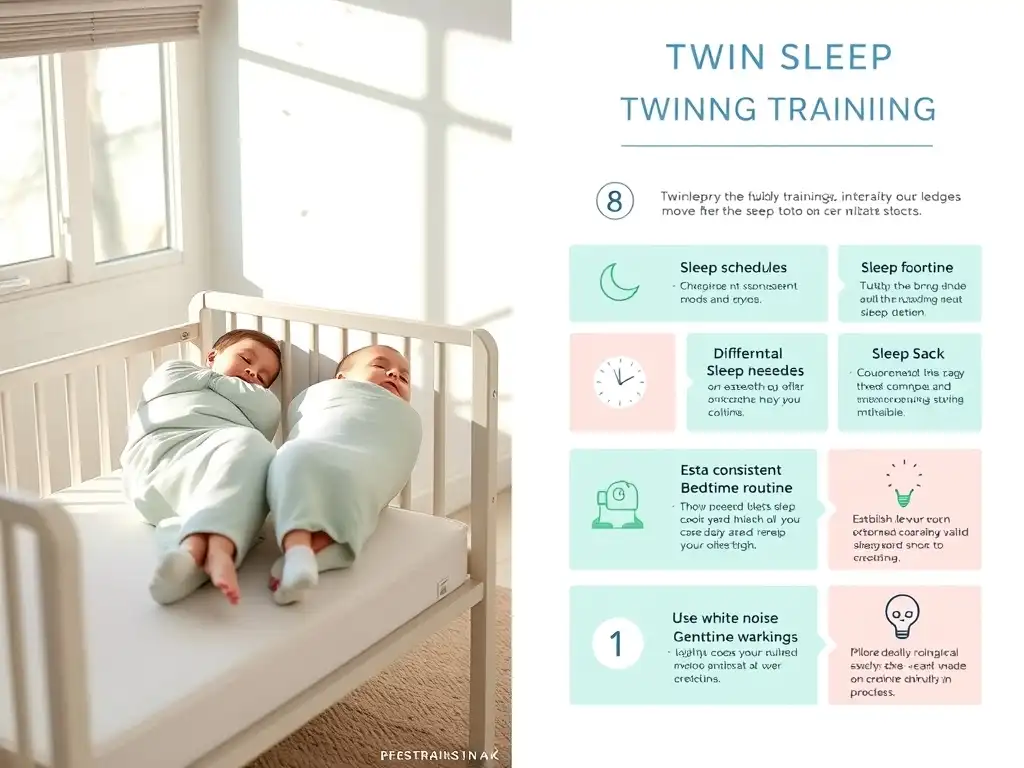
This section addresses common hurdles encountered when sleep training twins, providing practical solutions and expert advice to navigate these difficulties. Successfully sleep training twins often requires a more nuanced approach than with singletons, demanding patience, consistency, and a tailored strategy. Remember, every twin pair is unique, so flexibility is key.
Addressing Irregular Sleep Schedules: Tips and Tricks
Irregular sleep schedules are a common complaint among parents of twins. The constant demand for feeding, soothing, and diaper changes can easily disrupt any attempt at establishing a routine. However, with careful planning and consistent effort, you can gradually encourage more regular sleep patterns.
One effective strategy is to create a structured daily routine. This involves establishing consistent wake-up and bedtime times, along with predictable nap times. Even small, predictable elements, like a specific bedtime song or a calming bath, can help signal the body it's time to wind down. A visual schedule can be incredibly helpful for older babies who are beginning to understand routines.
Another crucial aspect is minimizing distractions before bedtime. This includes dimming the lights, reducing noise levels, and creating a calm environment. A consistent bedtime routine, involving a warm bath, a massage, and quiet storytelling, can help signal to your babies that it’s time to sleep.
Consider using a sleep tracker to monitor your twins’ sleep patterns. This data can help identify any trends or patterns and inform your adjustments to the routine. For example, you might notice one twin consistently wakes up earlier than the other, prompting you to adjust their bedtime slightly. Keep a detailed sleep diary; this invaluable tool can reveal subtle patterns that might otherwise go unnoticed. Don't be discouraged by setbacks. Consistency is key, and gradual improvement is more realistic than immediate success.
Remember, consistency and patience are crucial. It might take several weeks, or even months, to establish a more regular sleep schedule. Celebrate small victories and remain flexible, adjusting your approach as needed. This journey is a marathon, not a sprint!
Overcoming Sleep Regression in Twins
Sleep regression in twins, characterized by disrupted sleep patterns and increased nighttime wakings, is a common developmental phase. It often occurs around 4-6 months, 8 months, and again around 1 year, coinciding with developmental leaps. These periods can be particularly challenging with twins, as the disruption often affects both babies simultaneously, doubling the parental workload.
The key to navigating sleep regression is to maintain the established routine as much as possible. While it's tempting to deviate from the routine during these phases, doing so can actually prolong the regression. Instead, focus on providing extra comfort and reassurance during wake-up periods, but avoid picking them up unless absolutely necessary.
Consider implementing gentle sleep training methods, such as the Ferber method or cry-it-out (CIO), but always prioritize your comfort level and your babies' needs. Remember to always check on your babies regularly to ensure their safety and wellbeing.
Addressing the underlying causes of the regression is also crucial. Are there any developmental milestones occurring? Is there a change in their environment? Identifying and addressing these factors can help alleviate the disruption.
It is vital to remain patient and understanding during this phase. Sleep regression is a temporary setback, and consistent application of your existing sleep training methods will eventually lead to a return to more regular sleep patterns.
When to Seek Professional Help: Recognizing Warning Signs
While sleep training twins can be challenging, it's crucial to know when to seek professional help. Some situations necessitate the expertise of a pediatrician or sleep consultant.
Several warning signs indicate a need for professional intervention:
| Warning Sign | Description |
|---|---|
| Persistent and excessive crying | Crying that lasts for extended periods and isn't easily soothed. |
| Unusual lethargy or irritability | Excessive sleepiness or unusual fussiness that doesn't respond to usual comfort measures. |
| Difficulty breathing or feeding issues | Any breathing difficulties or significant changes in feeding patterns should be addressed immediately by a pediatrician. |
| Failure to thrive | Lack of weight gain or significant weight loss. |
| Suspected sleep apnea | Concerns about pauses in breathing during sleep. |
If you observe any of these signs, consult your pediatrician immediately. A sleep consultant can also provide valuable support and guidance, offering personalized strategies tailored to your twins' specific needs and your family's circumstances. Remember, seeking help is a sign of strength, not weakness, and ensures your twins receive the best possible care. Prioritizing your family's well-being is paramount.
A Comprehensive Swaddling Twins Sleep Training Guide: Key Takeaways
This section provides a concise overview of key considerations when using swaddles and sleep sacks for sleep training twins. Successfully implementing a sleep training plan for twins requires patience, consistency, and a tailored approach. Remember that every twin pair is unique; what works for one set might not work for another. This guide aims to offer a framework, not a rigid set of rules.
The ultimate goal is to establish healthy sleep habits that benefit both babies and parents. We'll explore how to effectively use swaddles and sleep sacks to achieve this goal, highlighting the benefits and potential drawbacks of each method. Understanding the nuances of twin sleep is crucial for success.
Combining Swaddling and Sleep Sacks for Optimal Results
Swaddling can be incredibly beneficial for newborns, mimicking the womb's secure environment and reducing the startle reflex. However, as twins grow and develop, they may start to roll over, presenting a safety risk if still swaddled. This is where sleep sacks become invaluable. The transition from swaddle to sleep sack should be gradual. You might consider a "transitional swaddle" that offers a less restrictive feeling while still providing some containment.
Consider the following phased approach:
- Phase 1 (0-3 months): Swaddle both twins using similar swaddles. Ensure they are snug but not restrictive, allowing for comfortable arm movement. Prioritize safe swaddling techniques to reduce the risk of overheating and positional asphyxia.
- Phase 2 (3-6 months): Begin introducing one twin to a sleep sack. Continue swaddling the other twin, observing their developmental milestones. Monitor for signs of readiness to transition, such as pushing arms out of the swaddle or rolling onto their sides.
- Phase 3 (6-9 months): Transition both twins to sleep sacks. Choose sleep sacks with appropriate warmth ratings for your climate. Observe for signs of discomfort or overheating. A lightweight sleep sack is ideal for warmer months, while a warmer one is necessary for colder months.
- Phase 4 (9+ months): Continue using sleep sacks, gradually transitioning to lightweight pajamas or other sleepwear as the twins grow and the weather warms.
Important Considerations:
| Factor | Description |
|---|---|
| Twin Differences: | Twins may develop at different paces. Adjust the transition timeline for each twin based on their individual needs. |
| Temperature: | Ensure the room temperature is appropriate and adjust sleepwear accordingly to prevent overheating or chills. |
| Material: | Opt for breathable, soft fabrics for both swaddles and sleep sacks. |
| Size: | Choose appropriately sized swaddles and sleep sacks to ensure a comfortable and safe fit. |
Remember, consistency is key. Sticking to a consistent bedtime routine, including swaddling or sleep sacks, will help your twins learn to associate these cues with sleep. This creates a positive feedback loop, leading to better sleep for everyone. The use of swaddles and sleep sacks is part of a larger sleep training strategy that should encompass a regular bedtime routine and consistent sleep cues.
Long-Term Sleep Strategies for Twins: Building Good Habits
Successful sleep training for twins isn’t just about getting them to sleep; it’s about establishing healthy sleep habits that will benefit them for years to come. Consistent routines, even in infancy, lay the foundation for better sleep as they grow older. This long-term perspective is crucial for twin parents who often face the double challenge of managing two babies' sleep needs simultaneously.
Here are some essential long-term sleep strategies:
- Consistent Bedtime Routine: Develop a predictable bedtime routine that includes calming activities such as a bath, massage, story time, and quiet playtime. This helps signal to their bodies that it's time for sleep. Consistency helps regulate their circadian rhythms, promoting better sleep quality and duration.
- Darkened Room: A dark and quiet environment is conducive to sleep. Use blackout curtains or blinds to minimize light exposure, creating a soothing atmosphere for your twins. A white noise machine can also help mask disruptive noises and promote relaxation.
- Individualized Cues: While you may follow a similar routine for both twins, understand that their individual sleep cues may differ. One twin might respond better to a particular lullaby while the other prefers a specific toy. Pay attention to these nuances and adapt your routine accordingly.
- Addressing Night Wakings: Night wakings are common, especially in the early months. However, responding consistently and calmly to night wakings is crucial. Develop a strategy for soothing them back to sleep without creating a dependency on your intervention. This could involve gentle rocking, patting, or offering a pacifier.
- Age-Appropriate Adjustments: As your twins grow, their sleep needs will evolve. Adapt your sleep training strategies accordingly, adjusting bedtime, nap times, and sleep environment as necessary. Flexibility is key to long-term success. Regular check-ins with your pediatrician can help guide these adjustments.
Remember, sleep training twins requires patience and persistence. There will be challenges, but focusing on building healthy sleep habits from the start will yield significant long-term benefits for both your twins and your family. The investment in consistent routines and a tailored approach will pay off in improved sleep for everyone involved.
Frequently Asked Questions
How can swaddling help my twins sleep better?
Swaddling mimics the secure feeling of the womb, reducing the startle reflex that often wakes babies. This can lead to longer stretches of sleep for your twins, benefiting both them and you!
When should I stop swaddling my twins?
Typically, you should stop swaddling once your twins show signs of rolling over, usually around 4 months old. This prevents the risk of suffocation.
What's the difference between swaddling and a sleep sack for twins?
Swaddling involves wrapping your baby in a blanket, while a sleep sack is a wearable sleeveless blanket. Sleep sacks are safer once your twins start rolling. They offer warmth and security without the same suffocation risk.
Are there any risks associated with swaddling twins?
Yes, the main risk is suffocation, especially if your twins roll over before you stop swaddling. Always supervise your twins while swaddling and transition to a sleep sack when appropriate.
Can sleep training techniques, like Ferber, be used with swaddled twins?
Yes, gentle sleep training methods like Ferber can be combined with swaddling or sleep sacks. However, always prioritize safe sleep practices and consult your pediatrician for personalized advice.
Final Reflection: The Sweet Science of Twin Sleep
The journey to peaceful nights with twins is a marathon, not a sprint, and understanding the nuances of sleep training is crucial for both parents and babies. The seemingly simple act of swaddling or transitioning to a sleep sack can be the key to unlocking more restful sleep for everyone involved, significantly impacting family well-being.
The impact of consistent sleep on the development and happiness of twins is undeniable. It's not just about the parents getting a few extra hours of rest; it's about fostering a healthy environment for the babies to thrive. Sleep is the golden chain that binds health and our bodies together.
This quote, while not specifically about twins, perfectly encapsulates the vital role sleep plays in overall well-being, amplified tenfold when caring for two infants simultaneously. The subtle shifts in routine, the careful consideration of swaddling versus sleep sacks, and the gradual weaning process all contribute to a more harmonious family dynamic.
You've navigated the complexities of twin sleep training, armed with knowledge about swaddling and sleep sacks. Now, consider this: What small adjustments can you make today to nurture a more peaceful sleep environment for your little ones? Remember, the journey is unique to each family, and there's no one-size-fits-all solution. Embrace the process, celebrate the small victories, and trust in your intuition. The reward – a well-rested family – is worth every ounce of effort.
Unlock Your Twins' Sleep Potential: A Step-by-Step Guide
Thanks for exploring the world of twin sleep training! We hope you've gained valuable insights into the benefits of swaddles and sleep sacks. Now, let's put that knowledge into action. Ready to transform your nights?
- Prioritize a single sleep strategy: Choose either swaddling or a sleep sack, depending on your twins' age and preferences, and stick with it consistently for at least a week. Monitor their progress closely.
- Share your experience: Tell us which method you chose – what worked well, and what didn't. Your feedback can help other parents of twins.
- Experiment with soothing techniques: Even with swaddles or sleep sacks, try using white noise, gentle rocking, or a calming bedtime routine to find what works best for your twins.
Are you ready for more restful nights (and days!) with your little ones?