
Sleep Training Twins: How to Manage Different Wake Times


Welcome to BabyCareHub, your ultimate guide to navigating the incredible journey of parenthood! Are you a first-time parent facing the unique challenges of sleep training twins with different wake times? We understand the exhaustion and the need for clear, actionable advice. Discover practical strategies and expert tips to help your little ones (and you!) get the rest you deserve. Dive in and unlock the secrets to establishing healthy sleep routines for your twins—it's easier than you think!
- Understanding the Challenges of Sleep Training Twins with Varying Wake Times
- Establishing Independent Sleep Routines for Twins
- Effective Sleep Training Methods for Twins with Different Wake Times
- Troubleshooting Common Issues in Sleep Training Twins
- Maintaining Consistency and Long-Term Sleep Success for Twins
-
Frequently Asked Questions
- How can I sleep train twins with significantly different wake times?
- My twins are waking up at completely different times. Is this normal?
- What if one twin is a light sleeper and the other is a heavy sleeper?
- Should I try to get my twins to sleep through the night simultaneously?
- Are there specific sleep training methods suitable for twins with different wake times?
- Final Reflection: Navigating the Double Duty of Twin Sleep Training
- Unlock Your Twins' Sleep Potential!
Understanding the Challenges of Sleep Training Twins with Varying Wake Times
Sleep training twins, especially when they have different wake times, presents a unique set of challenges for parents. Unlike single babies, where establishing a routine is often a more straightforward process, twins often exhibit asynchronous sleep patterns, meaning their sleep cycles don't align. This can lead to disrupted sleep for both parents and babies, creating a cycle of exhaustion and frustration. This article provides a practical, step-by-step guide to navigate the complexities of sleep training twins with differing wake times, focusing on strategies to create individual sleep schedules while maintaining a sense of family harmony. We'll explore how to identify individual sleep patterns, address asynchronous sleep cycles, and ultimately, help your twins (and you!)
achieve more restful nights. Remember, consistency and patience are key to success in this journey. The reward of well-rested babies and parents is well worth the effort! 🎉
The Unique Difficulties of Twin Sleep Schedules
The biggest hurdle in sleep training twins with differing wake times is the sheer complexity of managing two individual sleep schedules. Unlike a single baby, you're dealing with two distinct sets of sleep cues, hunger patterns, and developmental milestones. This means that a sleep training method that works perfectly for one twin might be completely ineffective for the other.
For example, one twin might be ready for longer stretches of sleep at night at 6 months, while the other might still need more frequent night feedings. This asynchronous development can lead to feelings of overwhelm and inconsistency in your approach, which can further complicate the sleep training process.
Furthermore, the constant demand for attention from two babies can be mentally and physically exhausting, making it difficult to stay consistent with your chosen sleep training method. The key is to adapt your strategy, focusing on individual needs while aiming for a degree of synchronicity to maintain some semblance of routine.
Identifying Individual Sleep Patterns in Twins
Before you can effectively sleep train twins with varying wake times, it's crucial to understand their individual sleep patterns. This requires careful observation and record-keeping. Start by tracking each twin's sleep and wake times for at least a week, noting down the time they fall asleep, wake up, and any naps they take. Include details like feeding times and any other relevant information that may influence their sleep. Consider using a sleep diary or a dedicated baby sleep tracking app. Look for patterns: Does one twin consistently wake earlier than the other?
Do they have different nap lengths or nap times? Are there any specific triggers that seem to disrupt their sleep? This data will help you tailor your sleep training approach to each twin's individual needs. Remember to be patient; identifying consistent patterns may take time. This detailed understanding forms the bedrock of a successful sleep training plan.
Addressing the Problem of Asynchronous Sleep Cycles
Once you've identified each twin's individual sleep patterns, you can begin to address the problem of asynchronous sleep cycles. This often involves a combination of strategies tailored to each baby's needs. For example, you might choose a gentler approach like the "Pick Up, Put Down" method for one twin who is easily soothed, while employing a more structured method like Ferber for the other twin who requires more consistent boundaries. You may need to stagger bedtime routines, allowing for individual needs.
One twin might benefit from a longer wind-down routine, while the other might prefer a shorter, more streamlined approach. It's also crucial to create a supportive environment for both twins, ensuring they have a comfortable and safe sleep space. Remember that sleep training is a journey, not a race.
There will be setbacks, and it's important to remain flexible and patient. Celebrate small victories and adjust your strategy as needed. The ultimate goal is to establish healthy sleep habits for both twins, allowing for their individual needs while optimizing the overall family sleep schedule.
Establishing Independent Sleep Routines for Twins
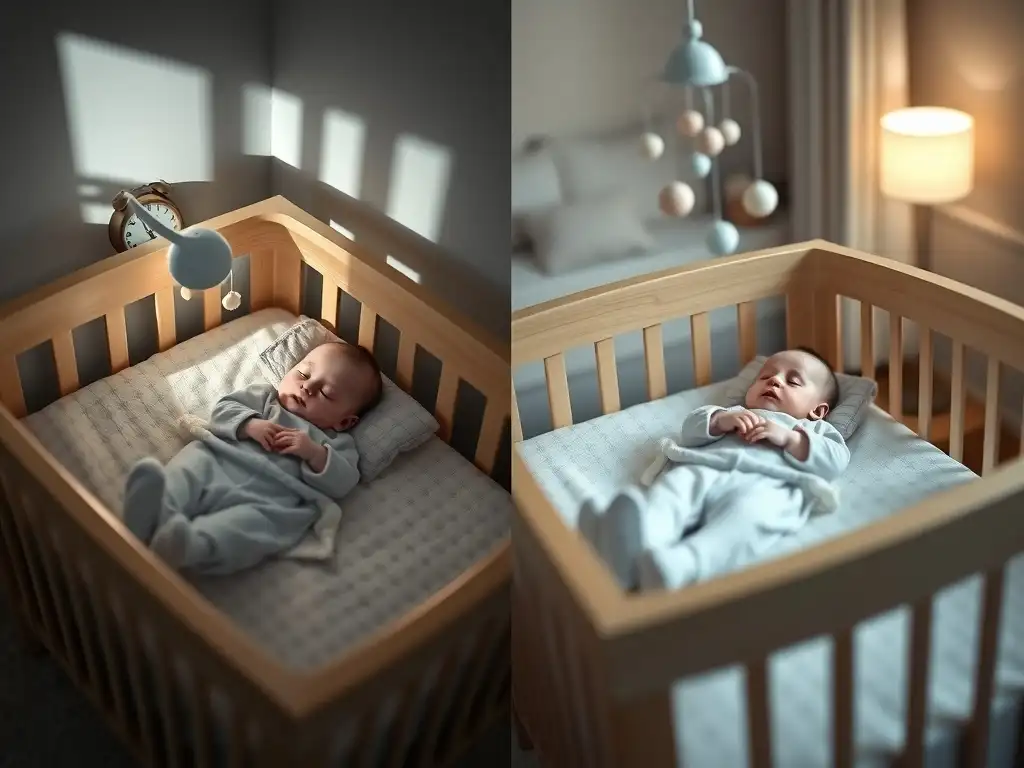
Successfully sleep training twins with differing wake times requires a nuanced approach that acknowledges their individual needs while fostering a sense of routine and predictability. The key is to avoid comparing their sleep patterns directly and instead focus on establishing individualized routines that cater to each twin's unique sleep cycle. This doesn't mean complete chaos; rather, it's about creating a framework of consistency that allows for flexibility.
The goal is to create a calm and predictable environment, conducive to sleep for both infants. Remember, consistency is key, even if the specifics vary slightly between twins. This allows them to learn and anticipate sleep cues better.
Creating Personalized Sleep Schedules for Each Twin
Understanding that twins, even identical ones, are distinct individuals is paramount. Their internal clocks may differ significantly, leading to varied wake and sleep times. Instead of forcing a synchronized schedule, create separate sleep schedules based on each twin's individual cues. For example, one twin might consistently wake up at 6:00 AM, while the other might sleep until 7:00 AM. Acknowledging these differences is the first step toward successful sleep training.
To create these personalized schedules, meticulously track each twin's sleep patterns for at least a week. Note their wake-up times, nap times, and bedtime. Consider using a sleep diary or a dedicated baby sleep tracking app. This data will reveal patterns and help you establish realistic and individualized schedules. Once you have this data, you can begin to create a schedule that reflects their individual needs. Remember to be flexible and adjust the schedule as needed. Babies grow and change quickly, so the optimal schedule may need adjustments over time.
For example, Twin A might thrive on a schedule that includes three naps a day, while Twin B might only need two. It's crucial to respect these individual differences and avoid forcing either twin into a schedule that doesn't suit their biological rhythms. This personalized approach fosters a more peaceful and predictable sleep environment for both twins.
Implementing Consistent Bedtime Routines for Both Twins
Even with personalized schedules, establishing a consistent bedtime routine is crucial for both twins. This routine provides a predictable signal to their bodies that it's time to wind down and prepare for sleep. While the exact activities might differ slightly based on each twin's preferences, the consistency of the routine itself is paramount. This predictability helps regulate their circadian rhythm and promotes better sleep.
A sample bedtime routine could include a warm bath, a gentle massage, putting on pajamas, reading a book, singing lullabies, and finally, placing them in their cribs. The key is to keep the routine calming and repetitive. Avoid stimulating activities like screen time right before bed. Ideally, the bedtime routine should begin approximately 30-45 minutes before the targeted bedtime.
It’s important to note that while the overall routine should be consistent, you might need to adjust the specific elements to accommodate each twin's individual needs. For example, one twin might enjoy a longer story time, while the other might prefer a shorter, more concise routine. The goal is to create a sense of calm and predictability for both infants, setting the stage for successful sleep training.
Gradual Introduction of Independent Sleep Training Techniques
Introducing independent sleep training techniques should be a gradual process, tailored to each twin's individual temperament and developmental stage. Avoid abruptly changing their sleep environment or routines. Instead, implement changes incrementally, allowing each twin time to adjust to each new step. This gradual approach minimizes stress and increases the chances of success.
For example, you could start by gradually extending the time between nighttime feedings or reducing the amount of rocking or cuddling required for them to fall asleep. Observe each twin's responses carefully and adjust the pace as needed. One twin might adapt more quickly than the other, requiring a slower pace for the other twin.
Consider using methods such as the Ferber method or the Cry-It-Out (CIO) method cautiously and only after carefully weighing the pros and cons and consulting with a pediatrician or sleep consultant. These methods can be controversial, and it’s crucial to adopt an approach that aligns with your family's values and beliefs. Remember that patience and consistency are key to success in sleep training twins, regardless of the chosen method.
Celebrating small victories along the way can also boost your morale and help maintain a positive approach throughout the process. Remember, every baby is different, and what works for one may not work for another.
Effective Sleep Training Methods for Twins with Different Wake Times

Sleep training twins, especially when they have different wake times, presents unique challenges. The key is finding a method that respects each twin's individual needs while maintaining a consistent, predictable sleep schedule as much as possible. A rigid, identical approach rarely works with twins; flexibility and individualized attention are paramount. This section explores adapting popular sleep training methods to accommodate the asynchronous sleep patterns often observed in twins. Remember, consistency is key, but adaptability is the secret weapon when dealing with the delightful chaos of two little ones.
Modified Ferber Method for Twins
The Ferber method, known for its graduated extinction approach, needs modification for twins with varying wake times. Instead of a simultaneous approach, consider a staggered implementation. For example, if one twin (Twin A) consistently wakes an hour earlier than the other (Twin B), begin Ferber with Twin A at their usual wake time. After implementing the Ferber method with Twin A, then address Twin B's wake-up. This prevents one twin from being disturbed by the other's crying during the training process.
This requires meticulous record-keeping. Tracking each twin's sleep patterns – including nap times, nighttime awakenings, and the duration of crying episodes – is crucial for assessing progress and adjusting the strategy. A simple sleep diary or a dedicated app can be invaluable. Consider using a separate chart for each twin to visualize their individual progress and identify any patterns. For instance:
| Day | Twin A - Wake Time | Twin A - Crying Duration (Ferber) | Twin B - Wake Time | Twin B - Crying Duration (Ferber) | Notes |
|---|---|---|---|---|---|
| Monday | 6:00 AM | 10 minutes | 7:00 AM | 5 minutes | Twin A seemed more tired today. |
| Tuesday | 6:15 AM | 8 minutes | 7:10 AM | 7 minutes | Both twins slept through the night. |
| Wednesday | 6:05 AM | 12 minutes | 6:55 AM | 3 minutes | Adjusted check-in intervals for Twin A. |
Remember, patience is vital. Some days will be smoother than others. The goal isn't immediate silence, but rather a gradual reduction in nighttime awakenings and an increase in independent sleep for both twins. 🎉
Pick Up/Put Down Method Adapted for Twins
The pick-up/put-down method, focusing on soothing and reassurance, also needs adjustments for twins with different sleep schedules. The key is to individualize the soothing techniques. One twin might respond better to gentle rocking, while the other prefers being patted on the back. Observe carefully and tailor your approach accordingly.
A potential challenge is the potential for "cross-contamination." If one twin is successfully soothed and put back down, the other might wake up due to the movement or noise. To mitigate this, consider using separate cribs or bassinets, especially in the early stages of sleep training. This provides a more controlled environment for each twin, reducing the risk of disruption.
The timing of interventions is crucial. Address each twin's needs individually, based on their unique wake times. Avoid waiting until both twins are awake to begin the soothing process. This could lead to prolonged crying and frustration for both you and the twins. Prioritize addressing the earlier-waking twin first, then focus on the second twin. This helps maintain a more predictable sleep schedule for both.
This method is best suited for parents who are comfortable with a more hands-on approach and are prepared for potentially longer durations of soothing in the initial phase. However, the long-term benefits of building a secure attachment and promoting self-soothing can outweigh the initial effort.
Baby-Led Weaning and Its Impact on Twin Sleep
Baby-led weaning (BLW), where babies self-feed finger foods, can indirectly affect twin sleep. While not a direct sleep training method, BLW's potential impact on digestion and overall well-being can influence sleep patterns. Introducing solids too early or too late can disrupt the gut microbiome, leading to digestive discomfort and consequently, disrupted sleep.
Many parents report that introducing solids at the appropriate time (around 6 months) can lead to improved sleep patterns, as babies may sleep longer and more soundly after a full, satisfying meal. However, if BLW leads to irregular feeding times or inconsistent food intake, it might negatively impact sleep. Therefore, maintaining a consistent meal schedule alongside BLW is crucial for promoting healthy sleep habits in twins.
Furthermore, choking hazards are a key concern with BLW. Close supervision during feeding is essential, and the introduction of new foods should be done gradually to monitor for any allergic reactions or digestive issues. These potential issues can directly impact sleep, emphasizing the need for careful implementation and close observation of each twin's response to new foods. Remember to consult your pediatrician regarding the timing and appropriate foods for BLW with twins. A well-nourished, comfortable baby is more likely to sleep well – this is true for multiples as much as singletons.
Addressing Night Wakings and Different Sleep Needs
Night wakings are incredibly common with twins, especially when they have different sleep needs. One twin might sleep soundly through the night, while the other wakes frequently. This discrepancy can be incredibly challenging for parents, leading to sleep deprivation and frustration. The key is to address each twin's needs individually while maintaining a consistent bedtime routine for both.
One effective strategy involves creating separate sleep spaces, even if it's just a visual divider within a shared room. This can help each twin associate their space with sleep, reducing nighttime disturbances from their sibling. For example, you could use blackout curtains or a room divider to create a sense of individual space. However, it's crucial to monitor both babies for safety reasons, especially in the early months.
Responding to night wakings requires a thoughtful approach. Avoid instantly picking up the baby who wakes. Instead, try a graduated extinction method where you offer progressively less assistance each night. This could involve checking on the baby, offering a pacifier, or simply soothing them with gentle pats or shushing before returning to their crib. The goal is to teach them to self-soothe and fall back asleep independently. Remember to tailor your approach to each twin's temperament and personality; what works for one might not work for the other.
For the twin waking more frequently, consider adjusting their daytime routine. Are they overtired? Are they getting enough daytime sleep? Insufficient daytime sleep can lead to increased night wakings. Adjusting their naps or playtime schedule might be necessary. Keeping a detailed sleep log for each twin can help identify patterns and pinpoint potential issues. This log should include nap times, bedtime, wake-up times, and any night wakings, noting the time and how you responded. This data can be invaluable in understanding each twin's individual sleep rhythms and needs.
Finally, remember that consistency is key. While you’ll need to address each twin’s individual needs, maintaining a consistent bedtime routine for both will help establish a sense of predictability and security. This routine should include a calming bath, quiet playtime, and a consistent bedtime story. The routine itself is as important as the timing to signal to their bodies that it's time to sleep. Even small, consistent changes can significantly impact their sleep patterns. Patience and persistence are vital in this process; it takes time and consistency to establish healthy sleep habits in twins with different sleep needs. 😴
Troubleshooting Common Issues in Sleep Training Twins

Sleep training twins with different wake times presents unique challenges, but with patience and a tailored approach, you can achieve success. This section addresses common hurdles and offers practical solutions to help your twins establish healthy sleep habits, even with their individual needs. Remember, consistency is key! The goal is not identical schedules, but rather, independent sleep skills.
Handling One Twin Waking the Other
One of the most frequent problems parents of twins encounter is one baby waking the other. This often disrupts the carefully crafted sleep schedule, leading to frustration for both parents and babies. The solution isn't always about preventing all awakenings, but about minimizing their impact and teaching each twin to self-soothe back to sleep.
Several strategies can be employed:
- Separate Sleep Spaces: If feasible, consider placing twins in separate cribs or bassinets, even if in the same room. This significantly reduces the chance of one baby's movements or sounds disturbing the other. The physical separation provides a more independent sleep environment.
- White Noise Machines: A white noise machine in each crib can mask disruptive sounds, creating a more consistent and calming sleep environment. Experiment with different white noise sounds to find what works best for your twins. Some prefer the gentle shushing sound, while others might prefer ocean waves or rain sounds.
- Swaddles or Sleep Sacks: Swaddling or using sleep sacks can help prevent startling movements that might wake the other twin. Ensure that the swaddles are used safely and appropriately for the age and developmental stage of your babies.
- Consistent Bedtime Routines: Establishing a consistent and predictable bedtime routine for each twin, even if their wake times differ, helps signal their bodies that it's time to sleep. This routine should be calming and relaxing, perhaps including a warm bath, a massage, quiet playtime, and reading a book.
- Addressing Underlying Issues: If one twin consistently wakes the other due to hunger or discomfort, address the underlying issue. Ensure adequate feedings and check for any signs of illness or discomfort. A doctor's visit might be necessary if you suspect a medical condition.
Managing Different Nap Schedules
Twins rarely have identical nap schedules. One might need two long naps, while the other thrives with three shorter ones. Trying to force synchronization will likely lead to sleep deprivation for at least one twin, resulting in fussiness and disrupted nighttime sleep.
Instead of focusing on identical nap times, concentrate on consistent nap times for each twin. This requires careful observation to determine each twin's individual needs. You might need to utilize staggered nap times or even separate nap spaces to accommodate their different schedules.
Consider these approaches:
- Individual Nap Schedules: Create individual nap schedules based on each twin's unique sleep cues and patterns. This might involve one twin napping earlier or later than the other.
- Flexible Nap Times: While aiming for consistency, allow for some flexibility in nap times, especially during periods of growth spurts or developmental leaps.
- Monitoring Sleep Cues: Pay close attention to each twin's sleep cues, such as rubbing eyes, yawning, fussiness, or decreased activity levels. These cues will help you determine the optimal time for each twin's naps.
- Creating a Consistent Nap Environment: Maintain a consistent and calming nap environment for each twin, even if they nap at different times. This includes minimizing distractions, dimming the lights, and using white noise.
Addressing Regression Periods in Twin Sleep Training
Sleep regressions are common in infants and are often associated with developmental leaps. These periods of disrupted sleep can be particularly challenging with twins, as their individual regressions might not coincide. Regression is characterized by a temporary return to earlier sleep patterns, such as increased night wakings or shorter sleep durations.
During a regression, resist the urge to revert to old habits. Maintain consistency with your sleep training techniques, but be prepared for increased attention and patience. Understanding the temporary nature of the regression can help you navigate this challenging period.
Here's how to handle regressions:
- Maintain Consistency: Continue with your established sleep training methods, even during regressions. Consistency provides a sense of security and predictability for your twins.
- Increased Comfort: Offer extra comfort and reassurance during regressions, but avoid creating new sleep associations that might hinder future sleep training efforts.
- Patience and Persistence: Remember that regressions are temporary. With patience and persistence, your twins will eventually return to their established sleep patterns.
- Rule Out Underlying Issues: If the regression persists for an extended period or is accompanied by other symptoms, consult your pediatrician to rule out any underlying medical conditions.
Remember, sleep training twins is a marathon, not a sprint. Celebrate small victories and be patient with yourself and your twins. Every baby is unique, and what works for one set of twins might not work for another. Adapt your approach as needed, and don't be afraid to seek support from other parents or professionals.
Maintaining Consistency and Long-Term Sleep Success for Twins
Consistency is key when sleep training twins, especially when dealing with differing wake times. While individual schedules might vary, maintaining a consistent bedtime routine and overall sleep environment is crucial for both babies and parents. This doesn't mean rigidly adhering to the minute; flexibility is important, but the core elements should remain the same. Think of it as a framework, not a rigid cage.
Adapting Routines as Twins Grow
As twins grow, their sleep needs and wake windows will naturally change. A routine effective at 6 months might not work at 12 months. Regularly assess your twins' sleep patterns. Are they waking more frequently? Are their naps shorter? Are they exhibiting signs of overtiredness (increased fussiness, difficulty settling)? This data is vital.
Track their sleep and wake times using a sleep diary or a dedicated app. This allows you to identify trends and adjust accordingly. For example, if one twin consistently wakes an hour earlier than the other, you might try adjusting their bedtime slightly earlier to better align their sleep cycles. Remember, gradual adjustments are preferable to drastic changes. Small tweaks can make a significant difference. Consider extending bedtime by 15 minutes at a time until you find a better fit. The goal is to find a balance between individualized needs and a consistent overall structure.
Recognizing Signs of Sleep Deprivation in Twins and Parents
Sleep deprivation is a serious concern for parents of twins. The cumulative effect of interrupted sleep can lead to significant stress, impacting both physical and mental well-being. For the twins, signs of sleep deprivation might include irritability, difficulty concentrating, increased clinginess, and developmental delays. For parents, the signs are similar, but can also include impaired decision-making, mood swings, and a weakened immune system. 😴 Recognizing these signs is crucial. Consider these specific examples:
| Sign | Twins | Parents |
|---|---|---|
| Irritability | Frequent crying, easily frustrated | Short temper, easily angered |
| Difficulty Concentrating | Struggles with playtime, feeding | Forgetfulness, difficulty completing tasks |
| Increased Clinginess | Wants constant physical contact | Feeling overwhelmed, needing constant reassurance |
| Developmental Delays | Slower progress in milestones | Reduced patience with children |
Addressing parental sleep deprivation is just as important as addressing the twins'. Parents need support and strategies to improve their own sleep, which could include seeking help from family and friends, or considering professional assistance. Prioritizing self-care is not selfish; it's essential for providing the best care for your twins.
Seeking Professional Help When Needed
If you've tried various sleep training techniques and are still struggling with inconsistent sleep patterns or significant sleep deprivation, don't hesitate to seek professional help. A pediatric sleep consultant, child psychologist, or other qualified professional can provide personalized guidance and support. They can assess your twins' individual needs, identify potential underlying issues (such as medical conditions or developmental delays), and help you develop a tailored sleep plan. Remember, seeking help is a sign of strength, not weakness.
It's an investment in your family's well-being. A professional can provide strategies that are tailored to your specific circumstances, taking into account the unique challenges of sleep training twins with different wake times. This may involve addressing potential medical concerns or providing specific techniques for managing differing wake times. Don't be afraid to reach out for support; many resources are available to assist you on this journey.
Frequently Asked Questions
How can I sleep train twins with significantly different wake times?
This is a common challenge! Focus on individualized schedules for each twin, while maintaining a consistent bedtime routine for both. Gradually adjust wake times to bring them closer together if possible.
My twins are waking up at completely different times. Is this normal?
Yes, it's perfectly normal for twins to have varying sleep patterns, even if they are identical. Respect their individual needs and avoid forcing them into a synchronized schedule.
What if one twin is a light sleeper and the other is a heavy sleeper?
This requires patience and a tailored approach. You might need to employ different sleep training methods for each twin, perhaps using a darker room for the light sleeper and a white noise machine for both.
Should I try to get my twins to sleep through the night simultaneously?
While ideal, it's not always achievable. Prioritize establishing healthy sleep habits for each twin individually, rather than focusing solely on synchronized nighttime sleep.
Are there specific sleep training methods suitable for twins with different wake times?
Yes, methods like gentle sleep training or Ferberizing can be adapted. The key is to personalize the approach for each twin, considering their unique temperaments and sleep needs.
The challenges of sleep training twins, particularly when their wake times differ, are far more common than many parents realize, impacting not only the parents' well-being but also the long-term development of the twins themselves. The seemingly insurmountable task of establishing consistent sleep patterns for two infants simultaneously can lead to exhaustion, frustration, and a sense of being overwhelmed. However, understanding the nuances of individual sleep needs within a twin dynamic is the key to unlocking a more peaceful and harmonious family life.
The journey of sleep training twins with varying wake times is a testament to the resilience and adaptability of both parents and children. It's a deeply personal experience, shaping family routines and strengthening the bond between siblings. The constant negotiation of individual needs within a shared environment teaches valuable lessons in empathy and compromise. The most beautiful things in life are not associated with money; they are associated with time and effort.
This quote perfectly encapsulates the investment required in sleep training twins, an investment that yields immeasurable rewards in the form of a well-rested family and stronger sibling relationships.
You, the parent navigating this unique challenge, are not alone. Remember the strategies discussed throughout this article – the importance of individualized schedules, the power of consistent routines, and the necessity of self-care. Take a moment to reflect on your own journey, celebrate your successes, and acknowledge the incredible strength you've shown in tackling this demanding task. Embrace the imperfections, learn from the setbacks, and continue to advocate for the unique needs of your twins. The path to peaceful nights is paved with patience, persistence, and a deep understanding of your little ones.
Unlock Your Twins' Sleep Potential!
Thank you for exploring the world of twin sleep training! We hope you've gained valuable insights into managing their different sleep needs. Now, let's put that knowledge into practice. Ready to create a more peaceful and restful night for your family?
- Create a personalized sleep schedule for each twin: This is the first step towards achieving more consistent sleep patterns. Remember to track their progress and make small adjustments as needed.
- Share your experiences with other parents facing similar challenges in the comments section below – your advice could be invaluable to someone else!
- Keep a sleep diary for your twins this week: This will help you identify subtle patterns and refine your approach.
What small change will you make tonight to improve your twins' sleep?