
Sleep Regression or Teething? A Detailed Explanation for FirstTime Parents


Welcome to BabyCareHub, your ultimate guide to navigating the incredible journey of parenthood! Are you puzzled by your little one's disrupted sleep? We understand the challenges of those sleepless nights. This comprehensive resource is designed to support you every step of the way. Discover the truth behind baby sleep regression and teething causes, and learn practical strategies to soothe your baby and reclaim peaceful nights. Dive in and unlock the secrets to happier, healthier sleep for both you and your precious baby!
-
Understanding Baby Sleep Regression: Causes and Symptoms
- Identifying Sleep Regression in Infants: Age Ranges and Common Signs
- Recognizing the Stages of Sleep Regression: From 4 Months to 18 Months
- Common Causes of Sleep Regression: Developmental Leaps and Environmental Factors
- Differentiating Sleep Regression from Other Sleep Disturbances: Ear Infections, Allergies, and Reflux
- Teething in Babies: Symptoms and Timeline
- Sleep Regression vs. Teething: Key Differences and Overlapping Symptoms
- Addressing Sleep Issues Related to Teething and Sleep Regression
- Baby Sleep Regression and Teething: A Holistic Approach
- Frequently Asked Questions
- Final Reflection: Navigating the Sleepless Nights: Understanding Baby Sleep and Teething
- Unlock Your Baby's Peaceful Nights: Actionable Steps for Sleep Success
Understanding Baby Sleep Regression: Causes and Symptoms
Navigating the world of newborn care can be overwhelming for first-time parents, and few challenges are as perplexing as disrupted sleep. While teething is a common culprit for sleepless nights, it's crucial to differentiate it from baby sleep regression, a period of temporary sleep disruption often characterized by changes in sleep patterns and increased night wakings. This detailed guide will help you understand the key differences between sleep regression and teething discomfort, empowering you to better address your baby's sleep needs and alleviate your own anxieties.
We'll explore the common causes and symptoms of each, enabling you to identify the root cause of your little one's sleep disturbances and implement effective strategies to promote restful sleep for both you and your baby. Understanding these distinctions is paramount for establishing healthy sleep habits and fostering a positive sleep environment for your growing child.
This article will help you confidently navigate this common parental challenge, armed with the knowledge to support your baby's healthy development and your own well-being. Remember, seeking professional advice is always an option if you have persistent concerns.
Identifying Sleep Regression in Infants: Age Ranges and Common Signs
Sleep regression isn't a medical condition; rather, it's a developmental phase marked by temporary disruptions in sleep patterns. These regressions typically occur at predictable ages as your baby's brain develops and learns new skills. While the timing can vary slightly, common periods for sleep regression include around 4 months, 8 months, and 12 months old. 1 However, they can also occur at other ages, often coinciding with developmental leaps.
Common signs of sleep regression include:
- Increased night wakings: Your baby might wake more frequently throughout the night, requiring more frequent feeding or soothing.
- Shorter sleep cycles: Instead of longer stretches of sleep, your baby may experience shorter sleep periods, leading to more frequent awakenings.
- Difficulty falling asleep: Bedtime may become a struggle, with your baby resisting sleep even when tired.
- Changes in daytime naps: Nap schedules may become disrupted, with shorter or more irregular naps.
- Increased fussiness: Your baby may be more irritable and fussy than usual, even during the day.
It's important to note that these signs can overlap with teething symptoms, making differentiation crucial. Careful observation and record-keeping of your baby's sleep patterns can help you identify the underlying cause.
Recognizing the Stages of Sleep Regression: From 4 Months to 18 Months
Sleep regressions are not isolated incidents; they often occur in stages, each with its own unique characteristics. Understanding these stages can help you anticipate and manage the challenges associated with each phase.
While the precise timing may vary, here's a general overview:
| Age Range | Common Developmental Milestones | Sleep Regression Characteristics |
|---|---|---|
| 4-6 Months | Object permanence, improved motor skills | Increased night wakings, shorter sleep cycles, difficulty self-soothing |
| 8-10 Months | Crawling, pulling to stand | Anxiety separation, increased fear of the dark, frequent night wakings |
| 12-18 Months | Walking, talking | Increased independence, testing boundaries, irregular sleep patterns |
These are just general guidelines, and each baby's experience will be unique. Some babies may experience more pronounced regressions than others. The key is to remain patient, consistent, and supportive throughout these developmental phases.
Common Causes of Sleep Regression: Developmental Leaps and Environmental Factors
Sleep regressions are primarily driven by significant developmental leaps in your baby's brain and body. As your baby learns new skills, their sleep patterns can be temporarily disrupted. This is because their brain is working overtime, processing and consolidating new information. These developmental leaps can also lead to increased anxiety and a need for more reassurance.
Beyond developmental leaps, several environmental factors can contribute to sleep regression:
- Changes in routine: Introducing new foods, starting daycare, or traveling can disrupt your baby's established sleep routine.
- Illness: A mild illness can significantly affect your baby's sleep patterns.
- Growth spurts: Periods of rapid growth can lead to increased hunger and more frequent night wakings.
- Overstimulation: Too much daytime stimulation can make it harder for your baby to wind down at bedtime.
Understanding these potential causes can help you proactively address any contributing factors and create a supportive sleep environment for your baby. Remember, consistency and patience are key during these challenging phases.
1 Note: These age ranges are approximate and can vary based on individual development.
Differentiating Sleep Regression from Other Sleep Disturbances: Ear Infections, Allergies, and Reflux
Distinguishing baby sleep regression from other sleep disruptions can be challenging for new parents. While sleep regression is characterized by a temporary period of disrupted sleep due to developmental leaps, other underlying medical conditions can mimic its symptoms. Understanding these differences is crucial for effective intervention. Let's explore how to differentiate sleep regression from ear infections, allergies, and reflux.
One common cause of disrupted sleep in babies is an ear infection (otitis media). Infants often exhibit fussiness, irritability, and difficulty sleeping due to the pain and discomfort associated with an ear infection. Unlike sleep regression, which may involve changes in sleep patterns but not necessarily increased fussiness during wake periods, ear infections frequently cause significant distress even when the baby is awake. Furthermore, you might observe other symptoms like pulling at the ear, fever, and decreased appetite, which are not typically associated with sleep regression. A pediatrician's examination is essential for diagnosing an ear infection.
Allergies, both food and environmental, can also significantly impact a baby's sleep. Allergic reactions can manifest as nasal congestion, coughing, sneezing, and skin rashes. These symptoms can lead to restless sleep and frequent awakenings. The key difference between allergy-related sleep disturbances and sleep regression lies in the presence of these overt allergic symptoms. Sleep regression doesn't usually involve persistent sneezing, runny nose, or itchy skin. Keeping a detailed food diary and observing environmental triggers can help identify potential allergens. If you suspect allergies, consulting a pediatrician or allergist is recommended.
While all three conditions – ear infections, allergies, and GER – can disrupt a baby's sleep, careful observation of accompanying symptoms can help distinguish them from sleep regression. If you are concerned about your baby's sleep, always consult your pediatrician to rule out any underlying medical conditions. They can provide an accurate diagnosis and guide you towards the most suitable course of action.
Teething in Babies: Symptoms and Timeline

Teething is a significant developmental milestone for babies, typically starting around six months of age, although it can begin earlier or later. This process involves the eruption of teeth through the gums, a process that can cause discomfort and significantly impact a baby's sleep patterns, often mistaken for sleep regression. Understanding the typical timeline and symptoms of teething is crucial for parents to differentiate it from other sleep disturbances. This section will delve into the specifics of teething, helping you identify whether your baby's sleep issues are related to the emergence of their pearly whites.
The Teething Process: Stages and Timeline for Tooth Eruption
The order and timing of tooth eruption vary slightly from baby to baby. However, a general timeline can provide helpful guidance. The first teeth to usually emerge are the lower central incisors, followed by the upper central incisors. The process often unfolds in this approximate sequence:
- 6-10 months: Lower central incisors
- 8-12 months: Upper central incisors
- 9-13 months: Upper lateral incisors
- 10-16 months: Lower lateral incisors
- 13-19 months: First molars (upper and lower)
- 16-22 months: Canines (upper and lower)
- 20-30 months: Second molars (upper and lower)
This timeline is a guideline; some babies may experience teething earlier or later. Remember that the timing of teething is highly variable and doesn't necessarily indicate a problem. What's important is recognizing the symptoms associated with the process. Monitoring your baby's development and consulting your pediatrician if you have concerns is always recommended. Some babies might experience only mild discomfort, while others exhibit more pronounced symptoms.
Common Symptoms of Teething: Irritability, Drooling, and Gum Pain
Teething often presents with a range of symptoms that can vary in intensity. Recognizing these signs can help parents differentiate teething discomfort from other potential issues affecting their baby's sleep. Common symptoms include:
- Increased drooling: Excessive drooling is a very common symptom, often leading to a rash around the mouth.
- Gum swelling and tenderness: The gums become swollen and tender as the teeth push through. Babies may frequently rub their gums.
- Irritability and fussiness: Teething can cause significant discomfort, leading to increased crying and irritability. This increased fussiness is often more pronounced in the evenings and at night.
- Chewing and biting: Babies may try to relieve the pressure and pain by chewing on toys, fingers, or anything they can get their hands on.
- Mild fever: A slightly elevated temperature (typically below 100.4°F or 38°C) can sometimes accompany teething, but a higher fever warrants a visit to the pediatrician. This is a crucial distinction to make; high fever is not a typical teething symptom.
- Diarrhea or loose stools: In some cases, teething can be associated with mild diarrhea or changes in bowel movements. Again, persistent or severe diarrhea requires medical attention.
- Poor appetite: Some babies may experience a decreased appetite during teething due to the discomfort.
It's important to note that not all babies experience all of these symptoms, and the severity can vary greatly. Some babies may barely notice their teeth coming in, while others experience significant discomfort.
How Teething Impacts Sleep: Disrupted Sleep Patterns and Night Wakings
The discomfort associated with teething often leads to disrupted sleep patterns and frequent night wakings. The pain and irritation can make it difficult for babies to settle down and stay asleep. This is because the discomfort is most pronounced at night, when the baby is still and not distracted by other activities.
The impact on sleep can manifest in several ways:
- Increased night wakings: Babies may wake up more frequently than usual, crying and needing comfort.
- Shorter sleep cycles: The pain can interrupt sleep cycles, resulting in shorter periods of sleep.
- Difficulty falling asleep: The discomfort can make it harder for babies to fall asleep initially.
- Restless sleep: Even when asleep, babies may be restless, tossing and turning due to the discomfort.
Differentiating this teething-related sleep disruption from sleep regression requires careful observation. While sleep regression involves changes in sleep patterns due to developmental leaps, teething is characterized by specific oral symptoms. If your baby is exhibiting both oral symptoms and sleep disturbances, teething is a likely culprit. However, always consult your pediatrician to rule out other potential causes of sleep problems. Accurate diagnosis is key to providing your baby with the appropriate comfort and care.
Managing Teething Discomfort: Safe and Effective Remedies
Teething can be a challenging period for both babies and parents. While there's no magic cure, several safe and effective remedies can help soothe your little one's discomfort. Remember, always consult your pediatrician before trying any new remedies, especially if your baby shows signs of illness or unusual reactions.
One of the most common and effective methods is gentle massage. Using a clean finger, gently rub your baby's gums. The pressure can help alleviate some of the pain and pressure associated with emerging teeth. You can also try using a clean, cold, damp washcloth to gently rub the gums. The coolness can provide temporary relief.
Teething toys are another popular option. Choose toys made of firm, but not hard, rubber or silicone. These toys can be chilled in the refrigerator (not frozen!) to provide soothing coolness on the gums. Avoid toys with small parts that could pose a choking hazard. Always supervise your baby while they are using teething toys.
Over-the-counter pain relievers are another option, but should only be used as directed by your pediatrician. Never give your baby aspirin, and always carefully follow the dosage instructions. Acetaminophen or ibuprofen (for babies over 6 months old) can help reduce fever and pain associated with teething, but remember that these medications are not a substitute for addressing the underlying cause of discomfort. Always consult your doctor before administering any medication to your baby.
Some parents find that offering their baby something cold to chew on provides relief. This could be a chilled teething toy, a cold piece of cucumber or a frozen banana (always supervise to avoid choking hazards). The cold temperature can numb the gums and provide temporary relief from pain and inflammation.
Beyond these common methods, consider the importance of comfort and reassurance. Holding your baby close, offering extra cuddles, and singing lullabies can provide much-needed comfort during this challenging phase. Creating a calm and relaxing environment can also help your baby manage their discomfort more effectively. Remember, your love and attention are powerful tools in helping your baby through teething. A consistent and loving approach can help ease both their pain and your anxieties. Maintaining a calm and patient demeanor will help both you and your baby navigate this phase more effectively.
Sleep Regression vs. Teething: Key Differences and Overlapping Symptoms
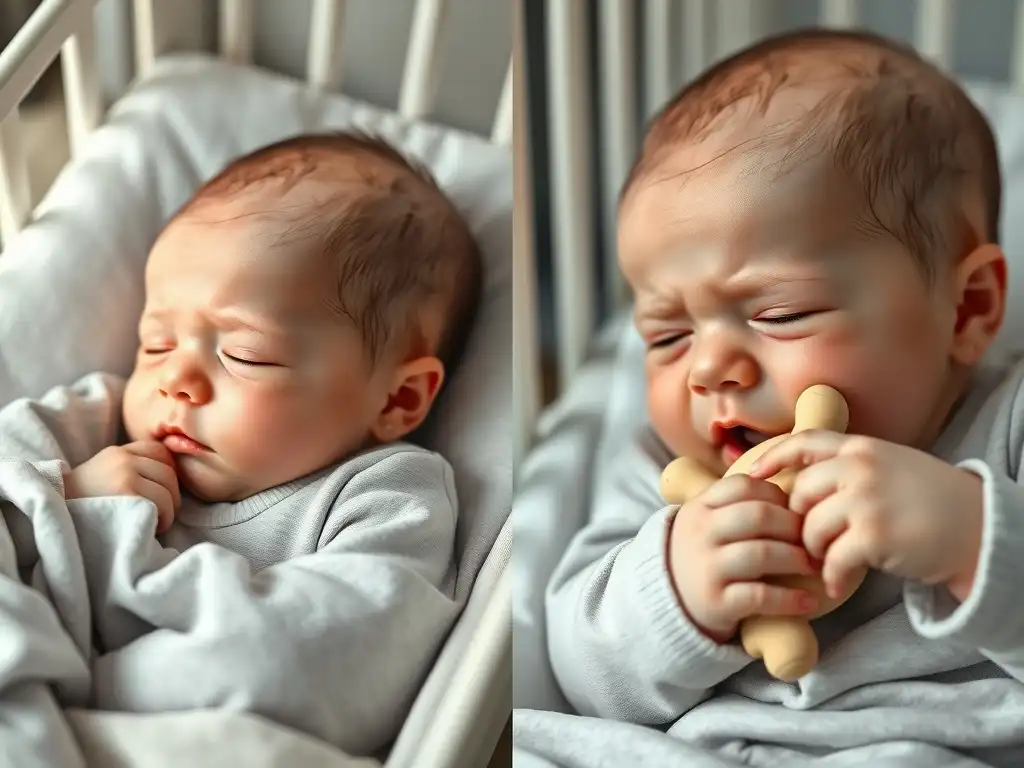
Understanding the difference between sleep regression and teething discomfort is crucial for first-time parents navigating the often-turbulent waters of infant sleep. While both can significantly disrupt a baby's sleep patterns, they stem from different underlying causes and present with distinct, albeit sometimes overlapping, symptoms. This section will delve into the key distinctions to help you identify the root of your baby's sleep problems. Effective management hinges on accurate diagnosis, allowing for targeted interventions.
Comparing Symptoms: Overlapping Signs of Sleep Regression and Teething
Both sleep regression and teething can manifest with similar symptoms, making accurate differentiation challenging. For example, irritability, fussiness, and frequent waking are common to both. Babies experiencing either might exhibit increased clinginess, difficulty settling, and shorter sleep cycles. The overlapping symptoms often lead to parental confusion, making it essential to look for subtle distinctions.
Let's examine some common symptoms:
| Symptom | Sleep Regression | Teething |
|---|---|---|
| Irritability | Often linked to developmental leaps and changes in sleep patterns | Can be caused by pain and discomfort in the gums |
| Frequent Waking | Baby wakes more frequently throughout the night | Baby wakes due to discomfort, needing soothing |
| Difficulty Settling | Increased difficulty falling asleep and staying asleep | Baby struggles to self-soothe due to pain |
| Reduced Daytime Sleep | May experience shorter or disrupted naps | May be restless during naps due to discomfort |
| Increased Clinginess | Seeking more comfort and reassurance from caregivers | Seeking comfort and distraction from pain |
It's important to note that the intensity and duration of these symptoms can vary considerably depending on the individual baby and the severity of the sleep regression or teething process. For example, some babies might only experience mild discomfort during teething, while others may exhibit more intense symptoms. Similarly, the severity of sleep regressions can also vary.
Distinguishing Factors: Identifying the Primary Cause of Sleep Disruption
While overlapping symptoms exist, several factors can help distinguish between sleep regression and teething as the primary cause of sleep disruption. For example, timing is a crucial indicator. Sleep regressions often occur around predictable developmental milestones (e.g., 4-month regression, 8-month regression), while teething generally happens at more varied intervals, although there are typical age ranges for the eruption of specific teeth.
Another key difference lies in the presence of physical symptoms. Teething is often accompanied by visible signs such as swollen gums, drooling, and potentially a low-grade fever. These physical manifestations are generally absent in sleep regressions. Furthermore, while a baby might be fussy during a sleep regression, the fussiness is often less directly tied to a specific physical discomfort. Instead, it's more related to the developmental changes impacting their sleep-wake cycle.
Observing your baby's behavior closely can also provide clues. During teething, your baby might show a preference for chewing on toys or fingers, attempting to alleviate gum discomfort. This behavior is less likely to be prominent during a sleep regression.
When to Seek Professional Help: Persistent high fever, refusal to feed, and excessive fussiness
While many sleep disruptions related to sleep regression or teething resolve on their own with time and supportive parenting strategies, certain symptoms warrant immediate professional attention. If your baby exhibits a persistent high fever (above 100.4°F or 38°C), refuses to feed, or displays excessive fussiness that doesn't respond to typical soothing techniques, it's crucial to seek medical advice. These symptoms could indicate an underlying medical condition that requires treatment. Don't hesitate to contact your pediatrician or healthcare provider if you have any concerns about your baby's health and well-being.
Early intervention is key to ensuring your baby receives the appropriate care. Remember, your pediatrician is your best resource for determining the root cause of your baby's sleep problems and developing a suitable management plan. Early intervention can make a significant difference in both your baby's comfort and your peace of mind. 👶
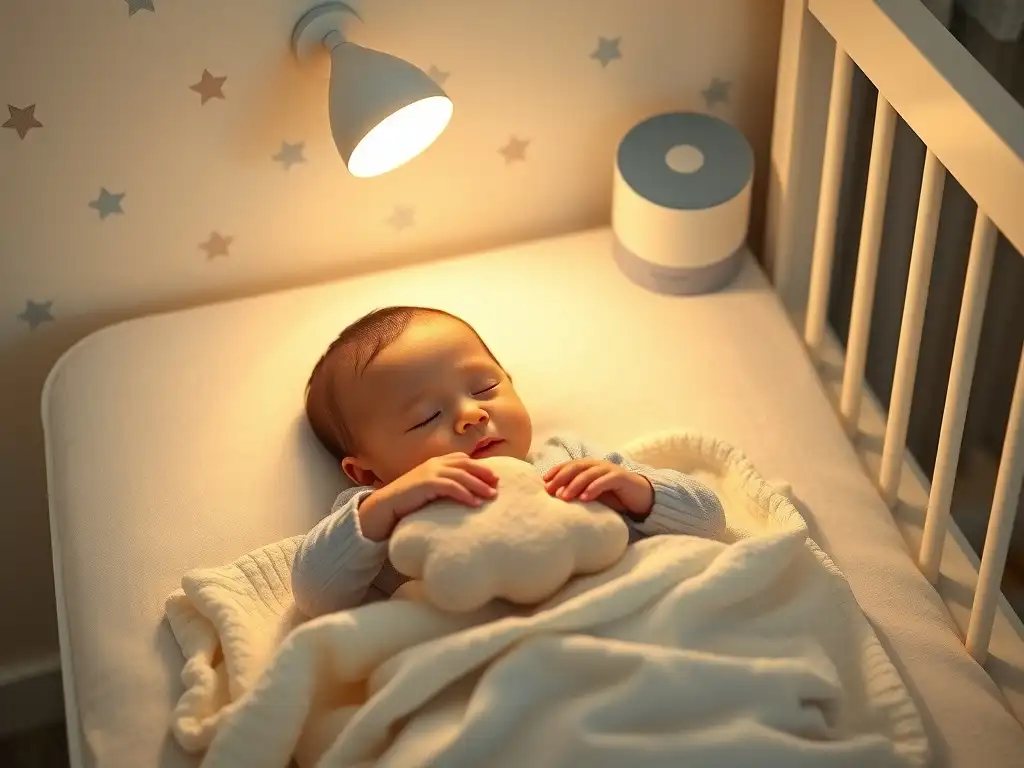
This section dives deep into the practical strategies for managing sleep disruptions stemming from both teething and sleep regression in infants. Understanding the differences between these two common causes of sleep disturbances is crucial for effective intervention. While both can lead to frequent night wakings and changes in sleep patterns, their underlying causes and solutions differ significantly.
This detailed guide empowers first-time parents to address these challenges confidently and effectively. We'll explore practical solutions, focusing on creating a consistent sleep routine, managing night wakings, and optimizing the sleep environment to promote restful sleep for both baby and parent. Effective management of baby sleep regression teething causes requires a multifaceted approach.
Creating a Consistent Sleep Routine: Establishing Healthy Sleep Habits
Establishing a consistent and predictable sleep routine is paramount for infants experiencing either teething discomfort or sleep regression. A regular bedtime routine signals to your baby that it's time to wind down and prepare for sleep. This routine should be calming and repetitive, ideally starting around the same time each night. Consistency is key; even on weekends, strive to maintain a similar schedule.
Here's a sample routine you can adapt to your baby's needs:
- 7:00 PM: Warm bath (calming lavender bath products can be helpful)
- 7:30 PM: Pajamas, diaper change, quiet playtime.
- 7:45 PM: Nursing/bottle feeding.
- 8:00 PM: Story time (short, simple books).
- 8:15 PM: Lullaby and cuddles.
- 8:30 PM: Baby placed in crib drowsy but awake.
Remember, flexibility is important. If your baby is exceptionally fussy due to teething, you might need to adjust the timing slightly. However, the key is to maintain a predictable sequence of events. This predictability helps regulate your baby's internal clock and reduces anxiety associated with bedtime. The aim is not to force sleep, but to create an environment conducive to sleep.
Furthermore, consider incorporating soothing rituals like gentle massage or singing lullabies. These calming activities can help ease teething pain and promote relaxation before sleep. A consistent routine significantly contributes to reducing the impact of baby sleep regression teething causes on your baby's sleep.
Managing Night Wakings: Soothing Techniques for Teething and Regression
Night wakings are common during both teething and sleep regression. However, the approaches to soothing your baby differ slightly depending on the underlying cause. If teething is the culprit, your baby may be waking due to pain and discomfort. Gentle massage of the gums, offering a chilled teething ring, or administering infant-safe pain relief medication (as directed by your pediatrician) can provide relief.
For sleep regressions, the focus shifts towards reassuring your baby and gently guiding them back to sleep without creating a strong association between waking and receiving attention. Here are some effective techniques:
- Respond calmly but minimally: Avoid picking your baby up unless absolutely necessary. A calm presence and gentle patting may suffice.
- Offer comfort objects: A favorite blanket or stuffed animal can provide a sense of security.
- Dim lighting: Avoid bright lights, as they can disrupt the sleep cycle.
- White noise: A white noise machine can help mask disruptive sounds.
- Check for diaper changes: A wet or soiled diaper can be a source of discomfort and wakefulness.
It's crucial to differentiate between attention-seeking behaviors and genuine distress. If your baby is consistently waking for attention, implementing a gradual extinction method (with professional guidance) might be necessary. However, if the wakings are accompanied by clear signs of discomfort (e.g., crying, fussiness), addressing the underlying cause (teething pain, etc.) is paramount. Understanding the baby sleep regression teething causes behind the wakings helps you choose the most appropriate soothing strategy.
Optimizing the Sleep Environment: Creating a Calm and Comfortable Sleep Space
The sleep environment plays a vital role in promoting restful sleep. A dark, quiet, and cool room is ideal for infants. Consider using blackout curtains to block out streetlights or early morning sun. Ensure the room temperature is comfortable (around 68-72°F or 20-22°C). A white noise machine can help mask disruptive noises from outside the room.
The crib should be safe and comfortable. The mattress should be firm and fit snugly. Remove any loose blankets or pillows to prevent suffocation. Ensure the crib is appropriately sized for your baby’s age and size.
For teething discomfort, a cool, damp washcloth can be soothing on your baby's gums. A chilled teething ring can also provide relief. Make sure all teething toys are appropriately sized and made of safe materials.
A consistent bedtime routine, coupled with a well-optimized sleep environment, significantly contributes to reducing the impact of baby sleep regression teething causes and helps your baby sleep soundly through the night. Remember, consistency and patience are key to establishing healthy sleep habits.
Nutritional Considerations: The impact of diet on sleep quality
A baby's diet plays a surprisingly significant role in their sleep patterns. While teething itself doesn't directly cause poor sleep, an upset stomach or discomfort related to what the baby eats can exacerbate sleep problems, often mistaken for sleep regression or solely attributed to teething. For breastfed babies, the mother's diet can indirectly influence the infant's sleep.
Certain foods consumed by the mother, such as caffeine or spicy foods, can be passed through breast milk and may affect the baby's sleep. For formula-fed babies, the type of formula and any potential sensitivities to ingredients can also contribute to sleep disturbances. Gas and colic, often triggered by dietary factors, frequently disrupt nighttime sleep.
It's crucial to maintain a consistent feeding schedule, particularly during the period when teething is suspected or sleep regression is occurring. Irregular feeding times can lead to hunger pangs that interrupt sleep. For breastfed babies, paying attention to the mother's diet and identifying any potential allergens or irritants is essential. For formula-fed babies, consulting a pediatrician about potential formula changes might be necessary if suspected food sensitivities are affecting sleep.
Keeping a detailed food diary, noting both what the baby eats and drinks, and any subsequent sleep disturbances, can be invaluable in identifying potential dietary triggers. This detailed record can help parents and pediatricians pinpoint any connections between diet and sleep problems. Remember, maintaining a consistent and appropriate dietary routine is vital for promoting restful sleep in babies experiencing teething or sleep regression. A healthy, balanced diet forms the foundation of overall well-being, directly impacting a baby's sleep quality.
Baby Sleep Regression and Teething: A Holistic Approach
This section delves into the complexities of differentiating between sleep regression and teething discomfort in infants, focusing on how these two seemingly separate issues can often overlap and influence each other, impacting your baby's sleep. Understanding the nuances of each is crucial for effectively addressing your little one's sleep challenges. We will examine how to identify each, and most importantly, how to create a comprehensive strategy to navigate this potentially turbulent period.
Remember, patience and consistency are key when addressing baby sleep issues, especially when multiple factors are at play. The keyword phrase "baby sleep regression teething causes" is addressed directly and indirectly throughout this section.
Combining Strategies: Addressing Both Sleep Regression and Teething Simultaneously
Many parents find themselves grappling with both sleep regression and teething simultaneously. This presents unique challenges, as the symptoms can often mimic each other, leading to confusion and frustration. For instance, both can manifest as increased nighttime wakings, fussiness, and difficulty settling. However, careful observation can help distinguish them. Teething often presents with visible symptoms like swollen gums, drooling, and a tendency to chew on objects. Sleep regressions, on the other hand, are characterized by a sudden shift in sleep patterns, often without other obvious physical symptoms.
A holistic approach is vital. This means combining strategies to address both issues concurrently. For teething discomfort, consider offering your baby chilled teething rings or washcloths, gentle gum massage, and age-appropriate pain relievers as recommended by your pediatrician. Simultaneously, maintain a consistent sleep routine to mitigate the effects of sleep regression. This routine should include a calming bedtime ritual, a consistent sleep environment, and a predictable sleep schedule. Remember to consult your pediatrician before using any pain relief medication.
The following table summarizes key differences and combined strategies:
| Feature | Sleep Regression | Teething | Combined Strategies |
|---|---|---|---|
| Primary Cause | Developmental leap, neurological changes | Tooth eruption | Address both underlying causes simultaneously |
| Symptoms | Increased nighttime wakings, fussiness, changes in sleep cycle | Swollen gums, drooling, chewing, irritability | Implement soothing teething methods alongside consistent sleep routine |
| Duration | Typically lasts a few weeks to a few months | Varies, but each tooth eruption can last days to weeks | Patience and consistency are key throughout the duration |
| Management | Consistent sleep routine, predictable schedule | Teething toys, pain relief (as recommended by pediatrician), gum massage | Combine both approaches, monitor baby's response |
Long-Term Strategies: Promoting Healthy Sleep Habits for Long-Term Success
Navigating sleep regressions and teething is a temporary phase, but establishing healthy sleep habits early on will benefit your baby in the long run. Focusing on creating a consistent and predictable sleep environment is paramount. This includes a dark, quiet, and cool room, a regular bedtime routine, and consistent sleep and wake times.
Even during periods of sleep disruption, maintaining a consistent routine signals to your baby when it's time to sleep and helps regulate their circadian rhythm. This routine could include a warm bath, a calming story, or gentle singing. Consistency, even when sleep is challenging, lays the groundwork for better sleep in the future. Consider the following long-term strategies:
- Consistent Bedtime and Wake-up Times: Even on weekends, try to maintain a relatively consistent schedule.
- Creating a Relaxing Bedtime Routine: This helps signal to your baby that it's time to wind down.
- Optimal Sleep Environment: Ensure the room is dark, quiet, and cool.
- Age-Appropriate Sleep Training Techniques: Consult your pediatrician or a certified sleep consultant for guidance.
- Addressing Underlying Medical Conditions: Rule out any potential medical issues contributing to sleep problems.
Supporting Your Baby Through Difficult Sleep Phases: Emotional Support for Parents and Baby
Addressing sleep disruptions, whether due to regression or teething, requires patience and understanding. Remember that this is a challenging time for both you and your baby. Providing emotional support is just as crucial as implementing practical strategies. For your baby, this means offering extra cuddles, comfort, and reassurance during nighttime wakings. Respond to your baby's cries calmly and consistently. Avoid associating bedtime with negative emotions.
For yourself, remember to prioritize self-care. Seek support from your partner, family, or friends. Don't hesitate to reach out to your pediatrician or a healthcare professional for advice and support. This phase will pass, and establishing healthy sleep habits now will pave the way for better sleep in the future for both you and your baby.
Remember, you're not alone in this journey, and seeking help is a sign of strength, not weakness. The support of your community, whether online or in person, can make a significant difference during these challenging times. 😴 Consider joining a support group for parents to connect with others facing similar challenges and share experiences.
Additional Resources for Parents
Navigating the challenges of infant sleep and teething can feel overwhelming for first-time parents. Fortunately, numerous resources are available to provide support and guidance. Beyond this article, consider exploring reputable parenting websites and books that offer evidence-based advice on sleep training and teething management. Many offer forums and communities where parents can connect and share their experiences, providing invaluable peer support. Remember to always prioritize information from credible sources, such as pediatricians, child development specialists, and organizations dedicated to infant and child health.
Seeking professional help is also crucial. If you're struggling to manage your baby's sleep or teething discomfort, don't hesitate to consult your pediatrician or a certified sleep consultant. They can provide personalized recommendations based on your baby's specific needs and development stage. A sleep consultant can offer strategies tailored to your family's lifestyle and address any underlying sleep issues that may be contributing to the problem.
They can help you develop a consistent sleep routine and teach you techniques to soothe your baby effectively. Remember, seeking help is a sign of strength, not weakness, and it can make a significant difference in improving your baby's sleep and your overall well-being. Early intervention can often prevent sleep problems from escalating and significantly improve your baby's overall health and development.
Don't be afraid to reach out for assistance – you are not alone in this journey. Many parents find immense value in connecting with support groups, either online or in person, to share experiences and learn from others facing similar challenges. These communities can offer a sense of belonging and validation, making the parenting journey less isolating.
Frequently Asked Questions
What is a sleep regression?
A sleep regression is a period where your baby's sleep patterns change, often involving more frequent waking and difficulty settling. It's a temporary phase, usually triggered by developmental leaps.
How can teething affect my baby's sleep?
Teething can cause discomfort and pain, leading to interrupted sleep. Babies may wake more frequently due to soreness in their gums.
Is it possible to differentiate between sleep regression and teething?
It can be difficult, as both cause disrupted sleep. Look for other symptoms like fussiness, drooling, and gum swelling to indicate teething. If sleep disruption is the only symptom, it's more likely a regression.
How long do sleep regressions and teething typically last?
Sleep regressions can last a few days to several weeks. Teething can also be a drawn-out process, with symptoms lasting for weeks or even months per tooth.
What can I do to help my baby sleep better during a sleep regression or while teething?
Offer comfort and reassurance, try a soothing routine, and use pain relief measures for teething (like cool teethers or infant acetaminophen/ibuprofen as directed by your pediatrician). Consistent sleep habits are also key.
The relentless cries of a teething baby, coupled with the disruption of established sleep patterns, are experiences familiar to countless first-time parents. Understanding the interplay between sleep regression and teething is crucial for navigating this challenging phase, offering a path towards more peaceful nights and a stronger parent-child bond. This knowledge empowers parents to respond effectively, rather than feeling overwhelmed and helpless in the face of their little one's distress.
The impact of sleep deprivation on new parents is often underestimated, extending far beyond simple fatigue. It can strain relationships, affect mental health, and impact daily functioning. The journey through teething and sleep regressions is a shared experience, a universal rite of passage for parents worldwide. The most important thing a father can do for his children is to love their mother.
– Theodore Hesburgh. This quote, while seemingly unrelated at first glance, highlights the importance of parental support and understanding during these demanding times. A supportive partner, family, or community can make all the difference in weathering the storm.
So, as you reflect on the information presented, remember this: you are not alone. The challenges of teething and sleep regressions are temporary, and the knowledge gained here empowers you to approach these periods with greater confidence and compassion. Take a moment to consider how you can best support your baby's needs during these developmental milestones, and remember to prioritize self-care as well. Your well-being is just as important as your baby's, and a rested, informed parent is best equipped to navigate the beautiful, yet often challenging, journey of parenthood.
Unlock Your Baby's Peaceful Nights: Actionable Steps for Sleep Success
Thank you for learning more about sleep regressions and teething. We hope this guide provided helpful insights and a renewed sense of calm. Now, let's put that knowledge into practice.
- Try one new sleep strategy this week: Choose the tip that seems most helpful and commit to it for a week. Even small adjustments can significantly improve your baby's sleep.
- Share your experience: Let's build a supportive community! Share in the comments which strategy you chose and why. Other parents will benefit from your experience.
- Explore more baby sleep resources: Our website offers additional advice to help you and your baby conquer sleepless nights.
Ready to create a more restful routine for you and your baby? What's one small change you'll prioritize this week to improve your little one's sleep?