
Sleep Regression: Embracing the Challenges with Confidence


Welcome to BabyCareHub, your ultimate guide to navigating the incredible journey of parenthood! Are you facing the sleep-deprived reality of a baby sleep regression? We understand the challenges, and that's why we've created this comprehensive resource. Discover effective and gentle solutions to help your little one (and you!) get the rest you deserve. Dive into our expert advice on Baby Sleep Regression Solutions and reclaim peaceful nights. Let's embark on this journey together!
- Understanding Baby Sleep Regression: What to Expect
- Baby Sleep Regression Solutions: Navigating the Rough Patches
- Strategies for Managing Baby Sleep Regression
- Supporting Yourself During Sleep Regression
- When to Seek Professional Help for Baby Sleep Issues
- Frequently Asked Questions
- Final Reflection: Navigating the Sleep Regression Storm
- Unleash Your Inner Sleep Superhero!
Understanding Baby Sleep Regression: What to Expect
Navigating the world of parenthood is a beautiful, yet often challenging journey. One of the most frequently encountered hurdles for first-time parents is the dreaded baby sleep regression. This isn't a medical condition, but rather a developmental phase where your little one's sleep patterns temporarily disrupt, leading to shorter sleep periods, more frequent night wakings, and overall sleep disruption.
This article serves as your comprehensive guide to understanding, navigating, and ultimately overcoming sleep regressions, providing you with practical "baby sleep regression solutions" to help you and your baby get back on track. We'll explore the typical ages when these regressions occur, how to identify them, and how to distinguish them from other sleep-related issues.
Remember, you're not alone in this, and with the right knowledge and approach, you can confidently handle this phase of your baby's development. This guide will equip you with the tools to embrace the challenges of sleep regression with confidence and reassurance.
Identifying the Signs of Sleep Regression in Infants
Sleep regressions manifest differently in each infant, but some common indicators include:
- Increased night wakings: Your baby, who previously slept through the night, might start waking up multiple times, requiring feeding or comforting.
- Shorter sleep stretches: The length of your baby's sleep cycles may decrease significantly.
- Difficulty falling asleep: Bedtime battles might become more frequent and intense.
- Changes in daytime naps: Naps may become shorter, more erratic, or disappear altogether.
- Increased fussiness and irritability: Your baby might be more clingy, demanding, and generally more difficult to soothe.
It's crucial to remember that these changes are often temporary and related to developmental leaps. Your baby's brain is rapidly developing, processing new information and skills, which can disrupt their sleep patterns. Keep a sleep diary to track your baby's sleep patterns, noting the duration and timing of naps and nighttime sleep, as well as any other relevant observations (feeding times, diaper changes, etc.). This will help you identify patterns and potential triggers. This detailed record can be invaluable when discussing concerns with your pediatrician. Don't hesitate to seek professional advice if you're struggling to manage the situation.
Typical Ages for Sleep Regressions: 4-Month, 8-Month, and More
Sleep regressions are commonly associated with specific developmental milestones. While the timing and intensity vary between babies, some typical ages for sleep regressions include:
- 4-Month Sleep Regression: This is often attributed to the development of more complex sleep cycles and the decline of the fourth trimester. Babies start to consolidate their sleep more, leading to longer stretches of sleep, but this transition can be bumpy.
- 8-Month Sleep Regression: Around eight months, babies are becoming more mobile and aware of their surroundings. This increased awareness and developing independence can lead to increased night wakings as they explore their environment and become more aware of their separation from you.
- 12-Month Sleep Regression (and beyond): As babies reach their first birthday and beyond, further developmental leaps, such as crawling, walking, teething, and increased cognitive development, can trigger sleep disruptions. The introduction of solids, changes in routine, and illness can also contribute to sleep disturbances during this period.
Remember that these are just common ages; sleep regressions can occur at other times too. Each baby is unique, and their sleep patterns will reflect their individual development.
Differentiating Sleep Regression from Other Sleep Problems
It's important to differentiate sleep regression from other potential sleep problems. While sleep regression is a temporary phase linked to development, other issues may require different approaches:
| Issue | Characteristics | Solution |
|---|---|---|
| Sleep Regression | Temporary disruption, linked to developmental leaps, usually resolves within a few weeks. | Consistent routine, soothing techniques, patience. |
| Underlying Medical Condition | Persistent sleep problems, often accompanied by other symptoms (e.g., fever, irritability). | Consult a pediatrician to rule out any medical issues. |
| Poor Sleep Habits | Inconsistent bedtime routine, inconsistent sleep environment, overtiredness. | Establishing a consistent and calming bedtime routine, creating a conducive sleep environment. |
| Separation Anxiety | Intense distress when separated from caregivers, often manifested during sleep. | Gradual separation techniques, maintaining a comforting presence. |
Understanding the differences between these issues is key to selecting the most appropriate management strategy. If you're unsure about what's causing your baby's sleep issues, consulting your pediatrician is always recommended. They can help you determine the underlying cause and provide tailored advice. 😴

Sleep regressions are a common challenge for parents, often leaving them feeling frustrated and exhausted. Understanding the causes and implementing effective strategies can significantly improve your baby's sleep and, consequently, your family's well-being. This section focuses on practical solutions to navigate these periods of disrupted sleep, providing you with the tools to regain a sense of calm and control. Remember, consistency and patience are key when addressing baby sleep regression solutions.
Establishing a Consistent Bedtime Routine for Improved Sleep
A predictable bedtime routine is crucial for establishing healthy sleep habits and mitigating the effects of sleep regression. This routine should be calming and repetitive, signaling to your baby that it's time to wind down. The key is consistency; stick to the routine as closely as possible, even on weekends.
Here's a sample routine you can adapt to your baby's needs:
- 7:00 PM: Bath time (warm, not hot water)
- 7:30 PM: Pajamas and quiet playtime
- 7:45 PM: Feeding
- 8:00 PM: Story time/singing lullabies
- 8:15 PM: Place baby in crib drowsy but awake.
Remember to keep the environment dim and quiet during this time. Avoid screens at least an hour before bedtime. The duration of each activity might need adjustment based on your baby's age and individual needs. For example, a younger baby might require shorter segments.
The benefits of a consistent routine are numerous. It helps regulate your baby's internal clock (circadian rhythm), reducing nighttime wakings. Studies show that babies with established routines tend to fall asleep faster and sleep more soundly. Moreover, a predictable routine provides a sense of security and comfort, which is particularly important during periods of developmental change. Experiment with different routines to find what works best for your family. Don't be afraid to adjust the timing slightly if needed, but maintain the overall structure.
Creating a Soothing and Conducive Sleep Environment for Your Baby
The sleep environment plays a significant role in your baby's sleep quality. A dark, quiet, and cool room fosters better sleep. Consider these elements:
- Darkness: Use blackout curtains or blinds to minimize light exposure. A nightlight offering a dim, gentle glow can be helpful for some babies, providing a sense of security without disrupting their sleep.
- Quiet: Minimize noise distractions. A white noise machine can help mask sudden noises and create a consistent auditory backdrop.
- Temperature: A slightly cool room (around 68-72°F or 20-22°C) is ideal. Overheating can disrupt sleep.
- Comfort: Ensure your baby's bedding is comfortable and safe. Avoid loose blankets or pillows, opting for a sleep sack or swaddle if needed.
Creating a calming and consistent sleep environment can significantly improve your baby's sleep. Data suggests that babies sleeping in optimal environments experience fewer night wakings and longer sleep cycles. A comfortable and safe space promotes feelings of security and reduces anxiety, contributing to better sleep quality.
Addressing Potential Underlying Issues Affecting Sleep Quality
Sometimes, sleep regression isn't just a developmental leap; it can be a sign of an underlying issue. It's crucial to rule out any potential medical or comfort-related problems.
- Teething: The discomfort associated with teething can significantly disrupt a baby's sleep. Providing appropriate teething relief (e.g., chilled teething rings, gentle massage) can help alleviate the pain.
- Illness: A fever, cold, or ear infection can cause nighttime wakings and restless sleep. Consult your pediatrician if you suspect your baby is unwell.
- Hunger: Ensure your baby is getting enough to eat during the day and night. Consult with a pediatrician or lactation consultant if you have concerns about your baby's feeding.
- Growth Spurts: During growth spurts, babies may experience increased hunger and need more frequent feedings, leading to more frequent nighttime wakings.
Addressing these potential underlying issues is crucial for resolving sleep problems. Regular check-ups with your pediatrician are essential for monitoring your baby's overall health and development. If you suspect any medical concerns, seek professional medical advice immediately. Early intervention can prevent prolonged sleep disruption and improve your baby’s well-being. Remember, a healthy and well-rested baby is more likely to sleep soundly. 😴
Strategies for Managing Baby Sleep Regression
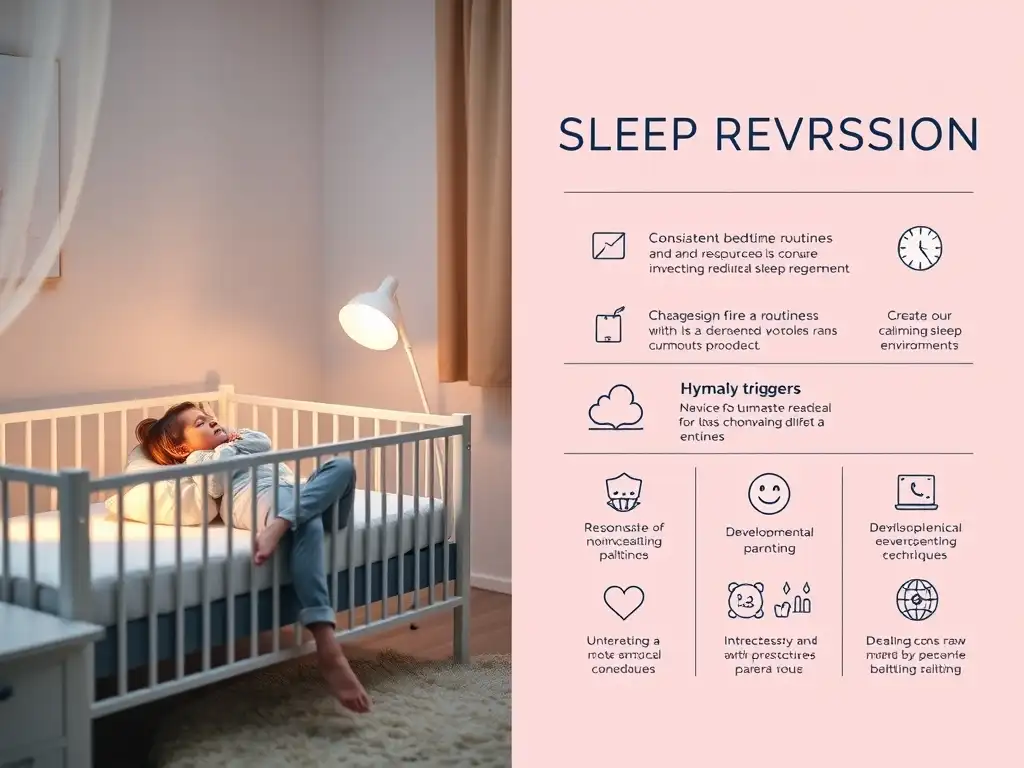
Navigating baby sleep regression can feel overwhelming, but with the right strategies, you can support your little one and regain some much-needed rest. This section focuses on practical solutions to common challenges, offering a path towards more peaceful nights for both you and your baby. Remember, consistency and patience are key when addressing sleep regression. Finding the right balance between responsiveness and establishing healthy sleep habits is crucial for long-term success.
This is where understanding your baby's individual needs truly shines. Every baby is unique, and what works for one may not work for another. The goal is to find your perfect approach to managing baby sleep regression solutions.
Adjusting Feeding Schedules to Support Better Sleep
Sleep regression often coincides with developmental leaps, increased activity, and changes in your baby's nutritional needs. Adjusting feeding schedules can sometimes mitigate some sleep disruption. However, it's crucial to remember that this shouldn't be done at the expense of your baby's nutritional intake. Instead of drastically altering feeding times, consider making subtle adjustments.
For example, if your baby typically wakes every 2 hours during the night, you might try extending the interval by 15-30 minutes each night. This gradual increase allows your baby to adjust more comfortably. Closely monitor your baby's weight and overall health; if you notice any signs of inadequate nutrition, immediately revert to a more frequent feeding schedule and consult your pediatrician. Keep a detailed feeding log to track your baby's intake and sleep patterns.
This will help you identify trends and make informed decisions. Remember, a well-nourished baby is better equipped to sleep soundly. This approach is a key component of effective baby sleep regression solutions.
Consider offering a slightly larger volume of milk or formula during the late evening feeding. This might help your baby sleep for a longer stretch. However, never force your baby to consume more than they are comfortable with. Always be guided by your baby's cues.
Implementing Gentle Sleep Training Techniques During Regression
Sleep regression can make established sleep routines seem to crumble. However, rather than abandoning your sleep training methods altogether, consider adapting them to address the increased need for comfort and reassurance during this period. Gentle sleep training techniques, such as the Ferber method or the pick-up, put-down method, can be modified to provide extra support during regression.
For instance, during the Ferber method, you might shorten the intervals between check-ins or offer additional comfort during those check-ins. With the pick-up, put-down method, you might increase the number of times you pick up your baby before allowing them to settle independently. The key is to maintain a consistent routine while offering more reassurance. Remember to remain calm and patient throughout the process. Your calm demeanor will help your baby feel secure.
It's important to note that during regression, your baby may need more physical closeness and comfort than usual. This is perfectly normal and doesn't signify a failure of your sleep training efforts. Flexibility and understanding are paramount. These gentle adjustments are vital aspects of effective baby sleep regression solutions.
Recognizing and Responding to Your Baby's Sleep Cues Effectively
During sleep regression, your baby's sleep cues might become more subtle or more frequent. Learning to distinguish between true hunger, discomfort, and a need for reassurance is crucial for effective management. Some babies might exhibit subtle cues like stirring, whimpering, or fussing. Others might become more overtly distressed.
Pay close attention to your baby's body language and sounds. A hungry baby might root for the breast or bottle, while a baby needing comfort might simply want to be held or cuddled. A baby who is uncomfortable might cry more intensely or exhibit signs of discomfort. Keeping a sleep diary can help you identify patterns in your baby's behavior and better understand their cues.
Responding promptly and appropriately to your baby's cues can prevent escalation and help them return to sleep more easily. However, it is important to differentiate between comforting and enabling. While providing comfort is crucial, avoid reinforcing negative sleep associations by picking up your baby immediately every time they stir. Instead, use a tiered approach, starting with gentle soothing techniques before resorting to picking up your baby. This careful observation and response are instrumental in implementing successful baby sleep regression solutions.
| Cue | Possible Meaning | Appropriate Response |
|---|---|---|
| Slight stirring | Settling, minor discomfort | Gentle patting, shushing, or offering a pacifier |
| Whimpering | Hunger, discomfort | Check diaper, offer comfort, or consider feeding |
| Crying (low intensity) | Need for reassurance | Gentle rocking, humming, or holding |
| Crying (high intensity) | Significant distress | Investigate the cause, provide comfort and reassurance |
Remember, consistency, patience, and a deep understanding of your baby's individual needs are crucial for successfully navigating sleep regression. These strategies, combined with a flexible approach, can pave the way for more restful nights for everyone.
Supporting Yourself During Sleep Regression

Navigating baby sleep regression can be incredibly demanding, leaving parents feeling exhausted and overwhelmed. It's crucial to remember that you are not alone, and prioritizing your well-being is essential for effectively managing this phase. This section focuses on practical strategies for supporting yourself and maintaining your mental and physical health during this challenging period. Effective baby sleep regression solutions often begin with caring for the caregiver.
Prioritizing Self-Care for Parents During Challenging Sleep Phases
The impact of sleep deprivation on parents during a sleep regression is significant. Chronic sleep loss can lead to irritability, decreased cognitive function, and even impact your immune system. Therefore, self-care isn't a luxury; it's a necessity. Here's how to incorporate self-care into your daily routine:
- Prioritize Sleep When Possible: Even short bursts of sleep can make a difference. If your baby naps, try to nap alongside them, even if it's just for 20 minutes.
- Nourish Your Body: Consume nutritious meals and stay hydrated. Reaching for sugary snacks for a quick energy boost might seem tempting, but it often leads to a subsequent energy crash. Opt for balanced meals and snacks instead.
- Engage in Gentle Exercise: Physical activity releases endorphins, which have mood-boosting effects. A short walk, some stretching, or even a gentle yoga session can significantly improve your well-being.
- Practice Mindfulness and Relaxation Techniques: Techniques like deep breathing exercises, meditation, or even listening to calming music can help manage stress and promote relaxation. Even 5-10 minutes a day can be beneficial.
- Accept Help: Don't hesitate to ask for help from your partner, family, or friends. Accept offers of assistance with chores, errands, or even just holding the baby while you rest.
Seeking Support from Family, Friends, or Support Groups
Sleep regression is a common experience, yet many parents feel isolated and alone in their struggle. Reaching out for support is a sign of strength, not weakness. Consider these options:
- Family and Friends: Lean on your support network. Let loved ones know you're going through a challenging time and need their help. They might offer to watch the baby for a few hours, allowing you some much-needed rest.
- Support Groups: Online forums and in-person support groups provide a valuable space to connect with other parents experiencing similar challenges. Sharing experiences and receiving advice from others who understand can be incredibly helpful. These groups often offer practical tips and emotional support.
- Professional Help: If you're struggling to cope, don't hesitate to seek professional help. A therapist or counselor can provide guidance and support in managing stress and improving your overall well-being. They can offer strategies for dealing with sleep deprivation and its impact on your mental health.
Understanding the Temporary Nature of Sleep Regression
Remember that sleep regression is a temporary phase. While it can feel endless during the experience, it eventually passes. Understanding this can provide a sense of hope and perspective.
- Developmental Leaps: Sleep regressions are often linked to developmental leaps. As your baby learns new skills and processes information, their sleep patterns can temporarily change.
- Time Frame: While the duration varies, most sleep regressions resolve within a few weeks. Keeping this timeframe in mind can help you stay focused on the eventual end of this challenging period.
- Positive Reinforcement: Focus on the positive aspects of your baby's development and celebrate their milestones. This helps maintain a positive outlook, even amidst the sleep disruptions. This positive reinforcement can also indirectly contribute to better sleep routines in the long run.
By prioritizing self-care, seeking support, and understanding the temporary nature of sleep regression, you can navigate this challenging phase with more confidence and resilience. Remember, you are doing a great job, and this too shall pass. Effective baby sleep regression solutions encompass not just strategies for the baby, but also for the parents.
When to Seek Professional Help for Baby Sleep Issues
Navigating the world of baby sleep can be incredibly challenging, especially when faced with sleep regression. While many sleep disruptions are a normal part of development, knowing when to seek professional help is crucial for both your baby's well-being and your own sanity. This section focuses on identifying situations that signal the need for expert intervention, empowering you to make informed decisions about your little one's sleep. Remember, seeking help is a sign of strength, not weakness. Early intervention can often prevent more significant sleep problems down the line.
Identifying Signs That Warrant a Consultation with a Pediatrician or Sleep Consultant
Several signs indicate that your baby's sleep issues might require professional attention. These are not just about the number of hours your baby sleeps, but rather the quality of their sleep and the impact on your family's overall well-being. Consider seeking professional help if you observe any of the following:
- Persistent and severe sleep deprivation: If your baby consistently sleeps less than 10-12 hours in a 24-hour period (age-appropriate amounts vary) and this significantly impacts their daytime functioning and overall health, it's time to consult a professional. This is especially true if it's affecting your ability to care for your baby effectively. Remember, consistent short sleep periods are more concerning than occasional poor nights.
- Unusual behaviors during sleep: Screaming, inconsolable crying, excessive thrashing, or other unusual behaviors during sleep that are beyond normal fussiness could indicate an underlying medical issue or a sleep disorder requiring professional evaluation. Keep a detailed sleep diary noting these events to share with your doctor.
- Failure to respond to common sleep solutions: If you've tried various common baby sleep training techniques, such as establishing consistent routines, creating a conducive sleep environment, and addressing feeding and comfort needs, and yet your baby's sleep remains severely disrupted, seeking professional guidance is advisable. It could indicate a more complex underlying problem.
- Impact on family well-being: Sleep deprivation significantly impacts parental mental and physical health. If your baby's sleep problems are causing significant stress, anxiety, or impacting your relationships, it’s important to seek help. Your well-being is crucial for providing optimal care for your baby.
- Medical concerns: If you suspect an underlying medical condition contributing to your baby's sleep problems, such as reflux, allergies, or other health issues, a pediatrician's evaluation is essential. This is paramount to addressing the root cause of the sleep disruption.
Finding Qualified Professionals to Assist with Sleep Regression Challenges
Finding the right professional to help with your baby's sleep regression is an important step. You have two primary options: a pediatrician or a certified sleep consultant. Each has unique strengths:
| Professional | Strengths | Considerations |
|---|---|---|
| Pediatrician | Can diagnose and treat underlying medical conditions affecting sleep. | May not have specialized training in sleep training techniques. |
| Certified Sleep Consultant | Specializes in sleep training techniques and strategies for babies. | Does not diagnose or treat medical conditions; may require a physician's clearance. |
Choosing the right professional depends on your specific needs. If you suspect a medical issue is contributing to the sleep regression, a pediatrician is the primary point of contact. If you've ruled out medical issues and need support implementing effective sleep training strategies, a certified sleep consultant can provide valuable guidance and personalized solutions. Remember to verify their credentials and experience before engaging their services.
Effective communication and a good fit are crucial for a successful outcome. Don't hesitate to interview several professionals before making a decision. Finding the right support system can make all the difference in navigating the challenges of baby sleep regression and achieving restful nights for both you and your baby. 😴
Frequently Asked Questions
What is a baby sleep regression?
A baby sleep regression is a period where your baby, after establishing a good sleep routine, suddenly starts sleeping poorly. This is often characterized by frequent night wakings and difficulty settling. It's a normal developmental phase, not a sign of a problem.
When do sleep regressions typically occur?
Sleep regressions can happen at various ages, but common times include around 4 months, 8 months, and 1 year old. These periods are linked to developmental leaps and changes in your baby's sleep cycles.
What are some common causes of sleep regressions?
Several factors can contribute, including developmental milestones, like learning to crawl or walk, teething, and illness. Changes in their routine, such as travel or a new sibling, can also disrupt sleep.
How long do sleep regressions last?
The duration varies, but most sleep regressions resolve within a few weeks to a couple of months. Consistency with your baby's sleep routine and providing reassurance can help ease the transition.
What are some effective solutions for managing sleep regressions?
Maintaining a consistent bedtime routine, offering comfort and reassurance, and ensuring a safe and dark sleep environment are key. Consult your pediatrician if you have concerns or the regression persists for an extended period.
The tumultuous waters of baby sleep regression are a universal experience, yet each journey is uniquely challenging. Understanding the phases, recognizing the triggers, and implementing effective strategies are crucial not just for surviving, but for thriving during this period. This knowledge empowers parents to approach sleep disruptions with confidence, transforming frustration into informed action.
The impact of sleep regression extends far beyond the sleepless nights; it profoundly shapes the parent-child bond. The exhaustion, the emotional toll, and the constant questioning of one's parenting abilities can be overwhelming. Yet, within this crucible, a deeper understanding of our little ones and a strengthened resilience often emerge. The most beautiful moments in life are not the things we do, but the people we meet and the relationships we create.
This quote, while not directly about sleep regression, speaks to the enduring strength of the bond forged during these challenging times. The shared experience, the mutual reliance, and the unwavering love create a powerful foundation for future growth.
You, the parent, hold the key to navigating this phase. Remember the strategies discussed – consistency, patience, and a flexible approach are your allies. Don't be afraid to seek support, whether from your partner, family, friends, or professionals. Embrace the challenges, celebrate the small victories, and trust in your ability to guide your little one through this temporary storm. The calm after the storm will be all the sweeter, and the bond you've forged will be stronger than ever.
Unleash Your Inner Sleep Superhero!
Thank you for learning about sleep regressions. You're now equipped with valuable knowledge to navigate this challenging phase. Let's put that knowledge to work!
Here's how to confidently conquer those sleepless nights:
- Start with one new sleep tip from this article. Focus on a single strategy that suits you and your baby, and track your progress. Don't try to do too much at once.
- Connect with other parents. Join our BabyCareHub community forum and share your experiences. You'll find unexpected support and insights from others facing similar challenges.
- Track your baby's sleep patterns. Keeping a sleep diary can reveal surprising insights into your baby's sleep rhythms and help you identify any emerging trends.
Ready to become a sleep master? What small step will you take today to improve your baby's sleep—and your own?