
Separate Room and SelfSoothing: Helping Baby Develop Independent Sleep Skills


Welcome to BabyCareHub, your ultimate guide to navigating the incredible journey of parenthood! Are you ready to unlock the secrets to a peaceful night's sleep for both you and your little one? Discover how to empower your baby with baby self-soothing sleep training techniques, fostering independence and healthy sleep habits. We'll explore the benefits of separate sleeping arrangements and provide practical, step-by-step guidance in our comprehensive article, "Separate Room and SelfSoothing: Helping Baby Develop Independent Sleep Skills." Dive in and begin your journey towards sweeter dreams!
- Understanding Baby Self-Soothe Sleep Training: A Gentle Approach
- Preparing Your Baby's Room for Independent Sleep
- Gradual Transition to a Separate Room: A Step-by-Step Guide
- Troubleshooting Common Challenges in Baby Self-Soothe Sleep Training
- Maintaining Consistency and Celebrating Successes in Baby Self-Soothing
- Frequently Asked Questions
- Final Reflection: Cultivating Independence: The Journey to Peaceful Sleep
- Unlock Your Baby's Sleep Potential: Start Their Journey to Independent Sleep Tonight!
Understanding Baby Self-Soothe Sleep Training: A Gentle Approach
Choosing the right sleep arrangement for your newborn is a significant decision for first-time parents. This article delves into the intricacies of baby self-soothe sleep training, focusing on a gentle and effective approach to help your little one develop independent sleep skills. We'll explore the developmental benefits of independent sleep, teach you how to recognize your baby's sleep cues, and guide you through establishing a consistent bedtime routine that fosters self-soothing.
Understanding your baby's sleep patterns and implementing these strategies can significantly improve your baby’s sleep quality, reducing nighttime wakings and promoting a more restful night for both parent and child. This approach emphasizes a supportive and nurturing environment rather than strict methods, prioritizing your baby's emotional well-being throughout the process.
We will explore the nuances of co-sleeping, room-sharing, and separate rooms, empowering you to make an informed decision based on your family's needs and your baby's developmental stage. Remember, consistency and patience are key to success in baby self-soothe sleep training.
The Importance of Independent Sleep for Baby's Development
Independent sleep is crucial for your baby's healthy development. While the snuggles and closeness of co-sleeping are undeniably comforting, gradually encouraging self-soothing promotes several key developmental milestones. For example, sufficient, uninterrupted sleep allows for the release of growth hormones vital for physical development.
Furthermore, consolidated sleep periods contribute to improved cognitive function, emotional regulation, and overall well-being. Studies have shown a correlation between consistent sleep patterns and improved attention spans, language development, and even reduced behavioral issues in toddlers. A well-rested baby is a happier, healthier baby, making independent sleep a valuable long-term investment in their growth and development.
This isn't about abandoning your baby; it's about equipping them with the tools to navigate sleep independently, fostering a sense of security and self-reliance. The transition may require patience and persistence, but the rewards are significant. Remember, every baby develops at their own pace, and what works for one might not work for another.
Recognizing Your Baby's Sleep Cues: When to Intervene, When to Wait
Learning to differentiate between true need and learned behaviors is crucial in baby self-soothe sleep training. Babies communicate their needs through various cues: fussing, whimpering, crying, and even subtle movements. The key is discerning whether your baby is genuinely distressed (e.g., hungry, needing a diaper change, or unwell) or simply exhibiting behaviors associated with the sleep transition.
For instance, a drowsy baby might stir and fuss slightly before falling back asleep. This is often a normal stage of the sleep cycle and doesn't necessarily require intervention. However, sustained crying or inconsolable distress warrants attention, indicating a potential unmet need.
Keeping a sleep diary can be incredibly helpful in tracking your baby's sleep patterns and identifying recurring cues. This allows you to better understand their sleep cycles and anticipate their needs, leading to more effective responses. Understanding these cues allows for a more responsive and less intrusive approach to sleep training, fostering a secure attachment while promoting independence.
Establishing a Consistent Bedtime Routine for Enhanced Self-Soothing
A consistent bedtime routine is the cornerstone of effective baby self-soothe sleep training. Predictability provides a sense of security and helps regulate your baby's circadian rhythm. This routine should be calming and repetitive, ideally involving similar activities each night. Examples include a warm bath, a gentle massage, reading a bedtime story, singing a lullaby, or cuddling.
The duration of the routine can be adjusted based on your baby's age and needs, but consistency is paramount. The key is to create a soothing environment that signals to your baby that it's time to wind down and prepare for sleep. Avoid screen time before bed, as the blue light emitted from devices can interfere with melatonin production, making it harder for your baby to fall asleep.
A dark, quiet room with a comfortable temperature contributes to a peaceful sleep environment. By consistently repeating this routine, you're essentially teaching your baby to associate these actions with sleep, making it easier for them to self-soothe and fall asleep independently. Remember, patience is crucial; establishing a new routine takes time and consistency.
Preparing Your Baby's Room for Independent Sleep
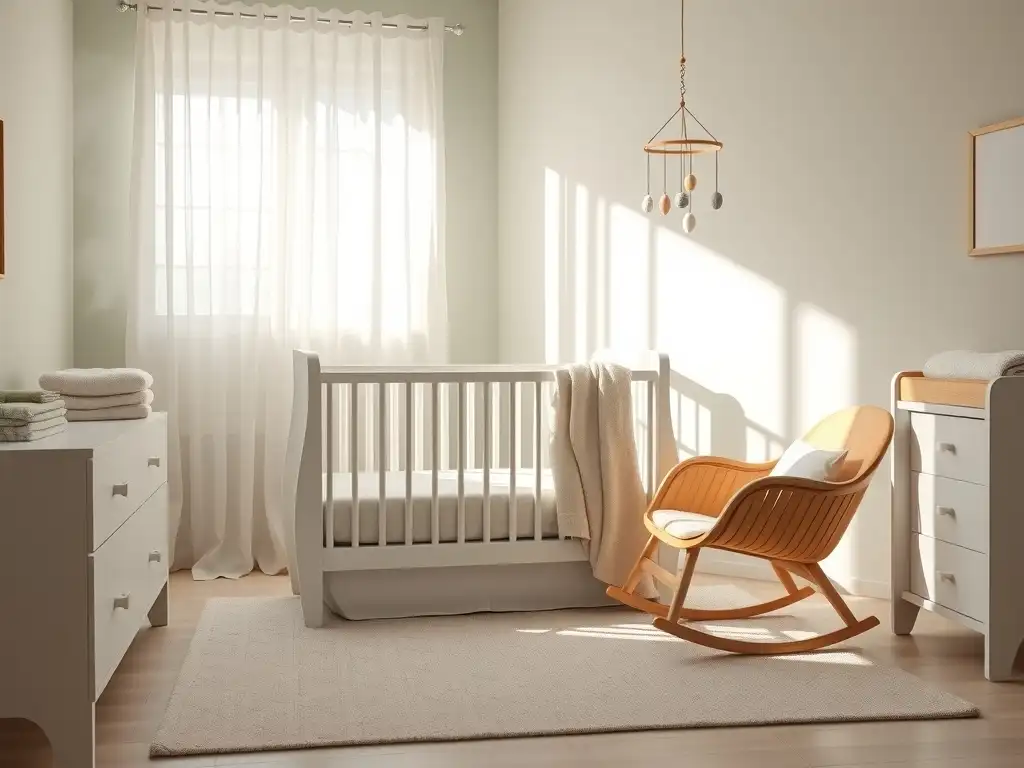
This section focuses on the practical steps involved in preparing your baby's room to foster independent sleep and self-soothing. A well-prepared environment significantly contributes to a baby's ability to fall asleep and stay asleep on their own. We'll explore key elements to consider, ensuring both safety and comfort. Remember, consistency is key when implementing these changes as part of your baby self soothe sleep training strategy.
Creating a Safe and Soothing Sleep Environment: Temperature, Lighting, and Noise
Creating a conducive sleep environment is crucial for effective baby self soothe sleep training. The ideal temperature for a baby's room is between 68-72°F (20-22°C). Too hot, and your baby may overheat; too cold, and they may become uncomfortable and restless. A reliable thermometer is a great investment to monitor the temperature accurately.
Lighting plays a significant role in regulating sleep cycles. A dark room promotes melatonin production, a hormone essential for sleep. Consider blackout curtains or blinds to minimize light intrusion, especially during the night. A dim nightlight can be helpful for nighttime feedings or diaper changes, but avoid bright lights.
Noise levels should be kept to a minimum. While complete silence isn't always possible, aim for a calm and quiet atmosphere. White noise machines can be beneficial in masking disruptive sounds and creating a consistent auditory environment. Experiment with different white noise sounds (ocean waves, fan noise) to determine what your baby prefers. Remember to place the machine at a safe distance and check the volume regularly. Always prioritize safety when using any electrical device in your baby's room.
Choosing the Right Sleep Surface and Bedding for Your Baby
The sleep surface is a critical element of a safe and comfortable sleep environment. The American Academy of Pediatrics (AAP) strongly recommends that babies sleep on a firm, flat surface, such as a crib mattress. Avoid soft surfaces like adult beds, sofas, or waterbeds, which increase the risk of Sudden Infant Death Syndrome (SIDS).
Bedding should be minimal and safe. A fitted sheet is all that's necessary. Avoid loose blankets, pillows, bumpers, or stuffed animals in the crib. These items pose suffocation hazards. Opt for a breathable sleep sack or swaddle instead of loose blankets to keep your baby warm and secure without the risk of entanglement. Regularly check the mattress and bedding for any signs of wear and tear and replace them as needed. Prioritizing safety in this area is paramount for successful baby self soothe sleep training.
Introducing a Comfort Object to Aid in Self-Soothing
A comfort object, such as a small, soft blanket or a lovey (a small, securely attached toy), can be beneficial in helping your baby self-soothe. The familiarity and tactile comfort provided by a comfort object can be incredibly reassuring, especially during times of distress or when transitioning to independent sleep.
However, it's crucial to choose a comfort object carefully. Ensure it's small enough to avoid entanglement, securely stitched with no loose parts that could pose a choking hazard, and made of soft, washable material. Always supervise your baby with any comfort object, especially in the early months. Introducing a comfort object gradually is recommended to avoid over-reliance. Consider rotating a few different comfort objects to prevent attachment to just one. Proper selection and introduction of a comfort object contributes to a successful baby self soothe sleep training program. Remember to wash the comfort object regularly to maintain hygiene.
Gradual Transition to a Separate Room: A Step-by-Step Guide
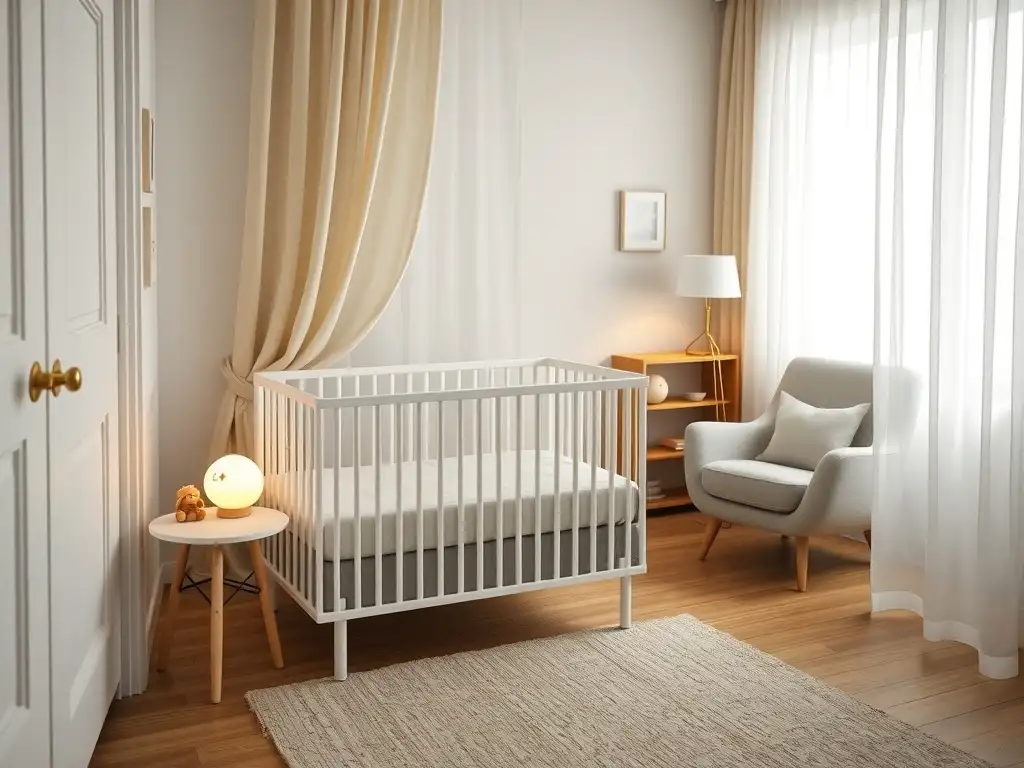
This section focuses on the practical implementation of moving your baby to their own room, a crucial step in many baby self soothe sleep training methods. The key is a gradual transition, minimizing stress for both parent and child. Rushing the process can be counterproductive, potentially leading to increased nighttime wakings and anxiety. Remember, the goal is to foster independent sleep skills, not to force separation.
Starting Small: Proximity and Gradual Distance
Begin by placing your baby's crib or bassinet in your bedroom, but a little further away than usual. This allows for proximity while slowly acclimating your baby to a new sleep environment. Many parents find that moving the crib a foot or two each night works well. Observe your baby's reactions; if they seem unsettled, slow down the process and maintain the closer distance for a few more nights.
Consistent routines are key during this phase. This gradual distancing helps your baby adjust to the sensory changes associated with sleeping in a separate space. Remember, consistent bedtime routines, such as a warm bath, a calming book, and a lullaby, significantly contribute to better sleep. The predictability provides comfort and security, even during this transition period.
The aim is to create a sense of security and familiarity before the complete transition. This method helps reduce the potential for anxiety and nighttime disturbances. Consider using a sound machine to mimic the familiar sounds of your bedroom, providing a sense of continuity. Pay close attention to your baby's cues; if they seem distressed, don't hesitate to adjust your approach. Flexibility and responsiveness are essential components of successful sleep training. This initial phase may take several nights, or even weeks, depending on your baby's temperament and readiness.
Nighttime Checks and Responses: Minimizing Interruptions
Once your baby is comfortable with the increased distance in your room, you can begin to extend the time between nighttime checks. Initially, you might check on your baby every 30 minutes, gradually increasing the intervals to an hour, then 90 minutes, and so on. During these checks, keep interactions brief and minimal. A quick visual check is often sufficient; avoid picking up or engaging your baby unless absolutely necessary.
The goal is to teach your baby to self-soothe and fall back asleep independently. This phase demands patience and consistency. Avoid rewarding crying with immediate attention, as this can reinforce the behavior.
This approach helps your baby learn to self-regulate their sleep cycles and to fall back asleep without parental intervention. It's important to distinguish between comforting and enabling. While comforting your baby is acceptable (a gentle pat or shushing), enabling involves picking them up and rocking them back to sleep, which can hinder the development of self-soothing skills. This can be challenging, especially when your baby cries, but consistency is key to establishing healthy sleep habits. Remember, you're teaching your baby a valuable life skill: the ability to self-soothe and cope with minor disturbances during sleep.
Addressing Night Wakings: Gentle Guidance and Self-Soothing Techniques
Inevitably, your baby will wake up during the night. The key during these night wakings is to provide gentle guidance and encourage self-soothing. Avoid rushing to your baby's side immediately. Instead, wait for a brief period (e.g., 5-10 minutes) before checking on them. This allows them the opportunity to self-soothe and potentially fall back asleep on their own.
If your baby continues to cry, offer brief reassurance and then leave again. This consistent approach teaches your baby that they can manage these nighttime disruptions independently. This process requires patience and consistency. Remember, some nights might be more challenging than others.
To further encourage self-soothing, consider offering a comfort object, such as a favorite blanket or stuffed animal. A consistent bedtime routine, including a calming bath and quiet playtime, can also contribute to longer stretches of sleep. Keep the room dimly lit and quiet to promote relaxation. Avoid stimulating activities before bedtime. Track your baby's sleep patterns to identify any recurring issues or trends.
This data can help you fine-tune your approach and address any specific challenges. Remember that each baby is unique and requires a personalized approach. This is a journey, not a race, and celebrating small victories along the way will help you stay motivated. The development of self-soothing skills is a significant milestone in your baby's development, contributing to improved sleep for both you and your baby.
Handling Separation Anxiety: Strategies for Both Parent and Baby
Separation anxiety is a common hurdle in the transition to a separate room. Both baby and parent may experience distress during this period. For the baby, the sudden absence of the familiar presence of a parent can be unsettling, leading to crying, increased fussiness, and difficulty settling. For the parent, the emotional toll can be significant, ranging from guilt and worry to exhaustion from repeated nighttime visits. Understanding these feelings is crucial to navigating this phase effectively.
Addressing the baby's separation anxiety requires a multifaceted approach. Creating a consistent and comforting bedtime routine is paramount. This might involve a warm bath, a gentle massage, reading a favorite book, or singing a lullaby – anything that signals to your baby that it's time to sleep. Establishing this routine helps your baby associate their crib or bed with relaxation and sleep, rather than fear or distress.
Furthermore, a familiar and comforting object, like a favorite stuffed animal or blanket, can provide a sense of security and comfort during the night. This "transitional object" can act as a substitute for the parent's presence, offering a sense of familiarity and security. It’s important to remember consistency is key; sticking to the routine helps your baby feel safe and secure.
For the parent, managing separation anxiety involves practicing self-care and employing coping mechanisms. Remember that your baby's distress is temporary and that this phase will pass. It is crucial to acknowledge and validate your own feelings. Talking to your partner, a friend, or a family member about your concerns can provide emotional support.
Prioritizing self-care, such as getting sufficient rest, eating healthy meals, and engaging in relaxing activities, can help you feel better equipped to handle the challenges of the transition. Remember, you are not alone in this journey. Many parents have successfully navigated this phase, and you can too. Consider reaching out to a pediatrician or a certified sleep consultant for additional support and guidance if needed.
They can offer personalized advice and strategies to address specific concerns and challenges. Remember, patience and persistence are essential during this period. Celebrate even the smallest successes, like a slightly longer period of independent sleep. Positive reinforcement will encourage both you and your baby during this transition.
Troubleshooting Common Challenges in Baby Self-Soothe Sleep Training
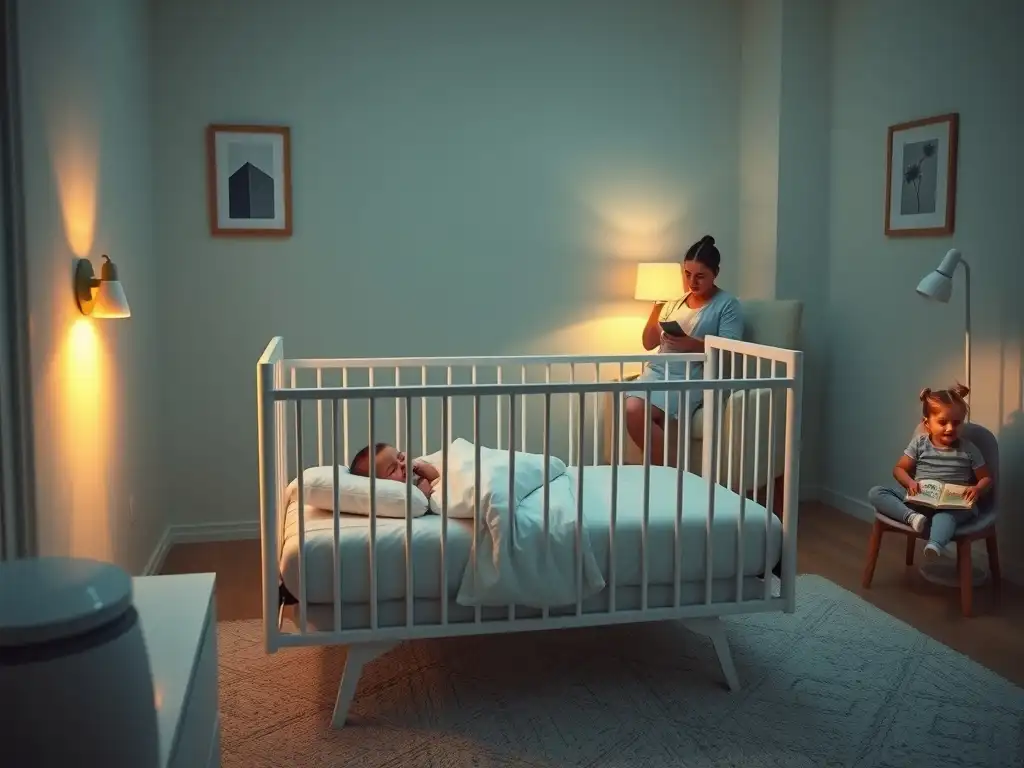
Implementing baby self-soothe sleep training is a journey, and parents often encounter hurdles. Understanding and addressing these challenges is crucial for success. This section focuses on common issues and provides practical solutions to help your little one develop independent sleep skills. Remember, consistency and patience are key! The process of teaching your baby to self-soothe can take time, and setbacks are normal.
Addressing Nighttime Fears and Anxieties
Nighttime fears and anxieties are common in babies learning to self-soothe. A sudden change in routine, a new environment, or even a developmental leap can trigger these anxieties. The key is to identify the root cause and provide gentle reassurance.
Many babies are comforted by a familiar object, such as a favorite stuffed animal or blanket. Offering this comfort item can provide a sense of security and help them feel safe enough to drift off to sleep independently. A soft nightlight can also help alleviate darkness-related anxieties.
It's important to distinguish between a genuine fear and a habit. If your baby cries consistently at a specific time each night, it might be a learned behavior rather than a deep-seated fear. In such cases, a consistent and gentle approach to sleep training is vital. Avoid rushing to your baby every time they cry; instead, allow them a reasonable amount of time to self-soothe before offering comfort.
Remember, positive reinforcement is crucial. Praise and comfort your baby when they successfully self-soothe, even if it takes a while. This positive reinforcement will help build their confidence and encourage them to continue practicing their self-soothing skills.
Dealing with Regression in Sleep Habits
Sleep regressions are a common occurrence during periods of developmental leaps or significant changes in a baby's life. These regressions can manifest as increased night wakings, difficulty falling asleep, or a sudden shift back to earlier sleep habits. While frustrating, regressions are a normal part of development and usually temporary.
A helpful strategy during regressions is to maintain consistency. Stick to your established bedtime routine as closely as possible. This consistency provides a sense of predictability and security for your baby, helping to reduce anxiety and promote restful sleep.
It's also important to review your baby's routine. Are they getting enough daytime sleep? Are they overtired? Overtiredness can paradoxically make it harder for a baby to fall asleep. Adjusting the daytime nap schedule might be necessary. Consider keeping a sleep diary to track your baby's sleep patterns and identify any potential inconsistencies.
Recognizing Signs of Overtiredness and Adjusting the Routine
Overtiredness is a common culprit in disrupted sleep. Ironically, a baby who is overtired often finds it more difficult to fall asleep and stay asleep. Recognizing the signs of overtiredness is essential for successful baby self-soothe sleep training.
Signs of overtiredness can include:
- Increased fussiness and irritability
- Difficulty settling down for naps or bedtime
- Rubbing eyes excessively
- Yawning frequently
- Becoming unusually clingy
If you notice these signs, consider adjusting your baby's routine. This might involve shortening their wake windows, slightly adjusting nap times, or ensuring a relaxing bedtime routine. Remember, every baby is different, and finding the optimal sleep schedule requires observation and adjustment. A consistent and slightly earlier bedtime might be beneficial.
A well-structured routine, combined with patience and understanding, can significantly improve your baby's ability to self-soothe and sleep independently. Remember to celebrate small victories and focus on the progress, not just the setbacks. The journey to independent sleep is a marathon, not a sprint! 😴
Maintaining Consistency and Celebrating Successes in Baby Self-Soothing
Consistency is the cornerstone of successful baby self-soothe sleep training. Once you've established a routine and chosen your preferred method (e.g., gradual withdrawal, Ferber method, etc. ), stick to it as much as possible. Inconsistency can confuse your baby and prolong the process. This doesn't mean unwavering rigidity; life happens. But strive for predictability in bedtime routines, sleep environments, and responses to nighttime awakenings.
Imagine a typical evening routine: a warm bath, a bedtime story, a lullaby, and then placing your baby in their crib drowsy but awake. This consistent sequence signals to your baby that it's time for sleep. Even small deviations can disrupt this learned association.
For example, if you usually put your baby down at 7:00 PM, try to maintain that time even on weekends. If you typically respond to cries with a pat on the back and a soft shushing sound, continue that approach. Changes in your responses, even seemingly minor ones, can send mixed signals and hinder progress in baby self-soothe sleep training.
Remember, consistency doesn't mean perfection. There will be nights where things don't go exactly as planned. Perhaps your baby is teething, sick, or experiencing a developmental leap. Acknowledge these exceptions, adjust as needed, but return to your established routine as soon as possible.
The Long-Term Benefits of Independent Sleep Habits
The benefits of teaching your baby to self-soothe extend far beyond the immediate relief of sleepless nights for parents. Independent sleep habits contribute significantly to your baby's overall development and well-being. A well-rested baby is a happier, healthier baby, better equipped to engage in daytime activities and social interactions.
Studies have shown a correlation between sufficient sleep and improved cognitive function, emotional regulation, and immune system strength in infants. A baby who can self-soothe is less likely to experience sleep disturbances later in childhood, reducing the risk of behavioral problems and learning difficulties. Furthermore, the ability to self-regulate sleep translates into improved self-regulation in other areas of life, fostering greater independence and resilience.
Consider the long-term impact: a child who comfortably falls asleep on their own is more likely to adapt easily to changes in their sleep environment (e.g., sleepovers, daycare), demonstrating greater self-reliance and adaptability. This fosters a sense of security and independence, paving the way for a more confident and self-assured child. The investment in consistent sleep training now yields significant returns in the years to come. It's a gift that keeps on giving.
Adapting to Changing Sleep Needs as Your Baby Grows
As your baby grows and develops, their sleep needs will change. What worked at four months might not work at eight months, and so on. This is perfectly normal. Be prepared to adjust your sleep training strategies to accommodate these evolving needs. For example, as your baby gets older, they may need less frequent nighttime feedings or shorter naps. You may need to extend bedtime or adjust the bedtime routine. Regular developmental milestones such as crawling and walking can also disrupt sleep patterns.
For instance, the introduction of solid foods can affect sleep, as can teething and illness. Flexibility is key. Continuously monitor your baby's sleep patterns, noting any changes in their sleep duration, sleep cycles, and nighttime awakenings. This will help you identify any emerging problems and make necessary adjustments to your approach.
Don't be afraid to experiment with slight modifications to your routine or sleep environment, such as adjusting the room temperature or introducing a new comfort object. Observe the results and adapt accordingly. Remember, the goal is to find what works best for your individual baby at each stage of their development.
When to Seek Professional Help for Sleep Issues
While many babies can learn to self-soothe with consistent parental guidance, some may require additional assistance. If you've consistently implemented a sleep training method for several weeks and haven't seen any improvement, or if your baby exhibits excessive fussiness or displays signs of underlying health issues affecting their sleep, it's crucial to seek professional guidance.
Consult your pediatrician to rule out any medical conditions that could be contributing to your baby's sleep problems. They can assess your baby's overall health and development, and advise on appropriate next steps. A pediatric sleep specialist or a certified child sleep consultant can offer personalized strategies and support tailored to your baby's unique needs.
These professionals can provide valuable insights, identify potential obstacles, and help you develop a more effective sleep training plan. Remember, seeking professional help is not a sign of failure, but rather a proactive step towards ensuring your baby's healthy sleep development. Prioritizing your baby's well-being is paramount.
Frequently Asked Questions
How early can I start sleep training my baby?
Most experts recommend waiting until your baby is at least 4 months old before starting sleep training. Before then, their sleep patterns are still developing and they may not yet have the ability to self-soothe effectively. Consistency is key, so be prepared for a commitment.
What is the "separate room" method of sleep training?
The "separate room" method involves moving your baby to their own room, promoting independent sleep and reducing parental association with sleep onset. This helps the baby learn to fall asleep and back to sleep independently without parental intervention. It's crucial to ensure their safety and comfort in their own space.
Isn't it cruel to let my baby cry it out?
The goal isn't to let your baby cry unattended. Controlled crying methods, like the Ferber method, involve gradually increasing the time between checks. This teaches your baby to self-soothe while still providing reassurance and comfort. Always prioritize your baby's safety and well-being.
How long does it typically take for baby self-soothing to work?
The time it takes varies greatly for each baby. Some babies may show improvement within a few nights, while others might take several weeks. Patience and consistency are essential throughout the process. Don't be discouraged by setbacks.
What if my baby is still struggling after trying self-soothing techniques?
If you've tried different methods and your baby still struggles with sleep, consult your pediatrician or a certified sleep consultant. They can help identify underlying issues and suggest alternative strategies tailored to your baby's needs. Rule out any medical reasons for sleep disturbances.
Final Reflection: Cultivating Independence: The Journey to Peaceful Sleep
The ability of a baby to self-soothe is not merely a convenient sleep solution; it's a cornerstone of healthy emotional development. This journey, while sometimes challenging, empowers both parent and child, fostering a secure attachment built on mutual understanding and respect. The methods discussed – creating a consistent sleep environment, recognizing and responding to cues, and gradually fading interventions – are not about leaving your baby to cry alone, but about equipping them with the tools to navigate the world, one peaceful slumber at a time.
The impact of a child's sleep patterns extends far beyond the bedroom; it ripples outwards, influencing family dynamics, parental well-being, and ultimately, the child's overall development. The quiet confidence a child gains from mastering self-soothing translates into increased resilience and independence in other areas of their life. As the saying goes, Sleep is the golden chain that ties health and our bodies together.
This is true not only for the child, but for the entire family unit, allowing for more connectedness and less exhaustion-fueled tension.
Now, consider your own approach to sleep training. What resonates with you from the strategies outlined? What adjustments might you make to better support your little one's journey towards independent sleep? Remember, there's no one-size-fits-all answer, but by understanding your baby's unique needs and employing gentle, consistent techniques, you can nurture their ability to self-soothe and build a foundation for a lifetime of healthy sleep habits. Embrace the process, celebrate the small victories, and remember that you are your child's most important guide on this path to peaceful nights and happy days.
Unlock Your Baby's Sleep Potential: Start Their Journey to Independent Sleep Tonight!
Thank you for learning about helping your little one develop healthy sleep habits! We hope this article provided valuable insights and practical strategies. Now, let's put that knowledge into action.
Here's how to get started:
- Begin implementing a new self-soothing technique tonight. Choose a method from those discussed that best suits your baby's temperament and your family's routine. Even small changes can make a significant difference!
- Adjust your baby's bedtime routine. This could involve incorporating a calming bath or a new bedtime story, based on the tips we shared.
- Share your experiences and any questions with other parents in our BabyCareHub community forum! Let's learn from each other's successes and challenges.
What small step will you take tonight to help your baby sleep more independently?