
Room Sharing Challenges: How to Overcome Common Issues and Sleep Better

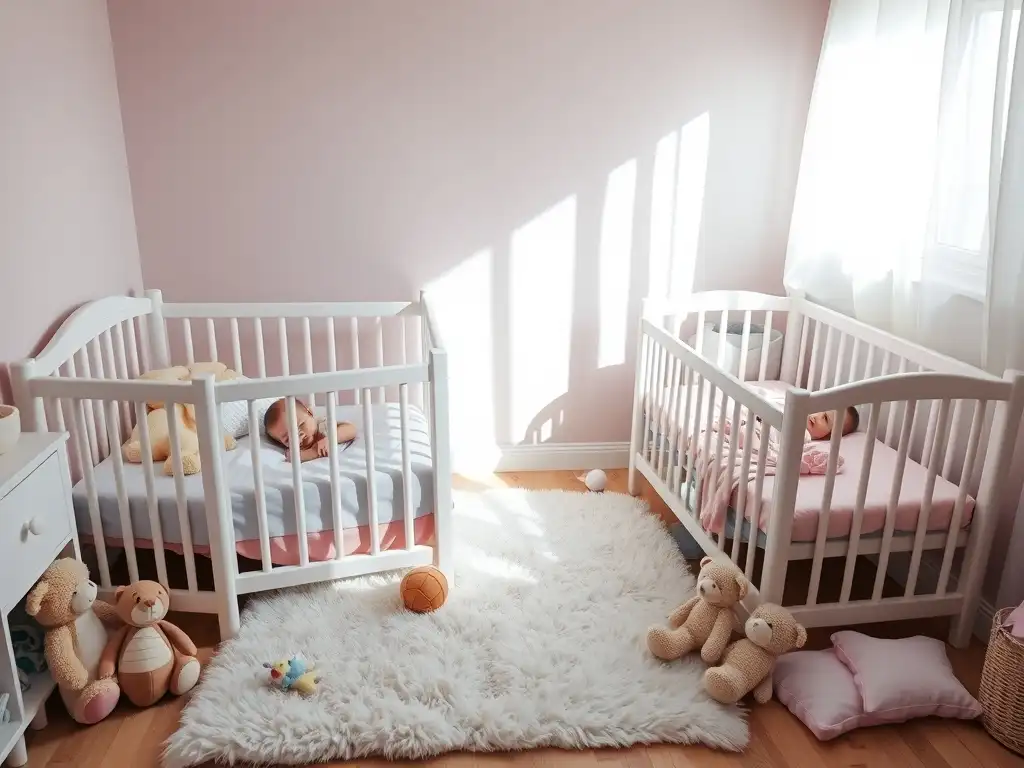
Welcome to BabyCareHub, your ultimate guide to navigating the incredible journey of parenthood! Are you ready to conquer the common hurdles of baby room sharing? We understand that sharing a room with your newborn can be both rewarding and challenging. This website is designed to equip you with the knowledge and practical strategies you need to thrive, so let's dive into the world of peaceful nights and happy babies, starting with our in-depth exploration of Baby Room Sharing Challenges.
-
Understanding Baby Room Sharing Challenges: A Parent's Guide
- The Most Common Baby Room Sharing Difficulties
- Noise Disruption: Addressing Sounds that Interrupt Sleep
- Light Sensitivity: Creating a Dark and Calming Sleep Environment for Baby and Parent
- Temperature Regulation: Finding the Optimal Room Temperature for Shared Sleep
- Space Constraints: Optimizing Room Layout for Comfortable Co-sleeping or Room Sharing
-
Strategies for Better Sleep When Room Sharing with Your Baby
- Establishing a Consistent Bedtime Routine for Improved Sleep
- Creating a Relaxing and Sleep-Conducive Environment in Your Shared Room
- Managing Night Wakings: Responding Effectively to Baby's Needs
- Addressing Parental Sleep Deprivation: Tips for Maximizing Rest
- Using White Noise and Other Sound Solutions to Improve Sleep Quality
- Navigating Specific Room Sharing Challenges Based on Baby's Age
- When to Consider Transitioning to a Separate Room
- Frequently Asked Questions
- Final Reflection: Finding Harmony in Shared Sleep Spaces
- Unlock Your Sleep Sanctuary: Take Action Now!
Understanding Baby Room Sharing Challenges: A Parent's Guide
Room sharing with your newborn is a common practice, often recommended by pediatricians for the first six months to promote breastfeeding and enhance parental responsiveness to the baby's needs. However, while offering significant benefits, room sharing also presents unique challenges that can significantly impact the sleep quality of both parent and child.
This comprehensive guide explores the most common difficulties encountered during baby room sharing, offering practical solutions to help you overcome these hurdles and foster a more restful sleep environment for everyone. We'll delve into specific issues, providing actionable strategies to create a peaceful and conducive sleep space for both you and your little one, ultimately contributing to improved well-being and a more harmonious family life.
Navigating the complexities of baby sleep is a journey, and understanding the common pitfalls of room sharing is the first step towards a smoother, more restful experience. Remember, prioritizing your sleep is just as important as prioritizing your baby's, and a well-rested parent is a better parent.
The Most Common Baby Room Sharing Difficulties
Room sharing, while beneficial for bonding and responsiveness, frequently presents obstacles to restful sleep. These challenges aren't insurmountable, however, and with proactive planning and the right strategies, you can significantly mitigate their impact. Some of the most frequently reported difficulties include:
- Noise Disruption: The sounds of a partner snoring, household noises, or even the baby's own subtle noises can easily disrupt sleep.
- Light Sensitivity: Even small amounts of light can interfere with both your sleep and your baby's sleep cycles.
- Temperature Regulation: Maintaining a comfortable temperature for both you and your baby can be tricky, especially during seasonal changes.
- Space Constraints: Sharing a room often means limited personal space, which can lead to feelings of being cramped and restless.
- Sleep Schedule Conflicts: Different sleep cycles between parent and child can lead to frequent awakenings.
- Fear of Accidental Suffocation: This is a significant concern for many parents, leading to anxiety and sleep disruption. Safe sleep practices are crucial to mitigate this fear.
Further Considerations
Beyond the core challenges listed above, parents also sometimes report difficulties related to the emotional aspects of room sharing, such as feeling overwhelmed by the constant proximity to the baby or experiencing a decline in intimacy with their partner. Addressing these emotional factors is as important as addressing the practical challenges.
Noise Disruption: Addressing Sounds that Interrupt Sleep
Noise is a major culprit in disrupted sleep during room sharing. Addressing this involves a multi-pronged approach. Consider these strategies:
- White Noise Machine: A white noise machine can effectively mask disruptive sounds, creating a more consistent auditory environment. The soothing sounds can help both you and your baby fall asleep and stay asleep. Experiment with different sounds to find what works best for your family.
- Ear Plugs: For parents highly sensitive to noise, earplugs can be a lifesaver. Choose comfortable, soft earplugs designed for sleep.
- Soundproofing: While more of a long-term solution, soundproofing techniques like thicker curtains or rugs can help dampen external noise.
- Addressing Internal Noise Sources: Identify and address internal noise sources like a squeaky door or noisy appliances. Repairing or mitigating these sources can make a big difference.
- Scheduling Quiet Time: Designate periods of quiet time in the evening to minimize noise and create a calming atmosphere conducive to sleep.
Light Sensitivity: Creating a Dark and Calming Sleep Environment for Baby and Parent
Light sensitivity is another significant contributor to sleep problems during room sharing. Both adults and babies are more likely to experience disrupted sleep if exposed to light during nighttime hours. Here are some ways to create a dark and calming environment:
- Blackout Curtains: Blackout curtains are a highly effective way to block out external light sources, creating a truly dark sleep environment.
- Eye Masks: Eye masks can help block out light that might seep through gaps in curtains or from other sources.
- Nightlights (with caution): While some parents use nightlights, it's important to choose one with a very dim, red or amber light, as these wavelengths are less disruptive to sleep cycles. Avoid bright white or blue light.
- Strategic Furniture Placement: Position furniture to minimize light reflections and maximize darkness.
- Minimizing Electronic Screen Time Before Bed: The blue light emitted from electronic devices can interfere with melatonin production, making it harder to fall asleep.

Maintaining the ideal room temperature is crucial for both you and your baby's sleep. Overheating can lead to discomfort and disrupted sleep for both parent and child, while a room that's too cold can result in your baby becoming unsettled and difficult to soothe. The optimal temperature for a baby's sleep environment is generally considered to be between 68°F and 72°F (20°C and 22°C). However, this is just a guideline, and you might need to adjust based on your baby's individual needs and your own comfort level.
Observe your baby carefully. If they seem sweaty or flushed, the room might be too warm. Conversely, if their hands and feet feel cold (although their core should be warm), the room might be too chilly. You can use a thermometer to monitor the room temperature, ensuring it stays within the recommended range.
Remember that babies can't regulate their body temperature as effectively as adults, so paying close attention to their comfort is paramount. Consider dressing your baby in lightweight pajamas suitable for the temperature and using a lightweight sleep sack instead of blankets to minimize the risk of overheating. Regularly checking your baby's temperature throughout the night, by gently feeling their skin, can be helpful, especially in the first few months. Remember that a slightly cooler room is generally preferable to one that is too warm.
Overheating can increase the risk of Sudden Infant Death Syndrome (SIDS), so maintaining a safe and comfortable temperature is essential for your baby's health and well-being. A consistent temperature will also help establish a better sleep routine, contributing to longer, more restful sleep cycles for both you and your baby. Don't be afraid to experiment slightly to find the perfect temperature for your family's comfort. Remember, a comfortable sleep environment is key to overcoming room-sharing challenges.
Space Constraints: Optimizing Room Layout for Comfortable Co-sleeping or Room Sharing
Sharing a room with your baby, whether co-sleeping or in separate sleeping areas within the room, often presents space constraints. Optimizing your room's layout is essential to ensure both you and your baby have a comfortable and safe sleeping environment. This is especially true if you're co-sleeping, where careful planning can prevent accidental injury or discomfort.
For co-sleeping, consider creating a dedicated sleeping space on your bed using a bedside bassinet or a co-sleeper. This creates a designated area for your baby while maintaining proximity for easy feeding and soothing. Ensure the sleeping surface is firm and flat, and avoid placing pillows, blankets, or other soft items in your baby's sleeping area to reduce the risk of SIDS.
If you are using a mattress on the floor for co-sleeping, ensure it is clean and free from dust mites, and place it against a wall to help prevent your baby from rolling off. Avoid sleeping on a sofa or armchair with your baby as these are not designed for safe sleep.
Even if you are not co-sleeping, room sharing requires thoughtful organization. A small, dedicated space for your baby's crib or bassinet is vital. Consider using storage solutions to maximize space and keep clutter to a minimum. Shelving units, under-bed storage, and even utilizing vertical space with wall-mounted shelves can help free up floor space and create a more organized environment.
Prioritize clear pathways to avoid tripping hazards, especially during nighttime feedings or diaper changes. A well-organized room helps to create a calm and peaceful sleeping environment, reducing stress and improving sleep quality for both parent and child. Remember, a well-planned space promotes better sleep and helps mitigate the challenges of room sharing.
Strategies for Better Sleep When Room Sharing with Your Baby
Room sharing with your newborn offers many benefits, including easier breastfeeding access and increased parental responsiveness to baby's cues. However, it also presents unique challenges that can significantly impact parental sleep. This section explores effective strategies to mitigate these challenges and improve sleep quality for both parent and baby, addressing common concerns related to "baby room sharing challenges". Understanding these strategies is crucial for navigating this phase successfully and fostering a positive co-sleeping or room-sharing experience.
Establishing a Consistent Bedtime Routine for Improved Sleep
A consistent bedtime routine is paramount for establishing healthy sleep habits in your baby and, consequently, for yourself. Predictability helps regulate your baby's circadian rhythm, signaling their body it's time to wind down. This routine shouldn't be overly stimulating; instead, focus on calming activities.
Consider incorporating these elements into your routine: a warm bath (around 7 pm), a gentle massage, putting on pajamas, reading a short bedtime story, singing a lullaby, or cuddling quietly. The key is consistency – aim for the same sequence of events at roughly the same time each night. This predictability helps cue your baby's body to prepare for sleep, leading to less fussing and easier transitions to sleep. Even slight variations in timing can disrupt this rhythm, so strive for consistency.
Remember to tailor the routine to your baby's age and temperament. For instance, a 6-month-old will require a different routine than a 3-month-old. The goal is to create a calming, predictable transition into sleep, thereby minimizing nighttime awakenings – a common component of "baby room sharing challenges".
The environment plays a crucial role in promoting restful sleep for both you and your baby. A dark, quiet, and comfortably cool room is ideal. Consider using blackout curtains or blinds to minimize light exposure, especially during the early evening and nighttime hours. White noise machines can mask disruptive noises from the outside or within the house, creating a more peaceful atmosphere. Moreover, maintaining a comfortable room temperature is key; overheating can interfere with sleep quality.
The temperature should be somewhere between 68-72°F (20-22°C). Furthermore, ensure that the bedding is safe and comfortable. Avoid using loose blankets or pillows, especially for newborns, to mitigate the risk of Sudden Infant Death Syndrome (SIDS). A firm mattress and properly fitted crib sheets are essential. Creating a calming and safe sleep environment is a crucial step in addressing "baby room sharing challenges" and promoting better sleep for both parents and their baby. Remember that a well-designed environment contributes significantly to reducing nighttime disruptions and enhancing the overall sleep quality.
Managing Night Wakings: Responding Effectively to Baby's Needs
Night wakings are inevitable, especially in the early months of your baby's life. However, how you respond to these wakings can significantly impact your sleep and your baby's sleep patterns. Instead of immediately picking up your baby at every stir, try a gentle approach. First, assess whether your baby truly needs attention. Sometimes, a simple pat on the back or a soothing shush is enough to calm them and allow them to drift back to sleep. This method, known as "responding but not reacting", is often more effective in the long run than immediately picking them up.
However, if your baby is truly distressed, responding promptly is crucial. Providing comfort and reassurance will help them feel secure and eventually learn to self-soothe. This process is important in minimizing the impact of "baby room sharing challenges" on parental sleep. Establishing a clear and consistent response pattern will help your baby understand that while you're there to comfort them, they can also learn to fall back asleep independently.
Tracking your baby's sleep patterns can also provide valuable insights into their sleep needs and help you better anticipate and manage night wakings. Keep a sleep diary to note timings of feedings, diaper changes, and any other significant events. This data can be invaluable in identifying patterns and adjusting your response strategies accordingly.
Addressing Parental Sleep Deprivation: Tips for Maximizing Rest
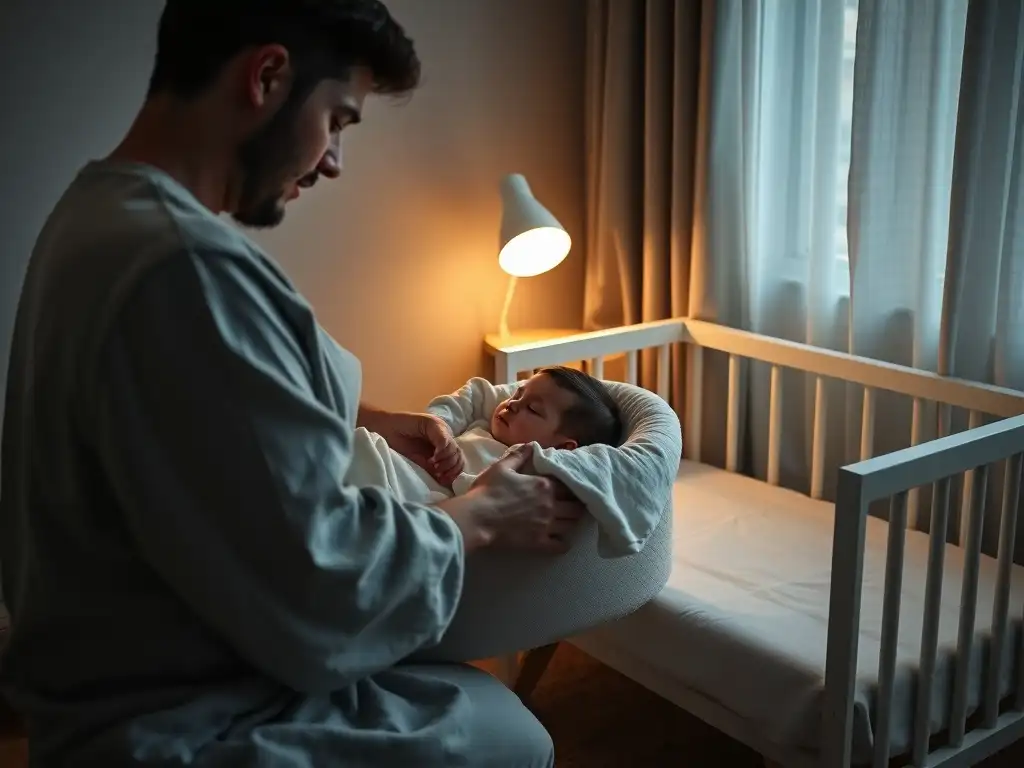
New parents often face extreme sleep deprivation, a significant challenge when room sharing with a baby. The constant cycle of feedings, diaper changes, and soothing cries can leave parents exhausted and struggling to function effectively. However, maximizing even small pockets of rest can make a world of difference. Prioritizing sleep, even in short bursts, is crucial for both physical and mental well-being.
One effective strategy is to coordinate sleep schedules with your partner. If one parent handles nighttime feedings, the other can get a longer, uninterrupted sleep period. This alternating approach ensures both parents get some restorative sleep, preventing burnout. Consider using a baby monitor with a long range, allowing one parent to sleep in a separate room while still being able to respond to the baby's needs. This provides a degree of privacy and undisturbed sleep for at least one parent.
Beyond scheduling, consider optimizing your sleep environment. A dark, quiet, and cool room promotes better sleep. Invest in comfortable bedding and earplugs to minimize distractions. Even short naps during the day can significantly improve overall sleep quality and alertness. Remember, even 20-30 minutes of rest can be beneficial. Don't feel guilty about prioritizing rest; well-rested parents are better equipped to care for their baby. Finally, seeking support from family or friends, or even hiring a postpartum doula, can provide much-needed respite and allow for more restful sleep. Prioritizing parental well-being is not selfish; it's essential for effective parenting.
Using White Noise and Other Sound Solutions to Improve Sleep Quality
The sounds of a baby crying, rustling sheets, and even subtle household noises can easily disrupt both parental and infant sleep. Employing sound solutions can significantly improve sleep quality for everyone in the room. White noise machines are a popular choice, generating a consistent, calming background hum that masks disruptive sounds. The gentle, consistent sound can soothe both baby and parents, helping to create a more peaceful sleep environment. Many white noise machines offer various sound options, including rain sounds, ocean waves, or fan noise, allowing you to find the most effective sound for your baby.
Beyond white noise machines, other sound solutions can be surprisingly effective. A fan running quietly can provide a similar masking effect, and the gentle breeze can be soothing. Soft music playing at a low volume can also create a calming atmosphere. However, it's crucial to select sounds that are not overly stimulating or jarring. The goal is to create a consistent, calming auditory environment, not a noisy one.
Experiment with different sounds and volumes to find what works best for your baby and your family. Remember to place the sound source at a safe distance from the crib to avoid any potential safety hazards. A well-chosen sound solution can be a game-changer when it comes to improving sleep quality for everyone in the shared room. The improved sleep will lead to happier, healthier parents and a more content baby.
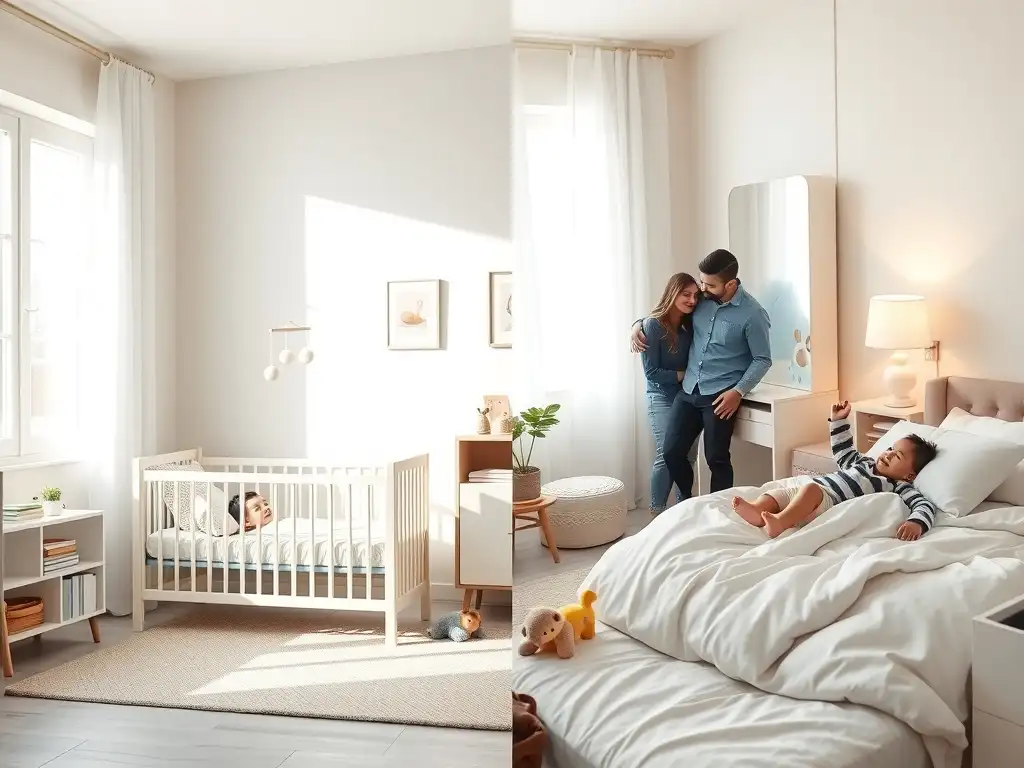
Room sharing with your baby offers many benefits, including increased bonding opportunities and easier nighttime feedings. However, the challenges you face significantly change as your little one grows. Understanding these age-specific hurdles is crucial for a smoother transition and better sleep for both you and your baby. This section focuses on the unique challenges associated with different age groups, providing practical tips and strategies to navigate them effectively. Optimizing your room-sharing experience requires adapting to your baby's developmental stages. This means understanding the specific needs and behaviors of newborns, infants, and toddlers to manage room-sharing effectively.
Room Sharing Challenges with Newborns (0-3 Months)
Newborns sleep frequently but in short bursts. This can disrupt your sleep significantly. The constant cycle of feeding, burping, and soothing can leave parents feeling exhausted. Furthermore, newborns are incredibly sensitive to noise and light, making it crucial to create a conducive sleep environment. A common challenge is also adjusting to the baby's cries – learning to differentiate between hunger cries, discomfort cries, and simply needing to be soothed.
Another significant challenge is parental anxiety. First-time parents, particularly, may experience heightened anxiety about SIDS (Sudden Infant Death Syndrome) and ensuring their baby's safety throughout the night. This anxiety can further disrupt sleep. Addressing these anxieties through education and creating a safe sleep environment is paramount.
Finally, the physical demands of room sharing with a newborn are substantial. Frequent nighttime feedings and diaper changes require parents to be constantly alert and responsive, leading to fatigue and potentially impacting daytime functioning. Planning ahead and establishing a support system can significantly alleviate this burden.
Room Sharing Challenges with Infants (4-12 Months)
As infants grow, their sleep patterns start to consolidate, but new challenges emerge. Separation anxiety is a common issue during this phase. The infant may become distressed when separated from the parent, even for short periods, leading to nighttime awakenings and difficulty settling back to sleep. This requires a delicate balance between providing comfort and encouraging independent sleep.
Another common challenge is the introduction of solid foods. This can lead to digestive issues, resulting in increased nighttime awakenings due to discomfort or gas. Careful monitoring of the infant’s diet and addressing any digestive issues promptly is crucial. Furthermore, teething can also cause significant discomfort, leading to fussiness and sleepless nights.
Finally, the increased mobility of infants poses a safety concern. Parents need to be vigilant about ensuring the baby's sleep environment is safe and free of hazards. This includes removing any loose bedding, pillows, or toys from the crib. This age group presents a unique set of challenges revolving around mobility, dietary changes, and increased awareness of their surroundings. Parents should be prepared to manage these issues with patience and proactive strategies.
Room Sharing Challenges with Toddlers (12+ Months)
Room sharing with toddlers presents a different set of challenges. Toddlers are more active and aware of their surroundings, often leading to nighttime disruptions. They might get up to explore the room, call out for attention, or even climb out of their cribs. This requires consistent sleep training and boundary setting.
Another challenge is managing bedtime routines. Toddlers might resist bedtime, demanding attention or engaging in stalling tactics. Establishing a consistent and predictable bedtime routine can help alleviate this issue. Moreover, nightmares and night terrors can become more prevalent in this age group, leading to increased parental involvement during the night.
Finally, sibling rivalry can significantly impact sleep quality for both children. If there are older siblings sharing the room, competition for attention and resources can cause disruptions. Addressing sibling rivalry and implementing fair strategies for sharing can help improve the sleep environment for everyone. Careful planning and a proactive approach to managing these developmental changes are crucial for a positive room-sharing experience. The focus shifts from managing infant needs to guiding toddler behavior and ensuring a safe and peaceful sleeping environment for all.
When to Consider Transitioning to a Separate Room
Transitioning your baby to their own room is a significant milestone, but the timing is crucial. There's no magic number of months; it depends entirely on your baby's developmental cues and your family's comfort level. Many parents find room sharing beneficial during the initial months, especially for breastfeeding convenience and nighttime soothing. However, prolonged room sharing can present challenges for both parents and baby. Understanding the optimal time to transition minimizes disruption and maximizes success. This decision should be a collaborative one, taking into account factors beyond just your baby's age.
Signs Your Baby is Ready for Their Own Room
Several key indicators suggest your little one might be ready for their own space. These aren't hard and fast rules, but rather helpful guidelines to consider. Observe your baby's behavior and sleep patterns carefully. Some common signs include:
- Improved sleep consolidation: If your baby is sleeping longer stretches at night with fewer wake-ups, they might be ready to handle a slightly different sleep environment. This doesn't mean they'll sleep through the night, but the quality of their sleep might be improving.
- Reduced night feedings: As your baby's nutritional needs change and they become more efficient at digesting food, nighttime feedings may naturally decrease. This reduces the need for immediate proximity for nighttime feeds.
- Increased independence: Are they showing signs of independence during the day? Do they enjoy playing alone for longer periods? Increased self-sufficiency can translate to better adaptation to sleeping independently.
- Stronger developmental milestones: Reaching developmental milestones, such as rolling over consistently or crawling, indicates increased physical and cognitive development, often correlating with improved self-soothing abilities.
- Parental exhaustion: Let's be honest, parental exhaustion is a legitimate factor! If room sharing is significantly impacting your sleep and well-being, it’s a valid reason to consider a transition, provided you're also seeing other developmental signs of readiness in your baby.
Preparing Your Baby for the Transition to a Separate Room
Preparing your baby for this big change is key to a smooth transition. Avoid rushing the process; gradual steps are essential. Start by creating a comfortable and familiar sleep environment in their new room. This includes:
- Consistent bedtime routine: Maintain a consistent bedtime routine to signal to your baby it's time for sleep, regardless of the location. This consistency helps to regulate their circadian rhythm.
- Familiar scents and sounds: Use a familiar blanket, stuffed animal, or sleep sack to create a sense of security and comfort in their new room. A white noise machine or a soft lullaby can also help.
- Gradual separation: Start with short periods of time in their own room during the day, gradually extending the duration. This helps them get used to the new space before bedtime.
- Check-ins: Initially, check on your baby frequently, offering reassurance and comfort without picking them up unless absolutely necessary. Gradually increase the time between check-ins as they become more comfortable.
- Nightlight: A dim nightlight can alleviate fears of the dark and help your baby feel more secure.
Addressing Potential Separation Anxiety During the Transition
Separation anxiety is a common occurrence during this transition, and it's perfectly normal for both you and your baby. Some babies adapt more quickly than others. Remember, patience and consistency are crucial. Here’s how to approach potential challenges:
- Reassurance and comfort: When your baby cries, respond with calm reassurance, but avoid picking them up unless absolutely necessary. A gentle pat on the back or a soft shushing sound can often be more effective.
- Positive reinforcement: Praise and reward calm behavior during bedtime and throughout the night. Positive reinforcement encourages desirable sleep habits.
- Consistent routine: Sticking to a consistent bedtime routine helps establish predictability and security, reducing anxiety.
- Self-soothing techniques: Encourage self-soothing techniques, such as sucking on a pacifier or cuddling a favorite toy.
- Parental support: Remember to take care of yourselves too! This is a challenging time, and seeking support from your partner, family, or friends can make a significant difference. Consider seeking professional guidance from a pediatrician or sleep consultant if you're facing significant difficulties. They can offer personalized advice and strategies. Remember, every baby is different, and what works for one might not work for another. Focus on your baby's cues and adjust your approach as needed.
Frequently Asked Questions
The American Academy of Pediatrics recommends room sharing for at least the first six months, and ideally for the first year, to reduce the risk of Sudden Infant Death Syndrome (SIDS). This is a guideline, and you can adjust based on your family's needs and your baby's development.
What are some common challenges of room sharing?
Common challenges include disrupted sleep for parents due to baby's nighttime wakings, lack of privacy, and difficulty establishing a consistent sleep routine for both parent and baby. Adjusting to shared space is also a major hurdle.
How can I improve my sleep while room sharing?
Prioritize creating a conducive sleep environment for both you and your baby. This might involve using white noise, blackout curtains, and a comfortable sleeping arrangement. Consider using earplugs or a sleep mask.
What if my baby cries constantly during the night?
Consistent responding to your baby's cries is crucial, but try to distinguish between hunger, discomfort, or simply needing reassurance. A soothing routine, like gentle rocking or singing, can help. Consult your pediatrician if crying is excessive or concerning.
When is it okay to transition my baby to their own room?
There's no magic number, but many parents transition their baby to their own room around 6-12 months old, once the baby is sleeping longer stretches and showing signs of readiness. Prioritize your family's comfort level and your baby's safety.
The challenges of baby room sharing are far from a relic of the past; they remain a pervasive reality for countless families navigating the joys and struggles of early parenthood. The sleepless nights, the constant adjustments, and the delicate balance of individual needs within a shared space are experiences that resonate deeply with parents worldwide. This isn't just about sleep; it's about creating a nurturing environment for both parent and child to thrive.
The impact of shared sleeping arrangements extends far beyond the immediate family unit, shaping societal norms around parenting and childcare. The very act of sharing a room with a newborn is a testament to the enduring bond between parent and child, a connection that transcends the practical difficulties. The most important thing a father can do for his children is to love their mother.
– Theodore Hesburgh. While this quote speaks to a broader familial context, the sentiment underscores the importance of prioritizing the well-being of both parent and child, a crucial consideration when tackling the challenges of shared sleep. The ongoing dialogue surrounding safe sleep practices and the emotional toll of sleep deprivation highlights the cultural significance of this topic.
Consider the lessons learned throughout this article. You've explored practical solutions, from optimizing room temperature and noise levels to establishing consistent sleep routines. Now, take a moment to reflect on your own experiences, or the experiences of those around you. What adjustments can you make to create a more harmonious and restful shared sleep space? Embrace the opportunity to foster a deeper connection with your little one while prioritizing your own well-being. The journey of shared sleep may be demanding, but the rewards – a stronger bond and a more peaceful home – are immeasurable.
Unlock Your Sleep Sanctuary: Take Action Now!
Thank you for exploring the common challenges of room sharing and discovering solutions for better sleep. We hope you found practical advice. Ready to put this knowledge into action?
- Prioritize one sleep improvement: Choose one technique—like adjusting the room's temperature, establishing a new bedtime routine, or using a white noise machine—and try it for a week. Track your progress and see the difference!
- Share your experiences: Tell us (and other parents!) about your successes and challenges in the comments below. Let's build a supportive community.
- Learn more: Interested in learning more? Explore the fascinating research on sleep science related to your chosen strategy.
Ready to transform your sleep routine and create a more peaceful environment for the whole family? What's your first step towards better sleep?