
How to Prepare Your Baby for TravelRelated Sleep Changes


Welcome to BabyCareHub, your ultimate guide to navigating the incredible journey of parenthood! Are you ready to embark on your first family adventure? Then discover the secrets to peaceful travel with your little one. Our expert advice on Baby Travel Sleep Tips will help you prepare for smoother journeys and ensure your baby sleeps soundly, no matter the destination. Read on to unlock the key to stress-free travel and happy, well-rested babies!
- Understanding Your Baby's Sleep Patterns Before Travel
- Preparing for Smooth Transitions: Pre-Trip Strategies for Baby Sleep
- On-the-Go Sleep Solutions: Managing Sleep During Travel
- Post-Travel Sleep Recovery: Helping Your Baby Adjust Back Home
- Baby Travel Sleep Tips: Summary and Key Takeaways
-
Frequently Asked Questions
- How can I prepare my baby for travel-related sleep disruptions?
- What if my baby refuses to sleep in their travel crib?
- My baby is used to sleeping in complete darkness. What should I do when traveling?
- What are some tips for getting my baby to sleep on the plane?
- How can I ensure my baby's safety while sleeping during travel?
- Final Reflection: The Unfolding Journey of Sleep, On the Go
- Unlock Your Little One's Travel Sleep Secrets!
Understanding Your Baby's Sleep Patterns Before Travel
Preparing your little one for travel requires careful consideration, especially when it comes to their sleep. Successfully navigating travel-related sleep disruptions hinges on understanding your baby's typical sleep patterns and anticipating how these might change during travel. This article provides a step-by-step guide to help you prepare your baby for the inevitable sleep shifts that come with journeys, offering practical baby travel sleep tips to ensure a smoother experience for both you and your child.
We'll delve into tracking your baby's regular sleep, recognizing their sleep cues, and anticipating potential travel-related challenges, empowering you to approach travel with confidence and minimize sleep disruptions. Remember, a well-rested baby makes for a happier trip! 😴
Baseline Sleep Schedule: Tracking Your Baby's Regular Sleep Habits
Before embarking on any trip, meticulously track your baby's sleep schedule for at least a week prior. This involves noting not only the total hours of sleep but also the timing of naps and nighttime sleep. A detailed sleep diary will be invaluable. Consider using a notebook, a spreadsheet, or even a dedicated baby sleep tracking app. Record the following information:
- Wake-up time: Note the time your baby wakes up each morning.
- Nap times: Record the start and end times of each nap, including the duration.
- Bedtime: Note the time your baby is put to bed each night.
- Night wakings: Document any night wakings, the time they occurred, and how long they lasted. Note how you soothed your baby back to sleep.
- Total sleep: Calculate the total hours of sleep your baby gets in a 24-hour period.
This detailed record provides a baseline against which you can compare your baby's sleep during and after your trip. Knowing their typical sleep patterns will help you identify deviations and adjust accordingly. For example, if your baby typically sleeps for 2 hours in the afternoon, you can try to replicate this during travel, even if it means adjusting your travel plans slightly.
Identifying Sleep Cues: Recognizing Drowsiness and Tiredness in Your Baby
Learning to recognize your baby's drowsiness cues is crucial, especially in unfamiliar environments. These cues can vary from baby to baby, but some common indicators include:
- Rubbing eyes: This is a classic sign of tiredness.
- Yawning: Frequent yawning is a clear indication of sleepiness.
- Fussiness or irritability: A change in mood, becoming more irritable or fussy, can signal fatigue.
- Pulling on ears: This can sometimes indicate tiredness.
- Looking away or losing interest in activities: A decrease in engagement with their surroundings suggests they might need a rest.
Being attuned to these subtle signals allows you to put your baby down for a nap or bedtime before they become overtired, which can often lead to more difficulty settling down. During travel, it's even more important to be sensitive to these cues, as unfamiliar surroundings can exacerbate tiredness.
Travel inevitably disrupts routines, and sleep is often the first casualty. Anticipating these challenges is key to minimizing their impact. Some common travel-related sleep disruptions include:
- Changes in environment: New beds, unfamiliar sounds, and different light levels can all affect your baby's sleep.
- Jet lag: Crossing time zones can significantly disrupt your baby's internal clock, leading to sleep problems.
- Changes in feeding and routine: A change in feeding schedule or bedtime routine can throw your baby's sleep off.
- Travel fatigue: Both you and your baby will likely be tired from the journey itself, further impacting sleep.
By understanding these potential disruptions, you can proactively implement strategies to mitigate their effects. These strategies might include bringing familiar bedding, using white noise, maintaining a consistent bedtime routine as much as possible, and allowing for extra time for adjustment. Remember, patience and flexibility are key! 🧸
Preparing for Smooth Transitions: Pre-Trip Strategies for Baby Sleep
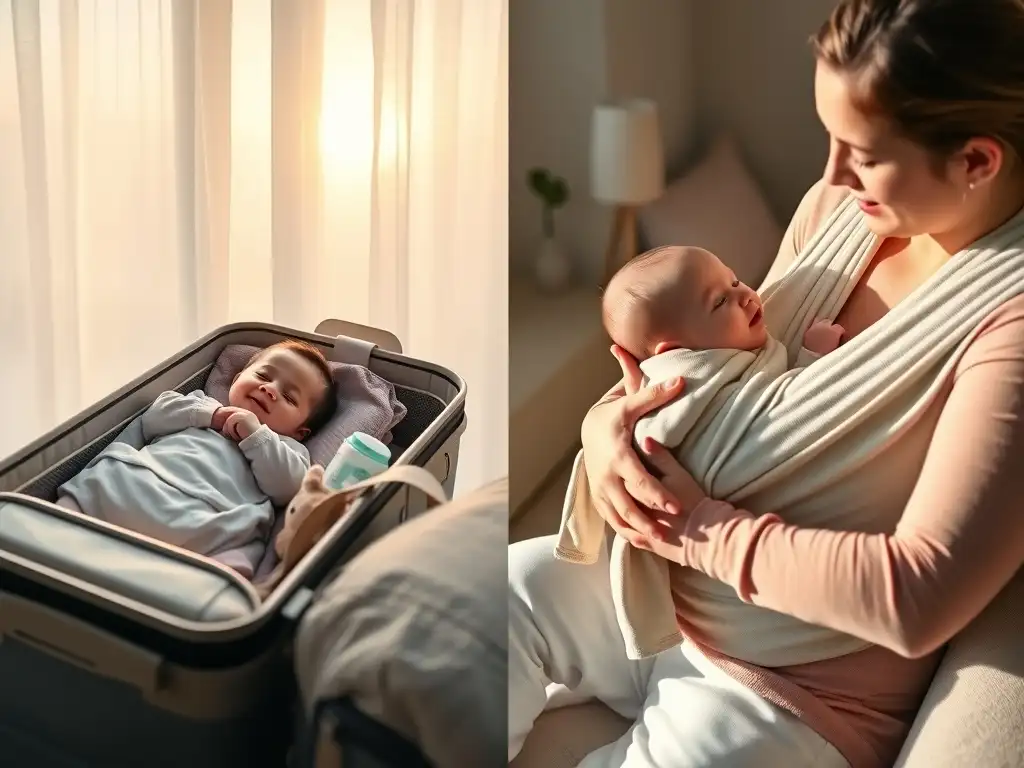
Preparing your little one for travel-related sleep disruptions requires proactive planning and a strategic approach. The goal isn't to eliminate all sleep disturbances—that's unrealistic—but to minimize them and equip yourself to handle inevitable changes with grace and efficiency. This involves understanding your baby's sleep patterns and adapting your strategies accordingly. For example, if your baby typically naps at 10 a.m. and 2 p.m., try to schedule your travel around these times to avoid interrupting their established routine. This pre-trip preparation significantly reduces the likelihood of major sleep regressions during your trip. Remember, consistency is key, even when traveling.
Packing Essentials: Creating a Sleep-Friendly Travel Kit for Your Baby
A well-stocked travel kit is crucial for maintaining a sense of normalcy for your baby during travel. This isn't just about diapers and wipes; it’s about replicating your baby's sleep environment as closely as possible. Consider these essential items:
- Familiar Bedding: Pack your baby's favorite sleep sack, swaddle, or blanket. The familiar scent and texture will provide comfort in an unfamiliar setting.
- White Noise Machine: The consistent sound of white noise can block out distracting noises in hotels or other unfamiliar environments, promoting better sleep. Consider a portable, battery-operated version.
- Dark Blackout Curtains: Even small amounts of light can disrupt your baby's sleep. Portable blackout curtains are a lifesaver for creating a dark and conducive sleep environment.
- Baby Monitor: If you use a baby monitor at home, bringing it along will provide peace of mind and allow you to check on your baby without disturbing their sleep.
- Favorite Toys/Comfort Items: A familiar stuffed animal or lovey can provide comfort and security, particularly during stressful travel situations.
- Essential Medications: If your baby takes any medication, ensure you pack enough for the duration of your trip, plus a few extra days.
Remember to keep this kit easily accessible during travel. A dedicated diaper bag or small suitcase will ensure you have everything you need at hand. This thoughtful preparation will make a substantial difference in your baby's sleep quality and overall travel experience.
Maintaining Consistent Bedtime Routines: Adapting Your Baby's Routine for Travel
While it's impossible to maintain a perfectly rigid routine while traveling, striving for consistency is vital for minimizing sleep disruption. The key is adaptability. Aim to maintain core elements of your baby's bedtime routine, even if the specifics need adjustment. For example, if your usual routine involves a bath, a book, and then bed, try to replicate those steps even if the bath is a quick sponge bath in the hotel room.
- Consistent Bedtime: Try to put your baby to bed around the same time as usual, regardless of your location. This helps regulate their internal clock.
- Familiar Sounds and Sights: Use white noise or a familiar lullaby to create a calming atmosphere.
- Feeding Schedule: If possible, maintain your baby's regular feeding schedule. Adjustments may be necessary, but try to keep things as consistent as possible.
- Travel Day Adjustments: On travel days, anticipate sleep disruptions. Be flexible and prepared for irregular naps or shorter sleep periods.
This adaptability ensures your baby receives the consistent cues they need for healthy sleep, reducing the likelihood of significant sleep regressions. Consider using a travel journal to track your baby's sleep patterns during the trip to identify any trends and adjust your approach as needed.
Choosing Sleep-Friendly Accommodation: Selecting Hotels or Rentals with Baby-Friendly Amenities
Choosing the right accommodation is a key aspect of preparing for travel with a baby. Look for hotels or rental properties that offer baby-friendly amenities to maximize your chances of a good night's sleep for both you and your baby. Some key factors to consider include:
- Blackout Curtains or Shades: These are essential for creating a dark and quiet sleep environment.
- Cribs or Pack 'n Plays: Many hotels offer cribs upon request; confirm availability in advance.
- Quiet Location: Consider requesting a room away from elevators, hallways, or other noisy areas.
- Kitchenette or In-Room Amenities: Having access to a kitchenette can be beneficial for preparing baby food and bottles.
- Space: Ensure the accommodation offers enough space for your baby's crib, changing station, and other essential equipment.
By carefully selecting your accommodation, you set the stage for a more successful and restful travel experience. Remember to confirm the availability of baby-friendly amenities before booking to avoid disappointments. Reading online reviews from other parents can also provide valuable insights into the suitability of a particular accommodation for traveling with a baby.
On-the-Go Sleep Solutions: Managing Sleep During Travel
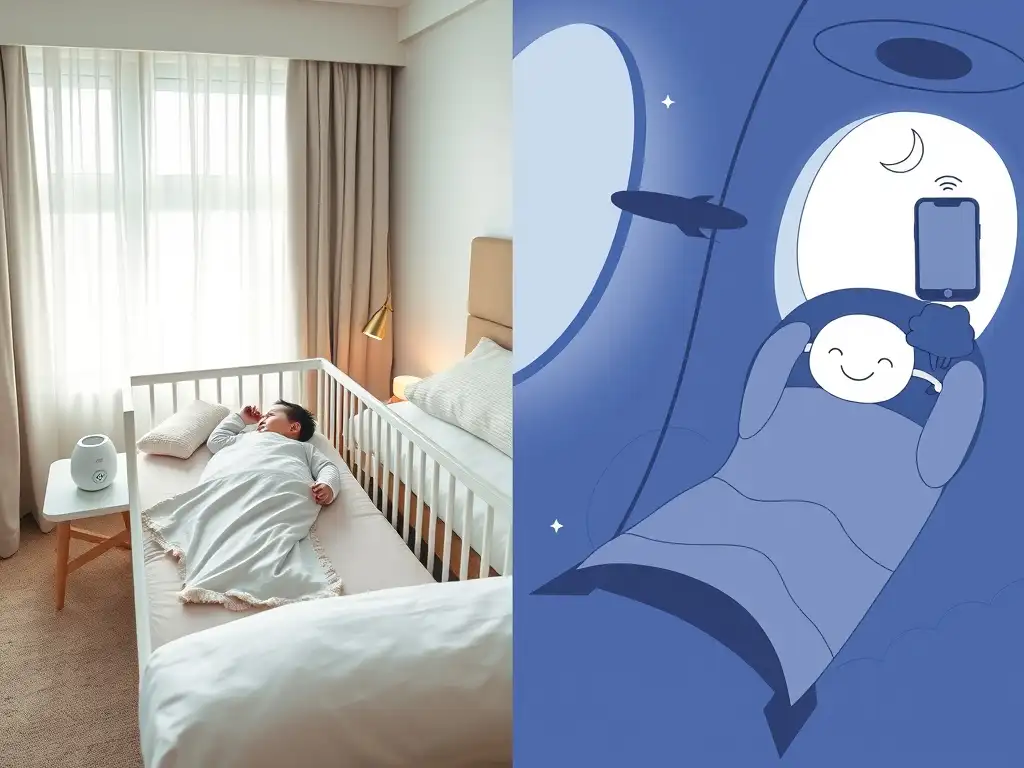
Traveling with a baby can be challenging, especially when it comes to maintaining their sleep schedule. Disruptions to routine often lead to fussiness and sleep deprivation for both parent and child. This section offers practical strategies to help your little one adjust to the unique sleep challenges presented by different modes of transportation.
We'll explore effective methods for maximizing sleep opportunities during air travel, car rides, and even while using a baby carrier. Remember, consistency and a proactive approach are key to minimizing sleep disruption and ensuring a smoother travel experience. These baby travel sleep tips will help you navigate the complexities of sleep on the go.
Airplane Sleep Strategies: Tips for Napping and Sleeping on Flights
Flying with a baby presents a unique set of sleep challenges. The change in air pressure, unfamiliar sounds, and confined space can all affect your baby's sleep. However, with careful planning and preparation, you can significantly increase their chances of getting some rest.
Here are some key strategies:
- Timing is Everything: Try to schedule your flight around your baby's usual nap times. If possible, a nighttime flight can be advantageous, as the darkness and reduced stimulation can promote sleep.
- Create a Calming Atmosphere: Pack familiar comfort items like a favorite blanket, stuffed animal, or pacifier. A white noise machine or calming music can also help to block out distracting airplane noises.
- Maximize Comfort: Dress your baby in comfortable, loose-fitting clothing. Consider bringing a lightweight swaddle or sleep sack to provide a sense of security and warmth.
- Feeding and Burping: Feeding your baby before takeoff and during periods of ascent and descent can help to equalize pressure in their ears and reduce discomfort. Remember to burp your baby afterwards to prevent gas and discomfort.
- Utilize the Airplane Amenities: Many airlines provide bassinets for infants. If available, reserve one in advance. Otherwise, consider using the airplane seat as a makeshift bed, ensuring your baby is securely fastened with the seatbelt.
- Embrace Flexibility: Don't be discouraged if your baby doesn't sleep as much as usual. The unfamiliar environment might lead to shorter sleep periods, and that's perfectly normal. Focus on creating a relaxing environment and providing comfort.
Car Seat Sleep: Maximizing Comfort and Sleep During Car Journeys
Car journeys can be particularly challenging for sleep, but with the right preparation, you can increase your baby’s chances of a restful car ride. Remember, safety is paramount; always use an appropriate car seat for your baby's age and weight.
Here's how to make car seat sleep more comfortable:
- Positioning for Comfort: Adjust the car seat recline as much as possible to create a more comfortable sleeping position. A rolled-up receiving blanket can provide extra support for the head and neck.
- Noise Reduction: Consider using a portable white noise machine or playing calming music to help block out road noise.
- Temperature Control: Ensure the car's temperature is comfortable, avoiding both overheating and chilling.
- Travel Toys and Entertainment: While sleep is the goal, having some engaging toys or activities on hand can help distract your baby if they're initially resistant to sleep.
- Strategic Stops: Plan for regular stops to allow your baby to stretch, change diapers, and feed. These breaks can help to prevent restlessness and promote better sleep during the driving periods.
- The Power of Routine: Maintaining a consistent bedtime routine, even while traveling, can signal to your baby that it's time to sleep.
Traveling with a Baby Carrier: Utilizing Carriers for Napping and Soothing
Baby carriers offer a unique solution for managing sleep during travel, especially for shorter trips or when you need to keep your baby close. The close proximity and gentle swaying motion can be incredibly soothing and conducive to sleep.
Here are some tips for using a carrier for napping:
- Carrier Selection: Choose a carrier that offers good support and is comfortable for both you and your baby. Consider ergonomic designs that promote proper spinal alignment.
- Positioning: Ensure your baby is positioned correctly in the carrier, with their airway unobstructed. Adjust straps to provide optimal support and comfort.
- Soothing Techniques: While in the carrier, gently sway or rock your baby, humming or whispering soothing sounds. The rhythmic motion and calming sounds can help promote relaxation and sleep.
- Consider the Environment: Keep in mind that your baby might be more prone to sleep in a quiet, dimly lit environment while in the carrier.
- Safety First: Always follow the manufacturer's instructions for using the carrier. Never leave your baby unattended in the carrier.
- Limited Duration: While carriers can be helpful for short naps, it's not advisable to keep your baby in the carrier for extended periods. Regular breaks are essential to ensure your baby's comfort and prevent potential health issues. Remember, these tips are intended to enhance your baby travel sleep experience, making travel with your little one smoother and more enjoyable.
Post-Travel Sleep Recovery: Helping Your Baby Adjust Back Home
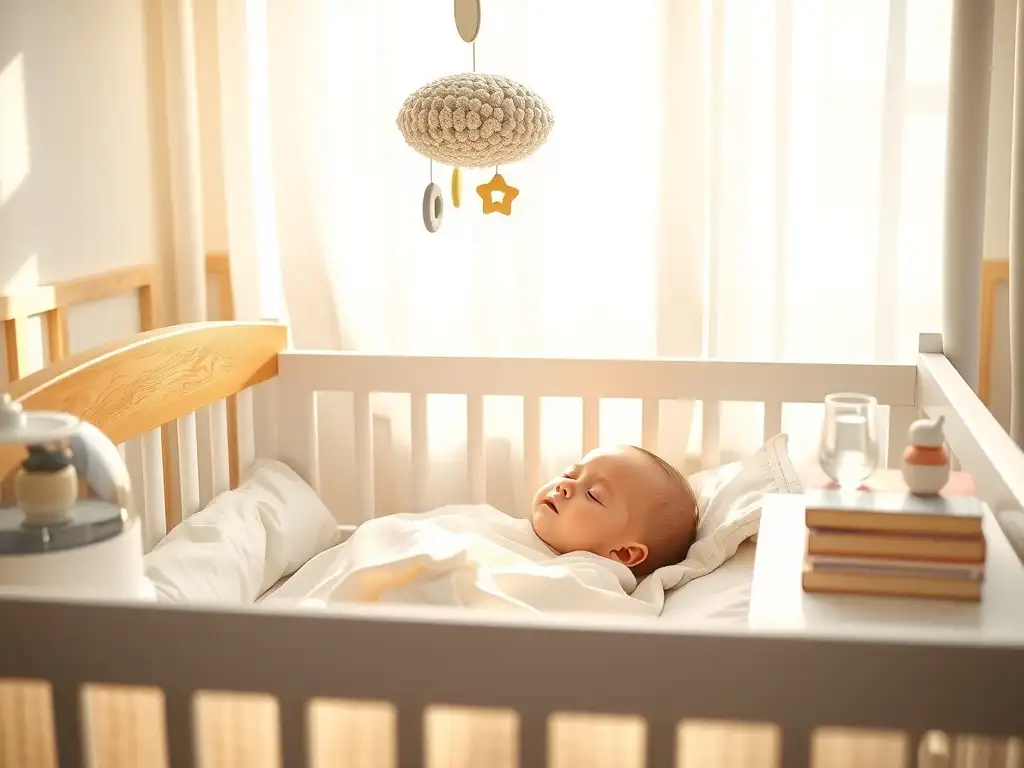
Traveling with a baby, even for short trips, can significantly disrupt their sleep patterns. Getting back into a regular sleep schedule after a trip requires patience and a strategic approach. This process, often referred to as "sleep recovery," is crucial for both the baby's well-being and the parents' sanity. Successfully navigating this transition involves understanding your baby's sleep cues and gently guiding them back to their established routine. The key is gradual adjustments, avoiding drastic changes that could lead to further sleep disturbances. Think of it as a gentle re-acclimation to their familiar environment and sleep cues.
Gradual Routine Restoration: Gently Reintroducing Your Baby's Normal Sleep Schedule
The first step in post-travel sleep recovery is to gradually reinstate your baby's normal sleep schedule. Avoid immediately jumping back into the rigid routine from before the trip. Instead, opt for a more flexible approach during the initial days. For example, if your baby typically naps at 10:00 AM and 2:00 PM, try to nudge those nap times closer to their usual schedule over a few days. Start by shifting the nap times by 15-30 minutes each day until you reach the desired time. This gradual approach minimizes the shock to their system and allows for smoother transitions.
Consider using visual cues like a familiar sleep sack or a comforting stuffed animal to create a sense of normalcy. Maintaining a consistent bedtime routine, including bath time, story time, and a lullaby, can also help signal to your baby that it's time to sleep. Consistency is key; stick to the routine as much as possible, even if they are slightly off from the pre-trip schedule.
Remember, flexibility is crucial. Some days, your baby might need extra cuddles or longer naps to adjust. Observe their cues and respond accordingly. This period of readjustment may take a few days or even a week, depending on the duration and intensity of the travel disruption and your baby's age. Patience and consistency are your greatest allies.
Addressing Jet Lag: Effective Strategies to Minimize Jet Lag Effects on Baby Sleep
Jet lag can significantly impact a baby's sleep, particularly after long-distance flights. The disruption to their internal body clock (circadian rhythm) can lead to irritability, difficulty sleeping, and altered feeding patterns. To mitigate the effects of jet lag, consider these strategies:
- Light Exposure: Gradually adjust your baby's exposure to sunlight. Upon arrival at your destination, expose them to natural light during the day to help regulate their circadian rhythm.
- Consistent Sleep-Wake Times: Try to maintain a consistent sleep-wake schedule, even if it means adjusting to the new time zone gradually. This helps your baby's body clock adjust more smoothly.
- Melatonin (Consult Pediatrician): Some parents consider using melatonin supplements to help their babies adjust to the new time zone, but always consult your pediatrician before giving your baby any supplements, including melatonin. They can advise on the appropriate dosage and potential risks.
Remember that babies respond differently to jet lag. Some might adjust quickly, while others might require more time. Be patient and provide extra comfort and support during this period. A calm and predictable environment will help them adjust more easily. Focus on maintaining a nurturing and supportive atmosphere. The adjustment process is easier when your baby feels secure and loved.
Seeking Professional Help: When to Consult a Pediatrician or Sleep Consultant
While most babies will adjust to post-travel sleep changes with a little patience and the strategies mentioned above, sometimes professional guidance is necessary. If your baby's sleep disturbances persist for more than a week or two after returning home, or if they are exhibiting other signs of distress such as excessive crying or changes in appetite, it is advisable to seek professional help.
A pediatrician can rule out any underlying medical conditions that might be contributing to the sleep problems. A certified sleep consultant can offer personalized advice and strategies tailored to your baby's specific needs and sleep patterns. Don't hesitate to reach out for help; it's a sign of proactive parenting, not a failure. Early intervention can prevent long-term sleep issues and improve the quality of life for both you and your baby. Remember, you are not alone in this journey. Seeking support is a sign of strength, not weakness. The well-being of your baby is paramount.
Baby Travel Sleep Tips: Summary and Key Takeaways
This section summarizes key strategies for minimizing sleep disruption during baby travel, focusing on practical applications of established sleep principles adapted for travel situations. We'll review crucial elements to ensure a smoother transition for both you and your little one. Remember, consistency and preparation are paramount for successful travel sleep management. The goal isn't necessarily to replicate your home sleep routine perfectly, but rather to create a predictable and calming environment wherever you are. This approach helps mitigate the effects of travel-related stress on your baby's sleep patterns.
Recap of Essential Strategies: A Quick Guide to Peaceful Travel Sleep
Successfully navigating travel with a baby hinges on proactive planning and a flexible approach. Here's a quick guide incorporating proven sleep strategies adapted for travel:
- Maintain a Consistent Sleep Schedule (As Much As Possible): While complete consistency is challenging while traveling, strive to maintain a relatively predictable sleep/wake cycle. Try to keep wake windows and bedtime relatively consistent, even if the exact time shifts slightly. This helps regulate your baby's internal clock. Think of it as “flexible consistency.”
- Prioritize a Comfortable Sleep Environment: This is crucial, regardless of location. Pack familiar bedding items like a favorite blanket or sleep sack to create a sense of familiarity. Use blackout curtains or eye masks (for you!) to minimize light disruption, especially in unfamiliar environments. White noise machines can also significantly reduce external noise distractions and promote relaxation.
- Pack Essential Sleep Aids: This includes familiar comfort objects like a favorite stuffed animal, pacifier (if used), and any other items that soothe your baby. Consider bringing a portable crib or bassinet if possible for a more familiar sleeping surface. A portable changing mat is also a must-have to handle diaper changes efficiently.
- Prepare for Potential Disruptions: Travel inevitably involves interruptions. Anticipate delays, changes in plans, and unfamiliar sounds. Having a plan B for soothing your baby is essential. This could involve gentle rocking, singing lullabies, or using a pacifier.
- Utilize Car Seats and Carriers Strategically: Car seats can sometimes be surprisingly effective sleep aids, particularly for babies who associate car rides with sleep. Baby carriers can also be useful for short naps, especially if you’re on the go. However, be mindful of safe sleep guidelines. Never leave a baby unattended in a car seat or carrier.
- Be Mindful of Time Zone Changes: If traveling across time zones, gradually adjust your baby's sleep schedule before your trip. This process, known as "phase shifting," can ease the transition and minimize jet lag. Even small adjustments can make a big difference.
- Remember Self-Care: Your own well-being is critical. Travel with a baby is exhausting! Ensure you get enough rest when possible, even if it means taking turns with a partner or family member. A well-rested caregiver is better equipped to handle sleep challenges.
Example Scenario: Imagine a family traveling by car for a 6-hour road trip. They plan to stop every 2 hours for a diaper change and feeding. During these stops, they maintain a calm and quiet atmosphere, using the opportunity for a brief nap in a portable crib if the baby shows signs of sleepiness. They also utilize a white noise machine in the car to help block out road noise. This proactive approach helps maintain a semblance of routine, minimizing sleep disruption.
Resources for Further Support: Recommended Books and Websites on Baby Travel Sleep
While this article provides valuable tips, further research can enhance your understanding and preparedness. Unfortunately, specific book and website recommendations are pending further research [specific information pending]. However, a good starting point is searching for reputable parenting websites and books focusing on baby sleep and travel. Look for resources that offer evidence-based advice and consider consulting a pediatrician or sleep consultant for personalized guidance, especially if you are facing significant sleep challenges with your baby. Remember to prioritize reputable sources offering practical and safe sleep advice.
Frequently Asked Questions
Start by adjusting your baby's sleep schedule gradually in the days leading up to your trip. Maintain a consistent bedtime routine even while traveling, and pack familiar comfort items. This will help ease the transition to a new environment.
What if my baby refuses to sleep in their travel crib?
Try creating a familiar and calming sleep environment using familiar bedding and a sleep sack. Consider using white noise or a soothing sound machine to block out unfamiliar noises. Gentle rocking or patting might also help.
My baby is used to sleeping in complete darkness. What should I do when traveling?
Bring a blackout blind or sleep shade to help recreate a dark sleep environment. If this isn't feasible, try using a nightlight with a low, soft glow to minimize disruption.
What are some tips for getting my baby to sleep on the plane?
Offer a bottle or pacifier during takeoff and landing to help equalize pressure in their ears. Try to time your journey to coincide with your baby's usual nap times. Shushing, rocking, or singing can also be helpful.
How can I ensure my baby's safety while sleeping during travel?
Always use a car seat appropriate for your baby's age and weight during car travel. In hotels or other accommodations, use a safe and sturdy crib or travel cot. Never leave your baby unattended while sleeping.
Final Reflection: The Unfolding Journey of Sleep, On the Go
The challenges of maintaining a baby's sleep routine while traveling are far more significant than simply a few restless nights; they represent a crucial intersection of parental resilience and a child's developing sense of security. Successfully navigating these sleep disruptions isn't just about getting a good night's rest for parents—it's about fostering a sense of calm and consistency for your little one in a world of new and exciting (and sometimes overwhelming) experiences.
The impact of travel on a baby's sleep, and the subsequent impact on the family dynamic, is profound and long-lasting. It's a microcosm of the larger challenge of adapting to change and maintaining a sense of normalcy amidst the chaos. This journey of adjusting sleep patterns on the road highlights the importance of proactive planning and flexible parenting. The most important thing a father can do for his children is to love their mother.
– Theodore Hesburgh. While not directly about travel, this quote speaks to the core of creating a supportive and loving environment, crucial for navigating the sleep challenges of travel with a baby. The love and patience shown during these times build a stronger bond and create lasting memories, even amidst the sleep deprivation.
Now, consider your own experiences with travel and sleep. What strategies worked best for you? What adjustments did you need to make? Take a moment to reflect on the power of adaptability and the importance of prioritizing your child's well-being, even when faced with unexpected disruptions. Remember, the journey of parenthood is filled with such moments—moments that test our resilience and ultimately strengthen our bonds. Embrace the challenges, learn from the experiences, and cherish the memories created along the way. Your journey, and your baby's, is unique and beautiful.
Unlock Your Little One's Travel Sleep Secrets!
Thank you for learning how to prepare your baby for those inevitable travel-related sleep disruptions. We hope you gained valuable insights to make your next trip smoother! Now, let's put that knowledge into action:
- Prioritize a consistent sleep schedule before your trip: Begin adjusting your baby's bedtime routine a week before you leave, gradually shifting it closer to your destination's time zone. This will ease the transition.
- Pack familiar comfort items: Don't underestimate the soothing power of a favorite blanket, stuffed animal, or sleep sack. These familiar items can ease anxiety and promote better sleep in unfamiliar surroundings.
- Share your travel sleep tips and experiences with other parents in the comments below – let's build a supportive community!
Ready to make your next family trip a dream for everyone?