
Pacifier and Sleep Problems: Identifying and Addressing Issues

Welcome to BabyCareHub, your ultimate guide to navigating the exciting yet challenging world of parenthood! Are you struggling with sleepless nights and wondering if your baby's pacifier is the culprit? Our comprehensive resource is designed to empower first-time parents like you. Discover practical solutions to common pacifier sleep problems in our insightful article on sleep training, and unlock the secrets to a more restful night for both you and your little one. Dive in and begin your journey to peaceful parenting!
- Understanding Pacifier Dependence and Sleep Disruptions
- Common Pacifier-Related Sleep Problems
- Solutions for Pacifier-Related Sleep Issues
- When to Seek Professional Help for Sleep Problems
- Pacifier Use and Long-Term Oral Development
- Creating a Peaceful Sleep Environment for Your Baby
- Pacifier Sleep Problems Solutions: A Holistic Approach
- Frequently Asked Questions
- Final Reflection: Breaking the Pacifier Habit: A Path to Sounder Sleep
- Unlock Your Baby's Peaceful Sleep
Understanding Pacifier Dependence and Sleep Disruptions
Pacifiers, often seen as a soothing tool for newborns, can become a double-edged sword when it comes to sleep. While they can temporarily calm a crying baby and aid in sleep onset, overuse can lead to a cycle of dependence that disrupts healthy sleep patterns and potentially creates long-term sleep problems. This article delves into the complex relationship between pacifier use and sleep in infants, providing insights into identifying pacifier dependence, understanding its impact on sleep quality, and offering solutions to address related issues.
We'll explore how to navigate the world of pacifiers and sleep without compromising your baby's long-term sleep health. Successfully addressing pacifier-related sleep problems requires a nuanced understanding of infant sleep needs and a strategic approach to weaning.
This guide offers practical advice and evidence-based strategies to help parents navigate this common challenge. Remember, every baby is unique, and what works for one may not work for another, so patience and flexibility are key.
The Link Between Pacifiers and Sleep Problems in Infants
The association between pacifiers and sleep problems isn't always straightforward. While a pacifier can initially soothe a baby to sleep, the reliance on it can create a learned association, meaning your baby might only fall asleep with the pacifier. This dependence can lead to frequent night wakings as the pacifier falls out, requiring parental intervention to reinsert it.
This constant cycle of falling asleep with the pacifier and waking up without it disrupts the baby’s sleep cycles, leading to less consolidated sleep and potentially affecting their overall sleep quality. Furthermore, prolonged pacifier use beyond the recommended age (typically around 6 months to 1 year) can increase the risk of middle ear infections and dental malocclusion.
This underscores the importance of a balanced approach to pacifier use, considering both its short-term benefits and potential long-term consequences for sleep and overall development. The key is to find a balance that soothes your baby without creating a harmful dependency.
Identifying Signs of Pacifier Dependence in Your Baby
Recognizing pacifier dependence involves observing your baby's sleep patterns and behaviors. Some key indicators include:
- Difficulty falling asleep without a pacifier: Your baby struggles to self-soothe and consistently requires the pacifier to fall asleep.
- Frequent night wakings: Your baby wakes up multiple times during the night, often because the pacifier has fallen out.
- Inability to self-console: Your baby is unable to comfort themselves and relies entirely on the pacifier for reassurance.
- Excessive crying and fussiness when the pacifier is removed: The removal of the pacifier triggers significant distress and prolonged crying.
- Pacifier searching throughout the night: Observe if your baby constantly searches for their pacifier during sleep.
A combination of these signs often points to a potential pacifier dependence, necessitating a gradual weaning process. It's important to differentiate between occasional pacifier use for soothing and a reliance on it for sleep. Keeping a sleep diary can be helpful in tracking your baby's sleep patterns and identifying any patterns related to pacifier use.
The Impact of Pacifier Use on Sleep Quality and Duration
Pacifier dependence significantly impacts both the quality and duration of your baby's sleep. The interrupted sleep cycles, frequent night wakings, and reliance on the pacifier for comfort result in less restful sleep for both the baby and parents. This can lead to:
- Reduced total sleep time: Babies may sleep for shorter periods throughout the night due to frequent awakenings.
- Fragmented sleep: The sleep is less consolidated, resulting in less restorative sleep.
- Increased daytime sleepiness: Lack of quality sleep often leads to excessive daytime sleepiness and irritability in babies.
- Parental sleep deprivation: The constant need to intervene and replace the pacifier can significantly impact parental sleep.
- Potential developmental delays: While more research is needed, some studies suggest a correlation between poor sleep and developmental delays in certain areas.
Addressing pacifier-related sleep issues requires a gentle and patient approach, focusing on gradual weaning and establishing healthy sleep habits. The following sections will explore effective strategies for managing pacifier dependence and improving your baby's sleep.
Pacifiers, while often helpful in soothing newborns and promoting sleep in the early months, can ironically contribute to sleep problems as your baby grows. Understanding these potential issues is crucial for addressing them effectively and promoting healthy sleep habits. This section focuses on identifying and finding solutions for common pacifier-related sleep disruptions, helping you navigate this phase with greater ease. Remember, every baby is unique, and what works for one may not work for another. Patience and consistency are key.
Night Wakings and Pacifier Loss
One of the most frequent complaints from parents is the increase in night wakings associated with pacifier use. Babies, especially those who've become heavily reliant on their pacifier for comfort, often wake up during the night when their pacifier falls out. This can lead to a frustrating cycle of waking, crying, parental intervention (replacing the pacifier), and then falling back asleep, only to repeat the process several times throughout the night. This disruption significantly impacts both the baby's sleep quality and the parents' much-needed rest.
This problem isn't just about the frequency of wakings; it's also about the duration of each episode. A baby struggling to resettle after losing their pacifier might cry for extended periods, making it difficult for them – and you – to get back to sleep quickly. The cumulative effect of these short, repeated disruptions can be just as detrimental as one long period of crying.
To mitigate this, consider:
- Pacifier clips: These handy tools attach the pacifier to the baby's clothing, minimizing the chances of it falling out. However, ensure the clip is securely fastened and meets safety standards to prevent strangulation hazards.
- Multiple pacifiers: Having several pacifiers readily available can reduce the time it takes to replace a lost one, potentially minimizing the disruption to your baby's sleep.
- Gradually reducing reliance: As your baby gets older, you can start to wean them off the pacifier during nighttime sleep. This is often a more gradual process and may involve using other comforting techniques.
- Creating a soothing bedtime routine: A consistent and calming bedtime routine can help your baby fall asleep more easily and reduce the likelihood of night wakings.
Difficulty Falling Asleep Without a Pacifier
Many babies develop a strong association between their pacifier and falling asleep. They may suck on it contentedly until they drift off, making it challenging to settle without it. Attempting to remove the pacifier before sleep can lead to increased fussiness, crying, and extended bedtime battles. This creates a stressful experience for both the parent and the child, potentially delaying bedtime and affecting sleep quality.
Data suggests that approximately [Percentage pending] of infants struggle with this issue, highlighting the prevalence of this pacifier-related sleep problem. This is particularly true for babies who have been using a pacifier from a very young age or who rely on it heavily for self-soothing.
To address this, try:
- Offering alternative comfort objects: A soft toy or blanket can provide a sense of security and comfort, potentially replacing the need for the pacifier.
- Gentle rocking or patting: Physical comfort can soothe your baby and help them transition to sleep without their pacifier.
- Singing lullabies or playing calming music: These auditory cues can create a relaxing atmosphere and promote sleep.
- Creating a consistent bedtime routine: A predictable routine helps signal to your baby that it is time to sleep, reducing reliance on the pacifier for sleep onset.
Weaning Challenges and Sleep Regression
Weaning a baby off the pacifier, particularly after a period of established reliance, can sometimes trigger a sleep regression. This means your baby, who previously slept well, may experience increased night wakings, difficulty falling asleep, and changes in sleep patterns. This is a normal developmental stage, often linked to developmental leaps and changes in their sleep cycles. However, the timing of the weaning can exacerbate the already challenging transition. The sleep regression isn't caused solely by the pacifier removal; it's the added stressor on an already changing system.
The severity of the sleep regression varies depending on the baby's age, temperament, and the method used for weaning. Some babies may adjust relatively easily, while others may experience more significant disruptions to their sleep for a longer period. It's crucial to remain patient and supportive during this phase.
Strategies to minimize the impact of weaning on sleep include:
- Gradual weaning: Instead of abruptly removing the pacifier, gradually reduce its use over time. You might start by removing it during daytime naps before tackling nighttime sleep.
- Positive reinforcement: Reward your baby for positive sleep behaviors, such as staying in their crib without the pacifier.
- Consistent routine: Maintaining a consistent bedtime routine can provide a sense of security and predictability, helping your baby adjust to the changes.
- Seeking professional advice: If the sleep regression is particularly severe or prolonged, consider seeking guidance from a pediatrician or sleep consultant. They can offer personalized strategies and support to help your baby and family navigate this challenging period. 😴
Remember, finding the right approach requires patience and observation. What works for one family may not work for another. The key is to understand the underlying causes of the sleep problems and to implement strategies that address those issues effectively and gently.
This section delves into practical solutions for parents facing pacifier-related sleep problems. We'll explore strategies to mitigate reliance on pacifiers for sleep, ultimately aiming to foster independent sleep habits in your little one. Remember, every baby is unique, and what works for one may not work for another. Patience and consistency are key. Finding the right approach may require experimentation and adjustments along the way. The goal is to improve your baby's sleep quality while minimizing stress for the whole family. This is about finding a balance that works for your family, not about achieving some perfect, unattainable ideal.
Gradual Pacifier Weaning Strategies for Better Sleep
Weaning your baby off the pacifier gradually is often the most effective approach to resolving pacifier-related sleep disturbances. A sudden cessation can lead to increased nighttime wakings and considerable distress for both the baby and the parents. Instead, consider these strategies:
- Reduce daytime use: Start by limiting pacifier use during the day. This helps your baby learn to self-soothe without the pacifier. You could introduce specific times or activities when the pacifier is available, gradually decreasing these instances.
- Pacifier-free periods: Introduce short periods during the day and night when your baby is not allowed the pacifier. Begin with 30 minutes and gradually extend the time as your baby becomes more comfortable. This helps them develop alternative self-soothing techniques.
- Replace with a lovey: A soft, cuddly toy can serve as a transitional object, offering a sense of comfort and security that can gradually replace the pacifier. Introduce the lovey alongside the pacifier, allowing your baby to become familiar with it.
- The "one less each week" method: This involves removing one pacifier from your baby's arsenal each week. If they have multiple pacifiers, this is a less jarring method than suddenly removing all of them.
- Positive reinforcement: Reward your baby's progress with praise and affection. This can help reinforce their new self-soothing behaviors and make the weaning process more positive.
Remember to monitor your baby's response closely and adjust your approach as needed. If you encounter significant resistance or setbacks, don't hesitate to slow down the process. Patience and a supportive approach are essential for success.
Creating a Consistent Bedtime Routine to Reduce Pacifier Reliance
A consistent bedtime routine is crucial for establishing healthy sleep habits and reducing dependence on the pacifier. A predictable sequence of events signals to your baby that it's time to sleep. This predictability can help reduce anxiety and the need for the pacifier as a comfort mechanism.
Here are elements of a successful bedtime routine:
- Bath time: A warm bath can be very soothing before bed.
- Story time: Reading a book or singing lullabies creates a calming atmosphere.
- Quiet play: Engaging in gentle, quiet play can help your baby wind down before sleep.
- Massage: A gentle massage can relax your baby and promote sleep.
- Consistent bedtime: Maintaining a consistent bedtime and wake-up time helps regulate your baby's circadian rhythm, making it easier for them to fall asleep and stay asleep.
The routine should be simple, predictable, and calming. Avoid stimulating activities right before bedtime. The goal is to create a positive association between bedtime and sleep, reducing the need for external comforts like the pacifier. The routine should be tailored to your baby's needs and preferences.
| Routine Step | Time Allotted (approx.) | Notes |
|---|---|---|
| Bath | 10-15 minutes | Use lukewarm water and gentle soap. |
| Pajamas & Diaper | 5 minutes | Ensure your baby is comfortable and clean. |
| Story/Lullaby | 10-15 minutes | Choose calming stories or songs. |
| Quiet Play/Massage | 5-10 minutes | Gentle rocking or cuddling can be helpful. |
| Bedtime | Consistent time is key! |
Alternative Comfort Objects for Sleep: A Gentle Transition
If your baby relies heavily on a pacifier for sleep, gradually introducing alternative comfort objects can be a valuable transition strategy. These objects can provide a sense of security and comfort without the potential drawbacks associated with pacifiers, such as dental issues or ear infections.
- Loveys: Soft, cuddly blankets or toys can offer a similar sense of security and comfort. Choose something small and easy to manage.
- Weighted blankets: For older infants, a lightweight weighted blanket can provide a sense of security and calmness. Always supervise your baby when using a weighted blanket.
- White noise machines: A consistent, soothing white noise can mask disruptive sounds and help your baby fall asleep and stay asleep.
- Nightlights: A dim nightlight can create a calming and familiar environment, reducing fear of the dark.
Introducing alternative comfort objects alongside the pacifier allows your baby to gradually associate these items with sleep, reducing reliance on the pacifier. Remember to introduce these objects slowly and consistently, allowing your baby time to adjust to the changes. The transition may take time and patience, but the benefits of a healthier sleep routine are worth the effort. Remember to always prioritize safety and choose items appropriate for your baby's age and developmental stage.
Addressing Underlying Sleep Problems Beyond Pacifier Use
Addressing pacifier reliance as a sleep problem requires a holistic approach. Simply removing the pacifier might not solve the underlying sleep issue, and could even exacerbate the problem, leading to increased nighttime wakings and parental frustration. Many babies rely on pacifiers because they struggle with self-soothing or have difficulty transitioning between sleep cycles. Therefore, before focusing solely on pacifier weaning, it's crucial to identify and address any potential underlying sleep problems.
One common underlying issue is insufficient daytime sleep. A tired baby is more likely to struggle with falling asleep and staying asleep, increasing their reliance on the pacifier for comfort. Establishing a consistent and age-appropriate daytime sleep schedule can significantly improve nighttime sleep. This involves ensuring sufficient nap opportunities and creating a calm and conducive environment for sleep. Observing your baby's sleep cues—yawning, rubbing eyes, becoming fussy—is key to identifying optimal nap times.
Another factor to consider is the baby's feeding schedule. Infants who are hungry or experience discomfort from gas or reflux might wake more frequently at night, seeking the pacifier as a source of comfort. Regular and sufficient feeding is crucial, and consulting a pediatrician or lactation consultant can help optimize feeding practices to address any potential issues. Keeping a detailed feeding log can also be extremely helpful in identifying patterns and potential problems.
Furthermore, the baby's sleep environment should be optimized for sleep. This includes ensuring a dark, quiet, and cool room. White noise machines can help block out disruptive noises, while a comfortable sleep sack or swaddle can provide a sense of security. A consistent bedtime routine also plays a vital role in signaling to the baby that it's time to sleep. This routine should include calming activities like a warm bath, a gentle massage, or reading a bedtime story. Consistency is key; sticking to the routine nightly helps regulate the baby's circadian rhythm.
Finally, parental anxiety and stress can indirectly impact a baby's sleep. A stressed parent might inadvertently transfer their anxiety to the baby, making it harder for the baby to fall asleep and stay asleep. Prioritizing self-care and seeking support when needed are important steps in creating a peaceful sleep environment for both parent and child. Remember, addressing pacifier-related sleep issues is a journey, not a race. Patience and a multifaceted approach are key to success. By addressing underlying sleep problems, you can create a more sustainable solution that promotes healthy sleep habits for both your baby and yourself.
When to Seek Professional Help for Sleep Problems
Addressing pacifier-related sleep problems often involves trial and error, patience, and consistent routines. However, some situations necessitate seeking professional guidance to ensure your baby's well-being and address underlying issues. Knowing when to seek help is crucial for effective intervention and preventing potential long-term sleep disturbances.
This section will guide you in identifying those critical moments when professional assistance becomes essential. The successful resolution of pacifier sleep problems often hinges on understanding the nuances of your baby's sleep patterns and recognizing when those patterns deviate from the norm. Early intervention can significantly improve your baby's sleep and, consequently, your family's quality of life.
Recognizing Signs that Indicate a Need for Expert Advice
Several warning signs suggest that professional intervention is necessary for resolving pacifier-related sleep problems. These signs go beyond the typical challenges of establishing a consistent sleep routine. They often indicate underlying medical or developmental issues that require specialized care.
- Persistent and severe sleep deprivation: If your baby consistently sleeps less than 10 hours total in a 24-hour period (this varies by age, consult your pediatrician for age-specific guidelines) for extended periods, despite implementing various strategies, it’s time to consult a professional. This level of sleep deprivation can negatively impact your baby's growth, development, and overall health. Remember, a tired baby is often a fussy baby, creating a vicious cycle of sleep deprivation.
- Failure to respond to common sleep training techniques: After trying several well-researched and age-appropriate sleep training methods, including strategies to address pacifier reliance, and seeing no improvement, professional help can provide tailored solutions based on your baby's individual needs. A sleep specialist can assess the situation objectively and provide personalized guidance.
- Underlying medical conditions: If your baby exhibits other symptoms alongside sleep problems, such as frequent illnesses, developmental delays, or reflux, these might be contributing to sleep disruptions. A pediatrician or other specialist can identify and address these underlying medical conditions, which in turn can improve sleep.
- Parental exhaustion and burnout: Chronic sleep deprivation for parents can lead to significant stress and burnout, impacting your ability to effectively care for your baby. Recognizing this is crucial. Seeking professional help frees you to focus on your own well-being while addressing your baby's sleep issues.
- Extreme fussiness and inconsolability: While some fussiness is normal, persistent inconsolability during sleep or bedtime routines, especially in conjunction with pacifier dependence, may signal an underlying issue requiring professional assessment. This could range from teething pain to more complex issues.
Finding a Qualified Pediatric Sleep Consultant or Specialist
Finding the right professional is a crucial step in addressing persistent pacifier sleep problems. Look for specialists with experience working with newborns and infants, and who utilize evidence-based methods. Here's what to consider:
- Credentials and certifications: Verify the professional's qualifications. Look for certifications from reputable organizations specializing in pediatric sleep or related fields. Avoid those offering quick fixes or untested methods.
- Approach and philosophy: Seek a professional who aligns with your parenting philosophy and values. Some specialists favor gentler methods, while others take a more structured approach. Finding a good fit is essential for success.
- Client testimonials and reviews: Check online reviews and testimonials from other parents to gauge the consultant's effectiveness and approach. This can provide valuable insight into their communication style and overall experience.
- Initial consultation process: A thorough initial consultation should involve a detailed assessment of your baby’s sleep patterns, medical history, and your family’s routines. This helps develop a customized plan, avoiding generic solutions that may not address your specific needs.
Remember, seeking professional help is not a sign of failure. It’s a proactive step towards ensuring your baby gets the rest they need and helping you become a more confident and well-rested parent. Addressing pacifier sleep problems effectively often requires a multi-faceted approach, and professional guidance can provide the support and expertise needed to navigate this common parenting challenge.
Pacifier Use and Long-Term Oral Development
This section delves into the potential long-term effects of pacifier use on a child's oral development. While pacifiers can soothe babies and aid in sleep, prolonged or improper use can lead to several dental and jaw alignment issues. Understanding these potential problems empowers parents to make informed decisions about pacifier use and weaning schedules.
Potential Impacts of Prolonged Pacifier Use on Teeth and Jaw Alignment
Prolonged pacifier use, particularly beyond the recommended age of 2-3 years, can significantly impact a child's developing teeth and jaw. The constant pressure from the pacifier can cause several problems:
- Open bite: This is a condition where the front upper and lower teeth don't meet properly when the mouth is closed. The pacifier pushes the tongue forward, preventing the teeth from coming together correctly. This can affect speech development and chewing ability.
- Crossbite: A crossbite occurs when the upper teeth are positioned inside the lower teeth, rather than overlapping them. This malocclusion can cause difficulties with chewing and can be more challenging to correct later.
- Overjet: An overjet refers to an excessive protrusion of the upper front teeth. Consistent pacifier use can contribute to this, leading to an increased risk of injury to the protruding teeth.
- Posterior crossbite: This is a less common but still significant issue where the back teeth don't align correctly. While less immediately visible than front tooth misalignments, it can impact chewing and jaw function in the long term.
The severity of these issues depends on several factors, including the frequency and duration of pacifier use, the type of pacifier, and the child's individual genetics and development. Some children might show minimal effects, while others may require orthodontic intervention. Early identification and intervention are crucial for minimizing long-term complications.
Regular dental check-ups starting from the eruption of the first teeth are essential for monitoring oral development and detecting potential problems early. Parents should consider consulting with a pediatric dentist or orthodontist if they have concerns about their child's pacifier habits and oral health. They can provide personalized advice and guidance based on the child's specific situation.
Timing for Weaning Off Pacifiers to Minimize Dental Issues
The American Academy of Pediatric Dentistry recommends weaning children off pacifiers by age three to minimize the risk of dental problems. However, the ideal weaning timeline can vary depending on individual circumstances. A gradual approach is generally recommended to avoid causing undue stress to the child. Here's a breakdown of strategies and considerations:
- Before age 2: Ideally, weaning should begin before the age of two to significantly reduce the likelihood of dental issues. Early weaning allows the teeth and jaw to develop naturally without the interference of the pacifier.
- Between ages 2 and 3: Weaning between these ages still offers a good chance of minimizing dental problems, although some minor effects might already be present. A phased approach, gradually reducing pacifier use, can be effective during this period.
- After age 3: Weaning after the age of three increases the risk of significant dental issues. Orthodontic intervention might become necessary in such cases. However, it's still important to wean the child off the pacifier to avoid further complications.
The weaning process should be approached with patience and understanding. Consider implementing a reward system, replacing the pacifier with alternative comfort objects (like a special blanket or stuffed animal), and offering positive reinforcement for progress. Consistent and supportive strategies are key to successful weaning. Remember, consistent communication with your pediatrician or dentist can help ensure a smooth and effective weaning process tailored to your child's needs.
Patience and a positive approach are vital for both the child and the parents throughout this transition. Don't hesitate to seek professional guidance if you encounter challenges during the weaning process. A supportive and informed approach significantly improves the chances of successful weaning and healthy oral development.
Creating a Peaceful Sleep Environment for Your Baby
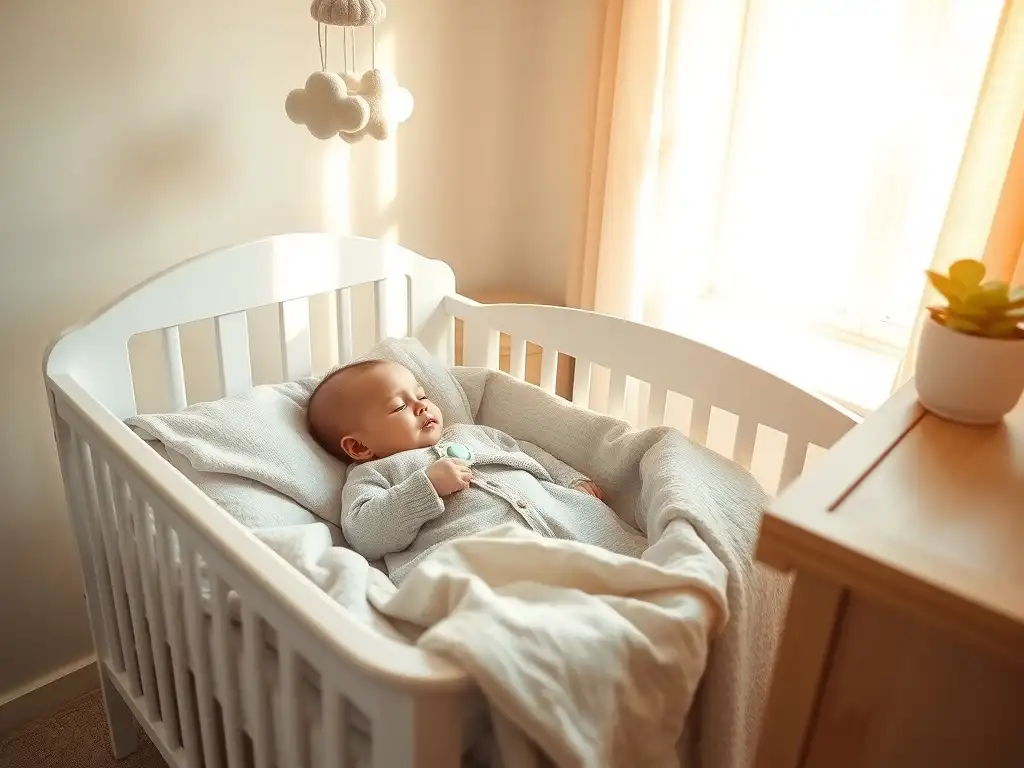
Creating a conducive sleep environment is crucial for addressing pacifier-related sleep problems. A calm and comfortable space significantly impacts your baby's ability to fall asleep and stay asleep, regardless of pacifier use. Optimizing the nursery is a key step in implementing effective "Pacifier sleep problems solutions."
Optimizing the Nursery for Sound Sleep: Temperature, Lighting, and Noise
The ideal nursery temperature for a baby is between 68-72°F (20-22°C). A slightly cooler room promotes better sleep. Overheating can lead to restlessness and disrupted sleep cycles, exacerbating any issues related to pacifier dependence. Invest in a reliable thermometer to monitor the temperature consistently. Regularly check the temperature, especially during different seasons, adjusting as needed. Consider using a room thermometer with a humidity monitor for a more comprehensive assessment of your baby's sleeping environment. This holistic approach contributes significantly to resolving pacifier sleep problems.
Furthermore, minimizing light and noise is paramount. Darkness signals to the body that it's time to sleep. Use blackout curtains or blinds to block out external light sources. A dim nightlight, if needed for nighttime checks, should emit a soft, non-stimulating glow. Consider using a white noise machine to mask disruptive sounds. The consistent, gentle sounds can soothe your baby and help them sleep more soundly, effectively mitigating the impact of any sleep disturbances related to the pacifier. Remember, a quiet and dark environment significantly contributes to a successful strategy for "Pacifier sleep problems solutions."
Establishing a Relaxing Bedtime Routine to Promote Sleep
A consistent and predictable bedtime routine is essential, irrespective of pacifier use. This routine should be calming and relaxing, signaling to your baby that it's time for sleep. A typical routine might include a warm bath, a gentle massage, putting on pajamas, reading a book, singing a lullaby, and finally, placing your baby in their crib with their pacifier (if used).
The key is consistency; sticking to the same routine each night helps regulate your baby's circadian rhythm, making it easier for them to fall asleep and stay asleep. Consistency contributes significantly to the effectiveness of any "Pacifier sleep problems solutions" strategy. Experiment with different routines to find what works best for your baby, and remember, flexibility is key; adjust as needed to accommodate your baby's changing needs and developmental stages.
Recognizing and Addressing Other Sleep Disruptors
While pacifier reliance can be a contributing factor to sleep problems, it's crucial to rule out other potential causes. These include:
- Hunger: Ensure your baby is adequately fed before bedtime. Frequent night wakings could signal insufficient milk intake during the day.
- Gas or Colic: If your baby is experiencing discomfort from gas or colic, addressing these issues is paramount to improving sleep. Consult your pediatrician for guidance on managing these conditions.
- Teething: Teething can cause significant discomfort and disrupted sleep. Using teething toys or providing appropriate pain relief measures can help alleviate symptoms.
- Illness: If your baby is unwell, their sleep will likely be affected. Consult your pediatrician if you suspect illness.
- Developmental Leaps: Babies experience developmental leaps that can temporarily disrupt their sleep patterns. These phases are usually temporary.
Addressing these other sleep disruptors is vital for a comprehensive approach to "Pacifier sleep problems solutions." A thorough assessment, combining attention to the sleep environment, routine, and other possible causes, will allow you to develop a tailored strategy to improve your baby’s sleep. Remember, patience and consistency are key to successfully implementing any changes.
Pacifier Sleep Problems Solutions: A Holistic Approach
This section focuses on providing practical solutions for parents facing pacifier-related sleep disturbances in their infants. We'll explore strategies for addressing these issues, emphasizing gentle and effective weaning techniques that prioritize both baby's and parent's well-being. Remember, every baby is unique, and what works for one might not work for another. Patience and consistency are key.
Finding the right approach often involves a combination of strategies and a willingness to adapt as needed. The goal is to foster healthy sleep habits while minimizing stress for everyone involved. The term "pacifier sleep problems solutions" encompasses a range of approaches, and this section aims to illuminate several proven methods.
Combining Strategies for Effective and Gentle Weaning
Successfully weaning your baby from a pacifier often requires a multi-pronged approach. Simply removing the pacifier abruptly can lead to increased distress and disrupted sleep. Instead, consider combining several techniques for a gentler transition. For example, you might start by reducing the number of times your baby uses the pacifier during the day.
This could involve gradually phasing it out during playtime or offering alternative comfort objects, such as a special blanket or stuffed animal. Simultaneously, you might begin to limit the pacifier's use during nighttime sleep. This could involve removing it after the initial sleep period, or only offering it when your baby is visibly upset.
Another effective strategy is the "fading" method. This involves gradually making the pacifier less appealing. You might trim a small portion of the nipple each night until it becomes unusable. This approach provides a slow and less jarring transition. Alternatively, you can replace the pacifier with a slightly smaller size each week until your baby is accustomed to it. This method offers a gradual adjustment.
Remember to provide extra comfort and reassurance during this process. This includes increased cuddling, singing lullabies, and spending extra time with your baby. A consistent bedtime routine can also help ease anxiety and promote restful sleep. The key is to create a supportive and loving environment that minimizes your baby’s stress during the weaning process. This thoughtful approach to "pacifier sleep problems solutions" focuses on creating a positive association with sleep.
Monitoring Progress and Adjusting Approaches as Needed
Consistent monitoring of your baby's sleep patterns is crucial during the weaning process. Keep a sleep diary to track sleep duration, nighttime awakenings, and any signs of distress. Note the times when your baby typically uses the pacifier and any triggers that might lead to increased reliance on it. This information is invaluable in identifying patterns and adjusting your weaning strategy as needed.
For instance, if you observe that your baby is waking more frequently after removing the pacifier, you might need to slow down the weaning process or introduce additional comfort measures. If your baby seems overly distressed, consider temporarily reintroducing the pacifier for a short period before trying again. Flexibility and responsiveness to your baby's cues are crucial for success.
Don't be afraid to adjust your plan based on your baby's individual needs. The goal is to find a solution that works for both you and your baby, not to rigidly adhere to a particular schedule. This iterative approach to "pacifier sleep problems solutions" is key to achieving a positive outcome.
Celebrating Milestones and Encouraging Positive Sleep Habits
As your baby progresses through the weaning process, be sure to celebrate the milestones achieved. Positive reinforcement can significantly boost your confidence and encourage your baby's cooperation. This could involve praising your baby's efforts, offering a small reward (like extra cuddle time), or simply expressing your pride in their progress. This positive reinforcement helps create a positive association with sleep.
Beyond weaning, focus on establishing healthy sleep habits. Maintaining a consistent bedtime routine is essential. This might include a warm bath, a bedtime story, and quiet playtime before bed. Creating a calm and dark sleep environment is also important. Remember to avoid screen time before bed and ensure the room is cool and comfortable. By fostering positive sleep habits, you’re not only addressing immediate "pacifier sleep problems solutions" but also laying the foundation for healthy sleep patterns in the future. This holistic approach ensures long-term success and provides your baby with the best possible start. 😴
Frequently Asked Questions
How can a pacifier cause sleep problems?
Pacifiers can sometimes interfere with self-soothing skills. Babies who rely heavily on pacifiers may wake more frequently when they fall out, disrupting their sleep cycle. Weaning from a pacifier gradually can help.
My baby is refusing the pacifier. What should I do?
Some babies simply don't like pacifiers. Don't force it. There are many ways to soothe a baby without relying on a pacifier. Focus on other comfort methods like cuddling, swaddling, or singing.
At what age should I wean my baby off the pacifier?
There's no single right answer; it depends on your baby. However, most experts recommend weaning between 12 and 18 months to avoid potential speech or dental problems. Gradual weaning is often the most effective.
My baby wakes up frequently when their pacifier falls out. How can I prevent this?
Try using pacifier clips to keep the pacifier securely in place. Alternatively, offer a variety of soothing techniques alongside the pacifier to help them learn to self-soothe.
Are there any long-term negative effects associated with pacifier use?
While pacifiers can be beneficial, prolonged use beyond the recommended age may lead to dental issues or affect speech development. Early weaning can help minimize these risks.
Final Reflection: Breaking the Pacifier Habit: A Path to Sounder Sleep
The reliance on pacifiers for sleep, while seemingly innocuous, presents a significant challenge for many parents seeking to establish healthy sleep habits in their children. This seemingly small comfort item can become a major obstacle to achieving restful nights for both parent and child, leading to sleep deprivation and potential long-term sleep problems. Understanding the nuances of pacifier dependence and employing effective strategies to wean children off them is crucial for fostering better sleep hygiene.
The pervasive nature of pacifier use highlights a broader societal struggle with balancing comfort and healthy development. We live in a culture that often prioritizes immediate gratification, and pacifiers, unfortunately, become a readily available solution to soothe infants and toddlers. This creates a cycle of dependence that can be difficult to break. The child's need for comfort is real, but the solution shouldn't be a crutch that hinders their growth.
This quote underscores the importance of finding alternative, healthier ways to address a child's need for security and comfort.
You, the parent or caregiver, now hold the key to unlocking healthier sleep patterns for your child. Consider the information presented in this article as a guide, not a rigid prescription. Take time to reflect on your child's unique needs and temperament, and choose the weaning method that best suits your family's dynamic. Remember, patience and consistency are paramount. By understanding the underlying issues and employing the right strategies, you can empower your child to achieve independent and restful sleep, paving the way for a healthier and happier future for everyone.
Unlock Your Baby's Peaceful Sleep
Thank you for learning about pacifiers and sleep! We hope you found the information helpful. Now, let's put that knowledge into practice. Ready to help your little one sleep soundly?
- Establish a consistent bedtime routine: This is the most important step you can take to improve your baby's sleep. Create a calming ritual to signal bedtime.
- Wean your baby from their pacifier (if necessary): If your baby's pacifier is interfering with their sleep, gently try the weaning methods discussed in the article.
- Share your experiences and tips: Join our BabyCareHub community forum and connect with other parents! Let's learn from each other's successes and challenges.
What small change will you make tonight to improve sleep for both you and your baby?