
Nursery Organization Hacks: Keeping Things Tidy for a Calm Sleep Space

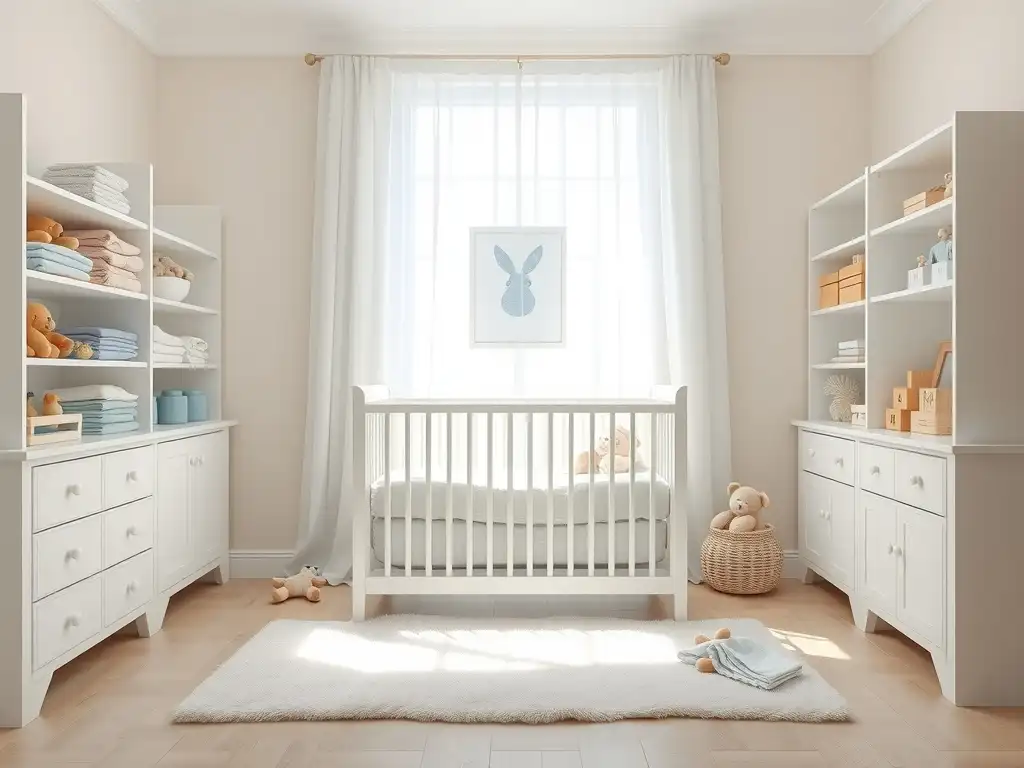
Welcome to BabyCareHub, your ultimate guide to navigating the beautiful chaos of parenthood! Are you ready to transform your baby's nursery into a haven of calm and tranquility? We understand the challenges of creating a peaceful sleep space for your little one, which is why we've created this essential guide on organizing your baby's nursery for better sleep. Discover practical tips and clever hacks to optimize your baby's sleep environment and unlock a more restful night for both of you. Let's dive in and unlock the secrets to a well-organized and soothing nursery!
- Creating a Peaceful and Organized Baby Nursery for Better Sleep
- Smart Storage Solutions for Baby Nursery Items
- Toy Organization and Rotation Strategies for a Tidy Nursery
- Streamlining Diaper Changing Station Organization
- Maintaining a Clean and Organized Nursery Sleep Space
- Long-Term Nursery Organization Strategies for Growing Babies
-
Frequently Asked Questions
- How can I organize my baby's nursery for better sleep?
- What are some must-have storage solutions for a baby's sleep area?
- How do I create a calming sleep environment in my baby's nursery?
- What should I do with toys that aren't used for sleeping?
- How can I maintain a tidy nursery sleep space once it's organized?
- Final Reflection: Cultivating Calm in the Nursery—A Legacy of Peace
- Ready to Reclaim Your Sanity (and Your Nursery)?
Creating a Peaceful and Organized Baby Nursery for Better Sleep
Establishing a calm and organized nursery is crucial for both your baby's and your own well-being. A cluttered space can be surprisingly stressful, impacting sleep quality for both parent and child. This article provides practical, step-by-step guidance on how to organize your baby's nursery sleep space, transforming it from a chaotic jumble into a peaceful haven conducive to better sleep.
We'll explore decluttering techniques, space-maximizing strategies, and smart storage solutions, all designed to help you create the ideal sleep environment for your little one. Organizing your baby's nursery for optimal sleep isn't just about aesthetics; it's about creating a safe, predictable, and calming atmosphere that promotes healthy sleep habits from the very beginning.
This guide focuses on practical solutions to help you effectively organize your baby's nursery sleep space, making bedtime a smoother and more enjoyable experience for everyone. We'll cover everything from decluttering strategies to smart storage solutions, ensuring that your nursery is a sanctuary of calm for your baby and a haven of peace for you.
Decluttering Your Baby's Nursery: A Step-by-Step Guide
Before you even think about organizing, you need to declutter. This might seem daunting, but a methodical approach makes it manageable. Follow these steps for a successful declutter:
- Empty the Space: Completely remove everything from the nursery, leaving only the essential furniture. This gives you a fresh perspective and allows for a thorough cleaning.
- Sort and Categorize: Divide items into four piles: Keep, Donate, Sell, and Trash. Be honest about what you truly need. Remember, less is often more when it comes to a baby's sleep space.
- Prioritize Essentials: Focus on keeping only the items absolutely necessary for your baby's sleep and comfort: crib, mattress, changing pad (if in the nursery), nightlight, sound machine (optional), and a few essential outfits.
- The "One In, One Out" Rule: Going forward, implement the "one in, one out" rule. For every new item that enters the nursery, an old one must be removed. This prevents future clutter build-up.
- Regular Purges: Schedule regular decluttering sessions (e.g., every three months) to maintain a tidy space and prevent the accumulation of unnecessary items. This proactive approach will save you considerable time and effort in the long run.
Remember, a clutter-free nursery contributes significantly to a calm and peaceful sleep environment. The less visual stimulation, the better.
Essential Nursery Organization: Maximizing Space and Functionality
Once decluttered, focus on maximizing space and functionality. This involves smart storage solutions and strategic placement of items.
- Vertical Space: Utilize vertical space with tall shelving units or wall-mounted organizers. These maximize storage without taking up valuable floor space.
- Under-Crib Storage: Consider under-crib storage baskets or drawers for storing extra sheets, blankets, or diapers.
- Multi-Functional Furniture: Choose multi-functional furniture like a changing table with built-in drawers or a dresser with a changing top.
- Clear Storage Bins: Use clear storage bins or containers to easily see the contents and maintain a visually organized space. Labeling these bins is also helpful!
- Wall-Mounted Shelves: Install wall-mounted shelves above the changing table or crib for storing books, toys, or other small items. This keeps items off the floor and adds visual appeal.
By implementing these strategies, you can transform your baby's nursery into a calm, organized, and functional space that promotes better sleep for both you and your little one. Remember, consistency is key! Maintaining an organized nursery requires ongoing effort, but the benefits are immeasurable. A peaceful sleep space contributes to a happier, healthier baby and a more relaxed parent. 😴
Smart Storage Solutions for Baby Nursery Items
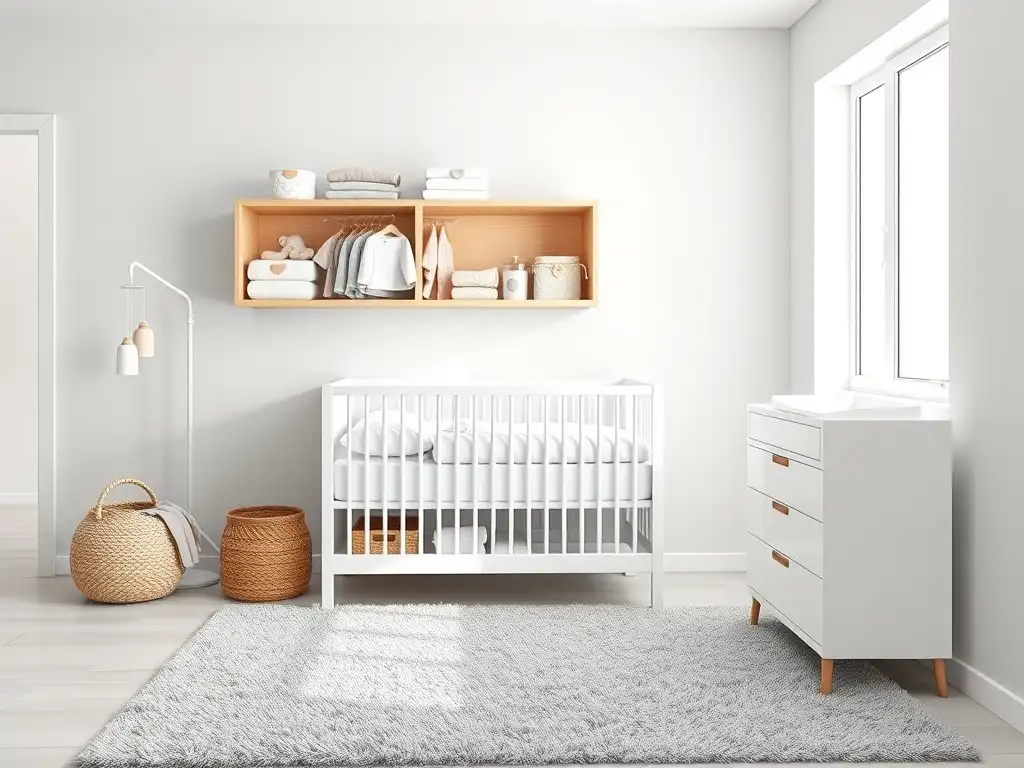
This section focuses on practical and innovative storage solutions to optimize your baby's nursery and create a calm, organized sleep space. Efficient storage is crucial not only for aesthetics but also for a smoother nighttime routine. A clutter-free environment contributes significantly to a more peaceful atmosphere conducive to better sleep for both baby and parents. Organizing your baby nursery sleep space effectively is key to managing the influx of baby items and maintaining a sense of calm amidst the chaos of new parenthood.
Utilizing Vertical Space: Shelves, Wall Organizers, and Hanging Storage
Maximizing vertical space is paramount in a nursery, where floor space is often limited. Shelves provide a versatile solution for storing a wide array of baby items, from books and toys to diapers and wipes. Consider using floating shelves to save floor space and create a visually appealing display. Remember to prioritize safety by anchoring shelves securely to the wall, especially those positioned higher up.
Wall organizers are another fantastic way to utilize vertical space effectively. These can be customized to fit your specific needs and can hold everything from changing supplies to swaddles and burp cloths. Look for organizers with multiple compartments and pockets for easy access to frequently used items. This helps maintain a streamlined changing station, minimizing time spent searching for essentials during diaper changes, a key element in maintaining a calm sleep space.
Hanging storage is a space-saving marvel. Over-the-door organizers, hanging shelves, and even fabric storage cubes can be hung on closet doors or walls to store clothes, toys, or other baby essentials. Consider using clear storage containers for easy visibility of contents – this aids in quick identification of needed items, preventing unnecessary rummaging and preserving the tranquility of the nursery. Remember to choose lightweight materials to avoid putting undue stress on walls or doors. A well-organized space translates to less stress during late-night feedings or diaper changes.
Clever Storage for Baby Clothes: Folding, Rolling, and Drawer Organization
Baby clothes often seem to multiply overnight! Efficient clothing storage is crucial for maintaining a tidy nursery. Folding techniques, such as the KonMari method, can help you maximize space and keep clothes neatly organized in drawers. Rolling clothes instead of folding can also save space and allow for better visibility of each item. This also minimizes wrinkling.
Drawer dividers are essential for keeping small items like socks, mittens, and onesies separated and easy to find. Clear drawer dividers allow for quick visual identification of the contents of each section, streamlining the selection process during outfit changes. Labeling drawers can further enhance organization and reduce time spent searching. Consider investing in stackable drawers to utilize vertical space and maintain a consistent aesthetic. This organized approach to clothing storage contributes directly to a serene and clutter-free nursery, promoting better sleep for everyone.
| Storage Method | Pros | Cons |
|---|---|---|
| Folding | Space-saving, neat appearance | Can take longer than rolling |
| Rolling | Space-saving, easy to see contents | Can be less neat than folding |
| Drawer Dividers | Organized, easy to find items | Requires initial investment |
Optimizing Closet Space: Maximizing Storage Capacity for Baby's Wardrobe
Baby's closet can quickly become overwhelmed with clothes. To maximize space, consider using vertical hanging organizers to double or even triple the amount of clothing you can hang. These organizers create additional hanging space within the existing closet, allowing you to hang more outfits and keep them wrinkle-free.
Vacuum-sealed storage bags are ideal for storing out-of-season clothing, freeing up valuable closet space. These bags compress clothing significantly, allowing you to store a large amount of clothing in a small space. Remember to label the bags clearly to easily identify their contents. This is particularly useful for items that are not frequently needed, such as winter clothes in the summer, or vice-versa. This strategy contributes to a cleaner, more spacious nursery, a key element in creating a peaceful sleep environment.
Using shelf risers can create additional shelf space within your closet. These risers increase the vertical space available on existing shelves, effectively doubling the storage capacity. This enables you to store more folded items such as sweaters, pants, and pajamas neatly, keeping the closet organized and visually appealing. A well-organized closet contributes to a calm and peaceful atmosphere, essential for a restful sleep space for your baby.
Toy Organization and Rotation Strategies for a Tidy Nursery
Organizing your baby's toys might seem like a small detail, but it significantly impacts the overall tidiness and calming atmosphere of their sleep space. A cluttered nursery can be overstimulating, making it harder for your little one to settle down for sleep. Effective toy organization and rotation are key strategies for maintaining a peaceful and organized nursery environment conducive to better sleep. This section will explore practical solutions and strategies to help you achieve this.
Toy Storage Solutions: Bins, Baskets, and Open Shelving
Choosing the right storage solution is crucial for maintaining a tidy nursery. Different storage options cater to different needs and aesthetics. Let's explore some popular choices:
- Bins: Plastic bins with lids are excellent for storing larger toys or items you want to keep out of sight. They're durable, easy to clean, and stackable, maximizing space. Labeling bins with pictures or words helps your child (as they grow) participate in tidying up. Consider transparent bins so you can see what's inside without opening them.
- Baskets: Woven baskets add a touch of warmth and style to the nursery. They're ideal for smaller toys, soft toys, or blankets. However, baskets might not be as durable or easy to clean as plastic bins. Choose baskets with sturdy handles for easy lifting and moving.
- Open Shelving: Open shelving provides easy access to toys and allows your baby to visually engage with their belongings. This is great for frequently used toys, but keep in mind that it requires more diligent maintenance to keep the space tidy. Consider using dividers or small boxes within the shelves to keep things organized.
Consider your available space and your child’s developmental stage when choosing storage solutions. A combination of these options often works best. For example, you might use bins for seasonal toys, baskets for soft toys, and open shelving for frequently used playthings. 🧸
Implementing a Toy Rotation System: Keeping the Nursery Play Area Tidy
A toy rotation system is a game-changer for maintaining a tidy and stimulating play area. Instead of having all toys accessible at once, rotate them regularly. This prevents sensory overload, keeps your baby engaged, and makes tidying up significantly easier.
Here's a simple system to implement:
- Sort Toys: Divide your baby's toys into three or four groups based on type or theme (e.g., building blocks, soft toys, bath toys).
- Rotate Weekly or Bi-Weekly: Store one or two groups of toys out of sight (in the closet or under the bed) and leave the remaining group(s) accessible in the play area.
- Regularly Switch: Swap out the toy groups every week or two, introducing fresh items to keep your baby interested and prevent boredom.
- Clean and Inspect: When rotating, take the opportunity to clean the toys and discard any broken or damaged items. This ensures a safe and hygienic play environment.
This system not only keeps the nursery tidy but also promotes your baby's cognitive development by exposing them to a variety of play options. Remember to always supervise your baby during playtime to ensure their safety. The key is to find a rotation system that works for you and your baby's age and developmental stage. Regularly reassessing and adjusting your strategy will ensure a consistently organized and enjoyable play area that contributes to a calmer sleep space.
Streamlining Diaper Changing Station Organization
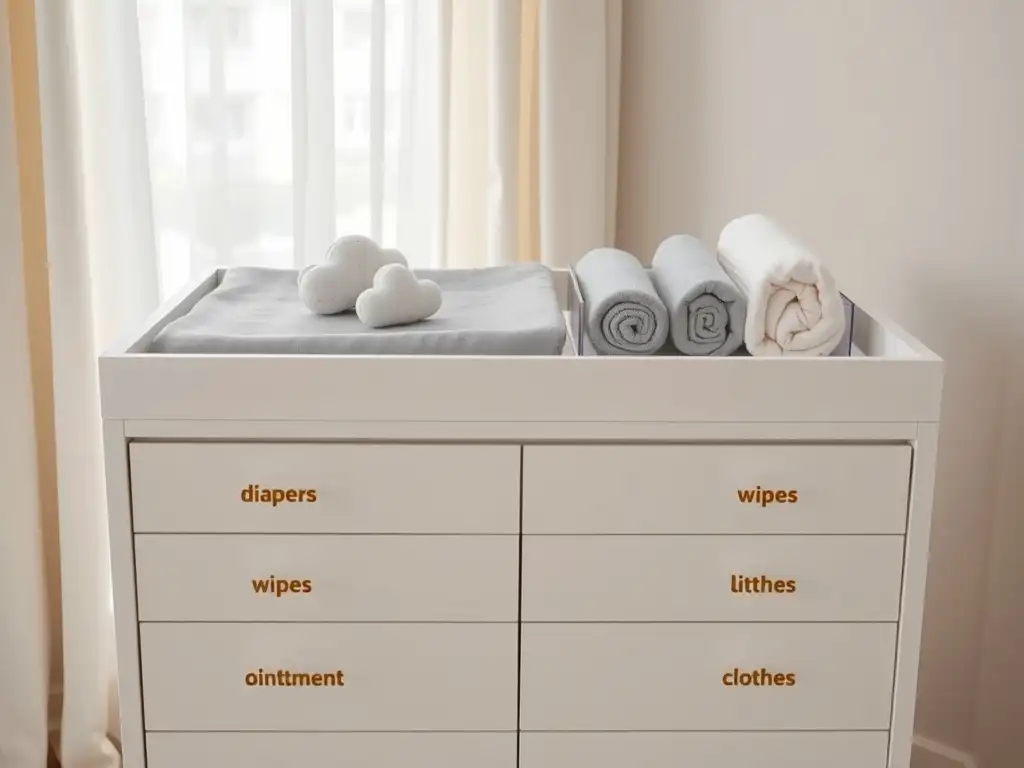
Creating a calm and organized nursery is crucial for promoting better sleep for your baby and reducing stress for you. A well-organized diaper changing station is key to this, transforming what can be a chaotic task into a smooth and efficient process. This section focuses on practical strategies to optimize your diaper changing area, maximizing functionality and minimizing clutter, contributing significantly to a more peaceful sleep environment for your little one.
Efficient organization in this crucial area directly impacts your ability to quickly and calmly attend to your baby's needs, leading to less stress and a more positive bedtime routine. Let's delve into the specifics.
Efficient Diaper Organization: Keeping Diapers, Wipes, and Creams Handy
Efficient diaper storage is paramount. Avoid overflowing diaper pails and scattered wipes. Consider these strategies to maintain a tidy and readily accessible supply:
- Designated Diaper Caddies: Invest in a stylish and functional diaper caddy. These portable containers hold diapers, wipes, diaper rash cream, and other essentials, keeping everything within arm's reach. Choose one with multiple compartments for easy sorting and access. This prevents rummaging through drawers or cabinets during diaper changes, saving you precious time and energy.
- Vertical Storage for Diapers: Instead of stacking diaper boxes, try storing diapers vertically in a slim storage container or a repurposed shoe organizer hung on the back of the changing table door. This maximizes space and allows for easy viewing of remaining supplies. You can easily see when you are running low and plan accordingly, preventing last-minute dashes to the store.
- Wipes Dispenser and Cream Placement: Mount a wipes dispenser directly onto the changing table for effortless access. Keep diaper rash cream and other frequently used items in small, clearly labeled containers within easy reach. This prevents unnecessary searching and keeps the changing area clutter-free. Consider a small, shallow drawer or a basket specifically for these items.
Optimizing Diaper Changing Station Space: A Clean and Organized Surface
A clutter-free changing surface is essential for a smooth and efficient diaper change. Here's how to optimize your space:
- Declutter Regularly: Make it a habit to clear the changing table after each diaper change. Put away any toys, clothes, or other items that accumulate. A quick wipe-down with a disinfectant wipe will also keep the surface clean and hygienic.
- Utilize Wall Space: Maximize vertical space by using wall-mounted shelves or organizers for storing frequently used items like burp cloths, extra outfits, and lotions. This keeps the changing table surface clear and makes items easily accessible. Think about using adhesive hooks for hanging smaller items like bibs or washcloths.
- Multi-Functional Furniture: Consider furniture that serves multiple purposes. A changing table with built-in drawers or shelves can provide ample storage without taking up extra floor space. A changing table with a built-in hamper can also help to keep dirty laundry contained and out of sight.
Remember, a well-organized diaper changing station is more than just aesthetically pleasing; it's a key factor in creating a calm and efficient routine, directly contributing to a more peaceful sleep environment for your baby and reducing parental stress. By implementing these simple strategies, you'll be well on your way to mastering nursery organization and creating a haven for restful sleep. The key is to find a system that works best for your space and your needs. Don't be afraid to experiment and adjust your approach as your baby grows and your needs evolve.
Maintaining a Clean and Organized Nursery Sleep Space
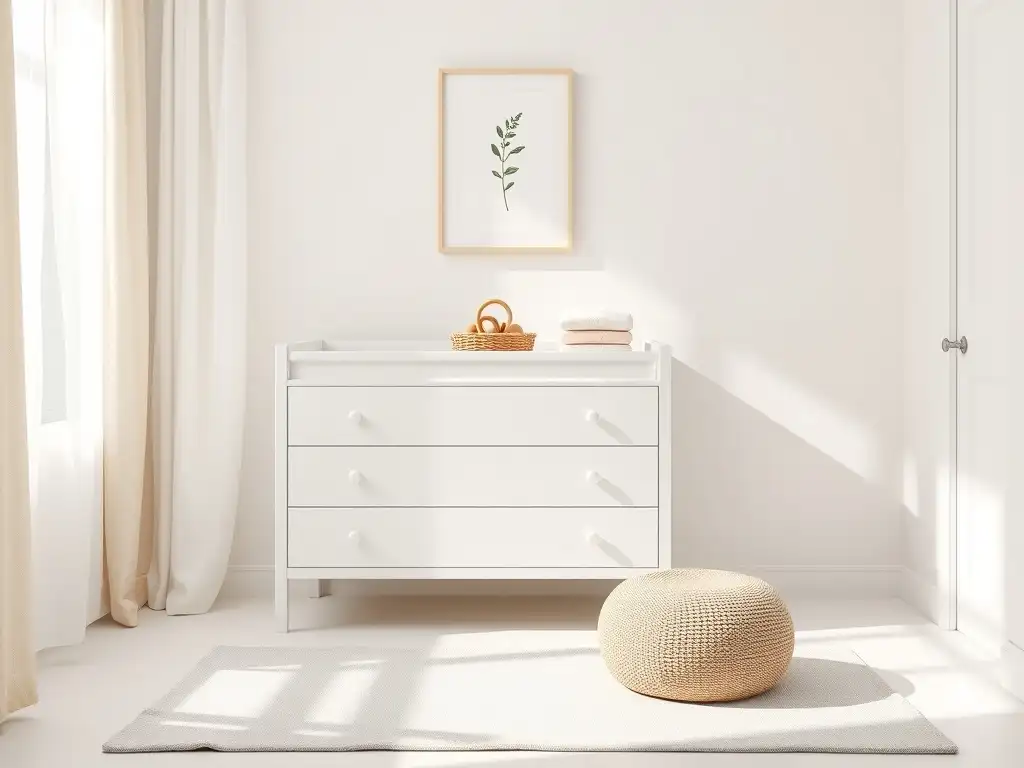
This section focuses on practical strategies for maintaining a clean and organized nursery, directly impacting your baby's sleep environment and, consequently, their sleep quality. A calm, clutter-free space promotes relaxation and better sleep for both baby and parents. We'll explore daily routines and scheduling techniques to ensure your baby's sleep space remains a haven of tranquility. Remember, a well-organized baby nursery sleep space contributes significantly to a peaceful and restful night's sleep.
Daily Nursery Cleaning Routine for a Peaceful Sleep Environment
Establishing a simple, daily cleaning routine is crucial for maintaining a clean and organized nursery. Think of it as a short, focused effort that yields significant benefits. Instead of tackling a huge cleaning session once a week, break down the task into manageable daily chores. This approach prevents the accumulation of clutter and dirt, creating a consistently clean and peaceful sleep environment for your little one.
Here's a suggested routine:
- Morning: A quick tidy-up before you start your day. This could involve making the bed, putting away any toys or clothes that might have been left out overnight, and wiping down any surfaces that might have spills. Think of it as a "reset" for the day.
- Afternoon: After playtime, spend a few minutes picking up toys and putting them back in their designated storage areas. This prevents toys from piling up and creating a cluttered, potentially unsafe environment. A quick spot-clean of any high-traffic areas is also beneficial.
- Evening: Before bedtime, give the nursery a final once-over. This includes a quick vacuum or sweep of the floor to remove any dust or crumbs. A light dusting of surfaces further enhances the cleanliness and promotes a calming atmosphere before sleep.
Remember to prioritize safety! Ensure that all cords are tucked away, electrical outlets are covered, and any potential hazards are removed before bedtime. A safe and clean nursery is paramount for a peaceful night's sleep. This daily routine contributes directly to organizing baby nursery sleep space.
Establishing a Consistent Cleaning Schedule: Keeping the Nursery Tidy
Consistency is key when it comes to maintaining a tidy nursery. A well-structured cleaning schedule helps prevent clutter from accumulating and keeps the space consistently organized. Consider this a proactive approach to organize baby nursery sleep space. Here's a sample schedule that combines daily routines with more extensive weekly and monthly tasks:
| Task | Frequency | Notes |
|---|---|---|
| Daily Tidy-up | Daily | Quick pick-up of toys, clothes, and general tidying. |
| Spot Cleaning | Daily | Wiping down surfaces, cleaning spills. |
| Floor Cleaning (Vacuum/Sweep) | Daily/Every Other Day | Depends on the level of activity in the nursery. |
| Laundry (Nursery Items) | Every 2-3 Days | Keep up with changing bedding, clothes, and burp cloths. |
| Deeper Clean (Dusting, Baseboards) | Weekly | More thorough cleaning of surfaces and hard-to-reach areas. |
| Bedding Change | Weekly | Wash crib sheets, blankets, and any other bedding items. |
| Toy Rotation | Weekly | Rotate toys to keep things fresh and prevent clutter. |
| Thorough Cleaning (including disinfecting) | Monthly | A comprehensive cleaning of the entire nursery, including disinfecting surfaces. |
This schedule is a suggestion and can be adapted to fit your family’s needs and lifestyle. The key is to establish a routine that works for you and ensures your baby's sleep space remains consistently clean and organized. Remember, a clean and organized nursery is not just aesthetically pleasing; it's crucial for creating a peaceful and safe sleep environment for your little one, contributing to better sleep for everyone. This proactive approach to organize baby nursery sleep space will pay dividends in terms of reduced stress and improved sleep quality.
Long-Term Nursery Organization Strategies for Growing Babies
Organizing your baby's nursery is crucial for creating a peaceful sleep environment, but a well-organized space shouldn't be a fleeting achievement. Think long-term! A system that works for a newborn might become cumbersome as your little one grows. This section focuses on strategies to adapt your organization to the ever-changing needs of your growing child, ensuring a calm and efficient nursery for years to come. We'll explore how to anticipate future needs and build flexibility into your organizational plan, ensuring that "Organize baby nursery sleep space" remains a manageable task.
Adapting Your Nursery Organization as Your Baby Grows
The first few months are all about swaddles, diapers, and tiny onesies. But before you know it, your baby will be crawling, pulling themselves up, and exploring every nook and cranny of their room. Your initial organization system needs to adapt to these developmental leaps.
Here's a practical approach:
- Modular Storage: Opt for modular storage units – those with adjustable shelves and components that can be rearranged or added to as your baby's needs change. This allows you to easily adapt to the influx of toys, books, and clothes as your child grows. Consider using cubes that can be stacked or reconfigured, offering maximum versatility.
- Designated Zones: Instead of cramming everything into one area, create designated zones. A sleep zone (crib, changing table), a play zone, and a storage zone. As your baby grows, you can easily adjust the size of each zone to accommodate their evolving needs. For example, the play zone might initially be a small corner but expand as your child gets more toys.
- Vertical Space Utilization: Maximize vertical space by using tall bookshelves, wall-mounted organizers, and over-the-door storage. This keeps floor space clear for play and movement, which is especially important as your baby becomes more mobile.
- Regular Purges: Conduct regular purges of outgrown clothes, toys, and other items. Donating or selling these items keeps the nursery clutter-free and makes space for newer things. Aim for a purge every three to six months, or whenever you notice things getting overwhelming. This is a crucial aspect of maintaining a calm and organized sleep space.
- Age-Appropriate Storage: Consider using lower shelves and drawers for items your baby can access independently as they grow older. This teaches them organization and responsibility while keeping the nursery tidy.
Maintaining a Calm and Organized Nursery for Years to Come
Maintaining a calm and organized nursery isn't a one-time task; it's an ongoing process. Here are some key strategies to ensure your nursery remains a haven of peace and tranquility:
- The 5-Minute Rule: Dedicate five minutes each day to tidying up the nursery. This prevents small messes from accumulating into large, overwhelming ones. Five minutes is often enough to put away toys, straighten blankets, and make the space feel refreshed.
- Family Participation: Involve your family in the organization process. Older siblings can help put away toys, and even your partner can assist with tasks like laundry and storage. This shared responsibility lightens the load and teaches your children valuable organizational skills.
- Regular Maintenance: Schedule regular maintenance checks of your storage systems. This might involve reorganizing shelves, refolding clothes, or replacing broken storage containers. This proactive approach prevents small issues from escalating into major organizational headaches.
- Seasonal Organization: Adjust your nursery organization according to the season. For example, store away bulky winter clothes and bring out lighter summer clothes. This keeps the nursery feeling fresh and uncluttered throughout the year. This is an often overlooked aspect of "Organize baby nursery sleep space" for long-term success.
- Review and Adapt: Regularly review your organizational system and adapt it as your child’s needs and preferences evolve. What worked when your baby was six months old might not be as effective at two years old. Flexibility is key to long-term success. This ensures the space remains a supportive and calming environment for both you and your child.
Remember, a well-organized nursery isn't just about aesthetics; it's about creating a peaceful and calming environment conducive to better sleep for your baby and less stress for you. By implementing these long-term strategies, you can ensure that your baby's sleep space remains a haven of tranquility throughout their childhood. 😴
Frequently Asked Questions
How can I organize my baby's nursery for better sleep?
A calm sleep space is crucial. Declutter surfaces, ensuring a minimal and calming environment. Prioritize essential items within easy reach.
What are some must-have storage solutions for a baby's sleep area?
Consider baskets, drawers, and shelves for clothing, diapers, and toys. A changing table with built-in storage is also very helpful. Remember to keep frequently used items easily accessible.
How do I create a calming sleep environment in my baby's nursery?
Use soft lighting, soothing colors, and comfortable bedding. Minimize noise and distractions by choosing a quiet location for the crib. Ensure the room is at a comfortable temperature.
What should I do with toys that aren't used for sleeping?
Store toys outside the sleep area. Keep only calming and comforting items such as a soft toy or blanket near the crib. Rotating toys can also help maintain a sense of novelty without overwhelming the sleep space.
How can I maintain a tidy nursery sleep space once it's organized?
Establish a daily routine for tidying up. Involve your partner in the cleaning process. Regularly declutter to remove items that are no longer used or needed. This will ensure that the space remains calm and organized.
Final Reflection: Cultivating Calm in the Nursery—A Legacy of Peace
Creating a peaceful and organized nursery isn't just about aesthetics; it's about fostering a calm environment crucial for both baby and parent well-being. A well-organized sleep space translates directly into better sleep for your little one, and consequently, for you. The ripple effect of a tidy nursery extends far beyond the immediate space, impacting the entire family's daily rhythm and overall serenity.
The journey of organizing a baby's nursery is a microcosm of the larger journey of parenthood—a constant process of adaptation, prioritization, and finding creative solutions. It's a testament to the power of intentionality in creating a nurturing environment. The best things in life are unseen, but felt.
This quote, while not directly about nursery organization, perfectly captures the intangible benefits of a calm and organized space: a sense of peace, a feeling of control, and the quiet joy of a well-loved and functional room.
Now, as you reflect on the tips and tricks shared in this article, consider how you can apply these principles to other areas of your life. Think beyond the nursery: Can you apply the same principles of decluttering, categorization, and mindful storage to your own bedroom, your workspace, or even your mental space?
Embrace the power of organization not just as a task, but as a tool for cultivating calm and creating a more peaceful and fulfilling life for yourself and your family. Let the organized calm of your baby's nursery inspire you to create a haven of peace in every aspect of your life.
Ready to Reclaim Your Sanity (and Your Nursery)?
Thank you for exploring our nursery organization tips! We hope you found practical advice to create a calmer, more peaceful sleep space for your baby. Now, let's put those ideas into action.
- Tackle one task at a time: Focus on a single organizational goal—perhaps decluttering the changing table or sorting through toy bins—and complete it today. This small step will make a significant difference!
- Share your successes: Tell us about your favorite tip from this article, or share your own clever ideas in the comments below. We'd love to hear from you!
- Visualize your ideal nursery: Take a moment to imagine your perfectly organized nursery. How does it feel? What does it look like? This visualization will help solidify your goals and maintain your motivation.
What small step will you take to create the calm and organized nursery of your dreams?