
How to Get Your Baby to Sleep Independently


Welcome to BabyCareHub, your ultimate guide to navigating the incredible journey of parenthood! Are you ready to unlock the secrets to a peaceful night's sleep for both you and your little one? We delve into the complexities of baby sleep training methods in our comprehensive guide, "How to Get Your Baby to Sleep Independently," offering practical, step-by-step advice to help you establish healthy sleep habits. Discover proven techniques and expert insights to conquer those sleepless nights and embrace the joy of a well-rested family. Let's begin your journey to sweeter dreams!
- Understanding Your Baby's Sleep Needs and Development
- Establishing a Healthy Sleep Environment for Independent Sleep
-
Effective Baby Sleep Training Methods: A Step-by-Step Guide
- Implementing the Ferber Method for Gradual Sleep Training
- Utilizing the Cry-It-Out (CIO) Method: A Controversial Approach
- Gentle Sleep Training Techniques: Positive Reinforcement Strategies
- The Pick Up/Put Down Method: Responding to Cues Without Picking Up
- Combining Methods for a Personalized Approach to Baby Sleep Training
- Addressing Common Challenges in Baby Sleep Training
- Maintaining Consistent Sleep Habits for Long-Term Success
- Monitoring Your Baby’s Progress and Making Adjustments
- Long-Term Benefits of Independent Sleep for Baby and Parents
- Frequently Asked Questions
- Final Reflection: The Enduring Lullaby of Independent Sleep
- Unlock Your Baby's (and Your!) Sweet Slumber
Understanding Your Baby's Sleep Needs and Development
Navigating the world of infant sleep can feel like deciphering a complex code, especially for first-time parents. This guide will equip you with the knowledge and strategies to help your baby develop healthy sleep habits and, ultimately, sleep independently. We'll explore various baby sleep training methods, focusing on age-appropriate expectations and the crucial role of a consistent bedtime routine. Understanding your baby's individual sleep needs and developmental milestones is the cornerstone of successful sleep training, paving the way for peaceful nights for both you and your little one.
We'll cover everything from recognizing early signs of tiredness to establishing age-appropriate sleep expectations, ensuring a gentle and effective approach to baby sleep training. Remember, patience and consistency are key! Let's embark on this journey together to unlock the secrets of independent sleep for your baby.
Recognizing Sleep Cues in Infants: Early Signs of Tiredness
Knowing when your baby is tired is the first step towards establishing a healthy sleep pattern. Missing these cues can lead to overtiredness, which ironically makes falling asleep even harder. Infants don't always cry when they're tired; they often exhibit subtle cues that require attentive observation. These cues can vary from baby to baby, but common signs include:
- Rubbing eyes: A classic sign of tiredness.
- Yawning frequently: A clear indicator of sleepiness.
- Becoming fussy or irritable: A change in temperament can signal fatigue.
- Pulling on ears: Sometimes babies tug at their ears when tired.
- Loss of interest in activities: A sudden drop in engagement with toys or playtime.
- Becoming quiet and withdrawn: A shift towards less activity.
- Grabbing at their face or clothes: A way of self-soothing.
Recognizing these subtle cues allows you to proactively put your baby down for a nap or bedtime before they become overly tired and fussy. Learning to interpret your baby's unique sleep cues is a skill that develops with time and observation. Keep a sleep diary to track these cues and their correlation with your baby's sleep patterns. This will help you better anticipate their sleep needs and establish a more predictable sleep schedule.
Age-Appropriate Sleep Expectations: Newborn vs. 3-Month-Old vs. 6-Month-Old
Sleep needs vary significantly depending on your baby's age. Understanding these developmental differences is essential for setting realistic expectations and avoiding unnecessary stress. Here's a general overview:
| Age Group | Typical Sleep Duration (Approximate) | Notes |
|---|---|---|
| Newborn (0-3 months) | 14-17 hours per day (broken up into several naps) | Frequent waking is normal. Focus on establishing a consistent feeding routine. |
| 3-Month-Old | 13-15 hours per day (longer stretches of sleep at night) | Naps become more consolidated. Starting to develop a more predictable sleep pattern. |
| 6-Month-Old | 11-13 hours per day (longer stretches at night, fewer naps) | May start dropping a nap. Can begin implementing sleep training methods. |
It's crucial to remember that these are just averages; individual babies may vary. Some babies may sleep more or less than indicated. Always consult your pediatrician if you have any concerns about your baby's sleep patterns. The key is to adjust your expectations based on your baby's developmental stage and individual needs. Don't compare your baby's sleep to others; focus on creating a consistent, predictable, and nurturing environment for your little one.
The Importance of a Consistent Bedtime Routine for Baby Sleep Training
A consistent bedtime routine is not just a nice-to-have; it's a fundamental component of successful baby sleep training. It signals to your baby that it's time to wind down and prepare for sleep. This routine should be calming and predictable, establishing a sense of security and helping your baby associate the routine with sleep. Here are some examples of elements to include:
- Warm bath
- Massage
- Quiet playtime
- Reading a book
- Singing a lullaby
- Nursing or bottle-feeding (if applicable)
The key is consistency. The same routine should be followed every night, creating a predictable and comforting experience for your baby. The routine should be relatively short, around 30-45 minutes, to avoid overstimulation. This consistent routine helps regulate your baby's circadian rhythm, promoting better sleep. Remember, patience is essential. It may take time for your baby to adjust to the routine, but the long-term benefits are well worth the effort. This consistent structure provides a sense of security and helps your baby learn to self-soothe, crucial for independent sleep.
Establishing a Healthy Sleep Environment for Independent Sleep
Creating a conducive sleep environment is paramount for successful baby sleep training. A well-prepared nursery significantly impacts your baby's ability to fall asleep independently and stay asleep longer. This section focuses on practical steps to optimize your baby's sleep space, fostering a sense of calm and security that promotes self-soothing and independent sleep. We'll explore key environmental factors, providing actionable advice grounded in evidence-based practices.
Understanding these factors is crucial for achieving your baby sleep training goals. This isn't just about creating a pretty room; it's about creating a sleep sanctuary specifically designed for your baby's needs. Remember, consistency is key in any baby sleep training methods.
Creating a Dark, Quiet, and Comfortable Nursery for Baby Sleep
A dark, quiet, and comfortable nursery is the cornerstone of a successful sleep environment. Darkness helps regulate melatonin production, a hormone crucial for sleep. Noise can disrupt even the deepest sleep cycles, especially in newborns. Comfort contributes to a feeling of security and reduces the likelihood of waking due to discomfort.
Consider these practical steps:
- Darkness: Use blackout curtains or blinds to minimize light intrusion, even from streetlights or electronic devices. A nightlight with a low, soft glow can be helpful for older babies who may need some visual reassurance, but avoid bright lights. Even a small amount of light can interfere with melatonin production and disrupt sleep.
- Quiet: Minimize noise pollution. This might involve using a white noise machine to mask disruptive sounds or relocating the baby's crib away from noisy areas. White noise, such as the sound of a fan or a white noise app, can create a consistent auditory background, making other noises less jarring. Experiment to find the sound level and type that works best for your baby.
- Comfort: Ensure the room temperature is comfortable (discussed in the next section). The crib should be appropriately sized and the mattress firm but comfortable. Use breathable bedding – avoid loose blankets or pillows that pose a suffocation risk. A sleep sack or swaddle can provide a comforting sense of security for younger babies. Regularly check and maintain the cleanliness of your baby's sleep space to eliminate any potential allergens or irritants. Regular cleaning and airing out of the nursery helps maintain a healthy and comfortable sleeping environment.
Optimizing Room Temperature and Humidity for Optimal Sleep
The ideal room temperature for your baby's sleep is crucial for comfortable and restful sleep. A temperature that's too hot or too cold can lead to frequent awakenings. Similarly, maintaining appropriate humidity levels helps to prevent dry skin and respiratory issues that can disturb sleep.
The recommended room temperature for a baby's sleep is between 68-72°F (20-22°C). Using a thermometer to monitor the temperature consistently is highly advisable. Overheating can be especially dangerous for babies, so careful temperature regulation is essential. Remember that overdressing your baby can also lead to overheating. Opt for lightweight sleepwear appropriate for the room temperature. Regularly monitor your baby's temperature during sleep to ensure they are not too hot or too cold.
Humidity should also be monitored. Ideally, the humidity level should be between 30-50%. Excessive humidity can contribute to mold growth, while low humidity can dry out the nasal passages and make breathing more difficult, leading to restless sleep. A humidifier can assist in maintaining appropriate humidity levels, particularly in dry climates. However, ensure it's cleaned regularly to prevent bacterial growth. The use of a dehumidifier might be necessary in particularly humid environments.
Choosing the Right Sleep Surface and Bedding for Your Baby
The sleep surface and bedding are critical aspects of creating a safe and comfortable sleep environment for your baby. Choosing the right ones will directly affect your baby's ability to sleep soundly and independently. Following safe sleep guidelines is crucial to minimize the risk of Sudden Infant Death Syndrome (SIDS).
- Sleep Surface: The American Academy of Pediatrics (AAP) recommends a firm, flat sleep surface, such as a firm crib mattress that fits snugly within the crib. Avoid soft surfaces like waterbeds, sofas, or adult beds. The mattress should be firm enough to prevent your baby from sinking into it, yet comfortable enough to provide adequate support.
- Bedding: Keep the crib as bare as possible. Avoid using loose blankets, pillows, bumpers, or toys in the crib. These items present suffocation hazards. For warmth, consider using a sleep sack or swaddle appropriate for the room temperature. These offer a secure and comforting feeling without the risks associated with loose bedding. Always ensure that the bedding is breathable and suitable for your baby's age and size. Regularly check the bedding for any signs of wear and tear and replace it as needed. This creates a safe and comfortable sleeping environment that promotes healthy sleep habits. A consistent and safe sleep environment is a cornerstone of effective baby sleep training methods.
This detailed approach to creating a healthy sleep environment, combined with consistent application of chosen baby sleep training methods, significantly increases the chances of your baby sleeping independently and soundly. Remember, consistency is key!
Effective Baby Sleep Training Methods: A Step-by-Step Guide

This section delves into various baby sleep training methods, offering a detailed look at their implementation and potential effectiveness. Remember, every baby is unique, and what works for one might not work for another. Patience and consistency are key regardless of the chosen method. Always consult your pediatrician before starting any sleep training program, especially if your baby has underlying health concerns. This information is for educational purposes and should not be considered medical advice.
Implementing the Ferber Method for Gradual Sleep Training
The Ferber method, also known as the "check-in" method, is a popular gradual sleep training technique. It emphasizes teaching your baby to self-soothe and fall asleep independently without resorting to harsh methods. The core principle involves establishing a consistent bedtime routine and gradually increasing the intervals between parental interventions when your baby cries.
Here's a step-by-step guide to implementing the Ferber method:
- Establish a Consistent Bedtime Routine: A predictable routine signals to your baby that it's time to sleep. This might include a warm bath, a bedtime story, a lullaby, and cuddling. Consistency is crucial for establishing a healthy sleep-wake cycle.
- Put Your Baby Down Drowsy But Awake: This is a critical step. Putting your baby down while still awake but drowsy helps them learn to self-soothe and fall asleep independently.
- The Check-In Intervals: When your baby cries, wait a set amount of time before checking in. Start with a short interval, such as 3 minutes, and gradually increase it by 3 minutes each time (e.g., 3 minutes, 6 minutes, 9 minutes, and so on).
- Comfort Without Picking Up: During the check-in, offer brief comfort—a pat on the back, a soothing word—without picking your baby up. The goal is to reassure them, not to put them back to sleep.
- Consistency is Key: Be consistent with the intervals and your approach. It's tempting to give in, but consistency is essential for success. Expect some initial crying, but it usually lessens as your baby learns to self-soothe.
- Adjust as Needed: The Ferber method isn't a rigid formula. You may need to adjust the intervals based on your baby's temperament and responses.
Utilizing the Cry-It-Out (CIO) Method: A Controversial Approach
The Cry-It-Out (CIO) method, also known as extinction, is a more controversial sleep training technique. It involves letting your baby cry themselves to sleep without any intervention. While some parents find it effective, many others have ethical concerns about its potential impact on the parent-child bond.
Important Considerations:
- Ethical Concerns: Many experts express concern about the potential negative psychological effects of CIO on infants, particularly regarding attachment and emotional security. The impact varies widely depending on the child's temperament and the parents' emotional response.
- Implementation: CIO involves letting your baby cry for extended periods without intervention. The duration of crying can be quite long, leading to distress for both the baby and the parents.
- Alternatives: Gentler methods, such as the Ferber method or positive reinforcement strategies, are often preferred by experts as they prioritize the child's emotional well-being and secure attachment.
- Individualized Approach: The suitability of CIO depends heavily on the baby's temperament and the parents' ability to cope with the emotional stress.
It's crucial to carefully weigh the potential benefits and drawbacks of CIO before considering it. This method is not universally recommended, and many healthcare professionals advise against it.
Gentle Sleep Training Techniques: Positive Reinforcement Strategies
Gentle sleep training methods focus on positive reinforcement and building healthy sleep habits. These approaches prioritize the parent-child bond and avoid letting a baby cry excessively.
Examples include:
- Positive Reinforcement: Rewarding desired behaviors, such as staying in their crib, with praise or a small reward.
- Establishing a Predictable Bedtime Routine: A consistent routine helps regulate your baby's sleep-wake cycle.
- Creating a Conducive Sleep Environment: Ensure the room is dark, quiet, and cool.
- Meeting Your Baby's Needs: Addressing hunger, discomfort, or illness before bedtime can prevent nighttime awakenings.
- Baby-Led Weaning: Gradually reducing nighttime feedings as your baby grows older.
This approach emphasizes building positive associations with sleep and creating a supportive environment that helps your baby learn to self-soothe and sleep independently. It might take longer than other methods, but it prioritizes your baby's emotional well-being. The success of gentle sleep training heavily relies on consistency, patience, and a deep understanding of your baby's individual cues. Remember to consult a pediatrician or sleep specialist for personalized guidance.
The Pick Up/Put Down Method: Responding to Cues Without Picking Up
The pick-up/put-down method, also known as the "check-and-console" method, focuses on teaching your baby to self-soothe by responding to their cues without immediately picking them up. This method is particularly effective for babies who have developed a strong reliance on parental intervention to fall asleep. The core principle is to gradually increase the time intervals between your responses, allowing your baby to learn to settle themselves.
This method requires patience and consistency. Begin by placing your drowsy but awake baby in their crib. If they cry, wait a short period – perhaps 30 seconds to a minute – before checking on them. Comfort them briefly without picking them up; you can pat their back, offer a soothing shush, or simply reassure them verbally. Then, gently put them back down.
If the crying continues, repeat the process, gradually increasing the waiting time between checks. For example, you might wait 1 minute the first time, 2 minutes the second, and so on, always remaining calm and consistent. The goal isn't to let your baby cry inconsolably, but to teach them that they can fall asleep independently. You're teaching them self-soothing skills rather than associating falling asleep with being held.
It’s crucial to observe your baby's cues. If the crying escalates into distressed, inconsolable crying, it's perfectly acceptable to pick them up and comfort them fully before trying the method again. Remember, this is about gradual independence, not prolonged crying. Some babies may adapt to this method quickly, while others may require more time and patience. Consistency is key to success; sticking to the schedule and the chosen response time will yield better results.
Remember to adjust the waiting times based on your baby's needs and reactions. Don’t be afraid to take breaks and reassess if your baby shows signs of significant distress or frustration. The key is to find a balance between supporting your baby's needs and encouraging independent sleep. This method requires a significant time commitment and parental presence, but it can lead to significantly improved sleep for both parent and child.
Combining Methods for a Personalized Approach to Baby Sleep Training
While individual baby sleep training methods offer structured approaches, a personalized strategy often yields the best results. Combining elements from different methods allows you to tailor a plan that best suits your baby's temperament and your family's lifestyle. For example, you might combine the pick-up/put-down method with elements of the Ferber method (graduated extinction). You could use the pick-up/put-down method initially to establish a foundation of self-soothing, then gradually introduce longer intervals between checks, mirroring the Ferber method's scheduled checks with increasing wait times.
Another effective combination involves integrating the principles of the chair method (sitting near the crib until the baby falls asleep) with the fading method (gradually reducing the presence). You could begin by sitting near the crib, offering comfort and reassurance, then gradually move further away each night until you are eventually outside the room. This combined approach offers a gentler transition for both parent and child, reducing potential anxiety associated with abrupt changes.
The key is to identify the aspects of each method that resonate with your baby and your parenting style. If your baby responds well to physical proximity but struggles with prolonged crying, a combination of the chair method and the pick-up/put-down method might be ideal.
Remember, there's no one-size-fits-all solution. Experimentation and observation are crucial. Keep a sleep diary to track your baby's sleep patterns, your interventions, and their effectiveness. This data will help you refine your approach and identify what works best for your unique situation. Flexibility is key; be prepared to adjust your strategy as needed based on your baby's cues and your observations.
Don't be afraid to seek guidance from a pediatrician or sleep consultant if you're struggling. They can offer personalized advice and support tailored to your baby's individual needs. Combining methods empowers you to create a customized sleep training plan that maximizes the chances of success while prioritizing your baby's well-being and your family's overall happiness. 😴
Addressing Common Challenges in Baby Sleep Training

This section delves into the common hurdles parents face when implementing baby sleep training methods and offers practical solutions to overcome these challenges. Successful sleep training isn't always a smooth journey; setbacks and resistance are normal. Understanding these challenges and equipping yourself with effective strategies is key to achieving a well-rested baby and parent. Remember, consistency and patience are crucial throughout this process.
Dealing with Night Wakings and Separation Anxiety
Night wakings are a frequent complaint among parents attempting baby sleep training. Often, these wakings stem from separation anxiety – the baby’s distress at being alone. While a degree of night waking is normal, especially in younger babies, persistent night wakings can significantly impact the entire family's sleep.
Several strategies can help mitigate night wakings and ease separation anxiety. One effective approach is to gradually lengthen the time between nighttime feedings or comfort checks. Instead of immediately responding to every whimper, wait a few minutes to see if the baby self-soothes. If the crying intensifies or persists, offer brief comfort, such as patting their back or offering a pacifier, before gently withdrawing. This teaches the baby to fall back asleep independently.
Another crucial aspect is establishing a consistent bedtime routine. This routine should be calming and predictable, signaling to the baby that it’s time to sleep. A warm bath, a gentle massage, reading a story, or singing a lullaby can all be part of this routine. This predictability helps reduce anxiety and promotes better sleep.
It’s also important to create a conducive sleep environment. This includes ensuring the room is dark, quiet, and at a comfortable temperature. A white noise machine can help mask disruptive sounds.
Finally, remember that consistency is key. Sticking to your chosen sleep training method, even when faced with resistance, is crucial for long-term success. It might take time and patience, but the results are worth it. Don't give up! 😴
Overcoming Resistance to Sleep and Establishing a Routine
Resistance to sleep manifests in various ways: crying, fussing, clinging, or simply refusing to settle down. This resistance is often a sign that the baby isn't ready for sleep or that their needs aren't being met. Understanding the reasons behind this resistance is crucial for effective intervention.
Establishing a consistent and predictable bedtime routine is paramount. This routine should be calming and repetitive, signaling to the baby that it is time to wind down for sleep. The routine should ideally be implemented at the same time each night, creating a sense of predictability and security.
Consider these elements for a successful bedtime routine:
- Warm bath: A warm bath can relax the baby's muscles and prepare them for sleep.
- Massage: A gentle massage can be soothing and calming.
- Quiet playtime: A short period of quiet playtime can help burn off excess energy.
- Story time: Reading a story or singing a lullaby can be a calming way to wind down.
- Nursing or bottle feeding: If feeding is part of your routine, ensure it is done in a calm and dimly lit environment.
Consistency is crucial. Even on busy days, try to maintain as much consistency as possible with your baby's routine. This helps regulate their internal clock and makes it easier for them to fall asleep independently.
Managing Regression in Sleep Patterns During Developmental Milestones
Sleep regressions are temporary periods where a baby's sleep patterns regress, often coinciding with developmental leaps. These regressions can be frustrating for parents, as babies may suddenly start waking more frequently or refusing to sleep as long as they previously did. These periods are usually short-lived, but understanding their causes and implementing appropriate strategies can help manage them effectively.
Developmental leaps often involve significant brain development and learning. This increased brain activity can lead to disrupted sleep. The baby may be processing new information and skills, resulting in increased alertness and fussiness.
During a sleep regression, it's important to maintain consistency with your established sleep training methods. This might mean offering extra comfort and reassurance, but avoiding reverting to old habits that hinder independent sleep.
| Developmental Milestone | Approximate Age | Common Sleep Regression Symptoms |
|---|---|---|
| 4-month sleep regression | 4 months | Increased night wakings, shorter sleep stretches |
| 8-month sleep regression | 8 months | Anxiety, clinginess, difficulty settling |
| 12-month sleep regression | 12 months | Separation anxiety, increased mobility |
Remember, sleep regressions are temporary. By maintaining a consistent routine, offering reassurance, and avoiding reverting to old habits, you can help your baby navigate these challenging periods and return to a more predictable sleep pattern. Patience and understanding are crucial during these times. You've got this! 💪
Recognizing and Addressing Underlying Medical Issues Affecting Sleep
Before embarking on any sleep training method, it's crucial to rule out any underlying medical conditions that might be disrupting your baby's sleep. Many seemingly behavioral sleep problems can stem from undiagnosed medical issues. A seemingly simple issue like frequent night wakings could be a symptom of something more serious.
For example, silent reflux, a condition where stomach acid flows back into the esophagus without the baby showing obvious signs of discomfort, can cause significant sleep disturbances. The baby might wake up frequently due to discomfort, leading parents to believe they are dealing with a sleep training issue when, in fact, medical intervention is needed. Similarly, ear infections, often manifesting as fussiness and interrupted sleep, require medical attention.
Addressing these underlying issues is paramount before implementing any sleep training technique. Attempting sleep training while a medical condition remains untreated could be counterproductive and even harmful. It's essential to consult your pediatrician if your baby exhibits persistent sleep problems, especially if accompanied by other symptoms such as fever, excessive crying, vomiting, diarrhea, or changes in appetite.
Your doctor can conduct a thorough examination and order necessary tests to identify any potential medical issues. This proactive approach ensures that you're addressing the root cause of the sleep problems, allowing for more effective and successful sleep training once the underlying medical concerns are resolved. Remember, a healthy baby is more likely to sleep soundly and develop healthy sleep patterns.
Early intervention is key to ensuring your baby's well-being and preventing further complications. Don't hesitate to seek professional medical advice if you have any concerns about your baby's health and sleep patterns. Early diagnosis and treatment can significantly improve your baby's sleep and overall health.
Maintaining Consistent Sleep Habits for Long-Term Success
Consistent sleep habits are crucial for your baby's healthy development and your own sanity! Establishing a predictable sleep-wake cycle from early infancy significantly improves the chances of your baby learning to fall asleep independently and sleeping through the night. This isn't about forcing your baby into a rigid schedule, but rather about creating a sense of predictability and routine that signals their body it's time to rest. The benefits extend beyond just sleep; consistent routines also contribute to emotional regulation and overall well-being.
Think of it as building a strong foundation for healthy sleep habits that will last for years to come. Consistency is key, and even small deviations can disrupt the carefully built rhythm. Remember, patience and persistence are vital components of successful baby sleep training methods.
Creating a Consistent Bedtime Routine for Your Baby
A consistent bedtime routine is the cornerstone of successful sleep training. This routine should be calming and predictable, signaling to your baby that it's time to wind down. A typical routine might include a warm bath, a gentle massage, putting on pajamas, reading a bedtime story, singing a lullaby, or cuddling. The key is to keep it consistent – the same sequence of events, at roughly the same time each night. This predictability helps regulate your baby's circadian rhythm, making it easier for them to fall asleep.
Avoid stimulating activities like active play or screen time right before bed. These can overstimulate your baby, making it harder for them to fall asleep. Instead, opt for quiet, calming activities. Experiment to find what works best for your baby.
Some babies respond well to a dim light, while others may prefer complete darkness. Remember to be patient; establishing a routine takes time and consistency. You might need to adjust the routine slightly as your baby grows and their needs change, but the core elements should remain consistent. The goal is to create a positive association between bedtime and sleep.
Consider incorporating a "sleep cue," a specific action or sound that signals to your baby that sleep is coming. This could be a special stuffed animal, a particular song, or a soft white noise machine. The consistency of this cue helps your baby learn to associate it with sleep, making the transition to sleep easier. The effectiveness of different cues varies significantly from baby to baby.
Establishing Daytime Sleep Schedules and Naps
Just as important as a consistent bedtime routine is a consistent daytime sleep schedule, including naps. While babies' sleep needs vary, a general guideline is to aim for a predictable nap schedule that aligns with your baby's natural sleep cycles. Observe your baby's cues – yawning, rubbing their eyes, fussiness – to identify when they're tired. Don't wait until your baby is overtired, as this can make it harder for them to fall asleep.
A well-structured nap schedule can significantly improve nighttime sleep. Regular daytime naps help regulate your baby's sleep-wake cycle and prevent overtiredness, leading to better sleep at night. Maintaining consistency in the duration and timing of naps is as important as consistency in the bedtime routine. However, remember that babies’ nap needs change as they grow.
You'll likely need to adjust the number and timing of naps as your baby gets older. Keep a sleep diary to track your baby's sleep patterns and identify any potential issues. This data will be invaluable in refining your daytime sleep schedule and baby sleep training methods.
Remember that flexible schedules are sometimes necessary, especially during periods of illness or developmental leaps. However, strive to return to the established routine as soon as possible to maintain consistency. This consistent approach will ultimately contribute to your baby's ability to self-soothe and fall asleep independently.
Recognizing Signs of Overtiredness and Undertiredness
Knowing the difference between an overtired and undertired baby is crucial for successful sleep training. An overtired baby will often exhibit signs of extreme fussiness, irritability, and difficulty settling down. They may seem hyperactive or clingy. In contrast, an undertired baby may be unusually happy and playful, but will still struggle to fall asleep at their usual bedtime. They might show signs of resisting sleep, like fighting naps or staying awake very late.
Understanding these subtle cues is key to preventing sleep problems. If your baby shows signs of overtiredness, try to shorten their wake windows or offer a shorter nap. Conversely, if your baby is undertired, extend their wake windows slightly. Paying close attention to your baby's individual cues will help you find the optimal balance between wake and sleep times. Keep a sleep log to track your baby's sleep patterns and identify patterns of overtiredness or undertiredness.
This will assist you in adjusting their schedule to better suit their needs. This careful observation is a significant part of effective baby sleep training methods. Remember, every baby is unique, and what works for one might not work for another. Be patient and persistent, and you will eventually find the right balance for your little one.
Adjusting Baby Sleep Training as Your Baby Grows and Develops
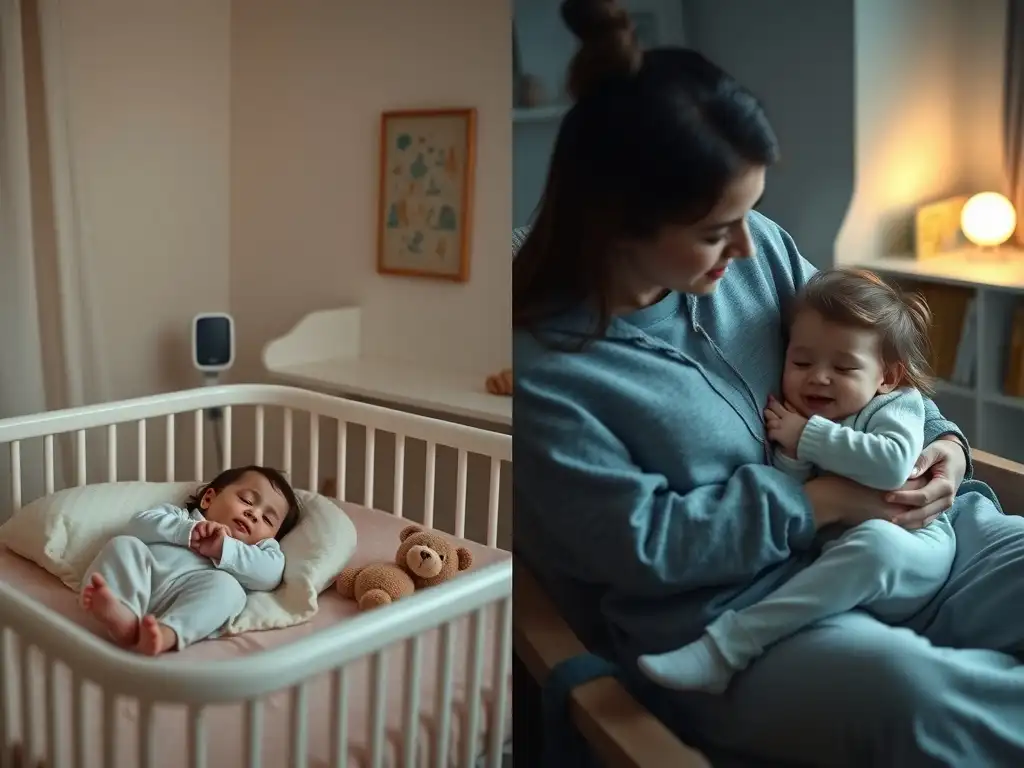
As your baby grows and develops, their sleep needs and patterns will naturally change. What worked for a 3-month-old might not be as effective for a 6-month-old, and certainly not for a toddler. Successful baby sleep training isn't a one-size-fits-all solution; it's a dynamic process requiring adaptation and flexibility.
For example, a baby who readily settled themselves to sleep using a specific sleep prop at 4 months might start waking more frequently around 6 months as they develop greater awareness and mobility. This isn't necessarily a failure of the initial sleep training method, but a sign that your baby's developmental leaps are impacting their sleep.
Adapting your approach might involve reassessing the sleep cues you're using, adjusting the bedtime routine to accommodate new milestones like crawling or walking, or slightly modifying the sleep environment to better suit their changing needs. For instance, introducing a transitional object like a favorite stuffed animal might help ease the transition to sleep as they get older and more independent. Regularly evaluating your baby's sleep patterns and adjusting your strategy accordingly is crucial for long-term success. Don't be afraid to experiment with different techniques and find what works best for your baby at each stage of their development.
Remember to prioritize consistency, even as you make these adjustments, to avoid confusion for your little one. Flexibility and patience are key to navigating this ever-evolving journey of sleep training. Consider keeping a sleep diary to track patterns and adjustments to better understand your baby's evolving sleep needs.
When to Seek Professional Help for Baby Sleep Problems
While many parents successfully navigate baby sleep training using readily available resources and advice, it's important to recognize when professional help might be necessary. Persistent sleep problems that significantly impact your baby's well-being and your family's quality of life warrant seeking expert advice. This isn't a sign of failure; rather, it demonstrates a proactive approach to addressing complex sleep issues.
Several red flags indicate the need for professional intervention. These include prolonged periods of insufficient sleep for your baby, consistently waking up multiple times a night despite consistent efforts, significant sleep disturbances affecting daytime behavior (excessive fussiness, irritability, or difficulty engaging in activities), or if you suspect an underlying medical condition might be contributing to the sleep problems.
Furthermore, if you're feeling overwhelmed, stressed, or your mental health is suffering due to sleep deprivation, seeking support is essential. A pediatrician, pediatric sleep specialist, or a certified child sleep consultant can provide personalized guidance, assess for any underlying medical conditions, and offer strategies tailored to your baby's specific needs.
Remember, prioritizing your family's well-being is paramount, and seeking professional help is a sign of strength and responsible parenting, not weakness. Don't hesitate to reach out for support; many resources are available to help you and your baby get the restful sleep you both deserve.
Monitoring Your Baby’s Progress and Making Adjustments
Successfully implementing baby sleep training methods requires consistent monitoring and a willingness to adapt your approach. It's not a one-size-fits-all solution; what works for one baby might not work for another. Regularly assessing your baby's progress allows you to identify what's effective and what needs tweaking. Remember, the goal isn't to force a rigid schedule but to gently guide your little one towards independent sleep. This involves patience, observation, and a dash of flexibility. The key is to remain calm and responsive to your baby's cues.
Tracking Sleep Patterns and Identifying Areas for Improvement
Effective sleep training relies heavily on data. Begin by meticulously tracking your baby's sleep patterns. Use a sleep diary or a dedicated baby sleep tracking app to record:
- Sleep onset time: When your baby actually falls asleep.
- Wake-up times: Note both night wakings and morning wake-up times.
- Duration of sleep cycles: How long your baby sleeps at each stretch.
- Feeding frequency: Record nighttime feedings and their duration.
- Any crying episodes: Note the duration and intensity of crying during sleep.
- Daytime naps: Track nap times, durations, and how easily your baby falls asleep.
This detailed record provides invaluable insights. For example, you might notice a pattern of frequent wakings around 3 am, suggesting a need for a later bedtime or an adjustment to the bedtime routine. Or perhaps your baby consistently struggles with the transition from one sleep cycle to another, indicating the need for gentler sleep associations. Analyzing this data allows you to pinpoint areas needing improvement in your chosen sleep training method. Remember to consider external factors like teething, illness, or developmental leaps, which can significantly impact sleep.
Adjusting the Chosen Sleep Training Method Based on Your Baby's Response
Your initial sleep training approach might not be perfect from the start. Regularly review your baby's sleep patterns (as outlined above) and adjust your strategy accordingly. For example:
- If your baby is crying excessively: Consider extending your comfort checks or providing slightly more reassurance. You may need to adjust the fading technique or choose a gentler method altogether. Remember, the goal is to teach independence, not to let your baby cry inconsolably.
- If your baby is falling asleep easily but waking frequently: Check for potential environmental factors like temperature, noise, or light. You might need to adjust the bedtime routine to ensure it's calming and consistent.
- If your baby is consistently resisting bedtime: Consider whether the bedtime routine is too stimulating or too short. A longer, more relaxing routine might be beneficial.
- If your baby is consistently sleeping well: Congratulations! Continue with your current approach and celebrate the success. However, continue monitoring for any changes in sleep patterns.
Flexibility and responsiveness are crucial. Don't be afraid to make adjustments based on your baby's individual needs and reactions. It’s a process of learning and adapting together. Remember, every baby is unique; there is no one-size-fits-all solution for baby sleep training methods.
Understanding the Importance of Patience and Consistency in Baby Sleep Training
Sleep training is a marathon, not a sprint. It requires patience, perseverance, and unwavering consistency. There will be good nights and bad nights. There will be moments of doubt and frustration. However, consistency is key. Sticking to your chosen method, even when faced with setbacks, significantly increases the chances of success. Avoid making sudden changes based on one bad night. Instead, look for long-term trends in your baby's sleep patterns.
Consider the following:
| Factor | Impact on Sleep Training | Solution |
|---|---|---|
| Inconsistent Routine | Can lead to confusion and difficulty falling asleep. | Establish a predictable and consistent bedtime routine. |
| Lack of Patience | Can lead to inconsistent application of the chosen method. | Remind yourself of the long-term goals and celebrate small wins. |
| External Stimuli | Noise, light, or temperature changes can disrupt sleep. | Create a dark, quiet, and comfortable sleep environment. |
| Developmental Leaps | Periods of rapid growth can affect sleep patterns. | Be extra patient and understanding during these phases. |
Remember, you are your baby's best advocate. By monitoring progress, making adjustments, and staying patient and consistent, you can help your baby develop healthy sleep habits, improving the quality of life for both of you. 😴
Long-Term Benefits of Independent Sleep for Baby and Parents
This section explores the lasting advantages of establishing independent sleep habits in your baby. The benefits extend far beyond simply getting more sleep; they contribute to the overall well-being and development of both the child and the parents. Successful baby sleep training methods yield significant returns on the investment of time and effort.
Improved Sleep Quality for Both Baby and Parents
One of the most immediate and noticeable benefits of independent sleep is improved sleep quality for both baby and parents. A baby who learns to self-soothe and fall asleep independently typically experiences longer, more consolidated sleep cycles. This translates to fewer nighttime wakings and a more restful sleep for the infant. For parents, this means fewer interrupted nights, leading to increased alertness, improved mood, and better overall physical and mental health.
Studies have shown a strong correlation between parental sleep deprivation and increased stress levels, irritability, and even depression. By helping your baby establish healthy sleep habits early on, you are proactively mitigating these risks and investing in your own well-being. The improved sleep quality isn't just a short-term fix; it lays the foundation for healthy sleep patterns throughout childhood and beyond.
Consider the long-term impact: a well-rested child is better equipped to learn, grow, and thrive, while well-rested parents are better equipped to nurture and support them. This positive feedback loop is a key advantage of effective baby sleep training methods.
Enhanced Emotional Regulation and Reduced Stress for Baby
Beyond the purely physiological benefits, independent sleep contributes significantly to a baby's emotional development. Babies who consistently experience interrupted sleep are more likely to experience heightened stress hormones, leading to increased fussiness, irritability, and difficulty regulating their emotions. Conversely, a baby who sleeps soundly and independently is better equipped to handle daily stressors and transitions. This enhanced emotional regulation is a crucial building block for healthy social-emotional development throughout life.
The ability to self-soothe is a key skill learned through independent sleep. When a baby learns to fall back asleep on their own after a brief waking, they develop resilience and coping mechanisms that serve them well throughout life. This ability to self-regulate emotions is vital for navigating challenges, managing frustration, and building healthy relationships. This is a less obvious, yet profoundly important, outcome of successful baby sleep training methods. Think of it as equipping your child with a valuable life skill from a very young age.
Fostering Independence and Self-Soothing Skills in Your Baby
Learning to fall asleep independently is a significant milestone in a baby's development. It fosters a sense of independence and self-reliance. This skill extends beyond the bedroom; it empowers the child to navigate various challenges and situations with increasing confidence. A baby who is comfortable falling asleep without constant parental intervention is more likely to develop a sense of self-efficacy and trust in their own abilities.
The process of sleep training itself helps babies develop crucial self-soothing skills. These skills are not limited to bedtime; they apply to other aspects of their lives. A child who learns to calm themselves when upset is better equipped to handle stressful situations and transitions. This self-soothing ability is a crucial component of emotional regulation and resilience, contributing to a well-adjusted and confident individual. The long-term benefits of effective baby sleep training methods are multifaceted, influencing sleep quality, emotional regulation, and the development of crucial life skills. The investment in sleep training pays significant dividends in the long run.
Frequently Asked Questions
What are some popular baby sleep training methods?
There are several methods, including Ferberizing, the Pick Up/Put Down method, and the Cry-It-Out method. Each involves gradually increasing the time between parental intervention. Choosing the right method depends on your baby's temperament and your parenting style.
At what age should I start sleep training my baby?
Most experts recommend starting sleep training between 4 and 6 months of age, once your baby shows signs of readiness, such as staying awake for longer periods and exhibiting consistent sleep patterns. However, every baby is different, so consult your pediatrician.
How long does it take to sleep train a baby?
The time it takes varies greatly depending on the method used, your baby's personality, and your consistency. Some babies may adapt quickly, while others may take several weeks or even months. Patience and consistency are key.
What are some signs my baby is ready for sleep training?
Signs include consistent sleep patterns, dropping nighttime feedings, and showing signs of self-soothing, such as sucking on their thumb or a pacifier. Your baby should also be able to stay awake for longer periods during the day.
What if sleep training isn't working?
If you're struggling, consider consulting a pediatrician or sleep consultant. They can help you identify potential issues and adjust your approach. Remember that consistency is crucial, and sometimes a slight tweak in your strategy can make a big difference.
Final Reflection: The Enduring Lullaby of Independent Sleep
The quest for a well-rested baby—and parent—remains a timeless pursuit, a universal experience echoing across generations. The methods may evolve, the advice may vary, but the fundamental desire for peaceful nights and happy days persists. This journey, as explored in this article, is not just about sleep training techniques; it's about fostering a healthy sleep foundation for your child and creating a more harmonious family life.
The impact of a well-rested baby extends far beyond the bedroom. It ripples outwards, influencing family dynamics, parental well-being, and even a child's developmental trajectory. Sleep deprivation is a public health crisis,
a leading pediatrician once stated, highlighting the far-reaching consequences of insufficient rest. This article aimed to equip parents with the knowledge and tools to navigate this crucial stage, empowering them to make informed choices that best suit their family's unique needs and circumstances. The journey itself, with its highs and lows, is a testament to the enduring bond between parent and child.
Consider the lessons learned within these pages. Reflect on the importance of consistency, the power of routine, and the profound impact of a nurturing bedtime ritual. You are not alone in this experience. Embrace the challenges, celebrate the small victories, and remember that finding the right sleep solution for your baby is a process of discovery, adaptation, and unwavering love. Take the time to implement the strategies that resonate most with you and your little one, and cherish the precious moments of peaceful slumber that follow.
Unlock Your Baby's (and Your!) Sweet Slumber
Thank you for learning about helping your baby sleep independently! We hope you found the advice in this article helpful and empowering. Now it's time to put that knowledge into practice. Ready to transform bedtime?
- Start with one new sleep strategy this week. Choose the method that best suits you and your baby, and focus on mastering it before introducing others. Small, consistent steps lead to significant improvements!
- Share your experiences—both successes and challenges—with other parents in our supportive BabyCareHub community. Let's build a collective of well-rested families!
- Keep a sleep diary to track your baby's progress. This can reveal patterns and help you refine your approach over time.
What small, manageable change will you make tonight to help your little one (and you!) sleep better?