
Is Gentle Sleep Training Right for Your Baby? A Comprehensive Guide


Welcome to BabyCareHub, your ultimate guide to navigating the incredible journey of parenthood! Are you ready to unlock the secrets to peaceful nights and happy days? Our Gentle Sleep Training Newborn Guide offers a comprehensive, step-by-step approach to helping your little one develop healthy sleep habits without tears or stress. Discover how to create a nurturing sleep environment and establish a routine that works for both you and your baby. Dive in and learn more – your journey to blissful slumber starts now!
- Understanding Gentle Sleep Training for Newborns
- Preparing for Gentle Sleep Training: A Step-by-Step Guide
- Implementing Gentle Sleep Training Techniques
- Monitoring Your Baby's Progress and Making Adjustments
- Long-Term Benefits and Maintaining Good Sleep Habits
- Frequently Asked Questions
- Final Reflection: Nurturing Sleep, Nurturing Bonds
- Unlock Your Baby's (and Your!) Best Sleep Yet
Understanding Gentle Sleep Training for Newborns
Navigating the world of newborn sleep can feel overwhelming for first-time parents. Between feeding schedules, diaper changes, and the constant demands of a tiny human, establishing healthy sleep habits often falls by the wayside. This comprehensive guide explores gentle sleep training, a method designed to help your baby learn to self-soothe and sleep independently without resorting to harsh techniques. We'll delve into what constitutes gentle sleep training, highlight its key differences from more intensive methods like cry-it-out, and showcase the numerous benefits it offers both your baby and you.
This guide provides a step-by-step approach, empowering you to confidently guide your newborn towards healthier sleep patterns, promoting a peaceful and nurturing environment for your family. Remember, every baby is unique, and finding the right approach may require patience and flexibility. Let's embark on this journey together!
What is Gentle Sleep Training? Defining the Approach
Gentle sleep training focuses on gradually teaching your baby to fall asleep independently, emphasizing responsiveness and empathy. Unlike methods that involve letting your baby cry for extended periods, gentle techniques prioritize responding to your baby's cues and offering comfort and reassurance. This approach aims to build your baby's confidence and self-soothing skills through positive reinforcement and consistent routines.
The core principle revolves around creating a supportive and predictable sleep environment where your baby feels safe and secure while learning to associate their crib or bed with sleep. Key elements often include establishing a consistent bedtime routine, offering comforting techniques such as patting, shushing, or rocking, and gradually reducing parental involvement as your baby becomes more independent. It's a journey of partnership, not control, fostering a secure attachment bond between parent and child.
Key Differences Between Gentle and Cry-It-Out Methods
The fundamental difference between gentle sleep training and cry-it-out (CIO) methods lies in the approach to your baby's crying. Gentle sleep training prioritizes responding to your baby's distress, offering comfort and reassurance to help them self-soothe. This might involve going into the room frequently to offer pats, shushing, or rocking, gradually decreasing the level of intervention as your baby learns to settle independently.
In contrast, CIO methods involve letting your baby cry for predetermined periods without intervention, believing that eventually, they will exhaust themselves and fall asleep. This approach can be emotionally challenging for both parents and the baby, potentially impacting the parent-child bond. While some parents find CIO effective, gentle methods prioritize building a secure attachment and fostering a positive sleep association for your baby.
The choice ultimately depends on your parenting philosophy and your baby's temperament. Remember that there's no one-size-fits-all solution, and choosing the right method requires careful consideration and reflection.
Benefits of Gentle Sleep Training for Baby and Parents
Gentle sleep training offers a multitude of benefits for both baby and parent. For your baby, it fosters a sense of security and promotes healthy emotional development. The consistent routine and responsive care create a feeling of safety and predictability, reducing anxiety and promoting healthy sleep associations.
Furthermore, it teaches self-soothing skills, equipping your baby with the tools to manage their emotions and fall asleep independently. For parents, gentle sleep training offers a more emotionally manageable experience. Knowing you are responding to your baby's needs can alleviate feelings of guilt or anxiety associated with other methods.
The gradual approach allows for flexibility and adaptation, reducing the pressure of sticking to a rigid schedule. Ultimately, gentle sleep training aims to create a positive sleep experience for the entire family, promoting peaceful nights and a stronger parent-child bond. The long-term benefits extend beyond sleep, contributing to a happier, healthier, and more secure child and parent.
Is Gentle Sleep Training Suitable for All Babies? Identifying Ideal Candidates
Gentle sleep training isn't a one-size-fits-all solution. While it's a popular and often effective method, it's crucial to understand that certain babies may not be ideal candidates. The success of gentle sleep training hinges on a baby's developmental stage and temperament. For example, a newborn who is still very much in the fourth trimester, exhibiting frequent waking for feeding, may not be ready for any structured sleep training approach. Focusing on establishing a strong and responsive feeding routine might be a more appropriate initial step. The aim is to build trust and security before introducing any sleep training techniques.
Furthermore, babies with underlying medical conditions or developmental delays might require a more individualized approach. A baby struggling with reflux, colic, or other health issues may find sleep training methods stressful and counterproductive. In such cases, consulting a pediatrician or a pediatric sleep consultant is paramount. They can assess the baby's specific needs and recommend a tailored sleep plan that addresses any underlying health concerns before introducing sleep training. Remember, sleep training should complement a baby's overall health and well-being, not exacerbate existing challenges.
The temperament of the baby also plays a significant role. Some babies are naturally more adaptable and resilient to changes in their routine, while others are more sensitive and prone to anxiety. For sensitive babies, a gradual and patient approach to sleep training is crucial. Rushing the process or introducing too many changes too quickly can lead to increased stress and potentially disrupt their sleep even further.
Observing your baby's cues and responding accordingly is key to a successful and stress-free gentle sleep training journey. If your baby exhibits significant distress or resistance to the chosen method, consider slowing down the process or seeking professional guidance. Gentle sleep training should be a positive and supportive experience for both the parent and the baby. Remember that flexibility and adaptability are essential elements of any gentle sleep training approach.
Preparing for Gentle Sleep Training: A Step-by-Step Guide

This section focuses on the crucial preparatory steps before embarking on a gentle sleep training journey with your newborn. Successful gentle sleep training relies heavily on preparation and consistency. Remember, the goal is to teach your baby healthy sleep habits, not to force them into sleep. Patience and understanding are key.
Creating a Consistent Bedtime Routine for Your Newborn
A predictable bedtime routine is the cornerstone of successful gentle sleep training. It signals to your baby that it's time to wind down and prepare for sleep. This routine should be calming and repetitive, ideally starting around the same time each night. Consistency is paramount; even on weekends, try to maintain a similar schedule as much as possible.
Here's a sample routine you can adapt to your baby's needs:
- 6:00 PM: Warm bath (optional, but soothing)
- 6:30 PM: Pajamas, diaper change, and a gentle massage. This tactile interaction is very calming for newborns.
- 7:00 PM: A quiet book reading session. Choose books with soft illustrations and calming tones.
- 7:15 PM: Nursing or bottle feeding (if needed).
- 7:30 PM: Place your baby in their crib while they are still awake but drowsy.
Remember to keep the lights dim and the environment quiet during this routine. Avoid stimulating activities like active play right before bedtime. The goal is to create a peaceful association with bedtime. Experiment to find what works best for your baby. Some babies might respond better to a shorter or longer routine. Observe their cues and adjust accordingly. The key is consistency and predictability.
Optimizing Your Baby's Sleep Environment for Success
The environment in which your baby sleeps plays a significant role in their ability to fall asleep and stay asleep. A dark, quiet, and cool room is ideal. Consider these factors:
- Darkness: Use blackout curtains or blinds to minimize light exposure. Even small amounts of light can disrupt sleep.
- Quiet: White noise machines can be helpful in masking disruptive sounds. Experiment with different sounds, like ocean waves or fan noise, to find what works best for your baby. Avoid overly loud or jarring noises.
- Temperature: Aim for a room temperature of around 68-72°F (20-22°C). Overheating or being too cold can interfere with sleep.
- Comfort: Ensure your baby's crib is comfortable and safe. Use a firm mattress and a fitted sheet. Avoid loose blankets or pillows. A sleep sack can help regulate temperature and prevent your baby from uncovering themselves.
Creating an optimal sleep environment is not just about making the room dark, quiet, and cool; it's about establishing a sanctuary conducive to rest. This environment should be consistent and predictable, reinforcing the association between the crib and sleep.
Choosing the Right Sleep Training Method: Ferber, Pick Up Put Down, etc.
Several gentle sleep training methods exist, each with its own approach. Understanding the nuances of each method is crucial to selecting the one best suited to your baby's temperament and your parenting style. Remember, consistency and patience are critical regardless of the method you choose.
Some popular gentle sleep training methods include:
- Ferber Method: This method involves gradually increasing the time between checks on your baby. You go in to comfort your baby but avoid picking them up. The intervals between checks are increased over time.
- Pick Up Put Down Method: This method involves putting your baby down drowsy but awake, and picking them up and soothing them if they cry, then putting them back down repeatedly until they fall asleep.
- Chair Method: This involves sitting next to your baby's crib until they fall asleep, gradually moving your chair further away each night.
There's no one-size-fits-all approach. What works for one baby might not work for another. It's essential to choose a method that aligns with your family's values and your baby's individual needs. Remember to be patient and flexible; adjusting your approach as needed is perfectly acceptable. Don't be afraid to seek guidance from a pediatrician or a certified sleep consultant if you're struggling. They can provide personalized recommendations and support throughout the process. The journey of gentle sleep training is a process of learning and adaptation for both you and your baby. 😴
Addressing Common Newborn Sleep Challenges Before Starting
Before embarking on a gentle sleep training journey, it's crucial to address any underlying issues that might be disrupting your baby's sleep. Newborns, especially in their first few months, experience various sleep challenges that aren't necessarily indicative of a need for sleep training. Instead, they often stem from unmet needs or developmental stages. Understanding these challenges is the first step towards successful sleep training. Ignoring these underlying issues can lead to frustration for both parents and baby, potentially hindering the effectiveness of any sleep training method.
One common challenge is frequent night wakings. Newborns have small stomachs and need to feed frequently throughout the night. This is perfectly normal. However, if you suspect your baby is waking due to hunger, ensure they are gaining weight appropriately and are latching effectively (if breastfeeding) or consuming sufficient formula. Consult your pediatrician to rule out any medical reasons for increased hunger. Keeping a detailed feeding log can be invaluable in identifying patterns and addressing potential feeding issues.
Another frequent problem is gas and colic. These can cause significant discomfort and lead to restless sleep. Strategies such as bicycle kicks, tummy massage, and adjusting feeding techniques can often alleviate these issues. If symptoms persist, consulting your pediatrician is essential to rule out any underlying medical conditions. Remember, addressing these issues before starting sleep training will create a more conducive environment for success. You want your baby to be as comfortable and content as possible before introducing new sleep routines.
Finally, the baby's sleep environment plays a significant role. Is the room dark enough? Is the temperature comfortable? Is there too much noise or light? Optimizing the sleep environment to be calm, dark, and quiet can significantly improve sleep quality.
Consider using white noise or a sleep sound machine to mask disruptive noises. A consistent bedtime routine also helps signal to your baby that it's time to sleep. Addressing these environmental factors before implementing sleep training techniques sets the stage for a smoother transition. Remember, a well-rested baby is a happier baby, and a happy baby is more receptive to gentle sleep training methods.
Implementing Gentle Sleep Training Techniques
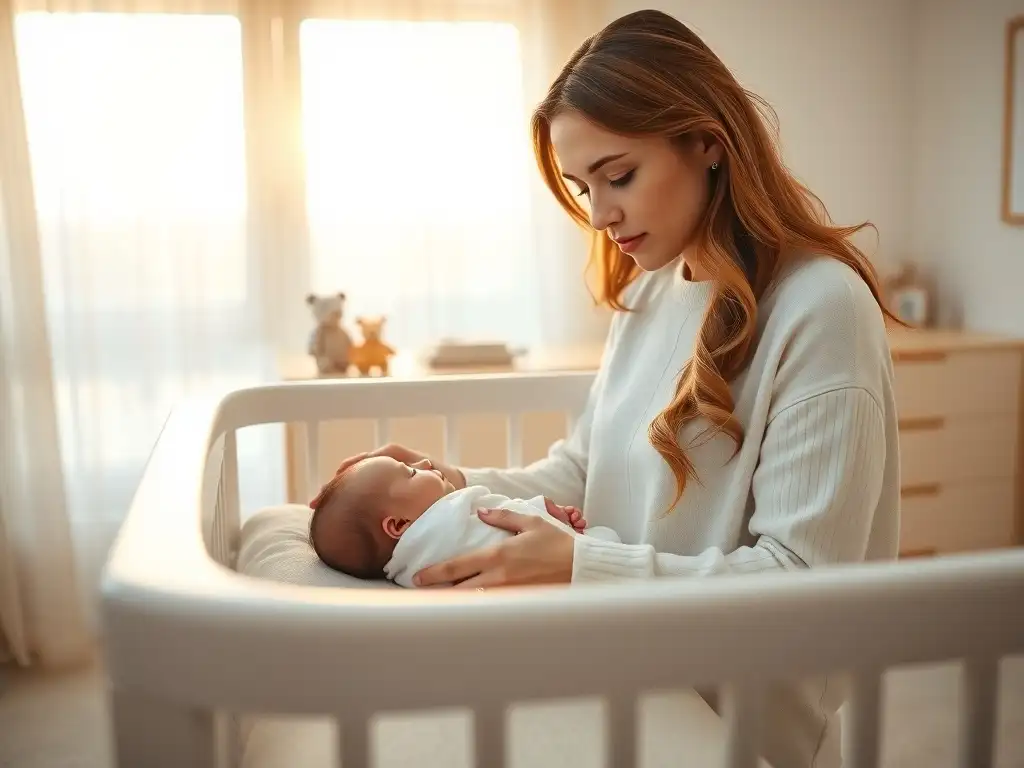
This section delves into the practical application of gentle sleep training methods, focusing on proven techniques to help your newborn establish healthy sleep habits. Remember, consistency and patience are key to success. Every baby is unique, and what works for one may not work for another. Observe your baby's cues and adjust your approach as needed. This guide provides a framework; your intuition will be your best tool.
Step-by-Step Guide to the Pick Up Put Down Method
The Pick Up Put Down (PPD) method is a gentle approach that emphasizes responsiveness while gradually teaching your baby to self-soothe. It's particularly well-suited for newborns and younger infants who still need frequent reassurance.
Here's a step-by-step guide:
- Establish a consistent bedtime routine: A predictable sequence of calming activities (bath, massage, story, song) signals to your baby that it's time to sleep. This routine helps regulate their circadian rhythm.
- Place your drowsy but awake baby in their crib: Avoid putting them down completely asleep, as this can hinder their ability to learn to self-soothe.
- If your baby cries, wait a short period (e.g., 1-2 minutes): This allows them a chance to self-settle. Some babies may fuss briefly and then fall asleep.
- Pick up your baby and comfort them briefly: Offer gentle pats, shushes, or rocking, but avoid extended interaction or picking them up completely. Keep the interaction short and focused on soothing.
- Put your baby back down in their crib: Repeat steps 3 and 4 as needed, gradually increasing the waiting period between interventions. The goal is to gradually lengthen the time your baby spends independently in their crib.
- Be patient and consistent: It may take several nights, or even weeks, for your baby to adjust to this method. Consistency is crucial for success. Your baby will learn to associate their crib with sleep and that you will be there for comfort when needed, but not constantly.
- Observe your baby's cues: If your baby is inconsolably crying or exhibiting signs of distress (e.g., prolonged crying, strained breathing), adjust your approach or consult your pediatrician. This is not about letting your baby cry it out; it is about providing reassurance while gently encouraging self-soothing.
A Practical Guide to the Ferber Method for Newborns
The Ferber method, while often considered a more structured approach than PPD, can be adapted for newborns with modifications. It involves gradually increasing the intervals between checks. However, it's crucial to remember that the Ferber method is generally recommended for older infants (4 months and up). For newborns, the intervals should be much shorter and the approach should be gentler.
Here’s a modified approach for newborns:
- Consistent bedtime routine: As with PPD, a consistent bedtime routine is essential.
- Initial Check-in interval: Start with very short intervals (1-2 minutes) between checks. This is drastically different from the longer intervals suggested for older babies.
- Subsequent Check-in intervals: Gradually increase the intervals by a minute or two each night, only if your baby seems to be progressing. Always prioritize your baby's cues.
- Comfort but do not pick up: During check-ins, offer comfort—a pat on the back, a soft shush—but avoid picking your baby up unless absolutely necessary. The goal is to teach self-soothing.
- Observe and adjust: Pay close attention to your baby's reactions. If they're becoming more distressed, reduce the intervals or adjust the method. This is NOT a rigid set of rules; it's a guide to be adapted based on the individual baby.
- Seek professional guidance: If you're unsure about using the Ferber method with a newborn, consult a pediatrician or a certified sleep consultant. They can provide personalized advice and help you determine the best approach for your baby.
Adapting Gentle Sleep Training to Your Baby's Individual Needs
Gentle sleep training isn't a one-size-fits-all approach. Each baby is unique, and their temperament, developmental stage, and individual needs will influence the best approach. Consider these factors:
- Temperament: Some babies are naturally more independent sleepers, while others require more reassurance. Adjust your chosen method to accommodate your baby's temperament. A highly sensitive baby may benefit from more frequent shorter check-ins.
- Developmental Milestones: A baby's developmental stage significantly impacts their ability to self-soothe. Newborns have limited self-soothing abilities, requiring more frequent parental intervention. Older infants (4+ months) may be ready for longer intervals between check-ins.
- Health and Well-being: If your baby is unwell, experiencing a growth spurt, or teething, adjusting or temporarily pausing sleep training might be necessary. Prioritize addressing the underlying issue before resuming sleep training efforts.
- Parental Needs: Sleep training requires consistency and patience. Be realistic about your own energy levels and support system. Don't hesitate to seek help from a partner, family member, or sleep consultant if needed. Remember, a well-rested parent is better equipped to care for their baby.
Remember, the goal of gentle sleep training is to teach your baby healthy sleep habits while ensuring their emotional and physical well-being. Be patient, consistent, and responsive to your baby's cues. The process may take time, but the rewards of a well-rested baby and parent are invaluable. 😴
Handling Regression and Setbacks During Sleep Training
Sleep regressions are a common occurrence during baby's development, often coinciding with developmental leaps, illness, or teething. These periods can be frustrating for both parents and baby, potentially undoing progress made during sleep training. It's crucial to remember that setbacks are normal and don't indicate failure. Instead of viewing regressions as a reason to give up, approach them as an opportunity to reaffirm consistent routines and provide extra comfort and reassurance.
One common regression occurs around the 4-month mark, when babies become more aware of their surroundings and may struggle to self-soothe. Another happens around 6-8 months, often associated with increased mobility and a desire to explore. These periods might manifest as increased night wakings, earlier wake-ups, or difficulty settling at bedtime. During these times, parents may feel the urge to revert to old habits, but maintaining consistency is key, even if it means adjusting your approach slightly.
For example, if your baby is usually able to self-soothe back to sleep after a night waking, but is now crying for longer periods, you might increase the check-in time slightly, offering gentle reassurance without picking them up. You can also try offering a pacifier or a favorite comfort object. However, avoid giving in to the temptation to rock or feed your baby to sleep, as this can reinforce the need for these interventions to fall asleep. The goal is to support your baby's self-soothing abilities while acknowledging their developmental needs.
Remember to monitor your baby's health. If the regression is accompanied by fever, unusual fussiness, or other symptoms, consult your pediatrician to rule out any underlying medical issues. Many regressions are temporary, lasting a few days or weeks. By remaining calm, patient, and consistent with your sleep training approach while adapting to your baby's changing needs, you'll navigate these challenging periods and continue making progress toward healthier sleep habits for both you and your little one.
Patience and understanding are your greatest allies during these times. Remember to practice self-care as well; sleep deprivation can exacerbate stress, making it harder to manage regressions effectively. Lean on your support network – partners, family, friends – for assistance when needed. You're not alone in this journey.
Monitoring Your Baby's Progress and Making Adjustments

Gentle sleep training is a journey, not a race. Consistent application of chosen methods is key, but equally important is regular monitoring and the willingness to adapt your approach based on your baby's individual needs and responses. Remember, every baby is unique, and what works for one may not work for another. This section focuses on how to effectively track progress, identify potential roadblocks, and make necessary adjustments to your gentle sleep training strategy. The goal is to create a positive and sustainable sleep routine for both you and your little one.
Tracking Your Baby's Sleep Patterns During Gentle Sleep Training
Accurately tracking your baby's sleep is crucial for evaluating the effectiveness of your gentle sleep training methods. Don't just rely on memory; use a sleep diary or a dedicated baby sleep tracking app. This detailed record should include:
- Sleep onset time: When did your baby actually fall asleep?
- Wake-up times: Note both nighttime wakings and the final morning wake-up.
- Total sleep duration: Calculate the total hours slept each night.
- Number of night wakings: Record how many times your baby woke during the night and the approximate time of each waking.
- Feeding/comforting interventions: Document how you responded to each night waking (e.g., feeding, rocking, patting).
- Daytime naps: Track the duration and timing of naps, noting any changes in nap patterns.
- Baby's mood and behavior: Observe your baby's overall mood and behavior during the day and note any signs of overtiredness or fussiness.
This detailed information provides a clear picture of your baby's sleep patterns, allowing you to identify trends and make informed decisions about your sleep training approach. For example, if you notice a consistent pattern of early morning wakings, you may need to adjust your bedtime routine or consider slightly earlier bedtime. Consistent data collection empowers you to make data-driven adjustments, rather than relying on guesswork. 📊
Recognizing Signs of Overtiredness and Adjusting Your Approach
Even with gentle sleep training, overtiredness can sabotage your efforts. An overtired baby often becomes more agitated and struggles to fall asleep, even with your gentle interventions. Recognizing the signs of overtiredness is crucial for adjusting your approach. Common signs include:
- Increased fussiness and irritability: Your usually happy baby becomes increasingly cranky and difficult to soothe.
- Rubbing eyes excessively: This is a classic sign of tiredness.
- Yawning frequently: Obvious signs of sleepiness.
- Difficulty settling down: Your baby struggles to calm down even with your usual soothing techniques.
- Increased clinginess: Your baby may become unusually clingy and demanding of attention.
- Hyperactivity: Paradoxically, an overtired baby can become overly active and stimulated.
If you notice these signs, consider:
- Adjusting bedtime earlier: A slightly earlier bedtime might be beneficial.
- Shortening wake windows: Reduce the time between naps and bedtime.
- Increasing daytime sleep: Ensure your baby is getting enough daytime sleep.
- Revisiting your bedtime routine: Make sure it's calm, consistent, and appropriately timed.
If adjusting these factors doesn't improve sleep, consult a pediatrician or sleep consultant to rule out any underlying medical issues. Remember, patience and flexibility are key in gentle sleep training. 😴
When to Seek Professional Help for Sleep Issues
While gentle sleep training is effective for many, some babies may require additional support. It's important to know when to seek professional help. Consider consulting a pediatrician or a certified sleep consultant if:
- Your baby consistently wakes multiple times a night after several weeks of consistent effort. Persistent nighttime wakings despite your best efforts may indicate an underlying issue.
- Your baby is showing signs of significant distress or inconsolable crying. Unusually intense crying or distress warrants immediate professional attention.
- You suspect a medical condition may be affecting your baby's sleep. Medical conditions can significantly impact sleep patterns.
- You feel overwhelmed and exhausted. Seeking support is crucial if you're struggling to cope with sleep deprivation. Remember, prioritizing your well-being is essential for providing optimal care for your baby.
- You're concerned about your baby's development. Sleep disturbances can sometimes be linked to developmental issues.
A pediatrician or sleep consultant can provide personalized guidance, identify potential underlying issues, and help you develop a tailored sleep plan for your baby. Don't hesitate to seek professional assistance; it's a sign of strength, not weakness. Your baby's well-being, and yours, is paramount. 💖
Celebrating Successes and Maintaining Consistent Sleep Habits
Celebrating your baby's sleep milestones is crucial for maintaining motivation and reinforcing positive sleep behaviors. Each small step forward, whether it's an extended period of sleep or a more settled bedtime routine, deserves acknowledgment. This positive reinforcement isn't just about rewarding the baby; it's equally important for the parents. The emotional toll of sleep deprivation can be significant, and celebrating successes helps to counteract feelings of frustration and exhaustion. Consider keeping a sleep diary to track progress and identify patterns. This will allow you to pinpoint specific successes and celebrate even the smallest improvements. 🎉
Maintaining consistent sleep habits is paramount after you've begun to see positive changes. Consistency is key in gentle sleep training. This means sticking to the established bedtime routine as closely as possible, even on weekends or when traveling. While some flexibility is inevitable, significant deviations can disrupt your baby's sleep patterns and undo the progress you've made.
A consistent routine provides a sense of predictability and security for your baby, making it easier for them to fall asleep and stay asleep. This consistency extends beyond just bedtime; maintaining a regular wake-up time is equally important for regulating your baby's circadian rhythm. Think of it as establishing a healthy sleep schedule that works in harmony with your baby's natural sleep-wake cycle. 😴
Remember, setbacks are normal. There will be nights where your baby might struggle to settle or wake up more frequently than usual. These instances shouldn't be viewed as failures but rather as opportunities to adjust your approach. Perhaps your baby is experiencing a developmental leap, a growth spurt, or simply a temporary phase.
Analyzing these setbacks within the context of your baby's overall progress can help you understand the underlying cause and make necessary adjustments to your gentle sleep training strategy. Don't be discouraged; celebrate the small wins and learn from the challenges. Remember, gentle sleep training is a marathon, not a sprint. 🏃♀️
Long-Term Benefits and Maintaining Good Sleep Habits
This section explores the lasting positive effects of gentle sleep training on your child's development and well-being, extending far beyond the initial training period. A well-established sleep routine contributes significantly to a child's overall health and happiness. We'll examine how gentle methods cultivate healthy sleep habits that can benefit your child for years to come.
Fostering Independent Sleep Skills in Your Growing Child
Gentle sleep training isn't just about getting your baby to sleep; it's about empowering them to self-soothe and fall asleep independently. This crucial skill develops confidence and resilience. A child who learns to self-soothe is better equipped to handle minor nighttime awakenings without needing constant parental intervention. This independence translates into better emotional regulation, reducing nighttime anxieties and promoting a sense of security. Think of it as teaching your child a valuable life skill – problem-solving in a safe and predictable environment. The ability to self-soothe is a transferable skill, useful in various situations throughout their childhood and beyond.
For example, a child who has learned to independently manage a nighttime wake-up is more likely to approach other challenges with increased self-assurance. They've learned that they can handle discomfort or disruption without complete reliance on others. This fosters a sense of self-efficacy, a critical component of healthy child development. Data suggests that children who sleep well generally perform better academically and exhibit improved social-emotional skills. 1
Addressing Potential Sleep Issues as Your Baby Develops
Even with gentle sleep training, sleep regressions are normal. Developmental leaps, teething, or illness can disrupt established routines. However, the foundation of self-soothing and independent sleep skills built during the initial training period will prove invaluable during these periods of change. Instead of reverting to old habits, your child will be better equipped to navigate these challenges with the skills they've already learned. This means that while sleep disturbances might occur, they are less likely to become major struggles, and the return to a healthy sleep pattern is generally smoother.
Consider this scenario: A six-month-old who has successfully undergone gentle sleep training experiences a bout of teething. While they might wake more frequently, their ability to self-soothe allows them to fall back asleep more quickly and independently, minimizing parental intervention. This contrasts sharply with a child who hasn't learned these skills, requiring more extensive parental comforting and potentially leading to disrupted sleep for both parent and child. Remember, consistency and patience are key in navigating these developmental milestones. [Specific data on sleep regression frequency pending].
Maintaining a Healthy Sleep Routine Beyond the Initial Training Period
The benefits of gentle sleep training extend far beyond the toddler years. Establishing a consistent bedtime routine, including calming activities and a predictable sleep environment, creates a sense of security and predictability for your child. This routine contributes to a healthy circadian rhythm, improving sleep quality and overall well-being. Maintaining this routine as your child grows ensures continued healthy sleep habits throughout their childhood.
A consistent bedtime routine, even for older children, can help manage stress and anxiety. This can include a warm bath, reading a story, or quiet playtime. The predictability of these activities signals to the body that it's time to wind down, preparing for sleep.
As your child grows, you can adjust the routine to accommodate their changing needs and preferences, but the core principles of consistency and predictability remain crucial. This proactive approach to sleep hygiene sets the stage for a lifetime of healthy sleep habits, minimizing sleep-related problems in the future. Remember, healthy sleep is a cornerstone of a healthy life, benefiting both physical and mental well-being.
1 [Source of data on sleep and academic performance/social-emotional skills pending]
The Importance of Parental Self-Care During and After Sleep Training
Sleep training, even the gentle kind, can be emotionally and physically draining for parents. The process often involves consistent effort, patience, and adjustments to your own sleep schedule. Neglecting your own well-being during this period can lead to burnout and hinder your ability to effectively support your baby. Prioritizing self-care isn't selfish; it's essential for maintaining your energy levels, emotional resilience, and overall effectiveness as a caregiver. Remember, you can't pour from an empty cup.
One crucial aspect of self-care is ensuring you get adequate rest whenever possible. This might involve strategically scheduling naps, asking for help from family or friends, or even just taking short breaks throughout the day to relax and recharge. Simple mindfulness exercises, like deep breathing or meditation, can also help reduce stress and improve your mental clarity. Even 10-15 minutes of quiet time can make a significant difference in your overall mood and ability to cope with the challenges of sleep training.
Furthermore, maintaining a healthy diet and staying hydrated are often overlooked but critical components of self-care. Proper nutrition provides the energy needed to navigate the demands of parenthood, while adequate hydration helps regulate mood and prevent fatigue. Don't underestimate the power of nourishing your body with wholesome foods and plenty of water.
Finally, remember to incorporate activities you enjoy into your routine. Whether it's reading a book, taking a walk, listening to music, or engaging in a hobby, carving out time for personal enjoyment helps reduce stress and prevents burnout. This isn't about grand gestures; it's about consistently prioritizing small moments of self-care to build resilience and maintain your well-being throughout the sleep training journey and beyond. A well-rested and emotionally balanced parent is better equipped to guide their baby towards healthy sleep habits. The long-term benefits extend far beyond just your baby's sleep; they encompass the entire family's well-being.
Frequently Asked Questions
What is gentle sleep training?
Gentle sleep training focuses on gradually teaching your baby to self-soothe and fall asleep independently, using positive reinforcement and minimizing distress. It avoids methods that involve letting your baby cry extensively.
Is gentle sleep training suitable for all newborns?
While many techniques can be adapted, some gentle methods are better suited for older babies (around 4-6 months) who have developed more predictable sleep patterns. Always consult your pediatrician before starting any sleep training program.
How long does gentle sleep training take?
The timeframe varies greatly depending on your baby's temperament and your chosen method. It could take a few days to several weeks to see consistent results. Be patient and consistent!
What are some examples of gentle sleep training methods?
Popular gentle methods include the "Pick Up, Put Down" method, the "Ferber method" (with shorter intervals), and creating a consistent bedtime routine. Each method involves different levels of parental involvement.
What if gentle sleep training isn't working for my baby?
If you're struggling, re-evaluate your approach, consider seeking professional guidance from a sleep consultant or pediatrician, and don't hesitate to adjust your strategy. Your baby's well-being is paramount.
Final Reflection: Nurturing Sleep, Nurturing Bonds
Gentle sleep training isn't just a method; it's a philosophy that recognizes the profound connection between a parent and their newborn. The choices we make around sleep in those early months profoundly impact not only the baby's development but also the parent-child bond. Finding a balance between establishing healthy sleep habits and preserving that precious connection is crucial for the well-being of both.
The journey of sleep training, particularly with a gentle approach, is a deeply personal one. It's a testament to the power of patience, understanding, and unwavering love. The most important thing a father can do for his children is to love their mother.
This quote, while traditionally focused on the parental relationship, beautifully reflects the interconnectedness of family well-being. A parent's peace of mind, often found through finding a sustainable sleep solution, directly benefits the child. The ripple effect of a well-rested parent is immeasurable, impacting their ability to engage fully and joyfully with their little one.
So, as you navigate this crucial stage of parenthood, remember that there's no one-size-fits-all answer. This guide has provided a framework, but the ultimate path is yours to forge. Embrace the journey, trust your instincts, and remember that the goal isn't just a sleeping baby, but a thriving family. Reflect on what truly resonates with you and your child, and don't hesitate to adjust your approach as needed. The most important thing is to create a sleep environment that fosters both healthy sleep habits and a strong, loving bond.
Unlock Your Baby's (and Your!) Best Sleep Yet
Thank you for exploring gentle sleep training methods! We hope this guide has provided valuable insights and equipped you with new strategies. Now, let's put that knowledge into action.
- Prioritize one small change this week: Perhaps establish a consistent bedtime routine, or focus on creating a calming sleep environment. Small steps lead to significant improvements!
- Share your experiences with our community: Connect with other parents in our forums and share your successes and challenges – we're all in this together!
- Try one new sleep tip: Implementing even a single technique from the article could significantly improve your baby's and your sleep quality.
What's one small change you'll implement tonight to improve your baby's sleep?