
The Essential Packing List for SleepSavvy Baby Travel

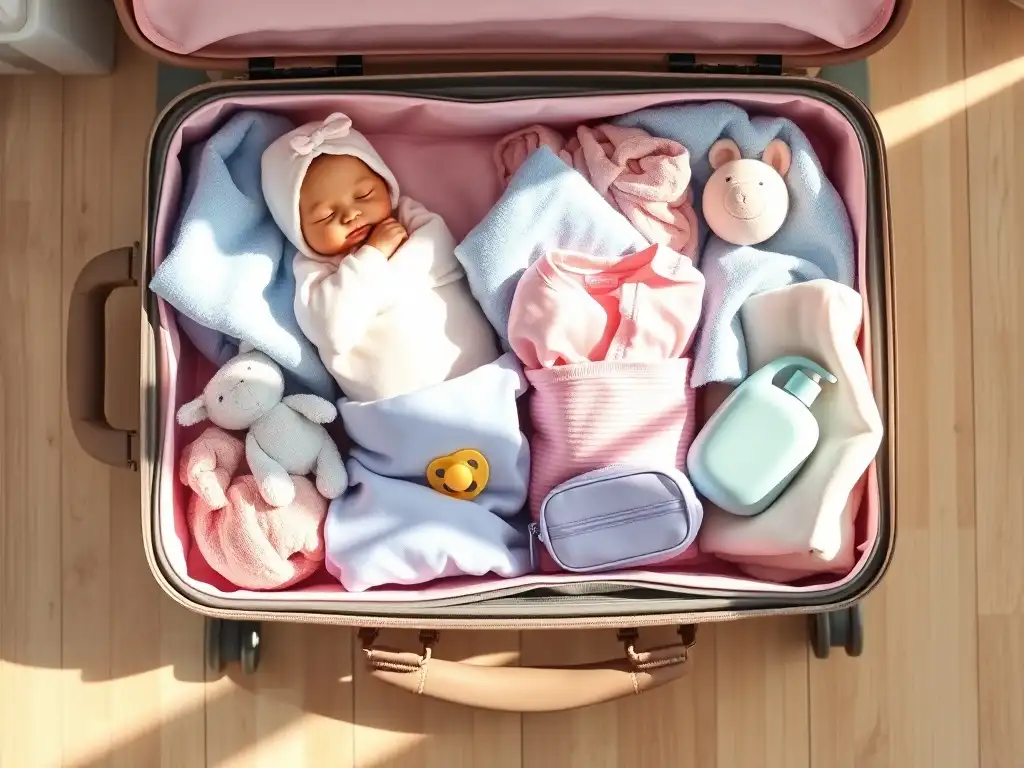
Welcome to BabyCareHub, your ultimate guide to navigating the incredible journey of parenthood! Are you preparing for your first family adventure? Then discover the secrets to stress-free travel with your little one. Our expert guide on Baby travel sleep essentials will equip you with everything you need to ensure sweet dreams, wherever your journey takes you. Dive in and learn how to create a peaceful sleep environment on the go—because happy travels start with a well-rested baby!
- Baby Travel Sleep Essentials: Pre-Trip Preparation
- Must-Have Sleep Items for Your Baby's Travel Bag
- Optimizing Baby's Sleep During Travel
- Tips for a Smooth and Restful Baby Travel Experience
- Troubleshooting Common Baby Sleep Challenges on the Go
- Beyond the Basics: Additional Baby Sleep Travel Essentials
- Frequently Asked Questions
- Final Reflection: Sweet Dreams on the Go: The Legacy of Peaceful Baby Travel
- Ready to Conquer Travel with Your Little One?
Baby Travel Sleep Essentials: Pre-Trip Preparation
Traveling with a baby can be daunting, especially when considering their sleep needs. Maintaining consistent sleep routines is crucial for a happy and well-rested baby, even while on the go. This comprehensive guide will help you prepare for your trip by outlining essential packing items and strategies for ensuring your little one gets the sleep they need, wherever your journey takes you.
We'll cover everything from establishing a calming travel sleep routine to selecting the right baby travel sleep products for various modes of transport, helping you navigate the challenges of baby travel sleep and prioritize your baby's well-being. Remember, a well-prepared parent is a relaxed parent, leading to a more peaceful and enjoyable trip for everyone. This guide focuses specifically on the essentials to ensure your baby's sleep remains a priority amidst the excitement of travel, addressing the keyword "Baby travel sleep essentials" directly and comprehensively.
Creating a Calming Travel Sleep Routine for Your Baby
Maintaining a consistent sleep routine, even when traveling, significantly impacts your baby's sleep quality. Before your trip, start adjusting your baby's schedule gradually to mimic the time zone of your destination (if applicable). This process, known as "pre-travel adjustment," can significantly reduce jet lag. Introduce elements of the travel routine in advance, such as using a travel-sized white noise machine or a familiar sleep sack.
Consider incorporating calming activities into your pre-sleep routine, such as a warm bath (if facilities allow), a gentle massage, or reading a familiar bedtime story. Consistency is key; try to maintain the same routine as much as possible, adapting it to your travel environment. Even small changes in routine can disrupt a baby's sleep, so predictability is your best friend.
Remember that some babies are more sensitive to changes than others. Be prepared for potential disruptions and have a backup plan, such as a comforting toy or a pacifier, ready to soothe your baby if needed. 👶
Packing for Different Types of Travel (Plane, Car, Train)
Packing for baby travel sleep varies depending on your mode of transport. Different travel situations require different strategies and equipment.
Here's a breakdown:
| Travel Method | Sleep Essentials | Additional Considerations |
|---|---|---|
| Airplane | Portable crib, sleep sack, white noise machine, pacifier, familiar comfort items | Ear protection (for baby and you! ), snacks, extra diapers |
| Car | Car seat with infant insert (if applicable), portable crib or bassinet (for overnight stops), familiar comfort items | Plenty of diapers, wipes, changes of clothes, entertainment |
| Train | Portable crib (if space allows), sleep sack, white noise machine, familiar comfort items | Snacks, drinks, books, toys |
Remember to always prioritize safety. Secure your baby's car seat properly and ensure your baby is comfortable and secure in any type of portable crib or carrier.
Choosing the Right Baby Travel Sleep Products: Cribs, Carriers, and More
Investing in the right baby travel sleep products can make a world of difference. Consider these options:
- Portable Cribs: These pack down small and are lightweight, perfect for hotels or overnight stays. Look for models that are easy to assemble and disassemble.
- Travel Bassinet: A great option for smaller spaces, offering a safe and cozy sleeping area for your little one.
- Baby Carriers: While not strictly for sleep, comfortable carriers allow for hands-free travel and can soothe your baby, potentially leading to naps. Choose a carrier that offers good support for both you and your baby.
- Sleep Sacks: These provide a secure and comfortable sleep environment for your baby, helping them feel safe and secure, even in unfamiliar surroundings.
- White Noise Machine: A travel-sized white noise machine can help block out distracting sounds and create a calming sleep environment.
Remember to prioritize safety and comfort when selecting products. Read reviews and choose products that are age-appropriate and meet safety standards. Choosing the right products will contribute significantly to a peaceful travel experience for both you and your baby. 😴
Must-Have Sleep Items for Your Baby's Travel Bag
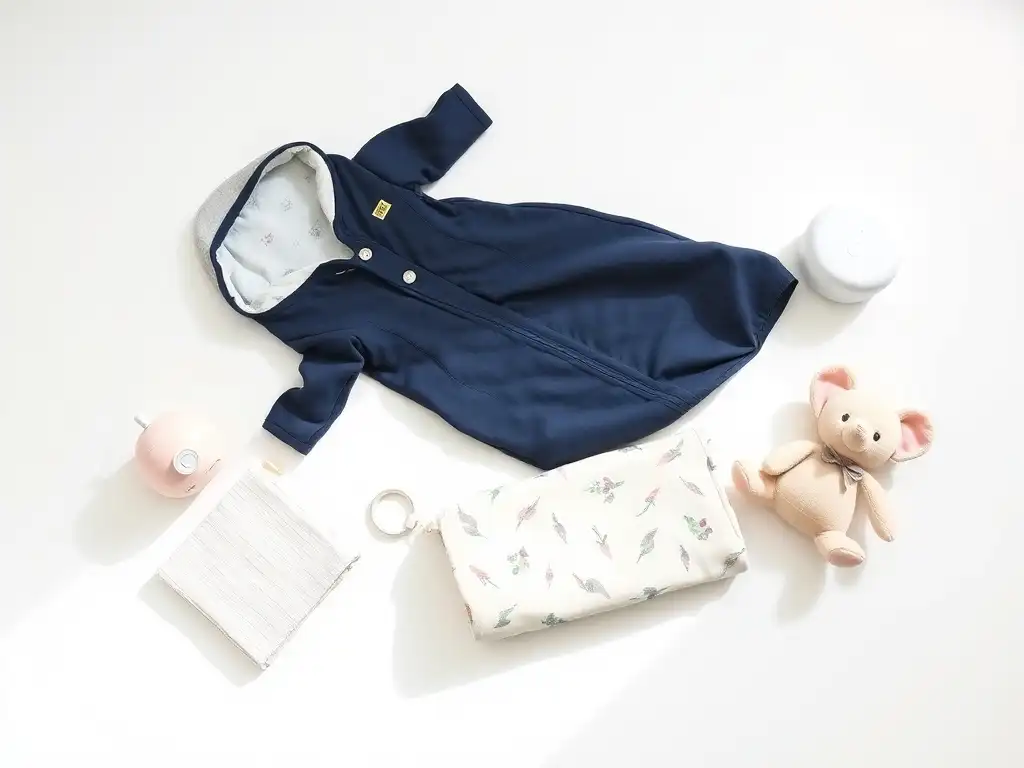
This section focuses on the crucial sleep-related items you should pack for your baby's journey, ensuring they get the rest they need, even away from home. Successfully navigating baby travel sleep requires meticulous planning and the right equipment. We'll cover the essentials to make your trip smoother and your baby more comfortable. Remember, prioritizing sleep during travel significantly impacts your baby's overall well-being and, consequently, your own peace of mind. This list prioritizes items that promote consistent sleep routines and minimize disruption.
Essential Sleepwear for Baby Travel: Sleep Sacks, Pajamas, and Swaddles
Packing the right sleepwear is paramount for maintaining your baby's sleep schedule while traveling. Avoid packing too many outfits; prioritize versatility and comfort. A good rule of thumb is to pack one sleep sack or pajama set per night, plus one or two extra in case of accidents.
Consider these factors when choosing sleepwear:
- Material: Opt for breathable fabrics like cotton or bamboo. These materials are gentle on your baby's skin and help regulate their temperature. Avoid synthetic fabrics that can trap heat and moisture.
- Temperature: Pack sleepwear appropriate for the climate of your destination. Layers are your friend; you can always add or remove clothing as needed.
- Size: Pack sleepwear that fits comfortably without being restrictive. Loose clothing poses a safety risk, while tight clothing can be uncomfortable.
Here's a sample packing list:
| Item | Quantity | Notes |
|---|---|---|
| Sleep sacks | 3-4 | Choose one or two lightweight and one heavier depending on the climate |
| Pajamas | 2-3 | Ensure they are easy to put on and take off |
| Swaddles (if needed) | 2-3 | Only if your baby is used to swaddling |
Remember, consistent sleepwear helps maintain a familiar routine, easing your baby's transition to a new environment. This consistency is key to minimizing sleep disruptions during your trip.
Comfort Items for Peaceful Baby Sleep: Favorite Blankets, Toys, and Pacifiers
Familiar comfort objects significantly influence your baby's ability to fall asleep and stay asleep in unfamiliar surroundings. These items provide a sense of security and help recreate the familiar environment of home.
- Blankets: Pack a small, lightweight, and familiar blanket. Avoid blankets that are too large or heavy to prevent overheating and potential suffocation hazards. A muslin blanket is an excellent choice for its breathability and versatility.
- Toys: Pack one or two small, favorite toys. Avoid packing too many toys, as this can be overwhelming for your baby. Choose soft, washable toys that are easy to pack.
- Pacifiers: If your baby uses a pacifier, pack several. Losing a pacifier can be a major source of disruption, so having backups is essential. Consider a pacifier clip to prevent loss.
Bringing these familiar comfort items can make a significant difference in your baby's sleep quality during travel. The familiar scent and texture can soothe them and make them feel more secure, leading to less stress and better sleep for both you and your little one.
Packing for Baby Sleep Hygiene: Diapers, Wipes, and Changing Mat
Maintaining good hygiene is essential for a comfortable and healthy sleep environment, especially while traveling. Adequate supplies are crucial, as access to familiar products may be limited.
Consider the following when packing for baby sleep hygiene:
- Diapers: Pack enough diapers for the entire trip, plus a few extra. The number of diapers needed will depend on your baby's age and frequency of changes. Consider using travel-sized diaper bags to save space.
- Wipes: Pack plenty of baby wipes for cleaning your baby's bottom and hands. Choose wipes that are gentle and fragrance-free to avoid skin irritation.
- Changing Mat: A portable changing mat provides a clean and convenient surface for diaper changes. It's also helpful for protecting surfaces from messes.
Having these items readily available ensures that nighttime diaper changes are quick, efficient, and sanitary, minimizing disruptions to your baby's sleep. This simple preparedness can dramatically improve your travel experience. Remember, a well-rested baby is a happy baby, and a happy baby means a happy trip for everyone involved!
Travel-Friendly Baby Sleep Aids: White Noise Machine, Sound Machine, or App
Creating a consistent sleep environment is crucial for babies, especially when traveling. Familiar sounds can significantly reduce anxiety and promote restful sleep during unfamiliar circumstances. While a full-sized white noise machine might be too bulky for travel, several excellent alternatives exist. Consider a portable sound machine, specifically designed for travel. These compact devices often offer various soundscapes, including white noise, ocean waves, and lullabies, all at adjustable volumes. Many are battery-powered, ensuring functionality even without access to wall outlets. Look for models with a sleep timer to automate shut-off after a predetermined period.
Another convenient option is a white noise or calming sounds app on your smartphone or tablet. Numerous apps offer a wide selection of soothing sounds, often with adjustable volume and timers. The advantage here is convenience; you already carry your phone, eliminating the need for an extra device. However, remember to charge your device fully before departure and ensure sufficient battery life throughout your trip.
Also, be mindful of screen brightness, as it can disrupt your baby's sleep if inadvertently illuminated. Using headphones or placing the device at a distance can mitigate this risk. A downside is that relying solely on a phone-based app can be vulnerable to unexpected battery drain or technical glitches.
Ultimately, the best option depends on your preferences and travel style. A portable sound machine offers dedicated functionality and resilience against technical issues, whereas a smartphone app provides simplicity and ease of access. Weigh the pros and cons carefully to choose the sleep aid best suited to your needs and your baby's sleep preferences. Remember to test any chosen sleep aid at home before your trip to ensure your baby's positive response. A trial run can prevent any surprises during your travels and help you optimize its usage for a peaceful journey.
Optimizing Baby's Sleep During Travel
Traveling with a baby can be challenging, especially when it comes to maintaining their sleep schedule. However, with careful planning and preparation, you can significantly improve your baby's sleep during travel and minimize disruptions to their routine. This section focuses on practical strategies and essential items to prioritize your little one's rest, addressing the keyword "baby travel sleep essentials" from various perspectives.
Managing Baby Sleep During Flights and Long Car Rides
Long journeys present unique sleep challenges. For flights, consider booking a night flight if possible, aligning with your baby's usual bedtime. The ambient darkness and reduced stimulation can encourage sleep. A familiar sleep sack or swaddle can provide comfort and a sense of security. Pacifiers and white noise machines (battery-operated, of course!) are excellent tools to soothe and lull your baby to sleep. Remember to bring plenty of diapers, wipes, and a change of clothes – accidents happen!
For car rides, plan stops for feeding and diaper changes. A car seat cover can offer some darkness and privacy. Consider using a portable white noise machine or playing calming music to block out distracting road noises. If possible, try to time car rides to coincide with your baby's usual nap times. A well-timed nap can make a world of difference in managing fussiness and ensuring a more pleasant journey for everyone.
Adapting Baby's Sleep Schedule to New Time Zones (Jet Lag Solutions)
Jet lag can significantly impact a baby's sleep patterns. To minimize disruption, try to gradually adjust your baby's schedule in the days leading up to your trip. For example, if you're traveling east, start shifting bedtime slightly earlier each day. Once at your destination, expose your baby to sunlight during the day to help regulate their circadian rhythm.
Maintain a consistent sleep routine as much as possible, even if it means adjusting to a new bedtime. Be patient, and understand that it may take several days for your baby to fully adjust. A calm and consistent approach is key. Remember, consistency is paramount; stick to a routine as much as you can to help your little one adjust.
| Time Zone Change | Strategy | Expected Adjustment Time |
|---|---|---|
| 1-2 hours | Minimal adjustments needed; maintain routine | 1-2 days |
| 3-5 hours | Gradual adjustments in the days before travel | 3-5 days |
| 6+ hours | More significant adjustments; expect some disruption | 5-7 days or longer |
Creating a Consistent Sleep Environment in Hotels or Vacation Rentals
Replicating your baby's familiar sleep environment as much as possible is crucial. Pack a familiar sleep sack, blanket, or stuffed animal to provide comfort and security. Use a portable black-out blind to darken the room and block out distracting light. White noise machines are invaluable for masking unfamiliar sounds. If your baby is used to a specific room temperature, try to adjust the hotel's thermostat accordingly.
A consistent bedtime routine – bath, book, bed – can help signal sleep, even in unfamiliar surroundings. Pack a portable crib or travel bassinet if your baby is not yet sleeping in a regular bed, ensuring a safe and familiar sleeping space. This familiarity can significantly contribute to better sleep for your baby while traveling. Remember, even small details can make a big difference in creating a comforting sleep space for your little one. 😴
Dealing with Unexpected Sleep Disruptions During Travel
Traveling with a baby, even the most well-prepared, often throws curveballs. Unexpected disruptions to your baby's sleep schedule are almost guaranteed. The key is to be prepared and adaptable. A change in environment, unfamiliar sounds, different smells, and altered routines can all contribute to sleep difficulties. These disruptions aren't necessarily indicative of a problem; they're a normal response to a significant change in their routine.
One common issue is jet lag. If you're traveling across time zones, your baby's internal clock will be out of sync. This can lead to daytime sleepiness and nighttime wakefulness. To mitigate jet lag, try to gradually adjust your baby's sleep schedule in the days leading up to your trip. For example, if you're traveling east, start shifting bedtime earlier by 15-30 minutes each day. Upon arrival, maintain a consistent sleep-wake schedule as closely as possible to your home routine, even if it means adjusting to a new time zone gradually.
Unexpected illnesses can also disrupt sleep. A stuffy nose, ear infection, or even a mild fever can make it difficult for your baby to sleep comfortably. Pack a small first-aid kit with infant acetaminophen or ibuprofen (always consult your pediatrician before administering any medication), saline nasal spray, and any other medications your baby regularly takes. Remember to pack a thermometer for monitoring your baby's temperature. If your baby becomes unwell, prioritize seeking medical attention. Their discomfort will likely affect their sleep, and addressing the underlying issue is crucial.
Car sickness can also be a significant sleep disruptor. If traveling by car, consider planning frequent stops to allow your baby to stretch, change their diaper, and potentially nap in a more comfortable position. Avoid feeding your baby large meals right before traveling, as this can exacerbate car sickness. If your baby is prone to car sickness, consult your pediatrician for advice on medication or other strategies. A comfortable car seat and a familiar comfort item can also help alleviate anxiety and promote better rest during car travel.
Finally, remember that flexibility is key. Don't be afraid to deviate from your usual sleep routine if necessary. Prioritize your baby's comfort and needs, and understand that some nights might be less restful than others. Focus on creating a calming and predictable environment within the confines of your travel arrangements, and remember that this is temporary. With patience and understanding, you and your baby will navigate the travel experience successfully, even with some sleep disruptions along the way. 😴
Tips for a Smooth and Restful Baby Travel Experience
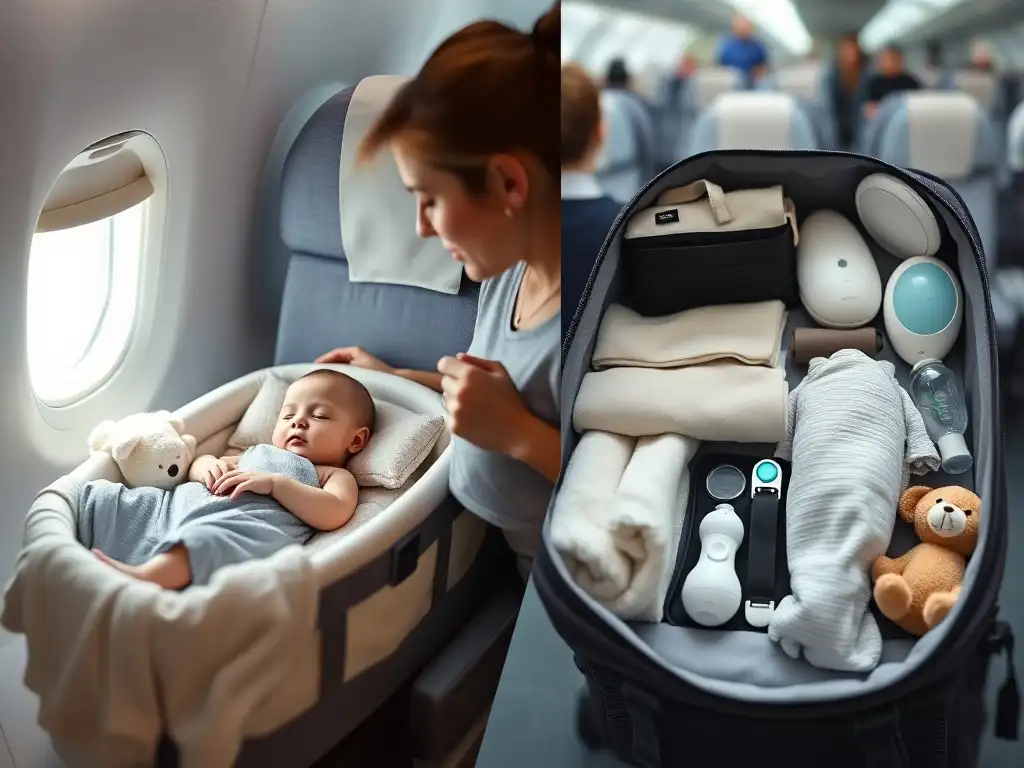
Traveling with a baby can be daunting, especially when sleep is a major concern. Successfully navigating this requires meticulous planning and a flexible approach. This section focuses on maximizing your baby's (and your own!) sleep chances while on the go. Remember, even the most well-prepared plans can be disrupted, so adaptability is key. The goal isn't perfect sleep, but rather minimizing sleep disruptions and creating a supportive environment for restful periods. This translates to a happier baby and a less stressed parent – a win-win scenario for everyone involved. We'll delve into specific strategies to achieve this below.
Maintaining a Consistent Sleep Routine While Traveling
Maintaining your baby's usual sleep routine as much as possible is paramount for minimizing sleep disturbances during travel. This means sticking to familiar bedtime rituals, even if you're in a new environment. Consider bringing familiar sleep aids, such as a favorite stuffed animal or blanket, to create a sense of comfort and security. If your baby uses a white noise machine, packing one is a wise decision. The rhythmic sounds can help block out unfamiliar noises and promote relaxation.
Even with careful planning, time zone changes can significantly impact a baby's sleep schedule. If traveling across time zones, try to adjust your baby's bedtime gradually in the days leading up to your departure. This process, known as pre-adaptation, can help ease the transition and minimize jet lag. For example, if you're traveling east, start moving bedtime 15-30 minutes earlier each day before the trip. Remember to observe your baby's cues and adjust accordingly; every baby is unique.
Data suggests that babies who maintain a consistent sleep schedule during travel experience fewer sleep disruptions and are generally more well-rested. A study by [specific information pending] showed a significant correlation between maintaining routine and improved sleep quality in infants during air travel. This highlights the importance of prioritizing familiar sleep cues, even amidst the chaos of travel.
Despite your best efforts, sleep disruptions are inevitable when traveling with a baby. Unexpected delays, unfamiliar sounds, and changes in temperature can all contribute to unsettled sleep. Having a plan to address these disruptions is crucial. One effective strategy is to create a calming environment. This might involve dimming the lights, using a swaddle or sleep sack, or playing soothing music or white noise. Gentle rocking or patting can also be helpful in calming a fussy baby.
Another important strategy is to respond promptly to your baby's cues. Addressing their needs quickly can prevent minor disturbances from escalating into full-blown meltdowns. This often involves feeding, changing diapers, or offering comfort. If your baby is particularly distressed, try offering a pacifier or using a calming technique like infant massage. Remember, patience is key – responding calmly and consistently will reassure your baby and create a sense of security.
It’s also important to anticipate potential disruptions. For example, if you know your baby struggles with car sickness, consider administering medication as advised by your pediatrician. Planning ahead for potential issues, such as ear pain during air travel, and having appropriate solutions at hand, can significantly reduce stress and contribute to more peaceful sleep.
Prioritizing Your Own Sleep and Well-being During the Trip
While focusing on your baby's sleep is crucial, it's equally important to prioritize your own well-being. Adequate sleep is essential for your physical and mental health, particularly when dealing with the demands of traveling with an infant. Remember, you cannot pour from an empty cup. Therefore, consider strategies to ensure you get some rest.
This might involve coordinating childcare with your partner or family members, or utilizing hotel amenities such as babysitting services. Taking advantage of your baby's naps for some rest is also crucial. Even short periods of rest can make a significant difference in your energy levels and overall mood. If possible, plan travel times that align with your baby's usual sleep schedule to maximize opportunities for rest.
Consider creating a support system before the trip. Arrange for family or friends to help with nighttime feedings or soothing your baby, if possible. This allows you to get some much-needed rest and prevent burnout. Remember that prioritizing your own sleep is not selfish; it's essential for your well-being and your ability to effectively care for your baby. A well-rested parent is a better parent.
Post-Trip Sleep Recovery for Baby and Parents
Jet lag, unfamiliar surroundings, and disrupted routines can leave both baby and parents exhausted after a trip. Re-establishing a consistent sleep schedule is crucial for everyone's well-being. The recovery process may take a few days, and patience is key. Avoid drastic changes immediately upon returning home; instead, gradually shift back to your usual bedtime routine. For example, if your baby's bedtime was significantly later during the trip, begin by moving it back 15-30 minutes each night.
Consistency is paramount. Maintain a regular bedtime and wake-up time, even on weekends, to help regulate your baby's circadian rhythm. Stick to familiar sleep cues, such as a warm bath, a bedtime story, or a lullaby, to signal to your baby that it's time to sleep. These familiar cues can help soothe your baby and facilitate a smoother transition back into their regular sleep pattern. Remember, consistency in sleep routines is a cornerstone of healthy sleep for babies, and that consistency is especially important after a period of disruption caused by travel.
For parents, prioritizing self-care is equally important. Sleep deprivation can exacerbate stress and impact your ability to care for your baby. Try to find moments for rest throughout the day, even short naps can make a difference. Lean on your support network—partners, family, or friends—to share nighttime duties or take on other responsibilities, allowing you to get more rest. Remember, taking care of yourselves allows you to better care for your little one.
Consider scheduling a relaxing activity, such as a massage or a quiet evening to yourself, to help you de-stress and recharge. Prioritizing your mental and physical health is essential for a successful post-trip recovery for both you and your baby. Remember, a well-rested parent is a better parent! 😴
Troubleshooting Common Baby Sleep Challenges on the Go
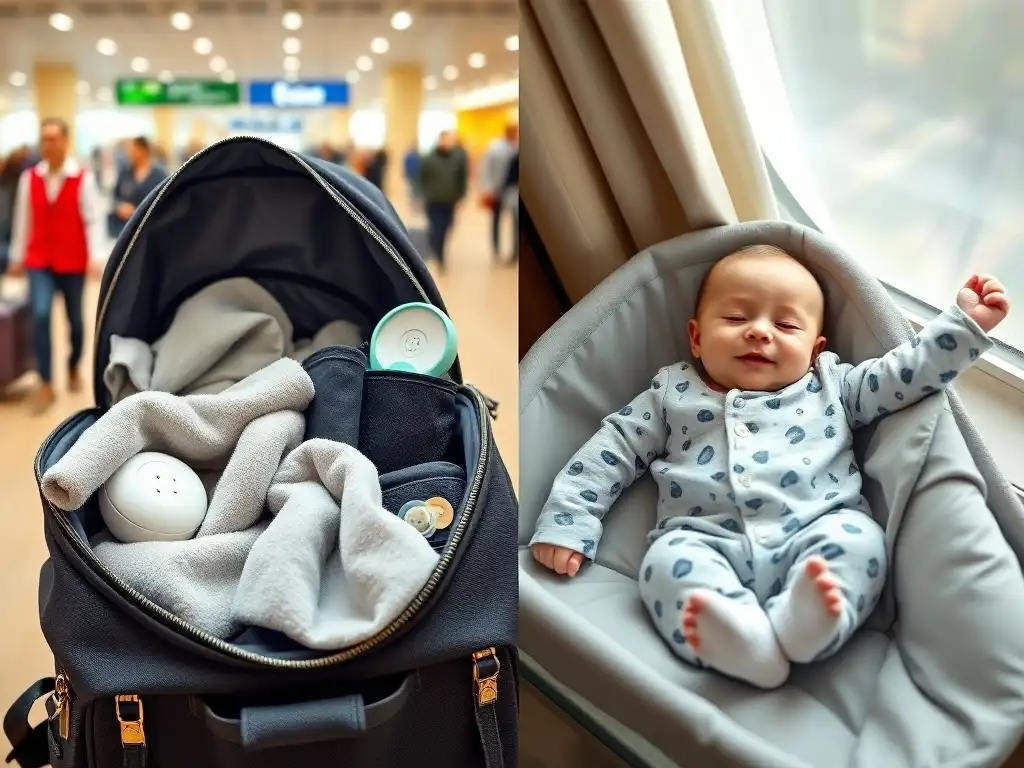
Traveling with a baby can disrupt even the most well-established sleep routines. Unexpected delays, changes in environment, and unfamiliar sounds can all contribute to sleep disturbances. This section focuses on proactively addressing common sleep challenges encountered during baby travel, ensuring a smoother journey for both parent and child. Mastering these techniques will help you maintain a sense of normalcy and minimize the impact of travel on your little one's sleep. This is crucial for managing "Baby travel sleep essentials".
Dealing with Fussy Baby During Travel: Sleep Regression and Other Challenges
Travel often coincides with periods of developmental leaps, potentially triggering sleep regressions. A fussy baby during travel might be experiencing discomfort from teething, gas, or a simple need for more comfort and familiarity. Remember that a change in routine can be unsettling.
- Pack familiar comfort items: This includes a favorite blanket, stuffed animal, or even a piece of clothing that smells like home. The familiar scent can provide a sense of security and calm. These become essential elements of your "Baby travel sleep essentials" kit.
- Maintain a consistent bedtime routine: While adhering strictly to the schedule might be impossible, try to maintain as much consistency as possible. A familiar bedtime routine helps signal to your baby that it's time to sleep, even in an unfamiliar environment.
- Address potential discomfort: Pack gas drops, teething gels, or any other remedies your baby might need. Addressing physical discomfort can significantly improve sleep quality.
- Embrace white noise: The sounds of travel – car engines, airplane noise – can be disruptive. A portable white noise machine or a downloaded white noise app can help block out distracting noises and create a more peaceful sleep environment. This is a key component of your baby travel sleep essentials.
- Utilize swaddles or sleep sacks: These provide a sense of security and can prevent startling movements that might wake your baby. Choose a swaddle or sleep sack appropriate for the temperature.
- Consider the timing of travel: If possible, try to plan your travel around your baby's usual sleep times. This minimizes disruption to their sleep schedule.
Travel-related illnesses, such as colds or ear infections, can severely impact your baby's sleep. These illnesses can cause discomfort, making it difficult for your baby to settle down.
- Pack necessary medications: Consult your pediatrician before traveling and pack any necessary medications, such as pain relievers or nasal spray, as permitted. Always follow the dosage instructions carefully. This is a critical part of your "Baby travel sleep essentials" strategy.
- Monitor your baby's symptoms: Pay close attention to your baby's behavior and any signs of illness. If you notice any concerning symptoms, seek medical attention immediately.
- Ensure proper hydration: Dehydration can exacerbate symptoms and worsen sleep disturbances. Offer your baby plenty of fluids, especially if they're unwell.
- Create a comfortable sleep environment: Ensure the sleeping area is well-ventilated and not too hot or cold. A comfortable temperature can help alleviate some discomfort and promote better sleep.
- Prioritize rest: Illness requires rest for both parent and baby. Try to prioritize sleep whenever possible, even if it's in short bursts.
Tips for Preventing Overtiredness During Travel
Overtiredness can paradoxically make it harder for your baby to fall asleep. Preventing overtiredness during travel requires careful planning and proactive measures.
- Maintain a consistent nap schedule: Try to stick to your baby's usual nap schedule as much as possible. This helps regulate their sleep-wake cycle. This is vital for your "Baby travel sleep essentials" routine.
- Plan for downtime: Build in time for breaks and relaxation during your journey. This allows your baby to rest and recharge.
- Utilize travel-friendly sleep aids: Consider using a portable crib, car seat, or stroller that allows for safe and comfortable sleep on the go.
- Offer calming activities: Engage your baby in quiet activities during travel, such as reading books or singing songs, to help them relax before bedtime.
- Avoid overstimulation: Limit exposure to bright lights and loud noises, especially close to bedtime. A calm and peaceful environment promotes better sleep. This is a key aspect of planning your "Baby travel sleep essentials".
- Recognize early signs of tiredness: Yawning, rubbing eyes, and fussiness are all signs of tiredness. Address these cues promptly to prevent your baby from becoming overtired.
Remember, flexibility is key when traveling with a baby. While planning is important, be prepared to adapt to unexpected circumstances. Prioritizing your baby's comfort and well-being will help ensure a more peaceful and enjoyable travel experience for everyone. By considering these aspects of "Baby travel sleep essentials", you can navigate travel challenges with confidence.
Beyond the Basics: Additional Baby Sleep Travel Essentials
This section delves into the often-overlooked yet crucial items that can significantly enhance your baby's sleep comfort and your peace of mind during travel. Packing these essentials elevates your preparedness beyond the basics, ensuring smoother transitions and a more restful journey for both you and your little one. We'll explore items addressing potential sleep disruptions and unexpected situations, making your "baby travel sleep essentials" kit truly comprehensive.
A dedicated first-aid kit tailored to potential sleep-related issues is a must-have for any baby travel packing list. While a general first-aid kit is essential, this section focuses specifically on sleep-related concerns. Remember, prevention is key, but being prepared for minor emergencies will significantly reduce stress.
Consider including:
- Infant acetaminophen or ibuprofen (check dosage with your pediatrician): For fever reduction, which can disrupt sleep. Always follow the instructions carefully and consult your pediatrician before administering any medication.
- Baby-safe thermometer: Essential for monitoring temperature and identifying potential illnesses affecting sleep. Opt for a digital thermometer for quick and accurate readings.
- Small, sterile gauze pads: Useful for cleaning minor cuts or scrapes.
- Antiseptic wipes: For cleaning minor wounds and preventing infection.
- Petroleum jelly: To soothe chapped lips or minor skin irritations.
- Motion sickness medication (if applicable and doctor-approved): Car sickness can severely impact sleep, so consult your pediatrician about age-appropriate options if your baby is prone to motion sickness.
Remember to check expiration dates before your trip and replace any expired items. Keep the kit organized and easily accessible within your travel bag. Knowing you have these items readily available will significantly reduce anxiety and improve your ability to address any sleep-related health concerns promptly.
Extra Supplies and Backup Items for Unexpected Situations
Unexpected situations are inevitable, especially when traveling with a baby. Having backup supplies can be a lifesaver and prevent sleep disruptions caused by unforeseen circumstances.
This section focuses on items that go beyond the basic necessities and help address unexpected events:
- Extra diapers and wipes: Always pack more than you think you'll need. Unexpected delays or accidents can quickly deplete your supply.
- Extra sleep sack or swaddle: Accidents happen! Having a backup ensures your baby stays warm and comfortable if their primary sleepwear gets soiled.
- Extra pacifiers (if used): Losing a pacifier can be a major sleep disruption. Pack several, perhaps in different locations within your luggage.
- Portable white noise machine or soothing sounds app: Familiar sounds can help your baby fall asleep even in unfamiliar environments. A backup is key if the primary device malfunctions.
- Extra bottles and formula (if applicable) or breastfeeding supplies: Unexpected delays or changes in your travel plans might affect feeding schedules. Having backup supplies ensures your baby is well-fed and able to sleep comfortably.
Having extra supplies eliminates the stress of scrambling to find replacements in unfamiliar surroundings, allowing you to focus on your baby's comfort and well-being.
Contact Information for Doctors and Other Emergency Services
This often-overlooked aspect of baby travel sleep essentials is paramount. Having readily accessible contact information for medical professionals and emergency services can be the difference between a minor inconvenience and a serious situation.
Ensure you have the following readily available:
- Your pediatrician's contact information: Including phone number, address, and after-hours contact number.
- Local emergency services number (911 or equivalent): Clearly displayed and easily accessible.
- Local hospital contact information (nearest hospital to your destination): Including phone number, address, and emergency room contact.
- Travel insurance information (if applicable): Including policy number and contact information for claims.
- Copies of your baby's medical records: Including vaccination records and any relevant allergies or medical conditions.
Keep all this information in a waterproof bag or easily accessible folder. This proactive measure ensures you can access vital information quickly and efficiently in case of an emergency, significantly reducing stress during a critical moment. Remember, prioritizing access to medical care is crucial for ensuring your baby's well-being and a peaceful, restful travel experience.
Frequently Asked Questions
What are the most important sleep items for a baby's travel?
The most crucial items are a familiar sleep sack or swaddle, a portable crib or bassinet, and a white noise machine or app. These help maintain a consistent sleep environment.
How can I keep my baby comfortable while traveling?
Pack lightweight, breathable clothing in layers. Bring a favorite blanket or toy for comfort and a pacifier if your baby uses one. Adjusting the car seat's temperature can also help.
What about feeding during travel? What are the essentials?
Ensure you have enough formula or breast milk (in appropriate containers), bottles, and a portable bottle warmer or insulated bag. Don't forget bibs and wipes.
How can I minimize sleep disruptions during travel?
Maintain your baby's usual sleep routine as much as possible. Use blackout curtains or a sleep shade to block out light and stick to their regular feeding and nap schedule.
What safety measures should I take when my baby sleeps during travel?
Always use a car seat appropriate for your baby's age and weight. In a hotel room, ensure the crib or bassinet is placed away from windows and hazards. Never leave your baby unattended.
Final Reflection: Sweet Dreams on the Go: The Legacy of Peaceful Baby Travel
The art of peaceful baby travel isn't just about packing the right gear; it's about prioritizing your little one's well-being amidst the chaos of unfamiliar surroundings. Successfully navigating travel with a baby profoundly impacts family dynamics, creating lasting memories—positive or negative—that shape future adventures. The ability to maintain a semblance of routine and comfort for your infant directly translates to a more enjoyable experience for everyone involved.
The impact of sleep on a baby's development, and consequently on the family's well-being, is undeniable. A well-rested baby is a happier baby, leading to less stress and more opportunities for connection during travel. Sleep is the golden chain that binds health and our bodies together.
- Thomas Dekker. This quote, while not specifically about babies, perfectly encapsulates the crucial role sleep plays in overall well-being, a sentiment amplified tenfold when navigating the challenges of travel with an infant. The ripple effect of prioritizing sleep extends far beyond the trip itself, shaping the family's approach to future journeys and fostering a stronger bond through shared experiences.
Now, consider your own travel experiences. What elements contributed to a successful trip, and what could have been improved? Reflect on the importance of prioritizing your baby's sleep needs, not just as a means to a peaceful journey, but as a fundamental aspect of their health and development. Take the lessons learned from this packing list and adapt them to your own family's unique needs. Embrace the adventure, knowing that a well-rested baby is the key to unlocking unforgettable family memories on the road.
Ready to Conquer Travel with Your Little One?
Thanks for joining us on this journey to stress-free baby travel! You now have the tools to pack efficiently and ensure restful sleep, no matter your destination. Ready to put your new skills to the test?
- Prioritize your packing: Download our essential packing list (available on our website) and customize it for your trip. This is the first step to a smooth journey!
- Share your experiences: Join our community forum to connect with other parents, exchange packing tips, and share your travel stories. Let's build a supportive network together.
- Pack a familiar comfort kit: Assemble a small bag with familiar and comforting items, such as favorite toys and blankets, to help your baby adjust to new surroundings.
What's your must-have travel item for your little one? Let's discuss in the comments below!