
Daycare Activities: Stimulating Your Baby's Development


Welcome to BabyCareHub, your ultimate guide to navigating the incredible journey of parenthood! Are you ready to unlock the secrets to nurturing your little one's growth? We understand the challenges and joys of raising a baby, and that’s why we've created this comprehensive resource. Discover how engaging baby daycare activities can significantly boost your child's development, paving the way for a brighter future. Dive into our expert advice on sleep training and routines, and embark on this enriching experience with confidence. Let's explore the world of baby development together!
- Choosing Age-Appropriate Daycare Activities for Optimal Development
- Creative Daycare Activities to Boost Your Baby's Imagination
- Social and Emotional Development Through Daycare Activities
- The Importance of Safe and Engaging Daycare Environments for Baby Development
- Integrating Daycare Activities with Home Routines for Holistic Development
- Tracking Your Baby's Developmental Milestones After Daycare Activities
-
Frequently Asked Questions
- What kind of daycare activities best stimulate a baby's development?
- At what age can my baby start participating in daycare activities?
- How do I know if the daycare activities are appropriate for my baby's developmental stage?
- Are there any specific activities that promote language development in babies?
- How can I find a daycare that offers stimulating and developmentally appropriate activities?
- Final Reflection: Nurturing Little Minds, Shaping Brighter Futures
- Unleash Your Baby's Potential: Actionable Steps for Growth!
Choosing Age-Appropriate Daycare Activities for Optimal Development
Navigating the world of childcare can be overwhelming for first-time parents. Finding the right daycare is a crucial step, but ensuring your baby's development is nurtured within that environment is equally important. This article focuses on selecting and implementing age-appropriate daycare activities that stimulate your baby's cognitive, sensory, and motor skills, contributing to their overall healthy development. We'll explore various activities categorized by developmental stage, providing practical examples and highlighting the benefits of early childhood stimulation.
Remember, a stimulating daycare environment plays a vital role in your baby's journey towards reaching developmental milestones and building a strong foundation for future learning. Choosing the right activities is key to maximizing your baby's potential and ensuring a positive daycare experience. This guide will help you understand how daycare can actively contribute to your baby's growth, addressing the crucial keyword "baby daycare activities development" and providing actionable insights for parents.
Sensory Activities for Infants: Exploring Textures and Sounds
Infants learn primarily through their senses. Daycare activities focused on sensory exploration are crucial for their early development. These activities should engage multiple senses simultaneously, creating rich and stimulating experiences.
Here are some examples of sensory activities ideal for infants at daycare:
- Tummy Time with Textured Blankets: Placing infants on their tummies on blankets with varying textures (soft fleece, crinkly fabric, smooth silk) encourages muscle development and exposes them to diverse tactile sensations. This simple activity significantly contributes to their sensory development.
- Sound Exploration Boxes: Creating boxes filled with safe, textured objects that make different sounds (rattles, crinkling paper, soft bells) provides auditory and tactile stimulation. Observing the infant's reaction to various sounds helps gauge their auditory perception and engagement.
- Visual Stimulation with Mobiles: Colorful mobiles with contrasting patterns and textures hanging above the crib or play area capture infants' attention and stimulate their visual development. The movement of the mobile adds another layer of sensory input.
Remember to always supervise infants during these activities and ensure all materials are safe and age-appropriate. The goal is to create a playful and enriching environment that fosters sensory exploration and cognitive development. The benefits extend beyond immediate sensory stimulation; they lay the groundwork for future learning and problem-solving skills.
Motor Skill Development: Encouraging Movement and Coordination in Toddlers
As toddlers grow, their motor skills develop rapidly. Daycare activities should focus on refining gross and fine motor skills, promoting coordination, and building strength.
Here are some examples of activities that encourage motor skill development in toddlers:
- Obstacle Courses: Simple obstacle courses using pillows, blankets, and tunnels provide opportunities for crawling, climbing, and balancing. This improves gross motor skills and coordination. The playful nature of the activity also boosts their confidence and encourages physical exploration.
- Building Blocks: Large, colorful blocks encourage hand-eye coordination and problem-solving skills. Stacking, building, and knocking down blocks enhances fine motor skills and spatial reasoning.
- Finger Painting: Finger painting is a messy but highly rewarding activity. It allows toddlers to explore colors, textures, and develop fine motor control. The creative freedom encourages self-expression and imaginative play.
Regular physical activity is vital for toddlers' development. Daycare environments should provide ample space for movement and play, incorporating various activities that challenge and engage their developing motor skills. The positive impact on their physical health and cognitive abilities is undeniable.
Cognitive Development Activities: Stimulating Learning Through Play
Cognitive development involves learning, problem-solving, and critical thinking. Daycare activities should stimulate these skills through engaging and playful learning experiences.
Here are examples of cognitive development activities suitable for toddlers in daycare:
- Shape Sorters: Shape sorters help toddlers understand shapes, colors, and spatial relationships. This improves their problem-solving skills and hand-eye coordination. The sense of accomplishment they feel upon successfully completing the task boosts their confidence.
- Story Time: Reading stories aloud enhances language development, vocabulary, and imagination. Interactive storytelling, where children participate in the narrative, further improves their comprehension and communication skills.
- Matching Games: Simple matching games using pictures, shapes, or colors enhance memory and recognition skills. These activities also improve concentration and attention span. The competitive aspect of some games can also boost their social skills.
Prioritizing cognitive stimulation in daycare is essential for a child's academic success and overall development. By incorporating a range of activities that challenge their minds, daycares can help children develop crucial cognitive skills and prepare them for future learning. The benefits of early cognitive stimulation are far-reaching and have a lasting impact on a child's life.
Creative Daycare Activities to Boost Your Baby's Imagination
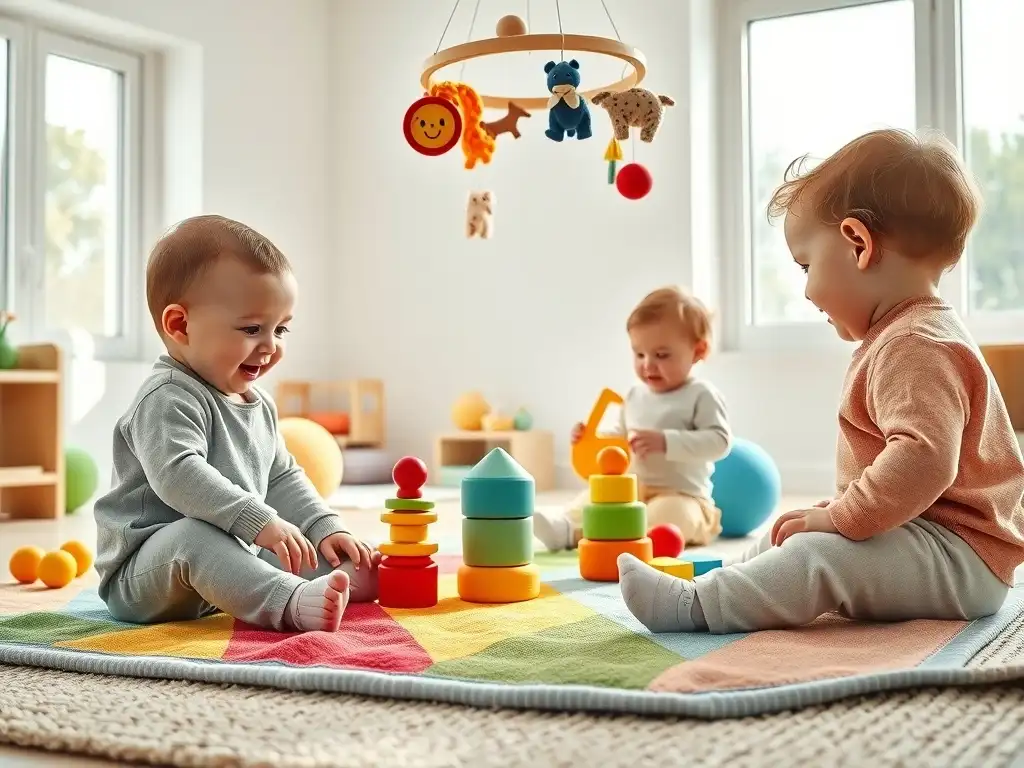
This section explores engaging daycare activities designed to stimulate a baby's cognitive development, focusing on imagination, creativity, and social-emotional growth. We'll examine how seemingly simple activities can significantly impact a baby's development, laying the groundwork for future learning and social interaction. Remember, even the youngest babies benefit from stimulating experiences that nurture their developing minds. The key is to provide age-appropriate activities that are fun, safe, and enriching. Choosing the right activities for your baby's daycare can significantly impact their overall development, fostering a strong foundation for their future.
Role-playing and pretend play, even at a very young age, are crucial for a baby's social and emotional development. These activities help babies understand different perspectives, develop empathy, and learn to interact with others. While a newborn won't engage in complex scenarios, the foundation is laid much earlier than you might think.
Think of it this way: a simple game of peek-a-boo is a form of role-playing. The baby learns to anticipate your actions, understand the concept of hiding and reappearing, and experience the joy of interaction. As they grow, you can introduce more complex elements.
For example, using soft dolls or stuffed animals allows for nurturing behaviors. Babies can practice holding, cuddling, and even feeding their toys, mimicking the care they receive themselves. This helps them understand social roles and develop empathy. This type of baby daycare activities development is incredibly valuable. Observing their interactions with these toys can provide valuable insights into their emotional development.
Another example: using simple props like blankets or blocks can create a "fort" or a "house," stimulating imaginative play. This encourages problem-solving skills (how to build the fort) and creative thinking (how to use the space). Remember to always supervise these activities to ensure safety. The goal is to foster a nurturing and stimulating environment where babies can explore their developing personalities.
Art and Craft Activities: Exploring Creativity and Fine Motor Skills
Art and craft activities are not just about creating pretty pictures; they are powerful tools for developing fine motor skills, hand-eye coordination, and creativity. Even very young babies can benefit from sensory experiences involving different textures and colors. For example, finger painting with non-toxic paints on a large surface allows babies to explore colors and textures freely. The messy aspect is part of the fun and learning process!
As babies get older, you can introduce more refined activities. For instance, simple playdough activities can enhance hand strength and dexterity. The act of squeezing, rolling, and shaping the dough improves finger muscles, preparing them for future writing and other fine motor tasks. This type of engagement is a key component of effective baby daycare activities development.
Consider the following table illustrating the progression of art and craft activities:
| Age Range | Activity | Developmental Benefit | Safety Considerations |
|---|---|---|---|
| 0-6 Months | Sensory play with textured materials | Tactile exploration, sensory stimulation | Supervision, non-toxic materials |
| 6-12 Months | Finger painting with non-toxic paints | Color exploration, hand-eye coordination | Supervision, washable surfaces |
| 12-18 Months | Simple collage with soft materials | Fine motor skills, creativity | Non-toxic materials, supervision |
| 18-24 Months | Playdough activities, simple drawing | Fine motor skills, hand-eye coordination, creativity | Non-toxic materials, supervision, age-appropriate tools |
Remember to prioritize safety and always supervise young children during these activities. The key is to create a safe and encouraging environment where babies can explore their creativity without limitations.
Music and Movement: Developing Rhythm and Coordination
Music and movement activities are incredibly beneficial for a baby's overall development. They stimulate auditory processing, enhance coordination, and promote gross motor skills. Even newborns respond positively to rhythmic sounds and gentle movements. Singing lullabies, playing soft instrumental music, and gently rocking or swaying the baby can be incredibly soothing and stimulating.
As babies grow, you can introduce more interactive music and movement activities. For example, simple songs with actions, like "Itsy Bitsy Spider" or "Ring Around the Rosie" (adapted for babies), encourage participation and coordination. These activities are a fun way to work on baby daycare activities development.
Dancing to music is another excellent way to promote gross motor skills and coordination. Babies can move their bodies freely, exploring different movements and developing their sense of rhythm. The use of musical instruments like rattles or shakers can further enhance their sensory experience and fine motor skills.
Remember to adjust the complexity of the activities based on the baby's age and developmental stage. The goal is to create a fun, engaging, and safe environment that supports their growth and development. The positive impact of carefully chosen baby daycare activities development is undeniable.
Daycare provides a crucial environment for fostering a baby's social and emotional development. Beyond the physical care, the structured activities and social interactions contribute significantly to a child's overall well-being and prepare them for future social settings. The carefully planned activities in a good daycare center aim to nurture emotional intelligence and build strong social skills, laying the foundation for healthy relationships and a positive self-image.
This section will delve into specific daycare activities that target these crucial aspects of development. Understanding how these activities contribute to a child's growth can help parents appreciate the value of a well-structured daycare program.
Group play is a cornerstone of social-emotional learning in daycare. Babies, even at a young age, learn valuable social skills through observing and interacting with their peers. Activities like:
- Toy sharing: Supervised sharing of toys encourages negotiation, compromise, and turn-taking – vital skills for future social interactions. The daycare staff often models appropriate sharing behaviors and intervenes when needed to guide positive interactions.
- Simple games: Games involving simple actions like rolling a ball back and forth, or stacking blocks together, teach cooperation and teamwork. These activities foster a sense of collaboration and shared accomplishment.
- Singing and dancing: Group singing and dancing activities encourage interaction and create a sense of community. The rhythmic movements and shared experience promote bonding and connection.
The benefits extend beyond the immediate interaction. Observing other babies’ reactions and learning to interpret their cues helps babies develop empathy and understanding of social dynamics. These early experiences in group settings lay the foundation for more complex social skills later in life. Furthermore, the presence of experienced caregivers who facilitate these interactions ensures a safe and supportive environment for learning. The careful guidance helps babies learn to navigate social situations effectively and build positive relationships with their peers.
Emotional Regulation Activities: Learning to Manage Feelings
Learning to manage emotions is a vital life skill. Daycare environments often incorporate activities designed to help babies develop emotional regulation skills. These activities might include:
- Calm-down corners: Designated spaces with calming elements (soft blankets, quiet toys) provide a safe haven for babies when they feel overwhelmed or upset. Caregivers guide the babies to these areas and teach them self-soothing techniques.
- Sensory activities: Activities involving different textures, sounds, and smells can help babies regulate their sensory input and manage their emotional responses. Playing with playdough, water tables, or listening to calming music are examples.
- Reading and storytelling: Reading books with calming themes and engaging in storytelling can help babies process their emotions and understand different feelings. The stories provide a safe space to explore emotional experiences.
The effectiveness of these activities is enhanced by the consistent and attentive care provided by daycare staff. Caregivers help babies identify and label their feelings, providing a vocabulary for emotional expression. They model healthy emotional regulation strategies and offer comfort and support when needed. This consistent support and guidance is critical in helping babies build resilience and develop healthy coping mechanisms. The goal is not to eliminate negative emotions, but to teach children how to manage them appropriately. This skill is crucial for their overall well-being and future success.
Building Confidence and Self-Esteem Through Positive Reinforcement
Positive reinforcement is a key strategy used in daycare to build children's confidence and self-esteem. This approach focuses on celebrating achievements, no matter how small, and acknowledging efforts rather than solely focusing on outcomes. Examples of activities that promote this include:
- Encouragement and praise: Verbal praise and encouragement for even small accomplishments, like successfully stacking blocks or completing a simple puzzle, builds self-efficacy. The feedback should be specific and genuine, focusing on the effort and progress rather than just the result.
- Independent play opportunities: Allowing babies to engage in independent play, within a safe and supportive environment, fosters self-reliance and confidence in their abilities. Caregivers observe and offer gentle guidance when needed, but avoid over-intervention.
- Celebrating milestones: Daycares often celebrate individual and group milestones, fostering a sense of accomplishment and pride. This could involve simple things like clapping and cheering or creating small celebratory events.
This positive reinforcement strategy is not merely about boosting self-esteem; it also promotes a growth mindset. The emphasis on effort and progress encourages babies to persist in the face of challenges, fostering resilience and a belief in their ability to learn and grow. The consistent positive feedback from caregivers creates a supportive and encouraging environment that nurtures a child's self-confidence and instills a sense of self-worth. This positive environment helps children develop a strong sense of self and prepares them to face future challenges with confidence and resilience.
The Importance of Safe and Engaging Daycare Environments for Baby Development
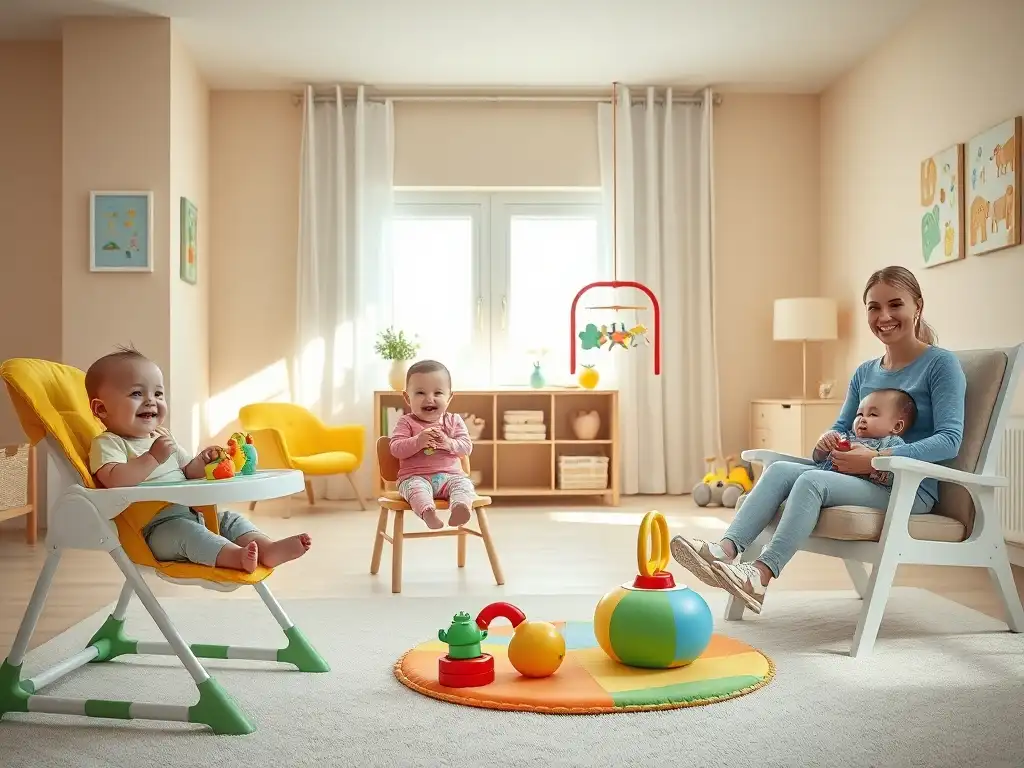
Choosing the right daycare environment is crucial for a baby's healthy development. A stimulating and safe space directly impacts a child's cognitive, social-emotional, and physical growth. Research consistently demonstrates a strong correlation between high-quality daycare and improved developmental outcomes 1 . Babies in nurturing environments show enhanced language skills, better problem-solving abilities, and stronger social interactions. Conversely, a neglectful or unsafe environment can have detrimental effects, hindering a child's progress and potentially leading to developmental delays. The focus should always be on creating a positive and enriching experience that supports the unique needs of each individual baby. This includes considering the child's age, temperament, and developmental stage when designing and implementing activities. The goal is not just to keep a baby occupied, but to actively foster their growth and learning. This section will explore key aspects of creating an optimal daycare environment for baby development. Remember, a stimulating environment isn't just about toys; it's about thoughtful design and engaging interactions.
Selecting a Reputable Daycare Center: Key Factors to Consider
Selecting a suitable daycare center requires careful consideration of several factors. Firstly, safety is paramount. Look for a center that adheres to stringent safety regulations, including licensing and inspections. Check for features such as secure entrances, age-appropriate play areas, and well-maintained equipment. Secondly, the staff-to-child ratio is critical.
A lower ratio ensures individual attention and personalized care. Observe the interactions between staff and children; are they warm, responsive, and engaging? Thirdly, the curriculum should be developmentally appropriate, incorporating age-relevant activities that stimulate cognitive, social-emotional, and physical growth. A good daycare center will provide a detailed description of their daily routines and activities. Finally, examine the center's cleanliness and hygiene practices.
A clean and well-maintained facility minimizes the risk of illness and infection. Consider requesting references or speaking with current parents to gather additional insights. Making an informed decision about your baby's daycare is an investment in their future development and well-being. Don't hesitate to ask questions and trust your intuition.
Ensuring a Safe and Stimulating Play Area: Safety Precautions and Environmental Factors
Creating a safe and stimulating play area is essential for baby daycare activities development. The environment should be designed to encourage exploration while minimizing risks. This involves careful selection of age-appropriate toys and materials, regular equipment inspections, and the implementation of robust safety protocols. Consider these key aspects:
- Floor coverings: Soft, padded flooring is crucial to cushion falls and protect babies from injuries.
- Furniture: Furniture should be sturdy, child-proofed, and free from sharp edges or hazardous materials.
- Toy selection: Toys should be non-toxic, durable, and designed to stimulate various developmental skills. Consider toys that encourage sensory exploration, problem-solving, and fine motor development.
- Space organization: The play area should be organized to prevent overcrowding and to allow for safe movement. Clearly defined zones for different activities can enhance focus and reduce accidents.
- Regular cleaning: Maintaining a high level of cleanliness is paramount to prevent the spread of germs and illnesses. Regular disinfection of toys and surfaces is crucial.
Remember, even seemingly harmless items can pose a risk to babies. Regular safety checks are necessary to ensure the environment remains safe and conducive to development. A well-designed play area is more than just a place to play; it's an environment that actively supports a baby's growth and learning. The careful consideration of these elements significantly contributes to "baby daycare activities development".
The Role of Daycare Staff in Fostering Development: Qualified Caregivers and Engaging Interactions
Highly qualified and engaged daycare staff are indispensable for fostering baby development. Caregivers play a pivotal role in creating a nurturing and stimulating environment. Their interactions with babies directly influence cognitive, social-emotional, and physical growth. Here's what to look for:
- Qualifications and training: Qualified caregivers possess the necessary skills and knowledge to provide appropriate care and stimulation. Look for centers that prioritize ongoing professional development for their staff.
- Responsiveness and engagement: Responsive caregivers promptly address babies' needs, providing comfort and reassurance. They actively engage with babies through play, conversation, and other interactive activities.
- Positive and nurturing interactions: A positive and nurturing environment fosters a sense of security and trust, promoting healthy emotional development. Avoid daycare centers where staff seem stressed or disengaged.
- Individualized attention: Caregivers should be attentive to each baby's unique needs and developmental stage, providing appropriate stimulation and support.
- Communication with parents: Open communication between caregivers and parents is essential to ensure a consistent approach to care and development.
The quality of caregiver-child interactions significantly impacts a baby's development. Investing in well-trained and supportive staff is crucial for creating a daycare environment that fosters healthy growth and learning. The dedication and expertise of the staff directly contribute to the success of "baby daycare activities development".
1 [Specific information pending: Citation needed for research supporting the correlation between high-quality daycare and improved developmental outcomes]
Integrating Daycare Activities with Home Routines for Holistic Development

This section focuses on the crucial link between daycare activities and home routines in fostering your baby's holistic development. A consistent approach across both environments is key to maximizing the benefits of early childhood education. By creating a seamless learning experience, you can significantly enhance your baby's cognitive, social, emotional, and physical growth. The goal is not simply to replicate activities, but to create a cohesive developmental journey.
Consistency Between Home and Daycare: Creating a Seamless Learning Experience
Maintaining consistency between home and daycare routines is paramount for your baby's well-being and development. This doesn't mean mirroring every single activity, but rather establishing similar patterns and approaches to learning and self-regulation. For example, if your daycare emphasizes a specific method for teaching sign language, incorporating similar practices at home can reinforce the learning process. Similarly, if your daycare follows a predictable naptime routine, maintaining a comparable schedule at home will help your baby adjust more easily and reduce potential stress.
Think of it like building a strong foundation. Consistent routines provide a sense of security and predictability, allowing your baby to feel safe and comfortable in both environments. This security is crucial for exploration and learning; a child who feels secure is more likely to engage actively in new experiences. Inconsistency, on the other hand, can lead to confusion and anxiety, hindering developmental progress.
Consider the following examples:
- Feeding: If the daycare uses a specific feeding schedule or method (e.g., baby-led weaning), try to incorporate similar practices at home.
- Playtime: If the daycare focuses on specific types of play (e.g., sensory play, imaginative play), introduce similar activities at home using readily available materials.
- Sleep: Maintaining consistent sleep schedules and routines between home and daycare is vital for healthy sleep patterns and overall development.
Communicating with Daycare Providers: Sharing Information and Collaborating on Development Plans
Open and consistent communication with your daycare providers is essential for supporting your baby's development. Regular dialogue ensures that everyone is working towards the same goals and that any challenges are addressed promptly. This collaboration is vital for maximizing the benefits of daycare activities and creating a supportive learning environment.
Effective communication involves more than just casual conversations. It requires a proactive approach to sharing information and collaborating on development plans. Consider these strategies:
- Regular check-ins: Schedule regular meetings or phone calls to discuss your baby's progress, challenges, and any specific concerns.
- Detailed information sharing: Provide your daycare providers with detailed information about your baby's routines, preferences, and any developmental milestones achieved. This includes details about feeding, sleeping, and any special needs or allergies.
- Collaborative planning: Work together to develop a comprehensive developmental plan that aligns with your baby's individual needs and goals. This might include specific activities to focus on or strategies to address any developmental delays.
- Documentation: Maintain a shared record of your baby's progress, including observations from both home and daycare. This could be a simple notebook or a digital document.
Remember, your daycare providers are partners in your baby's development. By working collaboratively and communicating effectively, you can create a supportive and nurturing environment that fosters your baby's growth. This teamwork approach is invaluable for addressing challenges and celebrating successes.
Monitoring Your Baby's Progress: Tracking Milestones and Identifying Areas for Support
Regularly monitoring your baby's progress is crucial for identifying areas where extra support might be needed. Tracking developmental milestones helps you and your daycare providers assess your baby's growth and development against established norms. This ongoing assessment helps ensure early intervention if any delays are detected.
Here are some practical strategies for monitoring your baby's progress:
- Developmental checklists: Use age-appropriate developmental checklists to track milestones in areas such as gross motor skills (e.g., crawling, walking), fine motor skills (e.g., grasping, pincer grasp), language development (e.g., babbling, first words), and social-emotional development (e.g., engaging in social interactions, showing emotions).
- Regular observations: Pay close attention to your baby's behavior and development both at home and at daycare. Note any significant changes or concerns.
- Daycare reports: Regularly review reports and feedback from your daycare providers on your baby's progress and behavior.
- Professional support: If you have any concerns about your baby's development, don't hesitate to seek professional support from your pediatrician or a child development specialist. Early intervention is key to addressing any potential delays and maximizing your baby's developmental potential.
Remember, every baby develops at their own pace. While tracking milestones is important, it's equally crucial to celebrate your baby's unique achievements and provide a supportive and loving environment for growth. This holistic approach, combining home and daycare efforts, is fundamental for nurturing your baby's development and setting them on a path towards a bright future.
Tracking Your Baby's Developmental Milestones After Daycare Activities
Daycare provides a stimulating environment for your baby's development, offering opportunities for social interaction, physical activity, and cognitive exploration. However, understanding how these daycare activities translate into developmental milestones requires careful observation and tracking. This section focuses on effective methods for monitoring your baby's progress and identifying any potential areas needing attention. Remember, every baby develops at their own pace, but consistent monitoring allows for early intervention if needed. This is crucial for optimal "baby daycare activities development".
Recognizing Key Developmental Stages: What to Expect at Different Ages
Understanding typical developmental milestones is the first step in tracking your baby's progress. These milestones are broad guidelines, not rigid rules. Variations are normal, but significant delays warrant professional evaluation.
Here's a simplified overview:
| Age Range | Motor Skills | Cognitive Skills | Social/Emotional Skills |
|---|---|---|---|
| 6-12 Months | Crawling, pulling to stand, cruising | Object permanence, babbling, simple gestures | Stranger anxiety, showing preferences |
| 12-18 Months | Walking, climbing stairs (with help), throwing a ball | Understanding simple instructions, exploring objects, first words | Showing affection, playing simple games, parallel play |
| 18-24 Months | Running, kicking a ball, stacking blocks | Following two-step instructions, pointing to body parts | Increased independence, beginning to understand sharing |
Remember to consider individual variations. Some babies crawl earlier, walk later, and vice versa. The key is to observe consistent progress within a reasonable timeframe. Consistent participation in stimulating "baby daycare activities development" generally accelerates progress within these ranges, but again, every child is unique.
Using Developmental Checklists and Resources: Tracking Progress and Identifying Potential Delays
Numerous resources are available to help you track your baby's development. Developmental checklists, often provided by pediatricians or available online, outline expected milestones for different age groups. These checklists can be invaluable tools for parents to monitor their baby's progress. By regularly checking off milestones achieved, you can easily see areas where your child is thriving and areas that might require further attention.
Furthermore, many reputable websites and apps provide detailed information and tools for tracking developmental progress. These resources often include interactive features, allowing you to input your baby's achievements and receive personalized feedback. Utilizing these tools can help you stay organized and informed about your baby's development journey after their participation in "baby daycare activities development". Remember to always cross-reference information with your pediatrician's assessments.
When to Seek Professional Advice: Addressing Developmental Concerns
While variations in developmental timelines are normal, certain signs may indicate a need for professional evaluation. These could include:
- Significant delays in reaching major milestones (e.g., not walking by 18 months, not speaking any words by 24 months).
- Loss of previously acquired skills.
- Consistent lack of engagement or interaction.
- Unusual muscle tone or movement patterns.
- Persistent irritability or excessive fussiness.
If you have any concerns about your baby's development after engaging in "baby daycare activities development", don't hesitate to contact your pediatrician or a developmental specialist. Early intervention is crucial for addressing potential developmental delays and providing your child with the support they need to thrive. Early detection and intervention significantly improve outcomes. Don't underestimate the importance of seeking professional help when you have concerns; it's a sign of proactive and loving parenting.
Frequently Asked Questions
What kind of daycare activities best stimulate a baby's development?
Activities that engage multiple senses are ideal. Tummy time, sensory play with different textures, and interactive songs and rhymes are all excellent choices. Remember to always supervise your baby closely.
At what age can my baby start participating in daycare activities?
Even newborns benefit from gentle stimulation. Daycare activities can begin from birth, focusing on simple things like skin-to-skin contact and soft sounds. The complexity of activities should gradually increase with your baby's age and developmental milestones.
How do I know if the daycare activities are appropriate for my baby's developmental stage?
Observe your baby's reactions. Engagement and positive responses indicate appropriate activities. If your baby seems overwhelmed or distressed, try a simpler or shorter activity. Consult with your pediatrician or the daycare provider if you have concerns.
Are there any specific activities that promote language development in babies?
Yes! Reading aloud, singing songs, and talking to your baby frequently are vital. Interactive games involving naming objects and describing actions also help. The more exposure to language, the better.
How can I find a daycare that offers stimulating and developmentally appropriate activities?
Look for daycares that emphasize age-appropriate activities, qualified staff, and a safe and nurturing environment. Visit potential daycares, observe the activities, and ask questions about their approach to child development. Reading online reviews can also be helpful.
Final Reflection: Nurturing Little Minds, Shaping Brighter Futures
The impact of early childhood development on a child's future is undeniable, a cornerstone upon which a lifetime of learning and growth is built. Providing stimulating and engaging daycare activities is not merely childcare; it's an investment in the potential of each individual child, shaping their cognitive, social, and emotional landscapes for years to come. The right environment can unlock incredible potential, fostering a love of learning that will last a lifetime.
The journey of observing a child's development, witnessing their small victories and gradual mastery of new skills, is profoundly moving. It underscores the critical role daycare plays in this process, providing a nurturing space for exploration and discovery. As the renowned educator Maria Montessori said, Play is the work of the child.
This simple statement encapsulates the power of play-based learning, highlighting its importance in fostering creativity, problem-solving skills, and a lifelong love of learning. The activities discussed in this article are not just games; they are tools for growth, carefully designed to nurture the unique potential within each child.
Now, consider the impact you can have. Think about the children in your life – your own, your nieces and nephews, or even the children you see in your community. How can you contribute to their development, ensuring they receive the stimulation and support they need to thrive? Perhaps it's by advocating for quality daycare programs, sharing this article with other parents, or simply engaging in more playful and enriching activities with the children you know. Let's work together to create a world where every child has the opportunity to reach their full potential.
Unleash Your Baby's Potential: Actionable Steps for Growth!
Thank you for exploring ways to stimulate your baby's development! We hope you discovered practical ideas to enrich their early years. Now let's put those ideas into action.
Here are a few ways to continue nurturing your child's growth:
- Prioritize one new activity this week. Choose an activity that resonates with you and your baby, and dedicate some time to it each day, even if it's just for 15 minutes. Consistency is key!
- Share your favorite activity! Let us know in the comments what you and your baby enjoyed most – inspiring other parents is incredibly rewarding.
- Designate a play area. Setting aside a specific space for toys and activities makes learning fun and easily accessible for your little one.
What exciting developmental milestone are you most looking forward to seeing your child reach?