
How to Create a Personalized Sleep Training Plan


Welcome to BabyCareHub, your ultimate guide to navigating the wonderful, yet sometimes overwhelming, world of parenthood. Are you ready to unlock the secret to peaceful nights and happy days? Our expert-backed Baby sleep training plan guide provides a personalized approach to establishing healthy sleep habits for your little one. Discover how to create a routine that works for your family and finally conquer those sleepless nights. Dive in and start building a brighter future, filled with more restful sleep for both you and your baby!
- Understanding Your Baby's Sleep Needs: The Foundation of a Successful Sleep Training Plan
- Creating Your Personalized Baby Sleep Training Plan: A Tailored Approach
- Implementing Your Baby Sleep Training Plan: Practical Steps
- Troubleshooting Common Challenges During Baby Sleep Training
- Maintaining Consistency and Long-Term Sleep Success
- Baby Sleep Training Plan Guide: Resources and Further Support
-
Frequently Asked Questions
- What is a sleep training plan, and why is it important?
- How do I create a personalized sleep training plan for my baby?
- What are some common sleep training methods, and which one is best for my baby?
- How long does it typically take to see results from a sleep training plan?
- What if my baby is still waking up frequently after sleep training?
- Final Reflection: Weaving the Tapestry of Peaceful Sleep
- Unleash Your Baby's Zzz's: Create Your Personalized Sleep Plan Now!
Understanding Your Baby's Sleep Needs: The Foundation of a Successful Sleep Training Plan
Creating a personalized sleep training plan for your baby isn't a one-size-fits-all endeavor. It requires a deep understanding of your little one's unique needs, developmental stage, and sleep patterns. This comprehensive guide will walk you through the process of crafting a tailored sleep training plan that addresses your baby's specific circumstances, ultimately leading to improved sleep for both you and your baby. We'll explore how to assess your baby's age and developmental stage, identify their individual sleep cues and patterns, and recognize common sleep problems that might be hindering their ability to sleep soundly.
This guide serves as your ultimate "baby sleep training plan guide," equipping you with the knowledge and tools to navigate this crucial phase of parenthood successfully. Remember, patience and consistency are key! ✨
Assessing Your Baby's Age and Developmental Stage
A baby's sleep needs change dramatically as they grow. Understanding your baby's developmental stage is crucial for creating an effective sleep training plan. Newborns (0-3 months) sleep frequently and for shorter periods, often needing to feed throughout the night. Babies aged 4-6 months may begin to consolidate their sleep, sleeping for longer stretches. By 6-12 months, many babies are ready for more structured sleep routines.
Consider the following developmental milestones when assessing your baby's readiness for sleep training:
| Age Range | Developmental Milestones | Sleep Characteristics |
|---|---|---|
| 0-3 Months | Reflexive sleep; Frequent waking for feeding | Short sleep cycles; Frequent night wakings; Cluster feeding |
| 4-6 Months | Improved self-soothing; Longer sleep periods | May start sleeping longer stretches at night; Fewer feedings |
| 6-12 Months | Developing more predictable sleep patterns | Longer sleep stretches; May drop night feedings |
| 12 Months + | Increasing independence; Improved self-soothing skills | Longer sleep periods; More consistent sleep schedule |
Failing to consider your baby's developmental stage can lead to frustration and a less effective sleep training plan. For example, pushing a newborn into a strict sleep schedule is unrealistic and can be detrimental to their development.
Identifying Your Baby's Sleep Cues and Patterns
Before you begin sleep training, it's essential to observe your baby's individual sleep cues and patterns. Some babies exhibit clear signs of tiredness, such as rubbing their eyes, yawning excessively, or becoming fussy. Others might become unusually quiet or clingy. Keeping a sleep diary for a few days can be incredibly helpful in identifying these cues. Note down:
- Bedtime: What time does your baby typically get drowsy?
- Wake-up times: When does your baby wake up during the night and in the morning?
- Nap times: How many naps does your baby take, and how long do they last?
- Sleep cues: What are the signs your baby shows when they are tired? (e.g., rubbing eyes, yawning, fussiness)
- Feeding schedule: How often does your baby feed, and how much do they consume?
Understanding your baby's unique sleep patterns will allow you to design a sleep training plan that works with, rather than against, their natural rhythms. For example, if your baby consistently wakes up at 3 am, you might need to address potential underlying causes or adjust your routine to accommodate this pattern.
Recognizing Common Sleep Problems in Babies
Many common sleep problems can hinder a baby's ability to sleep well. Identifying these problems is the first step towards addressing them. Some common issues include:
- Gas and colic: These can cause discomfort and disrupt sleep. Addressing these issues with the help of a pediatrician is crucial.
- Separation anxiety: Babies often experience separation anxiety around 6-8 months, making it difficult for them to fall asleep independently.
- Early waking: Babies may wake up too early in the morning due to various factors, including an inconsistent bedtime routine or a room that's too bright or stimulating.
- Night wakings: Frequent night wakings are common, but excessive night wakings can be a sign of an underlying issue.
- Difficulty falling asleep: Some babies struggle to self-soothe and fall asleep independently.
By recognizing these common sleep problems, you can take appropriate steps to address them and create a more effective sleep training plan. Remember to consult your pediatrician if you have concerns about your baby's sleep. They can help rule out any underlying medical conditions that might be contributing to sleep problems. 👶😴
Creating Your Personalized Baby Sleep Training Plan: A Tailored Approach
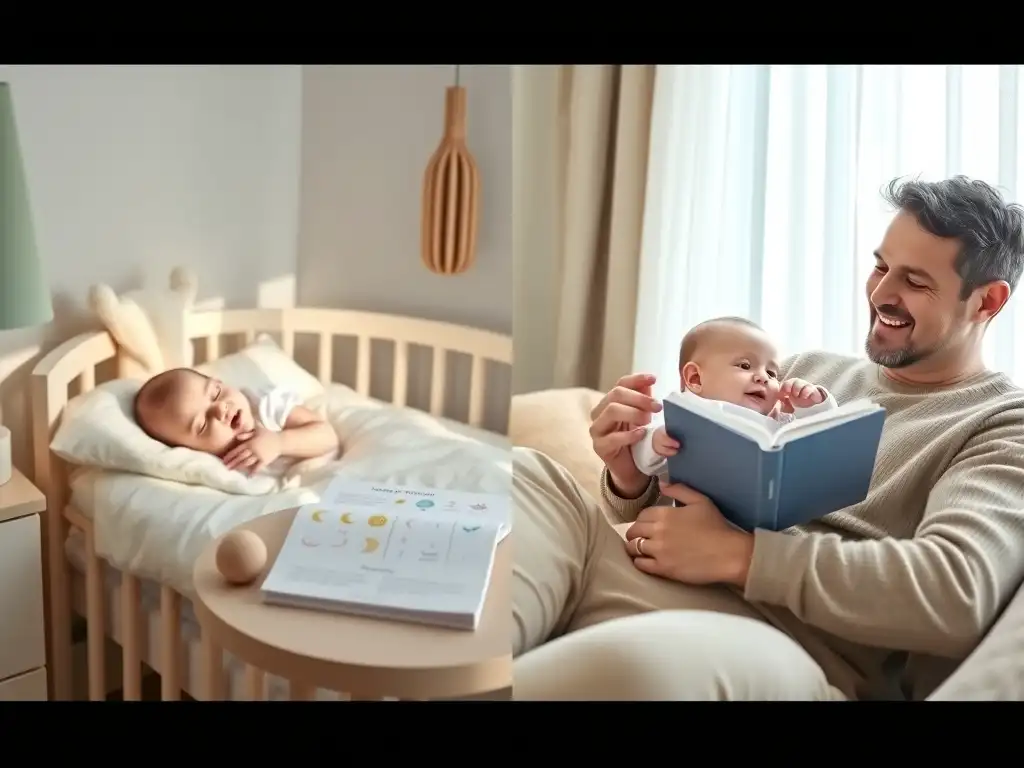
This section focuses on developing a customized sleep training plan for your baby, understanding that every child is unique. We'll explore how to set realistic goals, select an appropriate sleep training method, and establish a consistent bedtime routine tailored to your baby's needs and your family's lifestyle. Remember, consistency and patience are key to successful sleep training. This guide provides a framework; adjustments may be needed based on your baby's individual responses.
Setting Realistic Sleep Goals for Your Baby
Setting achievable sleep goals is crucial for a successful sleep training journey. Avoid comparing your baby to others; each baby develops at their own pace. Instead, focus on age-appropriate sleep expectations. Consider these factors when setting goals:
- Age: A newborn's sleep patterns differ significantly from a 6-month-old's. Newborns may only sleep for short stretches, while older infants can consolidate their sleep into longer periods.
- Developmental Milestones: Teething, growth spurts, and developmental leaps can disrupt sleep. Be mindful of these periods and adjust your expectations accordingly. A temporary regression might require a slight modification of your plan, not a complete overhaul.
- Individual Temperament: Some babies are naturally more independent sleepers than others. Recognize your baby's temperament and adjust your approach to match their personality. A highly sensitive baby may require a gentler approach than a more robust one.
Example Age-Appropriate Sleep Goals:
| Age Range | Approximate Total Sleep (hours) | Daytime Naps (number & duration) | Nighttime Sleep (hours) |
|---|---|---|---|
| 0-3 Months | 14-17 | 3-4 naps (1-2 hours total) | 8-10 |
| 4-6 Months | 12-15 | 2-3 naps (1-1.5 hours total) | 9-12 |
| 7-12 Months | 11-14 | 1-2 naps (1-1.5 hours total) | 10-12 |
Remember, these are averages. Slight variations are normal and should not cause undue concern. The key is to focus on gradual improvements rather than striving for perfection overnight. Celebrating small victories along the way will maintain your motivation and patience.
Choosing a Sleep Training Method
Several sleep training methods exist, each with its own approach and philosophy. Choosing the right one depends on your baby's age, temperament, and your family's preferences. Research various methods thoroughly before implementation. Some popular methods include:
- Ferber Method (Graduated Extinction): Involves gradually increasing the time intervals between comforting your baby.
- Cry-It-Out (CIO): Lets the baby cry for a set period before intervention. This method is considered more extreme and may not be suitable for all families.
- Pick Up, Put Down (PUP): Involves comforting the baby and putting them back down repeatedly until they fall asleep.
- Positive Reinforcement: Focuses on rewarding good sleep habits.
It's crucial to select a method that aligns with your parenting style and values. There's no "one-size-fits-all" solution. Consider consulting a pediatrician or child sleep specialist for personalized guidance. Remember, consistency is crucial, regardless of the chosen method. Switching methods frequently can confuse your baby and hinder progress.
Establishing a Consistent Bedtime Routine
A predictable bedtime routine signals to your baby that it's time to sleep. This routine should be calming and relaxing, and should be followed consistently each night. Here are some elements to include:
- Warm Bath: A warm bath can help relax your baby before bed.
- Massage: Gentle massage can soothe and calm your baby.
- Quiet Play or Reading: Engage in quiet activities to wind down.
- Nursing or Bottle Feeding: Feeding can be a part of the routine, but avoid overfeeding.
- Story Time: Reading a bedtime story can create a comforting association with sleep.
- Lullaby or Soft Music: Soothing sounds can help promote relaxation.
The routine should be age-appropriate and should last around 30-45 minutes. Keep it consistent, even on weekends, to maintain predictability. The consistency of the routine is more important than the specific activities included. A well-established routine can significantly improve your baby's sleep quality and reduce nighttime wakings. Remember to adjust the routine as your baby grows and their needs change. Flexibility is key, but maintaining a consistent structure is vital for success.
Implementing Your Baby Sleep Training Plan: Practical Steps
This section details the practical steps involved in implementing your personalized baby sleep training plan. Remember, consistency and patience are key to success. This guide focuses on helping you navigate the practical aspects of execution, building upon the personalized plan you've already created. We will cover preparing the sleep environment, gradually introducing your chosen method, and finally, monitoring progress and adapting as necessary. This approach is crucial for achieving a positive and effective sleep training experience for both you and your baby. This is your personalized baby sleep training plan guide to success!
Preparing Your Baby's Sleep Environment
Creating a conducive sleep environment is paramount for successful sleep training. This involves optimizing the room's temperature, lighting, sounds, and overall comfort. A comfortable and predictable sleep environment helps signal to your baby that it's time to sleep.
Consider these factors:
- Temperature: Aim for a slightly cool room, around 68-72°F (20-22°C). Overheating can disrupt sleep. Use a thermometer to monitor the temperature accurately.
- Lighting: Darkness promotes melatonin production, crucial for sleep. Use blackout curtains or blinds to minimize light exposure. A nightlight with a very low, dim setting can be helpful for older babies who may fear the dark.
- Sounds: White noise machines or fan noise can mask disruptive sounds and create a soothing ambiance. Experiment with different sounds to find what works best for your baby. However, ensure the volume is low and doesn't damage your baby's hearing.
- Comfort: Ensure your baby's bedding is clean, comfortable, and safe. Follow safe sleep guidelines diligently to minimize risks. A firm mattress, fitted sheet, and a sleep sack (instead of loose blankets) are recommended.
Remember, consistency is vital. Maintaining a consistent sleep environment across all naps and nighttime sleep will reinforce the sleep cues you are trying to establish. This helps your baby learn to associate the environment with sleep.
Gradual Implementation of Chosen Sleep Training Method
Once you've prepared the sleep environment, it's time to gradually implement your chosen sleep training method (e.g., Ferber, Cry-It-Out, Pick-Up-Put-Down). Rushing the process can lead to setbacks and frustration. A gradual approach allows your baby to adjust more easily.
Here's a suggested phased implementation:
| Phase | Description | Duration (Example) | Key Considerations |
|---|---|---|---|
| 1 | Introduce a consistent bedtime routine. | 1-2 days | Establish predictability and calmness. |
| 2 | Begin implementing the chosen sleep training method for one nap. | 3-5 days | Monitor your baby's response and adjust as needed. |
| 3 | Expand the sleep training method to all naps and bedtime. | 7-10 days | Be patient and consistent, even during challenging times. |
| 4 | Evaluate progress and make minor adjustments as needed. | Ongoing | Celebrate successes and address challenges strategically. |
This is a general guideline; your specific timeline may differ depending on your baby's age, temperament, and the chosen method. Remember to consult your pediatrician if you have any concerns. The goal is not to eliminate crying entirely, but to gradually teach your baby to self-soothe and fall asleep independently. This is the core of a successful baby sleep training plan guide.
Monitoring Progress and Adjusting the Plan as Needed
Regularly monitoring your baby's sleep progress is crucial. Keep a sleep diary to track sleep patterns, wake-ups, and any changes in your baby's behavior. This detailed record helps you identify trends and make informed adjustments to your plan.
Consider these points:
- Tracking Sleep: Note the time your baby falls asleep, the number of wake-ups, and the duration of each sleep cycle. Observe any patterns that emerge.
- Responding to Changes: If your baby experiences a setback (e.g., increased crying, shorter sleep periods), don't immediately abandon the plan. Try making small adjustments, such as extending the check-in intervals or revisiting the bedtime routine. Sometimes a temporary regression is normal.
- Flexibility: Your sleep training plan is not set in stone. Be flexible and willing to make adjustments as needed. What works for one baby may not work for another. Remember, you are the expert on your own baby. This adaptive approach is a cornerstone of any effective baby sleep training plan guide.
Remember, consistency is key, but flexibility is also important. Celebrate the small victories along the way and remember that this is a journey, not a race. With patience and persistence, you can successfully implement your personalized baby sleep training plan and achieve improved sleep for both you and your baby.
Troubleshooting Common Challenges During Baby Sleep Training
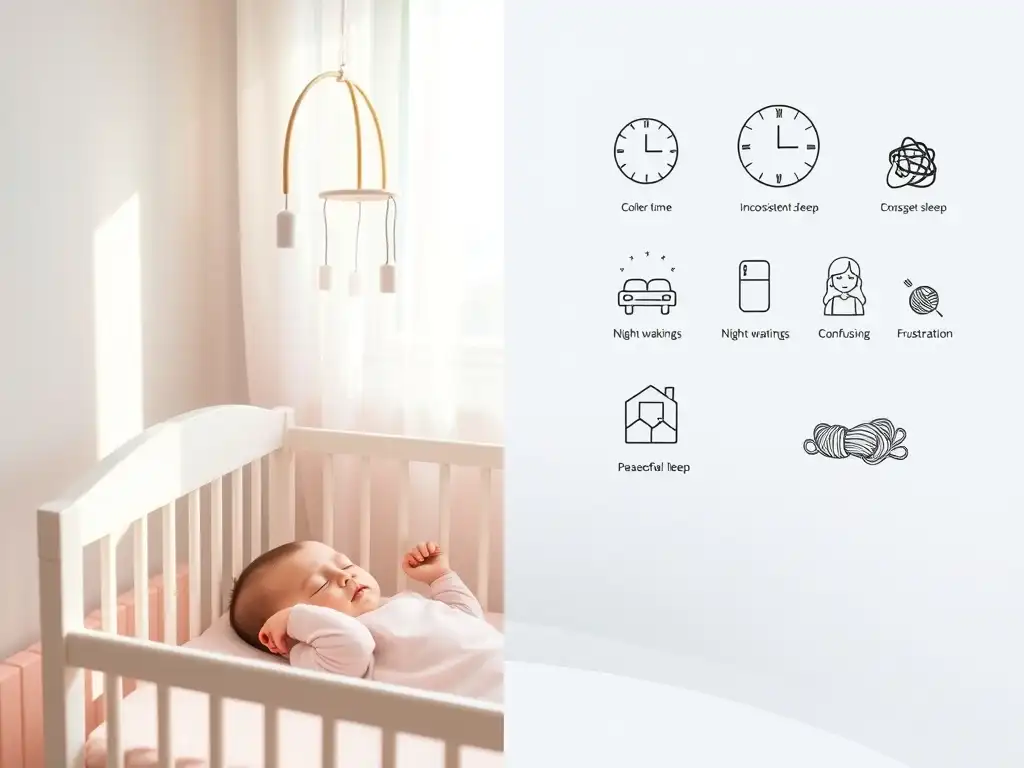
This section delves into the common hurdles parents face when implementing a baby sleep training plan. Remember, consistency and patience are key. While every baby is unique, understanding these challenges and how to address them can significantly improve your chances of success. This guide focuses on practical solutions to help you navigate the process and achieve better sleep for both you and your little one. We'll explore strategies for dealing with night wakings, regressions, and separation anxiety, all crucial aspects of a successful baby sleep training plan guide.
Dealing with Night Wakings and Resistance to Sleep
Night wakings are incredibly common, especially during the transition to independent sleep. Many babies wake multiple times throughout the night, often due to hunger, discomfort, or simply needing reassurance. However, consistently responding to every wake can inadvertently reinforce nighttime feedings and hinder the development of independent sleep skills.
Instead of rushing to your baby at every stir, try a gentle approach:
- Graduated Extinction: This method involves gradually increasing the time you wait before responding to your baby's cries. Start with short intervals (e.g., 5 minutes), gradually increasing the time as your baby learns to self-soothe. This requires patience and consistency. Remember, your baby is learning a new skill, and setbacks are possible.
- Check-Ins: Offer brief check-ins at predetermined intervals, offering comfort without fully engaging in interaction. A pat on the back, a quiet shushing, or simply reassuring words can sometimes be enough to help your baby settle back down.
- Create a Consistent Bedtime Routine: A predictable and relaxing bedtime routine helps signal to your baby that it's time to sleep. This could include a warm bath, a massage, reading a book, or singing a lullaby. Consistency is crucial for establishing a healthy sleep-wake cycle.
Remember to rule out medical reasons for night wakings. If your baby is consistently waking due to pain or discomfort, consult your pediatrician. Tracking your baby's sleep patterns using a sleep diary can help identify patterns and pinpoint potential causes of night wakings. This data can be invaluable in adjusting your sleep training plan.
Addressing Regression in Sleep Patterns
Sleep regressions are periods of disrupted sleep that occur even after your baby seems to have mastered independent sleep. These regressions are often triggered by developmental leaps, illness, teething, or changes in routine. They are temporary, but can be challenging for parents.
Here’s how to navigate them:
- Maintain Consistency: Despite the regression, stick to your established sleep training plan as much as possible. Consistency is crucial for reassuring your baby and reinforcing learned sleep skills. Deviating from the routine could prolong the regression.
- Identify Potential Triggers: Try to identify the underlying cause of the regression. Is your baby teething? Are they experiencing a developmental leap? Understanding the cause can help you address the issue more effectively and provide appropriate support.
- Offer Extra Comfort: During a regression, it's okay to offer additional comfort and reassurance, but avoid reverting back to old habits. A gentle pat, a quiet song, or a reassuring presence can help your baby feel secure without disrupting the overall sleep training plan.
It's important to remember that sleep regressions are normal and temporary. With patience and consistency, your baby will eventually return to their previous sleep patterns. Documenting the regression – noting the duration, potential triggers, and your responses – will be valuable for future reference and could even inform adjustments to your baby sleep training plan guide.
Handling Separation Anxiety During Sleep Training
Separation anxiety is a common developmental phase, often peaking between 8 and 18 months. This can make sleep training particularly challenging, as your baby may become distressed when left alone in their crib.
Here are some helpful strategies:
- Gradual Separation: Instead of abruptly leaving your baby's room, gradually increase the time you spend away from the crib. Start with short periods, gradually extending the time as your baby becomes more comfortable.
- Create a Sense of Security: A familiar object, such as a favorite blanket or stuffed animal, can provide a sense of comfort and security. A consistent bedtime routine also helps create a predictable and reassuring environment.
- Positive Reinforcement: Celebrate small victories. Praise and reward your baby's efforts to self-soothe and fall asleep independently. Positive reinforcement helps build confidence and encourages continued progress.
- Consider a Transitional Object: A special blanket or toy can provide comfort and a sense of security during sleep, bridging the gap between you and independent sleep.
Remember, separation anxiety is a normal part of development. Patience and understanding are crucial. By gradually increasing separation and providing a secure environment, you can help your baby overcome their anxiety and develop independent sleep skills. A well-defined and personalized baby sleep training plan guide, tailored to your baby's specific needs and developmental stage, can prove invaluable in navigating this phase.
Maintaining Consistency and Long-Term Sleep Success
Consistency is the cornerstone of successful baby sleep training. A haphazard approach will only lead to frustration for both you and your little one. This section focuses on strategies to maintain consistency and build a long-term sleep solution, rather than a quick fix. Think of it as cultivating healthy sleep habits, not just achieving a single night of restful sleep. This is crucial for establishing a strong foundation for your baby's sleep development and your own well-being. The key is understanding that sleep training isn't a one-time event, but an ongoing process of refinement.
Building a Sustainable Sleep Schedule for Your Baby
Creating a sustainable sleep schedule requires careful observation of your baby's cues and a willingness to adapt. Avoid rigid schedules that don't account for individual variations. Instead, aim for a predictable routine that incorporates consistent wake windows, nap times, and bedtime. This predictability provides a sense of security and helps regulate your baby's internal clock.
Consider your baby's age and development when designing the schedule. A newborn's sleep patterns will differ significantly from those of a six-month-old. Tracking your baby's sleep and wake times using a sleep log can be immensely helpful in identifying patterns and adjusting the schedule as needed. This data-driven approach allows for personalized adjustments, leading to a more effective and sustainable sleep plan. For example, if you notice your baby consistently wakes up after 3 hours of sleep, you may need to adjust their bedtime or nap times slightly.
Remember, flexibility is key. Life happens! Occasional deviations from the schedule are perfectly acceptable. The goal isn't robotic adherence, but rather the establishment of a general rhythm and routine that promotes healthy sleep. Don't be discouraged by occasional setbacks; instead, view them as opportunities for refinement and adjustment.
Recognizing Signs of Sleep Deprivation in Both Baby and Parents
Sleep deprivation affects everyone, especially parents of young children. Recognizing the signs of sleep deprivation in both yourself and your baby is crucial for effective sleep training and overall well-being. For babies, common signs include:
- Increased fussiness and irritability
- Difficulty settling down for naps or bedtime
- Frequent waking during the night
- Changes in feeding patterns
- Developmental delays (in more extreme cases)
For parents, the signs can be more subtle, but equally impactful:
- Impaired cognitive function, including difficulty concentrating and making decisions
- Mood swings and increased irritability
- Reduced physical performance and increased risk of accidents
- Weakened immune system, making you more susceptible to illness
Addressing sleep deprivation is paramount. It's not just about getting your baby to sleep; it's about ensuring everyone in the family gets enough rest. Consider seeking support from family or friends, or utilizing resources like postpartum doulas or sleep consultants. Prioritizing self-care, even in small ways, can make a significant difference. This might include taking short breaks during the day, delegating tasks, or simply allowing yourself time to rest when your baby sleeps. Remember, you can't pour from an empty cup.
Seeking Professional Help When Needed
Sometimes, despite your best efforts, sleep training can be challenging. If you've tried various methods and are still struggling, don't hesitate to seek professional help. A pediatric sleep consultant or a qualified healthcare professional can provide personalized guidance and support tailored to your baby's specific needs. They can assess potential underlying medical conditions that may be contributing to sleep problems, such as reflux, allergies, or other health concerns. They can also offer valuable strategies and techniques that you may not have considered.
Remember, seeking professional help is not a sign of failure, but rather a sign of proactive parenting. Many resources are available to support you, and seeking assistance early can prevent long-term sleep issues and improve the overall well-being of your family. Don't be afraid to ask for help; you are not alone in this journey. A good sleep consultant will offer support and guidance, empowering you to create a sustainable sleep plan for your baby and a more restful life for your entire family. 😴
Baby Sleep Training Plan Guide: Resources and Further Support
This section provides additional resources to complement your personalized baby sleep training plan. Remember, consistency and patience are key, and seeking further support can be invaluable during this journey. Finding the right resources tailored to your family's needs will significantly impact your success.
Recommended Books and Articles on Baby Sleep Training
Navigating the world of baby sleep can feel overwhelming. To help you, we've compiled a list of highly-rated books and articles that offer different approaches and perspectives on baby sleep training. Remember that every baby is unique, and what works for one family may not work for another. The goal is to find strategies that align with your parenting philosophy and your baby's individual temperament.
Choosing the right resources is crucial. Some books focus on specific methods like the Ferber method or the extinction method, while others offer a more holistic approach, incorporating elements of positive parenting and responsive care. Reading reviews and comparing different approaches will help you make an informed decision.
Here are some examples of book titles and article topics you might find helpful (note: these are examples only, and specific titles and authors are omitted to avoid the inclusion of links):
- Book Examples: The Baby Whisperer, Healthy Sleep Habits, Happy Child, Precious Little Sleep, No-Cry Sleep Solution. These books often provide detailed schedules, tips for creating a conducive sleep environment, and strategies for addressing common sleep disruptions.
- Article Examples: Articles focusing on topics such as "Understanding Baby Sleep Cycles," "Creating a Consistent Bedtime Routine," "Addressing Night Wakings," and "The Importance of a Safe Sleep Environment" can provide valuable insights and practical advice. Look for articles written by pediatricians, child sleep specialists, or other qualified professionals.
Consider the following when selecting resources:
| Criterion | Description |
|---|---|
| Author Credentials | Verify the author's expertise in child development or sleep science. |
| Publication Date | Newer publications generally reflect the latest research and best practices. |
| Parent Reviews | Look for reviews from other parents to gauge the book's effectiveness. |
| Approach | Choose a method that aligns with your parenting philosophy and baby's needs. |
Remember to always prioritize your baby's safety and well-being. If you have any concerns, consult with your pediatrician or a qualified healthcare professional.
Online Communities and Support Groups for Parents
The journey of baby sleep training is rarely a solo one. Connecting with other parents facing similar challenges can provide invaluable support, encouragement, and a sense of community. Sharing experiences, exchanging tips, and receiving empathy from others who understand can make a significant difference.
Many online platforms offer forums and groups specifically dedicated to baby sleep. These communities can be a great resource for:
- Sharing experiences: Learn from the successes and challenges of other parents.
- Finding solutions: Get advice and support from experienced parents.
- Building confidence: Gain confidence in your chosen sleep training method.
- Reducing feelings of isolation: Connect with others who understand your struggles.
When participating in online communities, remember to:
- Be mindful of your privacy: Avoid sharing overly personal information.
- Be respectful of others: Engage in constructive conversations and avoid judgment.
- Seek professional advice: Don't rely solely on online advice; consult a professional if needed.
- Validate your feelings: Recognize that it's okay to seek help and support.
Remember that finding the right support system can significantly improve your sleep training journey. Connecting with other parents, accessing reliable information, and consulting professionals when necessary will help you navigate this challenging, yet rewarding phase of parenthood. 😴 Good luck!
Frequently Asked Questions
What is a sleep training plan, and why is it important?
A sleep training plan is a structured approach to help your baby learn to fall asleep independently and sleep through the night. It's important for both your baby's and your own health and well-being, promoting better sleep for everyone.
How do I create a personalized sleep training plan for my baby?
Consider your baby's age, temperament, and sleep patterns. Choose a method that aligns with your parenting style and values, such as Ferber, cry-it-out, or positive reinforcement. Consistency is key to success.
What are some common sleep training methods, and which one is best for my baby?
Popular methods include Ferber, Pick Up Put Down, and Gentle Sleep Training. There's no single "best" method; the ideal choice depends on your baby's individual needs and your family's preferences. Consult your pediatrician for personalized advice.
How long does it typically take to see results from a sleep training plan?
Results vary, but you might start to see improvements within a few days to a couple of weeks. Consistency and patience are crucial. Don't get discouraged if it takes longer than expected; every baby is different.
What if my baby is still waking up frequently after sleep training?
Review your plan and ensure you're following it consistently. Consider whether your baby's sleep environment is optimal (dark, quiet, comfortable). If problems persist, consult your pediatrician or a sleep consultant to rule out any underlying medical issues.
Final Reflection: Weaving the Tapestry of Peaceful Sleep
The quest for a good night's sleep isn't just a parental aspiration; it's a fundamental pillar of family well-being. A well-rested baby translates to a well-rested parent, fostering stronger bonds and creating a more harmonious home environment. This article has explored the intricacies of crafting a personalized sleep training plan, emphasizing the importance of understanding your baby's unique needs and temperament.
The journey of sleep training is a deeply personal one, filled with both challenges and triumphs. It's a process that profoundly shapes the family dynamic, impacting not only the child's development but also the parents' emotional and physical health. The subtle shifts in routine, the quiet moments of connection during bedtime rituals, and the eventual reward of a peaceful night's sleep—these are the threads that weave the tapestry of family life. Sleep is the golden chain that ties health and our bodies together.
- Thomas Dekker. This quote beautifully encapsulates the profound impact of sleep on our overall well-being, extending far beyond the individual to encompass the entire family unit.
Now, consider your own family's unique rhythm. Reflect on your baby's cues, their personality, and your family's values. Don't be afraid to adapt and adjust the strategies outlined in this guide to create a plan that truly resonates with your family. Remember, there's no one-size-fits-all solution; the most effective approach is the one that fosters a sense of calm, connection, and ultimately, peaceful sleep for everyone. Embrace the journey, celebrate the small victories, and know that you are not alone in this beautiful, challenging, and ultimately rewarding experience.
Unleash Your Baby's Zzz's: Create Your Personalized Sleep Plan Now!
Thank you for learning about creating a personalized sleep training plan! You've gained valuable insights into helping your little one (and yourself!) get the rest you deserve. Now it's time to put that knowledge into action.
- Prioritize one key sleep-related habit: Choose one area from the article, such as establishing a consistent bedtime routine, adjusting your baby's nap schedule, or addressing nighttime wakings, and focus on implementing a small change this week. Even a tiny adjustment can make a significant difference!
- Share your progress: Tell us about your experience in the comments below—we'd love to hear how things are going and offer support if you need it. Connecting with others is a great way to stay motivated.
- Track your baby's sleep: Keep a sleep diary for a few days. You might uncover hidden patterns or triggers that weren't apparent before—providing valuable data for further refinement!
Ready to unlock better sleep for your baby and yourself? What's the one small change you'll make today?