
The Connection Between White Noise and Baby's Wake Windows

Welcome to BabyCareHub, your ultimate guide to navigating the incredible journey of parenthood! Are you struggling to understand the mysterious connection between white noise and your baby's wake windows? We'll unravel the science behind this sleep-enhancing technique and help you create a smoother, more restful experience for both you and your little one. Discover the secrets to optimizing your baby's sleep patterns and learn how to effectively use white noise to maximize their wake windows – read on to unlock the power of peaceful slumber!
- Understanding Baby Wake Windows and Sleep Cycles
- White Noise: A Deep Dive into its Effects on Sleep
- The Correlation Between White Noise and Extended Wake Windows
- Optimizing White Noise Use for Healthy Sleep and Wake Windows
- White Noise and Wake Windows: Troubleshooting Common Issues
- Frequently Asked Questions
- Final Reflection: The Lullaby of Progress: Understanding White Noise and Wake Windows
- Unlock Your Baby's Sleep Potential: A Calmer Night Awaits!
Understanding Baby Wake Windows and Sleep Cycles
Navigating the world of newborn sleep can feel like deciphering a complex code. First-time parents often grapple with inconsistent sleep patterns, frequent night wakings, and the ever-elusive question: how long should my baby be awake before their next nap? This article delves into the fascinating connection between baby wake windows, sleep cycles, and the often-debated role of white noise in optimizing your little one's rest. We'll explore how understanding these elements can significantly improve your baby's sleep and, consequently, your family's well-being.
This guide is designed to empower you with knowledge to create a more predictable and restful sleep schedule for your baby, using white noise as a potential tool in your sleep training arsenal. We'll cover optimal awake times for different ages, the importance of consistency, and how white noise can subtly influence sleep cycles for improved sleep consolidation. Prepare to decode the mysteries of baby sleep!
Defining Baby Wake Windows: Optimal Awake Time for Infants
Baby wake windows refer to the periods of time your baby is awake between sleep cycles. These windows aren't fixed and vary greatly depending on your baby's age and individual temperament. For example, a newborn (0-3 months) might only tolerate wake windows of 45-60 minutes before showing clear signs of tiredness, such as rubbing their eyes, yawning excessively, or becoming fussy. As they grow, their wake windows gradually increase. A 3-6 month old might manage 1-1.5 hours, while a 6-12 month old might be awake for 1.5-2 hours.
It's crucial to observe your baby's cues. Don't wait until they're completely overtired, as this can make it harder for them to fall asleep and may lead to shorter, less restful sleep. Aim to put your baby down for a nap before they become overly tired. The following table provides a general guideline, but remember that each baby is unique:
| Age Range | Approximate Wake Window (in hours) | Notes |
|---|---|---|
| Newborn (0-3m) | 0.75 - 1 | Very short windows; frequent naps are the norm. |
| 3-6 Months | 1 - 1.5 | Windows begin to lengthen; some babies may show more variability. |
| 6-12 Months | 1.5 - 2 | More predictable sleep patterns start to emerge. |
| 12-18 Months | 2 - 2.5 | Longer wake windows allow for more playtime and interaction. |
Remember that these are just estimates. Consistent observation of your baby's cues is key to determining their ideal wake windows. Tracking your baby's sleep and awake times in a journal can be incredibly helpful in identifying patterns and adjusting their schedule accordingly.
The Importance of Consistent Wake Windows for Healthy Sleep Patterns
Establishing and maintaining consistent wake windows is paramount for promoting healthy sleep patterns in babies. Consistency helps regulate their internal body clock (circadian rhythm), leading to improved sleep quality and more predictable sleep-wake cycles. When wake windows are inconsistent, it can disrupt this rhythm, resulting in difficulty falling asleep, frequent night wakings, and overall sleep deprivation for both baby and parents. 😴
Think of it like this: Imagine trying to go to bed at a different time every night. Your body would struggle to adjust, resulting in poor sleep. The same principle applies to babies. By sticking to a relatively consistent wake window schedule, you're helping your baby's body learn to anticipate sleep and wake times, making the transition smoother and more efficient. This consistency is a cornerstone of effective sleep training and contributes significantly to longer stretches of uninterrupted sleep. Even small variations in wake windows can have a noticeable impact.
How Sleep Cycles Affect Wake Windows and White Noise's Role
Babies, unlike adults, cycle through different sleep stages more frequently and have shorter sleep cycles. Understanding these cycles is crucial to understanding why wake windows are so important. Babies often awaken briefly between sleep cycles, and if they’re overtired, these brief awakenings can become more frequent and disruptive, leading to difficulty returning to sleep.
This is where white noise can play a subtle but potentially beneficial role. White noise, a consistent, low-level sound, can mask sudden noises that might otherwise startle a baby awake during a sleep cycle transition. By providing a constant auditory backdrop, white noise can help create a more stable and soothing sleep environment, potentially reducing the frequency of these brief awakenings.
It's important to note that white noise is not a magic bullet, and its effectiveness varies from baby to baby. However, for some infants, it can be a helpful tool in promoting longer, more consolidated sleep periods within their wake windows. Always ensure the volume is low and appropriate for your baby's hearing.
White Noise: A Deep Dive into its Effects on Sleep
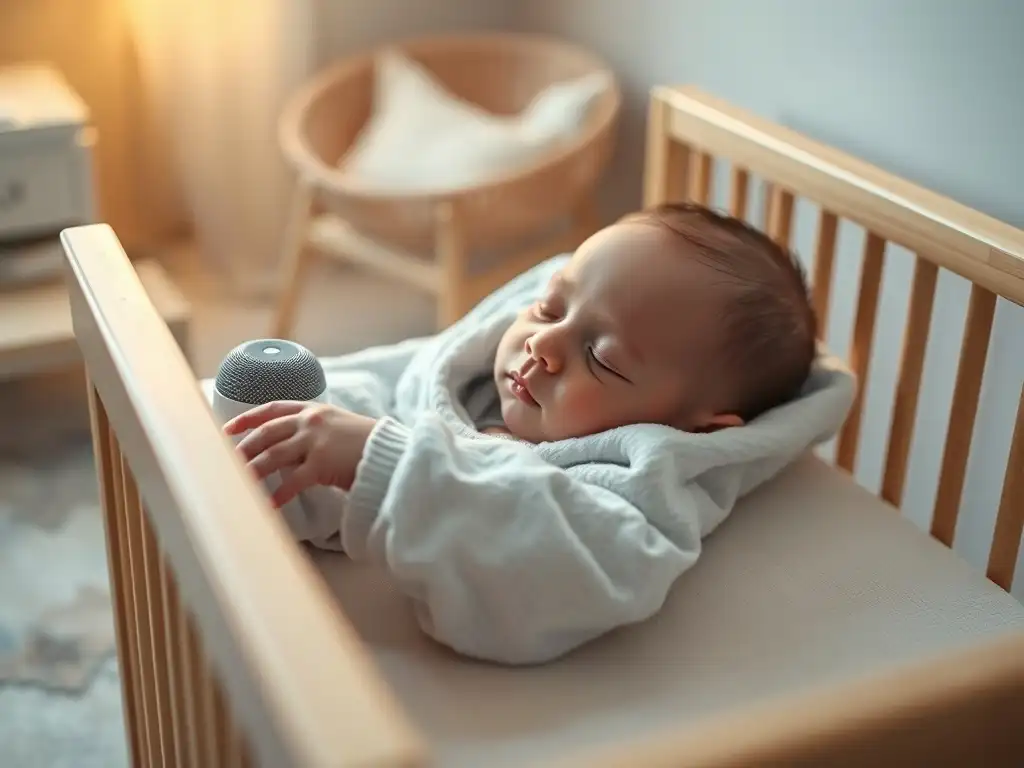
White noise, a consistent blend of sounds across the frequency spectrum, has become a popular tool for parents seeking to improve their baby's sleep. But how does it actually work, and is it truly effective in influencing wake windows? This section delves into the science and practical applications of white noise for babies, specifically focusing on its impact on wake windows – the periods of time a baby stays awake between sleep cycles.
Understanding this connection can significantly improve sleep routines and contribute to a more rested baby and parent. The key here is to understand that white noise doesn't cause sleep, but rather optimizes the sleep environment, potentially leading to longer sleep stretches and reduced nighttime wakings. This is particularly relevant to the keyword "white noise baby wake windows," as we'll explore the relationship between the two.
How White Noise Works: Masking Distracting Sounds
White noise's primary function is to mask distracting sounds. A baby's hearing is incredibly sensitive, and even subtle noises – a creaking floorboard, a distant car horn, or a sibling's cough – can disrupt their sleep. White noise acts as a sonic blanket, creating a consistent auditory backdrop that makes these disruptive noises less perceptible.
Think of it like this: imagine trying to concentrate on a conversation in a noisy restaurant. The background chatter is constant and somewhat overwhelming, but it's the sudden loud clanging of dishes that jars you. White noise provides that consistent background hum, diminishing the impact of those sudden, jarring sounds.
This allows the baby to stay asleep longer, potentially extending their wake windows during the day and leading to more consolidated sleep at night. Studies have shown a correlation between consistent white noise exposure and improved sleep quality in infants, specifically in reducing the frequency of night wakings. The efficacy varies from baby to baby, however, highlighting the importance of finding the right type and volume of white noise for your individual child.
Types of White Noise and Their Effectiveness for Babies
Not all white noise is created equal. While the term "white noise" suggests a uniform sound, there are variations that can be more or less effective for babies.
- True White Noise: This is a uniform blend of all audible frequencies, often described as a static-like hiss. While effective, some babies find it too harsh.
- Pink Noise: Pink noise has a deeper, richer sound, with more energy at lower frequencies. Many parents find this more soothing for their babies.
- Brown Noise: Even deeper than pink noise, brown noise is characterized by its deep rumble. It's often preferred for babies who are easily startled by higher frequencies.
- Nature Sounds: Sounds like rain, ocean waves, or gentle streams can also be effective in masking disruptive noises and providing a calming auditory environment. These often blend better with a baby's natural soundscape.
The effectiveness of each type is subjective and depends on the individual baby's preferences and sensitivities. Experimentation is key to finding what works best. Remember, the goal is to create a consistently calming soundscape, not to overwhelm the baby with excessively loud or jarring noises. Monitoring your baby's response is crucial; if they seem distressed, adjust the volume or try a different type of white noise.
Choosing the Right White Noise Machine or App for Your Baby
Several options exist for introducing white noise into your baby's sleep environment:
- Dedicated White Noise Machines: These offer various sound options, volume control, and often timers for automated shutoff. The benefit lies in their dedicated purpose and durability.
- White Noise Apps: Smartphone apps provide a wide range of sounds and features, offering convenience and flexibility. However, ensure the app's volume is consistently monitored. Consider using an app that allows for scheduling and doesn't require the phone to be constantly on.
- Ambient Sounds from Nature: A simple fan or an app playing nature sounds can provide a softer, more natural alternative to electronic white noise.
Regardless of the method chosen, prioritize safety and volume control. Keep the volume at a low level, similar to the sound of a gentle rainfall. Excessive volume can damage your baby's hearing. Always place the machine or device out of your baby's reach to prevent accidents.
Regularly check battery life for devices and ensure the sound is consistently low and even. Remember that the goal is to create a soothing environment that supports, rather than overwhelms, your baby's sleep. This approach will help you use white noise effectively to manage your baby's wake windows and promote better rest for both you and your little one.
The Correlation Between White Noise and Extended Wake Windows
White noise is often touted as a sleep aid for babies, but its relationship with wake windows is complex and not fully understood. While many parents report success using white noise to help their babies sleep longer stretches, anecdotal evidence doesn't equate to scientific proof. This section will explore the potential correlation between white noise and extended wake windows, examining both the purported benefits and potential drawbacks.
Understanding this nuanced relationship is crucial for parents seeking to optimize their baby's sleep and overall well-being. We'll delve into the science behind the claims, addressing the common question: "Does white noise really impact wake windows?" and analyze potential contributing factors often overlooked.
The goal is to provide an evidence-based perspective on this popular parenting practice, helping parents make informed decisions about incorporating white noise into their baby's sleep routine. Remember, every baby is unique, and what works for one might not work for another.
Does White Noise Actually Extend Wake Windows? Exploring the Myth
The notion that white noise extends baby wake windows is largely a myth, fueled by anecdotal evidence and a lack of robust scientific studies. While some parents report their babies staying awake longer when exposed to white noise, this is likely due to other contributing factors, rather than a direct causal link. For instance, the type of white noise, its volume, and the baby's individual sensitivity all play a significant role. A harsh, loud sound machine could indeed be stimulating, disrupting sleep instead of promoting it. Conversely, a softly played, nature-inspired white noise track might aid in sleep consolidation.
Furthermore, the baby's overall sleep schedule, developmental stage, and underlying health conditions significantly influence wake windows. A baby experiencing a growth spurt, teething pain, or an illness might have shorter or longer wake windows regardless of white noise exposure. Therefore, attributing extended wake windows solely to white noise is an oversimplification. More research is needed to establish a definitive causal relationship between white noise and extended wake windows. Currently, the available evidence is insufficient to support this claim definitively.
White Noise and Overstimulation: Potential Negative Impacts
While often beneficial, excessive or inappropriately used white noise can lead to overstimulation in babies. This overstimulation can manifest in various ways, including increased fussiness, difficulty settling, and disrupted sleep cycles. The intensity and frequency of the white noise are key factors to consider. A machine emitting high-frequency sounds or played at a high volume can be jarring and overstimulating for a baby's sensitive auditory system. Think of it like this: imagine trying to sleep in a constantly noisy environment – it would be difficult! The same principle applies to babies.
Moreover, the continuous exposure to white noise might mask important auditory cues. Babies learn and develop through sensory input, and constantly blocking out environmental sounds might hinder this crucial developmental process. This doesn't mean avoiding white noise entirely, but using it judiciously and monitoring its impact on the baby's overall development is vital. A balanced approach is essential, prioritizing a calm and nurturing sleep environment over relying solely on technological aids.
Identifying Signs of Overstimulation from White Noise
Recognizing signs of overstimulation from white noise is crucial for adjusting the baby's sleep environment. These signs can include increased fussiness, difficulty settling down, frequent awakenings, and changes in sleep patterns. Babies might also exhibit increased irritability, difficulty feeding, and excessive crying. If you notice any of these changes after introducing white noise, it's essential to reassess its use and consider alternative strategies for promoting better sleep.
Observing your baby's cues is paramount. If your baby seems stressed or agitated while the white noise is playing, it's a clear sign that the sound might be causing overstimulation. Consider lowering the volume, changing the type of white noise, or temporarily discontinuing its use. Remember, a peaceful and calm sleep environment is crucial for a baby's healthy development and well-being.
Prioritize observing your baby's responses and adjusting accordingly, rather than rigidly adhering to a specific sleep routine. A flexible approach, guided by your baby's individual needs, is often the most effective. This requires careful observation and a willingness to adapt your strategies as needed. Remember, a happy and well-rested baby is the ultimate goal.
Optimizing White Noise Use for Healthy Sleep and Wake Windows
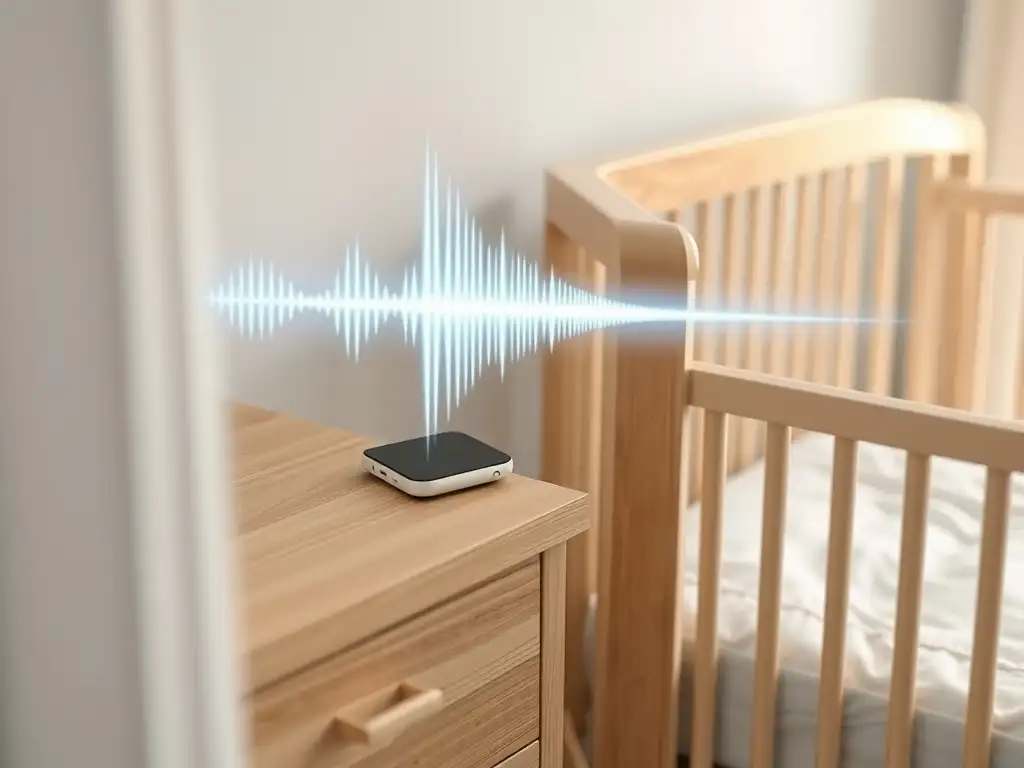
White noise can be a powerful tool in establishing healthy sleep and wake windows for your baby, but its effective use requires careful consideration and a nuanced approach. Simply turning on a white noise machine isn't a guaranteed solution; understanding your baby's individual needs and reactions is paramount. Over-reliance on white noise can mask underlying sleep issues, hindering your baby's ability to self-soothe and develop healthy sleep patterns independently.
The goal is to use white noise strategically, as a supportive element within a broader sleep training plan, rather than as a crutch. This section explores optimal strategies to maximize the benefits of white noise while minimizing potential drawbacks. Remember, consistency and observation are key to successful white noise implementation for improved baby sleep.
Gradual Introduction of White Noise: A Step-by-Step Guide
Introducing white noise gradually is crucial to avoid startling your newborn or creating an over-reliance on it. A sudden, loud noise can be upsetting. Instead, start with a low volume, and gradually increase it over several days or even weeks, depending on your baby's response.
Here's a suggested approach:
- Day 1-3: Begin with a very low volume, barely audible. Observe your baby's reactions closely. If they seem undisturbed, you can slightly increase the volume the next day.
- Day 4-7: Continue to incrementally increase the volume, always monitoring your baby's response. Look for signs of discomfort like fidgeting, increased fussiness, or changes in breathing patterns.
- Week 2 onwards: Once your baby seems comfortable with a moderate volume, maintain that level consistently during sleep periods. Avoid significant volume changes unless absolutely necessary.
Remember that the ideal volume will vary from baby to baby. Some infants are more sensitive to sound than others. Prioritize your baby's comfort and adjust accordingly. This gradual introduction allows your baby to adapt to the sound gradually, reducing the likelihood of negative reactions. This approach fosters a positive association with white noise and contributes to improved sleep quality.
Adjusting White Noise Volume: Finding the Sweet Spot
Finding the right white noise volume is essential for effective sleep support. Too loud, and it can be overstimulating and disruptive. Too quiet, and it may not be effective in masking distracting sounds. The "sweet spot" varies significantly among babies; there's no one-size-fits-all answer.
Consider these factors:
- Your baby's temperament: Some babies are more sensitive to sound than others.
- The surrounding environment: A quieter environment might require a lower volume, while a noisier environment might necessitate a higher volume.
- Your baby's sleep stage: You might find that a slightly lower volume is sufficient during deeper sleep stages.
Experiment with different volumes to determine what works best for your baby. A good rule of thumb is to keep the volume at a level where you can comfortably hear it but it doesn't overpower the environment. Regularly check the volume; it's easy to accidentally increase it over time. Always prioritize your baby's comfort and well-being. Remember to regularly reassess the optimal volume as your baby grows and develops.
| Volume Level | Description | Potential Effects |
|---|---|---|
| Very Low | Barely audible | May not be effective in masking sounds |
| Low | Easily heard but not overpowering | Generally ideal for most babies |
| Moderate | Clearly audible | May be too stimulating for some babies |
| High | Loud and potentially disruptive | Can negatively impact sleep |
Monitoring Your Baby's Response to White Noise: Recognizing Cues
Continuously monitoring your baby's response to white noise is crucial for ensuring its positive impact. Pay close attention to their sleep patterns, behavior, and overall well-being. If you notice any negative changes, it’s essential to adjust your approach.
Here are some key cues to watch for:
- Increased fussiness or crying: This could indicate the volume is too loud or the white noise is causing discomfort.
- Restlessness during sleep: Frequent waking, tossing, and turning might suggest the noise is disruptive.
- Changes in breathing patterns: Observe for any unusual breathing patterns that might suggest the noise is stressing your baby.
- Difficulty settling down: If your baby struggles to fall asleep or stay asleep even with white noise, reconsider the approach.
If you observe any of these cues, try lowering the volume, changing the type of white noise, or taking a break from using it altogether. Remember, the goal is to create a peaceful and supportive sleep environment, not to mask underlying sleep problems. Regularly evaluate its effectiveness and adjust accordingly. Your baby's comfort and healthy sleep development should always be the top priority. Don't hesitate to seek professional advice if you have concerns about your baby's sleep. Sometimes, a sleep specialist can help determine if there are other contributing factors to sleep difficulties.
When to Wean Your Baby Off White Noise: A Practical Approach
Weaning your baby off white noise isn't a race, but a gradual process tailored to your child's individual needs and developmental stage. There's no magic age or timeframe; some babies transition easily at six months, while others might need it longer. The key is to observe your baby's cues and adjust accordingly. Forcing the issue can lead to sleep regressions and increased stress for both you and your little one.
Several factors influence the optimal weaning time. Consider your baby's sleep patterns. Are they consistently sleeping through the night without relying on white noise for self-soothing? If so, you might be ready to start reducing its use. Also, assess their overall developmental progress. Babies who are more easily self-soothed and can independently manage their emotions might transition more smoothly. Conversely, babies who heavily rely on white noise to fall asleep and stay asleep may need a longer weaning period.
A practical approach involves a slow and steady reduction of white noise. Begin by gradually decreasing the volume over several nights. Then, try shortening the duration of white noise use each night, perhaps turning it off 15-30 minutes earlier than usual. Observe your baby's response. If they seem undisturbed, continue gradually reducing the reliance. However, if they show signs of distress—like increased fussiness or difficulty falling asleep—it's crucial to revert to the previous level and try again later. Patience is key during this phase.
Remember, consistency is paramount. Sudden cessation of white noise can be jarring for your baby. A gradual approach minimizes disruption and allows them to adapt at their own pace. If you notice any significant changes in their sleep patterns, don't hesitate to consult your pediatrician. They can offer personalized advice and rule out any underlying sleep issues.
The goal is a smooth transition that supports your baby's healthy sleep development, fostering a positive sleep association independent of white noise. This process might take weeks or even months, and that's perfectly alright. Focus on your baby's cues and celebrate the small victories along the way. The ultimate aim is a happy, well-rested baby who sleeps soundly—with or without the gentle hum of white noise.
White Noise and Wake Windows: Troubleshooting Common Issues
This section dives into the practical application of white noise to manage baby's wake windows and addresses common challenges parents encounter. Understanding the nuances of using white noise effectively is crucial for optimizing your baby's sleep. Remember, consistent application and careful observation are key to success. The goal isn't to eliminate all sounds, but to create a consistent and soothing auditory environment that helps your baby transition between sleep cycles.
My Baby is Still Waking Frequently Despite White Noise: Possible Reasons
Even with consistent white noise, some babies still wake frequently. This isn't necessarily a sign of failure; it highlights the complex nature of infant sleep. Several factors could be at play:
- Incorrect White Noise Volume: Too quiet, and it won't mask disruptive noises effectively. Too loud, and it can be jarring and counterproductive. The ideal volume should be akin to a gentle rainfall – easily audible but not overwhelming. Aim for a level where you can comfortably hear it but not find it intrusive.
- Inappropriate Sound Choice: Not all white noise is created equal. While "white noise" is a broad term, different sounds might suit different babies. Experiment with variations, such as pink noise (deeper, richer sound), brown noise (even deeper), or even nature sounds like ocean waves.
- Underlying Medical Conditions: Frequent waking could indicate an underlying medical issue, such as reflux, ear infections, or teething pain. If you suspect a medical problem, consult your pediatrician immediately. This is crucial for ensuring your baby's well-being.
- Developmental Leaps: Sleep regressions are common during developmental milestones. White noise might still be beneficial, but it might not be the sole solution during these periods of rapid growth and change.
- Inconsistent Use: The effectiveness of white noise hinges on consistent use. Intermittent use can confuse your baby and disrupt their sleep patterns. Maintain a consistent routine for optimal results.
Addressing Sleep Regression and White Noise Effectiveness
Sleep regressions, those periods of disrupted sleep often associated with developmental leaps, can significantly impact a baby's wake windows. While white noise can remain a helpful tool, its effectiveness might be diminished during these phases. Here's how to adapt your approach:
- Maintain Consistency: Don't abandon white noise during sleep regressions. Continuing its use provides a sense of familiarity and consistency, which can be reassuring for your baby.
- Increase Duration: You might need to extend the duration of white noise use during sleep regressions. This creates a more stable auditory environment, helping to mask any increased fussiness or restlessness.
- Consider Supplementary Strategies: Combine white noise with other proven sleep-promoting techniques, such as establishing a consistent bedtime routine, ensuring a dark and comfortable sleep environment, and addressing any potential hunger or discomfort.
- Patience is Key: Sleep regressions are temporary. Be patient, maintain consistency with your white noise strategy, and rely on other supportive strategies. Your baby will eventually settle back into more regular sleep patterns.
- Data Tracking: Keep a sleep diary to track your baby's sleep patterns during and after a sleep regression. This helps you identify potential triggers and gauge the effectiveness of your strategies, including white noise. This data-driven approach allows for personalized adjustments.
Combining White Noise with Other Sleep Strategies: A Holistic Approach
White noise is a valuable tool, but it's most effective when integrated into a broader sleep training plan. Consider these complementary strategies:
- Consistent Bedtime Routine: Establishing a predictable bedtime routine signals to your baby that it's time to sleep. This routine should include calming activities like a bath, massage, and story time.
- Dark and Comfortable Sleep Environment: Ensure the room is dark, quiet (beyond the white noise), and cool. A comfortable sleep sack or swaddle can also help.
- Appropriate Wake Windows: Understanding your baby's optimal wake windows is crucial. Overtiredness can lead to increased fussiness and difficulty falling asleep, negating the benefits of white noise.
- Addressing Hunger and Discomfort: Rule out hunger, diaper changes, and any other discomfort before resorting solely to white noise.
- Gentle Sleep Training Techniques: Consider age-appropriate sleep training methods such as the Ferber method or the extinction method, but always consult with your pediatrician or a certified sleep consultant before implementing any sleep training strategy. This ensures the safety and well-being of your baby.
Remember, a holistic approach that combines white noise with other proven techniques offers the best chance of success in establishing healthy sleep habits for both you and your baby. Consistency and patience are key ingredients in this journey. 😴
Frequently Asked Questions
What are wake windows, and why are they important for babies?
Wake windows refer to the period of time a baby is awake between sleep periods. Establishing appropriate wake windows is crucial for optimizing sleep patterns and preventing overtiredness, which can lead to difficulties falling asleep.
How does white noise affect a baby's wake window?
White noise can help extend wake windows by providing a consistent, calming background sound that masks distracting noises. This allows babies to focus on their activities and stay awake longer before needing a nap. However, it's important not to rely on it solely.
Can white noise always help extend wake windows?
No, white noise isn't a magic solution. Some babies are unaffected by it, while others might find it overstimulating. It's important to observe your baby's responses and adjust accordingly. Individual needs vary.
What type of white noise is best for regulating wake windows?
Many find fan noise or white noise machine apps beneficial. Experiment to see what your baby prefers; some sounds are more effective than others. Avoid sounds that are too loud or jarring.
At what age are wake windows and white noise most relevant?
Wake windows and the use of white noise are most relevant from around 2-3 months old, when babies start establishing more regular sleep patterns. However, the optimal wake window length will vary based on the baby's age and individual temperament.
Final Reflection: The Lullaby of Progress: Understanding White Noise and Wake Windows
The pervasive use of white noise for infants highlights a crucial intersection of modern parenting and scientific understanding. While seemingly simple, the impact of white noise on a baby's sleep patterns and wake windows is far-reaching, influencing not only the well-being of the child but also the dynamics of the entire family unit. This understanding is not just a fleeting trend; it's a cornerstone of informed parenting in the 21st century.
The evolving relationship between technology and childcare is fascinating to observe. The seemingly innocuous hum of a white noise machine speaks volumes about our desire to optimize every aspect of our children's lives, a desire that reflects both our anxieties and our aspirations for their future. The most important thing a father can do for his children is to love their mother.
This quote, while seemingly unrelated at first glance, speaks to the core of the matter: creating a peaceful and supportive environment for our children, and white noise can be a small but significant part of that.
Consider the implications of this research. Are you actively considering the role of white noise in your child's sleep routine? Perhaps you've already incorporated it, or maybe this article has sparked a new avenue of exploration. Regardless, the journey towards understanding your child's needs is a continuous process of learning, adapting, and embracing the beautiful chaos of parenthood. Take the time to reflect on your own experiences, experiment with different approaches, and remember that every child is unique, deserving of a personalized path towards healthy sleep and development.
Unlock Your Baby's Sleep Potential: A Calmer Night Awaits!
Thank you for exploring the world of white noise and baby sleep! We hope you've discovered valuable insights into how this simple tool can create a more peaceful sleep environment for your little one. Now let's put that knowledge into practice!
- Experiment with different white noise sounds: Try nature sounds, like rain or ocean waves; the hum of a fan; or a dedicated white noise machine. Finding the right sound can lead to longer, more restful sleep for both you and your baby.
- Share your experiences: Tell us in the comments below which white noise strategies you're using, or plan to try. Let's build a supportive community where parents can share their discoveries and learn from each other!
- Create a consistent bedtime routine: Incorporate your chosen white noise as part of a relaxing bedtime routine to signal to your baby that it's time to sleep. This helps establish healthy sleep habits.
Ready for a more peaceful night? What soothing sounds will you try tonight?