
CIO Safety Guidelines: Ensuring a Secure Sleep Training Process


Welcome to BabyCareHub, your ultimate guide to navigating the incredible journey of parenthood! Are you ready to unlock the secrets to peaceful nights and confident parenting? We understand the challenges of sleep training, and that's why we've created this comprehensive resource on Safe Sleep Training CIO. Discover how to implement this method responsibly and ensure your little one sleeps soundly while prioritizing their safety and well-being. Dive in and explore our expert advice – your path to a more restful future begins here!
- Understanding Safe Sleep Practices for CIO
- Preparing Your Baby for CIO: Safety First
- Monitoring Your Baby During CIO: Safety Checks
- Responding to Potential Issues During CIO: Safety Measures
- Post-CIO: Maintaining a Safe Sleep Environment
- Long-Term Safe Sleep Habits After CIO
- Addressing Regression and Maintaining Safety
- When to Seek Professional Help Regarding CIO and Baby Safety
- Frequently Asked Questions
- Final Reflection: Cultivating Safe Sleep, Cultivating Confidence
- Unlock Your Baby's (and Your!) Restful Nights
Understanding Safe Sleep Practices for CIO
Choosing to utilize the Cry It Out (CIO) method for sleep training requires a meticulous approach to ensure your baby's safety and well-being. This article provides crucial guidelines for implementing CIO while prioritizing safe sleep practices. Safe sleep training CIO is paramount, and understanding the potential risks associated with CIO and mitigating them is the cornerstone of responsible parenting.
We will delve into specific strategies to create a safe sleep environment, minimize risks during periods of controlled crying, and address common concerns surrounding this sleep training technique. Remember, the ultimate goal is to help your baby develop healthy sleep habits while ensuring their safety remains the absolute top priority.
This isn't about letting your baby cry uncontrollably; it's about implementing a structured approach that prioritizes their well-being while facilitating better sleep patterns. We'll explore the crucial elements needed to make CIO a safe and effective sleep training method for your family.
Minimizing Risks During Controlled Crying
Implementing the CIO method responsibly involves understanding and minimizing potential risks. Controlled crying, while effective for some, shouldn't involve prolonged periods of uninterrupted crying. Regular check-ins are vital. These check-ins provide reassurance and allow you to monitor your baby's emotional and physical state.
The frequency of these check-ins should gradually increase in intervals as your baby gets accustomed to the process. It's crucial to remain attentive to your baby's cues, even during periods of crying. A sudden change in cry pattern or prolonged periods of intense distress might indicate a need for immediate attention and a potential reassessment of the CIO approach. Remember, parental intuition is key.
If something feels wrong, trust your instincts and adjust your strategy accordingly. This process should be approached with sensitivity and flexibility tailored to your individual baby's needs. Remember that a consistent and supportive environment is crucial for both your baby's emotional and physical well-being.
Creating a Safe Sleep Environment for CIO
A safe sleep environment is non-negotiable, regardless of the sleep training method employed. Creating a secure and comfortable space for your baby to sleep is fundamental to their safety and healthy development. This includes careful attention to several key aspects of their sleep space.
Safe Crib Setup for CIO
The crib should adhere to all safety standards. Ensure the mattress fits snugly, with no gaps between the mattress and the crib sides. Remove any loose bedding, bumpers, pillows, or toys that could pose a suffocation risk. The crib slats should be spaced appropriately to prevent your baby's head from becoming trapped. Opt for a firm mattress that meets safety standards to minimize the risk of Sudden Infant Death Syndrome (SIDS). Regularly inspect the crib for any damage or loose parts that could compromise its safety. 👶 A safe crib is the foundation of safe sleep.
Room Temperature and Ventilation for CIO
Maintaining a comfortable room temperature is crucial for your baby's sleep. The ideal temperature is typically between 68-72°F (20-22°C). Ensure adequate ventilation to prevent overheating, but avoid drafts. A well-ventilated room promotes healthy airflow, reducing the risk of respiratory problems. Overheating can be a significant factor in SIDS, so maintaining a balanced temperature is essential. Regularly monitor the room's temperature and adjust accordingly, ensuring your baby is neither too hot nor too cold. 🌡️
Choosing Appropriate Sleepwear for CIO
Dress your baby in appropriate sleepwear for the room temperature. Lightweight pajamas or a sleep sack are usually suitable. Avoid overdressing your baby, as this can lead to overheating. The sleepwear should be flame-resistant and fit comfortably without being restrictive. Always choose sleepwear appropriate for the season and room temperature to ensure your baby remains comfortable and safe throughout the night. 😴 Prioritize breathable fabrics to minimize the risk of overheating.
Preparing Your Baby for CIO: Safety First
This section focuses on crucial safety measures to take before initiating Cry It Out (CIO) sleep training. Remember, a safe environment is paramount for successful and stress-free sleep training for both baby and parents. Safe sleep training CIO requires careful planning and preparation.
Age Appropriateness and Developmental Readiness for CIO
The American Academy of Pediatrics (AAP) recommends against sleep training methods like CIO before 4 months of age. Before considering CIO, ensure your baby shows signs of developmental readiness. These include:
- Consistent sleep patterns: Your baby should be exhibiting relatively predictable sleep cycles, even if they are short. Note the frequency and duration of their naps and nighttime sleep. Irregular sleep patterns might indicate underlying issues that need addressing before sleep training.
- Self-soothing attempts: Does your baby show any signs of self-soothing, such as sucking on their thumb or fingers, or rubbing their ears? This indicates they are developing the ability to comfort themselves, a crucial skill for CIO.
- Ability to roll over: The ability to roll from back to tummy and vice-versa is a significant developmental milestone. This reduces the risk of positional asphyxia, a crucial safety consideration in CIO. Ensure your baby is able to roll both ways confidently before considering CIO.
- Understanding of cause and effect: While not fully developed at this age, babies show early signs of understanding. If your baby consistently fusses before sleep, they might be demonstrating an emerging capacity to associate bedtime with sleep.
It's vital to understand that every baby develops at their own pace. Premature babies or those with developmental delays may require a later start to CIO. Rushing the process can be detrimental to both their physical and emotional well-being. Observe your baby's cues and consult with your pediatrician to determine the right timing.
Addressing Potential Health Concerns Before CIO
Before implementing CIO, it's essential to rule out any underlying medical conditions that might contribute to your baby's sleep disturbances. These could include:
- Reflux: Gastroesophageal reflux disease (GERD) can cause discomfort and frequent awakenings. Addressing reflux through dietary changes or medication is crucial before starting CIO.
- Ear infections: Ear infections can be incredibly painful and disruptive to sleep. A doctor's visit is necessary to rule out any ear infections that might be causing nighttime distress.
- Allergies: Food allergies or sensitivities can cause discomfort and restless sleep. Consult with your pediatrician or a pediatric allergist to identify and manage any potential allergies.
- Other health issues: Any illness, whether it's a common cold or something more serious, should be treated before commencing CIO. A healthy baby is better equipped to handle the emotional demands of this sleep training method.
Consider keeping a detailed sleep diary for a week or two before attempting CIO. This will help you identify patterns, pinpoint potential triggers for wakefulness and provide valuable information to your pediatrician. This proactive approach ensures a safer and more effective transition to independent sleep.
Consulting Your Pediatrician Before Starting CIO
This step is paramount. Your pediatrician can assess your baby's overall health, developmental stage, and sleep patterns. They can address any concerns you may have and help determine if CIO is appropriate for your baby. Discuss your plan with them in detail, including your expectations and potential challenges.
Don't hesitate to ask questions. Your pediatrician can offer personalized advice and guidance, ensuring you proceed with CIO safely and effectively. Remember, your pediatrician's expertise is invaluable in navigating the complexities of infant sleep and ensuring your baby's well-being. Their recommendations should always be prioritized over generic advice found online. A thorough consultation is a crucial component of safe sleep training CIO.
Monitoring Your Baby During CIO: Safety Checks
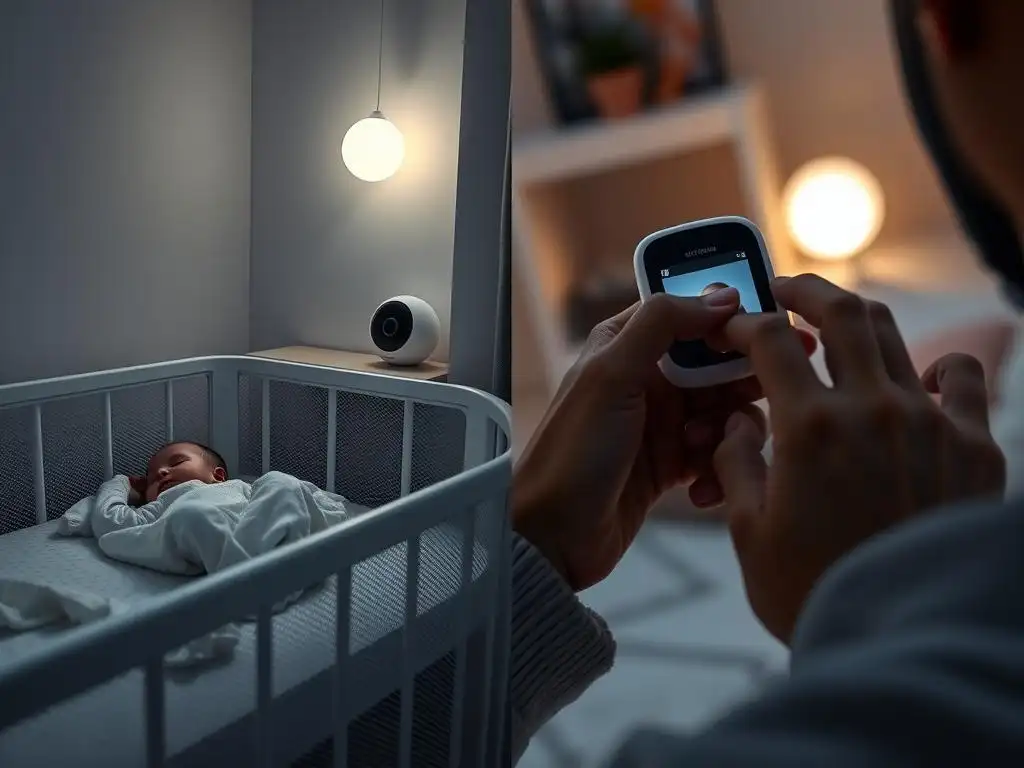
Safe sleep training using the CIO method requires diligent monitoring to ensure your baby's safety and well-being. This isn't about ignoring your baby completely; it's about implementing a structured approach that balances independent sleep development with consistent parental oversight. Remember, the goal is to teach your baby to self-soothe, not to leave them unattended in a potentially hazardous situation. Prioritizing safety is paramount throughout the entire CIO process.
Regular Check-ins and Visual Monitoring
Regular check-ins are crucial for maintaining your baby's safety during CIO. While the exact frequency depends on your baby's age and your comfort level, a good starting point is checking on your baby every 5-10 minutes during the initial phase of sleep training. You can do this by using a baby monitor with audio and visual capabilities. This allows you to observe your baby without disturbing their sleep. Visual checks provide reassurance and allow you to quickly identify any unusual situations, such as unusual breathing patterns or changes in their position.
Remember to keep the room dimly lit during these checks to minimize disruption. A nightlight might be helpful. Over time, you can gradually increase the intervals between check-ins as your baby becomes more comfortable settling themselves. However, always prioritize safety over a strict adherence to a schedule. If you feel uneasy at any point, shorten the interval between checks.
A consistent routine is key to a successful and safe CIO method. You might want to create a schedule for your check-ins, ensuring that you're consistent with your approach. This helps both you and your baby establish a sense of predictability and security, reducing stress and promoting better sleep. Remember to document your observations, noting any changes in your baby's behavior or sleep patterns. This log can be invaluable in identifying potential problems or adjusting your approach.
Responding to Distress Cues Safely
Even with careful monitoring, your baby may still exhibit signs of distress. It's crucial to respond to these cues appropriately and safely. While the CIO method emphasizes allowing your baby to self-soothe, immediate intervention is necessary if your baby shows signs of genuine distress, such as prolonged, inconsolable crying, labored breathing, or unusual movements.
Distinguishing between normal fussing and genuine distress requires careful observation and parental judgment. Consider the intensity and duration of the crying. Is it a low whimper or a high-pitched scream? Is your baby struggling to breathe? If you have any concerns about your baby's well-being, don't hesitate to intervene. Your intuition as a parent is your most valuable tool. Remember, your response shouldn't negate the sleep training process, but rather ensure your baby's safety. A quick comfort check, a gentle pat, or a reassuring word can often suffice.
Remember that responding to genuine distress does not equate to failure. It underscores the importance of consistent monitoring and parental responsiveness. If your baby continues to show distress despite your interventions, consult your pediatrician. They can help rule out any underlying medical conditions and provide additional guidance.
Recognizing Signs of Illness or Discomfort
It's vital to be aware of signs that your baby might be unwell or experiencing discomfort. These signs could manifest differently than usual crying. Pay close attention to changes in your baby's behavior, such as fever, lethargy, unusual skin rashes, changes in feeding patterns, or persistent vomiting or diarrhea. These symptoms could indicate an underlying medical condition requiring immediate attention.
While implementing the CIO method, always be vigilant for any potential indicators of illness. A slight increase in fussiness can be normal, but significant changes in your baby's behavior warrant a thorough assessment. Don't hesitate to contact your pediatrician if you notice any concerning symptoms. Remember, the success of CIO relies on a healthy and comfortable baby.
Prioritizing your baby's health should always take precedence over the sleep training schedule. Regular wellness check-ups with your pediatrician are essential for ensuring your baby's well-being during and after sleep training. Early detection of illness can prevent complications and ensure a smoother transition to independent sleep.
Responding to Potential Issues During CIO: Safety Measures
This section focuses on proactive safety measures to mitigate potential risks associated with the Cry It Out (CIO) sleep training method. Remember, safe sleep training CIO hinges on careful monitoring and a commitment to your baby's well-being. While CIO aims to establish independent sleep, it's crucial to address potential issues with a focus on safety. This involves anticipating challenges and implementing strategies to ensure your baby's security throughout the process. We will explore specific safety measures for extended crying, night wakings, and mitigating Sudden Infant Death Syndrome (SIDS) risk. Remember, always prioritize your baby's safety and well-being.
Addressing Extended Crying Periods Safely
Extended crying periods are a common concern during CIO. While the goal is to teach self-soothing, it's vital to monitor your baby's emotional and physical state. Prolonged crying can lead to exhaustion and dehydration. Therefore, implementing safety checks is crucial. A good approach involves scheduled checks with specific actions. For example:
- Check 1 (after 5-10 minutes): Listen carefully at the door. Is the crying consistent and intense, or does it show signs of subsiding? If the crying is intense and unrelenting, consider a brief, comforting intervention – a pat on the back or a soft "shhh" without picking the baby up. This acknowledges their distress without reinforcing crying as a way to get attention.
- Check 2 (after 15-20 minutes): Open the door and visually check your baby's condition. Are they breathing regularly? Do they appear overly distressed or overheated? If you observe any concerning signs, adjust the approach and potentially shorten the intervals between checks.
- Check 3 (after 30 minutes): If the crying persists beyond this point, consider a brief intervention – a quick pat, a reassuring word, and then retreating again. Document the crying duration and any observations in a sleep diary. This information is valuable for tracking progress and making informed decisions.
Remember, the frequency and duration of checks should be adjusted based on your baby's individual needs and responses. If you have any concerns about your baby's well-being, consult your pediatrician immediately.
Handling Night Wakings Safely
Night wakings are inevitable, even with CIO. The key is to respond safely and consistently to minimize disruptions and maximize your baby’s ability to fall back asleep independently. Here's how to manage night wakings safely:
- Consistent Response: Establish a clear and consistent response to night wakings. This might involve offering reassurance from the doorway without picking your baby up, or using a pacifier if your baby uses one. Consistency helps the baby understand the routine and learn to self-soothe.
- Safe Sleep Environment: Ensure the crib is safe and free from hazards. This includes removing loose blankets, pillows, and toys. The baby should be sleeping on their back on a firm surface. This reduces the risks associated with SIDS and accidental injuries.
- Monitoring: Regularly check on your baby during the night. This is not about intervening, but about ensuring their safety and breathing is regular. If you notice any changes in breathing or behavior, consult your pediatrician immediately.
Maintaining a safe sleep environment is paramount during night wakings. Remember, a consistent and reassuring approach is more likely to lead to successful sleep training and minimal disruptions.
Managing SIDS Risk During CIO
Sudden Infant Death Syndrome (SIDS) is a serious concern for all parents, and it's crucial to mitigate the risks during CIO. While CIO itself isn't directly linked to SIDS, certain practices can inadvertently increase the risk. Therefore, adhering to safe sleep guidelines is paramount:
| Safe Sleep Practice | Importance | CIO Considerations |
|---|---|---|
| Back Sleeping | Reduces the risk of SIDS significantly. | Ensure your baby is always placed on their back to sleep. |
| Firm Sleep Surface | Prevents suffocation and reduces the risk of entrapment. | Use a firm mattress in a crib that meets safety standards. |
| No Loose Bedding | Eliminates suffocation hazards. | Remove blankets, pillows, bumpers, and toys from the crib. |
| Appropriate Room Temperature | A comfortable temperature reduces the risk of overheating. | Maintain a comfortable room temperature – neither too hot nor too cold. |
| Pacifier Use (if applicable) | Some studies suggest a possible link between pacifier use and reduced SIDS risk. | Offer a pacifier if your baby uses one and it's safe for their age and development. |
| Breastfeeding (if applicable) | Breastfeeding has been associated with a reduced risk of SIDS. | Continue breastfeeding if you're already doing so. |
| Regular Check-ups | Monitoring your baby's health is essential for early detection of issues. | Schedule regular check-ups with your pediatrician. |
Following these guidelines diligently will significantly reduce the risk of SIDS while undertaking CIO sleep training. Remember, your baby's safety is always the top priority. If you have any concerns, consult your pediatrician.
Post-CIO: Maintaining a Safe Sleep Environment
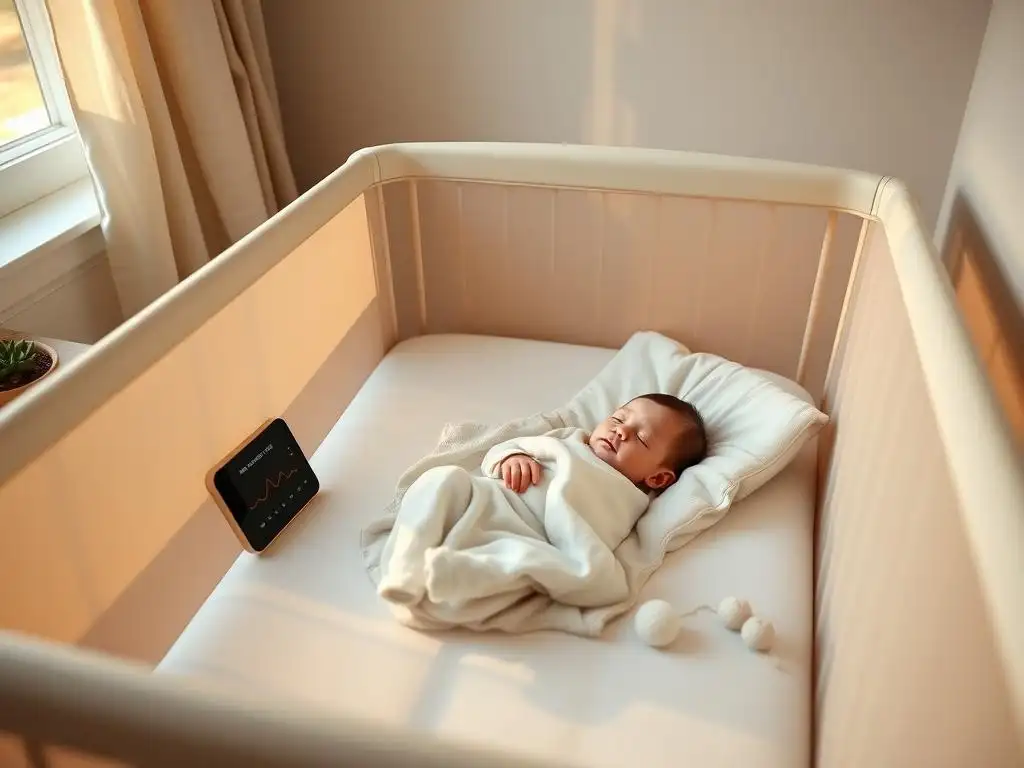
After successfully implementing the Cry It Out (CIO) method, maintaining a safe sleep environment remains paramount. The goal isn't just to achieve independent sleep, but to do so safely. This phase requires vigilance and a continued commitment to safe sleep practices, even as your baby becomes more self-sufficient. Remember, even small changes in routine or environment can impact your baby's sleep safety. We'll explore how to ensure a secure transition and ongoing safe sleep practices.
Transitioning to Independent Sleep Safely
The transition from the CIO phase to consistent, independent sleep requires careful planning. Abrupt changes can undo progress and potentially compromise safety. Gradually easing restrictions, while maintaining safe sleep practices, is key. For example, if you used a bedside bassinet during the CIO phase, consider transitioning to a crib in the same room over several nights, allowing your baby to adjust gradually.
This minimizes disruption and anxiety, promoting a sense of security, which is crucial for safe sleep. Pay close attention to your baby's cues; if they show signs of distress, slow down the process. Remember, safe sleep training CIO means prioritizing safety at every stage.
This transition period necessitates a consistent routine. A predictable bedtime routine, including a bath, a story, and quiet time, signals to your baby that it’s time to sleep, promoting a sense of calm and reducing the likelihood of nighttime awakenings. This predictability is a powerful tool for promoting safe sleep and reducing anxiety. A consistent routine helps to establish healthy sleep habits, which directly contributes to safe sleep.
Maintaining Consistent Sleep Habits for Safety
Consistency is the cornerstone of safe sleep training after CIO. Once your baby is sleeping independently, maintaining consistent sleep habits is crucial for their safety and well-being. This includes adhering to the safe sleep seven guidelines: a firm sleep surface, no loose bedding, room sharing (but not bed sharing), avoiding overheating, placing your baby on their back, using a pacifier, and breastfeeding if possible. These guidelines, although familiar, should be consistently applied even after the initial CIO phase is over. Any deviation from these guidelines, even temporarily, can increase the risk of Sudden Infant Death Syndrome (SIDS).
Furthermore, maintaining a consistent sleep schedule, even on weekends, is vital. Irregular sleep patterns can disrupt your baby’s circadian rhythm, leading to sleep disturbances and potentially affecting their overall safety and health. A regular sleep schedule promotes healthy sleep patterns and reduces the risk of sleep-related accidents. Therefore, consistent sleep habits are not just about establishing independent sleep; they’re also about optimizing safety.
Continued Monitoring and Adjustments for Safety
Even after establishing independent sleep, ongoing monitoring is essential. Regularly check your baby's sleep environment for any potential hazards. This includes ensuring the crib is free of loose bedding, toys, or bumpers; that the room is properly ventilated; and that the temperature is comfortable. Regular checks also allow you to identify and address any changes in your baby’s sleep patterns or behavior that might indicate a problem.
Remember, safe sleep training CIO is an ongoing process, not a one-time event. Be prepared to adjust your approach as your baby grows and their needs evolve. If you notice any concerning changes in your baby's sleep patterns or behavior, consult your pediatrician. Proactive monitoring and adjustments ensure that you maintain a safe sleep environment for your baby throughout their development. This continuous vigilance is the key to a successful and safe sleep training journey.
Long-Term Safe Sleep Habits After CIO
Successfully completing Cry It Out (CIO) sleep training is a significant milestone, but it's crucial to understand that it's just the beginning of establishing long-term safe sleep habits for your baby. The goal isn't just to get your baby to sleep independently; it's to cultivate a consistent and safe sleep environment that supports their healthy development. This section focuses on maintaining safe sleep practices after the CIO method has been implemented. We'll explore how to build on the progress made during CIO and ensure your little one continues to sleep soundly and securely.
Safe Sleep Practices Beyond the CIO Method
After the initial success of CIO, maintaining safe sleep practices is paramount. This isn't about reverting to old habits, but rather about reinforcing the positive changes achieved through the method while prioritizing safety. Here are some key strategies:
- Consistent Bedtime Routine: A predictable bedtime routine helps signal to your baby that it's time to sleep. This routine should be calming and consistent, even after the CIO phase. Think warm bath, quiet playtime, a story, and a lullaby. Maintaining this consistency provides a sense of security and can reduce nighttime wakings.
- Safe Sleep Environment: Remember the ABCs of safe sleep: Alone, on their Back, in a Crib. This remains crucial even after your baby has mastered independent sleep. Ensure the crib is free from loose bedding, pillows, bumpers, and toys that could pose a suffocation risk. The room should be dark and quiet, promoting melatonin production and better sleep.
- Monitoring for Regression: Sleep regressions are common, even after successful sleep training. These periods of disrupted sleep can be unsettling for both parents and babies. However, understanding that these are temporary phases is key. Maintaining the established sleep routine and addressing any underlying issues (teething, illness) can help navigate these challenges safely. We will discuss addressing regression in more detail in the next section.
- Gradual Adjustments: Avoid making drastic changes to your baby's sleep routine once the CIO method is successful. Any modifications should be gradual and implemented consistently. For instance, if you're transitioning to a toddler bed, do it slowly and methodically, ensuring a safe and secure sleep environment in the new bed.
- Continued Monitoring: Regularly check on your baby, especially during the initial weeks after CIO. This is not about interfering with their sleep but about ensuring their safety and comfort. A quick check-in can help alleviate any anxieties you might have and reassure you that your baby is sleeping soundly.
Addressing Regression and Maintaining Safety
Sleep regressions are a common occurrence in babies' development and can happen even after successfully completing CIO. These periods of disrupted sleep can be frustrating, but understanding their causes and how to address them while maintaining safe sleep practices is crucial.
Addressing Regression and Maintaining Safety
Sleep regressions can stem from various developmental leaps, teething, illness, or even changes in their routine. It's important to remain calm and consistent. Here's how to navigate these challenges:
- Identify the Cause: Try to pinpoint the reason for the regression. Is your baby teething? Are they experiencing a growth spurt? Are there any changes in their environment or routine? Identifying the cause can help you address the issue more effectively.
- Maintain the Routine: Despite the regression, stick to your established bedtime routine as much as possible. Consistency is key to reassuring your baby and helping them regulate their sleep. This provides a sense of normalcy during a period of change.
- Gentle Intervention: If your baby is waking frequently, offer comfort and reassurance without picking them up or engaging in extended interaction. A pat on the back or a quiet shushing can be soothing without disrupting their sleep cycle.
- Rule Out Medical Issues: If the regression is severe or accompanied by other symptoms, consult your pediatrician to rule out any underlying medical conditions. It is always better to be safe than sorry.
- Patience and Persistence: Remember that regressions are temporary. With patience and consistency, your baby will likely return to their established sleep pattern. Avoid resorting to old habits that might undermine the progress made during CIO. Focus on maintaining a safe and consistent sleep environment.
- Data Tracking: Consider keeping a sleep diary to track your baby's sleep patterns. This data can help you identify patterns and potential triggers for regressions, enabling more effective interventions. Note the timing of regressions in relation to developmental milestones or illnesses. This can provide valuable insights into the causes of sleep disturbances. This approach helps ensure you're addressing the underlying issues effectively, while simultaneously prioritizing safe sleep practices.
Remember that safe sleep training, including CIO, is a journey, not a destination. By focusing on consistent routines, a safe sleep environment, and proactive strategies for addressing regressions, you can ensure your baby's safe and healthy sleep for years to come. 😴
When to Seek Professional Help Regarding CIO and Baby Safety
Choosing to implement the Cry It Out (CIO) method for sleep training is a significant decision for parents. While it can be effective for some families, it's crucial to understand when professional guidance is necessary to ensure both the baby's safety and well-being and the parents' mental health. This section outlines key indicators that warrant seeking professional support, emphasizing the importance of prioritizing your baby's safety during this process. Remember, a safe sleep training CIO approach prioritizes your little one's health and development above all else.
Recognizing Signs that CIO Might Not Be Suitable
Several warning signs indicate that the CIO method may not be the right approach for your baby or family, and professional intervention is needed. These signs shouldn't be taken lightly; they may signal underlying issues that require a different approach to sleep training. Prioritizing your baby's well-being is paramount.
- Persistent, inconsolable crying: While some crying is expected with CIO, prolonged, intense crying that doesn't subside even after extended periods can be a cause for concern. This may indicate underlying medical conditions, unmet needs, or that the baby is simply too young for this method. A pediatrician or sleep consultant can help assess the situation.
- Lack of progress after a reasonable timeframe: If you've been consistently implementing CIO for several weeks and see no improvement in your baby's sleep patterns, it's essential to re-evaluate your strategy. A professional can help determine if the method is appropriate for your baby's developmental stage or if alternative approaches are necessary. Remember, consistent, safe sleep training CIO requires patience, but it should also show positive outcomes.
- Parental burnout and stress: Sleep deprivation is incredibly challenging. If you're experiencing significant stress, anxiety, or feeling overwhelmed by the CIO process, it's crucial to seek support. Ignoring your own well-being can negatively impact your ability to care for your baby. A therapist or counselor can provide valuable support.
- Underlying medical conditions: If your baby has any underlying health issues, such as reflux, allergies, or respiratory problems, CIO might exacerbate these conditions. It's vital to consult your pediatrician before implementing any sleep training method in such cases. Remember, safe sleep training CIO should always consider the baby's overall health.
- Regression or worsening of sleep: Sometimes, a baby might initially respond well to CIO, but then experience a regression or worsening of their sleep patterns. This could indicate that the method is not suitable or that other factors are at play. Professional help can pinpoint the underlying cause and suggest suitable adjustments.
Remember, the goal of safe sleep training CIO is to create healthy sleep habits for your baby and to support your family's well-being. Don't hesitate to seek professional help if you encounter any of these challenges.
Finding Support and Guidance from Professionals
Several professionals can provide valuable support and guidance during sleep training. Choosing the right professional depends on your specific needs and concerns.
- Pediatrician: Your pediatrician is an excellent first point of contact. They can rule out any underlying medical issues that might be affecting your baby's sleep and offer general advice on sleep training strategies.
- Certified Sleep Consultant: Sleep consultants specialize in infant and child sleep and can provide personalized guidance based on your baby's age, temperament, and sleep patterns. They can offer tailored strategies and support throughout the process, ensuring a safe and effective approach.
- Therapist or Counselor: If you're struggling with the emotional toll of sleep training, a therapist or counselor can provide support and coping mechanisms to manage stress and anxiety. They can also help you process any feelings of guilt or inadequacy that may arise.
The decision to use the CIO method is personal. However, prioritizing your baby's safety and your family's well-being is paramount. Don't hesitate to seek professional help if you have any concerns or encounter difficulties during the process. A safe sleep training CIO journey should involve professional support when needed.
Frequently Asked Questions
What is CIO sleep training?
CIO, or Cry It Out, is a sleep training method where parents allow their baby to cry for increasing periods before intervening. It aims to teach self-soothing and independent sleep. However, it's crucial to follow safe sleep guidelines throughout the process.
Is CIO sleep training safe for my baby?
CIO can be safe when implemented correctly and responsibly, prioritizing safe sleep practices. Always ensure your baby sleeps on their back in a crib free of loose bedding or toys. Consult your pediatrician before starting any sleep training method.
What are the key safety precautions for CIO?
Prioritize a safe sleep environment. This means a firm crib mattress, fitted sheet, and no loose blankets or pillows. Regularly check on your baby, and never leave your baby unattended for extended periods, especially during the early stages of sleep training.
How can I ensure my baby's safety during the crying periods?
Check on your baby regularly to ensure they are breathing comfortably and not overheating. Use a baby monitor to listen for any distress signals beyond crying. Remember, your baby's safety is paramount.
At what age is CIO sleep training generally recommended?
There's no universally agreed-upon age. Many sources suggest waiting until your baby is at least 4 months old and showing signs of readiness, such as longer periods of wakefulness. Always consult your pediatrician for personalized advice based on your baby's individual development.
Final Reflection: Cultivating Safe Sleep, Cultivating Confidence
The pursuit of independent sleep for infants is a journey fraught with anxieties, but armed with the right knowledge, it can be a path to peaceful nights for both parents and children. The information presented in this article underscores the critical need for prioritizing safety within the Controlled Crying (CIO) method, dispelling myths and highlighting evidence-based practices. This isn't just about getting babies to sleep; it's about ensuring their well-being and fostering a healthy sleep environment.
The impact of safe sleep practices extends far beyond the immediate family. A well-rested baby contributes to a more harmonious household, allowing parents to be more present and engaged caregivers. Sleep deprivation is a public health issue,
a leading pediatrician once stated, highlighting the far-reaching consequences of inadequate sleep for both children and their families. This article aims to be a resource, empowering parents to make informed decisions and navigate the complexities of sleep training with confidence and a commitment to safety.
Now, consider your own approach to sleep training. What aspects of this article resonated most strongly with you? What adjustments can you make to your current practices to ensure a safer and more effective sleep training journey for your child? Remember, the goal isn't just to achieve independent sleep, but to do so in a way that prioritizes your child's health and well-being. Embrace the knowledge you've gained, and embark on this journey with renewed confidence and a focus on creating a truly safe and nurturing sleep environment for your little one.
Unlock Your Baby's (and Your!) Restful Nights
Thank you for learning about safe sleep training practices! We hope you gained valuable insights to help both you and your baby sleep soundly. Now it's time to put that knowledge into action.
- Start with one new sleep tip this week: Choose the strategy that best suits you and your baby, and focus on mastering it before adding another. This approach promotes consistency and avoids feeling overwhelmed.
- Share your progress: Connect with our community on social media using #BabyCareHubSleep and share your successes and challenges. Let's support each other!
- Track your baby's sleep patterns: Monitoring sleep improvements helps you celebrate progress and adapt your approach as needed.
Ready to create a peaceful sleep routine for your family? What small change will you make tonight to improve your baby's sleep?