
CIO and Naps: Extending Sleep Beyond Nighttime with Cry It Out


Welcome to BabyCareHub, your ultimate guide to navigating the incredible journey of parenthood! Are you ready to unlock the secrets to peaceful naps and a well-rested baby? We understand the challenges of newborn sleep, and that's why we've created this comprehensive resource. Learn more about the controversial yet effective cry it out nap training method and discover how to extend those precious sleep periods beyond nighttime. Dive in and explore our expert advice on everything from feeding schedules to developmental milestones – because every moment with your little one matters.
- Understanding Cry It Out (CIO) Nap Training
- Preparing for CIO Nap Training
- The Step-by-Step CIO Nap Training Process
- Monitoring Your Baby's Progress During CIO Nap Training
- Addressing Common Concerns and Questions about CIO Nap Training
- Long-Term Benefits and Outcomes of CIO Nap Training
- Alternative Methods to CIO for Nap Training (If CIO is not suitable)
- Frequently Asked Questions
- Final Reflection: Reimagining Rest: Naps, CIO, and the Future of Child Sleep
- Unlock Your Baby's Restful Potential: Start Their Nap Journey Today!
Understanding Cry It Out (CIO) Nap Training
Navigating the world of newborn and baby care can feel overwhelming, especially for first-time parents. Sleep, or rather the lack thereof, often tops the list of parental concerns. While nighttime sleep training is widely discussed, the application of the Cry It Out (CIO) method to naps is less frequently addressed.
This article delves into the intricacies of CIO nap training, providing a balanced perspective on its potential benefits and drawbacks. We will explore how CIO nap training differs from nighttime CIO, examine its potential advantages, and carefully consider the challenges and concerns associated with this approach. Remember, every baby is unique, and what works for one might not work for another.
This guide aims to equip you with the information you need to make an informed decision about whether CIO nap training is right for your family. We strongly emphasize the importance of consulting with your pediatrician before implementing any sleep training method. 👶
What is CIO Nap Training and How Does it Differ from Nighttime CIO?
Cry It Out (CIO) nap training involves allowing your baby to self-soothe during naps, crying until they fall asleep. This differs from letting a baby cry themselves to sleep at night in several key aspects. Firstly, the duration of naptime crying is typically shorter than nighttime crying episodes. Naps are shorter periods, meaning the cumulative crying time is less.
Secondly, the emotional impact may be less intense. Daytime crying might be easier for parents to manage emotionally compared to facing extended nighttime crying. Finally, the overall sleep goals are different.
Nighttime CIO aims for consolidated, longer stretches of sleep, while naptime CIO focuses on establishing a consistent nap routine and helping your baby learn to fall asleep independently for shorter periods. The core principle remains the same: allowing your baby to learn to self-soothe and fall asleep without parental intervention. However, the context and expectations are adjusted for the shorter duration and different sleep cycles associated with naps.
Benefits of Implementing CIO for Naps
Implementing CIO for naps can offer several potential benefits. One key advantage is the establishment of a consistent nap routine. This predictability can lead to improved sleep quality and duration, both for your baby and for you! Furthermore, CIO nap training can teach your baby valuable self-soothing skills. This ability to independently calm down and fall asleep can translate to improved sleep at night, reducing nighttime wakings and potentially leading to longer stretches of uninterrupted sleep.
Another potential benefit is a reduction in parental exhaustion. By teaching your baby to fall asleep independently for naps, you may free up time for other tasks and activities, leading to reduced stress and improved parental well-being. This, in turn, can lead to a more positive and nurturing parenting experience. However, it is important to note that these benefits are not guaranteed and may vary greatly depending on individual baby's temperament and needs.
Potential Drawbacks and Considerations for CIO Nap Training
While CIO nap training offers potential benefits, it’s crucial to acknowledge the potential drawbacks and carefully consider your baby's individual needs. One significant concern is the emotional impact on your baby. Prolonged crying can be distressing for both the baby and parents. It's essential to monitor your baby's distress and adjust your approach if necessary.
Another consideration is the potential for increased fussiness and irritability throughout the day. Sleep deprivation, even from missed naps, can significantly impact a baby's mood and behavior. Furthermore, CIO isn't a guaranteed solution, and some babies may not respond well to this method. The effectiveness of CIO nap training can also depend on the baby's age, temperament, and overall sleep patterns.
Before implementing this method, it’s vital to weigh the potential benefits against these potential risks and consider alternative sleep training techniques. Remember, patience and consistency are key, regardless of the method chosen. Always prioritize your baby's well-being and consult with your pediatrician for personalized advice.
Is CIO Nap Training Right for Your Baby? Assessing Readiness
Determining if CIO nap training is the right approach for your baby requires careful consideration of their developmental stage and temperament. It's crucial to remember that CIO, even for naps, isn't a one-size-fits-all solution. Forcing a baby who isn't ready can lead to increased stress for both parent and child, potentially hindering sleep progress rather than improving it.
Several key factors contribute to a baby's readiness for CIO nap training. One crucial aspect is their age. Most experts suggest waiting until your baby is at least 4 months old, and some recommend even later, around 6 months. Before this age, babies' sleep cycles are still developing, and their ability to self-soothe isn't fully established. Attempting CIO too early can be detrimental to their overall development and well-being.
Beyond age, consider your baby's temperament. Some babies are naturally more independent and adaptable than others. A baby who is already showing signs of self-soothing, such as rubbing their eyes or sucking their thumb when tired, might be a better candidate for CIO nap training. Conversely, a baby who is highly sensitive or easily distressed might find the experience overwhelmingly negative. Observe your baby's cues carefully; if they consistently seem anxious or overly upset, it's a strong indicator that CIO might not be suitable at this time.
Another important factor is your baby's sleep patterns. Are they consistently taking naps of roughly the same duration? Do they exhibit predictable sleep cues, such as rubbing their eyes or yawning? Consistent and predictable nap patterns suggest a greater readiness for CIO nap training.
If your baby's naps are highly erratic and unpredictable, focusing on establishing a consistent nap routine might be a more effective first step before considering CIO. Remember, the goal is to help your baby learn to self-soothe and fall asleep independently, not to simply force them to sleep. A gradual approach may be more beneficial if your baby's sleep patterns are inconsistent.
Consider consulting with a pediatrician or a certified sleep consultant to determine the best approach for your individual baby's needs. They can provide valuable insights and guidance based on your baby's unique characteristics and sleep patterns. Remember, patience and understanding are key components of successful sleep training, regardless of the method you choose.
Preparing for CIO Nap Training
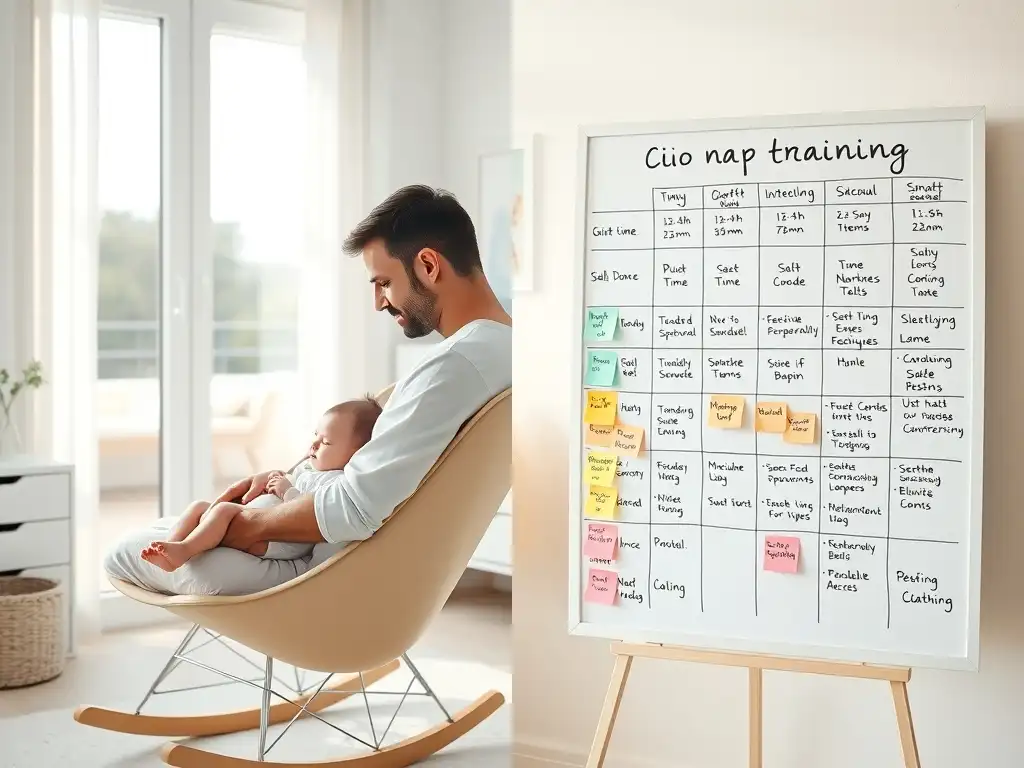
Before embarking on cry it out (CIO) nap training, meticulous preparation is crucial for both your baby's and your own well-being. This isn't a decision to be taken lightly; it requires careful consideration and a strategic approach. Remember, the goal is to establish healthy sleep habits, not to cause undue stress. Successful CIO nap training hinges on a well-defined plan and consistent execution. Let's delve into the key preparatory steps.
Creating a Consistent Naptime Routine
Establishing a predictable naptime routine is paramount. Consistency is key to helping your baby understand the cues associated with sleep. Think of it as programming their internal clock. A consistent routine might include:
- Quiet playtime: 30-45 minutes of calm activities before the nap. Avoid overly stimulating games.
- Diaper change: A fresh diaper ensures comfort and reduces interruptions during sleep.
- Feeding: Ensure your baby is adequately fed before the nap. This varies based on age and feeding schedule.
- Darkened room: Dimming the lights signals the body it’s time to rest. Consider blackout curtains or a sleep sack.
- White noise: A consistent white noise machine can block out distracting noises and create a soothing atmosphere.
This routine should be followed religiously for several days before initiating CIO nap training. The more predictable the routine, the easier the transition will be. Remember, consistency is the cornerstone of success in any sleep training method, including CIO for naps.
Optimizing the Naptime Environment for Success
The environment plays a vital role in successful nap training. A comfortable and conducive sleep space significantly increases the chances of a peaceful nap. Consider these factors:
- Temperature: Maintain a comfortable room temperature, typically between 68-72°F (20-22°C). Overheating or chilling can disrupt sleep.
- Darkness: A dark room helps to promote melatonin production, a hormone crucial for sleep regulation. Use blackout curtains if necessary.
- Sound: Minimize external noise distractions. White noise machines are excellent tools for masking sudden sounds.
- Comfort: Ensure your baby's crib or sleep space is comfortable and safe. A firm mattress, breathable bedding, and a snug sleep sack are recommended.
Remember to regularly check the temperature and make adjustments as needed, especially during different seasons. A well-optimized sleep environment can significantly reduce the likelihood of nighttime wakings and contribute to longer, more restful naps. This is especially vital for the success of CIO nap training.
Choosing the Right Time to Start CIO Nap Training
Timing is everything when it comes to CIO nap training. Starting too early can lead to frustration for both you and your baby, whereas waiting too long might make the transition more challenging. Consider these factors:
- Baby's age: Generally, CIO nap training is considered for babies who are at least 4 months old and showing signs of readiness (consistent wake windows, predictable sleep patterns).
- Developmental milestones: Ensure your baby has achieved key developmental milestones relevant to self-soothing.
- Consistent nap schedule: A predictable and established nap routine is essential. This routine should be in place for at least a week to ten days before attempting CIO.
- Your readiness: You need to be prepared mentally and emotionally for potential challenges. Having a support system in place can be invaluable.
Remember, there’s no one-size-fits-all answer. Consult your pediatrician before starting any sleep training method. They can offer personalized advice based on your baby's individual needs and development. Choosing the right time is crucial for a positive experience. Careful consideration of these factors is vital for a successful cry it out nap training journey.
The Step-by-Step CIO Nap Training Process
This section details a structured approach to implementing the cry it out (CIO) method for nap training. Remember, consistency and patience are key. This method isn't suitable for all babies, and you should always consult your pediatrician before starting any sleep training method. This guide provides a framework; adjust the timing based on your baby's individual needs and temperament. Successful cry it out nap training requires careful observation and adaptation.
Day 1-3: Gradual Introduction and Short Intervals
The initial days focus on gently introducing the concept of independent napping. We're aiming for a gradual transition, not an abrupt change. Avoid associating naptime with feeding or rocking to sleep.
The process involves placing your baby in their crib drowsy but awake. Start with short intervals – perhaps 5-10 minutes of allowing your baby to self-soothe. If crying persists, offer brief comfort (a pat on the back, a soothing shush) before leaving the room again. Repeat this cycle, gradually increasing the intervals between checks (10-15 minutes, then 15-20 minutes) as your baby gets used to the routine. It’s crucial to maintain consistency and avoid giving in too early. The goal is to teach your baby that they can fall asleep independently.
Consider keeping a detailed log of your baby's behavior during these initial days. Note the duration of crying, your response times, and your baby's eventual sleep onset. This data can help you refine your approach in subsequent days. For example:
| Day | Naptime Start | Crying Duration | Interval Between Checks | Sleep Onset | Notes |
|---|---|---|---|---|---|
| Day 1 | 12:30 PM | 8 minutes | 5 minutes | 12:40 PM | Fussy, but eventually settled |
| Day 1 | 4:00 PM | 12 minutes | 10 minutes | 4:15 PM | More tears, longer to settle |
| Day 2 | 12:30 PM | 6 minutes | 7 minutes | 12:38 PM | Improved response |
Remember, every baby is different. Some may adapt quicker than others. Don't get discouraged if your baby cries more on some days than others. Consistency is paramount in cry it out nap training.
Days 4-7: Increasing Intervals and Responding to Cries
As your baby becomes more accustomed to the new routine, you can progressively extend the intervals between your checks. This is where patience is particularly important. Avoid rushing the process. The aim is not to let your baby cry inconsolably, but to gradually increase their ability to self-soothe and fall asleep independently.
On days 4-7, you can increase the intervals to 20-25 minutes, then 25-30 minutes, and so on. Continue to offer brief comfort if necessary, but try to minimize your intervention. Observe your baby's crying patterns. Is it a high-pitched cry of distress, or a more subdued whimper? Adjust your response accordingly. A high-pitched cry might warrant a quicker check-in, while a whimper might indicate they're simply fussing and working towards self-soothing.
This stage often presents the most challenges. You might encounter periods of increased crying, which can be emotionally taxing for parents. However, remember that this is a temporary phase. Consistent application of the method will typically lead to improved naptimes. Remember to prioritize your own well-being during this period; taking breaks and seeking support from your partner or family can be beneficial.
Week 2 Onward: Consolidating Naptime and Addressing Challenges
By week two, you should start to see a significant improvement in your baby's ability to fall asleep independently for naps. The goal is to consolidate naptimes and establish a predictable routine.
Continue to monitor your baby's sleep patterns and adjust the routine if necessary. Some babies might require longer nap times, while others might need shorter ones. Pay attention to signs of sleepiness and adjust the nap schedule accordingly. If your baby consistently resists naps, consider reviewing the entire sleep training approach to identify potential issues.
This phase might present new challenges. For instance, your baby might start waking up earlier than usual or experience changes in their sleep duration. Address these situations calmly and consistently, reinforcing the established naptime routine. Remember that setbacks are normal; maintaining consistency will ultimately lead to success. Consider keeping a sleep diary to track nap times, duration, and any significant events that might affect your baby's sleep. This data will be invaluable in understanding your baby's sleep patterns and refining your approach. Remember, consistency and patience are the cornerstones of successful cry it out nap training.
Handling Setbacks and Adjusting the Approach
Setbacks are common during cry it out (CIO) nap training. Your little one might regress after a few successful days, or they might consistently resist naps despite your best efforts. This doesn't mean the method is failing; it often simply requires adjustments and patience. Remember, every baby is unique, and what works for one might not work for another. Consistency is key, but flexibility is equally important.
One common setback is a sudden increase in crying during the nap transition. This might be due to a developmental leap, a change in routine, or even a minor illness. Instead of immediately abandoning the CIO approach, try to identify the potential cause. If you suspect an illness, consult your pediatrician.
If it's a change in routine, try to re-establish consistency as much as possible. For example, maintaining a consistent naptime schedule is crucial. Small adjustments, such as a slightly earlier or later naptime, might be necessary. Documenting nap times and crying durations can help you identify patterns and adjust accordingly.
Another challenge is parental doubt. Hearing your baby cry is difficult, and it's natural to question your approach. Remember why you started CIO nap training. Was it to improve your baby's sleep, reduce daytime fussiness, or create a more predictable routine for the whole family? Remind yourself of your goals, and seek support from your partner, family, or friends. Joining online support groups for parents using CIO methods can also provide valuable encouragement and practical tips.
If your baby consistently rejects naps despite your efforts, it's crucial to reassess your approach. Perhaps the check-in intervals are too short or too long. Experiment with extending or shortening the intervals to find what best suits your baby's needs. You might also consider adjusting the overall nap routine. Are you following a consistent pre-nap routine? A calming, predictable routine can significantly improve nap success. This could include a warm bath, a quiet story, or a lullaby. Remember, the goal is to create a positive association with the naptime routine, not to force your baby to sleep.
Finally, consider consulting a sleep consultant. A professional sleep consultant can provide personalized guidance and address specific challenges you are facing. They can help you fine-tune your approach, identify potential underlying issues, and offer additional strategies to improve your baby's naptime sleep. Remember, seeking professional help is not a sign of failure; it's a sign of proactive parenting. The ultimate goal is a well-rested baby and a happier family.
Monitoring Your Baby's Progress During CIO Nap Training

Successfully implementing cry it out (CIO) nap training requires careful observation and adjustment based on your baby's individual responses. It's not a one-size-fits-all approach, and consistent monitoring is crucial for ensuring its effectiveness and minimizing any potential negative impact. Remember, the goal is to help your baby learn to self-soothe and develop healthy sleep habits, not to cause unnecessary distress.
Tracking Sleep Patterns and Identifying Trends
Accurate tracking is paramount. Use a sleep diary or a baby sleep tracking app to record nap times, duration, and the amount of crying. Note the time your baby is put down for a nap, the time they fall asleep (if at all), the time they wake up, and the overall length of the nap. Also, meticulously document any periods of crying, noting the intensity and duration of each episode. This detailed record allows you to identify patterns and trends.
For example, you might notice a consistent pattern of longer crying periods on certain days, potentially indicating a need for an adjustment to your routine. Or, you might find that your baby consistently falls asleep after a shorter period of crying on days following earlier bedtimes. These observations provide valuable insights to refine your CIO nap training strategy. Analyzing this data will help you understand if your current approach is working or if modifications are needed. Consider using a simple table to organize this information:
| Date | Nap Start Time | Nap End Time | Crying Duration | Total Nap Length | Notes |
|---|---|---|---|---|---|
| Oct 26, 2023 | 12:30 PM | 1:45 PM | 15 minutes | 1 hour 15 minutes | Seemed tired, fell asleep quickly after initial cry. |
| Oct 27, 2023 | 12:45 PM | 2:00 PM | 25 minutes | 1 hour 15 minutes | More fussy than yesterday, longer cry before sleep. |
| Oct 28, 2023 | 1:00 PM | 2:15 PM | 10 minutes | 1 hour 15 minutes | Slept soundly after initial cry. |
Remember to be patient and consistent in your data collection. The more data you collect, the clearer the trends will become.
Recognizing Signs of Overtiredness or Undertiredness
Misjudging your baby's sleepiness can significantly impact the success of CIO nap training. Overtired babies often struggle to fall asleep, leading to increased crying and frustration. Conversely, undertired babies may resist naps, leading to similar issues. Knowing the signs of both is crucial.
Signs of overtiredness include: increased fussiness, irritability, clinginess, difficulty settling down, and rubbing eyes excessively, even earlier than usual. You might notice your baby becoming more agitated before their usual nap time. They might also experience a shorter nap despite being put down for a longer duration.
Signs of undertiredness are less obvious. Your baby might be unusually playful and energetic, showing little interest in sleep, even when sleepy cues appear. They might show signs of being overly stimulated and might even resist sleep when visibly tired.
Understanding these subtle differences is key to adjusting your nap schedule and avoiding unnecessary crying. If you consistently observe signs of overtiredness or undertiredness, you need to reassess your baby's nap schedule and potentially adjust their bedtime or wake times accordingly. This might involve shortening or lengthening nap times or changing the overall nap schedule.
Adjusting the CIO Approach Based on Your Baby's Response
CIO nap training isn't about letting your baby cry indefinitely. It's about gradually teaching them to self-soothe. Continuously monitor your baby's response and adjust your approach accordingly. If crying persists for excessively long periods without any sign of calming down, consider modifying your approach. This might involve shortening the nap duration, adjusting the check-in intervals, or even temporarily suspending CIO for a day or two to reassess the situation.
For instance, if your baby is consistently crying for more than 45 minutes without showing any signs of self-soothing, you might consider offering comfort before implementing CIO again. This doesn't mean giving up on the method; rather, it signifies a need to adjust your strategy based on your baby's individual needs. Remember, the goal is to find a balance between teaching self-soothing and ensuring your baby's well-being. Flexibility and patience are your greatest allies in this process.
Document all adjustments made and their corresponding effects to further refine your approach for future naps. Remember, every baby is unique, and what works for one may not work for another. The key is continuous monitoring and adaptation.
Addressing Common Concerns and Questions about CIO Nap Training
This section addresses frequently asked questions and concerns surrounding the implementation of the cry it out (CIO) method for nap training. Remember, consistent and informed application is key to success, and always prioritize your baby's safety and well-being. This method isn't for every family, and understanding its potential challenges is crucial before starting.
My Baby is Crying Excessively - What Should I Do?
Excessive crying during CIO nap training can be distressing for parents. It's important to distinguish between normal fussiness and truly excessive crying. Normal crying during the initial phases might involve periods of intense crying followed by quieter whimpers, eventually leading to self-soothing and sleep. However, excessive crying might indicate underlying issues requiring attention.
Consider these factors:
- Duration and Intensity: If your baby is crying inconsolably for extended periods (much longer than usual for your baby), with increasingly intense cries, it's time to intervene. Observe your baby for signs of distress beyond typical crying, such as strained breathing, unusual paleness, or prolonged periods of silence.
- Underlying Medical Conditions: Rule out any underlying health issues. Consult your pediatrician if your baby exhibits signs of illness, discomfort, or unusual behavior alongside the crying. Colic, ear infections, or reflux can mimic crying associated with sleep difficulties.
- Age and Developmental Stage: The CIO method's effectiveness varies with age. Younger babies might struggle more with self-soothing, requiring a gentler approach or alternative sleep training methods.
If excessive crying persists despite careful observation and adjustments to your approach, consider seeking professional guidance from a pediatrician, child sleep consultant, or other qualified expert. Remember, your baby's well-being is paramount. Sometimes, a seemingly simple sleep issue can have a more complex underlying cause. Don't hesitate to seek help if you're concerned. The goal is to help your baby sleep soundly, not to cause them unnecessary distress.
How Long Should I Let My Baby Cry Before Intervening?
This is a crucial question, and the answer isn't one-size-fits-all. The "cry it out" method doesn't mean letting your baby cry indefinitely. A structured approach involves gradually increasing the waiting time between checks.
A common strategy involves starting with shorter intervals (e.g., 5 minutes) and gradually extending them (e.g., 5, 10, 15 minutes) over several days or weeks. However, always prioritize your baby's safety and well-being. If your baby's crying becomes unusually intense or prolonged, or if you notice signs of distress beyond typical crying, intervene immediately.
Remember, this method is about teaching self-soothing, not ignoring your baby's needs entirely. Consistent, gradual increases in waiting times are more effective than immediate lengthy intervals. This measured approach helps your baby learn to fall asleep independently without feeling abandoned. The key is finding a balance between allowing your baby time to self-soothe and intervening when necessary. Flexibility is key; adjust your approach based on your baby's individual responses and cues.
This process requires patience and consistency. It’s normal to experience emotional challenges while using this method. Don’t be afraid to seek support from your partner, family, or friends.
When Should I Consider Alternative Methods to CIO?
While CIO can be effective for some, it's not universally suitable. Several factors might suggest exploring alternative methods:
- Extreme Distress: If your baby shows signs of significant distress – prolonged, inconsolable crying, unusual physical reactions, or changes in behavior – alternative methods are recommended. Your baby's well-being should always be the primary concern.
- Inconsistent Results: If you've consistently applied CIO for a reasonable period (several weeks) with little or no positive change, it might be beneficial to try a different approach. This might indicate that CIO isn't the right fit for your baby.
- Parental Concerns: If you find the CIO method emotionally challenging or feel it conflicts with your parenting values, explore alternative sleep training techniques. Effective sleep training should be a positive experience for both parents and the baby.
Alternative methods include: ferberizing (a gentler, more gradual approach), positive reinforcement techniques, establishing consistent bed-time routines, and addressing underlying medical issues. Consulting a pediatrician or child sleep consultant can help determine the best course of action. Remember, there’s no one-size-fits-all solution, and finding the right method requires careful consideration of your baby's individual needs and your family's preferences. Prioritize a method that supports both your baby's healthy sleep development and your family's well-being.
Maintaining Consistency and Patience During the Process
Consistency is the cornerstone of successful cry it out (CIO) nap training. Inconsistency sends mixed signals to your baby, potentially prolonging the process and causing frustration for both parent and child. This means establishing a clear and predictable nap routine and adhering to it as closely as possible, even on weekends or when traveling.
A consistent routine might involve a calming bath, a quiet story, a lullaby, and then placement in the crib awake but drowsy. Sticking to this routine helps your baby understand the expectations and associate certain cues with naptime. Remember, even slight deviations can disrupt the progress.
Patience is equally crucial. CIO nap training isn't a quick fix; it requires time and perseverance. There will be days when your baby cries longer than others, and you might question your approach. This is normal. Remember your baby is learning a new skill, and mastering it takes time and repetition.
It's important to trust the process and avoid giving in to the urge to soothe your baby prematurely. The initial few days might be the most challenging, but the rewards of a well-rested baby (and parent!) are well worth the effort. Consider creating a support system – a partner, family member, or friend – to help you stay strong during particularly difficult moments. Remember to prioritize self-care during this period.
Adequate rest, healthy eating, and time for yourself will help you maintain the patience needed to see the process through. Remember, you’re not alone in this journey; many parents have successfully navigated CIO nap training, and you can too. The key is to remain consistent and patient, celebrating small victories along the way. The improved sleep for both you and your little one will be a testament to your dedication and perseverance.
Long-Term Benefits and Outcomes of CIO Nap Training

This section explores the potential long-term advantages of implementing cry it out (CIO) nap training for your little one. While the initial implementation may involve some emotional challenges, many parents report significant positive changes in their baby's sleep patterns and their own well-being. It's crucial to remember that every baby is unique, and results may vary. This information is intended to provide insight into potential benefits, not a guarantee of success.
Improved Nap Consistency and Duration
One of the most frequently reported benefits of CIO nap training is the improvement in nap consistency and duration. Babies who previously struggled with short, fragmented naps may begin taking longer, more restorative naps after implementing CIO. This can lead to a significant increase in overall daytime sleep, which can positively impact their mood, development, and learning abilities.
For example, a baby who previously only napped for 20-30 minutes at a time might, after CIO nap training, consistently take 1-1.5 hour naps, leading to a much more rested and content baby throughout the day. This improved consistency can also make it easier to establish a predictable nap schedule, which is beneficial for both the baby and the parents. The data supporting this benefit is largely anecdotal, based on parental reports and observations; further large-scale studies are needed to quantify the effect precisely.
Positive Impact on Overall Sleep Quality
Improved nap quality often translates to better nighttime sleep. When babies are well-rested from consistent, longer naps, they may be less likely to wake frequently during the night. This improved overall sleep quality can be transformative for both the baby and the parents. A well-rested baby is generally happier, more alert, and more engaged during waking hours.
The reduction in nighttime wakings can also reduce parental stress and improve their sleep quality, leading to a more positive and harmonious family dynamic. This positive feedback loop, where improved naps lead to better nighttime sleep and vice-versa, is a key element in the long-term success of CIO nap training. However, it's important to note that some babies may experience temporary periods of adjustment even after the initial training phase.
Potential Benefits for Parents: Increased Rest and Improved Well-being
The benefits of CIO nap training extend beyond the baby's improved sleep. Parents often report a significant increase in their own rest and overall well-being. Consistent, longer naps for the baby translate into more predictable periods of rest for parents, allowing them to attend to other responsibilities and recharge. This improved rest can lead to reduced stress, improved mood, and increased energy levels, positively impacting family relationships and parental mental health.
The reduction in nighttime wakings also contributes to this improved well-being, as parents can enjoy more uninterrupted sleep. A well-rested parent is better equipped to handle the demands of parenthood, contributing to a more positive and supportive environment for the entire family. Remember, however, that the success of CIO and its impact on parental well-being is dependent on proper implementation and a supportive environment. Seeking professional guidance if needed is crucial.
Alternative Methods to CIO for Nap Training (If CIO is not suitable)
Choosing a sleep training method is a deeply personal decision. While the Cry It Out (CIO) method, often used for nighttime sleep, can also be applied to naps, it's not the right choice for every family. Many parents find the emotional toll of CIO too challenging, or feel it doesn't align with their parenting philosophy. Thankfully, there are effective alternatives for nap training that prioritize a gentler approach.
These methods focus on building positive sleep associations and gradually establishing a consistent nap routine. Remember, consistency is key, regardless of the method you choose. A consistent routine helps your baby understand what to expect and improves their ability to self-soothe.
Gentle Methods for Nap Training
Gentle methods prioritize parental responsiveness and aim to teach your baby to self-soothe through gradual steps. These methods often involve more frequent parental intervention compared to CIO. The goal is to support your baby's emotional needs while guiding them towards independent sleep. Here are some gentle nap training techniques:
- The Ferber Method (modified for naps): This method involves checking on your baby at progressively longer intervals during their nap time. Unlike full CIO, you offer comfort and reassurance during these checks, helping your baby feel secure. You might start with 5-minute intervals, increasing to 10, then 15 minutes, and so on. This offers a balance between allowing your baby some independent settling time and providing reassurance when needed.
- Pick Up, Put Down: This method focuses on responding promptly when your baby cries, offering comfort, and then gently putting them back down awake. You repeat this process as needed. While it may seem time-consuming initially, it helps your baby learn to associate their crib with sleep. The key is consistency; responding consistently with the same level of comfort helps build trust and security.
- Positive Reinforcement: Rewarding your baby for positive sleep behaviors, such as staying in their crib during nap time, can be a powerful tool. This could involve a quiet praise after a successful nap or a special cuddle session. Positive reinforcement focuses on building positive associations with sleep, making naptime a more positive experience for both you and your baby.
- Establishing a Consistent Naptime Routine: A predictable routine signals to your baby that it's time for sleep. This routine could include a warm bath, a quiet story, or a lullaby. The consistency of the routine alone can significantly improve nap success, regardless of the other techniques employed. This predictability reduces anxiety and promotes a sense of calm.
Data suggests that while gentle methods may take longer than CIO, they often lead to better long-term sleep habits and a stronger parent-child bond. The specific time it takes varies greatly between babies, depending on their temperament and developmental stage. Patience and consistency are critical to success.
Combination Approaches: Blending CIO with other Techniques
Some parents find a combination approach works best, incorporating elements of CIO with gentler techniques. This might involve using a modified Ferber method for a few days, then transitioning to a more responsive approach if needed. It’s crucial to remain flexible and responsive to your baby’s cues. A combination approach allows for customization, adapting to your baby's unique needs and your family's preferences.
For example, you could use a modified Ferber method for the initial few days, gradually increasing the intervals between checks. If your baby continues to struggle, you might incorporate elements of the "Pick Up, Put Down" method during particularly challenging naps. This blended approach allows you to adjust your strategy as needed, balancing the need for independent sleep with your baby's emotional needs.
This approach requires careful observation and a willingness to adapt your strategy based on your baby's responses. Remember to always prioritize your baby's safety and well-being. If you’re unsure about which method is best for your family, consulting a pediatrician or sleep consultant can be extremely beneficial.
Frequently Asked Questions
What is "cry it out" (CIO) nap training?
CIO nap training involves letting your baby cry for a set period during naps, gradually increasing the time between checks. The goal is to teach your baby to self-soothe and fall asleep independently. It's a controversial method, so careful consideration is crucial.
Is CIO nap training right for every baby?
No, CIO isn't suitable for all babies. It's important to assess your baby's temperament and developmental stage before attempting this method. Some babies may benefit from other sleep training techniques.
How long should I let my baby cry during CIO nap training?
The length of crying periods varies depending on the method and your baby's age. Start with short intervals (e.g., 5 minutes) and gradually increase the time, always monitoring your baby's safety. Consult your pediatrician for guidance.
What are the potential risks of CIO nap training?
Potential risks include increased stress and anxiety for both parent and baby. It could also lead to insecure attachment if not implemented sensitively. Consider the emotional impact before starting.
What are some alternatives to CIO nap training for naps?
Alternatives include gentle sleep training methods, such as the Ferber method or chair method, which involve checking on your baby more frequently and offering comfort. You can also focus on establishing a consistent nap routine and creating a conducive sleep environment.
Final Reflection: Reimagining Rest: Naps, CIO, and the Future of Child Sleep
The debate surrounding cry it out (CIO) nap training remains fiercely contested, yet its underlying theme—the crucial role of sleep in child development—resonates powerfully in today's fast-paced world. The pressure on parents to achieve "perfect" sleep schedules for their children is immense, often overshadowing the nuanced understanding of individual needs and developmental stages. This pressure highlights the urgent need for a more compassionate and informed approach to sleep training.
The impact of sleep, or lack thereof, on both children and parents is undeniable, shaping family dynamics and impacting overall well-being. The cultural shift towards prioritizing productivity often leaves little room for the restorative power of rest. This pressure extends beyond the individual family unit, influencing societal norms and expectations surrounding parenthood. Sleep is the golden chain that ties health and our bodies together.
- Thomas Dekker. This quote underscores the fundamental connection between sleep, health, and overall well-being, a connection often overlooked in the intense focus on sleep training methodologies.
Consider the information presented in this article. Reflect on your own experiences with sleep, both as a child and as a parent. What are your own beliefs about sleep training? How can we move beyond the polarized debates surrounding CIO and create a more supportive and understanding environment for parents and children alike? Let's prioritize a future where sleep is not a battleground, but a cornerstone of healthy development and family harmony. Embrace the opportunity to learn, adapt, and create a more nurturing approach to sleep for your family.
Unlock Your Baby's Restful Potential: Start Their Nap Journey Today!
Thank you for exploring ways to improve your little one's sleep! We hope you discovered practical strategies to help them (and you!) rest better. Now, it's time to put those tips into action.
- Gradually introduce a gentle sleep training method: Begin with short periods of independent sleep and gradually increase the duration as your baby adjusts. This is key to fostering healthy sleep habits.
- Monitor your baby's sleep patterns: Use a sleep diary or app to track their progress and identify areas for improvement. You might be surprised by what you discover!
- Share your experiences!: Connect with other parents in our online community forum and share your successes, challenges, and advice – let's build a supportive network together.
Ready to create a more peaceful sleep environment for your family? What's your first step towards better sleep for your baby?