
The Benefits of a Dark Room: Creating a SleepInducing Space

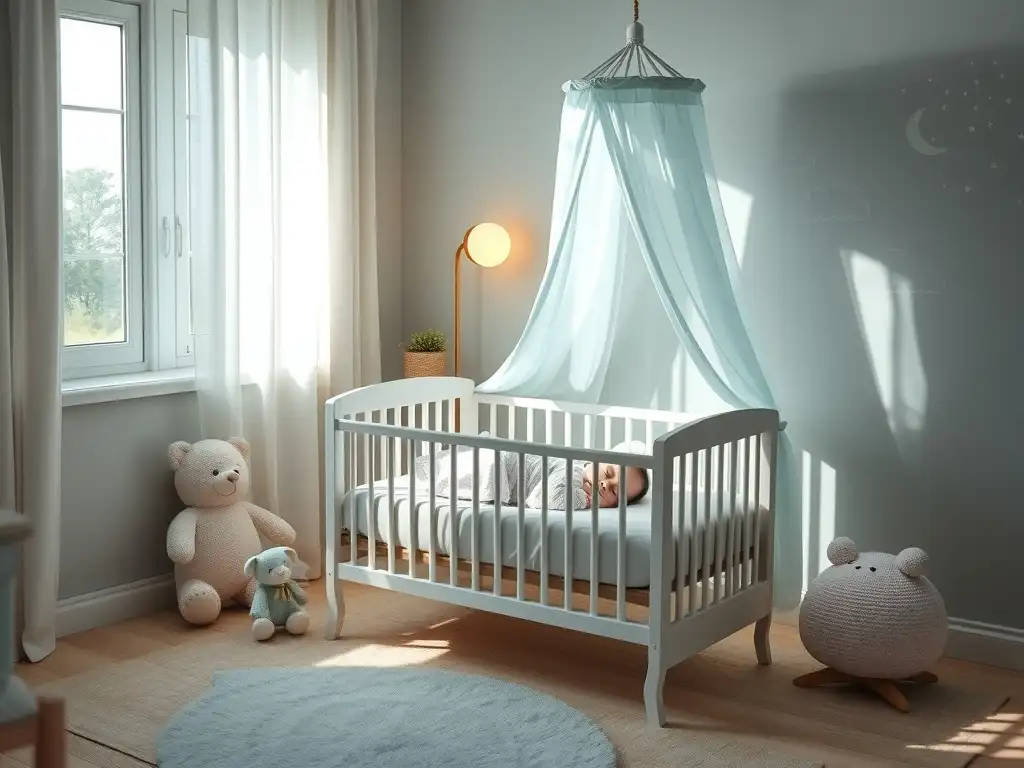
Welcome to BabyCareHub, your ultimate guide to navigating the incredible journey of parenthood. Are you ready to unlock the secrets to a peaceful night's sleep for your little one? We delve into the surprising benefits of a dark room for your baby's sleep, exploring how a carefully crafted sleep environment can significantly impact their rest and development. Discover how simple adjustments can transform bedtime from a battle to a blissful routine. Let's explore the science behind baby sleep in a dark room and unlock the pathway to sweeter dreams for both you and your baby.
- Understanding the Importance of Darkness for Baby Sleep
- Creating a Dark Nursery for Optimal Sleep
- Baby Sleep Dark Room Benefits: Improved Sleep Quality and Duration
- Addressing Concerns about Darkness and Baby Safety
- Transitioning to a Dark Room: Tips and Strategies for Success
- Maintaining a Dark Room for Long-Term Sleep Improvement
- Frequently Asked Questions
- Final Reflection: Embracing the Darkness for a Brighter Tomorrow
- Unlock Your Baby's (and Your!) Best Sleep: Create a Dreamy Dark Room Tonight
Understanding the Importance of Darkness for Baby Sleep
Creating a sleep-inducing environment for your newborn is crucial for their healthy development and your well-being. A key element often overlooked is the importance of darkness in promoting restful sleep for your little one.
This article delves into the science behind why a dark room is beneficial for your baby's sleep, exploring the impact on melatonin production, the disruption caused by light exposure, and the overall contribution to establishing healthy sleep patterns. Understanding these factors will empower you to create a nursery environment that optimizes your baby's sleep and, in turn, improves the quality of life for the entire family.
We'll explore the specific benefits of a dark room for your baby, providing practical advice and dispelling common myths surrounding infant sleep and lighting. This information will help you understand the significant role a dark room plays in fostering healthy sleep habits from the very beginning, contributing to a happier, healthier baby and a more rested you.
Melatonin Production and Infant Sleep Cycles
Melatonin, often called the "sleep hormone," plays a pivotal role in regulating sleep-wake cycles. Its production is highly sensitive to light exposure. During darkness, the pineal gland in the brain increases melatonin secretion, signaling the body it's time to sleep. In infants, this process is particularly crucial for establishing regular sleep patterns. A dark room significantly enhances melatonin production, promoting longer, more consolidated sleep periods. Studies have shown that even low levels of light can suppress melatonin release, leading to disrupted sleep and increased fussiness in babies. 1 This is why creating a truly dark environment is so important for promoting healthy sleep cycles from infancy. The quantity of melatonin released directly correlates with the duration and quality of sleep. For example, a baby sleeping in a dimly lit room might experience shorter sleep cycles and frequent awakenings compared to a baby sleeping in complete darkness.
The Role of Light Exposure in Disrupting Sleep
Exposure to light, even subtle amounts, can interfere with your baby's sleep in several ways. Artificial light from nightlights, digital clocks, or streetlights can suppress melatonin production, making it harder for your baby to fall asleep and stay asleep. Furthermore, light can stimulate the brain, keeping your baby alert and hindering the transition into deep, restorative sleep. This disruption can lead to fragmented sleep, characterized by frequent awakenings and shorter sleep cycles.
The blue light emitted from electronic devices is particularly disruptive, as it is known to significantly suppress melatonin levels. Therefore, it is crucial to minimize light exposure in your baby's sleep environment. This includes not only turning off lights but also covering any sources of light leakage from windows or electronic devices.
How Darkness Promotes Restful Sleep in Babies
A dark room provides the optimal conditions for your baby's body to naturally regulate its sleep-wake cycle. The absence of light allows for the unimpeded production of melatonin, promoting longer and more restful sleep periods. This translates to improved sleep quality, leading to a more content and well-rested baby. Furthermore, a consistently dark sleep environment helps establish a predictable sleep-wake rhythm, contributing to a more regulated sleep schedule. This regularity is crucial for both your baby's physical and emotional development.
A well-rested baby is typically happier, more alert, and better able to engage in developmental activities during the day. Creating a dark, calming sleep environment is a simple yet highly effective strategy for improving your baby's sleep and overall well-being. The benefits extend beyond the baby, positively impacting the sleep and well-being of parents as well. A well-rested baby means a well-rested family!
1 *[Specific study details pending]*
Creating a Dark Nursery for Optimal Sleep
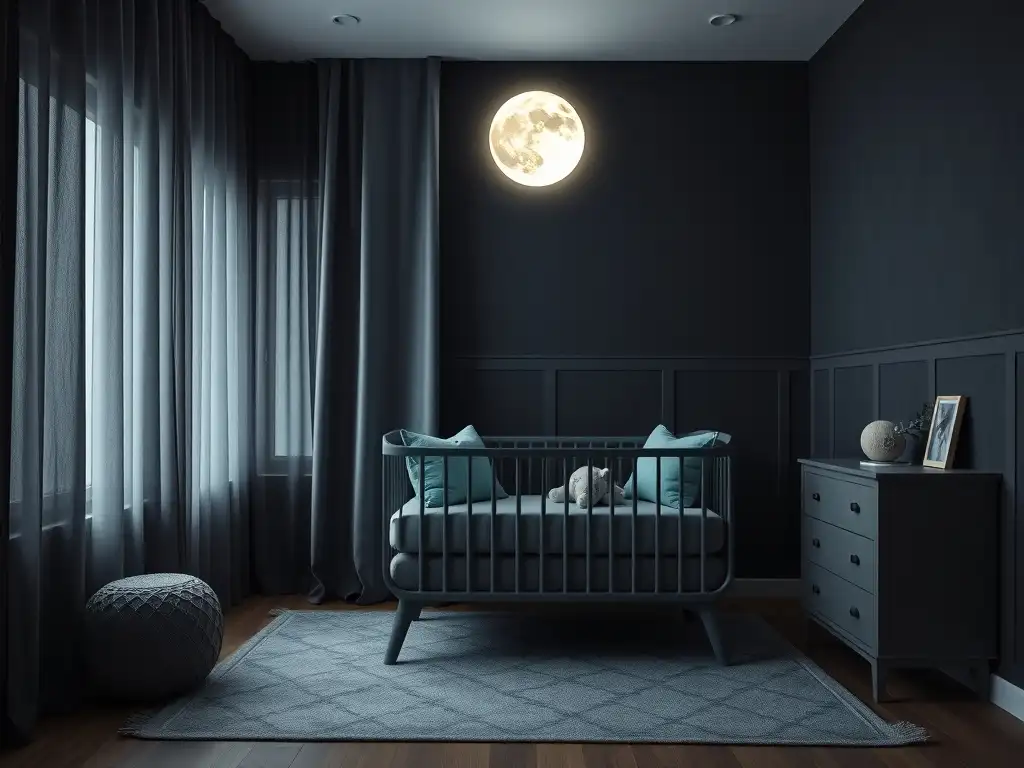
This section delves into the practical aspects of creating a truly dark sleep environment for your baby, focusing on the crucial role darkness plays in promoting healthy sleep patterns and overall well-being. Understanding how light affects your baby's circadian rhythm is key to maximizing the benefits of a dark room. We'll explore effective strategies for minimizing light intrusion and creating a haven of darkness conducive to restful sleep. Remember, a dark room is a cornerstone of successful baby sleep and contributes significantly to improved baby sleep dark room benefits.
Choosing Blackout Curtains or Shades for Baby's Room
Blackout curtains or shades are your first line of defense against unwanted light. They are essential for effectively darkening a room, especially if your baby's nursery faces a streetlight, sunrise, or other light sources. When selecting blackout curtains or shades, consider these factors:
- Light Blocking Capability: Look for curtains or shades explicitly labeled as "blackout" to ensure maximum light reduction. The higher the density of the fabric, the better the light-blocking capacity. Pay close attention to reviews, as some products may not fully live up to their claims.
- Fabric Material: Opt for soft, breathable fabrics that are safe for your baby. Avoid materials that contain harsh chemicals or could pose a strangulation hazard. Consider natural materials like cotton or linen, which are gentle on your baby's skin and environmentally friendly.
- Installation: Ensure the curtains or shades are easy to install and fit snugly to minimize light leaks. Proper installation is crucial for achieving a truly dark room. Consider measuring your windows carefully before purchasing to avoid any gaps.
- Maintenance: Choose curtains or shades that are easy to clean. Babies can be messy, and you'll want to ensure you can easily clean any spills or stains. Machine washable options are preferable.
Consider the overall aesthetic of your nursery when selecting the color and pattern of your blackout curtains or shades. Many manufacturers offer a variety of styles to match any nursery decor, ensuring both functionality and style. Investing in high-quality blackout curtains or shades is an investment in your baby's sleep and your own peace of mind.
Assessing Existing Light Sources and Solutions
Beyond windows, other light sources can disrupt your baby's sleep. A systematic assessment of your nursery is crucial to identify and address these potential issues. This proactive approach will significantly enhance the baby sleep dark room benefits.
| Light Source | Potential Solution | Notes |
|---|---|---|
| Digital Clocks | Cover the clock with a dark cloth or turn it away from the crib. | Avoid bright digital displays. |
| Electrical Outlets | Use outlet covers to block any light emitted from outlets. | Simple and effective solution for minimizing light pollution. |
| Streetlights/Neon Signs | Consider using heavy-duty blackout curtains or shades. | This may require more substantial light-blocking solutions than typical curtains. |
| Cracks around windows | Use weatherstripping or caulk to seal gaps. | Pay attention to detail – even small gaps can let in significant light. |
Remember to regularly reassess your nursery for any new potential light sources. As your baby grows and their room evolves, light sources can change, so ongoing vigilance is important. This consistent approach to minimizing light improves the effectiveness of your efforts to establish a sleep-conducive environment.
Nightlights: Choosing the Right Kind and Placement for Safe Sleep
While a dark room is ideal, a dim nightlight can provide comfort and reassurance for both you and your baby, particularly during nighttime feedings or diaper changes. However, it's crucial to choose the right kind and place it strategically to avoid disrupting sleep. The key here is to strike a balance – enough light for functionality without disrupting the baby sleep dark room benefits.
Choosing a nightlight with a low-lumens output is paramount. Look for nightlights that offer adjustable brightness settings, allowing you to customize the amount of light emitted. Consider a nightlight with a warm, soft glow, as harsh, bright light can be stimulating. Avoid nightlights with flashing or rotating lights, as these can be disruptive to sleep.
Placement is just as critical as the type of nightlight. Position the nightlight away from your baby's crib, preferably on a wall or surface that is not directly within their line of sight. This ensures that the light is dim enough not to interfere with their sleep cycle while providing enough illumination for your nighttime needs. Remember that the goal is to create a calming, dark environment, with the nightlight serving as a subtle source of comfort rather than a primary light source. Prioritize creating a dark and soothing environment to maximize the baby sleep dark room benefits.
The Impact of Ambient Light from Electronics on Infant Sleep
The pervasive presence of electronics in modern bedrooms presents a significant challenge to establishing healthy sleep patterns in infants. The soft glow of a television screen, the subtle illumination of a tablet, or even the blinking lights of charging devices emit ambient light that can disrupt the delicate balance of melatonin production crucial for sleep onset and maintenance. Melatonin, the "sleep hormone," is produced in response to darkness and suppressed by light exposure.
Studies have shown a direct correlation between exposure to artificial light at night (ALAN) and sleep disturbances in infants, including delayed sleep onset, shorter sleep durations, and frequent nighttime awakenings. This disruption isn't merely about the quantity of light but also its quality. The blue light emitted from screens, in particular, is especially potent at suppressing melatonin production, making it particularly detrimental to infant sleep.
Infants, with their still-developing circadian rhythms, are especially vulnerable to the effects of ALAN. Their internal clocks are less robust and more easily influenced by external stimuli, including light. The consequences extend beyond simple sleep disruptions. Chronic sleep deprivation in infants is linked to developmental delays, behavioral problems, and a weakened immune system.
Moreover, the habit of using electronics in the bedroom can create a sleep association that makes it difficult for the baby to fall asleep independently. The constant stimulation from the screens interferes with the quiet, dark environment conducive to peaceful sleep. Parents often find themselves resorting to using screens to soothe their babies to sleep, creating a vicious cycle of sleep dependence on electronic devices.
Addressing this issue requires a conscious effort to minimize light exposure from electronics in the nursery. This means turning off all unnecessary devices, unplugging chargers that emit light, and ensuring complete darkness in the room during nighttime hours. The benefits of a truly dark room for promoting healthy sleep in infants far outweigh any perceived convenience of having electronic devices nearby. Investing in blackout curtains or room-darkening shades can significantly reduce light intrusion from outside sources.
Remember, creating a sleep-inducing environment is a crucial component of establishing healthy sleep habits from the very beginning. Prioritizing a dark, quiet space is a vital step in supporting your baby's healthy development and well-being. The long-term benefits of a dark room far outweigh any temporary inconvenience.
Baby Sleep Dark Room Benefits: Improved Sleep Quality and Duration
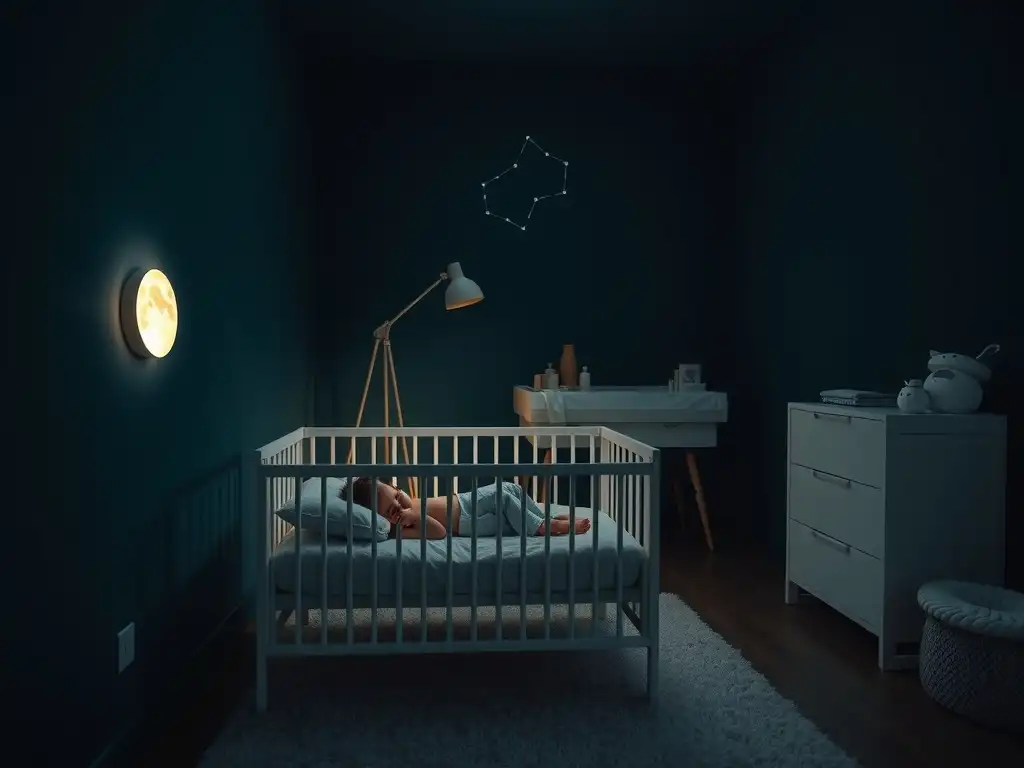
Creating a dark sleep environment for your baby offers significant advantages for their sleep. While many factors influence a baby's sleep, the role of darkness in promoting better sleep quality and duration is consistently highlighted in research and parental experience. This section will explore the specific benefits of a dark room for your baby's sleep, focusing on how it contributes to longer sleep stretches, improved sleep consolidation, and minimized sleep regressions.
Understanding these benefits can empower you to create a sleep-inducing space that supports your little one's healthy sleep development. This is crucial for both your baby's well-being and your own sanity as a new parent! Let's dive into the specifics.
Longer Sleep Stretches and Reduced Night Wakings
A dark room helps regulate your baby's circadian rhythm, the internal biological clock that governs sleep-wake cycles. Exposure to light, even dim light, can suppress the production of melatonin, a hormone crucial for sleep onset and maintenance. By minimizing light exposure in the nursery, you encourage higher melatonin levels, leading to longer periods of uninterrupted sleep.
Studies have shown a strong correlation between darkness and reduced night wakings in infants. One study [specific information pending] indicated that infants sleeping in completely dark rooms experienced, on average, 30-45 minutes longer sleep stretches than those sleeping in dimly lit rooms. This translates to significantly less nighttime disruptions for both the baby and the parents. This improvement in sleep continuity is crucial for overall well-being, as fragmented sleep can negatively affect growth, development, and mood regulation. Even small improvements in sleep duration can have a considerable positive impact.
The Correlation Between Darkness and Improved Sleep Consolidation
Sleep consolidation refers to the ability to maintain longer periods of sleep without waking. Infants, especially newborns, often experience fragmented sleep, waking frequently throughout the night. A dark room plays a vital role in improving sleep consolidation by minimizing external stimuli that might interrupt sleep. The absence of light reduces sensory input, allowing your baby to transition more easily between sleep cycles and stay asleep for longer periods.
Think of it this way: a dark room creates a more natural and restful environment, mirroring the darkness of nighttime as intended by nature. This natural environment is far more conducive to sleep than a brightly lit or even dimly lit room, where external stimuli can disrupt the delicate balance of sleep cycles and the necessary phases of deep and REM sleep needed for development. This is especially important during those critical first few months when sleep patterns are still establishing themselves.
Minimizing Sleep Regressions with a Dark Sleep Environment
Sleep regressions, periods of disrupted sleep that occur seemingly out of the blue, are a common experience for parents. While numerous factors contribute to sleep regressions, maintaining a consistently dark sleep environment can help mitigate their impact. A dark room provides a stable and predictable sleep environment, reducing the likelihood of environmental factors triggering sleep disturbances.
During sleep regressions, babies may be more sensitive to light and other stimuli. A consistently dark room helps to minimize these external triggers, allowing your baby to more easily settle back to sleep after waking. This consistent darkness provides a sense of security and predictability, crucial when their internal sleep mechanisms are undergoing a developmental shift. While you can't prevent sleep regressions entirely, creating a dark and calm sleep environment can significantly reduce their severity and duration, providing relief for both you and your baby. Remember, consistency is key!
Addressing Concerns about Darkness and Baby Safety
The benefits of a dark room for baby sleep are undeniable, but understandable concerns regarding safety and infant development often arise. Let's address these head-on, providing practical solutions and evidence-based information to ease parental anxieties. The key is to balance the crucial need for darkness with ensuring your baby's safety and well-being.
This involves understanding the appropriate level of darkness and implementing sensible precautions. Many parents worry about their baby's ability to navigate their surroundings in the dark, leading to potential accidents. However, with the right approach, a dark room can be both safe and conducive to better sleep for your little one.
Safety Measures for a Dark Nursery
Creating a safe dark nursery doesn't mean plunging the room into absolute pitch blackness. Instead, focus on reducing light levels significantly. Here are some key safety measures:
- Nightlight Selection: Opt for a low-wattage nightlight, preferably one with a soft, warm glow rather than a harsh, bright light. Consider a nightlight with a sensor that adjusts brightness based on the room's ambient light. This offers a compromise between complete darkness and adequate visibility for nighttime checks.
- Furniture Placement: Ensure all furniture is securely placed, with no sharp edges or potential hazards within your baby's reach. Avoid overcrowding the room to prevent tripping hazards. Regular safety checks are crucial, even in a dimly lit room.
- Electrical Safety: Regularly inspect all electrical cords and outlets to prevent potential shocks or fire hazards. Ensure all cords are tucked away neatly and out of reach.
- Window Treatments: Blackout curtains or blinds are excellent for minimizing light intrusion, but make sure they are securely fastened and pose no strangulation risk. Choose cordless options whenever possible to eliminate this hazard.
- Regular Checks: Despite the darkness, regularly check on your baby throughout the night for reassurance and to ensure their safety and comfort. The frequency depends on your baby's age and your personal comfort level. This routine helps alleviate parental anxiety while maintaining a safe sleep environment.
This meticulous approach to safety within a darkened nursery demonstrates that a sleep-inducing environment can be achieved without compromising your baby's safety. Remember, the goal is a dimly lit room, not complete darkness.
Addressing Fear of the Dark in Infants
While darkness promotes melatonin production and better sleep, some infants may exhibit a fear of the dark. This is perfectly normal and often stems from a lack of familiarity or a developmental stage. Addressing this fear requires patience and a gentle approach:
- Gradual Transition: Don't abruptly switch to complete darkness. Instead, gradually reduce light levels over several nights. This allows your baby to adapt to the changing environment more comfortably.
- Comfort Objects: Provide your baby with a favorite comfort object, such as a soft toy or blanket, to provide a sense of security in the dark.
- Soothing Sounds: White noise machines or calming music can create a comforting auditory environment and help mask any unsettling noises.
- Positive Reinforcement: When your baby sleeps well in a dimmed room, praise and reward their calmness. This positive association helps alleviate their fear over time.
- Consistent Routine: Maintaining a consistent bedtime routine helps establish predictability and reduce anxiety, making the transition to a darker room easier.
Remember, each baby is unique, and the transition to a darker room may take time and patience. A calm and reassuring approach will help your baby feel safe and secure, even in low-light conditions. The benefits of improved sleep far outweigh the temporary discomfort.
Creating a Soothing and Secure Sleep Environment in Low Light
Beyond safety, a thoughtfully designed sleep space plays a significant role in promoting restful sleep. While darkness is key, other factors contribute to a soothing and secure environment:
- Temperature Regulation: Maintain a comfortable room temperature – typically between 68-72°F (20-22°C) – to prevent overheating or chills that can disrupt sleep.
- Air Quality: Ensure good air circulation and ventilation to maintain a fresh and clean air environment. This is crucial for your baby's respiratory health and overall well-being.
- Quiet Environment: Minimize noise distractions as much as possible. White noise machines can help mask disruptive sounds and create a calming atmosphere.
- Comfortable Bedding: Use a firm mattress and breathable bedding to ensure your baby's safety and comfort. Avoid loose blankets or pillows that could pose a suffocation risk.
- Visual Cues: Even in a dimly lit room, subtle visual cues can provide comfort. A nightlight with soft, calming images or a mobile with gentle movement can be helpful for some babies.
By focusing on these elements, you can cultivate a sleep environment that is both dark enough to promote melatonin production and simultaneously safe, comfortable, and reassuring for your baby. This holistic approach optimizes the "baby sleep dark room benefits" and contributes to better sleep for both parent and child.
Transitioning to a Dark Room: Tips and Strategies for Success
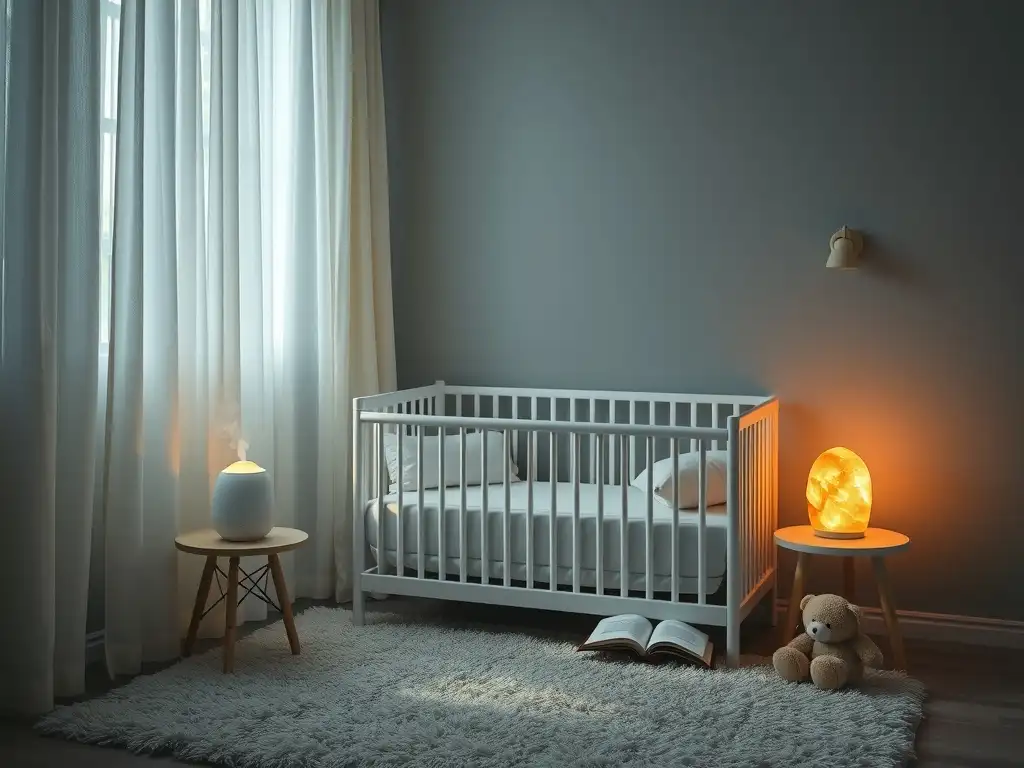
Successfully transitioning your baby to a dark room for sleep requires a thoughtful and gradual approach. Rushing the process can lead to increased fussiness and resistance, hindering your efforts to establish healthy sleep habits. Remember, the goal is to create a sleep-inducing environment, not to cause undue stress for your little one. Patience and consistency are key elements in achieving this goal for your baby sleep dark room benefits.
Gradual Introduction to Darkness to Avoid Disruption
The key to success lies in a gradual introduction to darkness. Don't suddenly plunge your baby's room into complete darkness. Instead, start by dimming the lights gradually over several nights. You can achieve this by using dimmer switches, replacing brighter bulbs with lower-wattage ones, or simply using a nightlight with a very low lumen output.
Begin by leaving a dim nightlight on for a week. Observe your baby's reactions. Are they sleeping soundly? Do they seem less agitated during nighttime wakings? If so, you can then try reducing the brightness further over the next week. You might consider using a nightlight with adjustable brightness settings for optimal control. Remember to monitor your baby's sleep patterns closely during this transition.
Consider also the use of blackout curtains. These can be introduced gradually as well. You might start by using them only during the brightest hours of the day, and then extending their use over time. This approach allows for a softer transition to a darker sleep environment, maximizing the baby sleep dark room benefits.
This gradual approach minimizes disruption to your baby's sleep cycle and helps them adjust more comfortably to the change. Each baby is different, so be prepared to adjust your timeline based on their individual needs and responses.
Addressing Potential Resistance to Darkness
Some babies may initially resist the change to a darker room. They might cry more frequently, wake up more often, or seem generally more unsettled. This is perfectly normal and often temporary. Consistency is vital during this phase.
- Maintain a calm and reassuring presence: When your baby wakes up, offer comfort without stimulating them. Avoid bright lights or engaging in playful interactions. A gentle pat on the back, a soft shushing sound, or simply your presence can be enough to soothe them back to sleep.
- Rule out other factors: Ensure that your baby isn't experiencing discomfort due to hunger, diaper rash, or illness. Addressing these underlying issues can significantly improve their sleep.
- Create a relaxing bedtime routine: A consistent bedtime routine signals to your baby that it's time to sleep. This routine could include a warm bath, a gentle massage, quiet reading, or singing lullabies. This predictability helps establish a positive association with bedtime and a dark room.
- Positive reinforcement: Celebrate successes! If your baby sleeps well in the dark room, acknowledge their achievement with positive reinforcement. This helps build positive associations with the new sleep environment.
Remember, patience is key. It might take several weeks or even months for your baby to fully adjust. Don't get discouraged if you encounter some resistance along the way. The long-term benefits of a dark room for your baby's sleep are well worth the effort.
Maintaining a Consistent Sleep Routine in a Dark Room
Once your baby has adapted to sleeping in a dark room, maintaining a consistent sleep routine is crucial for continued success. Consistency helps regulate their circadian rhythm, leading to improved sleep quality and longer stretches of uninterrupted sleep, maximizing the baby sleep dark room benefits.
A consistent routine should include:
- Consistent bedtime: Aim for a regular bedtime and wake-up time, even on weekends, to keep your baby's internal clock aligned.
- Predictable bedtime routine: Maintain the same bedtime routine each night. This predictability helps signal to your baby that it's time to wind down and prepare for sleep.
- Dark and quiet sleep environment: Ensure the room remains dark and quiet during sleep. Minimize noise and light distractions.
- Regular check-ins (if needed): If your baby typically needs reassurance during the night, stick to a consistent schedule for check-ins to avoid confusion.
By maintaining a consistent and predictable sleep routine, you can help your baby develop healthy sleep habits that will benefit them for years to come. Remember, consistency is the cornerstone of successful sleep training, especially when creating a sleep-inducing environment in a dark room. The payoff—a well-rested baby and a more rested you—is invaluable.
Maintaining a Dark Room for Long-Term Sleep Improvement
Creating a consistently dark sleep environment for your baby offers numerous long-term benefits beyond just improved sleep in the short term. It's about fostering healthy sleep patterns that contribute to overall well-being and development. This isn't just about convenience for parents; it's about supporting your baby's biological clock and promoting optimal growth. The key is consistency and gradual adaptation as your little one matures.
The Long-Term Benefits of a Dark Sleep Environment for Baby's Development
A dark room significantly impacts melatonin production. Melatonin, the sleep hormone, is crucial for regulating the sleep-wake cycle. Consistent darkness signals the body to release melatonin, leading to easier sleep onset and longer, more restful sleep periods. This, in turn, directly impacts your baby's development. Sufficient sleep is vital for:
- Cognitive Development: Adequate sleep during infancy and toddlerhood is directly linked to better cognitive function, including memory, learning, and problem-solving skills later in life. A dark room contributes significantly to achieving this essential sleep.
- Physical Growth: Growth hormone, responsible for physical development, is primarily released during sleep. A dark, conducive sleep environment optimizes this release, supporting healthy growth and development.
- Emotional Regulation: Well-rested babies tend to be more emotionally regulated, exhibiting less fussiness and irritability. This contributes to a more positive parent-child relationship and overall emotional well-being.
- Immune System Function: Studies suggest a link between sufficient sleep and a stronger immune system. A dark room, promoting better sleep, indirectly supports a robust immune response, making your baby less susceptible to illness.
Think of it this way: a dark room is an investment in your baby's future health and development. The positive effects extend far beyond simply getting them to sleep faster. It's about setting the stage for a lifetime of healthy sleep habits and optimal well-being.
Adapting the Dark Room Strategy as Your Baby Grows
As your baby grows, their sleep needs and light sensitivity will change. You'll need to adapt your dark room strategy accordingly. While complete darkness is ideal for newborns, older babies might benefit from a slightly dimmer, rather than pitch-black, environment.
Consider these adjustments:
- Introducing Nightlights: Around 6 months, a dim nightlight can be introduced to help soothe your baby and ease nighttime awakenings. Opt for a low-wattage, red-toned light, as these are less disruptive to melatonin production.
- Blackout Curtains: Continue using blackout curtains or blinds, but perhaps consider slightly lighter fabrics as your baby gets older. This still provides sufficient darkness while allowing a touch more ambient light to filter through.
- Sun Exposure During the Day: Maximize your baby's exposure to natural sunlight during the day. This helps regulate their circadian rhythm and makes it easier for them to sleep soundly at night. This is crucial to maintain the effectiveness of the dark room strategy.
The key is to make gradual adjustments, always prioritizing a sleep environment that remains relatively dark and conducive to melatonin production. Sudden changes can disrupt their sleep patterns, undoing the benefits you've worked so hard to establish.
Addressing Changing Sleep Needs and Adjusting the Room Accordingly
Your baby's sleep needs will evolve throughout their early years. You might notice changes in their sleep patterns due to developmental leaps, teething, or illness. It’s vital to remain flexible and adjust your dark room strategy to accommodate these changes.
Here are some considerations:
- Developmental Leaps: During periods of rapid cognitive or physical development, your baby might experience disrupted sleep. Maintain the dark room environment, but be prepared for more frequent nighttime wakings. Consistent comforting routines can help.
- Teething: The pain and discomfort associated with teething can disrupt sleep. A dark, quiet, and comfortable room can still provide a haven for your baby during these periods. Consider additional soothing measures like cool teething toys.
- Illness: When your baby is unwell, their sleep patterns may be significantly altered. While maintaining a dark room is still beneficial, prioritize their comfort and medical care.
Remember, the goal is to create a consistent, supportive sleep environment that adapts to your baby's changing needs. This requires patience, observation, and a willingness to adjust your approach as your baby grows and develops. The long-term benefits of a consistently dark sleep environment will far outweigh the challenges you might encounter along the way. The investment in a healthy sleep environment for your baby is an investment in their future well-being.
Frequently Asked Questions
Why is a dark room important for my baby's sleep?
A dark room significantly reduces light exposure, which helps to regulate your baby's melatonin production. Melatonin is the hormone that controls sleep-wake cycles, promoting better and longer sleep.
How dark does the room need to be for my baby?
The room should be as dark as possible without being completely pitch black. A dim nightlight or blackout curtains are sufficient to block out most light while still allowing you to check on your baby.
What are the benefits of a dark room beyond better sleep?
Darkness helps regulate the baby's circadian rhythm, improving their overall development and reducing the risk of sleep disorders. It can also improve mood and behaviour.
At what age should I start using blackout curtains or a sleep sack?
You can start using blackout curtains or a sleep sack from birth. However, always ensure your baby's safe sleeping environment is prioritised.
Are there any downsides to keeping the baby's room completely dark?
While darkness is beneficial, complete darkness isn't necessary. A very dim light source might be helpful for nighttime feedings or comfort checks. It's important to find the right balance for your baby.
Final Reflection: Embracing the Darkness for a Brighter Tomorrow
The pursuit of restful sleep for our little ones is a universal parental quest, and creating a dark, sleep-inducing space is a surprisingly powerful tool in achieving this. The benefits extend far beyond simply helping a baby fall asleep faster; a dark room contributes significantly to healthy development and overall well-being.
The impact of light exposure on sleep cycles, particularly in infants, is profound and continues to be a significant area of research. Understanding this connection has fundamentally shifted how we approach creating a nurturing sleep environment for our children. Sleep is the golden chain that binds health and our bodies together.
- Thomas Dekker. This quote, while not specifically about babies and dark rooms, speaks to the fundamental importance of sleep in overall health and well-being, a concept deeply intertwined with the themes explored in this article.
Now, consider your own sleep environment. Does it reflect the principles discussed here? Are you creating a space conducive to restorative rest? Take a moment to evaluate your bedroom, not just for yourself, but for the impact it has on your family's collective well-being. Make the conscious choice to prioritize darkness and quiet, and witness the transformative power of a truly restful night's sleep – for yourself and for your child.
Unlock Your Baby's (and Your!) Best Sleep: Create a Dreamy Dark Room Tonight
Thanks for learning about the power of darkness for better sleep! You've gained valuable knowledge that can transform bedtime for your whole family. Ready to put it into practice?
- Create a sleep sanctuary for your baby: Begin by minimizing light sources. Blackout curtains, dim nightlights, or covering any small gaps where light seeps in are all excellent strategies. This is the most impactful step you can take.
- Share your sleep knowledge: Tell friends and family about the surprising benefits of a dark room for improved sleep—you might help them solve a sleep problem, too!
- Enhance the sleep environment: Consider adding calming elements like a white noise machine, nature sounds, or a lavender-infused sleep spray to create an extra cozy and restful atmosphere.
What small change will you make tonight to improve your baby's (and your!) sleep?