
Baby's First Sleep: Implementing Gentle Sleep Training From Newborn Stage


Welcome to BabyCareHub, your ultimate guide to navigating the incredible journey of parenthood! Are you ready to unlock the secrets to peaceful nights and happy days? We understand the challenges of newborn care, and that's why we've created this comprehensive resource. Discover our expert advice on gentle newborn sleep training, a crucial aspect of establishing healthy sleep habits from the very beginning. Dive in and learn how to nurture your little one's sleep while prioritizing their comfort and well-being – it's a journey we're here to support you through every step of the way.
- Understanding Newborn Sleep Patterns and Needs
-
Gentle Sleep Training Techniques for Newborns
- Creating a Consistent Bedtime Routine for Newborns: Bath, Book, Bed
- Establishing a Calming Bedtime Environment: Dim Lighting, White Noise, and Soothing Sounds
- Responding to Your Baby's Cries Responsively: The Art of Gentle Comforting
- The Power of Positive Reinforcement: Rewarding Calm Sleep Behaviors
-
Addressing Common Newborn Sleep Challenges
- Dealing with Frequent Night Wakings: Understanding Hunger Cues vs. Comfort Needs
- Overcoming the 4-Month Sleep Regression: Strategies for Navigating This Developmental Milestone
- Managing Baby's Sleep During Daytime: Establishing a Consistent Nap Schedule
- How to Teach Self-Soothing Techniques to your Newborn
- Building a Strong Sleep Association for Your Baby
- Monitoring Your Baby's Progress and Making Adjustments
- The Benefits of Gentle Sleep Training for Newborns and Parents
- Frequently Asked Questions
- Final Reflection: Cultivating Calm in the Cradle
- Unlock Your Baby's Sleep Potential: Gentle Steps to Sweet Dreams
Understanding Newborn Sleep Patterns and Needs
New parenthood is a whirlwind of emotions and experiences, and sleep – or the lack thereof – often tops the list of challenges for first-time parents. Navigating your baby's sleep patterns during those precious first few months can feel overwhelming, but understanding their natural rhythms and implementing gentle sleep training techniques can make a world of difference for both you and your little one.
This guide focuses on gentle newborn sleep training, a method emphasizing responsiveness and respect for your baby's individual needs, helping you establish healthy sleep habits from the very beginning. We'll explore newborn sleep patterns, identify sleep cues, and discuss crucial safe sleep practices, empowering you to create a peaceful and nurturing sleep environment for your baby.
Remember, consistency and patience are key to successful gentle sleep training; every baby is unique, and finding what works best for your family takes time and understanding. Let's embark on this journey together, learning how to support your baby's healthy sleep development and foster a strong parent-child bond.
Establishing a Healthy Sleep Foundation in the First Few Weeks
The first few weeks postpartum are a period of significant adjustment for both parents and newborns. Newborns sleep for approximately 16-17 hours a day, but this sleep is often fragmented, consisting of short sleep cycles punctuated by frequent awakenings. This is perfectly normal! Their immature nervous systems are still developing, and they haven't yet learned to self-soothe.
During this phase, focus on creating a nurturing and predictable environment. This includes establishing a consistent bedtime routine, even if it's just a simple bath, massage, and feeding. Prioritize skin-to-skin contact, which has been shown to regulate a baby's heart rate, temperature, and sleep patterns. Avoid overstimulation before bedtime, opting for calm and quiet activities.
Remember that consistency is key; even though your newborn may not sleep through the night, a consistent routine helps regulate their circadian rhythm, laying the foundation for better sleep in the weeks and months to come. This initial phase is less about "training" and more about creating a secure and predictable environment that supports your baby's natural sleep patterns. Data shows that babies who experience consistent routines exhibit improved sleep quality over time.
Recognizing Your Baby's Sleep Cues: Drowsiness, Fussiness, and Yawning
Learning to recognize your baby's sleep cues is crucial for successful gentle sleep training. Instead of waiting until your baby is inconsolably crying, aim to put them down for sleep when they show early signs of drowsiness. These cues can vary from baby to baby, but commonly include:
- Yawning: A clear indicator of tiredness.
- Rubbing eyes: A classic sign of sleepiness.
- Fussiness or irritability: Often a sign that your baby is overtired.
- Quieter behavior: A subtle change in demeanor indicating fatigue.
- Grabbing at ears or face: Sometimes a sign of tiredness.
- Pulling at their clothing or blanket: Another potential sign of tiredness.
Responding to these early cues prevents your baby from becoming overtired, which can lead to increased fussiness and difficulty falling asleep. Observing your baby's unique cues and responding promptly builds trust and security, crucial components of gentle sleep training. Early intervention allows you to gently guide your baby towards sleep before they reach a point of extreme exhaustion.
The Importance of Safe Sleep Practices for Newborns: Swaddling, Positioning, and Room Temperature
Safe sleep is paramount for your newborn's well-being. Always follow the guidelines recommended by pediatricians and child health organizations. This includes:
- Positioning: Always place your baby on their back to sleep, on a firm, flat surface free from loose bedding, pillows, or toys.
- Swaddling: Swaddling can be beneficial for some newborns, providing a sense of security and reducing the startle reflex. However, stop swaddling once your baby shows signs of rolling over.
- Room Temperature: Maintain a comfortable room temperature, ideally between 68-72°F (20-22°C).
- Bedding: Use a firm mattress and fitted sheet. Avoid loose blankets or pillows.
Following these safe sleep practices significantly reduces the risk of Sudden Infant Death Syndrome (SIDS). Remember, a safe sleep environment is a foundation for healthy sleep development and contributes to your baby's overall well-being. Consistent adherence to safe sleep practices is crucial for minimizing risks and ensuring a secure sleeping environment for your newborn. Prioritize safety above all else when creating your baby's sleep space.
Gentle Sleep Training Techniques for Newborns

This section delves into practical, evidence-based techniques for gentle newborn sleep training, focusing on establishing healthy sleep habits from the very beginning. Remember, consistency is key, and patience is paramount. Every baby is unique, so adjust these methods to suit your little one's individual needs and temperament. The goal is to create a supportive and predictable sleep environment that fosters self-soothing and independent sleep, minimizing stress for both parent and baby.
Creating a Consistent Bedtime Routine for Newborns: Bath, Book, Bed
A predictable bedtime routine signals to your baby that sleep is approaching. This routine should be short, sweet, and consistently repeated nightly. The classic "bath, book, bed" routine is a great starting point, but feel free to adapt it to your preferences.
The bath provides a relaxing transition, washing away the day's activities. Keep it warm, but not excessively hot, and use gentle, unscented baby wash. Following the bath, a quiet story or some gentle cuddles with a favorite book creates a calming atmosphere. Finally, place your baby in their crib while they are still drowsy but awake, allowing them to drift off independently.
Consider these variations:
- Option 1 (Shorter Routine): Singing a lullaby, followed by placing the baby in the crib.
- Option 2 (Longer Routine): A massage, a warm bath, a bedtime story, and a final cuddle before putting your baby down.
The key is consistency. Sticking to a similar routine every night helps regulate your baby’s circadian rhythm, making it easier for them to fall asleep and stay asleep. Avoid overly stimulating activities immediately before bedtime.
Establishing a Calming Bedtime Environment: Dim Lighting, White Noise, and Soothing Sounds
Creating a sleep-conducive environment is crucial for gentle newborn sleep training. Think about the sensory input your baby is experiencing. A dark, quiet room is ideal for promoting relaxation and sleep.
- Dim Lighting: Avoid bright lights before bedtime. Use a nightlight or dim lamps to create a soft, calming glow. This mimics the natural reduction in light that occurs at sunset, signaling to your baby's body that it's time to rest.
- White Noise: Many newborns find the consistent sounds of white noise soothing. A white noise machine, fan, or even a downloaded white noise app can help block out distracting noises and create a more peaceful sleep environment. Experiment with different types of white noise to find what works best for your baby.
- Soothing Sounds: Gentle music, nature sounds, or recordings of your own voice can also be calming. Keep the volume low to avoid startling your baby.
The aim is to create a sanctuary conducive to sleep, minimizing external stimulation and maximizing comfort. Remember to maintain a consistent temperature in the room as well; a slightly cool room is usually best for sleep.
Responding to Your Baby's Cries Responsively: The Art of Gentle Comforting
Responding to your baby's cries is a critical component of gentle sleep training. It's not about letting your baby cry it out, but rather about providing comfort and reassurance while gradually encouraging self-soothing.
The method of responding will vary depending on your baby's age and temperament. For newborns, immediate responses are generally recommended. This doesn't necessarily mean picking your baby up every time they cry, but it does mean providing comfort and reassurance. You might try:
- Patting or rubbing their back: Gentle physical touch can be incredibly soothing.
- Offering a pacifier: If your baby uses a pacifier, offering it can help them self-soothe.
- Shushing or humming: These sounds mimic the sounds your baby heard in the womb and can be calming.
- Picking them up and cuddling: Sometimes, close physical contact is all your baby needs.
Gradually, as your baby grows, you can begin to lengthen the time between responses, teaching them to self-soothe. The goal is not to ignore your baby's cries, but to provide support and guidance while fostering their independence. The emphasis is on gentle comforting, gradually increasing the intervals between responses as your baby develops their own self-soothing skills. Always prioritize your baby's safety and well-being.
The Power of Positive Reinforcement: Rewarding Calm Sleep Behaviors
Positive reinforcement is a cornerstone of gentle newborn sleep training. Instead of focusing on punishing undesirable behaviors like crying, this method emphasizes rewarding calm and independent sleep behaviors. This approach fosters a positive association with sleep and reduces the likelihood of sleep struggles in the long term. The key is to identify what your baby responds to positively – it might be a gentle pat on the back, a soft shushing sound, a favorite stuffed animal, or even just your calm presence nearby.
Consistent positive reinforcement is crucial. Every time your baby demonstrates a desired behavior—quietly settling down in their crib, showing signs of drowsiness, or falling asleep independently—immediately reward them with the chosen positive reinforcement. This creates a powerful link between the desired behavior and a positive experience, making it more likely they will repeat the behavior. Avoid offering rewards for crying or fussing; this can inadvertently reinforce those behaviors.
The timing of reinforcement is also important. Ideally, the reward should be delivered immediately after the desired behavior. A slight delay can weaken the association. For example, if your baby is starting to show signs of self-soothing, such as rubbing their eyes or sucking on their fingers, offer your chosen reinforcement promptly. This immediate positive feedback helps the baby understand what behavior is being rewarded.
It's important to remember that every baby is unique. What works for one might not work for another. Experiment with different types of positive reinforcement to discover what resonates best with your little one. Keep a sleep diary to track your baby's sleep patterns and responses to different reinforcement strategies. This data will be invaluable in refining your approach and optimizing your baby's sleep.
Consistency is key; continue using the positive reinforcement consistently even when you see only small improvements. The cumulative effect over time will be significant. Remember, patience and persistence are crucial elements of gentle sleep training. 🎉
Addressing Common Newborn Sleep Challenges
Newborn sleep is notoriously unpredictable, leaving many first-time parents feeling overwhelmed and exhausted. Gentle newborn sleep training focuses on establishing healthy sleep habits from the very beginning, minimizing stress for both baby and caregiver. This section dives into some of the most common sleep challenges faced during the newborn phase and provides practical, evidence-based strategies to address them. Remember, consistency and patience are key to successful gentle sleep training. Each baby is unique, so finding what works best for your little one may require some experimentation.
Dealing with Frequent Night Wakings: Understanding Hunger Cues vs. Comfort Needs
Frequent night wakings are a hallmark of the newborn period. Differentiating between hunger and a need for comfort is crucial for effective gentle sleep training. While newborns do need frequent feeds, many wakings are driven by a desire for closeness and reassurance.
Understanding hunger cues requires careful observation. Is your baby actively rooting, sucking on their hands, or crying intensely? These are strong indicators of hunger. However, a fussy, whimpering cry, accompanied by gentle stirring, might signal a need for comfort rather than a full feeding.
Here's a helpful table to guide you:
| Cue | Likely Reason | Response |
|---|---|---|
| Intense, sustained cry | Hunger | Offer a feed |
| Whimpering, stirring | Comfort/security | Offer gentle patting, shushing, or rocking |
| Fussiness, arching back | Gas or discomfort | Try gentle tummy massage, burping, or positioning |
Responding to comfort needs without immediately offering a feed can help your baby learn to self-soothe. Gradually increasing the time between responses can further strengthen this skill. Remember, consistency is vital; responding differently each time can confuse your baby.
Around four months, many babies experience a significant sleep disruption known as the 4-month sleep regression. This is a developmental leap, not a sign that your gentle sleep training has failed. This period is characterized by shorter sleep cycles, more frequent night wakings, and difficulty settling. It's a time of significant brain development, and your baby is learning new skills and consolidating existing ones.
Navigating this challenging phase requires patience and understanding. Here are some strategies to help you and your baby through it:
- Maintain a consistent bedtime routine: The familiarity and predictability of a routine provide comfort during this period of change.
- Ensure adequate daytime sleep: Sufficient daytime naps can help prevent overtiredness, which exacerbates nighttime sleep problems.
- Create a conducive sleep environment: A dark, quiet, and cool room is ideal for sleep.
- Respond consistently but calmly: Avoid reinforcing nighttime wakings by rushing to your baby immediately. Offer comfort, but gradually increase the time between responses.
- Consider swaddling (if appropriate): Swaddling can provide a sense of security and reduce startle reflexes.
Remember, the 4-month sleep regression is temporary. With consistent gentle sleep training techniques, your baby will eventually adjust to their new developmental stage, and their sleep will improve.
Managing Baby's Sleep During Daytime: Establishing a Consistent Nap Schedule
Establishing a consistent nap schedule for your baby is crucial for promoting healthy sleep habits and preventing overtiredness. This is especially important during the newborn phase and throughout the first year. Overtired babies are often more difficult to settle and tend to have more frequent wakings.
Creating a consistent nap routine involves observing your baby's sleep cues. These cues may include rubbing eyes, yawning, becoming fussy, or pulling at their ears. When you notice these cues, begin your nap routine. This might involve a quiet activity, a change of diaper, or a feeding, followed by placing your baby in their crib or bassinet in a dimly lit room.
A sample schedule might look like this (remember, this is a sample and individual needs vary):
- Morning Nap: 9:00 AM - 10:30 AM
- Afternoon Nap: 1:00 PM - 2:30 PM
- Late Afternoon Nap: 4:00 PM - 5:00 PM
It's important to note that as your baby grows, their nap needs will change. Be flexible and adjust the schedule as necessary to meet your baby's evolving needs. Always prioritize consistent routines over strict adherence to a schedule. Consistent sleep-wake cycles will help regulate your baby's internal clock, leading to improved sleep for everyone. 😴
How to Teach Self-Soothing Techniques to your Newborn
Teaching a newborn self-soothing is a gradual process, requiring patience and understanding. It's crucial to remember that newborns lack the developed neurological capacity for independent sleep regulation that older infants possess. Therefore, the goal isn't to get your baby to sleep through the night immediately, but rather to equip them with skills to manage brief periods of wakefulness without escalating into inconsolable crying.
One of the most effective techniques is to create a calming bedtime routine. This routine should be consistent and predictable, signaling to your baby that it's time to wind down. This could include a warm bath, a gentle massage, reading a book, singing lullabies, or simply quiet cuddling. The key is consistency; repeating the same steps in the same order each night helps create a sense of security and predictability. The routine should be short, ideally lasting no more than 30 minutes, to avoid overstimulating your little one.
Another important aspect is recognizing your baby's early sleep cues. These cues can vary from baby to baby, but they might include rubbing their eyes, yawning excessively, becoming fussy or less interactive, or pulling their ears. By noticing these cues and responding promptly with your calming bedtime routine, you help your baby transition to sleep before they become overly tired and frustrated. Responding to these early cues is a key element of gentle newborn sleep training.
Furthermore, creating a conducive sleep environment is essential. This means ensuring a dark, quiet, and cool room. White noise machines can be incredibly helpful in masking disruptive noises and creating a consistent soundscape that promotes relaxation. Swaddling can also be beneficial, particularly for newborns who have a strong startle reflex, as it provides a sense of security and reduces the likelihood of startling themselves awake.
It's vital to remember that not all newborns will respond to self-soothing techniques in the same way. Some babies might require more support than others. If your baby is consistently struggling to settle, consult with your pediatrician or a certified sleep consultant. They can provide personalized guidance and help rule out any underlying medical conditions that might be contributing to sleep difficulties. Remember, gentle sleep training is a journey, not a race, and every baby develops at their own pace. Patience and consistency are key to success.
Building a Strong Sleep Association for Your Baby
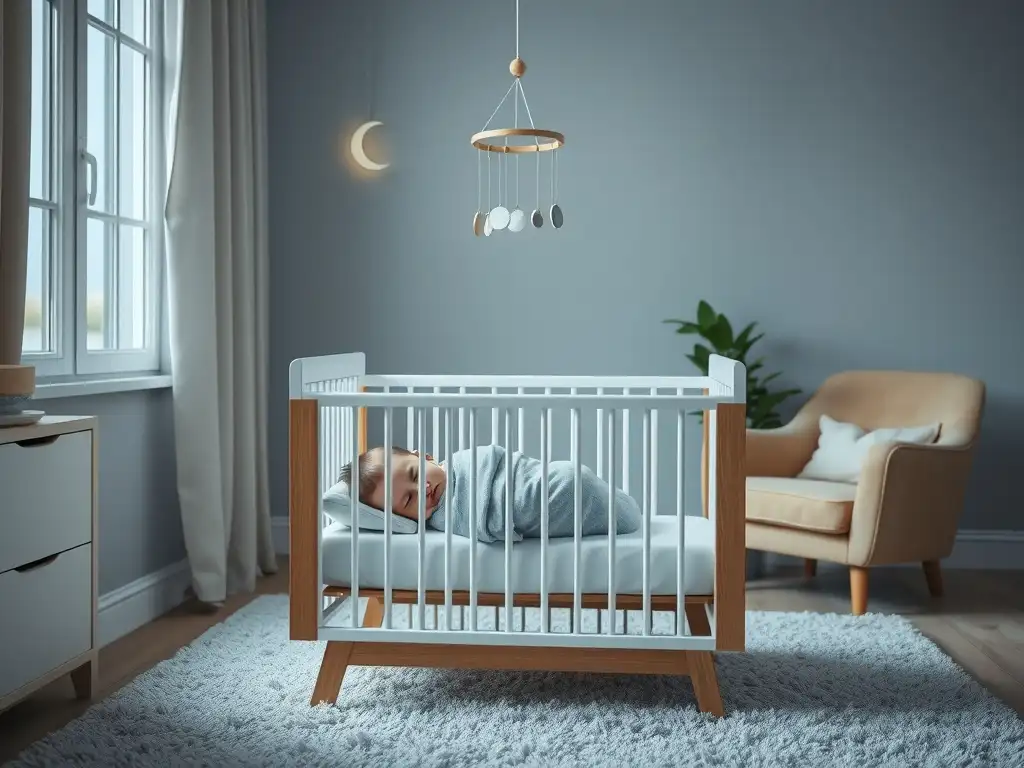
This section focuses on establishing positive sleep associations for your newborn, crucial for gentle sleep training. A positive sleep association is a cue or behavior that consistently signals to your baby it's time to sleep. This helps your little one learn to self-soothe and fall asleep independently, reducing reliance on parental intervention. Remember, consistency is key! The goal is to create a predictable and calming bedtime routine that your baby comes to associate with sleep.
The Importance of Consistent Sleep Cues and Associations
Consistent sleep cues are vital for gentle newborn sleep training. Think of it like this: your baby's brain is learning to connect specific actions and environments with sleep. This predictability reduces anxiety and promotes restful sleep. Some effective sleep cues include:
- A consistent bedtime routine: This could involve a warm bath, a massage, putting on pajamas, reading a book, singing a lullaby, or dimming the lights. The key is to establish a predictable sequence of events signaling the transition to sleep.
- A dark and quiet sleep environment: Minimize noise and light in your baby's room. Consider using blackout curtains or a white noise machine to create a calm and conducive sleep environment. This helps regulate melatonin production, a hormone essential for sleep.
- A comfortable sleep space: Ensure your baby's crib or bassinet is comfortable and safe, with a firm mattress and appropriate bedding. A consistent sleep temperature is also important; avoid overheating. Data suggests a slightly cooler room temperature (around 68-72°F) is ideal for sleep.
- Specific sleep clothing: Always dress your baby in comfortable, breathable sleepwear appropriate for the room temperature. Consistency in sleep attire can also become a subtle sleep cue.
Creating these consistent sleep cues helps your baby understand the transition to sleep, reducing nighttime wakings and fostering a sense of security. Remember, even small variations in the routine can disrupt a baby's sleep patterns, so consistency is paramount.
Avoiding Negative Sleep Associations: Pacifiers, Rocking, and Feeding to Sleep
Negative sleep associations are habits that your baby relies on to fall asleep, but which can lead to frequent wakings throughout the night. Common culprits include:
- Feeding to sleep: While feeding is essential for newborns, relying on it to induce sleep can create a strong association between feeding and sleep. Your baby may wake up needing to feed again to return to sleep.
- Rocking or motion to sleep: Similarly, if your baby only falls asleep while being rocked or held, they might wake up and require the same motion to go back to sleep. This can lead to significant parental sleep deprivation.
- Pacifier dependence: While pacifiers can be soothing, over-reliance can lead to frequent wakings as the pacifier falls out.
The goal of gentle sleep training is to help your baby learn to self-soothe and fall asleep independently, without these crutches. This requires a gradual and patient approach, as detailed in the next section. Eliminating these negative associations will lead to longer stretches of sleep for both you and your baby. We recommend keeping a sleep journal to track your baby's sleep patterns and identify any negative associations.
Gradual Withdrawal of Sleep Aids: A Gentle Approach to Independence
Gradually withdrawing sleep aids is crucial for gentle sleep training. This approach prioritizes your baby's emotional security while teaching them self-soothing skills. Here's a step-by-step approach:
- Identify the primary sleep aid: Determine which sleep aid your baby relies on most (feeding, rocking, pacifier).
- Start with small changes: Begin by slightly reducing the reliance on the sleep aid. For example, if you rock your baby to sleep, try reducing the rocking time gradually each night.
- Increase the time between sleep cycles: As your baby becomes more comfortable, gradually increase the time between feeding or rocking sessions during the night.
- Offer comfort without sleep aids: When your baby wakes, offer comfort with gentle pats, soothing words, or a soft touch instead of resorting to the sleep aid.
- Be patient and consistent: This process takes time and patience. There will be setbacks, but consistency is key. Celebrate small victories and remember to focus on your baby's overall well-being.
Remember, gentle sleep training is a journey, not a race. Every baby is different, and what works for one might not work for another. Be flexible, adapt your approach, and don't hesitate to seek professional guidance if needed. The long-term benefits of a well-trained sleeper are immeasurable, leading to improved sleep for both parent and child.
Monitoring Your Baby's Progress and Making Adjustments
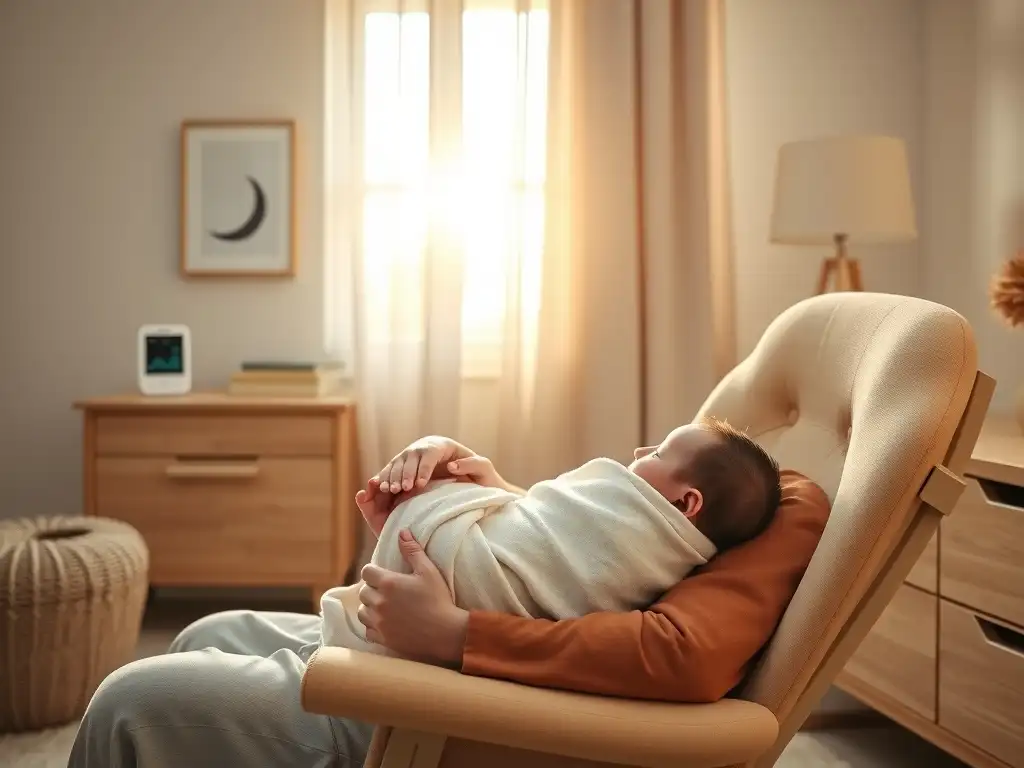
Gentle newborn sleep training is a journey, not a race. Consistent progress isn't always linear; there will be ups and downs. Regularly monitoring your baby's sleep and making necessary adjustments is crucial for success and for ensuring your baby's well-being. Remember, the goal is to establish healthy sleep habits, not to force a rigid schedule.
Tracking Your Baby's Sleep Patterns: Sleep Diaries and Monitoring Tools
Keeping a detailed sleep diary is invaluable. This allows you to identify patterns, pinpoint potential problems, and track the effectiveness of your gentle sleep training techniques. Note down not only the total sleep time but also:
- Nap times and durations: Record both the start and end times of each nap, noting whether it was in the crib, bassinet, or elsewhere.
- Nighttime sleep: Document bedtime, wake-up times, and any nighttime wakings, including the time and your response.
- Feeding times and amounts: This helps correlate feeding with sleep patterns. A hungry baby may struggle to settle.
- Diaper changes: Wet or soiled diapers can interrupt sleep.
- Any other relevant information: Note any unusual events, such as illness, teething, or a change in routine that might affect sleep.
Numerous apps and digital tools can assist in sleep tracking. Some offer features like sleep cycle analysis (though the accuracy for newborns is debated) and personalized recommendations based on your baby's data. However, a simple pen-and-paper diary can be just as effective, especially in the early stages. The key is consistency.
Recognizing When to Seek Professional Help: When Gentle Sleep Training Isn't Enough
While gentle sleep training is often effective, some babies may require additional support. It's crucial to recognize when professional help is needed. Consult a pediatrician or a certified sleep consultant if you observe any of the following:
- Persistent difficulties settling: If your baby consistently struggles to fall asleep and remains inconsolable for extended periods, despite implementing gentle sleep training techniques.
- Excessive daytime sleepiness: This can indicate underlying medical conditions or sleep disorders.
- Sudden changes in sleep patterns: Significant and unexplained changes in sleep duration or quality warrant a check-up.
- Concerns about your baby's health: If you have any concerns about your baby's overall health or development, consult your pediatrician. Sleep disturbances can sometimes be a symptom of other issues.
- Parental burnout: Sleep deprivation can severely impact your well-being. Don't hesitate to seek help if you're struggling to cope. A professional can offer support and strategies to improve the entire family’s sleep.
Remember, seeking professional advice isn't a sign of failure. It's a proactive step towards ensuring your baby's healthy development and your own well-being. A sleep consultant can provide personalized guidance and support tailored to your family's unique needs.
Long-Term Sleep Strategies: Maintaining Healthy Sleep Habits Beyond Infancy
Gentle newborn sleep training lays the foundation for healthy sleep habits that extend beyond infancy. As your baby grows, you'll need to adapt your approach, but the core principles remain the same: consistency, positive reinforcement, and a nurturing environment.
Consider these long-term strategies:
| Age Range | Sleep Strategies | Key Considerations |
|---|---|---|
| 6-12 Months | Consistent bedtime routine, age-appropriate sleep environment, responding to cues | Gradual transition to one longer nighttime sleep stretch, maintaining daytime naps. |
| 12-18 Months | Maintaining consistent routines, introducing a visual schedule, positive reinforcement | Addressing separation anxiety, understanding toddler sleep patterns and needs. |
| 18 Months + | Consistent bedtime routine, age-appropriate sleep environment, problem-solving skills | Addressing independence, dealing with nighttime wakings proactively, establishing routines. |
Remember, your baby's sleep needs will evolve. Stay flexible, adapt your strategies as needed, and continue to prioritize a calm and supportive environment to foster healthy sleep habits throughout their childhood. 🎉 This consistent approach to gentle sleep training will yield long-term benefits for both you and your little one.
The Benefits of Gentle Sleep Training for Newborns and Parents
Gentle newborn sleep training offers a multitude of advantages for both the baby and the parents. Unlike more forceful methods, it prioritizes the baby's emotional needs while establishing healthy sleep habits. This approach focuses on creating a supportive and nurturing environment conducive to self-soothing and independent sleep. The long-term benefits are significant, impacting not only the child's sleep patterns but also the overall family dynamic. Understanding these benefits is crucial for parents considering implementing a gentle sleep training method.
Improved Sleep for Baby and Parents: A Win-Win Situation
The primary benefit of gentle sleep training is improved sleep for everyone involved. For the baby, it translates to longer stretches of uninterrupted sleep, crucial for their physical and cognitive development. Newborns require significant sleep for growth and brain development; consistent, longer sleep cycles contribute to improved mood, reduced fussiness, and better overall well-being. A well-rested baby is a happier baby! 👶
For parents, the improvement in their baby's sleep directly translates to improved sleep for themselves. The constant cycle of nighttime wakings and short sleep periods is incredibly taxing and can lead to exhaustion, impacting mood, relationships, and even parental well-being. Gentle sleep training empowers parents to reclaim some of their much-needed rest, leading to increased patience, better decision-making, and improved overall mental health.
The positive impact on parental well-being is often overlooked but undeniably significant. Imagine the difference: instead of fragmented sleep, parents can experience more consolidated sleep periods, leading to greater energy and improved capacity to manage the demands of parenthood. This is truly a win-win situation for the whole family.
Fostering a Strong Bond Through Responsive Sleep Training
Contrary to popular belief, gentle sleep training doesn't involve ignoring your baby's cries. Instead, it emphasizes responsiveness and empathy. This approach builds a strong parent-child bond based on trust and security. By responding to your baby's needs with patience and understanding, you are teaching them that they are loved and cared for, even when they're struggling to fall asleep.
Responsive sleep training techniques, such as checking on your baby regularly, offering comfort and reassurance, and gradually increasing the time between interventions, demonstrate empathy and build trust. This creates a secure attachment, crucial for the baby's emotional development. The consistent presence and comforting responses help the baby learn to self-soothe, knowing that they are not alone and their needs will be met. This fosters a sense of security and independence, important for healthy emotional growth. The bond formed through this process transcends sleep training; it lays the foundation for a strong and loving parent-child relationship throughout the child's life.
Promoting Healthy Sleep Habits for Long-Term Well-being
The benefits of gentle newborn sleep training extend far beyond the immediate improvement in sleep. By establishing healthy sleep habits early on, you lay the foundation for better sleep patterns throughout childhood and even into adulthood. This approach teaches babies to self-soothe and fall asleep independently, skills that are valuable for life.
The long-term effects of implementing gentle sleep training methods are profound. Children who learn to self-regulate their sleep from a young age are more likely to develop healthy sleep patterns, experience fewer sleep problems as they grow older, and have better overall emotional well-being. These healthy sleep habits contribute to better cognitive function, improved mood regulation, and a greater ability to cope with stress.
Moreover, consistent sleep patterns are linked to improved physical health, reducing the risk of obesity and other health issues. By investing in gentle sleep training during the newborn stage, parents are making a significant investment in their child's long-term health and well-being. It's a gift that keeps on giving, fostering a healthier, happier child for years to come.
Frequently Asked Questions
What is gentle newborn sleep training?
Gentle newborn sleep training focuses on creating healthy sleep habits from the start without employing methods that may cause distress or crying. It emphasizes responsiveness to your baby's cues and gradually establishing a consistent sleep routine.
Is it really possible to sleep train a newborn?
While you can't fully "train" a newborn in the same way as an older baby, you can establish positive sleep associations from day one. This involves creating a predictable bedtime routine and a sleep-conducive environment.
What are some key elements of gentle newborn sleep training?
Key elements include establishing a consistent bedtime routine, creating a dark, quiet, and cool sleep space, and responding to your baby's needs promptly but not necessarily immediately picking them up every time they stir.
How do I know if my newborn is ready for sleep training?
Newborns aren't truly ready for "training," but you can begin establishing good sleep habits from birth. Look for signs of tiredness, such as rubbing eyes, yawning, or fussiness. Consistency is key, even if your baby is very young.
What if gentle sleep training doesn't work immediately?
Remember that consistency and patience are crucial. Every baby is different. If you're struggling, consider seeking support from a pediatrician or certified sleep consultant who can offer personalized advice.
Final Reflection: Cultivating Calm in the Cradle
The gentle approach to newborn sleep training isn't just a trend; it's a revolution in how we understand and support the development of our youngest members of society. By prioritizing responsiveness and respecting a baby's natural sleep rhythms, we're fostering a foundation of trust and security that extends far beyond the crib. This isn't about forcing sleep, but about creating an environment conducive to healthy sleep patterns from the very beginning.
The impact of this shift in parenting philosophy is profound. We're moving away from outdated methods that prioritize parental convenience over a baby's emotional well-being. Sleep is not a luxury, it's a necessity for growth and development, and a peaceful sleep environment is crucial for both parent and child.
This sentiment reflects a growing understanding that a well-rested baby translates to a well-rested parent, creating a positive feedback loop that benefits the entire family. The ripple effect extends to broader societal conversations about parental support, mental health, and the importance of prioritizing early childhood development.
Now, consider your own journey with sleep. What resonates most with you from this exploration of gentle sleep training? Perhaps it's the emphasis on responsiveness, the importance of creating a calming bedtime routine, or the understanding that every baby is unique. Take this knowledge and apply it to your own parenting style, remembering that patience, understanding, and a focus on connection are the most powerful tools in your arsenal. Embrace the journey, celebrate the small victories, and remember that you are doing your best to nurture a healthy and happy little human.
Unlock Your Baby's Sleep Potential: Gentle Steps to Sweet Dreams
Thank you for joining us on this journey to better sleep for both you and your little one! We hope you found our gentle sleep training methods insightful. Now, let's put that knowledge into practice.
- Start with one new sleep tip this week: Choose the strategy that appealed most to you—perhaps establishing a consistent bedtime routine, perfecting your swaddling technique, or gradually reducing nighttime attention. Small changes can make a big difference!
- Share your experiences: Let's connect! Share your successes and challenges in the comments below—mutual support is crucial for successful sleep training.
- Explore our "Sleep Resources" section: Find more detailed information and support on the topics covered in this article. We're here to help you every step of the way!
Ready to embrace calmer nights and happier days? What's your first step towards creating a more peaceful sleep environment for your baby?