
Baby's First Bed: A Guide to Choosing Between Cosleeping, Room Sharing, and a Nursery

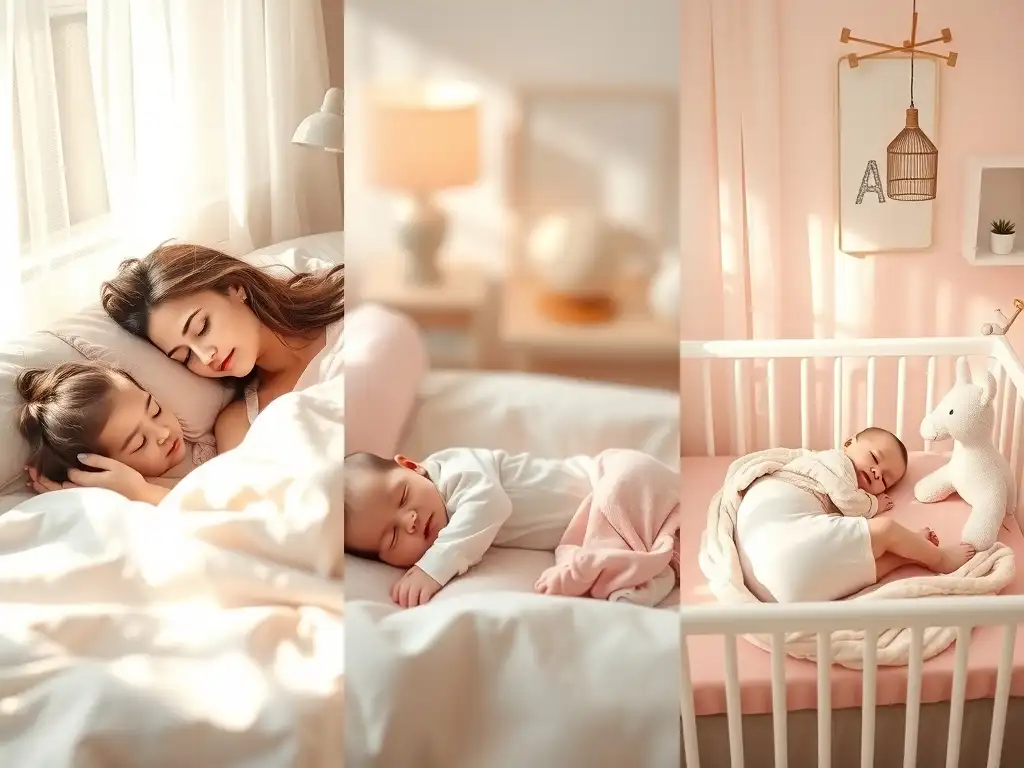
Welcome to BabyCareHub, your ultimate guide to navigating the incredible journey of parenthood! Are you a first-time parent grappling with the question of the best baby sleep arrangement? Choosing between cosleeping, room sharing, and a separate nursery is a big decision, impacting both your baby's well-being and your family's sleep. Discover expert advice and practical strategies to find the perfect solution in our comprehensive guide, "Baby's First Bed: A Guide to Choosing Between Cosleeping, Room Sharing, and a Nursery," and unlock the secrets to peaceful nights for everyone.
- Best Baby Sleep Arrangement: Understanding Your Options
- Choosing the Best Sleep Arrangement for Your Baby and Family
- Creating a Safe Sleep Environment for Your Baby
- Transitioning Between Sleep Arrangements
- Frequently Asked Questions
- Final Reflection: Weaving the Cradle of Sleep: A Parent's Journey
- Unlock Your Baby's Sweetest Sleep: Next Steps to a Cozy Crib
Best Baby Sleep Arrangement: Understanding Your Options
Choosing the best sleep arrangement for your newborn is a crucial decision for both parents and baby. This decision significantly impacts your family's sleep, bonding, and overall well-being during those precious first months and beyond. This comprehensive guide will explore three primary options: cosleeping, room sharing, and having your baby sleep in a separate nursery.
We'll delve into the benefits, drawbacks, and safety considerations of each, empowering you to make an informed choice that best suits your family's needs and preferences, ultimately contributing to a more restful and harmonious household. Finding the optimal "best baby sleep arrangement" is a personalized journey, and understanding the nuances of each option is key to making a decision you feel confident about.
This guide aims to provide you with the knowledge to navigate this important decision effectively, offering practical advice and addressing common concerns. Remember, the most important aspect is creating a safe and comfortable sleep environment for your little one.
Cosleeping: Benefits and Considerations for Safe Co-Sleeping
Cosleeping, or bed-sharing, involves your baby sleeping in the same bed as you. While it offers undeniable benefits like increased bonding and easier breastfeeding access, it’s crucial to prioritize safety. The American Academy of Pediatrics (AAP) offers guidelines to mitigate risks. These guidelines emphasize the importance of a firm sleep surface, avoiding soft bedding, and ensuring the baby is not positioned between parents or near pillows, blankets, or other objects that could pose suffocation hazards.
Many parents find cosleeping promotes a deeper connection with their baby, leading to increased responsiveness to their cues. This can be particularly helpful for breastfeeding mothers, enabling easier and more frequent feeding. However, it's essential to be aware of potential risks. Fatigue and accidental rolling onto the baby are significant concerns.
**Safe Cosleeping Checklist:**
* [ ] Firm sleep surface
* [ ] No loose bedding or pillows
* [ ] Baby sleeping on their back
* [ ] Avoid alcohol or drug use before bed
* [ ] Breastfeeding only in bed (if applicable)
Room Sharing: Creating a Safe and Comfortable Room Sharing Space
Room sharing, where your baby sleeps in their own crib or bassinet in your bedroom, offers a compromise between cosleeping and a separate nursery. It maintains proximity for easy nighttime feeding and monitoring while providing a dedicated sleep space for your baby. This arrangement often allows for more restful sleep for parents as it minimizes the risk of accidental contact.
When setting up a room-sharing space, prioritize safety just as you would for cosleeping. Ensure the crib or bassinet meets safety standards, and the area is free from hazards. Opt for a bassinet or crib that is placed close to your bed for easy access and monitoring, yet far enough to avoid accidental contact. Remember to consider the ambient noise levels and temperature in the room to ensure a comfortable and conducive environment for sleep.
**Room Sharing Advantages:**
* Increased parental responsiveness to baby's needs. * Easier nighttime feedings and comfort. * Improved parental sleep quality compared to cosleeping. * Reduced risk of accidental contact compared to cosleeping.
Independent Nursery: Preparing a Baby's Own Room for Sleep
Moving your baby to their own nursery is often considered once they reach a certain age and developmental milestone – usually around 6 months, but this is not a rigid rule and depends entirely on your baby's development and your family's preferences. This allows for independent sleep habits to develop. However, it’s important to remember that transitioning to a separate room should be gradual and based on your baby’s readiness. Forcing a transition too early can lead to unnecessary stress for both parent and child.
Preparing a safe and comforting nursery environment is vital. This includes ensuring the room is well-ventilated, at a suitable temperature, and free from hazards. The crib should meet all safety standards, and the room should be free from potential choking hazards. A calming sleep routine, such as a bath and bedtime story, can help ease the transition and promote restful sleep. Consider a baby monitor to maintain peace of mind and provide easy monitoring. Remember that consistent routines will play a crucial role in helping your baby adjust to this new arrangement.
👶 Remember to consult your pediatrician for personalized advice on the best sleep arrangement for your individual baby. Every baby is unique, and what works for one family may not work for another.
Choosing the Best Sleep Arrangement for Your Baby and Family

Finding the best baby sleep arrangement is a deeply personal decision, heavily influenced by individual circumstances and family dynamics. There's no one-size-fits-all answer to whether co-sleeping, room-sharing, or a separate nursery is best. This section will help you navigate the options, considering key factors to determine the safest and most comfortable sleep solution for both you and your little one.
The ultimate goal is to optimize your baby's sleep and ensure a peaceful night's rest for the entire family. This contributes significantly to your overall well-being and successful parenting journey, paving the way for a happier, healthier baby and family. Remember, the "best" arrangement is the one that works best for your unique family.
Assessing Your Lifestyle and Preferences: Factors to Consider
Before diving into the specifics of each sleep arrangement, consider your lifestyle and preferences. These will significantly influence your decision.
Several factors come into play:
- Parental sleep needs: Are you and your partner light sleepers easily disturbed by noise? Do you need uninterrupted sleep to function effectively? If so, a separate nursery might be preferable.
- Feeding schedule: How frequently does your baby need to feed? If breastfeeding and frequent night feedings are part of your routine, co-sleeping or room-sharing might be more convenient and less disruptive.
- Parenting style: Are you comfortable with close physical proximity to your baby? Do you prefer a more independent approach to sleep? Your parenting philosophy will significantly impact your sleep arrangement preference.
- Sibling dynamics: Do you have other children? How will their sleep be affected by your chosen arrangement? Consider the potential for disruption and plan accordingly.
- Cultural norms and traditions: Cultural beliefs and family customs surrounding infant sleep often play a significant role in decision-making.
Consider this scenario: A couple who works long hours and values uninterrupted sleep might find a separate nursery more suitable, even with the extra effort involved in nighttime feedings. Conversely, a parent who prioritizes close bonding and frequent breastfeeding might opt for co-sleeping. Understanding your family's priorities is the first step to finding the perfect sleep arrangement. Remember, flexibility is key; you can always adjust the arrangement as your baby grows and your needs change.
Considering Baby's Age and Development: Developmental Stages and Sleep Needs
A baby's age and developmental stage heavily influence their sleep needs and the suitability of different sleep arrangements. Newborns, for instance, require more frequent feeding and parental reassurance, making co-sleeping or room-sharing often more practical and beneficial. As babies grow, their sleep patterns change, and they may be ready for a transition to their own room.
Here's a brief overview:
| Age Range | Developmental Stage | Sleep Needs | Suitable Sleep Arrangement Suggestions |
|---|---|---|---|
| 0-3 Months | Newborn | Frequent feeding, short sleep cycles, parental proximity | Co-sleeping or room-sharing |
| 4-6 Months | Increased alertness, longer sleep cycles | Still needs frequent feedings, but sleep cycles lengthen | Room-sharing, gradual transition to separate room |
| 7-12 Months | Developing independence, longer sleep stretches | Less frequent night feedings, longer sleep periods | Separate room (if developmentally appropriate) |
| 12+ Months | More independent, established sleep patterns | Longer sleep stretches, less frequent night wakings | Separate room |
It's crucial to remember that these are just guidelines. Each baby is unique; some may transition earlier or later than others. Observe your baby's cues and adjust accordingly. Always prioritize safety and ensure the chosen sleep arrangement aligns with your baby's developmental milestones and individual needs. Consult your pediatrician for personalized advice based on your child's specific development.
Evaluating Your Home's Space and Safety: Home Safety Checklist for Babies
Before settling on a sleep arrangement, thoroughly assess your home’s space and ensure it meets safety standards for your baby. This is paramount for a peaceful night's sleep for everyone. A safe sleep environment is non-negotiable, regardless of the chosen arrangement.
Here’s a home safety checklist specifically tailored for babies:
- Firm sleep surface: Ensure the mattress is firm and fits snugly in the crib or bassinet. Avoid soft surfaces like waterbeds, sofas, or adult beds (unless specifically designed for co-sleeping).
- No loose bedding: Remove blankets, pillows, bumpers, and stuffed animals from the crib. These pose suffocation risks. A sleep sack is a safer alternative for warmth.
- Proper ventilation: Ensure adequate ventilation in the room to prevent overheating.
- Safe crib placement: Place the crib away from windows, cords, and furniture. Ensure it is stable and does not wobble.
- Stable co-sleeping surface: If co-sleeping, use a specifically designed co-sleeper or ensure the bed is free from gaps and hazards.
- Smoke detectors and carbon monoxide detectors: Ensure working smoke and carbon monoxide detectors are installed.
- Temperature regulation: Maintain a comfortable room temperature, neither too hot nor too cold.
Regularly review your home's safety features to ensure they remain up-to-date and appropriate for your growing baby. Remember, a safe sleep environment is the cornerstone of a successful and peaceful sleep arrangement, contributing to a better night's rest for everyone. Prioritize safety above all else. This contributes to a healthy and happy baby and family.
Creating a Safe Sleep Environment for Your Baby
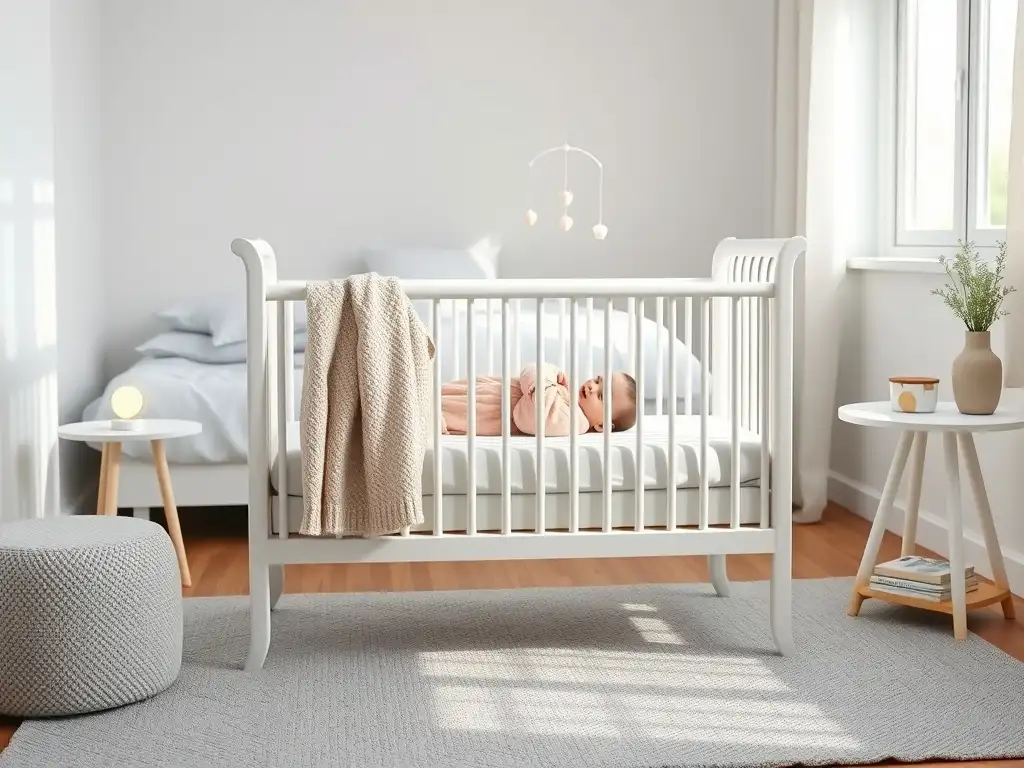
This section focuses on establishing a secure and conducive sleep environment for your baby, regardless of your chosen sleep arrangement (co-sleeping, room-sharing, or separate room). A safe sleep environment is paramount for your baby's well-being and contributes significantly to achieving the best baby sleep arrangement for your family. Prioritizing safety minimizes the risk of Sudden Infant Death Syndrome (SIDS) and other sleep-related accidents.
Safe Sleep Practices for All Sleep Arrangements: Safe Sleep Checklist
Safe sleep practices are not dependent on the location of your baby's bed; they are fundamental to ensuring a healthy and safe sleep experience. Here's a checklist to guide you:
- Firm sleep surface: Avoid soft surfaces like waterbeds, sofas, or adult beds with excessive bedding. A firm mattress in a crib, bassinet, or other approved sleeping space is crucial.
- No loose bedding: Keep the sleep space free from pillows, blankets, bumpers, stuffed animals, and loose sheets that could cover your baby's face and obstruct breathing. A fitted sheet is all that's needed.
- Properly fitted crib: Ensure the crib meets current safety standards and that the mattress fits snugly to prevent gaps. Regularly check for any damage or loose parts.
- Supine sleeping position: Always place your baby on their back to sleep. This significantly reduces the risk of SIDS.
- Room temperature: Maintain a comfortable room temperature, ideally between 68-72°F (20-22°C). Overheating is a risk factor for SIDS.
- Breastfeeding: Breastfeeding is associated with reduced risk of SIDS. If you are breastfeeding, consider keeping your baby close to you during nighttime feedings.
- Pacifier use: Pacifier use during sleep can reduce the risk of SIDS, but only introduce it after breastfeeding is well established. Never force a pacifier on a baby who refuses it.
- Smoke-free environment: Exposure to secondhand smoke increases the risk of SIDS. Ensure your home is completely smoke-free.
- Avoid overheating: Dress your baby in lightweight clothing appropriate for the room temperature. Avoid overdressing, which can lead to overheating.
- Supervised awake time: Ensure your baby has ample supervised awake time during the day to promote healthy sleep patterns.
Following this checklist will help create a secure and healthy sleeping environment for your baby, regardless of your chosen sleep arrangement. Remember, consistency is key.
Setting up the Ideal Sleep Space: Room Temperature, Lighting, Noise Levels
Creating the ideal sleep space goes beyond just safety; it also involves optimizing the environment for your baby's comfort and sleep quality. Consider the following factors:
- Room Temperature: As mentioned earlier, maintaining a consistent temperature between 68-72°F (20-22°C) is crucial. Use a thermometer to monitor the temperature and adjust accordingly. Avoid drafts.
- Lighting: A dark room is generally best for sleep. Use blackout curtains or blinds to minimize light exposure. A small nightlight can be helpful for nighttime feedings or diaper changes but should be kept dim.
- Noise Levels: Babies can be sensitive to noise. A quiet environment is preferable, but some white noise, such as a fan or white noise machine, can be soothing and help block out disruptive sounds. Keep the volume low.
- Air Quality: Ensure good ventilation in the room and consider using an air purifier, especially if you live in an area with poor air quality or have allergies. Regular cleaning of the room is also important.
- Visual Stimulation: While a dark room is ideal for sleep, consider having calming visual elements, such as a mobile with soft colors and shapes, for awake time in the baby's sleep space.
Optimizing these environmental factors can greatly contribute to your baby's sleep quality and overall well-being. Experiment to find what works best for your baby.
Choosing the Right Baby Bed: Cribs, Bassinettes, and Other Options
The choice of baby bed significantly impacts the best baby sleep arrangement. Several options exist, each with its advantages and disadvantages:
- Cribs: Cribs offer a safe and spacious sleeping environment for longer periods. They are often the preferred choice for babies who sleep independently in their own rooms. Ensure the crib meets all safety standards.
- Bassinettes: Bassinettes are smaller and more portable than cribs. They are ideal for newborns and infants who sleep close to the parents' bed. However, they are typically used for a shorter period as babies grow.
- Co-sleepers: Co-sleepers are designed to attach to the parents' bed, allowing for proximity and easy access for breastfeeding or soothing. They offer a compromise between co-sleeping and independent sleeping. Always prioritize safety guidelines.
- Moses baskets: Moses baskets are lightweight and portable, ideal for short-term use or for transporting the baby. They are usually not suitable for long-term use.
The best choice depends on your family's needs, preferences, and living space. Carefully consider the pros and cons of each option before making a decision. Remember to prioritize safety above all else, regardless of the type of baby bed you choose.
Transitioning Between Sleep Arrangements
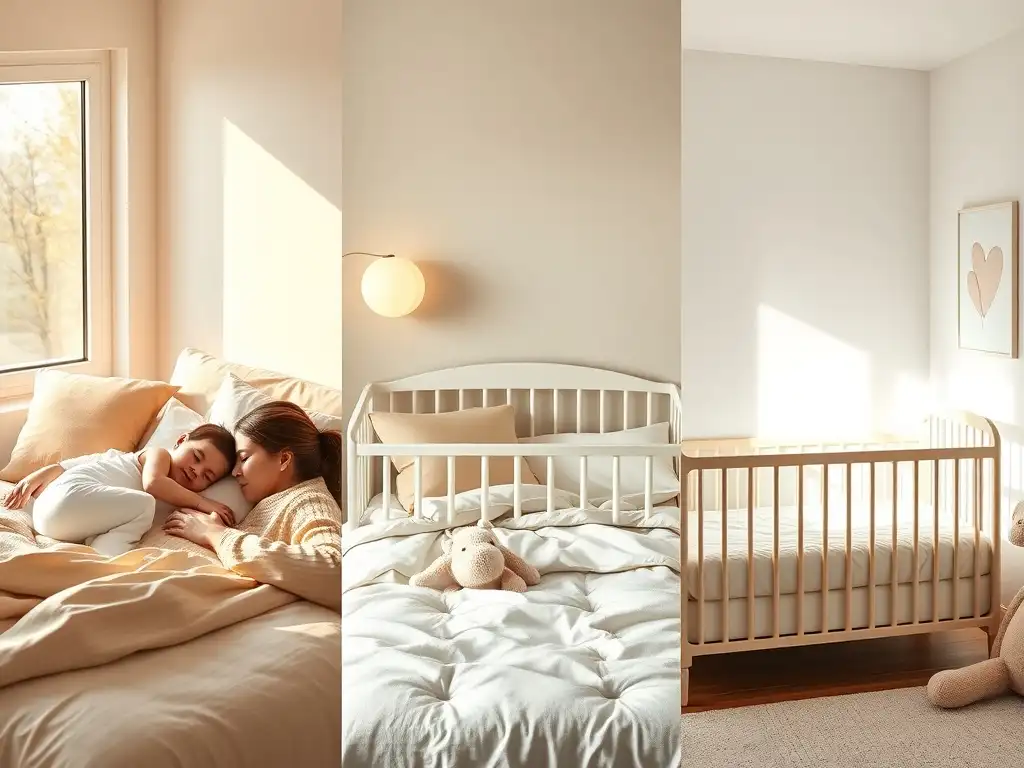
This section focuses on the practical aspects of moving your baby from one sleep arrangement to another, offering a smooth and safe transition for both parent and child. Successfully navigating these transitions is crucial for establishing healthy sleep habits and minimizing disruption to family routines. Finding the best baby sleep arrangement is a journey, not a destination, and understanding how to adapt is key.
Moving from Cosleeping to Room Sharing: A Step-by-Step Guide
Cosleeping offers close proximity and comfort, but transitioning to room sharing is often a necessary step towards independent sleep. This transition should be gradual and carefully planned to minimize stress for both you and your baby.
Here’s a suggested approach:
- Introduce a separate sleeping space: Begin by placing your baby's crib or bassinet in your bedroom, close to your bed. This allows your baby to become accustomed to their own sleeping area while still feeling your presence. This stage can last for several weeks, allowing for gradual adjustment.
- Extend the time spent in their own space: Gradually increase the time your baby spends in their crib or bassinet. Start with short naps and slowly increase the duration. Consistent routines are vital here.
- Establish a consistent bedtime routine: A predictable bedtime routine, involving a warm bath, a calming story, and quiet time, signals to your baby that it's time to sleep. This helps regulate their circadian rhythm.
- Respond to cues, but avoid reinforcing negative behaviors: Address your baby's needs promptly, but be mindful not to associate feeding or rocking with falling asleep. This can lead to sleep dependency.
- Be patient and consistent: Transitioning takes time. There will be setbacks. Remain patient and consistent with your chosen approach. Celebrate small victories! 🎉
Transitioning from Room Sharing to a Nursery: Tips for a Smooth Transition
Moving your baby to their own room represents another significant milestone. This transition requires careful planning and consideration of your baby's developmental stage and temperament.
- Prepare the nursery in advance: Create a calming and safe environment. Ensure the room is properly ventilated, dimly lit at night, and free from potential hazards. A sound machine can also help mask disruptive noises.
- Gradual introduction: Initially, spend some time in the nursery with your baby during the day, making it a positive and familiar space. Then, start with naps in the nursery before attempting nighttime transitions.
- Maintain a consistent bedtime routine: Continue the bedtime routine established during room sharing to provide a sense of familiarity and security. Consistency is key to a successful transition.
- Check-ins: Initially, perform regular check-ins throughout the night to reassure your baby. Gradually decrease the frequency of these check-ins as your baby becomes more comfortable.
- Address nighttime wakings appropriately: Respond to genuine needs, but avoid reinforcing negative sleep associations. A gentle pat on the back or a soft shushing sound might suffice.
This process can be challenging, and patience is crucial. Remember that every baby is unique, and the transition timeline varies.
Addressing Common Challenges and Concerns: Troubleshooting Sleep Issues
Transitioning sleep arrangements can trigger various sleep issues. Here are some common challenges and practical solutions:
| Challenge | Solution |
|---|---|
| Frequent night wakings | Establish a consistent bedtime routine, address needs promptly, but avoid over-responding. |
| Separation anxiety | Offer a comforting object (like a favorite blanket or toy), maintain a consistent routine, and perform gradual transitions. |
| Difficulty settling | Create a calm and dark sleep environment, use white noise, and try swaddling (if appropriate). |
| Regression after transition | Re-evaluate the routine, ensure consistency, and patiently reinforce desired sleep behaviors. |
Remember, seeking advice from your pediatrician is always a good idea if you encounter persistent sleep problems. Finding the best baby sleep arrangement is a personalized journey requiring adaptability and patience. Trust your instincts and celebrate each milestone along the way.
Frequently Asked Questions
What is the best baby sleep arrangement?
There's no single "best" arrangement; it depends on your family's preferences and circumstances. Consider factors like parental sleep needs, baby's health and developmental stage, and your living space. Room sharing is often recommended for the first six months.
What are the pros and cons of cosleeping?
Cosleeping offers increased bonding and easier nighttime feedings. However, it increases the risk of accidental suffocation if not done safely (e.g., avoiding soft bedding). Careful consideration of safety guidelines is paramount.
What are the benefits of room sharing?
Room sharing allows for easy monitoring of your baby and quicker responses to their needs, promoting better sleep for both parent and baby. It reduces the risk of SIDS compared to separate sleeping arrangements in the first six months.
When can my baby sleep in their own room?
Many experts recommend room sharing for at least the first six months, but you can transition your baby to their own room when they are ready and meeting developmental milestones. This is often around 6 months but could be later.
How do I create a safe sleep environment for my baby, regardless of the arrangement?
Prioritize a firm sleep surface, a safe crib or bassinet, and no loose bedding or toys. Ensure the room is well-ventilated and at a comfortable temperature. Always place your baby on their back to sleep.
Final Reflection: Weaving the Cradle of Sleep: A Parent's Journey
The choices surrounding infant sleep arrangements are far more than just logistical decisions; they are deeply personal acts of love, shaping the very foundation of a family's rhythm and bond. The seemingly simple question of where baby sleeps carries profound implications for parental well-being, infant development, and the overall family dynamic. Navigating this crucial period requires careful consideration, informed choices, and a willingness to adapt.
The journey of finding the "best" sleep arrangement is a deeply personal one, constantly evolving with the needs of both parent and child. It's a journey marked by sleepless nights, moments of profound connection, and the quiet satisfaction of finding a rhythm that works. The cultural landscape surrounding infant sleep is constantly shifting, influenced by evolving research, parental preferences, and societal expectations. The most important thing is to find what works best for your family, and to remember that there is no one-size-fits-all answer.
This simple truth, often overlooked amidst the noise of conflicting advice, should be the guiding star in this important decision.
Now, consider your own family's unique circumstances. Reflect on the information presented and ask yourself: What feels right for you and your little one? Don't be afraid to experiment, to adjust, and to prioritize the well-being of your entire family. Embrace the journey, celebrate the small victories, and remember that the most important aspect of this decision is the love and security you provide your child. The "best" sleep arrangement is the one that fosters a strong, healthy, and happy family unit.
Unlock Your Baby's Sweetest Sleep: Next Steps to a Cozy Crib
Congratulations on taking the first steps towards helping your baby sleep soundly! We hope this guide has helped you navigate the exciting (and sometimes overwhelming!) world of choosing the perfect sleep arrangement. Now, let's put that knowledge into action.
- Choose the right sleeping space: Take some time today to research cribs, bassinets, or co-sleepers that best suit your family's needs and your baby's comfort. Read reviews and compare features to find the perfect fit.
- Establish a calming bedtime routine: Developing a consistent and soothing bedtime routine is crucial for healthy sleep habits, regardless of where your baby sleeps. This might include a warm bath, gentle songs, and quiet cuddles.
- Connect with other parents (optional): Sharing your experiences and learning from others can be incredibly helpful. Connect with friends, family, or online parenting communities to exchange tips and support.
Ready to create the perfect sleep haven for your little one? What small step will you take today to ensure peaceful nights ahead?