
BabyCareHub's Guide to Dreamy Nights: Crafting Your Newborn's Perfect Bedtime Routine


Welcome to BabyCareHub, your ultimate guide to navigating the exciting (and sometimes overwhelming!) world of parenthood. Are you ready to unlock the secret to peaceful nights and happy, well-rested babies? Our newborn bedtime routine guide offers a step-by-step approach to establishing healthy sleep habits from day one. Discover how to create a calming bedtime ritual that will soothe your little one and pave the way for sweeter dreams—for both of you! Dive in and begin your journey to blissful nights.
- Understanding Your Newborn's Sleep Needs: A Foundation for a Successful Bedtime Routine
-
Establishing a Consistent Newborn Bedtime Routine: Step-by-Step Guide
- Step 1: Creating a Relaxing Pre-Bedtime Atmosphere: Dimming the Lights, Calming Music
- Step 2: Implementing a Consistent Wind-Down Routine: Bath Time, Massage, Story Time
- Step 3: Establishing a Feeding Schedule for Optimal Sleep: Breastfeeding or Bottle-Feeding Timing
- Step 4: Creating a Safe and Comfortable Sleep Environment: Swaddling, White Noise, Room Temperature
- Step 5: Putting Your Newborn Down Drowsy But Awake: Avoiding Overtiredness
- Optimizing Your Newborn's Sleep Environment for Better Rest
- Troubleshooting Common Newborn Sleep Problems and Finding Solutions
-
Frequently Asked Questions
- What is the ideal bedtime routine for a newborn?
- How long should a newborn's bedtime routine be?
- When should I start a bedtime routine with my newborn?
- My newborn doesn't seem to settle down during the bedtime routine. What should I do?
- How long will it take for my newborn to adjust to a bedtime routine?
- Final Reflection: The Enduring Power of Routine in a Newborn's World
- Unlock Your Baby's Sweetest Slumbers!
Understanding Your Newborn's Sleep Needs: A Foundation for a Successful Bedtime Routine
Navigating the world of newborn sleep can feel like deciphering a secret code, especially for first-time parents. This comprehensive guide, designed specifically for those seeking a newborn bedtime routine guide, will equip you with the knowledge and tools to create a peaceful and predictable sleep environment for your little one. We'll explore the intricacies of newborn sleep patterns, differentiate between drowsiness and true tiredness, and address common sleep disruptors like colic, gas, and reflux.
By understanding your baby's unique sleep needs and establishing a consistent bedtime routine, you can pave the way for more restful nights for both you and your baby. Remember, consistency is key! A well-structured routine provides a sense of security and predictability, crucial elements for a happy and well-rested baby.
This guide provides a step-by-step approach, focusing on practical strategies and evidence-based advice to help you craft the perfect bedtime routine for your newborn, leading to dreamy nights for the whole family. 😴
Recognizing Newborn Sleep Patterns: Wake and Sleep Cycles
Newborns sleep differently than adults. Their sleep cycles are much shorter, typically lasting around 50-60 minutes, followed by a period of lighter sleep or wakefulness. This means frequent awakenings are completely normal! Understanding this pattern is crucial for managing expectations and avoiding unnecessary interventions. Instead of aiming for long stretches of sleep (which are unlikely at this age), focus on creating a consistent environment that promotes restful periods. Keep in mind that newborns also exhibit different sleep states:
- Active Sleep: Characterized by rapid eye movements (REM), this stage often involves twitching, stirring, and occasional noises.
- Quiet Sleep: A deeper sleep state with less body movement.
Tracking your baby's sleep patterns can be helpful in identifying their individual sleep needs and preferences. You can use a baby sleep tracker app or a simple notebook to record wake times, sleep durations, and any noteworthy observations. Remember, every baby is unique, and what works for one may not work for another. Be patient and adapt your approach as needed.
Differentiating Between Drowsiness and Tiredness in Newborns
It's crucial to understand the difference between drowsiness and actual tiredness in your newborn. A drowsy baby may be fussy, but they can still be stimulated and engage in short periods of activity. A truly tired baby, however, will display more pronounced signs of exhaustion, such as:
- Rubbing their eyes excessively
- Yawning frequently
- Becoming unusually irritable or clingy
- Showing signs of decreased muscle tone
Putting a truly tired baby down for sleep is much more likely to result in a longer sleep period. Knowing these subtle cues will help you time your bedtime routine effectively and avoid overstimulating your already exhausted little one. Observe your baby closely; you'll quickly learn to recognize their unique signals of tiredness.
Addressing Common Newborn Sleep Challenges: Colic, Gas, and Reflux
Newborns often experience sleep disruptions due to digestive issues like colic, gas, and reflux. These conditions can cause significant discomfort and lead to frequent awakenings. While there isn't a single solution for every baby, here are some strategies that can help:
- Colic: Often characterized by inconsolable crying, colic can be managed with techniques like swaddling, white noise, and gentle rocking. Remember to consult your pediatrician if colic persists or becomes severe.
- Gas: Gas can cause pain and discomfort. Simple measures like bicycle kicks, tummy massages, and burping frequently can help alleviate gas.
- Reflux: Reflux, or spitting up, is common in newborns. Keeping your baby upright after feedings and avoiding overfeeding can help minimize reflux symptoms.
Addressing these digestive issues proactively can significantly improve your baby's sleep quality. Patience and consistency are key, and remember to seek professional advice from your pediatrician if you have concerns. A healthy digestive system is a vital component of peaceful sleep for your newborn.
Establishing a Consistent Newborn Bedtime Routine: Step-by-Step Guide

Creating a consistent newborn bedtime routine is crucial for establishing healthy sleep habits from the very beginning. This guide provides a step-by-step approach to crafting a personalized routine that works best for you and your little one. Remember, consistency is key! Even newborns benefit from predictable patterns, leading to improved sleep for both parent and baby. This "newborn bedtime routine guide" will help you navigate this important phase.
Step 1: Creating a Relaxing Pre-Bedtime Atmosphere: Dimming the Lights, Calming Music
The hour before bedtime should be dedicated to winding down. Avoid stimulating activities like loud games or screen time. Instead, focus on creating a calm and soothing environment. Dimming the lights significantly reduces the amount of blue light exposure, which can interfere with melatonin production, a hormone crucial for sleep regulation. Think soft, warm lighting – perhaps a nightlight or a low-wattage lamp.
Consider incorporating calming music specifically designed for babies. Many studies show that gentle classical music or lullabies can have a positive effect on a baby's heart rate and respiratory rate, promoting relaxation and sleepiness. The rhythmic nature of these sounds can be incredibly soothing. Experiment with different types of music to find what your baby responds to best. Some parents find white noise machines helpful in masking disruptive sounds and creating a constant, comforting auditory backdrop.
Step 2: Implementing a Consistent Wind-Down Routine: Bath Time, Massage, Story Time
A consistent wind-down routine signals to your baby that bedtime is approaching. This routine should be predictable and calming, ideally involving the same activities in the same order each night. One popular option is a warm bath followed by a gentle massage. The warmth of the bath can be very relaxing, and the gentle touch of a massage helps release endorphins, promoting a sense of well-being and reducing stress.
After the bath and massage, consider reading a short, calming story or singing a lullaby. The act of cuddling and listening to your voice provides comfort and security, further preparing your baby for sleep. The key is to keep this part of the routine short and sweet, avoiding overstimulation. Keep in mind that newborns have shorter attention spans, so a brief story or song is more effective than a longer, more complex one. This structured approach is a core element of any effective newborn bedtime routine guide.
Step 3: Establishing a Feeding Schedule for Optimal Sleep: Breastfeeding or Bottle-Feeding Timing
Feeding is a crucial part of a newborn's bedtime routine, providing comfort and satiety. The timing of this feeding should be consistent. Some parents prefer a final feeding right before bed, while others opt for a feeding 30-60 minutes beforehand. Observe your baby's cues to determine which approach works best. A baby who falls asleep easily after feeding might benefit from a pre-bedtime feed, while a baby who frequently wakes up for feeding might be better served with a slightly earlier feed, allowing time for digestion before sleep.
Regardless of your chosen method (breastfeeding or bottle-feeding), maintain a consistent feeding position and atmosphere. This consistency helps your baby associate the feeding with sleep. Avoid engaging in overly stimulating activities during the feeding; keep the interaction calm and nurturing. A relaxed and comfortable feeding environment is essential for a successful bedtime routine. Remember, consistent feeding times are a significant factor in many effective newborn bedtime routine guides. The goal is to create a predictable, reliable pattern that promotes restful sleep. Experiment and observe your baby's responses to find what works best for both of you.
Step 4: Creating a Safe and Comfortable Sleep Environment: Swaddling, White Noise, Room Temperature
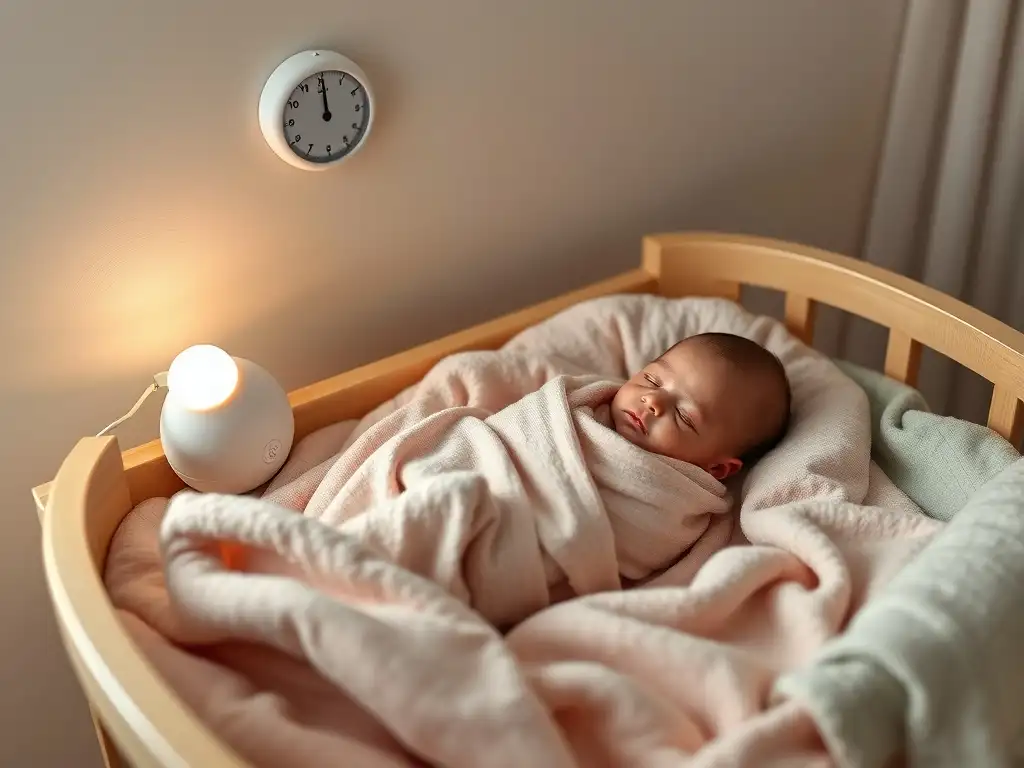
Creating the perfect sleep haven for your newborn is crucial for establishing a consistent bedtime routine. This involves carefully considering three key factors: swaddling, white noise, and room temperature. Let's explore each in detail.
Swaddling, the practice of wrapping your baby snugly in a blanket, can significantly improve sleep quality for many newborns. The gentle pressure mimics the feeling of being held, providing a sense of security and reducing the startle reflex that can wake them up. However, it's vital to ensure you swaddle your baby correctly to minimize the risk of overheating or restricting their movement. Always use a lightweight, breathable swaddle and ensure their hips and legs have room to move freely.
Stop swaddling once your baby shows signs of rolling over, typically around 4 months old, to prevent accidental suffocation. Consider using swaddles with adjustable closures for optimal fit and ease of use. Remember, not all babies enjoy being swaddled, so observe your little one's cues and adjust accordingly.
White noise, such as the gentle hum of a fan or a dedicated white noise machine, can effectively mask distracting sounds and create a calming auditory environment for your baby. This consistent background noise can help block out sudden noises that might startle your baby awake, promoting longer, uninterrupted sleep periods. Experiment with different white noise sounds and volumes to find what works best for your child. Ensure the volume is low enough to not damage your baby’s hearing. Many parents find that the sound of a fan or a recording of rainfall are particularly effective.
Finally, maintaining a comfortable room temperature is essential. The ideal temperature for a newborn's sleep environment is typically between 68°F and 72°F (20°C and 22°C). Overheating can be dangerous, so avoid overdressing your baby and use lightweight bedding. Regularly check your baby's temperature by feeling their chest or back – they should feel neither too hot nor too cold. A room thermometer can be a helpful tool to monitor the temperature consistently. Remember to always prioritize safety and adjust the temperature as needed based on your baby's comfort and the season.
Step 5: Putting Your Newborn Down Drowsy But Awake: Avoiding Overtiredness
This step is arguably the most crucial in establishing a successful bedtime routine: putting your baby down drowsy but awake. This technique, often recommended by sleep experts, aims to teach your baby to self-soothe and fall asleep independently. Putting your baby down while fully awake can lead to increased crying and frustration. However, putting them down when overtired can lead to a vicious cycle of difficulty falling asleep and frequent awakenings.
The key is to recognize your baby's early signs of tiredness. These can include rubbing their eyes, yawning excessively, becoming less interactive, or appearing fussy or irritable. Once you notice these cues, begin your bedtime routine immediately. This might involve a warm bath, a gentle massage, reading a book, singing a lullaby, or any other calming activity that signals the transition to sleep. Once the routine is complete, place your baby in their crib while they are still drowsy but not yet fully asleep. This allows them to practice falling asleep independently, a crucial skill for healthy sleep development.
Avoiding overtiredness is paramount. An overtired baby will often become overly stimulated and find it even harder to fall asleep. Therefore, carefully monitor your baby's sleep cues and adjust their nap schedule as needed. A consistent and predictable daily routine, including regular nap times and consistent bedtime, can help regulate their sleep-wake cycle and reduce the likelihood of overtiredness.
Pay attention to your baby's individual sleep needs and adjust the routine accordingly, as every baby is unique. Remember, consistency is key; sticking to the routine will help your baby learn to associate certain cues with sleep, making the process easier over time. Be patient and persistent; it might take some time for your baby to adjust to this method.
Optimizing Your Newborn's Sleep Environment for Better Rest

Creating a sleep-conducive environment is paramount for establishing a successful newborn bedtime routine guide. A comfortable, safe, and consistently regulated space significantly impacts your baby's ability to fall asleep and stay asleep. This section focuses on key environmental factors that contribute to better rest for your little one. Remember, consistency is key when implementing these strategies as part of your overall newborn bedtime routine.
Choosing the Right Crib and Mattress: Safety and Comfort Considerations
The crib and mattress are fundamental components of your baby's sleep environment. Selecting the right ones ensures both safety and comfort, contributing significantly to peaceful sleep. Prioritize safety above all else.
- Crib Safety: Choose a crib that meets current safety standards. This means checking for sturdy construction, slats spaced appropriately (no more than 2 3/8 inches apart to prevent your baby's head from getting stuck), and no sharp edges or corners. Avoid drop-side cribs, as they pose a significant safety risk. The crib should be placed away from windows, cords, and any potential hazards.
- Mattress Firmness: Opt for a firm, flat mattress that fits snugly within the crib frame, leaving no gaps. A firm mattress reduces the risk of suffocation. Avoid soft mattresses or waterbeds, which are unsafe for newborns.
- Mattress Size and Material: The mattress should be specifically designed for a crib and should not be too small or too large. Consider the material – breathable materials like cotton are often preferred. Avoid using a mattress protector that is not breathable.
- Example: A good quality crib mattress made of natural cotton with a firm construction, specifically designed for newborn use, offers optimal safety and comfort. Remember to regularly check the mattress for any wear and tear and replace it as needed.
Creating a Dark and Quiet Sleep Space: Blackout Curtains and White Noise Machines
Light and noise can significantly disrupt a newborn's sleep. Creating a dark and quiet sleep space is crucial for promoting restful sleep.
- Blackout Curtains: These are invaluable for blocking out streetlights, sunlight, and other sources of light that might wake your baby. A completely dark room helps to regulate melatonin production, a hormone crucial for sleep.
- White Noise Machines: These machines produce a consistent, soothing sound that masks sudden noises that might startle your baby awake. The consistent sound can be very calming and helps to create a peaceful sleep environment. Consider sounds like ocean waves, rain, or fan noise. Ensure the machine is placed at a safe distance from the crib and at an appropriate volume.
- Room Darkness: Even after dark, make sure to minimize any light sources like nightlights or electronic devices that emit light. A completely dark room is ideal during nighttime hours.
- Quiet Environment: In addition to a white noise machine, strive to minimize other noises in the house. This might involve adjusting family activities or using soundproofing techniques if necessary.
Maintaining Consistent Room Temperature: Ideal Temperature for Newborn Sleep
Maintaining a consistent room temperature is crucial for your baby's comfort and sleep. An overly warm or cold room can disrupt sleep and make it difficult for your baby to regulate their body temperature.
- Ideal Temperature: The ideal room temperature for a newborn's sleep is generally between 68°F and 72°F (20°C and 22°C). This range allows your baby to sleep comfortably without overheating or getting too cold.
- Temperature Monitoring: Use a thermometer to monitor the room temperature regularly. Adjust the thermostat or open/close windows as needed to maintain the optimal temperature range.
- Baby's Clothing: Dress your baby appropriately for the room temperature. Overdressing can lead to overheating, while underdressing can lead to chills. Observe your baby's skin for signs of overheating (flushed skin, sweating) or being too cold (cold hands and feet). Remember, a slightly cool room is better than a warm room for sleep.
- Ventilation: Ensure proper ventilation in the room to prevent excess moisture and ensure good air circulation. However, avoid drafts, as they can make your baby uncomfortable.
Remember, a consistent and optimized sleep environment, coupled with a well-structured newborn bedtime routine, significantly contributes to your baby's sleep quality and overall well-being. This guide offers a solid foundation for creating a truly dreamy night's sleep for your little one.
Troubleshooting Common Newborn Sleep Problems and Finding Solutions
Newborns, with their unpredictable sleep patterns, can be a challenge for even the most seasoned parents. This section focuses on common sleep disruptions and offers practical solutions to help you navigate these early months and establish a more consistent, and ultimately, more restful sleep routine for both you and your little one. Remember, consistency is key when it comes to establishing a newborn bedtime routine guide. Patience and a proactive approach are crucial in addressing these sleep issues.
Dealing with Frequent Night Wakings: Addressing Hunger, Discomfort, and Separation Anxiety
Frequent night wakings are a hallmark of the newborn phase. Understanding the underlying cause is the first step towards finding a solution. Let's explore the most common culprits:
- Hunger: Newborns have small stomachs and require frequent feedings, especially during growth spurts. Pay close attention to feeding cues, such as rooting, sucking on hands, or fussiness. Consider increasing the frequency of night feedings if necessary, or ensuring adequate calorie intake during daytime feedings. Tracking feeding times and amounts can help identify patterns and potential nutritional needs.
- Discomfort: Gas, colic, or other digestive issues can cause discomfort and lead to night wakings. Gentle tummy massages, burping techniques, and adjusting feeding positions can often alleviate these problems. If discomfort persists, consult your pediatrician to rule out any underlying medical conditions. Remember to always prioritize safe sleep practices.
- Separation Anxiety: As your baby becomes more aware of their surroundings, separation anxiety can manifest as frequent night wakings. The familiar scent of you, a comforting sound, or a soft, snuggly sleep sack can provide reassurance and reduce anxiety. Creating a calm and predictable bedtime routine can also significantly help. A consistent and soothing environment contributes to better sleep.
Managing Newborn Sleep Regressions: Growth Spurts and Developmental Milestones
Sleep regressions are periods where your baby's sleep patterns temporarily regress, often coinciding with growth spurts or developmental leaps. These phases are normal and typically short-lived. During these times, your baby may:
- Wake more frequently: Increased activity during growth spurts can lead to more frequent night wakings. This is often due to the increased energy expenditure of their growing bodies.
- Require more comfort: Developmental milestones, such as learning to roll over or sit up, can be both exciting and disruptive to sleep. Your baby might need extra reassurance and comfort during these transitions.
- Exhibit changes in sleep cycles: Sleep cycles can shift, leading to shorter periods of sleep and more frequent awakenings.
During sleep regressions, it's crucial to maintain a consistent bedtime routine, providing extra cuddles and reassurance as needed. Remember that this phase is temporary, and your baby will eventually settle back into a more predictable sleep pattern. Patience and understanding are key during these challenging times. Documenting these periods can help you identify patterns and better anticipate future regressions.
Addressing Overstimulation and Overtiredness: Recognizing the Signs and Implementing Solutions
Overstimulation and overtiredness are often overlooked contributors to poor sleep. Knowing the signs and implementing solutions is vital for establishing a healthy sleep routine.
Overstimulation can manifest as:
- Increased fussiness and irritability: Too much sensory input, such as loud noises or bright lights, can overwhelm your baby's nervous system.
- Difficulty settling down: An overstimulated baby will struggle to wind down for bedtime.
- Restlessness during sleep: Even when asleep, an overstimulated baby may be restless and frequently wake.
Overtiredness, on the other hand, can present as:
- Increased fussiness and irritability: Similar to overstimulation, but often accompanied by extreme crankiness.
- Difficulty falling asleep: The baby may seem exhausted but struggle to fall asleep.
- Frequent awakenings: Overtired babies often have difficulty staying asleep.
To prevent both overstimulation and overtiredness, establish a calming bedtime routine. This routine should include quiet activities, such as a warm bath, a gentle massage, or reading a bedtime story. Create a dark, quiet, and cool sleep environment. Pay close attention to your baby's cues, and ensure they get adequate rest before becoming overtired. Understanding your baby's individual needs is crucial in establishing the perfect newborn bedtime routine guide. Monitoring your baby's sleep patterns and adjusting the routine accordingly will lead to better sleep for everyone involved.
Frequently Asked Questions
What is the ideal bedtime routine for a newborn?
A consistent routine is key! Start with a warm bath, followed by a massage, a feeding, and quiet story time. Adjust the order based on your baby's cues.
How long should a newborn's bedtime routine be?
Aim for a short and sweet routine, around 30-45 minutes. Keep it simple to avoid overstimulation and ensure predictability. Too long, and your baby might get overtired.
When should I start a bedtime routine with my newborn?
You can begin a simple routine from the very beginning, even in the first few weeks. Consistency is more important than a complex routine. Early consistency sets the stage for good sleep habits.
My newborn doesn't seem to settle down during the bedtime routine. What should I do?
Try adjusting the timing or elements of the routine. Experiment with different soothing techniques like singing lullabies or white noise. Rule out hunger or discomfort as the underlying cause.
How long will it take for my newborn to adjust to a bedtime routine?
It takes time and consistency. Some newborns adapt quickly, while others may take several weeks. Stay patient and persistent, and you'll see improvements over time. Remember, consistency is key.
Final Reflection: The Enduring Power of Routine in a Newborn's World
The establishment of a consistent bedtime routine is not merely a helpful tip for tired parents; it's a foundational element in fostering a secure and healthy environment for your newborn. A well-structured routine provides the predictability and comfort crucial for a baby's developing brain and emotional well-being, impacting their sleep quality and overall development far beyond those first few precious months.
The impact of a nurturing bedtime routine extends far beyond the immediate benefits of peaceful sleep. It creates a sacred space, a daily ritual that strengthens the bond between parent and child. This consistent interaction, filled with love and gentle care, lays the groundwork for a secure attachment that will shape their future relationships and self-esteem. The most important thing a father can do for his children is to love their mother.
– Theodore Hesburgh. While this quote speaks to a broader family dynamic, the principle of consistent, loving care remains central to a child's development, beginning with those early bedtime routines.
Now, consider the power you hold in your hands. You have the ability to shape your newborn's world, to create a haven of calm and predictability amidst the chaos of new parenthood. Take the time to craft a bedtime routine that resonates with you and your little one, adapting and refining it as your child grows. Remember, this isn't just about sleep; it's about building a foundation of love, security, and healthy habits that will last a lifetime. Embrace this journey, and watch as your thoughtful efforts blossom into a beautiful, enduring bond.
Unlock Your Baby's Sweetest Slumbers!
Thank you for exploring BabyCareHub's guide to creating a blissful bedtime routine for your little one. We hope you found helpful advice for those precious early months. Now, let's put that knowledge into practice!
- Establish a personalized bedtime routine: Start with the tips in the article, adapting them to your baby’s individual needs and preferences. Consistency is crucial!
- Share your experiences: Join our BabyCareHub community forum and connect with other parents. Let's support each other on this wonderful journey!
- A relaxing bedtime story or song can add extra soothing magic to your routine. Experiment to discover what works best for your baby.
Ready to see the benefits of a well-crafted bedtime routine? What small change will you implement tonight to help your baby sleep soundly?