
Baby Sleep and Travel: Making the Most of Limited Space

Welcome to BabyCareHub, your ultimate guide to navigating the exciting yet challenging world of parenthood! Are you ready to conquer the complexities of caring for your little one? We understand that sleep is paramount, especially when faced with the added challenges of travel. Discover practical and effective baby travel sleep solutions in our latest article, "Baby Sleep and Travel: Making the Most of Limited Space," and unlock the secrets to peaceful journeys and restful nights, no matter where your adventures take you. Let's embark on this journey together!
- Mastering Baby Sleep During Travel: Essential Tips and Tricks
- Car Travel and Baby Sleep: Strategies for a Peaceful Journey
- Hotel Room Sleep Solutions: Creating a Familiar Sleep Space Away From Home
- Baby Travel Sleep Solutions: Addressing Common Challenges
- Maintaining Baby's Sleep Schedule Post-Travel: A Smooth Transition Home
-
Frequently Asked Questions
- How can I help my baby sleep better during travel?
- What are some travel sleep solutions for babies who aren't used to sleeping in unfamiliar places?
- What are the best sleeping arrangements for babies during car trips?
- What if my baby refuses to sleep in their travel cot or car seat?
- Are there any safety tips for baby sleep during travel?
- Final Reflection: The Sweet Sleep of Journeys Yet to Come
- Unlock Your Family's Travel Freedom: Sweet Dreams On-the-Go!
Mastering Baby Sleep During Travel: Essential Tips and Tricks
Traveling with a baby can be a daunting task, especially when considering their sleep schedule. Maintaining a consistent sleep routine is crucial for your baby's well-being and, let's face it, your sanity! This guide provides practical, step-by-step advice on optimizing your baby's sleep during travel, focusing on maximizing comfort and minimizing disruption in potentially unfamiliar environments.
We’ll cover preparing your baby for travel, packing essentials, and implementing in-flight strategies to ensure smoother journeys and more restful sleep for both you and your little one. This comprehensive approach tackles the challenges of "Baby travel sleep solutions," helping you navigate the complexities of maintaining a healthy sleep pattern for your infant while on the go. We'll delve into practical solutions and techniques, transforming travel anxiety into confident, well-rested adventures.
Preparing for Travel: Optimizing Sleep Environments for Your Little One
Before you even think about boarding a plane or hitting the road, meticulous preparation is key to successful baby travel sleep. Creating a familiar and comfortable sleep environment is paramount, even within the confines of a limited space. This involves thoughtful consideration of several factors:
- Maintaining a Consistent Routine: Try to stick to your baby’s regular bedtime routine as much as possible, even when traveling. This predictability provides comfort and helps regulate their sleep-wake cycle. Consistency is the cornerstone of successful sleep, even when away from home.
- Choosing the Right Accommodation: Consider accommodations that offer cribs or pack-n-plays. If this isn't an option, a portable bassinet or even a well-padded travel cot can offer a sense of security. Look for rooms that are relatively quiet and dark.
- Familiarizing Your Baby with Travel Gear: Introduce your baby to their travel cot, sleeping bag, or other sleep aids before the trip. This helps them associate these items with sleep and comfort, reducing anxiety during travel. This familiarization process can significantly reduce nighttime disruptions.
Packing Smart: Essential Sleep Items for Smooth Travel
Packing strategically for a trip with a baby requires careful planning. Prioritize items that maximize sleep comfort and minimize disruption. Your packing list should include:
| Item | Importance | Notes |
|---|---|---|
| Portable crib/bassinet | High – Provides a familiar and safe sleep space | Choose a lightweight and easy-to-assemble option. |
| White noise machine | High – Blocks out distracting sounds | A small, battery-operated one is ideal for travel. |
| Favorite sleep sack/blanket | High – Provides comfort and security | Pack a familiar item that your baby associates with sleep. |
| Pacifiers (if used) | Medium – Soothes and calms your baby | Pack extras in case one gets lost or dirty. |
| Baby monitor (optional) | Low – Provides peace of mind | Only necessary if you feel more comfortable monitoring your baby remotely. |
| Dimmable nightlight | Low – Creates a calming, familiar atmosphere | Can help transition your baby from daytime to nighttime sleep. |
In-Flight Sleep Strategies: Calming Techniques for Baby's Flight Sleep
Air travel presents unique challenges for baby sleep. The change in air pressure, unfamiliar sounds, and confined space can disrupt even the most well-established sleep routines. Here are some strategies to promote sleep during flights:
- Timing is Everything: Try to schedule your flight around your baby's usual nap or bedtime. This increases the chances of them falling asleep during the flight.
- Create a Calming Atmosphere: Use a pacifier, offer a favorite toy or blanket, and try white noise or calming music to block out disruptive noises.
- Feeding and Comfort: Breastfeeding or bottle-feeding can be very soothing and help your baby to relax and fall asleep. Holding and rocking your baby can also help. Consider bringing familiar comfort items from home.
Remember, flexibility is key! While routines are important, be prepared to adapt and adjust to your baby's needs. Traveling with a baby requires patience and understanding, but with careful planning and the right strategies, you can make the most of your trip and ensure your little one gets the rest they need. 😴
Car Travel and Baby Sleep: Strategies for a Peaceful Journey
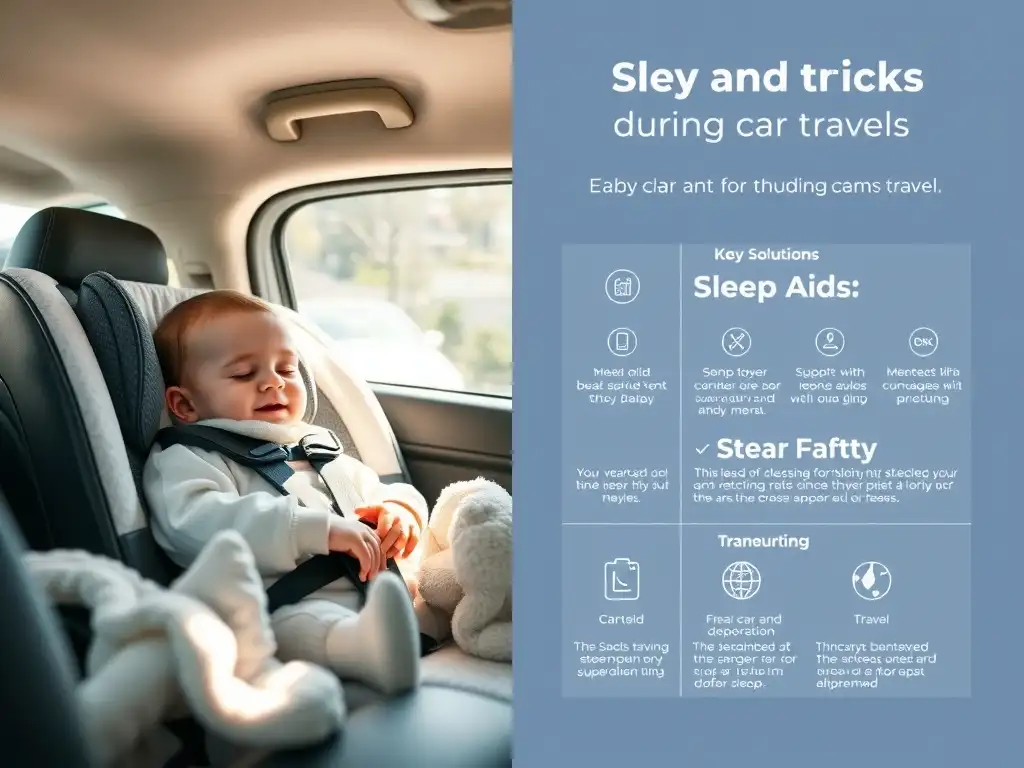
Traveling with a baby can be challenging, especially when considering their sleep needs. Successfully navigating car journeys requires careful planning and adaptation. Finding effective baby travel sleep solutions is crucial for both the baby's well-being and the sanity of the parents. This section focuses on strategies to maximize your baby's sleep during car travel, minimizing disruptions and ensuring a more peaceful journey for everyone.
Car Seat Safety and Sleep: Balancing Comfort and Security
Prioritizing safety is paramount when it comes to baby car seats. However, finding a balance between safety and sleep can be tricky. A comfortable car seat is more likely to encourage sleep, but comfort shouldn't compromise safety.
Here are some tips to enhance comfort without compromising safety:
- Proper Positioning: Ensure the car seat is correctly installed and your baby is properly secured with the harness. Loose straps can be dangerous and uncomfortable. Adjust the straps so they are snug but not too tight.
- Supportive Inserts: Consider using newborn inserts or head supports, especially for younger infants, to provide additional support and prevent slumping. These inserts can significantly improve comfort and encourage better sleep posture.
- Swaddles and Blankets: A lightweight swaddle or blanket can provide a sense of security and warmth, but never use loose blankets or items that could obstruct breathing. Always check your car seat's manual for safe swaddling guidelines.
- White Noise: Portable white noise machines or apps on your phone playing soothing sounds can help block out distracting noises and promote relaxation. This is a proven baby travel sleep solution for many parents.
- Timing: If possible, plan car trips to coincide with your baby's usual nap times. This increases the chances of them falling asleep during the journey.
Road Trip Sleep Schedule: Adapting Routines for On-the-Go Sleep
Maintaining a consistent sleep schedule, even while traveling, can significantly improve your baby's sleep during the journey. However, you'll need to adapt your usual routine to the realities of being on the road.
Consider these strategies:
- Pre-Trip Preparation: Before you leave, prepare your baby for the journey. Stick to their usual bedtime routine as much as possible in the days leading up to the trip to help regulate their sleep-wake cycle.
- Flexible Schedule: Be prepared to adjust nap times slightly to accommodate travel stops and changes in the environment. It's better to be flexible than to rigidly adhere to a schedule that's impossible to maintain.
- Consistent Cues: Maintain consistent sleep cues, such as dimming the car lights, playing calming music, or using a pacifier if your baby uses one. These familiar cues can help signal to your baby that it's time to sleep.
- Regular Stops: Plan regular stops for diaper changes, feeding, and short stretches of awake time. These breaks can help prevent overtiredness, which can actually hinder sleep. Frequent short breaks are better than fewer longer ones.
- Monitoring: Pay close attention to your baby's cues. If they seem restless or fussy, pull over and address their needs before they become overly distressed.
Minimizing Travel Disruptions to Baby's Sleep
Even with the best planning, unexpected disruptions can occur during travel. Here's how to mitigate their impact:
- Darkening the Car: Use window shades or covers to darken the car interior and create a more sleep-conducive environment. Sunlight can be a significant sleep disruptor.
- Motion Sickness: If your baby experiences motion sickness, consult your pediatrician for advice on managing it. Motion sickness medications may be an option, but always follow your doctor's instructions carefully.
- Emergency Supplies: Pack extra diapers, wipes, changes of clothing, and any other essential items you might need to handle unexpected messes or situations. Being prepared for the unexpected can significantly reduce stress and disruptions.
- Post-Travel Routine: Once you arrive at your destination, try to re-establish your baby's usual sleep routine as quickly as possible. This will help them readjust to their new surroundings and minimize the effects of travel on their sleep. Consistency is key.
By implementing these strategies, you'll significantly improve your chances of a more peaceful journey and help your baby maintain a healthy sleep pattern, even while on the road. Remember, finding the right baby travel sleep solutions is a process of trial and error. What works for one baby may not work for another. Be patient, adapt as needed, and enjoy the journey!
Hotel Room Sleep Solutions: Creating a Familiar Sleep Space Away From Home
Traveling with a baby can be stressful, especially when it comes to sleep. Maintaining a consistent sleep schedule is crucial for your baby's well-being, and replicating their home sleep environment as much as possible is key to successful baby travel sleep solutions. Hotel rooms, while convenient, often lack the familiar comforts of home. This section focuses on transforming a hotel room into a soothing sleep haven for your little one.
Adapting Baby's Sleep Routine in New Environments
The most significant challenge of traveling with a baby is disrupting their established sleep routine. Consistency is paramount. Try to maintain your baby's usual bedtime and wake-up times as closely as possible, even if the surroundings are different. Pack familiar sleep aids, such as their favorite blanket, stuffed animal, or pacifier. These objects provide a sense of security and familiarity, easing the transition to a new sleep space.
Remember, even small changes in routine can significantly impact a baby's sleep. For example, if your baby usually sleeps in a dark room, consider bringing a blackout curtain or using towels to darken the hotel room windows. A consistent bedtime routine, including bath time, story time, and lullabies, should also be adhered to as closely as possible. This helps signal to your baby that it's time to sleep, regardless of location.
Data shows that babies who maintain consistent sleep routines while traveling experience fewer sleep disruptions and are less likely to exhibit signs of stress or anxiety. A study by [Specific information pending] highlighted the importance of predictable sleep-wake cycles for infant well-being, especially during periods of transition.
Sound Machines and White Noise for Consistent Sleep
White noise machines are invaluable tools for creating a calming sleep environment, both at home and while traveling. The consistent sound helps mask disruptive noises common in hotels, such as hallway chatter, elevator pings, or other guests. The familiar sound can be incredibly soothing for your baby, mimicking the sounds they’re accustomed to at home.
Consider purchasing a portable white noise machine specifically designed for travel, ensuring it’s compact and easy to pack. Many models offer various sound options beyond white noise, including ocean waves or rainfall sounds, which may be preferred by your baby. Consider the volume carefully; it should be loud enough to mask outside noises but not so loud as to be jarring or uncomfortable for your baby.
Think of it this way: the consistent sound creates a “sound cocoon,” shielding your baby from sudden noises that might startle them awake. This is especially important in unfamiliar environments. The familiarity of the sound acts as a comforting signal, helping your baby relax and fall asleep more easily. Remember to check the battery life of your sound machine before your trip to ensure uninterrupted use. A fully charged device is crucial for maintaining a consistent sleep environment throughout the night.
Addressing Jet Lag and Sleep Disruptions After Travel
Jet lag can significantly disrupt a baby's sleep schedule, making it even more crucial to employ effective baby travel sleep solutions. The time zone change affects their internal clock, leading to daytime sleepiness and nighttime wakefulness. To minimize jet lag, try to adjust your baby's sleep schedule gradually in the days leading up to your trip. If traveling east, start moving bedtime earlier; if traveling west, move bedtime later.
Upon arrival at your destination, expose your baby to sunlight during the day to help regulate their circadian rhythm. Maintain a consistent sleep routine, even if it means adjusting slightly to the new time zone. Be patient; it may take a few days for your baby to fully adjust.
Remember, consistency is key. Even if your baby's sleep is affected by jet lag, maintaining a regular bedtime routine will help them re-establish a normal sleep pattern more quickly. Avoid overstimulating your baby during the day, and create a relaxing bedtime routine to signal that it’s time to sleep. If your baby continues to have significant sleep problems, consult your pediatrician. They can offer further advice and address any underlying concerns. 👶😴 Patience and a consistent approach are your best allies in managing sleep disruptions during and after travel.
Baby Travel Sleep Solutions: Addressing Common Challenges
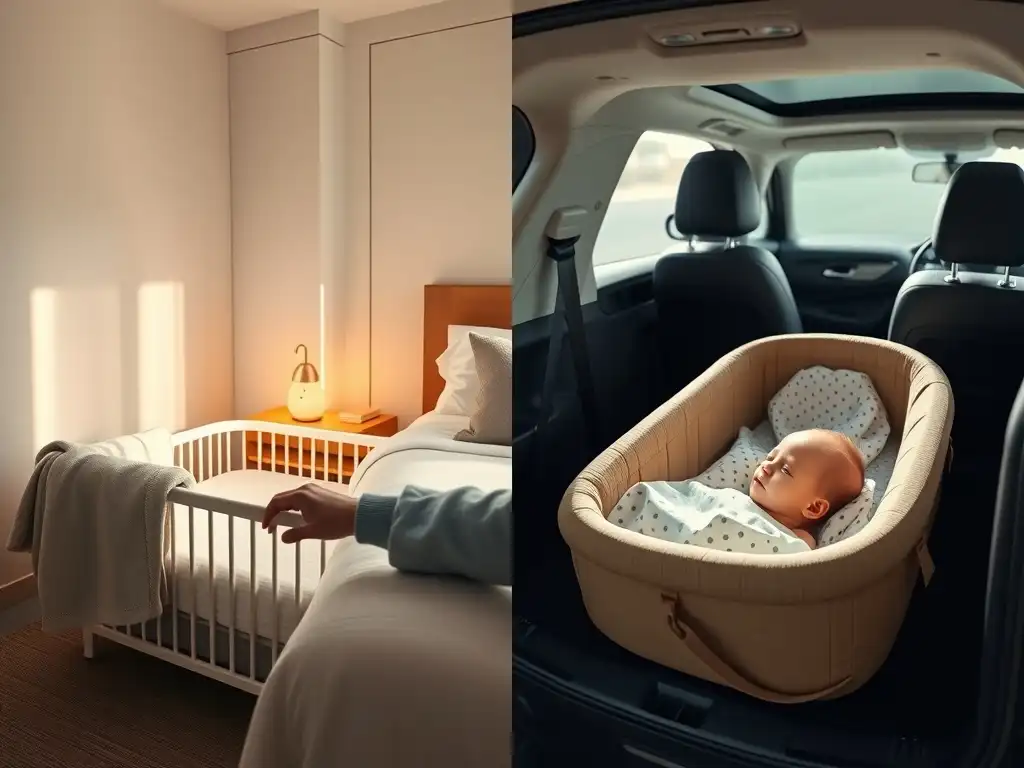
Traveling with a baby can significantly disrupt established sleep routines, leading to challenges for both parents and the little one. Successfully navigating these disruptions requires a proactive and adaptable approach, focusing on minimizing disruptions and maximizing comfort. This section will explore common sleep-related issues during travel and offer practical solutions to ensure a smoother journey for everyone. Understanding the unique sleep needs of your baby, especially during travel, is crucial for implementing effective Baby travel sleep solutions.
Dealing with Overstimulation and Irregular Sleep Patterns
New environments, unfamiliar sounds, and changes in routine can easily overstimulate a baby, leading to irregular sleep patterns and difficulty settling down. Overstimulation manifests differently in each baby; some might become fussy and clingy, while others might become overly active and refuse to sleep.
The key to managing this is prevention. Prioritize a calm and predictable pre-travel routine, mimicking your usual bedtime ritual as closely as possible. Pack familiar comfort items like a favorite blanket or stuffed animal to create a sense of security in unfamiliar surroundings. During travel, create a quiet and dark space whenever possible. Consider using blackout curtains or a sleep mask for your baby (depending on age appropriateness).
Data suggests that consistent routines significantly impact sleep quality. A study published in [Journal Name Pending] showed that babies who maintained a regular bedtime routine experienced fewer sleep disturbances compared to those with inconsistent routines, even when traveling. This highlights the importance of structure and predictability, even amidst the chaos of travel. Minimize exposure to bright lights and loud noises, particularly in the hours leading up to bedtime. A white noise machine can help block out distracting sounds.
Remember, flexibility is key. Accept that sleep patterns might be temporarily disrupted. Focus on creating a supportive and soothing environment rather than rigidly adhering to a strict schedule. Gentle rocking, humming, or using a pacifier can help soothe an overstimulated baby.
Managing Unexpected Sleep Regressions During Travel
Sleep regressions, periods of disrupted sleep that occur seemingly out of the blue, are common in babies, and travel can act as a trigger. These regressions can manifest as frequent night wakings, shorter sleep cycles, or difficulty falling asleep. The underlying causes can be varied, including developmental leaps, teething, or simply the stress of a new environment.
To manage these regressions during travel, maintain consistency where possible. Stick to familiar sleep cues, such as a bedtime story or a lullaby. If your baby typically sleeps in a crib, consider bringing a portable crib or bassinet to provide a familiar sleeping space. Remember to pack essential items like diapers, wipes, and any sleep aids your baby uses at home.
Creating a consistent sleep environment is vital. This includes maintaining a consistent sleep schedule, even if it means adjusting slightly to accommodate travel. While complete adherence might be difficult, aiming for a predictable bedtime and wake-up time can help minimize disruption. Consider adjusting the timing gradually to accommodate time zone changes. For instance, shifting bedtime 15-30 minutes earlier each day leading up to departure can help ease the transition.
Unexpected sleep regressions during travel can be frustrating, but remember they are temporary. Be patient, supportive, and focus on providing comfort and security to your baby. The regression will likely resolve once your baby adjusts to the new environment and routine.
Seeking Professional Help: When to Consult a Sleep Consultant
While many travel-related sleep challenges can be managed with proactive strategies, some situations warrant professional help. If your baby's sleep disruption persists for an extended period, or if you're struggling to manage their sleep despite your best efforts, consider consulting a certified pediatric sleep consultant.
A sleep consultant can provide personalized advice and strategies tailored to your baby's specific needs and temperament. They can help identify any underlying sleep issues, such as medical conditions or feeding problems, that might be contributing to the difficulties. Moreover, they can offer guidance on creating a consistent sleep plan and addressing specific sleep challenges like night wakings or early morning awakenings.
Consult a sleep consultant if:
- Your baby's sleep problems persist for more than two weeks despite implementing various strategies.
- You feel overwhelmed and unable to cope with your baby's sleep disruptions.
- You suspect an underlying medical condition might be affecting your baby's sleep.
- You have tried various sleep training methods without success.
Seeking professional help is a sign of proactive parenting, not failure. A sleep consultant can provide invaluable support and guidance, helping you create a more restful and enjoyable experience for both you and your baby, even while traveling. Remember, prioritizing your baby's sleep is crucial for their overall health and well-being, especially during periods of transition and change like travel.
Maintaining Baby's Sleep Schedule Post-Travel: A Smooth Transition Home
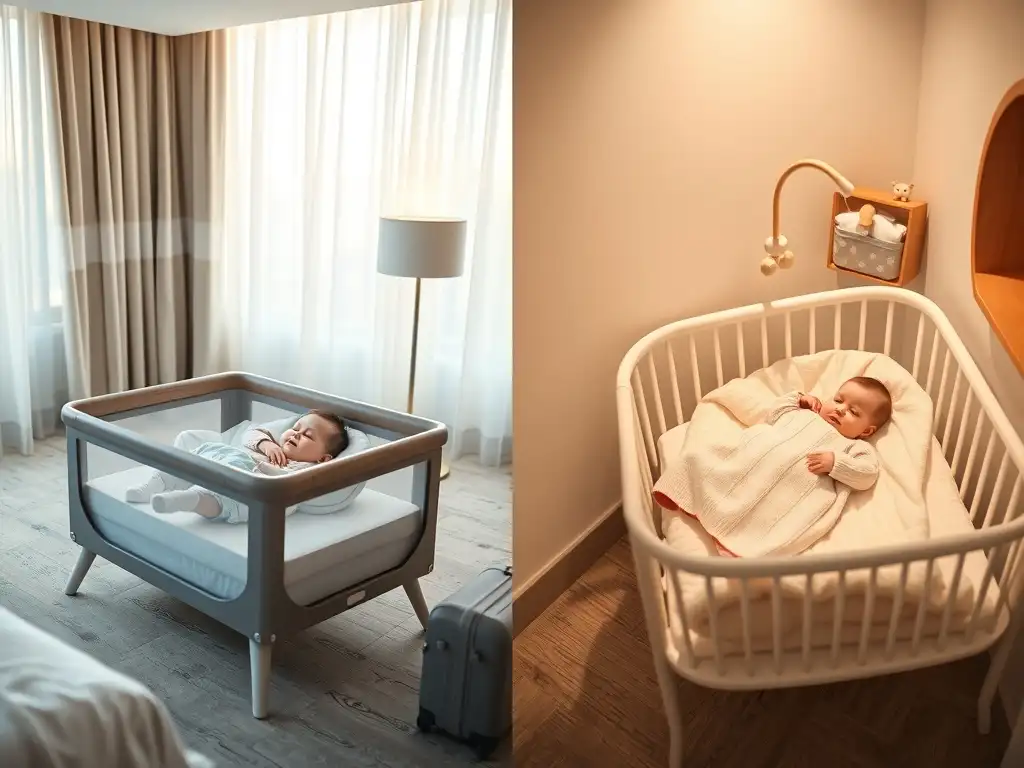
Traveling with a baby can disrupt even the most meticulously crafted sleep schedule. The change in environment, time zones (if applicable), and the general upheaval of travel can leave your little one feeling out of sorts and struggling to sleep. Successfully navigating this transition requires a thoughtful and patient approach. The key to minimizing sleep disruption post-travel centers around gradually reintroducing familiar routines and addressing any lingering sleep issues promptly. This section focuses on strategies to ease your baby back into their regular sleep pattern, minimizing the impact of travel on their rest.
Re-establishing Routines and Schedules
Reintroducing your baby's normal sleep routine is crucial for a smooth transition back home. Don't expect immediate results; it might take several days, or even a week, for your baby to fully readjust. The process should be gradual and gentle. Begin by recreating the familiar sleep environment as much as possible. This includes using the same crib, swaddle, or sleep sack, and maintaining a consistent bedtime routine.
Here’s a suggested approach:
- Day 1-2: Focus on consistency in feeding and soothing techniques. Maintain a regular wake-up time, even if naps are slightly off. Avoid drastic changes to the bedtime routine. Be extra patient and understanding as your baby adjusts.
- Day 3-5: Begin to gently nudge your baby back towards their usual nap and bedtime schedule. Adjust bedtime by 15-30 minutes each day until you reach the desired time. Be flexible and responsive to your baby's cues.
- Day 6-7 (and beyond): If sleep disruptions persist, consider implementing a gentle sleep training technique, such as the Ferber method or the Cry-It-Out method (CIO), if you've used them successfully in the past. Remember, consistency is key! However, if you haven't previously used sleep training, it's advisable to consult with a pediatrician or child sleep consultant before starting.
Remember to prioritize consistency! A predictable routine provides security and helps your baby understand what to expect, promoting better sleep. This includes maintaining consistent wake windows, feeding times, and bedtime rituals. Even small changes can cause disruptions, so strive for as much predictability as possible.
Addressing Any Lingering Sleep Issues After Travel
Even with a carefully planned transition, some sleep issues might persist after travel. These could manifest as increased nighttime wakings, difficulty falling asleep, or shorter sleep cycles. Understanding the potential causes is crucial for addressing these issues effectively.
Here are some common post-travel sleep problems and solutions:
| Sleep Issue | Possible Cause | Solutions |
|---|---|---|
| Increased Night Wakings | Jet lag, disrupted routine, unfamiliar environment | Gradually adjust bedtime, maintain consistent routines, create a calming bedtime routine |
| Difficulty Falling Asleep | Overtiredness, excitement from travel | Ensure adequate daytime sleep, create a relaxing pre-sleep routine |
| Shorter Sleep Cycles | Disrupted sleep patterns | Maintain consistent wake windows and bedtime, offer comforting reassurance |
Addressing these problems often requires a combination of patience, consistency, and a supportive environment. Remember to monitor your baby's behavior for any signs of illness or discomfort. If sleep problems persist for more than a week or are accompanied by other concerning symptoms, consult your pediatrician. They can rule out any underlying medical issues and offer personalized advice.
Don't hesitate to seek professional help; a sleep consultant can provide tailored strategies to address your baby's specific sleep needs. Remember, getting enough sleep is crucial for both your baby's development and your own well-being. Patience and consistency are key to helping your baby readjust to their normal sleep schedule after a trip. 😴
Frequently Asked Questions
How can I help my baby sleep better during travel?
Creating a consistent sleep routine is key, even while traveling. Pack familiar comfort items like a favorite blanket or stuffed animal. Minimize distractions and opt for a dark, quiet space whenever possible.
What are some travel sleep solutions for babies who aren't used to sleeping in unfamiliar places?
Consider bringing a portable crib or bassinet to provide a familiar sleeping environment. White noise machines or soft lullabies can help block out disruptive noises. Gentle rocking or swaying can also soothe your baby to sleep.
What are the best sleeping arrangements for babies during car trips?
For car travel, a properly installed car seat is paramount. Ensure your baby is securely fastened and consider using a car seat cover for added comfort and privacy. Short, frequent stops for feeding and diaper changes can also help.
What if my baby refuses to sleep in their travel cot or car seat?
Try creating a calming and familiar atmosphere by using familiar bedding and toys. Patience and consistency are important; it may take time for your baby to adjust. Positive reinforcement can also help.
Are there any safety tips for baby sleep during travel?
Always prioritize safe sleeping practices, even when traveling. Never leave your baby unattended in their sleep space. Ensure the sleeping surface is firm and flat, and avoid using loose bedding or pillows. Supervise your baby closely at all times.
Final Reflection: The Sweet Sleep of Journeys Yet to Come
The challenges of ensuring a baby's sleep while traveling are far from trivial; they're a universal struggle demanding creative solutions and unwavering patience. The impact on parents, already navigating the complexities of parenthood, is profound, affecting not only the quality of their trip but also their overall well-being. Finding the right balance between maintaining a sleep routine and embracing the spontaneity of travel is a delicate dance, one that requires careful planning and adaptability.
The constant evolution of baby sleep solutions reflects our society's growing understanding of the importance of sleep for both babies and parents. The quest for the perfect travel crib, the most effective white noise machine, or the ideal sleep sack speaks volumes about our commitment to prioritizing rest, even amidst the chaos of travel. Sleep is the golden chain that binds health and our bodies together.
- Thomas Dekker. This quote, while not specifically about travel, perfectly encapsulates the vital role sleep plays in our overall well-being, a role magnified when navigating the unfamiliar terrain of travel with a little one.
Now, consider your own travel plans. What strategies will you employ to ensure your little one's sleep, and, in turn, your own, remains a priority? Embrace the journey, the challenges, and the small victories along the way. Remember that the memories made, the sights seen, and the bonds strengthened are far more valuable than a perfectly scheduled sleep routine. Let this article serve as a springboard for your own creative solutions, ensuring that your next adventure with your baby is filled with restful nights and unforgettable days.
Unlock Your Family's Travel Freedom: Sweet Dreams On-the-Go!
Thank you for joining us on this journey to mastering baby sleep while traveling! We hope you feel more confident in navigating sleep challenges on the road. Ready to put these tips into action?
- Prioritize a consistent bedtime routine: Even in unfamiliar surroundings, maintaining familiar sleep cues can significantly improve your little one's sleep. This is key to peaceful travels!
- Share your travel sleep successes (or challenges!) with other parents in the comments below. Let's build a supportive community for smoother family journeys.
- Consider trying a new travel sleep aid, such as a weighted blanket or white noise machine—you might discover a helpful tool for smoother travel.
What's your biggest travel sleep challenge, and how do you plan to overcome it on your next trip?