
Baby Sleep: Teething or Regression? Identifying the Cause of Night Wakings


Welcome to BabyCareHub, your ultimate guide to navigating the incredible (and sometimes overwhelming!) journey of parenthood. Are you facing sleepless nights and wondering if your baby's disrupted sleep is due to teething or a sleep regression? We understand the challenges, and that's why we've created this comprehensive resource. Discover the potential causes behind those night wakings, including a deep dive into baby sleep regression causes, and learn practical strategies to help your little one (and you!) get the rest you deserve. Let's unlock the secrets to peaceful nights together.
- Understanding Baby Sleep Regression Causes
- Distinguishing Teething Pain from Sleep Regression
- Baby Sleep Regression vs. Teething: A Comparison Chart
- ### Symptom Comparison: Sleep Regression vs. Teething
- ### Behavioral Changes: Regression vs. Teething
- ### Duration of Disruptions: Regression vs. Teething
- Addressing Night Wakings Due to Teething
- Managing Night Wakings Caused by Sleep Regression
- When to Seek Professional Help for Baby Sleep Issues
- Frequently Asked Questions
- Final Reflection: Unraveling the Mystery of Night Wakings
- Unlock Your Baby's Sleep Potential
Understanding Baby Sleep Regression Causes
Navigating the world of infant sleep can feel like traversing a minefield, especially for first-time parents. One of the most common sources of parental anxiety and sleep deprivation is the dreaded "sleep regression." This isn't a medical condition, but rather a period where your baby, previously sleeping relatively well, suddenly experiences disrupted sleep patterns, characterized by frequent night wakings and changes in their sleep cycle.
This article will delve into the common causes of baby sleep regressions, specifically focusing on how to differentiate them from teething discomfort. Understanding the root cause is the crucial first step in addressing your baby's sleep challenges and restoring peaceful nights for your entire family. We'll explore developmental milestones, growth spurts, and the telltale signs of regression to help you pinpoint the reason behind your little one's restless nights and implement effective strategies to get back on track.
Remember, patience and consistency are key during these phases. The journey to better sleep is achievable with the right knowledge and support.
Developmental Leaps and Sleep Disruptions: The 4-Month Regression and Beyond
The 4-month sleep regression is perhaps the most infamous, but it’s far from the only one. These regressions are often linked to significant developmental leaps in your baby's cognitive and physical abilities. Around 4 months, babies begin to develop more complex brain functions, leading to increased alertness and awareness.
This heightened awareness can disrupt their sleep patterns as they process new information and develop new skills. This often manifests as shorter sleep cycles, more frequent night wakings, and increased difficulty settling back to sleep. Subsequent regressions can occur around 8 months, 12 months, and even beyond, each coinciding with new developmental milestones such as crawling, walking, and increased independence.
These regressions are not a sign that you've done anything wrong. They are a normal part of your baby's development. Think of it as their brain undergoing a massive upgrade! This requires extra energy and can understandably impact their sleep. Understanding this developmental context can provide reassurance and help you approach the situation with patience and empathy.
Growth Spurts and Their Impact on Sleep Patterns
Just as developmental leaps can disrupt sleep, so too can growth spurts. These periods of rapid physical growth require significant energy expenditure. Your baby's body is working hard to build new cells and increase in size, resulting in increased hunger and potentially more frequent awakenings. These growth spurts can be subtle, and it might not be immediately obvious that a growth spurt is the cause of disrupted sleep.
However, if you notice your baby is feeding more frequently and seems generally fussier than usual, a growth spurt could be the culprit. Increased feeding is a natural response to the increased energy demands of growth. This increased need for nourishment can lead to more frequent night wakings, as your little one needs to refuel their growing body.
It's important to distinguish between increased feeding due to a growth spurt and other potential issues. If you're concerned, always consult your pediatrician.
Recognizing the Signs of Sleep Regression in Infants
Identifying a sleep regression requires careful observation of your baby's sleep patterns and overall behavior. While there's no single definitive test, several key indicators strongly suggest a regression is underway:
| Sign | Description |
|---|---|
| Frequent night wakings | Waking multiple times per night, even after previously sleeping through the night. |
| Shorter sleep cycles | Shorter periods of sleep followed by more frequent awakenings. |
| Difficulty settling | Increased difficulty falling asleep and staying asleep. |
| Increased fussiness | Greater irritability and crankiness, even when their needs (feeding, diaper change) are met. |
| Changes in routine | Resistance to established sleep routines. |
| Developmental milestones | Concurrence with observable new skills, like crawling, sitting, or increased cognitive engagement. 👶 |
If you observe a combination of these signs, particularly in conjunction with a known developmental leap or growth spurt, a sleep regression is a likely explanation. Remember to keep a sleep diary to track patterns and better understand your baby's sleep needs. This detailed record can be invaluable when discussing concerns with your pediatrician.
Distinguishing Teething Pain from Sleep Regression
This section focuses on differentiating between teething discomfort and sleep regression as causes of disrupted nighttime sleep in babies. Understanding the distinct characteristics of each can help parents respond appropriately and effectively address their baby's needs. While both can lead to increased night wakings, the underlying causes and accompanying symptoms differ significantly.
This knowledge empowers parents to better manage their baby's sleep challenges and promote healthier sleep patterns. We'll explore the key indicators to help you pinpoint the root cause of your baby's sleep disturbances, allowing for more targeted interventions and improved parental peace of mind. Knowing whether your baby is experiencing teething pain or a sleep regression is crucial for choosing the right approach to soothe and support them.
Common Teething Symptoms: Irritability, Drooling, and Night Wakings
Teething is a developmental milestone marked by the eruption of teeth through the gums. This process can be uncomfortable and painful for babies, leading to various symptoms that often overlap with signs of sleep regression. However, focusing on the cluster of symptoms is key to accurate identification.
Common teething symptoms include:
- Increased Irritability: Babies may be fussier, more clingy, and generally less happy than usual. This irritability isn't necessarily tied to a specific time of day, unlike the predictable patterns often seen in sleep regression.
- Excessive Drooling: Significant drooling is a hallmark of teething. This can lead to a rash around the mouth if not properly managed.
- Gum Swelling and Redness: Examine your baby's gums. Swelling and redness around the area where a tooth is emerging are clear indicators.
- Chewing and Biting: Babies often try to relieve discomfort by chewing on anything they can get their hands on – toys, fingers, or even your clothing.
- Night Wakings: Teething can certainly disrupt sleep, leading to more frequent night wakings. However, these wakings are often associated with discomfort and a need for soothing, rather than the behavioral changes often seen in sleep regression.
- Low-Grade Fever: A slightly elevated temperature (typically below 100.4°F or 38°C) can sometimes accompany teething. However, a higher fever warrants a call to your pediatrician.
It's important to note that not all babies experience all of these symptoms, and the intensity of symptoms varies greatly between babies.
How Teething Affects Sleep: Increased Frequency of Night Wakings
The discomfort associated with teething can directly impact a baby's sleep. The pain and pressure on the gums can make it difficult for them to settle and stay asleep. This often manifests as more frequent night wakings, shorter sleep cycles, and difficulty returning to sleep after waking. Unlike sleep regression, where the timing of wakings might shift, teething-related wakings are often more sporadic and less predictable, occurring whenever the pain flares up.
The increased frequency of night wakings due to teething is typically linked directly to the discomfort experienced. Providing relief through teething toys, cool compresses, or over-the-counter pain relievers (always consult your pediatrician first) can often lead to improved sleep. The focus here is on managing the pain, not necessarily on changing sleep habits. This contrasts sharply with sleep regression, which often requires a more structured approach to re-establish healthy sleep patterns.
Differentiating Teething Pain from Other Sleep Disturbances
Distinguishing teething discomfort from other sleep disturbances, such as sleep regression or illness, requires careful observation and consideration of the complete symptom picture. While increased night wakings are common to all three, the accompanying symptoms provide crucial clues.
| Feature | Teething Pain | Sleep Regression | Illness |
|---|---|---|---|
| Night Wakings | Frequent, sporadic, pain-related | More frequent, predictable shifts | Frequent, often accompanied by other symptoms |
| Irritability | Often present, but not always linked to specific times | Can be present, but often linked to developmental changes | Often pronounced, alongside other symptoms |
| Other Symptoms | Drooling, gum swelling, chewing | Changes in sleep patterns, developmental leaps | Fever, cough, runny nose, rash, lethargy |
| Duration | Episodic, related to tooth eruption | Can last several weeks or months | Varies depending on the illness |
Remember, if you're concerned about your baby's sleep or suspect an illness, always consult your pediatrician. They can provide accurate diagnosis and guidance tailored to your baby's specific needs. This information is for educational purposes only and should not be considered medical advice.
Baby Sleep Regression vs. Teething: A Comparison Chart
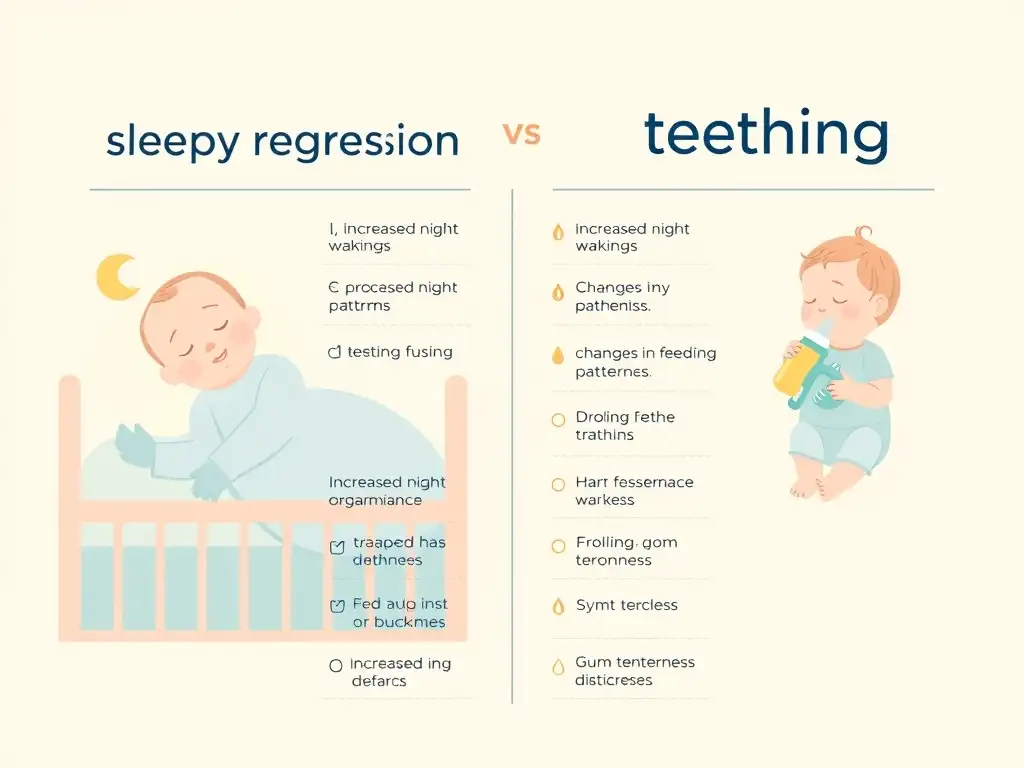
Understanding the difference between a baby sleep regression and teething discomfort is crucial for parents navigating those challenging night wakings. Often, the symptoms overlap, making diagnosis tricky. This comparison chart offers a clearer picture, focusing on key distinctions to help you identify the root cause of your baby's sleep disruptions.
| Feature | Baby Sleep Regression | Teething Discomfort |
|---|---|---|
| Timing | Typically occurs around 4, 6, 8, and 12 months, coinciding with developmental leaps. | Can begin anytime from 4 months onwards, often unpredictable. |
| Primary Cause | Neurological development, leading to changes in sleep cycles and needs. | Physical discomfort from erupting teeth. |
| Sleep Changes | Increased night wakings, difficulty settling, shorter sleep periods, earlier waking. | Frequent night wakings, difficulty settling, restless sleep. |
| Other Symptoms | Increased clinginess, fussiness during the day, changes in appetite (though usually not significant). | Drooling, irritability, chewing on objects, swollen gums, low-grade fever (sometimes). |
| Response to Soothing | May respond to usual soothing techniques, but may require more time and patience. | May find limited comfort from typical soothing methods; may prefer cold objects or pressure on gums. |
### Symptom Comparison: Sleep Regression vs. Teething
Differentiating between a sleep regression and teething solely based on symptoms can be challenging, as some overlap significantly. However, focusing on the combination of symptoms, rather than individual ones, can provide a clearer picture. For instance, a sudden increase in night wakings combined with excessive drooling and gum swelling strongly suggests teething.
Conversely, a pattern of disrupted sleep coinciding with a noticeable developmental leap (e.g., newfound crawling skills) points more towards a sleep regression. It's important to note that some babies experience both teething and a sleep regression simultaneously, further complicating the situation. In such cases, addressing both issues is crucial.
### Behavioral Changes: Regression vs. Teething

Beyond sleep disruptions, behavioral changes can offer further clues. During a sleep regression, babies may exhibit increased clinginess and fussiness during the day, but their overall appetite usually remains relatively consistent. This is in contrast to teething, where irritability is often more pronounced, and babies may show decreased interest in food due to gum pain.
They may also exhibit a preference for cold food or drinks and frequently chew on hard objects to alleviate the discomfort. Observing these behavioral shifts alongside the sleep disturbances can help pinpoint the underlying cause. For example, a baby who is suddenly more demanding of cuddles and is constantly chewing on their hands likely is experiencing teething discomfort.
### Duration of Disruptions: Regression vs. Teething
The duration of sleep disruptions differs considerably between regressions and teething. Sleep regressions, while challenging, are typically temporary phases. They usually last for a few days to a couple of weeks, eventually resolving as the baby adjusts to the developmental changes. Teething discomfort, on the other hand, can be more prolonged, lasting for several weeks or even months as multiple teeth erupt.
The intermittent nature of teething discomfort can also be a distinguishing factor. A baby might experience a few days of intense sleep disturbances followed by a period of relatively better sleep before another round of discomfort arises with the next tooth eruption. This prolonged and cyclical pattern is less common with sleep regressions. Keeping a sleep diary can be invaluable in tracking the duration and pattern of sleep disturbances, which aids in identifying the potential cause.
Addressing Night Wakings Due to Teething

Teething is a common cause of disrupted sleep in babies, often manifesting as increased night wakings, fussiness, and difficulty settling. While it's a natural developmental process, the discomfort associated with teething can significantly impact both the baby's and parents' sleep. Understanding the signs of teething-related sleep disturbances and employing appropriate soothing techniques is crucial for managing this phase.
This section focuses on identifying teething as the root cause of sleep problems and provides practical solutions for promoting restful sleep during this period. The key is to differentiate teething discomfort from other potential causes of baby sleep regression, a topic explored elsewhere on BabyCareHub.
Soothing Techniques for Teething Pain: Cold Compresses, Teethers, and Massage
Many gentle methods can soothe a teething baby and encourage better sleep. Cold compresses applied to the gums can provide temporary relief from inflammation and pain. The coolness numbs the sensitive gums, offering a calming sensation. Ensure the compress is clean and wrapped in a soft cloth before applying it to your baby's gums. Avoid using ice directly on the gums, as this can be too cold and potentially harmful.
Teethers, available in various shapes, sizes, and materials (ensure they are made of safe, non-toxic materials! ), can also be effective. Babies often find chewing on a chilled teether particularly soothing. The act of chewing can help to massage the gums, providing relief from pressure and itchiness. Experiment with different types of teethers to find what your baby prefers.
Gentle gum massage can also be beneficial. Use a clean finger to gently rub your baby's gums. The pressure can help to relieve discomfort and may even help to encourage the eruption of teeth. Always be gentle, and stop if your baby shows signs of discomfort.
Remember to always supervise your baby while they are using teethers and avoid giving them teethers that are too large or hard, which could pose a choking hazard. Prioritize safety alongside comfort.
Over-the-Counter Pain Relief Options for Teething Babies
While many parents successfully manage teething discomfort with home remedies, over-the-counter medications can provide additional relief in some cases. Consult your pediatrician before administering any medication to your baby, as they can advise on the appropriate dosage and suitability for your child's age and health. They can also help differentiate between teething pain and other potential illnesses presenting similar symptoms. Never self-medicate your baby; always follow your doctor's instructions carefully.
Common over-the-counter options may include acetaminophen (paracetamol) or ibuprofen (check the label for infant-specific formulations). These medications can help reduce pain and fever associated with teething. However, it's crucial to carefully follow the dosage instructions on the packaging and consult your doctor if you have any concerns or questions. Remember that these medications should be used judiciously and only when deemed necessary by your pediatrician. Over-reliance on medication might mask underlying issues.
Creating a Comfortable Sleep Environment for Teething Babies
A comfortable sleep environment plays a crucial role in helping your teething baby sleep better. A dark, quiet room can minimize distractions and promote relaxation. Using a white noise machine or fan can help to block out disruptive sounds and create a calming atmosphere. Consider the temperature of the room; a slightly cool room is generally ideal for sleep.
Ensure your baby is comfortable in their sleepwear. Loose, breathable pajamas made of soft materials are ideal. A firm mattress and a properly fitting crib will prevent discomfort and potential hazards. A consistent bedtime routine can help to signal to your baby that it's time to sleep, reducing anxiety and improving sleep quality. This routine should be calming and predictable. Remember, consistency is key when establishing healthy sleep habits, even during challenging teething phases. Consider adding a soothing bedtime bath or a gentle massage to your routine.
Managing Night Wakings Caused by Sleep Regression
Sleep regressions in babies are a common source of frustration for parents. Characterized by a sudden disruption in previously established sleep patterns, these periods of disrupted sleep can feel overwhelming. Understanding the underlying causes and implementing effective strategies is key to navigating these challenging phases. This section focuses on practical techniques to manage night wakings specifically stemming from sleep regression, not teething. While teething can contribute to sleep disturbances, the approaches here are tailored to the developmental shifts inherent in sleep regressions. Remember, consistency and patience are crucial.
Establishing a Consistent Bedtime Routine to Improve Sleep
A predictable bedtime routine is a cornerstone of healthy sleep habits, particularly during sleep regressions. The routine should be calming and consistent, signaling to your baby that it's time to wind down. Avoid screen time at least an hour before bed, as the blue light emitted can interfere with melatonin production, a hormone crucial for sleep.
A successful routine typically involves a sequence of calming activities. This might include a warm bath, a gentle massage, putting on pajamas, reading a bedtime story, singing lullabies, or quiet playtime. The key is to establish a consistent order and consistent timing. Aim for a bedtime that aligns with your baby's natural sleep cycle, usually between 7 pm and 9 pm for most infants. Even slight variations in bedtime can disrupt their internal clock, exacerbating night wakings during a regression.
Consider creating a visual schedule using pictures or flashcards. This can be particularly helpful for older babies who are starting to understand routines. The predictability offers comfort and security, especially during periods of developmental change. Remember, a consistent routine signals to your baby that sleep is approaching, contributing to reduced anxiety and improved sleep quality.
Creating a Relaxing Bedtime Environment to Reduce Anxiety
The environment in which your baby sleeps plays a significant role in their sleep quality. A dark, quiet, and cool room is ideal for promoting restful sleep. Consider using blackout curtains or blinds to minimize light exposure. White noise machines can help mask disruptive sounds, providing a more peaceful sleep environment. A comfortable mattress, appropriate bedding, and a suitable room temperature (around 68-72°F or 20-22°C) are also important factors to consider.
Beyond the physical environment, the emotional climate is equally important. A calm and loving bedtime routine creates a sense of security and reduces anxiety. Avoid stressful activities or interactions just before bedtime. Gentle rocking, cuddling, or singing can help soothe your baby and promote relaxation. The goal is to create an atmosphere conducive to sleep, reducing the likelihood of night wakings associated with anxiety or discomfort during a sleep regression. Remember that even subtle changes to the environment can impact a baby's sleep.
It's also important to consider the scent of the room. Some babies respond well to calming scents like lavender. However, always ensure that any essential oils used are diluted appropriately and are safe for babies. Avoid strong or overwhelming scents.
Responding to Night Wakings Strategically: Gentle Reassurance and Comfort
During a sleep regression, night wakings are inevitable. However, how you respond significantly impacts your baby's ability to self-soothe and return to sleep. Avoid picking your baby up immediately unless absolutely necessary (e.g., illness or distress). Instead, try offering gentle reassurance from the crib side. A soft pat on the back, a quiet shushing sound, or a whispered "It's okay" can often be sufficient to comfort your baby without disrupting their sleep cycle entirely.
A consistent and predictable response is key. This prevents your baby from associating night wakings with attention or playtime. If your baby cries, wait a few minutes before checking on them. Gradually increase the waiting time as your baby learns to self-soothe. This approach teaches your baby to fall back asleep independently, a crucial skill for healthy sleep development.
The goal is to provide enough comfort to alleviate distress without reinforcing the night wakings. This approach requires patience and consistency, but ultimately promotes long-term sleep improvements. Remember to track your baby's sleep patterns to identify any trends and adjust your strategy as needed. This detailed approach will help you manage night wakings stemming from sleep regression effectively. Remember, each baby is unique, and finding the right approach may require experimentation and patience.
When to Seek Professional Help for Baby Sleep Issues
Distinguishing between normal developmental phases and underlying medical conditions affecting your baby's sleep can be challenging. While sleep regressions and teething discomfort are common, certain situations warrant professional intervention. Understanding when to seek help is crucial for ensuring your baby's well-being and your own peace of mind. This section will guide you through recognizing persistent sleep problems and navigating the process of seeking expert advice. Remember, seeking help is a sign of strength, not weakness, and prioritizing your baby's health is paramount.
Identifying Persistent Sleep Problems Requiring Medical Attention
Persistent sleep disturbances beyond typical developmental phases may indicate an underlying medical issue. These problems aren't just about occasional night wakings; they involve significant and ongoing disruptions to your baby's sleep patterns. Consider seeking professional help if you observe any of the following:
- Excessive crying and inconsolability: While some crying is normal, excessive crying that persists despite your best efforts to soothe your baby could signal underlying discomfort or pain.
- Changes in appetite or feeding patterns: Significant changes in your baby's feeding habits, such as refusing to feed or experiencing significant weight loss, can be indicative of a medical problem.
- Fever, rash, or other symptoms: If sleep disturbances are accompanied by a fever, rash, or other physical symptoms, immediate medical attention is crucial.
- Difficulty breathing or labored breathing: Any signs of respiratory distress during sleep, such as wheezing, grunting, or nasal flaring, require immediate medical evaluation.
- Unusual movements or tremors: Uncontrollable shaking or unusual movements during sleep could indicate neurological issues.
- Prolonged periods of sleeplessness: If your baby consistently sleeps for significantly shorter periods than expected for their age, or struggles to sleep for extended periods, professional help may be necessary.
- Sudden changes in sleep patterns: A dramatic and unexplained shift in sleep behavior, such as a previously well-sleeping baby suddenly waking multiple times a night, warrants investigation.
This isn't an exhaustive list, and the severity and combination of symptoms will vary. Trust your instincts; if something feels wrong, don't hesitate to seek medical advice. Early intervention can often lead to better outcomes. Remember, early identification is key when dealing with potential health concerns impacting your baby's sleep.
Consulting a Pediatrician or Sleep Specialist for Expert Guidance
Your pediatrician is your first point of contact for any concerns regarding your baby's health, including sleep issues. They can conduct a thorough examination, rule out any underlying medical conditions, and offer guidance based on your baby's individual needs. For persistent sleep problems that don't seem related to medical issues, a pediatric sleep specialist can provide more specialized expertise. A sleep specialist can help identify potential behavioral issues contributing to sleep problems and recommend evidence-based sleep training strategies tailored to your family’s circumstances.
Consider these factors when choosing a sleep consultant: their experience with newborns, their approach to sleep training (gentle versus strict), and their credentials. A good sleep specialist will work collaboratively with you, respecting your parenting style and values. They will also provide realistic expectations and avoid making promises they can’t keep. Remember, the goal is to create a sustainable and healthy sleep routine for both you and your baby.
Finding Support and Resources for Parents Facing Sleep Challenges
Navigating baby sleep issues can be incredibly challenging, both physically and emotionally. Remember that you're not alone! Many resources are available to provide support and guidance to parents facing sleep challenges. These can range from online forums and support groups to books and educational materials. Connecting with other parents facing similar struggles can offer validation, practical advice, and a sense of community. This shared experience can be incredibly helpful in managing the stress and anxiety associated with baby sleep problems.
Moreover, don't underestimate the value of self-care. Prioritizing your own well-being is essential for effectively caring for your baby. Ensure you're getting enough rest, eating healthy foods, and engaging in activities that help you relax and de-stress. Remember, a well-rested parent is a better parent. Taking care of yourself is not selfish; it's necessary for providing the best possible care for your little one. Seeking support, whether professional or from other parents, is a sign of strength and commitment to your family's well-being.
Frequently Asked Questions
What is a baby sleep regression?
A baby sleep regression is a period where your baby, after establishing a good sleep pattern, suddenly starts waking more frequently at night. This is often due to developmental leaps, and it's a temporary phase. It's not necessarily a sign of anything wrong.
How can I tell if my baby's night wakings are due to teething?
Teething can disrupt sleep, causing fussiness and discomfort. Look for signs of teething like drooling, swollen gums, and a desire to chew. If you see these signs and your baby's sleep changes coincide, teething might be a factor.
What are some common causes of baby sleep regressions besides teething?
Beyond teething, developmental leaps are a major cause. Other factors include illness, changes in routine, or a shift in sleep associations. Growth spurts can also play a role.
How long does a baby sleep regression typically last?
The duration varies, but most regressions last a few days to a few weeks. Consistency with your bedtime routine and soothing techniques can help your baby navigate this period. Patience is key!
When should I seek professional help regarding my baby's sleep?
If your baby's sleep problems are severe, persistent, or accompanied by other concerning symptoms, consult your pediatrician. They can rule out any underlying medical issues and offer personalized advice.
Final Reflection: Unraveling the Mystery of Night Wakings
The struggle with a baby's sleep is a universal experience, and understanding the root cause—whether teething or a developmental regression—is crucial for navigating this challenging phase. The seemingly endless nights of disrupted sleep can leave parents feeling exhausted and overwhelmed, impacting their mental and physical well-being. This understanding is not just about getting more sleep; it's about fostering a healthier, more connected relationship with your little one.
The impact of sleep disruptions on both parents and babies is profound and far-reaching. It affects everything from mood and patience to overall family dynamics. The constant cycle of wakefulness can lead to feelings of inadequacy and frustration, impacting parental confidence and the parent-child bond. As a parent myself, I remember the sleepless nights vividly, and the relief that came from finally understanding the cause of my child's distress. Sleep deprivation is a form of torture,
a wise friend once said, and the truth in that statement resonates deeply with any parent who has experienced it.
Now, as you move forward, I encourage you to reflect on your own experiences with your baby's sleep. Consider the patterns you've observed, the potential triggers, and the strategies you've implemented. Remember that there is no one-size-fits-all solution, and patience and understanding are key. Armed with the knowledge gained from this article, you can approach future sleep challenges with greater confidence and empathy, fostering a more peaceful and harmonious environment for both you and your little one. Embrace the journey, celebrate the small victories, and remember that this phase, however challenging, is temporary.
Unlock Your Baby's Sleep Potential
Thanks for learning more about those frustrating night wakings! We hope this article helped you understand the difference between teething and sleep regression. Now, let's put that knowledge to work!
- Prioritize one sleep-improvement strategy: Focus on implementing just one technique—like adjusting your baby's bedtime routine, creating a consistent sleep environment, or addressing teething discomfort—and track the results over the next week.
- Share your experience: Tell us about your chosen strategy and its impact in the comments below. Let's build a supportive community for parents!
- Explore more baby sleep resources: Discover even more helpful tips and strategies to foster healthy sleep habits for your little one at BabyCareHub.org.
Ready to tackle those night wakings? What's the first step you'll take to improve your baby's sleep?