
Is White Noise Safe for Babies? Addressing Common Concerns


Welcome to BabyCareHub, your ultimate guide to navigating the incredible journey of parenthood! Are you a first-time parent eager to learn the best ways to care for your little one? We understand the anxieties that come with welcoming a newborn, especially when it comes to ensuring their safety and well-being.
This is why we're diving deep into a crucial topic: safe baby white noise concerns. Discover the truth behind the benefits and potential risks, and learn how to create a truly restful sleep environment for your baby. Let's explore the facts together and unlock the secrets to peaceful nights for both you and your precious little one.
- Understanding the Benefits of White Noise for Baby Sleep
- Common Concerns Regarding White Noise and Baby Safety
- Selecting a Safe and Effective White Noise Machine for Your Baby
- Debunking Myths About White Noise and Baby Sleep
- Creating a Safe and Sound Sleep Environment for Your Baby
- Addressing Specific White Noise Concerns: FAQs
-
Frequently Asked Questions
- Is white noise truly safe for my baby?
- What are the potential risks associated with using white noise for babies?
- What is the recommended volume level for white noise machines for babies?
- How long should I play white noise for my baby?
- Are there any alternatives to white noise machines for soothing my baby?
- Final Reflection: The Gentle Hum of Concern and the Search for Safe Sleep
- Unwind Your Worries: Create a Calmer Sleep Environment for Your Little One
Understanding the Benefits of White Noise for Baby Sleep
New parents often grapple with the challenge of getting their little ones to sleep soundly. The quest for a peaceful night's rest can feel overwhelming, leading many to explore various sleep aids. White noise, a consistent, low-level sound, has emerged as a popular option, but concerns regarding its safety often arise. This article aims to address these concerns directly, providing evidence-based information on the benefits and potential risks of using white noise for babies.
We'll delve into the calming effects, the impact on sleep duration, and how it can help mitigate startle reflexes and night wakings, ultimately helping you make an informed decision about its use for your baby. Understanding the nuances of safe white noise implementation is crucial for maximizing its benefits while minimizing any potential drawbacks. This comprehensive guide will equip you with the knowledge to navigate this common parental dilemma.
Calming Effects of White Noise on Newborns
The womb is a surprisingly noisy place! The constant swoosh of blood flow, the mother's heartbeat, and digestive sounds create a consistent ambient noise. White noise mimics this familiar soundscape, offering a sense of comfort and security to newborns. Many babies find the consistent sound soothing and calming, helping to reduce fussiness and promote relaxation.
This effect is particularly noticeable in newborns who may be easily startled by sudden noises or changes in their environment. Studies have shown a correlation between exposure to white noise and reduced crying time in infants, suggesting a significant impact on their overall well-being. The calming effect is often observed almost immediately after the introduction of consistent, low-level white noise. This is because the sound masks other disruptive sounds that might otherwise wake or agitate the baby.
Improved Sleep Duration with Consistent White Noise
One of the most significant benefits reported by parents using white noise for their babies is improved sleep duration. By masking disruptive noises – from household sounds to the cries of other siblings – white noise creates a more consistent and predictable sleep environment. This consistency allows babies to fall asleep more easily and stay asleep for longer stretches.
While individual responses vary, numerous anecdotal reports and some preliminary research suggest that consistent use of appropriate levels of white noise can lead to increased total sleep time for infants. This improved sleep translates to better rest for both the baby and their parents, significantly impacting the family's overall well-being. The key is consistency; establishing a regular sleep routine that includes white noise can yield the most positive results.
Reducing Startle Reflexes and Night Wakings
Newborns have a strong startle reflex, often causing them to wake suddenly due to unexpected sounds. White noise acts as a buffer against these disruptions, effectively masking sudden noises that might otherwise startle the baby awake. This is particularly beneficial during sleep transitions, when babies are most vulnerable to being roused.
By providing a consistent auditory background, white noise can help to minimize the impact of sudden sounds, leading to fewer night wakings and improved sleep continuity. Reducing these nighttime disruptions contributes to a more restful sleep cycle for the infant, resulting in a more alert and happy baby during the day. Remember that the goal is to create a calming, consistent soundscape, not to overwhelm the baby with excessively loud noise.
Common Concerns Regarding White Noise and Baby Safety
Concerns about the safety of white noise for babies are understandable. Parents naturally want to ensure their little ones are safe and healthy, and the use of any artificial sound source warrants careful consideration. Many anxieties stem from the potential for hearing damage, the unknown long-term effects of constant exposure to artificial sounds, and the possibility of hindering natural sleep development. This section addresses these common anxieties, providing evidence-based information to help parents make informed decisions about incorporating white noise into their baby's sleep routine. Understanding the potential risks and mitigating them through careful selection and usage is key to ensuring that white noise contributes positively to a baby's well-being, rather than negatively impacting their health and development. The key is to prioritize safe practices and responsible implementation of white noise. This includes careful consideration of volume levels, the type of white noise used, and avoiding over-reliance on the machine.
Safe Volume Levels for Baby White Noise Machines: Avoiding Hearing Damage
Ensuring your baby's hearing is paramount. The American Academy of Pediatrics (AAP) recommends keeping the volume of white noise machines at a low level, no louder than the sound of a gentle rainfall. Think of it this way: you should be able to comfortably hold a conversation in the same room as the machine without raising your voice significantly. A good rule of thumb is to set the volume so that it's barely audible from a few feet away.
Avoid placing the machine too close to your baby's crib. Many white noise machines offer volume control; use this feature responsibly, always erring on the side of caution. A decibel meter can be helpful in measuring the sound level, ensuring it stays within a safe range.
Prolonged exposure to loud noises can indeed cause hearing damage, and this is a risk that needs to be actively managed. Remember, the goal is to create a soothing, calming environment, not to drown out all other sounds. Regularly check the volume to ensure it remains at a safe level, especially if you're using a machine with automatic volume adjustments.
Choosing the Right Type of White Noise: Nature Sounds vs. Electronic Sounds
The type of white noise you select can also impact its safety and effectiveness. While electronic white noise machines provide consistent, uninterrupted sounds, some parents opt for nature sounds like gentle rain or ocean waves. The perceived "naturalness" of these sounds might offer a sense of comfort and relaxation. However, both electronic and nature sounds should be used at safe volume levels.
The key difference lies in the potential for variation in volume within nature sounds. While a well-designed electronic white noise machine provides a consistent sound, nature sounds recordings can have fluctuating volume levels, potentially exceeding safe limits for your baby's hearing. It's crucial to carefully vet any nature sound recordings, ensuring they are consistently low in volume and free from sudden loud peaks or jarring transitions.
Always preview the sound at the intended volume before playing it for your baby. Consider using a white noise machine with pre-programmed sounds that are specifically designed for baby's hearing safety. This offers a balance of soothing sounds and consistent, controlled volume levels.
Potential Risks of Over-Reliance on White Noise Machines
While white noise can be beneficial in promoting sleep, over-reliance can pose certain risks. It's essential to remember that white noise is a tool, not a solution to all sleep problems. Over-dependence can hinder your baby's ability to self-soothe and fall asleep independently. Babies need to learn to fall asleep on their own, and excessive reliance on white noise can interfere with this crucial developmental process.
Furthermore, constant exposure to white noise might mask important environmental cues, such as the sound of a smoke alarm or other potential warning signals. It's crucial to establish a healthy sleep routine that doesn't solely depend on white noise. Consider gradually reducing the volume and duration of white noise use over time to help your baby become less dependent on it for sleep.
Observe your baby's sleep patterns and look for any signs of disrupted sleep or other negative effects, adjusting your use of white noise accordingly. Remember that a balanced approach is key: utilizing white noise strategically, rather than consistently, is a safer and more effective strategy in the long run. Prioritize creating a secure, comforting sleep environment that fosters healthy sleep habits for your baby.
The Importance of Gradual Weaning from White Noise
Gradual weaning from white noise is crucial for a baby's healthy auditory development and sleep independence. Sudden cessation can be jarring and potentially disruptive to their sleep patterns, leading to increased fussiness and difficulty settling. Think of it like slowly reducing the dosage of a medication – a sudden stop can cause withdrawal symptoms. Similarly, a baby's brain has become accustomed to the constant background hum of white noise, and removing it abruptly can trigger a negative response.
The process of weaning should be slow and patient, ideally spanning several weeks or even months, depending on the baby's age and individual response. Start by slightly reducing the volume of the white noise machine over a few days. Then, gradually decrease the duration of its use, perhaps shortening the playtime by 15-30 minutes each day. Observe your baby's reactions carefully. If they show signs of distress, slow down the process or even temporarily revert to the previous settings. Remember, consistency and patience are key.
Furthermore, consider introducing alternative soothing methods alongside the gradual reduction of white noise. This might involve gentle rocking, singing lullabies, or offering a comforting cuddle. These alternative techniques help the baby associate relaxation and sleep with other stimuli, mitigating the reliance on white noise alone. This holistic approach fosters a more robust and independent sleep routine, reducing the potential for future sleep disturbances.
By gradually transitioning away from white noise, you equip your baby with the skills to self-soothe and fall asleep independently, promoting healthy sleep habits in the long term. This approach minimizes potential sleep regression and ensures a smoother transition to a quieter sleep environment. The ultimate goal is a well-rested baby who can easily transition to and from sleep without constant reliance on external aids.
Selecting a Safe and Effective White Noise Machine for Your Baby
Choosing the right white noise machine can significantly impact your baby's sleep quality and your peace of mind. Navigating the market requires careful consideration of safety and effectiveness. While white noise can be beneficial for soothing babies and masking disruptive sounds, ensuring the machine itself is safe is paramount. This section will guide you through selecting a machine that prioritizes your baby's well-being while providing effective noise generation. Understanding the nuances of safe baby white noise concerns is crucial for responsible parenthood.
Top-Rated Baby White Noise Machines
Several brands consistently receive high marks for safety and effectiveness. However, remember that "top-rated" can be subjective and dependent on individual needs and preferences. Always prioritize safety features over rankings. Consider these factors when evaluating potential machines:
- Parent Reviews: Look for machines with numerous positive reviews emphasizing safety features and ease of use. Pay close attention to comments addressing volume control, sound quality, and durability.
- Independent Testing: Some consumer advocacy groups conduct independent testing of baby products, including white noise machines. Look for machines that have undergone such testing and passed safety evaluations.
- Brand Reputation: Choose established brands with a proven track record of producing safe and reliable baby products. This doesn't guarantee safety, but it reduces the risk of encountering poorly-made or unsafe devices.
It's crucial to remember that specific model recommendations are beyond the scope of this general guidance, as product availability and ratings change frequently. Always conduct your own thorough research before purchasing any product for your baby.
Features to Look for in a Safe White Noise Machine: Volume Control, Auto-Shutoff, Multiple Sound Options
Several key features enhance both the safety and effectiveness of a baby white noise machine. These features directly address common safe baby white noise concerns.
- Volume Control: A crucial safety feature is a precise and easily adjustable volume control. This allows you to find the optimal sound level for your baby without risking exposure to excessively loud noises, which can be harmful to their delicate hearing. Look for machines with a wide volume range and clear volume indicators.
- Auto-Shutoff Timer: Many machines offer a timer function, allowing you to automatically shut off the machine after a predetermined period. This is vital for safety, as it prevents the machine from running all night, potentially exposing your baby to prolonged noise and reducing the risk of overheating. A range of timer options, from 30 minutes to several hours, is ideal.
- Multiple Sound Options: While white noise is often preferred, some machines offer a range of sounds, including nature sounds like rain or ocean waves. This variety can help you find the most soothing sound for your baby, and having alternatives can be helpful if your baby develops a preference or becomes less responsive to a single sound. This feature does not compromise safety as long as the volume remains appropriately controlled.
Reviewing Safety Certifications and Standards for White Noise Machines
Before purchasing any baby product, it is vital to check for relevant safety certifications and adherence to industry standards. This is particularly important for white noise machines, as prolonged exposure to loud noises can potentially damage your baby's hearing.
- Look for certifications: Check for certifications from recognized safety organizations. These organizations test products to ensure they meet certain safety standards and are free from potential hazards. The specific certifications vary by region but will generally relate to electrical safety and sound output limits.
- Check the materials: Ensure the materials used in the construction of the machine are non-toxic and safe for babies. Avoid machines made from materials that could potentially leach harmful chemicals.
- Examine the construction: Ensure the machine is well-constructed and sturdy, reducing the risk of it breaking and posing a hazard to your baby. Avoid machines with small, detachable parts that could be choking hazards.
Addressing these safe baby white noise concerns is essential for creating a peaceful and safe sleep environment for your little one. Remember that prioritizing safety should always be paramount when selecting a white noise machine for your baby.
Debunking Myths About White Noise and Baby Sleep
Concerns surrounding the safety of white noise for babies are common among first-time parents. Many myths persist, fueled by anecdotal evidence and misinformation. Let's address some of the most prevalent misconceptions to help you make informed decisions about using white noise to promote your baby's sleep. Understanding these myths and the scientific evidence behind them is crucial for ensuring your baby's wellbeing while leveraging the potential benefits of white noise. This section focuses on dispelling these myths related to "safe baby white noise concerns".
Myth 1: White Noise Can Cause Hearing Loss in Babies
The fear that white noise can damage a baby's hearing is a significant concern for many parents. However, this is largely a misconception, provided the volume is kept at a safe level. The key is volume control. A white noise machine should never be louder than a typical conversation (around 50-60 decibels). Excessively loud sounds, regardless of their nature, can indeed lead to hearing damage. But a properly utilized white noise machine, set at a low to moderate volume, poses minimal risk. Think of it like background music – it shouldn't be so loud that it's overpowering.
Studies on the effects of white noise on infant hearing have generally shown no significant negative impact when used responsibly. However, more research is needed to definitively establish long-term effects for a wide range of white noise exposure levels. It's always prudent to err on the side of caution and maintain a comfortable listening volume.
Regularly check the volume of your white noise machine and ensure it's not too loud for your baby's delicate ears. A good rule of thumb is to be able to comfortably hold a conversation in the room without raising your voice. Remember, "safe baby white noise concerns" are valid, but largely preventable with careful monitoring.
Myth 2: Babies Become Dependent on White Noise
Another common worry is that babies become reliant on white noise to sleep and will struggle to fall asleep without it. While it's true that babies can become accustomed to certain sleep cues, including white noise, this doesn't equate to dependence in a negative sense. Think of it as creating a consistent and predictable sleep environment.
The process of weaning a baby off white noise is typically gradual and manageable. Slowly decreasing the volume over several nights, or gradually reducing the duration of its use, can smoothly transition your baby to sleeping without it. Sudden cessation might lead to some initial adjustment, but it's unlikely to cause significant long-term sleep problems. Addressing "safe baby white noise concerns" also means acknowledging that this is a tool to support, not replace, healthy sleep habits. It's about creating a conducive environment, not fostering dependency.
Myth 3: All White Noise Machines are Created Equal
The market offers a wide variety of white noise machines, ranging from simple fan-based devices to sophisticated apps offering a plethora of sounds. It's crucial to understand that not all machines are created equal. Some may produce sounds at inconsistent volumes, while others might emit potentially harmful frequencies.
When choosing a white noise machine, prioritize those with adjustable volume controls, allowing you to fine-tune the sound level to your baby's needs. Look for machines that offer a range of sounds beyond just white noise, such as pink noise or nature sounds, as these can be equally effective for some babies. Furthermore, consider the build quality and safety features of the device.
Opt for machines that are durable, easy to clean, and meet safety standards. By making an informed choice, you can significantly mitigate any "safe baby white noise concerns" associated with the device itself. Remember, a high-quality machine is an investment in your baby's sleep and overall well-being.
Creating a Safe and Sound Sleep Environment for Your Baby
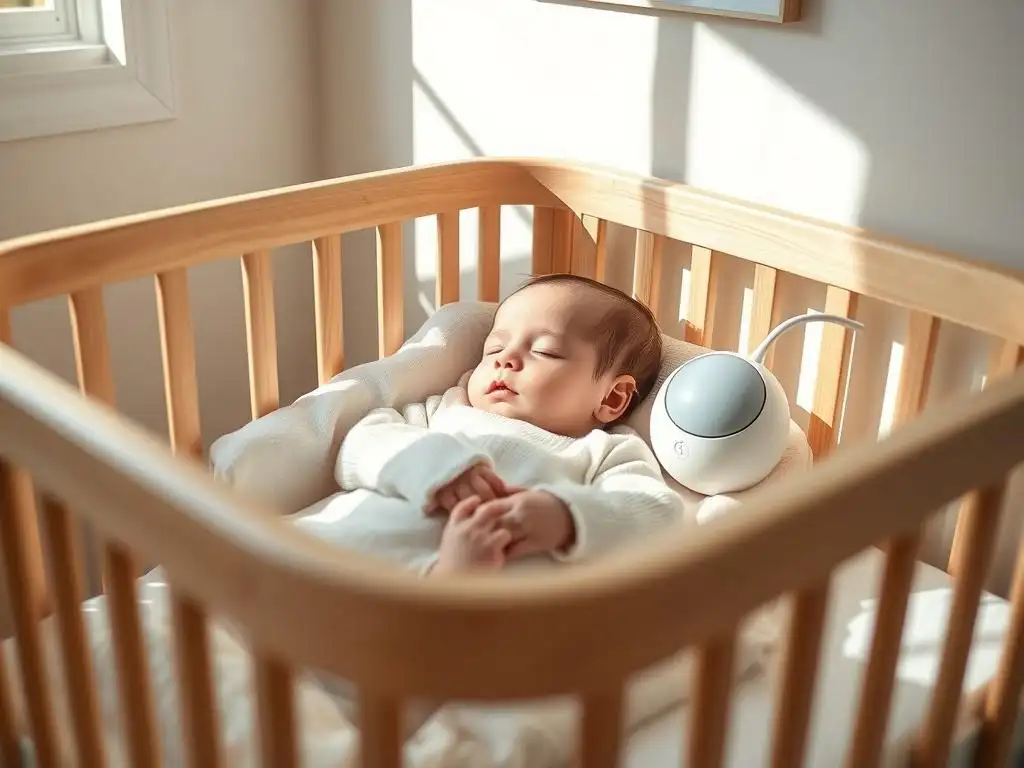
This section focuses on optimizing your baby's sleep environment to maximize the benefits of white noise while minimizing potential risks. Safe baby white noise concerns are often related to improper implementation, not the noise itself. Creating a safe sleep space is paramount.
Combining White Noise with Other Sleep Aids: Swaddles, Sleep Sacks, and Consistent Bedtime Routines
White noise is just one piece of the puzzle when it comes to establishing healthy sleep habits. Combining it with other proven sleep aids can significantly improve your baby's sleep quality and duration. For instance, swaddling can mimic the feeling of being held, providing comfort and security, especially for newborns. However, remember to stop swaddling once your baby shows signs of rolling over, typically around 4 months old, to prevent Sudden Infant Death Syndrome (SIDS).
Sleep sacks offer a similar sense of security without the risk of loose blankets. They keep your baby warm and cozy throughout the night, promoting restful sleep. Furthermore, establishing a consistent bedtime routine is crucial for regulating your baby's circadian rhythm. This routine could include a warm bath, a massage, a lullaby, and finally, the introduction of white noise. Consistency is key; stick to the same routine every night to help your baby understand it's time for sleep.
The combination of white noise, a sleep sack, and a consistent bedtime routine creates a predictable and soothing environment that signals to your baby that it's time to rest. This holistic approach addresses multiple aspects of sleep, reducing the likelihood of sleep disturbances. Remember, a safe sleep environment is one that prioritizes your baby's comfort and safety.
Monitoring Your Baby's Sleep and Addressing Potential Issues
While white noise can be beneficial, continuous monitoring of your baby's sleep is essential. Observe your baby's sleep patterns, noting any changes in behavior or sleep duration. Are they sleeping soundly? Do they seem restless or easily startled? Keeping a sleep diary can be incredibly helpful in tracking patterns and identifying potential issues.
Pay close attention to your baby's breathing. While white noise shouldn't directly affect breathing, any changes warrant immediate attention. If you notice any unusual breathing patterns, such as pauses in breathing (apnea), consult your pediatrician immediately. Similarly, be aware of any signs of discomfort or distress. These could include excessive crying, restlessness, or changes in feeding habits.
Addressing potential issues proactively is crucial. If you notice changes in your baby's sleep patterns or behavior that concern you, don't hesitate to seek professional advice. Early intervention can prevent more serious problems from developing. Remember, addressing safe baby white noise concerns often involves careful observation and prompt action.
When to Consult a Pediatrician Regarding Sleep Problems
While white noise can be a helpful tool, it's not a cure-all for sleep problems. There are instances when consulting a pediatrician is essential. If your baby consistently struggles to sleep, despite implementing various sleep aids and strategies, including white noise, it's time to seek professional help.
Persistent sleep disturbances could indicate underlying medical conditions, such as reflux, allergies, or ear infections. These conditions can significantly impact your baby's sleep quality and overall well-being. Furthermore, if you notice any unusual behaviors during sleep, such as excessive sweating, unusual movements, or changes in breathing patterns, consult your pediatrician immediately.
Your pediatrician can conduct a thorough assessment to rule out any underlying medical issues and recommend appropriate interventions. They can also provide guidance on safe sleep practices and address any specific concerns you may have. Remember, seeking professional help is not a sign of failure; it's a proactive step towards ensuring your baby's health and happiness. Prioritizing your baby’s well-being and addressing safe baby white noise concerns through professional consultation is vital.
Addressing Specific White Noise Concerns: FAQs
This section dives into frequently asked questions surrounding the safe use of white noise for babies, addressing common parental anxieties and providing evidence-based recommendations to ensure your little one's wellbeing. Remember, always prioritize your baby's individual needs and consult your pediatrician with any concerns.
How long should my baby use a white noise machine?
The duration of white noise exposure for your baby isn't a one-size-fits-all answer. While many parents find it beneficial for extended periods, especially during nighttime sleep, it's crucial to monitor your baby's response and adjust accordingly. Some babies may benefit from using white noise for their entire sleep period, while others might only need it for the initial stages of sleep onset.
Ideally, you should gradually wean your baby off white noise as they get older and develop more robust sleep patterns. This gradual reduction minimizes the risk of dependence and allows your baby to adapt to quieter sleeping environments. A good rule of thumb is to start by reducing the duration of white noise use by 15-30 minutes every few weeks. For example, if your baby uses white noise for 8 hours nightly, you could reduce this to 7.5 hours, then 7 hours, and so on. Always observe your baby's sleep quality during this process.
If you notice significant sleep disturbances, consider slowing down the weaning process. Remember, consistency is key to establishing healthy sleep habits. The goal is to help your baby learn to self-soothe and fall asleep independently, eventually without the aid of white noise. This process often takes time and patience.
Monitoring your baby's reaction is paramount. If you notice any signs of distress, such as increased fussiness, difficulty settling, or changes in their sleep patterns, immediately discontinue using the white noise machine and consult with your pediatrician.
What if my baby doesn't seem to respond to white noise?
Not all babies respond positively to white noise. Some babies may find it unsettling, while others may simply not notice a difference. If your baby doesn't seem to benefit from white noise, there's no need to force it. Many other effective sleep strategies exist, such as establishing a consistent bedtime routine, ensuring a dark and quiet sleep environment, and addressing any underlying medical conditions that might be affecting sleep.
It's important to remember that a baby's sleep patterns are individual and complex. Factors such as temperament, developmental stage, and overall health can significantly influence their sleep needs and responses to various sleep aids. Consider exploring alternative methods to promote restful sleep if white noise proves ineffective. These alternatives could include swaddling (appropriately and safely), rocking, singing lullabies, or using a pacifier. Remember to consult your pediatrician for personalized advice tailored to your baby's specific needs and developmental stage. This personalized approach ensures you're addressing the root cause of any sleep problems, rather than relying solely on one strategy.
Can I use white noise during naps?
Yes, white noise can be used effectively during daytime naps. The principles of safe and effective white noise use remain consistent, regardless of whether it's for nighttime sleep or naps. Maintaining a consistent approach to sleep aids, including white noise, can contribute to establishing regular sleep-wake cycles, which is crucial for healthy sleep development in babies.
However, always monitor your baby for any adverse reactions during naptime, just as you would during nighttime sleep. Observe their sleep quality, and if you notice any changes in behavior or sleep patterns, adjust accordingly or consult your pediatrician. Remember to keep the volume at a safe level, avoiding excessively loud noise that could potentially damage your baby's hearing.
A good rule of thumb is to keep the volume at a level where you can comfortably hold a conversation nearby without shouting. By following these guidelines, you can harness the potential benefits of white noise for both daytime naps and nighttime sleep, contributing to a more restful sleep experience for both you and your baby.
Frequently Asked Questions
Is white noise truly safe for my baby?
While often beneficial for sleep, white noise should be used cautiously. Ensure the volume is low, and never place the sound source directly next to the crib. Always monitor your baby's response.
What are the potential risks associated with using white noise for babies?
Potential risks include hearing damage from excessive volume, and masking important sounds like your baby's cries. It's crucial to prioritize safe usage and volume levels.
What is the recommended volume level for white noise machines for babies?
The recommended volume should be low, roughly equivalent to the sound of a gentle rainfall. Avoid using high volumes, which could be harmful to your baby's hearing.
How long should I play white noise for my baby?
There's no definitive answer, but short periods, perhaps during sleep, are generally recommended. Always monitor your baby and be ready to turn it off if needed. Don't use it as a replacement for proper sleep habits.
Are there any alternatives to white noise machines for soothing my baby?
Yes, consider swaddling, gentle rocking, or singing lullabies. These methods offer safe and natural ways to calm and soothe your baby without the use of machines.
Final Reflection: The Gentle Hum of Concern and the Search for Safe Sleep
The pervasive use of white noise for babies, while seemingly innocuous, demands a careful reconsideration in light of emerging research. The seemingly simple act of soothing a crying infant with ambient sound raises complex questions about potential long-term auditory health and the delicate balance between comfort and risk. We must move beyond simplistic answers and embrace a nuanced understanding of this common practice.
The debate surrounding white noise and infant sleep highlights a broader societal tension: our desire for quick solutions versus the need for informed, cautious parenting. We are constantly bombarded with advice, often conflicting, leaving parents feeling overwhelmed and uncertain. The most common way people give up their power is by thinking they don't have any.
- Alice Walker. This quote resonates deeply, as parents often feel powerless in the face of a crying baby, leading them to potentially overlook potential risks in their search for immediate relief. The ongoing discussion surrounding safe sleep practices underscores the importance of critical thinking and evidence-based decision-making in navigating the complexities of parenthood.
Consider the information presented in this article. Reflect on your own experiences and choices regarding your child's sleep. Are you using white noise? If so, what precautions are you taking? Perhaps it's time to reassess your approach, ensuring the volume is appropriately low, the duration is limited, and the source is reliable. Let's prioritize the well-being of our little ones by fostering a culture of informed and responsible parenting, where the pursuit of peaceful sleep doesn't compromise their long-term health and development. Let's choose mindful awareness over unquestioning acceptance.
Unwind Your Worries: Create a Calmer Sleep Environment for Your Little One
Thank you for learning about white noise and its impact on your baby's sleep. We hope you found the information helpful! Now let's put this knowledge into practice to create a more peaceful sleep environment for your little one.
- Establish a consistent white noise routine: Experiment with different sounds and volumes to find what soothes your baby best, and incorporate this into a regular bedtime routine. This is a key step towards creating a tangible change!
- Share your discoveries: Tell us in the comments what white noise techniques you're using and what works best for you! Let's build a supportive community where parents can share their experiences.
- Explore complementary calming techniques: Consider gentle rocking, singing lullabies, or using a soft, textured blanket alongside white noise for a holistic approach to better sleep.
Ready to create a more peaceful and restful night for both you and your baby? What small changes will you implement tonight to improve your baby's sleep environment?