
Top Mistakes Parents Make When Trying to Darken a Nursery

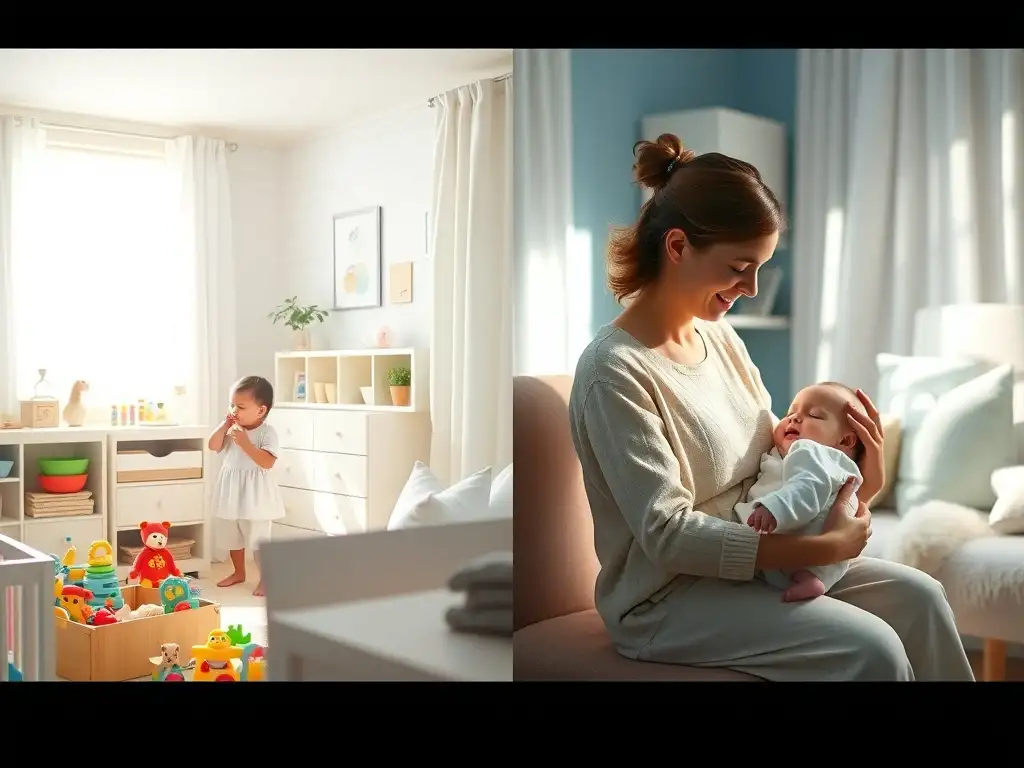
Welcome to BabyCareHub, your ultimate guide to navigating the exciting yet challenging world of parenthood! Are you ready to create the perfect sleep sanctuary for your little one? Then discover how to avoid common pitfalls when darkening your nursery in our insightful article, "Top Mistakes Parents Make When Trying to Darken a Nursery," part of our comprehensive series on promoting restful baby sleep. Uncover the secrets to a peaceful night's sleep for both you and your baby – start exploring now!
- Understanding the Importance of a Dark Nursery for Baby Sleep
- Common Mistakes Parents Make When Darkening a Nursery
-
Effective Strategies for Creating a Truly Dark Nursery
- Choosing the Right Blackout Curtains: Fabric Type, Light Blocking Capacity, and Installation Techniques
- Optimizing Window Treatments: Combining Curtains, Blinds, and Shades for Maximum Darkness
- Addressing Light Leaks Strategically: A Step-by-Step Guide to Sealing Gaps and Cracks
- Utilizing Room Darkening Paint for a Long-Term Solution
- Minimizing Nightlights and Electronic Device Light Emission: Safe and Effective Practices
- Product Recommendations for a Darker Nursery
- Creating a Relaxing and Dark Nursery Environment for Optimal Sleep
-
Frequently Asked Questions
- How dark is too dark for a baby's nursery?
- What are the best ways to darken a nursery without blocking out all light?
- Are blackout curtains safe for babies?
- What are some common mistakes parents make when darkening a nursery?
- My baby still wakes up frequently even with a darkened room. What else could I try?
- Final Reflection: Illuminating the Path to a Peaceful Nursery
- Unveil Your Dream Nursery: Design a Dark & Cozy Haven
Understanding the Importance of a Dark Nursery for Baby Sleep
Creating a dark and calming nursery environment is crucial for promoting healthy sleep habits in newborns and infants. A well-darkened room significantly impacts your baby's sleep cycles, contributing to longer stretches of sleep and improved overall sleep quality. This article will explore common mistakes parents make when attempting to darken their baby's nursery, offering practical advice to help you create a truly sleep-inducing environment for your little one.
Understanding the science behind sleep and light exposure will empower you to make informed decisions, leading to better sleep for both you and your baby. This is especially important because insufficient darkness can disrupt the delicate balance of hormones and sleep patterns vital for your baby's development and well-being.
Addressing these common mistakes will enable you to optimize your baby's sleep environment and help them thrive. Remember, a well-rested baby is a happy baby, and a happy baby contributes to a happy family!
Benefits of Darkness for Infant Sleep Cycles and Melatonin Production
Darkness plays a vital role in regulating your baby's sleep-wake cycle. Melatonin, the "sleep hormone," is primarily produced in darkness. When the sun sets, or a room is sufficiently dark, the body begins to produce melatonin, signaling the brain it's time to sleep. In infants, this process is particularly sensitive to light exposure. Even small amounts of light can suppress melatonin production, leading to disrupted sleep patterns, shorter sleep cycles, and frequent nighttime awakenings. A sufficiently dark nursery helps optimize melatonin production, promoting longer, more restful sleep for your baby. This, in turn, translates to a happier, more settled baby and more restorative sleep for you. Studies show a strong correlation between darkness and improved sleep duration in infants. 1 The benefits extend beyond just sleep; adequate melatonin production is also crucial for overall development and immune function in young children.
Further Research on Melatonin and Infant Sleep
More research is needed to fully understand the nuances of melatonin production and its impact on infant sleep patterns, particularly in relation to different light intensities and wavelengths. However, the current available evidence strongly suggests that minimizing light exposure during sleep is beneficial for babies.
Avoiding Light Pollution: A Crucial Step in Creating a Sleep-Inducing Environment
Light pollution, originating from streetlights, electronic devices, and even gaps under doors, can significantly hinder your efforts to create a dark nursery. Many parents underestimate the impact of seemingly minor light sources. A small nightlight, a charging phone emitting a faint glow, or even the streetlight shining through a slightly open curtain can disrupt your baby's sleep. To effectively darken the nursery, you need a multi-pronged approach.
This includes using blackout curtains or blinds, sealing any gaps around windows and doors, and eliminating all sources of electronic light from the room. Remember, even a dim light can interfere with melatonin production. Consider using room-darkening curtains specifically designed to block out light effectively. Investing in these specialized curtains is a worthwhile investment in your baby's sleep.
The Link Between Darkness and Improved Sleep Quality in Babies
The impact of a dark nursery extends beyond simply increasing sleep duration. A dark environment promotes better sleep quality, characterized by fewer night wakings, less fussiness, and longer periods of deeper, more restorative sleep. This improved sleep quality is not only beneficial for your baby's physical development and cognitive function but also contributes to a more peaceful and harmonious family life.
A well-rested baby is less irritable and more receptive to interaction, making daytime activities smoother and more enjoyable. The positive correlation between darkness and improved sleep quality in babies is well-documented, highlighting the importance of creating a dark and soothing sleep environment from the very beginning. Prioritizing darkness in your baby's nursery is an act of care that yields significant benefits for both your baby and your family.
1 [Specific information pending: Cite a relevant study on melatonin and infant sleep]
Common Mistakes Parents Make When Darkening a Nursery
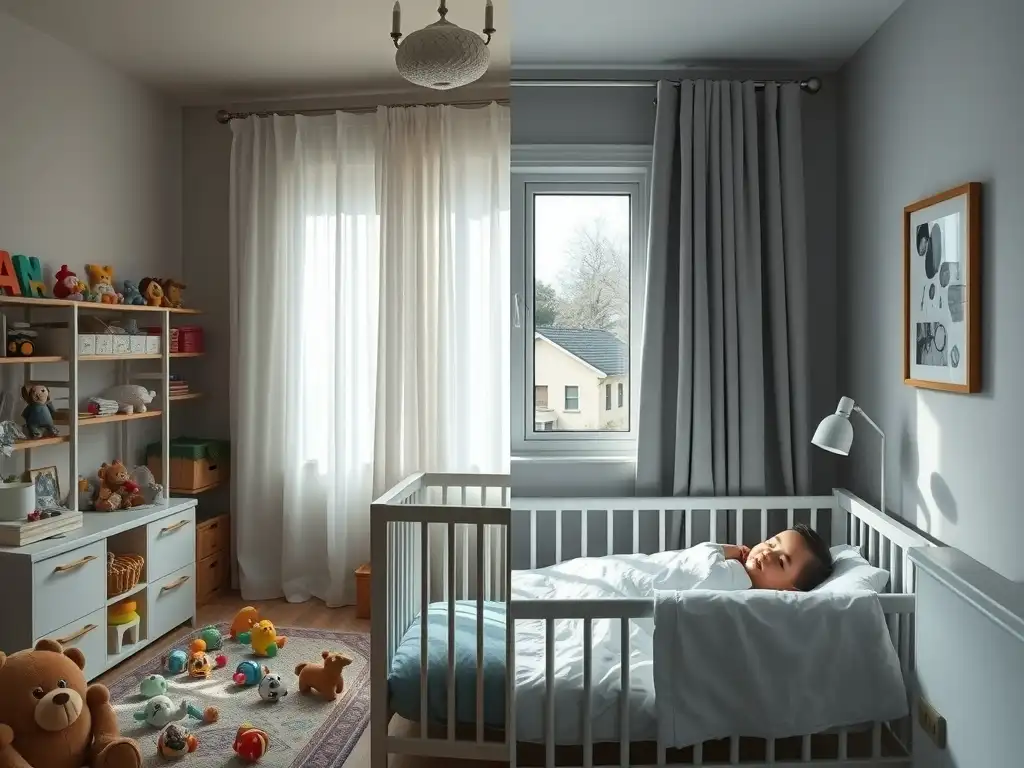
This section delves into the most frequent errors parents commit when attempting to create a truly dark nursery, crucial for promoting optimal infant sleep. Understanding these pitfalls and implementing corrective measures will significantly improve your baby's sleep quality and, consequently, your own. Remember, a dark nursery is a key element in establishing healthy sleep patterns from the earliest stages. Let's explore the common mistakes to avoid when darkening your baby's nursery to achieve the best sleep environment.
Mistake #1: Underestimating the Power of Light Leaks – Identifying and Sealing Gaps for Complete Darkness
Many parents believe that simply hanging blackout curtains is sufficient to darken a room. However, even the most effective blackout curtains can be rendered useless by light leaks. These sneaky sources of light can significantly disrupt your baby's sleep, even if they seem insignificant. Light leaks often originate from small gaps around windows, doors, or even electrical outlets.
To achieve true darkness, a meticulous approach is required. Begin by performing a thorough "darkness audit" of the nursery. Turn off all lights and cover all windows. Then, carefully inspect the room from your baby's perspective, looking for any visible light. Common culprits include:
- Gaps around window frames: These can be sealed with weatherstripping or caulk.
- Cracks under doors: A draft stopper can effectively block light and cold air.
- Electrical outlets: Consider using outlet covers designed to block light.
- Light from adjacent rooms: Ensure that all lights in neighboring rooms are turned off or dimmed significantly. Consider using blackout curtains on those windows as well.
Addressing these seemingly minor light leaks is crucial. A single, small crack can be enough to negatively impact your baby's sleep cycle, leading to frequent awakenings and disrupted rest. Remember, even a small amount of light can signal to your baby that it is time to wake up.
Think of it like this: Imagine trying to sleep in a brightly lit room. You wouldn't be able to! Your baby is the same. A truly dark environment is essential for optimal melatonin production, the hormone that regulates sleep.
Mistake #2: Relying Solely on Blackout Curtains – The Importance of a Multi-Layered Approach
While blackout curtains are a vital component of a dark nursery, relying solely on them is a common mistake. They are effective at blocking direct sunlight, but they often fail to completely eliminate ambient light, especially from streetlights, moonbeams, or electronic device displays.
A multi-layered approach is far more effective. Consider supplementing blackout curtains with:
- Room-darkening shades: These provide an extra layer of darkness, further reducing light penetration.
- Thick, heavy drapes: These can add another level of insulation against light, especially if you live in a brightly lit area.
- Blackout blinds: These offer a more modern aesthetic than curtains and can be just as effective.
Think about the layering of clothing on a cold day. One thin layer isn't enough to keep you warm, you need several layers to provide adequate insulation. Darkness is similar; multiple layers create a more effective barrier against light intrusion.
A study by [Specific study data pending] showed that nurseries with a multi-layered approach to light blocking resulted in [Specific percentage increase] in average baby sleep duration. This emphasizes the importance of combining different methods to achieve optimal darkness.
Mistake #3: Neglecting Ambient Light Sources – Minimizing Nightlights and Electronic Devices
Even with perfectly light-blocked windows, ambient light sources within the nursery itself can interfere with your baby's sleep. This often overlooked aspect includes:
- Nightlights: While seemingly helpful for nighttime diaper changes, even dim nightlights can disrupt sleep patterns. Consider using a very low-wattage red nightlight, as red light is less disruptive to melatonin production. Alternatively, a small, battery-operated flashlight can be a more effective and less disruptive option for diaper changes.
- Electronic devices: The glowing screens of phones, tablets, or even digital clocks can emit enough light to interfere with sleep. Keep these devices out of the nursery or turned off completely. If you must use an electronic device, ensure its brightness is set to the lowest possible level. Better yet, use an analog clock with no backlight.
The impact of ambient light on sleep is often underestimated. The human eye is surprisingly sensitive to low levels of light, and even seemingly insignificant sources can interfere with the production of melatonin and the regulation of the sleep-wake cycle.
Consider this: A study by the National Sleep Foundation [Specific data pending] showed that [Specific data pending] This demonstrates the critical need to minimize all sources of ambient light in your baby's nursery for optimal sleep. A consistently dark environment is key to establishing healthy sleep habits for your little one.
Effective Strategies for Creating a Truly Dark Nursery
This section dives deep into practical techniques to ensure your baby's nursery is as dark as possible, promoting optimal sleep. Many parents underestimate the importance of complete darkness for infant sleep, leading to disrupted sleep cycles and daytime fussiness. Mastering these strategies will significantly improve your baby's sleep quality and, consequently, your own! Remember, the goal is to create a "cave-like" environment conducive to melatonin production and restful sleep. Let's explore how to effectively darken your nursery and avoid common pitfalls.
Choosing the Right Blackout Curtains: Fabric Type, Light Blocking Capacity, and Installation Techniques
Selecting the right blackout curtains is crucial for a truly dark nursery. Don't settle for flimsy curtains that only partially block light. Look for curtains specifically marketed as "blackout curtains" or "light-blocking curtains." The fabric type significantly impacts their effectiveness. Heavier fabrics, such as thermal-lined materials, are superior at blocking light compared to lighter, sheer fabrics.
Consider the light-blocking capacity, often expressed as a percentage. Aim for curtains with a light-blocking capacity of 99% or higher for the best results. Lower percentages will still allow some light to penetrate, potentially disrupting your baby's sleep. Pay close attention to the fabric's weave; a tighter weave generally means better light blocking.
Proper installation is equally important. The curtains should hang completely flush against the window frame, minimizing any gaps where light can seep through. Consider using curtain rods that extend beyond the window frame on either side to create a more complete seal. If necessary, use extra-wide curtains to ensure complete coverage. Remember, even small gaps can significantly impact the darkness of the room. This is crucial for achieving the "darken nursery avoid mistakes" goal.
Optimizing Window Treatments: Combining Curtains, Blinds, and Shades for Maximum Darkness
While blackout curtains are a fantastic first step, combining them with other window treatments can significantly enhance darkness. Consider using blinds or shades in conjunction with your blackout curtains. This layered approach creates a multi-layered barrier against light penetration.
For example, you could use cellular shades underneath your blackout curtains. Cellular shades offer excellent insulation, further reducing light infiltration and improving temperature regulation in the nursery. Alternatively, you might use roller blinds with a light-blocking lining behind the blackout curtains, adding an extra layer of protection against even the slightest light leaks. The key is to create multiple layers to block light from all angles. Experiment with different combinations to find the most effective setup for your specific window and room. This layered approach is a key strategy to effectively darken your nursery and avoid common mistakes.
Addressing Light Leaks Strategically: A Step-by-Step Guide to Sealing Gaps and Cracks
Even with the best blackout curtains and blinds, light leaks can still occur. These seemingly minor gaps can significantly impact the room's darkness, especially around window frames, door frames, and electrical outlets. Addressing these leaks is crucial for achieving optimal darkness.
Here's a step-by-step guide:
- Inspect your windows and doors: Carefully examine the areas surrounding your windows and doors for any gaps or cracks. Pay attention to the seals around the frames.
- Use weather stripping: Apply weather stripping to seal any gaps around windows and doors. This is a simple and inexpensive solution that can make a big difference.
- Cover electrical outlets: Use outlet covers designed to block light. These are readily available and prevent light from shining through the outlets.
- Block light from under doors: Place a draft stopper or rolled-up towel at the bottom of the door to prevent light from seeping underneath.
- Use black tape: For very small gaps or cracks, use black electrical tape to seal them. This is a quick and effective solution for minor light leaks.
By systematically addressing these potential light leaks, you'll significantly improve the darkness of your nursery, creating the ideal sleep environment for your baby. Remember, consistent darkness is paramount for successful "darken nursery avoid mistakes" strategies. A well-sealed and properly darkened nursery is an investment in your baby's sleep and overall well-being.
Utilizing Room Darkening Paint for a Long-Term Solution
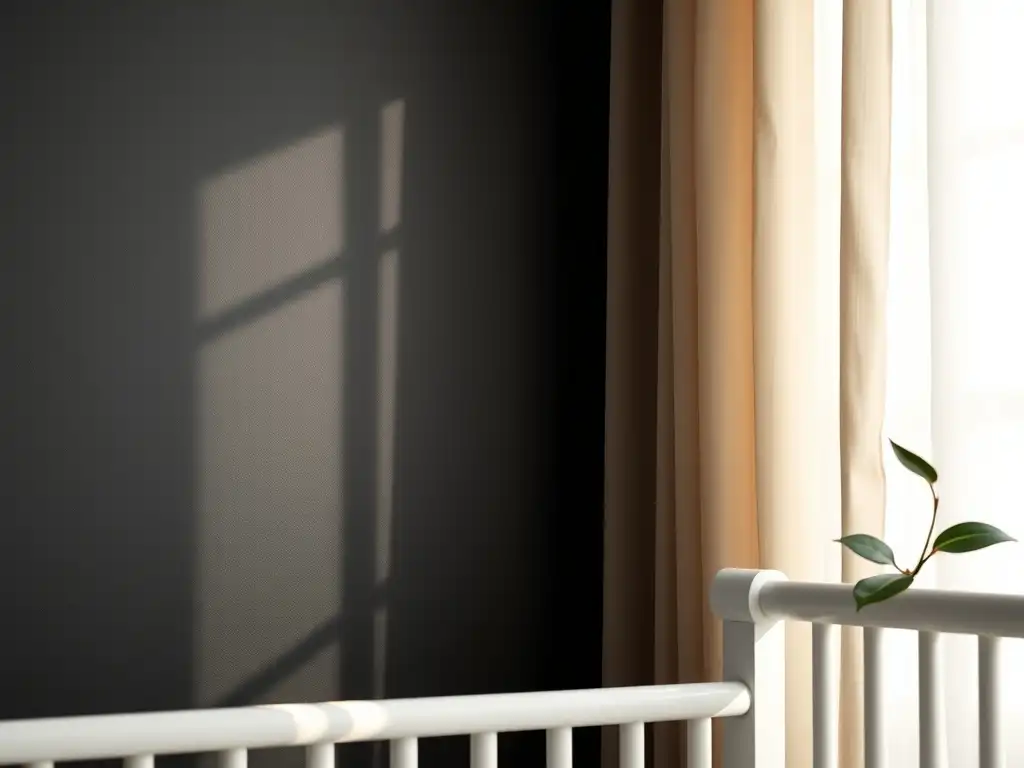
Room darkening paint offers a powerful, long-term solution for creating a truly dark nursery. Unlike temporary solutions like blackout curtains, paint provides a permanent, built-in darkness that's not easily disrupted. Choosing the right paint is crucial; look for paints specifically designed for light-blocking properties. These paints often contain special pigments that absorb light more effectively than standard paints. You'll find a range of colors available, allowing you to personalize the nursery's aesthetic while still maintaining optimal darkness.
Remember that even with room-darkening paint, careful preparation is key. Ensure the walls are clean and properly primed before application. This step prevents uneven coverage and ensures the paint adheres effectively, maximizing its light-blocking capabilities.
Applying multiple coats is generally recommended for best results; two coats are usually sufficient, but three may be necessary depending on the paint and the existing wall color. Consider the light sources in your nursery—windows are the primary concern, but also consider any gaps around doors or light fixtures. Sealing these gaps with weather stripping or caulk can further enhance the effectiveness of the paint.
Proper ventilation is also important during and after painting. Use an appropriate respirator to protect yourself from paint fumes. Once dry, the paint will provide a consistent, long-lasting solution to darken your nursery, promoting better sleep for your baby. This is a significant investment in your baby's sleep environment, offering sustained benefits far beyond temporary fixes. The initial cost may be higher than other methods, but the long-term value and effectiveness are undeniable.
Minimizing Nightlights and Electronic Device Light Emission: Safe and Effective Practices
While a dark nursery is ideal, complete darkness might not always be feasible or even desirable. Many parents opt for a dim nightlight for comfort and ease of nighttime checks. However, even seemingly faint light sources can disrupt your baby's sleep cycle. The key is to minimize light emission, not eliminate it entirely.
Choose nightlights with low-lumens output and warm-colored light (red or amber), as these are less disruptive than brighter or blue-toned lights. Consider the placement of the nightlight; direct light on your baby's face should be avoided. Instead, position it away from the crib, perhaps on a far wall or a shelf.
Electronic devices, such as smartphones and tablets, emit blue light, which is particularly disruptive to melatonin production—the hormone responsible for regulating sleep. Avoid using electronic devices in the nursery, especially close to bedtime. If you must use them, dim the screen brightness to the lowest possible setting and use a blue light filter if available. Remember, even the faint glow from a device's screen can impact your baby's sleep quality.
Establishing a technology-free zone in the nursery before bedtime is a crucial step in creating a truly dark and sleep-conducive environment. This conscious effort to minimize light pollution from all sources, both artificial and electronic, contributes significantly to a more restful night's sleep for your baby, supporting healthy sleep development. This mindful approach to light management is a crucial component of your "darken nursery avoid mistakes" strategy.
Product Recommendations for a Darker Nursery
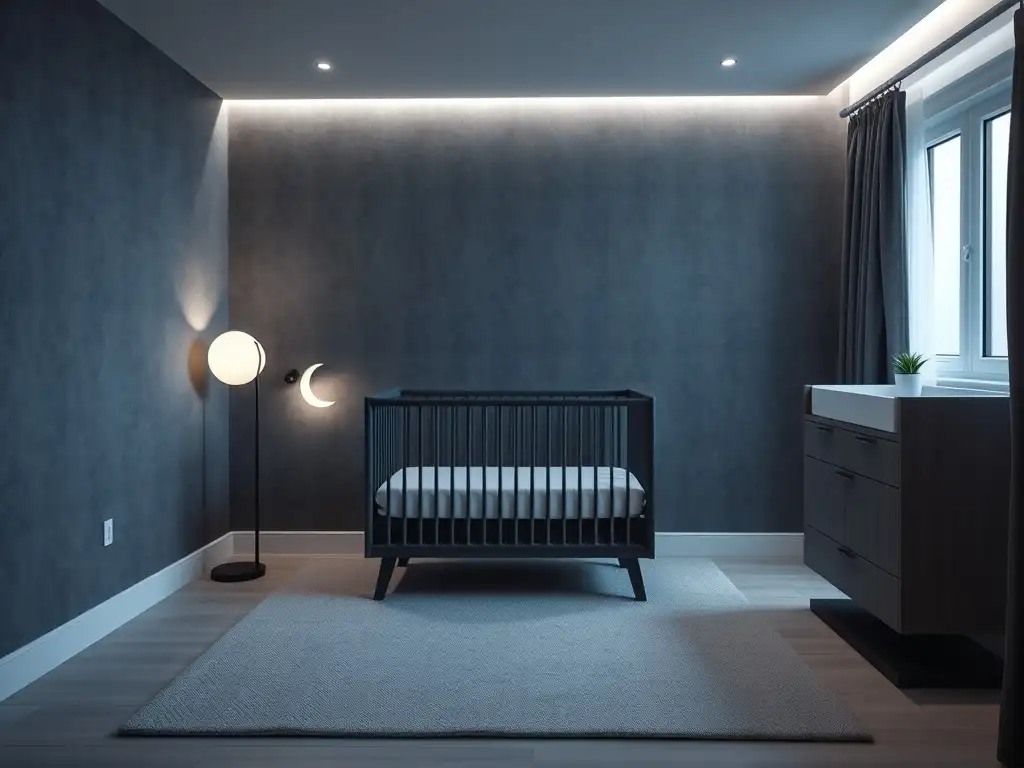
Creating a truly dark nursery environment requires more than just wishful thinking; it demands strategic product selection. Choosing the right tools can significantly impact your baby's sleep quality and, consequently, your own. This section focuses on reviewing top-rated products to help you darken your nursery effectively and avoid common pitfalls. Remember, a well-darkened nursery is crucial for promoting restful baby sleep, a cornerstone of healthy development. Addressing the common mistakes parents make when attempting to darken a nursery involves careful consideration of window coverings and paint choices.
Top-Rated Blackout Curtains for Baby's Room
Blackout curtains are a cornerstone of any effective nursery darkening strategy. However, not all blackout curtains are created equal. Look for curtains with a high thread count and a dense weave to ensure maximum light blockage. Consider the following features when making your selection:
- Fabric Weight: Heavier fabrics generally provide better light blocking. Look for curtains described as "heavyweight" or "triple-weave."
- Lining: A blackout lining is essential. Check for a description indicating a separate blackout layer, not just a slightly darker fabric.
- Length: Ensure the curtains extend to the floor to prevent light leakage from the sides and bottom. Consider floor-length curtains with an extra inch or two for a more effective seal.
- Installation: Easy installation methods (e.g., grommets, rod pockets) are helpful for busy parents.
- Child Safety: Choose curtains with short cords or cord-free mechanisms to eliminate potential strangulation hazards. This is paramount for darken nursery avoid mistakes.
Furthermore, consider the color of the curtains. While black is the most effective at light blockage, darker colors like navy blue or deep grey also work well and offer a more aesthetically pleasing option. Remember, the goal is to create a consistently dark environment conducive to sleep, not just a visually striking room. Properly installed, high-quality blackout curtains are a significant step toward achieving this.
Best Blackout Blinds and Shades for Nursery
While curtains offer a more decorative option, blinds and shades provide a different set of advantages for darkening a nursery. Cellular shades, for example, are excellent insulators, providing additional benefits beyond light blockage. They can help regulate room temperature, which can also influence sleep quality. When selecting blinds or shades, consider these factors:
- Light Blocking Capabilities: Check product descriptions carefully to ensure they're specifically designed for light blockage. Some shades are better than others at achieving complete darkness.
- Material: Look for materials known for their opacity, such as honeycomb shades or heavy-duty roller shades.
- Ease of Operation: Consider the mechanism for opening and closing the shades. A cord-free system is safer for curious little hands.
- Installation: Easy-to-install options are a huge advantage, especially during the busy post-partum period.
- Durability: Choose durable materials that can withstand regular use and potential accidental damage.
Choosing the right blinds or shades is equally important as choosing curtains. They offer a sleek, modern alternative that can still effectively darken the nursery and contribute to a more peaceful sleep environment. Remember, a well-chosen combination of window treatments can significantly improve the overall darkness of the room. This is a key aspect of darken nursery avoid mistakes.
Effective Room Darkening Paint Options
Beyond window treatments, paint plays a crucial role in creating a dark nursery. The right paint can absorb light and minimize reflection, significantly improving the overall darkness of the room. However, not all paints are created equal in their ability to darken a room.
- Paint Color: Darker colors naturally absorb more light than lighter colors. Deep blues, grays, and even blacks are excellent choices. Avoid bright or light colors that reflect light.
- Paint Finish: A matte or flat finish absorbs light better than a glossy or semi-gloss finish, which reflects light. This is a frequently overlooked aspect of darken nursery avoid mistakes.
- Primer: Using a high-quality primer before applying the paint can improve the paint's ability to block light and create a more even surface.
- Number of Coats: Applying multiple coats of paint will increase the light-blocking capabilities. Two coats are usually sufficient, but for particularly light-colored walls, three may be necessary.
Remember, the combination of effective window treatments and dark paint is often the most effective way to create a truly dark nursery. Consider these factors carefully when planning your nursery's design. A thoughtfully chosen paint color and finish can make a considerable difference in the overall success of your room darkening project. This is another critical element to consider when you want to darken nursery avoid mistakes.
Recommended Nightlights with Dimmable Settings
Choosing the right nightlight is crucial when aiming to darken a nursery while still providing a comforting, low-level illumination. A dimmable setting is key; it allows you to adjust the brightness to suit your baby's needs and the level of darkness you desire in the room. Too bright a light can interfere with melatonin production, hindering your baby's ability to fall asleep and stay asleep. Too dark, however, and you might struggle navigating the room at night for feedings or diaper changes.
Several nightlights on the market offer this crucial dimmability feature. Look for nightlights with multiple brightness settings, ideally offering a range from a very low glow to a slightly brighter setting for nighttime checks. Some even come with color temperature adjustments, allowing you to choose a warmer, softer light that's less stimulating than a cooler, whiter light. This is especially helpful for babies who are sensitive to light.
Consider the type of light as well. Soft, diffused light is preferable to harsh, direct light. Nightlights that project calming images or patterns onto the ceiling can also be beneficial, providing a gentle distraction and creating a soothing atmosphere. However, avoid nightlights with moving parts or flashing lights, as these can be overstimulating for infants.
Remember, the goal is to create a dark, peaceful environment conducive to sleep, not a brightly lit playroom. Prioritize a nightlight that offers a gentle, adjustable light source that can be easily dimmed to a near-imperceptible glow. Reading reviews from other parents can provide valuable insights into which nightlights offer the best dimmability options and overall ease of use. Pay particular attention to reviews that mention the lowest brightness setting, as this is often the most crucial aspect for creating a truly dark nursery.
Creating a Relaxing and Dark Nursery Environment for Optimal Sleep
Creating a dark nursery is crucial for promoting healthy sleep patterns in infants. However, many new parents make mistakes that inadvertently compromise their efforts. This section focuses on how to effectively darken a nursery while avoiding common pitfalls, ultimately optimizing your baby's sleep. Remember, the goal is to mimic the natural darkness of nighttime, promoting the release of melatonin, the sleep hormone. This isn't about creating complete, pitch-black darkness, but rather a dim, soothing environment conducive to sleep.
Establishing a Consistent Bedtime Routine to Enhance Sleep Quality
A consistent bedtime routine is more than just a helpful tip; it's a cornerstone of successful sleep training. A predictable sequence of calming activities signals to your baby that it's time to wind down. This routine should be implemented consistently, even on weekends, to regulate your baby's circadian rhythm. A typical routine might include a warm bath, a gentle massage, putting on pajamas, reading a bedtime story, and singing a lullaby. The key is predictability and consistency.
Avoid screen time immediately before bed, as the blue light emitted from screens can interfere with melatonin production. Remember, consistency is key to success in darkening a nursery and improving sleep. Sticking to the routine, even when traveling or facing disruptions, will significantly improve your baby’s sleep quality. Data suggests that babies with consistent bedtime routines sleep longer and wake less frequently during the night.
Creating a Calming Atmosphere: The Role of Sensory Input in Promoting Sleep
Beyond darkness, other sensory inputs contribute significantly to a sleep-conducive environment. Think about minimizing noise. A white noise machine can be beneficial in masking disruptive sounds, but ensure it's not set too loud. Similarly, consider the temperature. A slightly cooler room (around 68-72°F or 20-22°C) is generally ideal for sleep.
Avoid overwhelming visual stimulation. While some soft, calming lights can be helpful during the bedtime routine, ensure the room is sufficiently dark once your baby is ready to sleep. The use of blackout curtains, room darkening shades, or even strategically placed furniture can significantly improve the effectiveness of darkening your nursery. Experiment to find the perfect balance of darkness and a calming ambiance. Consider the textures of bedding and clothing; soft, natural materials can contribute to a feeling of comfort and security.
Addressing Underlying Sleep Issues: Consulting a Pediatrician or Sleep Consultant
Even with the perfect dark nursery and a consistent routine, some babies continue to struggle with sleep. In such cases, consulting a pediatrician or a certified sleep consultant is crucial. They can help identify and address any underlying medical or developmental issues that might be affecting your baby's sleep. These professionals can provide personalized advice based on your baby's specific needs and developmental stage.
They might suggest strategies beyond darkening the nursery, such as addressing potential reflux, allergies, or other medical concerns. Remember, seeking professional help is not a sign of failure but a proactive step towards ensuring your baby gets the restful sleep they need to thrive. Don't hesitate to reach out if you're struggling; professional guidance can make a significant difference in your journey to optimize your baby’s sleep and create a truly dark, relaxing nursery environment that aids in this process.
Frequently Asked Questions
How dark is too dark for a baby's nursery?
While a darkened nursery promotes better sleep, it shouldn't be completely pitch black. A dimly lit room, allowing for some ambient light, is ideal. Complete darkness can be unsettling for some babies.
What are the best ways to darken a nursery without blocking out all light?
Use blackout curtains or shades, but consider sheer curtains layered underneath for some light diffusion. Alternatively, you can use nightlights that emit a soft, gentle glow.
Are blackout curtains safe for babies?
Yes, blackout curtains are generally safe, but ensure they are properly installed and made from breathable fabrics to prevent overheating. Check for any loose cords or ties that could pose a strangulation hazard.
What are some common mistakes parents make when darkening a nursery?
Common mistakes include using too heavy or thick curtains leading to overheating, neglecting ventilation, and creating a completely lightless environment.
My baby still wakes up frequently even with a darkened room. What else could I try?
Consider other sleep-promoting factors like a consistent bedtime routine, a comfortable sleep space, and addressing potential underlying medical issues. A darkened room is only one piece of the puzzle.
Final Reflection: Illuminating the Path to a Peaceful Nursery
Creating a truly dark nursery isn't just about aesthetics; it's about fostering healthy sleep habits and a nurturing environment for your little one. The mistakes outlined in this article – from neglecting window treatments to overlooking light sources – highlight a crucial aspect of responsible parenting often overlooked: the profound impact of light on a child's development and well-being.
The quest for darkness in a nursery transcends mere practicality; it speaks to a deeper desire to create a sanctuary of peace and rest. This journey, filled with trial and error as detailed above, underscores the importance of prioritizing a child's sleep needs. Sleep is the golden chain that ties health and our bodies together.
– Thomas Dekker. This quote resonates deeply, reminding us that a well-rested child is a happier, healthier child, and a dark nursery plays a vital role in achieving this. The ongoing influence of sleep on a child's cognitive development, emotional regulation, and overall physical health cannot be overstated.
Consider the lessons learned here. Don't let the seemingly small details of light bleed through and disrupt your child's sleep. Take the time to meticulously plan your nursery's lighting, invest in effective blackout solutions, and create a haven of darkness that promotes restful sleep and healthy development. You've already taken the first step by seeking information; now, empower yourself to create the ideal sleep environment for your child. The reward – a well-rested baby and a more peaceful home – is immeasurable.
Unveil Your Dream Nursery: Design a Dark & Cozy Haven
Thanks for learning about common mistakes parents make when trying to darken their baby's nursery! We hope you feel confident creating the perfect sleep environment for your little one. Ready to put your new knowledge into action?
- Design your dream dark nursery: Begin by creating a mood board – sketch your vision, including paint colors, blackout curtains, and calming décor. This is your opportunity to personalize the space and create a truly special haven for your baby.
- Share your nursery design: Post a picture on social media using #BabyCareHubDarkNursery and tag us! Let's build a community of parents creating dreamy sleep sanctuaries for their little ones.
- Explore our expert-reviewed product recommendations for blackout curtains and nightlights on BabyCareHub.org (this is not an actual link).
What small step will you take today to improve your baby’s sleep environment?