
Sleep Sack and Temperature Regulation: Keeping Baby Comfortable

Welcome to BabyCareHub, your ultimate guide to navigating the exciting yet challenging world of parenthood! Are you ready to unlock the secrets to a peaceful night's sleep for your little one? We understand the anxieties surrounding baby sleep, which is why we've created a comprehensive baby sleep sack temperature guide to help you keep your baby safe and comfortable throughout the night. Discover how to choose the right sleep sack and maintain the perfect temperature for your baby's sweet dreams. Let's dive in and explore the path to restful sleep for both you and your baby!
- Understanding the Importance of Temperature Control for Baby Sleep
- Choosing the Right Sleep Sack for Your Baby's Needs
-
Baby Sleep Sack Temperature Guide: A Practical Approach
- Checking Baby's Temperature: Signs of Overheating and Underheating
- Adjusting Room Temperature and Clothing Based on Sleep Sack Tog
- Monitoring Baby's Sleep: Recognizing Discomfort Cues
- Seasonal Adjustments: Summer vs. Winter Sleep Sack Selection
- Addressing Common Concerns: Sweating, Chills, and Restless Sleep
- Creating a Safe and Comfortable Sleep Environment
- Troubleshooting Common Sleep Sack Problems
- Frequently Asked Questions about Baby Sleep Sacks and Temperature
- Frequently Asked Questions
- Final Reflection: The Enduring Importance of Safe Sleep and Temperature Regulation
- Unlock Your Baby's Sleep Potential: Sweet Dreams Ahead!
Understanding the Importance of Temperature Control for Baby Sleep
Maintaining the right temperature for your baby's sleep environment is crucial for their safety and well-being. A baby's body temperature regulation system isn't fully developed at birth, making them more susceptible to overheating or getting too cold. This vulnerability increases the risk of Sudden Infant Death Syndrome (SIDS) and can also lead to discomfort and disrupted sleep, impacting both the baby and parents.
This article serves as your comprehensive guide to understanding the ideal temperature for your baby's sleep, focusing specifically on the use of sleep sacks and how they contribute to maintaining a safe and comfortable sleep environment. We will explore safe sleep practices, the risks of overheating, and the importance of considering room temperature as part of your baby’s sleep routine.
This guide is designed to help you navigate the complexities of a baby sleep sack temperature guide, ensuring your little one sleeps soundly and safely throughout the night. Understanding these factors is key to creating a peaceful and healthy sleep experience for your baby, contributing to their overall development and your family's well-being.
Safe Sleep Practices and Baby Sleep Sack Temperature Guide
Safe sleep is paramount for your baby's health and development. The American Academy of Pediatrics (AAP) recommends placing your baby on their back to sleep on a firm, flat surface, free from loose bedding, pillows, bumpers, and toys. This is where a sleep sack plays a vital role. A sleep sack, also known as a wearable blanket, is a safe alternative to loose blankets that can pose a suffocation risk.
It keeps your baby warm and snug without the danger of loose fabrics covering their face. But choosing the right sleep sack and understanding the appropriate baby sleep sack temperature guide is critical. The ideal temperature for your baby's sleep environment will vary depending on factors such as room temperature, your baby's age, and their individual metabolism. A good rule of thumb is to dress your baby in a lightweight onesie or sleepsuit underneath the sleep sack and feel their chest and back – they should feel neither too hot nor too cold.
If they feel clammy, they're likely overdressed or the room is too warm. If their skin feels cool, they may need an extra layer or the room temperature needs adjusting. Remember, a slightly cool room is generally preferable to a warm one.
A well-designed baby sleep sack temperature guide will often provide recommendations based on the tog rating (a measure of warmth) of the sleep sack and the ambient room temperature. For example, a 1.0 tog sleep sack might be suitable for warmer rooms (above 20°C), while a 2.5 tog sleep sack would be more appropriate for cooler rooms (below 20°C). Always check the specific recommendations provided by the manufacturer of your chosen sleep sack. 👶
Overheating Risks: Preventing SIDS and Promoting Healthy Sleep
Overheating is a significant risk factor for SIDS. A baby's body temperature regulation is not fully developed, and overheating can disrupt their sleep patterns, leading to restlessness and increased risk of SIDS. Signs of overheating include sweating, flushed skin, rapid breathing, and a feeling of clamminess to the touch.
If you notice any of these signs, remove a layer of clothing or adjust the room temperature. It's crucial to avoid overdressing your baby, especially during warmer months. Remember, it's always better to err on the side of caution and have your baby slightly cool rather than too warm.
The use of a sleep sack can help mitigate this risk by providing a consistent layer of warmth without the dangers associated with loose blankets. By carefully monitoring your baby's temperature and adjusting their clothing and the room temperature accordingly, you can significantly reduce the risk of overheating and promote healthy, restful sleep. This proactive approach contributes to a safe sleep environment and reduces the risk of SIDS.
The Role of Room Temperature and Baby's Sleep Environment
The ideal room temperature for a baby's sleep is generally between 16-20°C (61-68°F). However, this can vary depending on factors such as your baby's age, the type of sleep sack used, and the baby's individual needs. It's essential to monitor the room temperature regularly, especially during seasonal changes. A room thermometer can be a helpful tool for ensuring the temperature remains within the recommended range.
In addition to temperature, consider other aspects of your baby's sleep environment. Ensure the room is well-ventilated, but free from drafts. A dark and quiet environment can also promote better sleep. Remember, a comfortable and safe sleep environment contributes significantly to your baby's overall health and well-being.
Creating a consistent and predictable sleep routine, including maintaining a comfortable room temperature, can positively impact your baby’s sleep quality and reduce nighttime disturbances. This, in turn, benefits both your baby and you, promoting a healthier and more restful experience for the entire family. 😴
Choosing the Right Sleep Sack for Your Baby's Needs
Selecting the appropriate sleep sack is crucial for maintaining your baby's optimal sleep environment and ensuring their safety. A poorly chosen sleep sack can lead to overheating or inadequate warmth, both impacting sleep quality and potentially posing health risks. This section focuses on key factors to consider when making your selection, empowering you to make an informed decision for your little one.
We'll delve into material choices, tog ratings, and how to match these factors to your baby's age and the room temperature. Remember, the goal is to create a comfortable and safe sleep space, contributing to better sleep for both you and your baby. This is key to following a successful baby sleep sack temperature guide.
Baby Sleep Sack Material: Cotton, Flannel, Merino Wool – A Comparison
The material of your baby's sleep sack significantly impacts temperature regulation. Different fabrics offer varying levels of breathability and warmth. Here’s a comparison of popular choices:
| Material | Breathability | Warmth | Suitability |
|---|---|---|---|
| Cotton | High | Moderate | Ideal for warmer months or warmer rooms. Easy to wash and maintain. |
| Flannel | Moderate | High | Excellent for cooler months or cooler rooms. Soft and cozy. |
| Merino Wool | High | High | Regulates temperature exceptionally well, keeping baby warm without overheating. More expensive but durable. |
Choosing the right material depends on your climate and your baby’s individual temperature preferences. Some babies run warmer than others. Observe your baby's skin temperature and adjust accordingly. A slightly cool touch is generally ideal. Remember, you can always layer clothing underneath a lighter sleep sack if needed, instead of using a heavier sleep sack that might lead to overheating. This allows for greater flexibility in adjusting to changing temperatures throughout the night.
Sleep Sack Tog Ratings: Understanding the Numbers
Tog ratings are a crucial element of any baby sleep sack temperature guide. They indicate the warmth level of the sleep sack. The higher the tog rating, the warmer the sleep sack. Understanding tog ratings helps you choose the appropriate sleep sack for the ambient temperature of your baby's room. This is critical for maintaining a safe and comfortable sleep environment. A tog rating is essentially a measure of thermal resistance.
- 0.5 tog: Suitable for warmer rooms (above 24°C/75°F). Ideal for summer months.
- 1.0 tog: Appropriate for average room temperatures (around 20-24°C/68-75°F). Suitable for spring or autumn.
- 2.5 tog: Best for cooler rooms (18-20°C/64-68°F). Suitable for cooler nights or winter.
- 3.5 tog: Ideal for very cold rooms (below 18°C/64°F). Suitable for winter months.
It's important to note that these are guidelines, and your baby's individual needs might vary. Always monitor your baby's temperature and adjust the sleep sack or clothing accordingly. Overheating can be dangerous, so erring on the side of caution with a lighter tog rating is preferable.
How to Choose the Right Tog Rating Based on Room Temperature and Baby's Age
Selecting the correct tog rating involves a careful consideration of both room temperature and your baby’s age. Younger babies, particularly newborns, have less efficient temperature regulation, making them more susceptible to overheating or becoming too cold.
Room Temperature: Use a room thermometer to accurately measure the temperature of your baby's room. This is the most reliable way to ensure you are making the right choice. Avoid relying on your own perception of temperature as this can be subjective.
Baby's Age: Newborns generally need a slightly lighter sleep sack than older infants. As your baby grows, their ability to regulate their body temperature improves.
Here's a simplified guide:
- Newborns (0-3 months): Start with a 0.5 tog or 1.0 tog sleep sack, even in cooler months, and monitor carefully. Always ensure the room is well-ventilated.
- Infants (3-12 months): You can gradually increase the tog rating as your baby grows and the seasons change. Refer to the tog rating chart above as a general guideline, but always prioritize your baby's comfort and safety.
Remember, this is a guide; always prioritize observing your baby’s cues. If they appear excessively sweaty or clammy, they are likely too warm. If their hands and feet are cold but their body is warm, they are likely adequately dressed. If your baby feels cold to the touch, they might need an extra layer or a warmer sleep sack. Consistent monitoring is key to ensuring your baby sleeps comfortably and safely throughout the night. Using a baby sleep sack temperature guide in conjunction with regular monitoring will ensure your baby sleeps soundly and safely.
Size and Fit: Ensuring a Safe and Comfortable Sleep Sack
Choosing the right size sleep sack is crucial for your baby's safety and comfort. A sleep sack that's too small can restrict movement, potentially leading to overheating or discomfort. Conversely, a sleep sack that's too large poses a suffocation risk as your baby could slip down and their face become covered by the fabric. Always check the manufacturer's size chart carefully, paying close attention to weight and height recommendations. These charts often provide specific ranges, not just a single number, allowing for some flexibility and accommodating individual variations in baby's build.
Remember that babies grow rapidly, so be prepared to transition to a larger size as needed. A snug but not tight fit is ideal; you should be able to comfortably slip a hand between the sleep sack and your baby's chest. Avoid sleep sacks with loose or baggy fabric that could cover your baby's face. Prioritize sleep sacks with well-defined necklines and armholes that fit snugly without being constrictive. Regularly check the fit of your baby's sleep sack as they grow, ensuring it remains comfortable and safe throughout their development.
This diligent approach significantly contributes to safe and restful sleep for your little one. Think of it as a crucial element in your baby sleep sack temperature guide, ensuring the sack's effectiveness in regulating temperature. A poorly fitting sleep sack can compromise its functionality and potentially lead to unsafe sleeping conditions. Therefore, investing time in properly sizing the sleep sack is an essential part of responsible baby care.
Remember, a properly fitting sleep sack is paramount in creating a safe and comfortable sleep environment for your baby. Always prioritize safety and comfort when choosing and using a sleep sack. Pay close attention to the manufacturer's recommendations and regularly check the fit as your little one grows. This seemingly small detail can make a significant difference in ensuring your baby sleeps soundly and safely throughout the night. This attention to detail is a key factor in successfully implementing a baby sleep sack temperature guide for your baby's optimal comfort.
Baby Sleep Sack Temperature Guide: A Practical Approach
This section provides a practical guide to using sleep sacks and maintaining your baby's optimal sleep temperature. Understanding how to regulate your baby's temperature while using a sleep sack is crucial for their safety and comfort. We'll explore how to check your baby's temperature, adjust the room temperature and clothing, and recognize discomfort cues. This information will empower you to create a safe and comfortable sleep environment for your little one, contributing significantly to better sleep for both you and your baby. A well-regulated temperature is key to achieving that peaceful, restorative sleep every parent craves.
Checking Baby's Temperature: Signs of Overheating and Underheating
Accurately assessing your baby's temperature is paramount. Avoid using a standard thermometer on a baby's skin; instead, focus on observing behavioral cues. Overheating and underheating present different signs.
Signs of Overheating:
- Sweaty forehead or back: Excessive perspiration indicates your baby is too warm.
- Flushed skin: Red, hot skin is another clear indicator of overheating.
- Rapid breathing: If your baby's breathing is significantly faster than usual, it might be a sign of overheating.
- Restlessness and fussiness: Discomfort from heat can manifest as irritability and difficulty settling.
- Damp hair: Noticeably damp hair after a period of sleep suggests overheating.
Signs of Underheating:
- Cool hands and feet: While often a normal occurrence, consistently cold extremities could indicate your baby is too cold. Focus on the baby's trunk temperature – the chest and back.
- Pale skin: Pale skin can be a sign of low body temperature.
- Lethargy and sluggishness: A baby who is too cold might appear less responsive and less active.
- Shivering (in older babies): Older babies may visibly shiver when cold. Newborns might display other signs before shivering develops.
- Weak cry: A weak or listless cry can signify discomfort due to cold.
Remember, a baby's temperature regulation isn't fully developed. Consistent monitoring is key to ensuring their comfort and preventing potential health issues. Consult your pediatrician if you have any concerns about your baby's temperature or sleep patterns.
Adjusting Room Temperature and Clothing Based on Sleep Sack Tog
The Tog rating of your sleep sack is crucial in determining appropriate room temperature and clothing. Tog refers to the warmth of the sleep sack; higher Tog ratings indicate warmer sleep sacks. You'll need to adjust your baby's clothing and room temperature to complement the sleep sack's warmth.
| Tog Rating | Room Temperature (°C) | Baby's Clothing |
|---|---|---|
| 0.5 Tog (Summer) | 24-26°C | Nappy/Diaper only or short-sleeved bodysuit |
| 1.0 Tog (Spring/Autumn) | 22-24°C | Short-sleeved bodysuit or vest |
| 2.5 Tog (Autumn/Winter) | 18-20°C | Long-sleeved bodysuit or sleepsuit |
Important Note: These are guidelines. Always prioritize your baby's comfort and adjust accordingly. Overdressing or overheating can be just as dangerous as underdressing or underheating. Feel your baby's chest and back to assess their temperature.
Monitoring Baby's Sleep: Recognizing Discomfort Cues
Continuously monitoring your baby's sleep is crucial for identifying discomfort cues, regardless of the temperature. Learning to read your baby's cues will help you ensure they are comfortable and safe. Beyond temperature cues, consider these:
- Frequent waking: While newborns wake frequently, excessive waking could indicate discomfort.
- Grimacing or frowning: These facial expressions can signal distress.
- Fidgeting or restlessness: Constant movement during sleep often suggests discomfort.
- Changes in cry patterns: A change in the intensity or tone of your baby's cry can indicate a problem.
Remember, every baby is unique, and their sleep patterns and temperature preferences will vary. Pay close attention to your baby's individual cues and adjust accordingly. Building a strong understanding of your baby's needs is the key to ensuring restful and safe sleep for both of you. This proactive approach contributes to a healthier and happier baby, and a more relaxed and confident parent.
Seasonal Adjustments: Summer vs. Winter Sleep Sack Selection
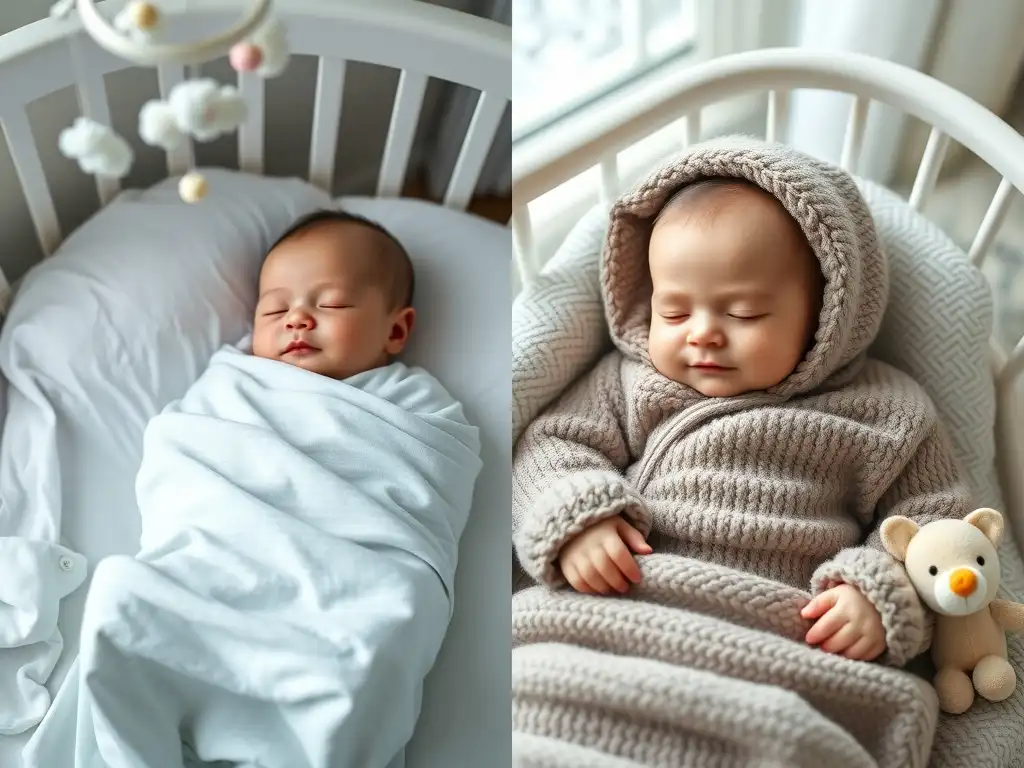
Choosing the right sleep sack for your baby depends heavily on the season. In summer, the goal is to keep your little one cool and comfortable while preventing overheating. Lightweight cotton sleep sacks with a lower TOG rating (typically 0.5-1.0 TOG) are ideal for warmer months. These breathable fabrics allow for better air circulation, minimizing the risk of overheating.
Look for sleep sacks made from materials like 100% cotton muslin or lightweight bamboo. These natural fibers are soft against baby's delicate skin and wick away moisture effectively. Remember to always check your baby's skin temperature regularly, and adjust accordingly. If your baby feels clammy or sweaty, it's a clear sign the sleep sack is too warm.
Conversely, winter calls for warmer sleep sacks with a higher TOG rating (typically 2.5-3.5 TOG). These sleep sacks offer better insulation, helping to maintain a comfortable temperature throughout the night. Fleece-lined sleep sacks or those made from thicker cotton are excellent choices for colder weather. However, even in winter, it's crucial to avoid overdressing your baby. Layering clothing underneath a sleep sack might seem like a good idea, but it can easily lead to overheating.
A good rule of thumb is to dress your baby in a lightweight onesie or pajamas under the sleep sack, and adjust based on the room temperature. Always monitor your baby's temperature and adjust the layers or sleep sack as needed. Overheating can be just as dangerous as being too cold. Remember that a slightly cool room is generally better than a warm one for safe sleep.
Addressing Common Concerns: Sweating, Chills, and Restless Sleep
Parents often worry about their baby's sleep sack temperature, leading to concerns about sweating, chills, and restless sleep. Sweating is a common indicator of overheating. If your baby is sweating profusely, remove a layer of clothing or switch to a lighter sleep sack immediately. A slightly damp neck or back is usually not a cause for concern, however, excessive perspiration suggests the sleep sack is too warm for the current environment. Remember that babies regulate their temperature differently than adults, and they are more susceptible to overheating.
On the other hand, chills could indicate that your baby is too cold. Check their extremities; if their hands and feet are cold, it might be a sign they need an extra layer or a warmer sleep sack. However, focus on the baby's core temperature – feeling their chest and back is a more reliable indicator than their hands and feet. A cool room temperature is generally recommended for safe sleep, but if your baby consistently seems cold, consider increasing the room temperature or using a sleep sack with a higher TOG rating.
Restless sleep can sometimes be attributed to an uncomfortable temperature. If your baby is tossing and turning frequently, it could be a sign that they are either too hot or too cold. Try adjusting the room temperature or changing their sleep sack to see if that improves their sleep quality. However, restlessness can also stem from other factors such as hunger, discomfort, or developmental leaps, so consider all possibilities before solely attributing it to temperature regulation.
Keeping a sleep diary can help identify patterns and pinpoint the cause of restless sleep. Remember that a consistent bedtime routine and a calm, dark sleep environment also contribute significantly to restful sleep for your baby. The right sleep sack is just one piece of the puzzle. 👶😴
Creating a Safe and Comfortable Sleep Environment
This section focuses on optimizing your baby's sleep environment for safe and comfortable sleep, crucial for achieving the best possible rest for your little one. We'll explore how room temperature and bedding choices directly impact your baby's sleep quality and overall well-being, helping you create a haven for peaceful slumber. Understanding these factors is key to mastering the art of baby sleep and implementing a successful "baby sleep sack temperature guide."
Room Temperature Regulation: Tips and Tricks for Optimal Sleep
Maintaining the ideal room temperature is paramount for preventing overheating or chilling, both of which can disrupt your baby's sleep. The optimal temperature for a baby's room is generally between 68-72°F (20-22°C). However, individual babies may have slightly different preferences. Observe your baby's sleep and adjust accordingly.
Here are some practical tips for regulating your baby's room temperature:
- Use a thermometer: A reliable room thermometer is essential for accurate monitoring. Place it away from direct sunlight or heat sources for the most accurate reading.
- Dress your baby appropriately: The "baby sleep sack temperature guide" principle extends to your baby's clothing. Dress your baby in lightweight pajamas suitable for the room temperature. Avoid overdressing, which can lead to overheating.
- Utilize a fan (safely): During warmer months, a fan can help circulate air and maintain a comfortable temperature. Ensure the fan is placed safely out of reach of your baby and that the blades are securely covered.
- Consider window coverings: Heavy curtains or blinds can help block out sunlight and regulate temperature fluctuations throughout the day.
- Monitor for sweating: If your baby is sweating excessively, the room may be too warm. If their hands and feet are cold, they may be too cold. These are key indicators needing adjustments to the "baby sleep sack temperature guide."
Remember, consistency is key. Aim to maintain a consistent room temperature throughout the night for optimal sleep.
Bedding Essentials: Choosing Safe and Suitable Materials
Choosing the right bedding materials is crucial for creating a safe and comfortable sleep environment. Prioritize natural, breathable fabrics like cotton or muslin for your baby's sleep sack and any other bedding. Avoid synthetic materials that may trap heat and increase the risk of overheating.
Here’s a breakdown of materials to consider and avoid:
| Material | Advantages | Disadvantages | Safety Rating |
|---|---|---|---|
| Cotton | Breathable, soft, hypoallergenic | Can shrink after washing, may wrinkle easily | 👍👍👍 |
| Muslin | Lightweight, breathable, absorbent | Can be slightly sheer, may require pre-washing | 👍👍👍 |
| Flannel | Soft, warm | Can be less breathable than cotton | 👍👍 |
| Synthetic Fabrics (Polyester, Fleece) | Affordable, durable | Often less breathable, can trap heat | 👎👎 |
Avoid using loose blankets, pillows, bumpers, or stuffed animals in your baby's crib to minimize the risk of Sudden Infant Death Syndrome (SIDS). These items can pose suffocation hazards. A well-fitting sleep sack is a much safer alternative. This is a crucial aspect of the "baby sleep sack temperature guide."
Baby Sleep Sack Alternatives: Wearable Blankets and Swaddles
While sleep sacks are a popular and safe option for promoting restful sleep, there are other alternatives that can provide a similar level of warmth and comfort.
- Wearable Blankets: These blankets are designed to snugly wrap your baby, providing a comforting feeling of security without the risk of loose blankets covering their face. They are a good option for babies who don't like the feeling of being confined in a sleep sack.
- Swaddles: Swaddling can be beneficial for newborns, particularly those who are used to the close confines of the womb. However, it's important to follow safe swaddling practices and discontinue swaddling once your baby shows signs of rolling over. Always prioritize safe sleep practices according to the "baby sleep sack temperature guide." Remember that swaddling is not a long-term solution and should be transitioned away from before the baby begins to roll over.
Remember to always prioritize safe sleep practices and consult with your pediatrician for personalized advice on choosing the most appropriate sleepwear and bedding for your baby. The information provided here should be considered a helpful guide, not a replacement for professional medical advice. The correct implementation of a "baby sleep sack temperature guide" contributes to a safer and more comfortable sleep environment for your little one.
Troubleshooting Common Sleep Sack Problems
Choosing the right sleep sack is crucial for your baby's safe and comfortable sleep. However, even with careful selection, you might encounter some challenges. This section will address common sleep sack issues and offer practical solutions, helping you master the art of temperature regulation for your little one. We'll explore how to use a baby sleep sack temperature guide effectively to ensure your baby sleeps soundly and safely throughout the night.
Baby Waking Up Frequently: Is it the Sleep Sack?
A frequently waking baby can be incredibly frustrating for new parents. While numerous factors can contribute to disrupted sleep (hunger, teething, developmental leaps), the sleep sack itself might be a contributing factor. Let's explore potential causes and solutions.
One common issue is an inappropriate sleep sack tog rating. A tog rating indicates the warmth of the sleep sack. If your baby is overheating in a high-tog sleep sack, they might wake up feeling uncomfortable and restless. Conversely, a low-tog sleep sack in colder temperatures could lead to chills and wakefulness. Pay close attention to your baby's room temperature and choose a sleep sack with a suitable tog rating accordingly. A baby sleep sack temperature guide can be instrumental in making this decision.
Another consideration is the sleep sack's fit. A sleep sack that's too tight can restrict movement and cause discomfort, leading to frequent awakenings. Similarly, a sleep sack that's too loose might allow your baby to wriggle down and feel exposed, resulting in disturbed sleep. Ensure the sleep sack fits snugly but allows for comfortable movement. Check the manufacturer's size guide carefully to ensure a proper fit.
Finally, consider the material. Some babies are sensitive to certain fabrics. If your baby seems restless or frequently wakes up, try switching to a sleep sack made from a different material, such as 100% cotton for breathability.
Baby Sweating in Their Sleep Sack: Potential Causes and Solutions
Sweating while sleeping is a clear indicator that your baby is overheating. While a little perspiration is normal, excessive sweating suggests the sleep sack is too warm or the room temperature is too high. This can lead to discomfort and interrupted sleep. Let's examine the causes and find solutions.
- Room Temperature: Use a room thermometer to monitor the temperature of your baby's room. The ideal temperature is generally between 68-72°F (20-22°C). If the room is too warm, try lowering the thermostat or opening a window for better ventilation.
- Sleep Sack Tog Rating: As mentioned earlier, the tog rating is crucial. If your baby is sweating, you might need to opt for a lower tog rating sleep sack, especially during warmer months. Refer to a baby sleep sack temperature guide to determine the appropriate tog rating based on the room temperature and your baby's activity level.
- Clothing Underneath: Avoid dressing your baby in too many layers under the sleep sack. A lightweight onesie or pajamas might be sufficient, depending on the room temperature and the sleep sack's tog rating. Overdressing can contribute significantly to overheating.
- Sleep Sack Material: Some materials retain heat more than others. Opt for breathable fabrics like cotton or bamboo.
Baby Feeling Cold in Their Sleep Sack: How to Adjust
If your baby feels cold in their sleep sack, they might be shivering, restless, or waking up frequently. This indicates that the sleep sack isn't providing enough warmth, and adjustments are needed.
- Room Temperature: Check the room temperature. If it's too cold, raise the thermostat or use a space heater to increase the temperature.
- Sleep Sack Tog Rating: Choose a sleep sack with a higher tog rating for colder temperatures. Again, a baby sleep sack temperature guide is invaluable in making the correct selection.
- Additional Layers: Consider adding a lightweight layer of clothing underneath the sleep sack, such as a thin pair of pajamas. However, avoid overdressing, as this can restrict movement and potentially lead to overheating.
- Sleep Sack Material: While breathability is important, you might consider a sleep sack made from a slightly warmer material during colder months, such as fleece or flannel. However, always prioritize safety and breathability to prevent overheating.
Remember, consistent monitoring and adjustments are key to ensuring your baby's comfort and safe sleep. Use a baby sleep sack temperature guide as a helpful reference, but always trust your instincts and observe your baby's cues. A happy, warm (but not too warm! ), and well-rested baby means a happy family!
Frequently Asked Questions about Baby Sleep Sacks and Temperature
This section addresses common queries regarding the use of sleep sacks to maintain optimal baby sleep sack temperature and ensure safe sleep practices. Understanding these FAQs will help you confidently navigate the world of sleep sacks and create a comfortable sleeping environment for your little one. We'll delve into specifics related to blanket use, newborn sleep sack selection, and proper sleep sack care.
Can I use a sleep sack with a blanket?
No, using a sleep sack and a loose blanket increases the risk of Sudden Infant Death Syndrome (SIDS). Sleep sacks are designed to replace loose blankets, providing warmth without the suffocation hazard posed by loose bedding. The snug fit of a sleep sack prevents your baby from getting their face covered by the material.
Think of it as a wearable blanket; it provides warmth while minimizing the risk of overheating and accidental entanglement. Always follow the safe sleep guidelines which strongly recommend against loose bedding in a baby's crib. Using a sleep sack alone is the safest option for your baby.
The right tog rating for your sleep sack, based on room temperature, is crucial for preventing both overheating and chills. Remember, a baby who is too hot or too cold will struggle to sleep soundly, so finding the perfect balance is key to creating a peaceful sleeping environment. Remember that even light blankets or swaddles can increase the risk of SIDS.
What is the best sleep sack for a newborn?
Choosing the best sleep sack for a newborn depends on several factors, including the baby's size, the room temperature, and the time of year. Consider these key features when making your selection:
- Size: Newborns typically fit best in small or newborn-sized sleep sacks. Ensure there's enough room for movement but not so much that the sack becomes loose and poses a safety risk. Always check the manufacturer's size chart.
- Tog rating: The tog rating indicates the warmth of the sleep sack. Lower tog ratings (e.g., 0.5 tog) are suitable for warmer temperatures, while higher tog ratings (e.g., 2.5 tog) are better for cooler environments. You might need different tog ratings for different seasons. Consult a baby sleep sack temperature guide to determine the appropriate tog for your baby's room temperature.
- Material: Look for soft, breathable materials like cotton or bamboo. Avoid materials that are too bulky or that might trap excessive heat. Natural fibers are generally preferred for their breathability and comfort.
- Safety Features: Ensure the sleep sack has no loose strings, buttons, or embellishments that could pose a strangulation hazard. Zippers should be smooth and easy to operate.
There's no single "best" sleep sack, but by considering these factors, you can choose a safe and comfortable option that suits your newborn's needs. Remember, prioritizing safety is paramount. A well-fitting sleep sack made from breathable fabric is the best way to ensure your newborn sleeps soundly and safely.
How do I wash and care for my baby's sleep sack?
Proper care of your baby's sleep sack is crucial for maintaining hygiene and ensuring its longevity. Always follow the manufacturer's care instructions printed on the label, but here are some general guidelines:
- Washing: Most sleep sacks can be machine washed, but check the label for specific instructions. Use a gentle detergent designed for baby clothes and avoid harsh chemicals. Wash the sleep sack frequently, particularly if it has been soiled or if your baby has spit up on it.
- Drying: Air drying is generally preferred to prevent shrinking or damage to the fabric. If you choose to use a dryer, use a low heat setting and remove the sleep sack promptly to prevent overheating.
- Storage: Store clean sleep sacks in a cool, dry place to avoid mildew or damage. Keep them away from direct sunlight.
- Inspection: Before each use, inspect the sleep sack for any signs of damage, such as tears or loose stitching. Discard any damaged sleep sacks immediately.
Regular cleaning and proper care will extend the life of your baby's sleep sack and ensure it remains a safe and comfortable sleep companion. Maintaining hygiene is essential for your baby's health and well-being. A clean sleep sack is a happy baby! 😴
Where to buy high-quality, safe baby sleep sacks?
Finding the right baby sleep sack can feel overwhelming, but prioritizing quality and safety is paramount. Look for sleep sacks made from breathable, natural fabrics like 100% cotton. Avoid materials that might trap heat or pose a suffocation risk. Check for certifications, such as those indicating adherence to safety standards for infant products. These certifications often verify the materials used and the manufacturing processes, providing an extra layer of assurance.
Many reputable baby retailers both online and in physical stores carry a range of sleep sacks. However, it's crucial to thoroughly review product descriptions and customer reviews before making a purchase. Pay close attention to details such as the fabric composition, the size, and the design features, ensuring they align with your baby's needs and your safety preferences. Don't hesitate to compare prices and features across different brands to find the best value for your money.
Remember, investing in a high-quality sleep sack is an investment in your baby's safety and comfort. A well-made sleep sack will last longer, offering better value in the long run. Consider the size and growth stages of your baby when making your purchase to avoid having to buy multiple sleep sacks too quickly. A good sleep sack should be a safe and comfortable haven for your little one.
Frequently Asked Questions
What is a sleep sack, and why should I use one?
A sleep sack is a wearable blanket that keeps your baby warm and safe throughout the night. It eliminates the risk of loose blankets in the crib, reducing the chance of Sudden Infant Death Syndrome (SIDS). It also helps your baby sleep more soundly and comfortably.
How do I choose the right tog rating for my baby's sleep sack?
The tog rating indicates the warmth of the sleep sack. Choose a lower tog (e.g., 0.5 or 1.0 tog) for warmer temperatures and a higher tog (e.g., 2.5 tog) for cooler temperatures. Always consider the room temperature and your baby's clothing.
What is the ideal room temperature for a baby sleeping in a sleep sack?
The ideal room temperature for a baby sleeping in a sleep sack is between 68-72°F (20-22°C). You should feel comfortable in the room yourself. Avoid overheating your baby, which can be dangerous.
My baby seems too hot/cold while using a sleep sack. What should I do?
If your baby feels too hot, reduce the tog rating of the sleep sack or dress them in lighter clothing. If they feel cold, increase the tog rating or add a thin layer of clothing. Always check your baby's skin temperature frequently.
Can I use a sleep sack all year round?
You can use a sleep sack year-round, but you'll need different tog ratings for different seasons. Use lighter tog sleep sacks in warmer months and heavier tog sleep sacks in colder months. Always prioritize keeping your baby at a comfortable temperature.
Final Reflection: The Enduring Importance of Safe Sleep and Temperature Regulation
Ensuring a baby's safe and comfortable sleep is not merely a matter of convenience; it's a cornerstone of their healthy development. The seemingly simple act of choosing the right sleep sack and understanding its role in temperature regulation has profound implications for a baby's sleep quality, overall well-being, and even their long-term health. This knowledge empowers parents to create a nurturing sleep environment, contributing to a happier and healthier family.
The impact of a properly regulated sleep environment extends far beyond the immediate comfort of the baby. It contributes to a more peaceful household, allowing parents to rest better and be more present for their child during the day. The subtle but significant improvements in sleep quality can ripple outwards, affecting everything from mood and cognitive development to the overall family dynamic. As the saying goes, Sleep is the best meditation.
This holds true not only for adults but for our precious little ones, whose developing brains and bodies require ample restorative rest.
Consider the information presented in this guide – the different tog ratings, the importance of room temperature monitoring, and the various fabrics available. You now possess the knowledge to make informed decisions about your baby's sleep environment, creating a safe and comfortable haven for them to thrive. Take a moment to reflect on what you've learned, and how you can apply this knowledge to create the best possible sleep experience for your baby. Remember, every small step towards a better sleep environment contributes to a healthier, happier, and more fulfilling life for both you and your child.
Unlock Your Baby's Sleep Potential: Sweet Dreams Ahead!
Thank you for learning about the importance of sleep sacks and temperature regulation for your baby. We hope you found the information helpful in creating a safe and comfortable sleep environment. Now let's put that knowledge into practice!
- Choose the right sleep sack: Evaluate your baby's current sleepwear to ensure it's suitable for their room temperature and activity level. A new sleep sack might be beneficial, depending on what you've learned.
- Monitor your nursery's temperature: Use a thermometer to maintain the ideal sleep temperature in your baby's room. Adjust your thermostat or use a fan as needed to ensure a consistent temperature.
- Share your success!: Share your tips and tricks for regulating your baby's sleep temperature with other parents in the comments below – let's create a supportive community!
What small change will you make today to improve your baby's sleep quality and comfort?