
How Long Should You Use White Noise for Your Baby?

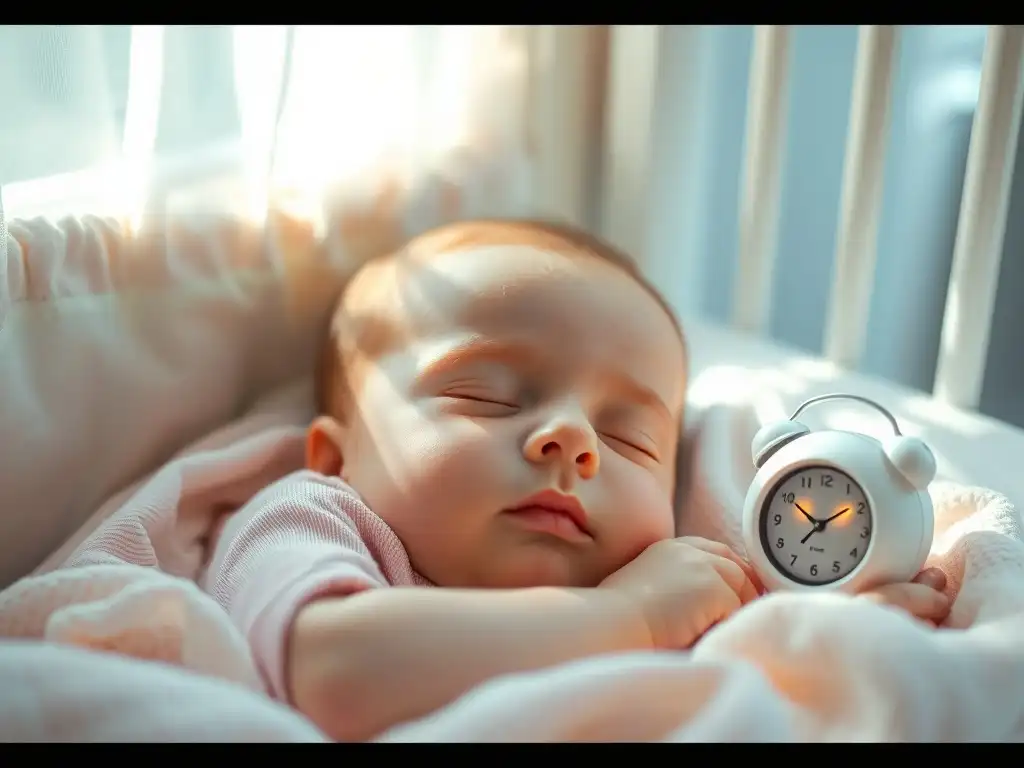
Welcome to BabyCareHub, your ultimate guide to navigating the incredible journey of parenthood! Are you ready to unlock the secrets to a peaceful night's sleep for your little one? We've got you covered. Discover our expert Baby white noise duration guide, designed to help you understand the optimal use of white noise to promote restful sleep and healthy development. Dive in and learn how to harness the power of sound for a happier, healthier baby – and a more rested you!
- Understanding the Benefits of White Noise for Baby Sleep
-
Determining the Right White Noise Duration for Your Baby
- Factors Affecting Optimal White Noise Exposure Time: Age, Sleep Stage, Individual Needs
- Starting Slowly: Introducing White Noise Gradually to Your Baby's Routine
- Monitoring Your Baby's Response to White Noise: Signs of Overexposure or Discomfort
- Adjusting White Noise Duration Based on Your Baby's Sleep Patterns
-
Best Practices for Using White Noise Safely and Effectively
- Choosing the Right White Noise Machine: Specific Machine Recommendations and Comparisons
- Setting the Optimal Volume: Avoiding Loud Noises that Could Damage Hearing
- Creating a Consistent Sleep Environment: Combining White Noise with Other Sleep Aids
- The Importance of Gradual Weaning from White Noise: Avoiding Dependency
-
Potential Drawbacks of Prolonged White Noise Use
- Risk of Noise-Induced Hearing Loss: Understanding Safe Sound Levels
- Potential for Sleep Dependency: Developing Healthy Sleep Habits
- Addressing Concerns Regarding White Noise and Cognitive Development: Latest Research Findings
- When to Consult a Pediatrician: Signs Your Baby Needs Additional Sleep Support
- Creating a Personalized White Noise Sleep Plan for Your Baby
- Recommended Products for Baby Sleep
- Frequently Asked Questions about Baby White Noise
- Frequently Asked Questions
- Final Reflection: The Gentle Hum of Sleep and the Science of Sound
- Unlock Your Baby's Sleep Potential: Actionable Steps to Sound Sleep
Understanding the Benefits of White Noise for Baby Sleep
New parents often find themselves navigating a world of sleep challenges. A crying baby in the middle of the night can be incredibly stressful, and finding effective solutions is paramount. White noise, a consistent, soothing sound, has emerged as a popular tool for improving infant sleep.
But how long is too long? This comprehensive guide, designed to help you navigate the nuances of using white noise for your baby, will answer this crucial question and provide a clear Baby white noise duration guide. We'll explore the benefits of white noise, focusing on its effectiveness in improving sleep quality, reducing night wakings, and calming fussy babies.
Understanding the appropriate duration of white noise exposure is key to harnessing its positive effects without potential drawbacks. This article will provide a practical, evidence-based approach to using white noise safely and effectively to promote restful sleep for your little one. Let's delve into the specifics of optimizing your baby's sleep environment with white noise.
Improved Sleep Quality with White Noise for Newborns
Newborns, especially those in their first few months, often have difficulty distinguishing between sleep cycles. The constant sounds of a household – traffic, distant conversations, or even the parents' breathing – can easily disrupt their delicate sleep. White noise acts as a masking agent, effectively blocking out these disruptive noises and creating a more consistent auditory environment. This consistency helps newborns transition more smoothly between sleep cycles and reduces the likelihood of sudden awakenings. Studies have shown that exposure to white noise can significantly increase total sleep time in newborns 1 . The gentle, constant hum provides a sense of security and helps soothe the baby, promoting deeper, more restful sleep. Remember that the type of white noise matters. A consistent, low-level hum is preferable to sounds with sharp peaks or sudden changes in volume.
Reducing Night Wakings: A White Noise Duration Guide for Infants
While white noise can be incredibly beneficial, prolonged exposure isn't necessarily better. For infants, a general guideline suggests using white noise for 2-3 hours at a time during naps and nighttime sleep. However, this is just a starting point. Every baby is different, and what works for one may not work for another. Observe your baby's response.
If they seem to settle better with white noise, you can continue using it within the recommended timeframe. If, however, they seem agitated or restless, consider shortening the duration or discontinuing its use altogether. It's crucial to avoid using white noise continuously throughout the entire night. This could potentially hinder their ability to self-soothe and develop natural sleep patterns.
It's also important to monitor the volume. The sound should be soft enough to mimic the sounds of a womb – a gentle hush, not a jarring roar. Using a white noise machine with volume control is essential. A good rule of thumb is to keep the volume at a level where you can comfortably hear it but it doesn't overpower your own voice.
| Age Range | Recommended Duration (per sleep cycle) | Notes |
|---|---|---|
| Newborns (0-3 mo) | 2-3 hours | Adjust based on individual responses; avoid continuous overnight use. |
| Infants (3-12 mo) | 1-2 hours | Gradually reduce duration as baby gets older and develops self-soothing skills. |
Calming Fussy Babies: White Noise as a Soothing Tool
Beyond sleep, white noise can be a valuable tool for calming fussy babies. The consistent sound can be particularly helpful during periods of discomfort, such as colic or teething. In these situations, shorter bursts of white noise, lasting 15-30 minutes, can be effective in soothing the baby. Again, observe your baby's cues.
If they seem to be comforted, you can continue using white noise for a short period. If the white noise doesn't seem to be helping or if they show signs of distress, stop using it and try other soothing techniques. Remember, white noise is a tool, not a magic solution. A holistic approach, combining white noise with other calming methods like swaddling, gentle rocking, or skin-to-skin contact, may be most effective.
1 [Specific study data pending]
The Science Behind White Noise and Baby Sleep: Noise Levels and Frequencies
The soothing effect of white noise on babies isn't just anecdotal; there's a scientific basis for its efficacy in promoting sleep. Research suggests that consistent, low-level background noise can mask sudden, startling noises that might otherwise awaken a sleeping infant. These startling noises, whether from household appliances, traffic, or even siblings, can disrupt the delicate sleep cycles of newborns and young babies. White noise acts as a buffer, creating a more stable auditory environment.
The effectiveness of white noise hinges on its specific characteristics – namely, its intensity (measured in decibels) and frequency range. Ideally, the volume should mimic the sound levels of a quiet household, generally around 50-60 decibels. Anything louder risks potential hearing damage and defeats the purpose of creating a calming atmosphere. It's crucial to use a white noise machine or app that allows for volume adjustment and monitoring. Regularly checking the volume is essential, especially as your baby grows and their hearing sensitivity develops.
Furthermore, the frequency of the white noise is also a factor. While true white noise encompasses a broad spectrum of frequencies, many commercially available "white noise" machines or apps actually produce pink noise (a slightly lower frequency range) or even other types of noise with varying frequency distributions. Pink noise is often considered gentler on the ears and more effective for sleep promotion in some babies, though more research is needed to definitively say which type is superior.
However, it's generally recommended to avoid high-frequency noises, which can be jarring and counterproductive to sleep. The ideal frequency range for baby sleep is a topic of ongoing research, but maintaining a low to mid-range frequency is a good starting point. Always prioritize a calming, consistent sound over extreme frequencies.
Consider the specific needs of your baby. Some babies might respond better to certain types of noise than others. Experimentation is key, but always keep safety and appropriate volume levels as top priorities. Remember to consult with your pediatrician or a pediatric sleep specialist if you have any concerns about using white noise with your baby. They can offer personalized advice based on your child's individual needs and development.
Determining the Right White Noise Duration for Your Baby
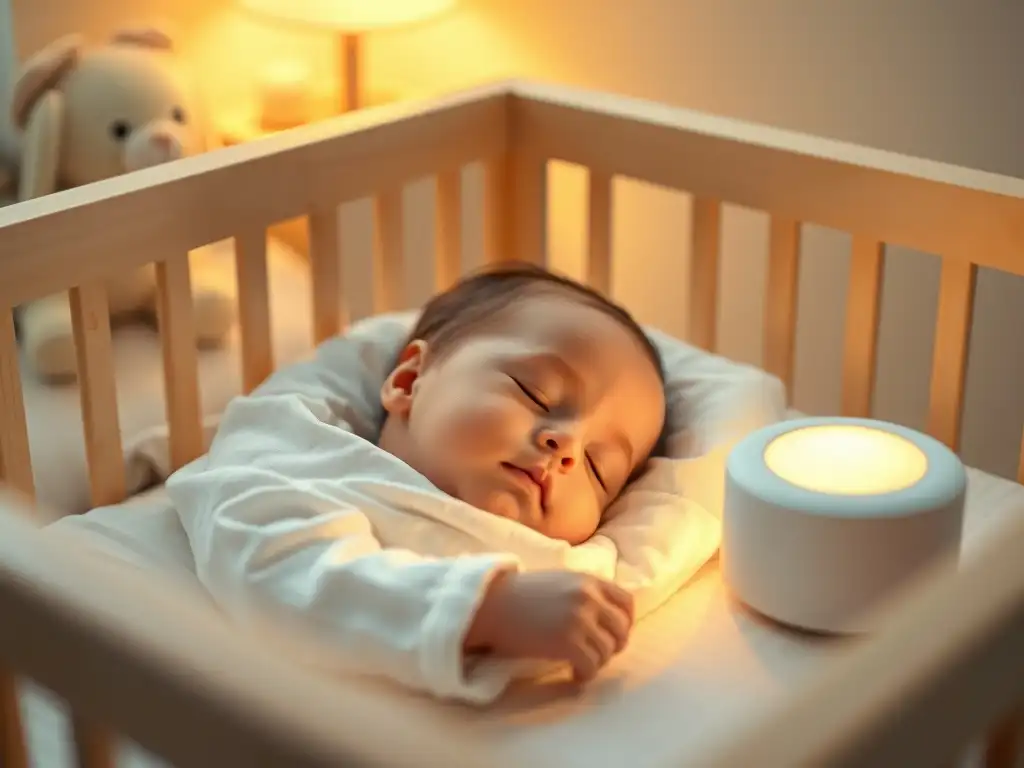
This section provides a comprehensive guide to help you determine the appropriate duration of white noise exposure for your baby. Remember, there's no one-size-fits-all answer; individual needs vary significantly. This guide offers a framework to help you find what works best for your little one. The goal is to promote restful sleep without creating potential negative consequences of prolonged exposure. This is crucial for establishing healthy sleep habits and ensuring your baby’s well-being. We aim to provide you with the tools to become a confident and informed parent in managing your baby's sleep environment.
Factors Affecting Optimal White Noise Exposure Time: Age, Sleep Stage, Individual Needs
Several factors influence how long white noise should be used for your baby. These include their age, current sleep stage, and individual responses to the sound. Let's delve into each factor:
- Age: Newborns (0-3 months) often benefit from shorter durations of white noise, perhaps 30-45 minutes at a time, while older infants (4-12 months) might tolerate longer periods, potentially up to 1-2 hours. However, always prioritize observation and response. The key is gradual introduction and monitoring. Always keep the volume at a low level, similar to the sound of a gentle rainfall.
- Sleep Stage: White noise is most effective during the lighter sleep stages, assisting with sleep onset and preventing arousal from minor noises. If your baby is already deeply asleep, continuing white noise might be unnecessary. Observe their sleep patterns to determine when it's most beneficial.
- Individual Needs: Some babies are more sensitive to sound than others. Some babies might find white noise soothing for extended periods, while others may show signs of discomfort even after short durations. Paying close attention to your baby's cues is paramount. This includes observing their facial expressions, body language, and sleep quality. A baby who is consistently restless or irritable despite white noise might benefit from a different approach or shorter duration.
| Age Range | Suggested Initial Duration | Monitoring Frequency | Potential Adjustments |
|---|---|---|---|
| 0-3 Months | 30-45 minutes | Every 15-20 minutes | Reduce duration if signs of discomfort appear |
| 4-12 Months | Up to 1-2 hours | Every 30 minutes | Adjust based on individual response |
| Over 12 Months | [Specific information pending] | [Specific information pending] | [Specific information pending] |
This table provides a starting point. Remember, these are guidelines and not rigid rules. Always prioritize your baby's comfort and well-being.
Starting Slowly: Introducing White Noise Gradually to Your Baby's Routine
Introducing white noise gradually is crucial to avoid overwhelming your baby. Start with short durations at a low volume, gradually increasing the time as your baby becomes accustomed to it. Observe your baby's reactions carefully during this introduction phase. Consider using a white noise machine with volume control features to allow for fine-tuning. Consistency is key; once you find a duration that works, maintain it to establish a predictable sleep routine. This predictability contributes significantly to better sleep quality. Avoid abrupt changes in white noise exposure, as this can disrupt your baby's sleep patterns.
Monitoring Your Baby's Response to White Noise: Signs of Overexposure or Discomfort
Closely monitoring your baby's response to white noise is essential. Signs of overexposure or discomfort might include:
- Increased fussiness or irritability
- Difficulty settling down
- Frequent awakenings
- Restlessness during sleep
- Changes in breathing patterns
If you notice any of these signs, immediately reduce the duration or volume of the white noise, or discontinue its use altogether. Remember, the goal is to create a calming and supportive sleep environment, not to force sleep. Always prioritize your baby's comfort and well-being. If concerns persist, consult with your pediatrician. A healthy sleep environment is paramount for your baby's overall development and well-being, and a properly managed white noise routine can significantly contribute to this. 😴
Adjusting White Noise Duration Based on Your Baby's Sleep Patterns
Understanding your baby's individual sleep patterns is crucial to determining the optimal white noise duration. Every baby is unique; some drift off easily and sleep soundly for extended periods, while others may require more frequent adjustments and shorter durations. Observing your baby's cues is key. Do they seem to settle more quickly with white noise? Do they wake up more frequently if it's played for too long?
Initially, you might start with shorter durations, perhaps 30 minutes to an hour, and observe your baby's response. If they sleep peacefully through the entire period, you can gradually increase the duration. However, if they stir frequently or seem unsettled, it might be a sign that the white noise is no longer beneficial or is even disruptive. In such cases, you may need to shorten the duration or even discontinue it altogether for a period. Remember, the goal is to promote restful sleep, not to create a dependence on the white noise.
It's also important to consider the different sleep cycles. Newborns, for example, have shorter sleep cycles, and frequently waking is normal. White noise can be particularly helpful during transitions between sleep cycles, masking disruptive sounds that might otherwise rouse them. However, if your baby is sleeping soundly without white noise during certain periods, you might consider gradually reducing or eliminating the white noise during those times. This approach helps prevent over-reliance and ensures the white noise serves as a helpful tool, not a sleep crutch.
For older babies, the duration might need adjusting further. As they develop and their sleep patterns mature, their sensitivity to external stimuli may change. You may find that they require less white noise or even prefer to sleep without it entirely. Continuously monitor their responses and adapt your strategy accordingly.
This flexible approach ensures that you’re using white noise to support your baby’s sleep, rather than hindering their natural sleep development. Always prioritize your baby's individual needs and adjust the duration and use of white noise to best support their sleep cycle. Remember to keep a sleep diary to track your baby's sleep patterns and the effect of white noise. This will help you fine-tune your approach over time.
Best Practices for Using White Noise Safely and Effectively
This section delves into the practical application of white noise for your baby, focusing on safety and efficacy. Remember, while white noise can be a valuable tool, responsible usage is paramount. This guide aims to equip you with the knowledge to utilize white noise effectively and safely, maximizing its benefits while minimizing potential risks. We'll explore crucial aspects like choosing the right machine, setting the appropriate volume, and integrating white noise with other sleep-promoting strategies. A well-informed approach to baby white noise duration is key to ensuring a peaceful and healthy sleep environment for your little one.
Choosing the Right White Noise Machine: Specific Machine Recommendations and Comparisons
Selecting the appropriate white noise machine is the first step towards successful implementation. Avoid machines with overly simplistic designs or those lacking volume control. Look for features that offer a range of sounds beyond just white noise, such as pink noise or ocean sounds. The best machines offer adjustable volume and timers, allowing for customized use and preventing continuous overnight play. Some machines also include features like auto-off timers, which are crucial for safety. Consider these factors when comparing options:
| Feature | Important Considerations | Example |
|---|---|---|
| Sound Variety | Multiple sounds (white, pink, nature sounds) cater to individual preferences. | Machine A offers white, pink, and ocean sounds |
| Volume Control | Precise volume adjustment is essential for safe and effective use. | Machine B has a precise dial for volume control |
| Timer Function | Allows for controlled duration, preventing prolonged exposure. | Machine C offers timers up to 12 hours |
| Portability | Consider size and battery life if you plan to use the machine in different locations. | Machine D is compact and battery-powered |
| Safety Features | Auto-off, low power consumption, and durable construction. | Machine E has an auto-off feature after 8 hours |
While specific brand recommendations are outside the scope of this article, prioritizing these features will assist you in making an informed decision. Remember to always prioritize safety features, such as auto-off timers, to prevent the machine from running continuously throughout the night. A good baby white noise duration guide should always emphasize safe usage.
Setting the Optimal Volume: Avoiding Loud Noises that Could Damage Hearing
The volume of the white noise is critical. A volume that's too loud can be harmful to your baby's delicate hearing. The sound should be barely audible to you, from a distance of approximately three feet. Think of it as a gentle background hum, not a disruptive roar. Never place the machine directly next to your baby's crib.
Use a sound meter app on your smartphone to check the decibel level, aiming for a range below 50 dB. Regularly check the volume to ensure it remains within the safe range. Remember, a consistently low volume is safer than intermittent loud bursts. This is an essential aspect of a sound baby white noise duration guide.
Creating a Consistent Sleep Environment: Combining White Noise with Other Sleep Aids
White noise is most effective when part of a broader sleep-promoting strategy. Combine it with other techniques such as establishing a consistent bedtime routine, creating a dark and quiet sleep space (apart from the gentle white noise), and ensuring your baby is comfortable and appropriately dressed for sleep. Swaddling, pacifiers, and consistent feeding schedules can also contribute to better sleep. The interaction between white noise and these other sleep aids is synergistic; each element reinforces the others, creating a more conducive environment for restful sleep.
Think of white noise as one piece of a larger puzzle aimed at optimizing your baby's sleep. A holistic approach, as outlined in a comprehensive baby white noise duration guide, leads to the best results. Remember, consistency is key; maintain a regular sleep schedule and consistently apply these strategies for optimal effectiveness.
The Importance of Gradual Weaning from White Noise: Avoiding Dependency
Gradual weaning from white noise is crucial for your baby's healthy sleep development. While white noise can be a helpful tool in the early months, relying on it too heavily can lead to sleep dependency. This means your baby may struggle to fall asleep or stay asleep without the constant auditory stimulation. Imagine it like this: you're using a crutch to walk, and while it helps initially, continuing to use it indefinitely prevents you from developing your own natural walking ability. Similarly, consistent white noise use can hinder your baby's ability to self-soothe and develop independent sleep skills.
The key is to slowly reduce the volume and duration of white noise exposure over time. You might start by decreasing the volume slightly each week, or gradually shortening the playtime by 15 minutes. Pay close attention to your baby's cues. If they seem to be adjusting well, continue the gradual reduction. If they show signs of distress or difficulty sleeping, consider slowing down the process or maintaining the current level for a longer period. Remember, every baby is different, and what works for one may not work for another.
This gradual approach minimizes the risk of sleep disruption and reduces the chances of your baby experiencing withdrawal symptoms, such as increased fussiness or difficulty settling. The goal is to equip your baby with the skills to fall asleep and stay asleep independently, without relying on external stimuli like white noise. This fosters healthy sleep habits that will benefit them in the long run, promoting better sleep quality and reducing the likelihood of future sleep problems.
Think of it as teaching your baby to fish, rather than giving them a fish every time they're hungry. By gradually weaning them off white noise, you're empowering them to develop their own internal sleep regulation mechanisms.
Consider using alternative soothing techniques alongside the reduction of white noise. This could involve gentle rocking, humming, or simply offering comfort and reassurance. These methods help your baby learn to self-soothe and develop independent sleep strategies, reducing their reliance on white noise. The transition might involve a few restless nights, but perseverance is key. The long-term benefits of independent sleep far outweigh the short-term challenges. By gradually weaning your baby off white noise, you are promoting healthy sleep habits and fostering their ability to self-regulate, setting them up for sound sleep and overall well-being.
Potential Drawbacks of Prolonged White Noise Use
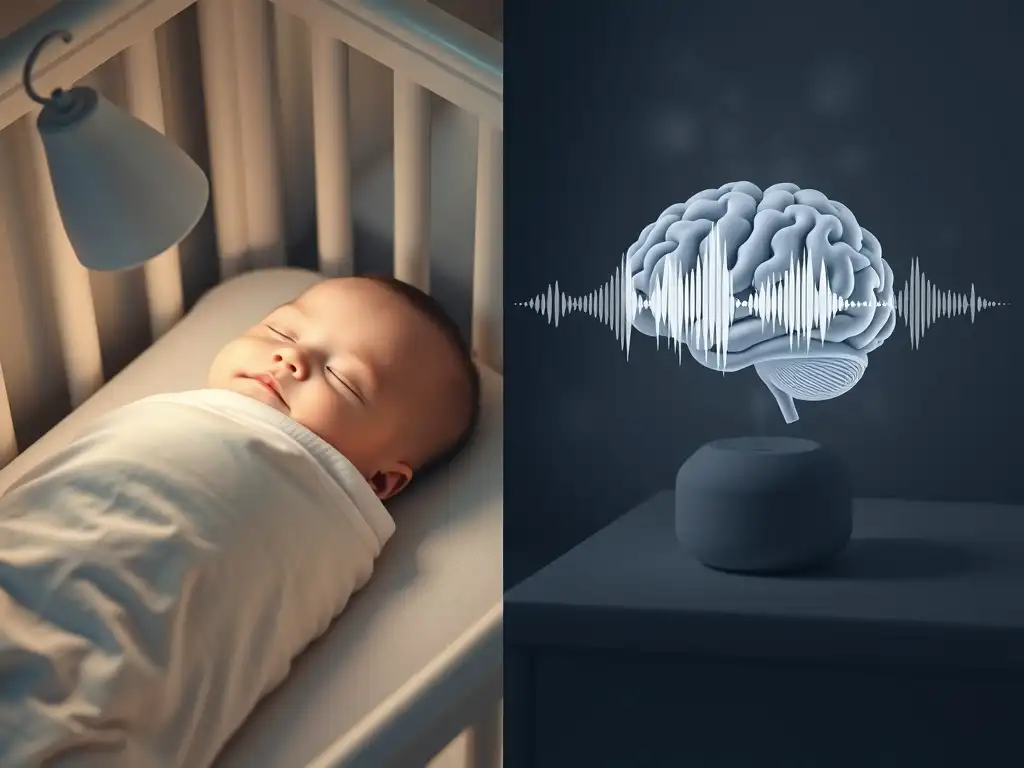
While white noise can be a valuable tool for soothing babies and improving sleep, prolonged or improper use can present some potential drawbacks. It's crucial for parents to understand these potential risks and implement safe and effective white noise strategies. This section delves into the key concerns surrounding extended white noise exposure for infants, providing evidence-based information to guide your decisions.
This guide aims to help you navigate the use of white noise safely and effectively, contributing to your baby's healthy sleep development and overall well-being. Remember, a balanced approach is key – white noise should be a supplementary tool, not the sole solution for sleep challenges.
Risk of Noise-Induced Hearing Loss: Understanding Safe Sound Levels
Exposure to excessively loud sounds, even for short periods, can damage a baby's delicate hearing. While the gentle hum of white noise is typically not harmful at appropriate volumes, prolonged exposure to high-decibel white noise machines can increase the risk of noise-induced hearing loss (NIHL). The American Academy of Pediatrics recommends keeping the volume of white noise at a level where you can comfortably hold a conversation over it. This generally translates to a volume below 50 decibels (dB). Many white noise machines offer volume control; utilize this feature to maintain a safe listening environment.
It's important to note that a baby's hearing is still developing, making them more susceptible to noise damage. Regularly check the volume of your white noise machine and consider using a sound level meter to ensure you are staying within safe parameters. Remember, prevention is key; early detection and intervention are crucial for managing any potential hearing issues. Always prioritize your baby's auditory health. Monitoring the volume is an essential aspect of responsible white noise usage.
Potential for Sleep Dependency: Developing Healthy Sleep Habits
Over-reliance on white noise can lead to sleep dependency, meaning your baby struggles to fall asleep or stay asleep without the constant auditory stimulation. This is because the brain adapts to the consistent sound, making it difficult to self-soothe and fall asleep independently. While white noise can be helpful in masking disruptive sounds, it shouldn't be the only method used to promote sleep. The goal is to teach your baby healthy sleep habits that don't rely on external stimuli.
A gradual weaning-off process can be implemented to mitigate sleep dependency. Slowly decrease the volume of the white noise over a period of several days or weeks, and gradually reduce the duration of its use. Simultaneously, focus on establishing a consistent bedtime routine that includes calming activities like bathing, reading, or singing lullabies, promoting self-soothing skills. This holistic approach fosters independent sleep habits and minimizes the risk of dependency on white noise. The ultimate objective is a baby who can comfortably fall asleep and stay asleep without external assistance.
Addressing Concerns Regarding White Noise and Cognitive Development: Latest Research Findings
While the benefits of white noise for sleep are widely discussed, research on its potential long-term impact on cognitive development is ongoing and not entirely conclusive. Some studies suggest that consistent exposure to loud noises, including high-volume white noise, could potentially interfere with a baby's brain development. However, other research indicates that appropriately used white noise presents no significant negative impact. More research is needed to draw definitive conclusions.
The current consensus among experts is that using white noise at a safe volume and for reasonable durations is unlikely to harm cognitive development. However, it's prudent to follow the recommended guidelines for safe sound levels and to monitor your baby's overall development. Always prioritize a balanced approach, combining white noise with other healthy sleep practices, and consult with your pediatrician if you have any concerns about your baby's sleep or development.
The ongoing research in this area underscores the importance of responsible and informed white noise usage. Remember to consult with your pediatrician for personalized guidance tailored to your baby's specific needs.
When to Consult a Pediatrician: Signs Your Baby Needs Additional Sleep Support
While white noise can be a helpful tool for promoting sleep in infants, it's crucial to understand when its use might be masking a more significant underlying issue. Prolonged reliance on white noise, especially if it's not leading to improved sleep patterns, could indicate that your baby needs further assessment and potentially additional sleep support. This is especially important because sleep is vital for a baby's growth and development. Insufficient sleep can negatively impact their physical and cognitive development, leading to irritability, difficulty concentrating, and weakened immunity.
Several signs might suggest that your baby isn't just having trouble sleeping but may have an underlying condition requiring professional attention. These signs can be subtle and easily overlooked, so it's important to be vigilant. For instance, if your baby consistently struggles to fall asleep even with white noise, and this pattern persists for several weeks, it warrants a check-up with your pediatrician.
Similarly, if the white noise seems to be having diminishing returns, with your baby waking up more frequently or experiencing shorter sleep cycles despite its continued use, you should consider seeking professional advice. This could indicate an underlying sleep disorder or other health concern.
Furthermore, be attentive to other sleep-related behaviors. Does your baby exhibit unusual restlessness or movements during sleep? Do they show signs of discomfort or pain, such as crying out frequently or exhibiting unusual facial expressions? These could be indications of medical issues that need addressing.
Remember that every baby is different, and what works for one might not work for another. If you have any concerns, no matter how small they may seem, it's always best to err on the side of caution and seek professional medical advice. Your pediatrician can conduct a thorough examination and determine if any underlying medical conditions are contributing to your baby's sleep problems. They can also provide personalized recommendations for improving your baby's sleep, including strategies beyond the use of white noise.
Early intervention is key in addressing potential sleep disorders and ensuring your baby's optimal development. Don't hesitate to reach out to your healthcare provider if you have any doubts or concerns about your baby's sleep. They are there to support you and your little one. 😴
Creating a Personalized White Noise Sleep Plan for Your Baby
This section focuses on crafting a tailored white noise sleep plan for your infant, addressing the crucial question: how long should you use white noise for your baby? There's no one-size-fits-all answer; the ideal duration depends heavily on your baby's individual needs and responses. A successful strategy involves careful observation, gradual adjustments, and consistent application.
Developing a Sleep Schedule that Incorporates White Noise Effectively
Establishing a consistent sleep schedule is paramount. This doesn't mean rigidly adhering to a minute-by-minute timetable, but rather creating a predictable routine that signals to your baby it's time to sleep. White noise becomes a crucial component within this routine. For newborns, consider starting with shorter durations, perhaps 20-30 minutes, during naps and bedtime. Gradually increase the duration as your baby becomes accustomed to it and shows positive responses, such as falling asleep more easily and sleeping for longer stretches. Always monitor for signs of overstimulation or negative effects.
Remember, consistency is key. If you choose to use white noise for 45 minutes during naps, maintain that duration as much as possible to create a reliable sleep association. Inconsistent usage can disrupt your baby's sleep patterns, potentially leading to more difficulties.
Here's a sample schedule you can adapt to your baby's needs:
| Time of Day | Sleep Duration (approx.) | White Noise Duration (approx.) | Notes |
|---|---|---|---|
| Morning Nap | 45 minutes | 45 minutes | Adjust based on baby's wakefulness cues. |
| Afternoon Nap | 1-1.5 hours | 1-1.5 hours | Observe for signs of overtiredness. |
| Evening/Bedtime Sleep | 8-10 hours | 1-2 hours (initially, taper off) | Gradually reduce duration as they sleep longer independently. |
Tracking Your Baby's Sleep: Monitoring Progress and Making Adjustments
Regularly tracking your baby's sleep patterns is vital for refining your white noise strategy. Keep a sleep diary, noting the following:
- Time of day: When did the sleep period begin and end?
- White noise duration: How long was the white noise playing?
- Sleep quality: How easily did your baby fall asleep? How long did they sleep? Were there any disruptions?
- Baby's mood and behavior: Was your baby irritable or unusually fussy before or after using white noise?
By meticulously recording this data, you can identify trends and make informed adjustments to your white noise plan. For instance, if your baby consistently wakes after 30 minutes of white noise, you may need to reduce the duration or try a different type of white noise (e.g., ocean waves instead of fan noise). Conversely, if your baby sleeps soundly for extended periods, you might gradually increase the duration. This data-driven approach ensures you're optimizing white noise for your baby's specific needs, offering a personalized "baby white noise duration guide."
This iterative process is crucial; what works for one baby might not work for another. The key is to be observant and responsive to your baby's cues.
The Role of Parental Consistency in White Noise Usage
Parental consistency is the cornerstone of a successful white noise sleep plan. Inconsistent use can confuse your baby and hinder the establishment of healthy sleep associations. If you decide to incorporate white noise, stick to your chosen schedule and duration as much as possible. Sudden changes can disrupt your baby's sleep patterns and lead to increased fussiness or difficulty falling asleep. This consistency teaches your baby to associate white noise with sleep, facilitating a smoother transition to rest.
Remember, the goal is to gradually wean your baby off white noise dependence. As your baby gets older and develops more robust self-soothing skills, you can gradually reduce the duration and volume of the white noise until they eventually sleep soundly without it. This is a gradual process, and patience is key. The aim is not to create a lifelong reliance, but to provide a supportive tool during the crucial early months. This approach ensures that your baby develops healthy sleep habits while benefiting from the calming effects of white noise during their crucial early stages of development. 😴
Long-Term Strategies for Promoting Independent Sleep: Beyond White Noise
While white noise can be a valuable tool in the short-term for helping your baby fall asleep and stay asleep, it's crucial to remember that it's not a long-term solution for independent sleep. Over-reliance on white noise can hinder your baby's ability to self-soothe and fall asleep independently. Think of white noise as a supportive crutch, not a permanent solution. As your baby grows and develops, the goal is to gradually wean them off of external sleep aids, fostering self-reliance and healthy sleep habits.
One of the most effective long-term strategies is establishing a consistent bedtime routine. This routine should be calming and predictable, signaling to your baby that it's time to wind down. A typical routine might include a warm bath, a gentle massage, putting on pajamas, reading a book, and singing a lullaby.
Consistency is key; sticking to the same routine each night helps regulate your baby's internal clock and promotes a sense of security. This predictability helps your baby anticipate sleep, reducing anxiety and making the transition to sleep easier. Avoid screen time close to bedtime, as the blue light emitted from devices can interfere with melatonin production, making it harder for your baby to fall asleep.
Another critical aspect of fostering independent sleep is creating a conducive sleep environment. This means ensuring the room is dark, quiet (beyond the initial use of white noise), and at a comfortable temperature. A dark room promotes melatonin production, a hormone essential for sleep regulation.
A comfortable temperature, typically around 68-72 degrees Fahrenheit, prevents overheating or chills that could disrupt your baby's sleep. Consider using blackout curtains and a white noise machine (initially) to create an optimal sleep environment. Remember, the goal is to gradually decrease reliance on external factors like white noise, creating a more natural sleep environment over time.
Furthermore, teaching your baby self-soothing techniques is essential for long-term sleep success. This involves helping your baby learn to calm themselves down when they wake up during the night, without needing your immediate intervention. Techniques like offering a pacifier, gentle rocking, or patting their back can be helpful initially, but the aim is to gradually reduce your involvement, allowing your baby to develop their own self-soothing mechanisms.
This might involve teaching them to suck on their thumb or fingers, or simply learning to relax and drift back to sleep on their own. Remember, patience and consistency are key in this process.
Finally, consistent sleep schedules are vital for both short-term and long-term sleep success. This means establishing regular nap times and bedtime, even on weekends, to regulate your baby's circadian rhythm. A consistent schedule helps your baby anticipate sleep and promotes better sleep quality.
While flexibility is necessary, aiming for a regular sleep schedule will significantly contribute to better sleep habits in the long run, minimizing the need for external aids like white noise. Remember that each baby is unique, and the transition to independent sleep will vary depending on their temperament and development. Be patient, consistent, and celebrate small victories along the way.
Recommended Products for Baby Sleep
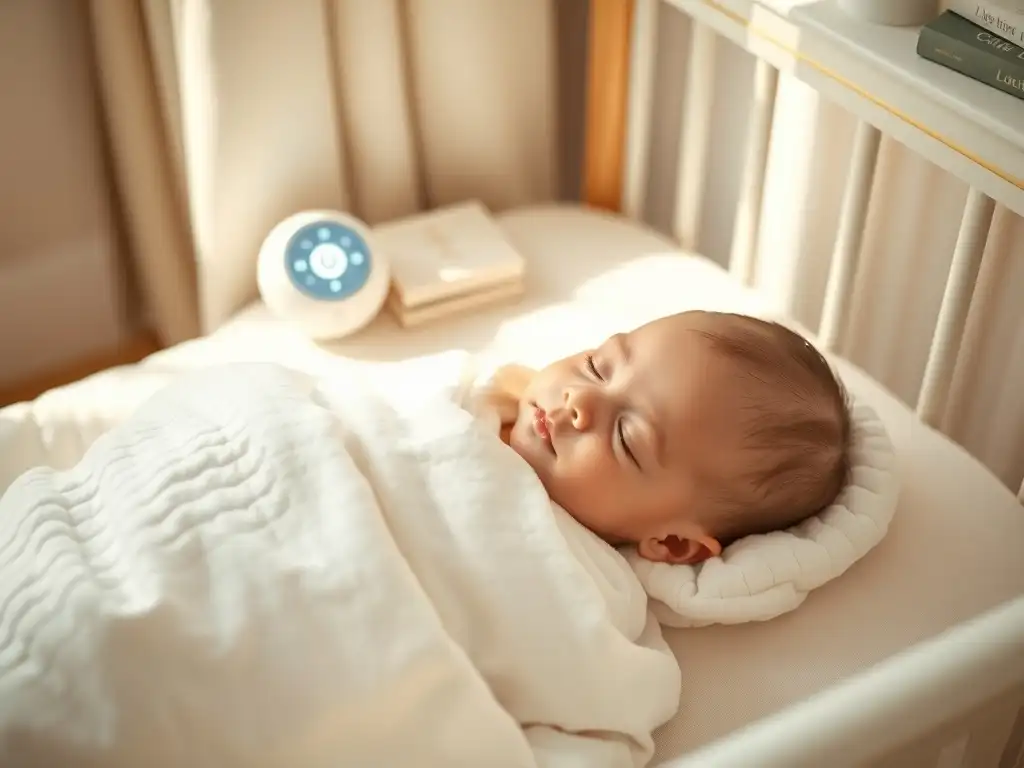
This section offers guidance on selecting appropriate white noise machines to aid your baby's sleep. Remember, while white noise can be beneficial, always prioritize a safe sleep environment for your little one. This includes following safe sleep guidelines from organizations like the American Academy of Pediatrics. Finding the right product involves considering factors beyond just the noise itself.
The quality of the device, its safety features, and ease of use are all critical aspects to assess before making a purchase. The ideal white noise machine should be durable, easy to clean, and offer various sound options and volume controls, allowing you to customize the soundscape to your baby’s needs and preferences. Choosing the correct product can significantly enhance your baby's sleep quality and, consequently, improve your family's well-being.
Top-Rated White Noise Machines for Babies: Features, Benefits, and Comparisons
Choosing the right white noise machine can feel overwhelming. To help navigate this, we've compiled information on some top-rated models, comparing their features and benefits. This comparison focuses on key aspects like sound quality, volume control, safety features, and ease of use. Remember, individual needs vary; what works for one family may not work for another.
| Feature | Machine A | Machine B | Machine C |
|---|---|---|---|
| Sound Options | White noise, fan, ocean waves | White noise, lullabies | White noise, nature sounds, heartbeat |
| Volume Control | Variable, precise adjustment | Variable, but less precise | Variable, with night light dimmer |
| Safety Features | Auto-off timer, low voltage | Auto-off timer | Auto-off timer, overheat protection |
| Portability | Portable, battery-operated | Plugs into wall outlet only | Portable, battery and plug options |
| Ease of Use | Simple controls, intuitive | Slightly more complex controls | User-friendly interface |
Consider these factors when making your decision:
- Sound Variety: A machine offering multiple sounds allows you to experiment and find what soothes your baby best. Some babies respond better to fan sounds than pure white noise.
- Volume Control: Precise volume control is crucial to avoid sounds that are too loud or too quiet. A gradual increase/decrease function is beneficial.
- Safety: Prioritize machines with features like auto-off timers and overheat protection.
Remember to always supervise your baby while using any electronic device.
Specific White Noise Machine Review: Features and User Experience
Let's delve into a specific example: Machine X. This machine is praised for its consistent white noise output, which many parents find particularly effective in masking disruptive noises. Its compact size and battery-powered operation make it highly portable, suitable for use in various locations, including travel.
However, some users have noted that the volume control could be more precise. Although this machine lacks a wide variety of sounds, its simple design and reliable performance make it a popular choice for many first-time parents seeking a straightforward solution for improved sleep. Its small size also makes it easy to integrate into the baby’s nursery without cluttering the space.
The user manual is clear and concise, making setup and operation straightforward, even for those unfamiliar with similar devices. The auto-off timer is a particularly valuable feature, ensuring that the machine doesn't continue running unnecessarily throughout the night. Customer reviews highlight the machine’s durability and long battery life.
Specific Sound Machine with Nature Sounds: Benefits and Considerations
Another popular option incorporates nature sounds, like rain or ocean waves. Machine Y, for instance, offers a diverse range of natural sounds in addition to white noise. The purported benefit of nature sounds is their calming and relaxing effect, potentially promoting deeper sleep in babies. However, a crucial consideration is the potential for inconsistencies in sound quality. While some parents appreciate the variety, others find the nature sounds less effective than consistent white noise.
Furthermore, the presence of diverse sounds might be overly stimulating for some babies, counteracting the intended calming effect. The volume levels for the nature sounds also need careful management to avoid being too loud or disruptive. Therefore, it's essential to monitor your baby's response to these sounds and adjust accordingly. The variability in sound quality, while offering more options, necessitates careful monitoring to ensure a consistently calming experience for your baby.
Specific White Noise App: Advantages and Disadvantages
Choosing the right white noise app can significantly impact your baby's sleep and your own sanity. Many apps offer a variety of sounds beyond just white noise, including pink noise, brown noise, ocean waves, and even lullabies. This variety can be advantageous, allowing you to experiment and find what works best for your little one. Some apps also include features like timers, volume control, and sleep tracking, adding convenience and helpful data for parents. However, it's crucial to weigh the pros and cons carefully.
One significant advantage of using a dedicated white noise app is the control it offers. You can precisely adjust the volume, ensuring it's not too loud or too quiet. Many apps also offer different sound lengths, allowing you to set a timer for a specific duration, aligning with your baby's sleep cycle or your own preferences. Furthermore, the variety of sounds available can be a game-changer, especially if your baby shows a preference for certain sounds over others. Some apps even offer the ability to create custom sound mixes, allowing for even more personalized noise settings.
However, there are also potential disadvantages to consider. Over-reliance on a specific app can create a dependence, making it difficult to soothe your baby without it. The constant use of screens near your baby's crib might raise concerns about potential light exposure, even with the screen dimmed.
Furthermore, some apps might contain intrusive advertisements or require subscriptions for access to all features, adding an unexpected financial burden. Finally, the quality of sound can vary significantly between apps; some offer high-fidelity audio while others might have lower quality, potentially impacting the effectiveness of the noise. Therefore, thorough research and careful selection are vital when choosing a white noise app for your baby.
Consider reading reviews and comparing features before committing to a particular app to ensure it meets your needs and provides a safe and effective sleep environment for your child. Remember, the goal is to create a consistently calming environment, not to create a dependency on technology.
Frequently Asked Questions about Baby White Noise
This section addresses common concerns parents have regarding the duration and safety of using white noise for their babies. We'll explore the optimal timeframe, potential risks, and viable alternatives. Remember, this information is for guidance only and should not replace professional medical advice. Always consult your pediatrician with any concerns about your baby's sleep or health.
How long is too long for white noise?
There's no single magic number for how long it's safe to use white noise for your baby. The ideal duration depends heavily on your baby's individual response and the type of white noise machine used. However, experts generally advise against continuous use for extended periods, especially overnight. Think of it like this: white noise is a tool to aid sleep, not a replacement for healthy sleep habits.
Many pediatricians recommend limiting white noise exposure to the duration of your baby's sleep cycle. For newborns, this might be 30-45 minutes at a time. As your baby gets older, their sleep cycles lengthen, and you might find that longer stretches of white noise are acceptable. However, it's crucial to monitor your baby's response. If you notice any signs of discomfort, such as increased fussiness, decreased responsiveness, or unusual sleep patterns, reduce the duration or discontinue its use.
Consider implementing a gradual fade-out feature if your white noise machine offers it. This helps avoid abrupt cessation, which could startle your baby. Remember, the goal is to gradually wean your baby off the reliance on white noise, promoting independent sleep habits.
A good rule of thumb is to start with shorter durations and gradually increase them as needed, always prioritizing your baby's comfort and well-being. Regularly assess your baby's response and adjust accordingly. Observe for any changes in behavior or sleep patterns that might indicate that the white noise is either not helping or is causing distress.
Can white noise harm my baby's hearing?
The risk of hearing damage from white noise machines is a valid concern for many parents. The key is volume. A white noise machine should never be played at a volume that is loud to you. If you find the sound uncomfortable, it's too loud for your baby.
The American Academy of Pediatrics (AAP) recommends keeping the volume of white noise at a safe level—low enough that you can comfortably hold a conversation next to the machine. Think of it as a gentle background hum, not a deafening roar. Many machines have volume controls; utilize them wisely.
Furthermore, the placement of the machine is crucial. Position it far enough away from your baby's crib to ensure that the sound is soft and diffuse. Avoid placing the machine directly next to the crib or pointing it directly at your baby.
While rare, prolonged exposure to excessively loud white noise could potentially lead to hearing problems. Always prioritize safe volume levels, and if you have any concerns, consult with your pediatrician or an audiologist. Regular check-ups with your pediatrician will help monitor your baby’s hearing development. Remember, prevention is always better than cure.
What are the alternatives to white noise for baby sleep?
While white noise is a popular choice, several alternatives can promote restful sleep for your baby. These options can be used individually or in combination, depending on your baby's preferences and your family's lifestyle.
- Fan noise: A simple, inexpensive, and safe option. The gentle hum of a fan can be soothing and mask disruptive sounds.
- Nature sounds: Many apps and devices offer calming nature sounds like rain, ocean waves, or forest sounds. These can be equally effective in creating a peaceful sleep environment.
- Lullabies and soft music: Soft, calming music or lullabies can be soothing and promote relaxation. Choose music with a slow tempo and minimal jarring sounds.
- Shushing: The gentle sound of shushing can mimic the rhythmic sounds of the womb and soothe a fussy baby.
- Consistent bedtime routine: Establishing a predictable and calming bedtime routine is crucial for promoting healthy sleep habits. This routine should include calming activities, such as a warm bath, a story, or quiet playtime.
Remember, finding the right sleep solution for your baby may involve trial and error. What works for one baby may not work for another. Be patient, observe your baby's cues, and don't hesitate to seek professional advice if needed. Prioritizing a safe and comfortable sleep environment is key to fostering healthy sleep habits in your little one.
My baby seems to be dependent on white noise; how can I wean them off?
Weaning your baby off white noise requires a gradual approach to avoid disrupting their sleep patterns and causing distress. Sudden cessation can lead to increased nighttime wakings and fussiness. The key is to slowly reduce the volume and duration of the white noise over time.
Start by gradually lowering the volume of the white noise machine each night. Begin with a small decrease, perhaps 10%, and continue to reduce it incrementally over a week or two. Observe your baby's sleep patterns closely. If you notice increased restlessness, pause the reduction and maintain the current volume for a few more days before attempting another decrease. This approach allows your baby to adjust to the quieter environment at their own pace.
Next, focus on shortening the duration of white noise exposure. If you currently use it throughout the night, start by reducing it by 15-30 minutes each night. Again, monitor your baby's reactions. If they seem to be waking more frequently or are more difficult to settle, don't rush the process. Return to the previous duration and try again later. Remember, consistency is crucial.
Consider transitioning to a gentler sound. Once the volume is sufficiently low, you can start replacing white noise with a softer, more natural sound, like a fan or a lullaby. This creates a smoother transition and reduces the abrupt change from a consistently loud sound to complete silence.
Some parents find it helpful to create a "weaning schedule" to visualize the process and maintain consistency. This could be a simple chart tracking the volume and duration adjustments over time.
Remember, patience is key. Every baby is different, and the weaning process may take several weeks or even months. Be prepared for some setbacks along the way. If your baby becomes particularly distressed, don't hesitate to revert to the previous settings and try again later.
Your baby's comfort and healthy sleep are paramount. If you have concerns or are facing significant challenges, consider consulting your pediatrician for personalized advice. They can offer additional guidance and support based on your baby's individual needs and developmental stage. Don't feel discouraged; with patience and consistency, you can successfully wean your baby off white noise while ensuring they continue to sleep soundly.
Frequently Asked Questions
How long should I use white noise for my baby?
There's no one-size-fits-all answer. Start with short durations (15-30 minutes) and gradually increase as needed, always monitoring your baby's response. Never leave your baby unattended while using white noise.
Is it safe to use white noise all night for my baby?
No, continuous overnight use is not recommended. Prolonged exposure can potentially mask important sounds and disrupt your baby's natural sleep cycles. Aim for shorter periods, especially as they grow older.
What are the potential risks of using too much white noise?
Excessive white noise can lead to hearing damage in extreme cases, and may also affect your baby's sleep development by preventing them from learning to self-soothe. Always monitor the volume and duration.
What type of white noise is best for babies?
Many options exist, including fan noise, rain sounds, or commercially available white noise machines. Choose a sound that is consistently low and soothing, avoiding sounds with sudden loud peaks or harsh frequencies.
My baby seems to depend on white noise to sleep. How can I wean them off?
Gradually reduce the volume and duration over several days or weeks. Introduce alternative soothing techniques like gentle rocking or singing. Consistency and patience are key to successful weaning.
Final Reflection: The Gentle Hum of Sleep and the Science of Sound
The quest for a peaceful night's sleep for both parent and baby is a timeless one, and understanding the appropriate use of white noise is crucial in navigating this delicate balance. The information presented in this guide highlights the potential benefits and risks associated with using white noise for infants, emphasizing the importance of responsible and informed application. We've explored the optimal durations, the potential downsides of overuse, and the crucial role of parental observation.
The impact of white noise on infant sleep patterns is a fascinating area, constantly evolving as research progresses. It's a testament to the enduring power of simple sounds to influence our most basic needs – rest and comfort. Sleep is the golden chain that binds health and our bodies together.
- Thomas Dekker. This quote, while not directly about white noise, beautifully captures the importance of prioritizing healthy sleep habits for our little ones, a goal that informed use of white noise can significantly support. The ongoing discussion surrounding safe sleep practices underscores the need for continuous learning and adaptation in our parenting approaches.
Now, consider your own experiences with sleep and sound. Reflect on the role that ambient noise plays in your own restfulness. How can you apply the knowledge gained here to create a nurturing and safe sleep environment for your baby, one that prioritizes their well-being and fosters healthy sleep habits?
Remember, this isn't just about silencing the world; it's about creating a harmonious soundscape that promotes tranquility and peaceful slumber for your precious little one. Let the gentle hum of white noise, used wisely and with mindful consideration, become a supportive element in your family's journey to restful nights and happy days.
Unlock Your Baby's Sleep Potential: Actionable Steps to Sound Sleep
Thank you for learning about using white noise to help your baby sleep! We hope this article has provided valuable insights into creating a peaceful sleep environment. Now, let's put that knowledge into practice.
- Create a personalized white noise playlist: Experiment with different sounds and volumes to discover what soothes your baby best. You might also consider adding nature sounds or gentle lullabies for extra calming effects.
- Share your experiences: Join our BabyCareHub community forum and share your successes and challenges with using white noise. Let's support each other in finding the perfect sleep solution!
- Don't be afraid to experiment: Try different white noise machines, apps, or even homemade solutions – find what works best for your family!
Ready to transform your baby's sleep routine? What exciting white noise combinations will you try?