
Creating a Dark Nursery for Twins or Multiples

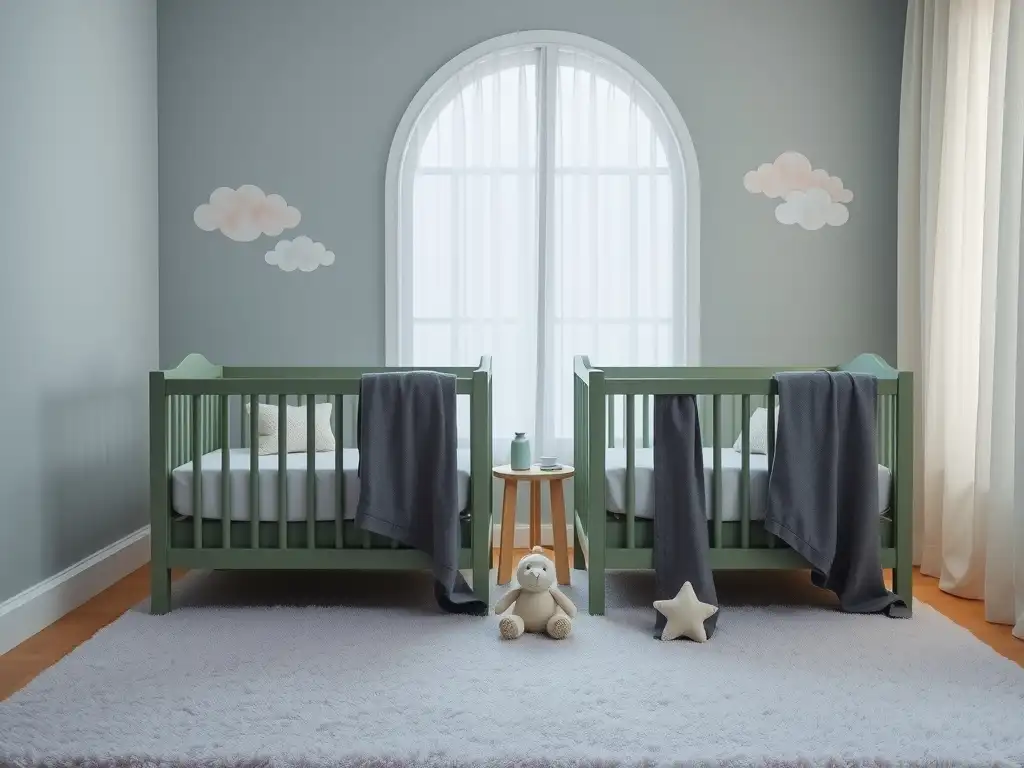
Welcome to BabyCareHub, your ultimate guide to navigating the incredible journey of parenthood! Are you ready to unlock the secrets to peaceful nights with your little ones? We understand the unique challenges of caring for twins or multiples, especially when it comes to sleep.
That’s why we’ve created this comprehensive resource, starting with our insightful article on Dark Nursery Twins Sleep Tips. Discover practical strategies and expert advice to create a sleep sanctuary that promotes restful slumber for your precious multiples – and for you too! Dive in and explore the wealth of information we have to offer on all aspects of baby care.
- Understanding the Importance of Darkness for Twin Sleep
- Choosing the Right Blackout Curtains for Twins' Rooms
- Beyond Curtains: Additional Strategies for a Dark Nursery for Twins
- Creating a Calming and Safe Dark Nursery Environment for Twins
- Troubleshooting Common Problems: Light Leaks and Sleep Disruptions in Twins' Nurseries
- Product Recommendations for a Dark Nursery for Twins: A curated selection
- Case Study: How a Family Created a Dark Nursery for Their Twins and Improved Sleep
- Conclusion: Maximizing Sleep for Twins Through a Dark Nursery Design
- Frequently Asked Questions
- Final Reflection: Nurturing Slumber in the Shadowlands
- Unleash Your Inner Design Genius: Craft the Perfect Twin Nursery!
Understanding the Importance of Darkness for Twin Sleep
Welcoming twins or multiples into your life is a joyous occasion, but it also presents unique challenges, especially when it comes to sleep. Establishing healthy sleep habits from the start is crucial for both parents' and babies' well-being. This article delves into the vital role a dark nursery plays in promoting restful sleep for twins and multiples, offering practical tips and strategies to create the optimal sleep environment for your little ones.
We'll explore the science behind darkness and infant sleep, address the specific concerns of light pollution, and provide actionable steps to transform your nursery into a sleep sanctuary conducive to peaceful nights for both your babies and yourselves. Learning to optimize your twins' sleep environment is an investment in the health and happiness of your entire family. This guide focuses specifically on creating a dark nursery, a key element often overlooked in the journey to better sleep for multiples.
By understanding the impact of darkness on melatonin production and sleep cycles, you can effectively address the unique challenges of caring for twins or multiples and foster healthier sleep habits in your little ones. Let's explore how a dark nursery can contribute to improved sleep for your precious twins.
Melatonin Production and Infant Sleep Cycles: The Role of Darkness
Darkness plays a pivotal role in regulating infant sleep. The hormone melatonin, crucial for regulating sleep-wake cycles, is primarily produced in the absence of light. In newborns and infants, the production and release of melatonin are particularly sensitive to light exposure. Exposure to light, even dim light, can suppress melatonin production, leading to disrupted sleep patterns.
For twins, sharing a room already presents a unique challenge in terms of creating a dark environment. One baby might be disturbed by the other’s movements or light emissions, leading to fragmented sleep for both. A dark nursery helps mitigate this problem by minimizing light-related disruptions to their delicate sleep cycles.
This is especially important in the early months when newborns spend a significant amount of time sleeping. Creating a dark environment promotes consistent and adequate melatonin production, leading to longer, more consolidated sleep periods for your twins. The benefits extend beyond just sleep duration; improved sleep quality also contributes to better overall development and mood regulation in infants.
The Impact of Light Pollution on Twin Sleep Patterns
Modern life introduces challenges in achieving true darkness, particularly in urban environments. Light pollution from streetlights, electronic devices, and even ambient light from hallways can significantly impact the sleep of infants. This is especially problematic for twins, as even small amounts of light can disrupt one or both babies, leading to frequent awakenings and reduced sleep quality. For example, a small nightlight intended to provide comfort might still be bright enough to interfere with melatonin production, hindering the sleep consolidation process.
Studies have shown a strong correlation between light exposure at night and sleep disturbances in infants. Minimizing light pollution in your twins’ nursery is critical to creating an environment conducive to healthy sleep. This involves not only blocking outside light but also minimizing internal light sources, such as electronic devices and nightlights. Remember, even the faint glow from a charging phone can impact melatonin production.
Creating a Dark Nursery: Benefits for Multiple Babies
Creating a truly dark nursery for twins or multiples offers numerous benefits. A dark room promotes the natural production of melatonin, crucial for regulating sleep-wake cycles and ensuring consolidated sleep. This translates to longer, more restful sleep periods for your babies, reducing the likelihood of frequent night wakings that can be particularly exhausting for parents of multiples.
Beyond melatonin regulation, a dark nursery also enhances the overall sleep environment. Darkness provides a sense of calm and security, crucial for infants, especially those sharing a room. A dark room can also help reduce sensory overload, a common issue for newborns, particularly those with sensitive temperaments.
Finally, a dark nursery allows for better parental rest, as consistent sleep in your twins will contribute to your well-being, allowing you to manage the demands of caring for multiples more effectively. The investment in creating a dark sleep environment for your twins is an investment in the health and well-being of your entire family. The positive impact on your twins’ sleep will have far-reaching benefits for their growth and development, and for your sanity as well!
Choosing the Right Blackout Curtains for Twins' Rooms
Creating a dark nursery for twins requires a strategic approach to light blocking. Standard curtains often fall short, allowing sneaky light leaks that disrupt those precious slumber hours. The key is selecting blackout curtains specifically designed to minimize light penetration. This section will guide you through choosing the right curtains to maximize darkness and promote better sleep for your twins. Remember, a dark nursery is a crucial element in establishing healthy sleep patterns for multiples, contributing significantly to improved sleep quality for both babies and parents. The right blackout curtains are an investment in everyone's well-being.
Best Blackout Curtains for Light Blocking: Product Comparisons
Choosing the best blackout curtains depends on your specific needs and budget. However, several key features consistently contribute to superior light blocking capabilities. Consider the following factors when comparing products:
- Fabric Density: Look for curtains made from thick, heavy fabrics like microfiber or thermal-lined materials. Higher density fabrics effectively block more light. Avoid flimsy or sheer materials.
- Light Blocking Rating: Some manufacturers provide a light blocking rating (e.g., 99% blackout). Prioritize curtains with a high rating for optimal darkness.
- Number of Layers: Multiple layers of fabric enhance light-blocking capabilities. Look for curtains with a layered design or consider adding a liner to existing curtains.
- Reviews: Always check customer reviews. Real-world experiences offer valuable insights into a product's effectiveness in blocking light. Pay close attention to comments about light leaks around the edges.
Here's a hypothetical comparison of three different blackout curtain options (note: specific product names and prices are omitted for generality):
| Curtain Type | Fabric Density | Light Blocking Rating | Number of Layers | Price Range | Customer Reviews (Summary) |
|---|---|---|---|---|---|
| Microfiber Blackout | High | 99% | Single | $50 - $100 | Generally positive, minimal light leaks reported |
| Thermal-Lined Blackout | Very High | >95% | Double | $75 - $150 | Excellent reviews, very effective light blocking |
| Triple-Layer Blackout | Extremely High | >99% | Triple | $100 - $200 | Exceptional reviews, near-total darkness achieved |
Remember, the investment in higher-quality blackout curtains often translates to better sleep for your twins, making it a worthwhile consideration.
Measuring Your Windows for Optimal Blackout Curtain Coverage: A Step-by-Step Guide
Accurate measurements are crucial for effective light blocking. Improperly sized curtains will leave gaps, allowing light to seep through and disrupt your twins' sleep. Follow these steps to ensure a perfect fit:
- Measure the width: Measure the width of your window at its widest point, adding an extra 12-24 inches on each side for proper draping and overlap. This will ensure complete light blockage.
- Measure the length: Measure the length from the top of the rod (or where you plan to hang the curtains) to the desired bottom length. Consider whether you want the curtains to graze the floor or pool slightly.
- Multiple Windows: If you have multiple windows in the nursery, measure each window individually. Consistency in curtain length and width across all windows enhances the overall dark effect.
- Consider Rod Size: Ensure your curtain rod is appropriately sized to support the weight of the blackout curtains, especially if they are heavy and long.
- Record Measurements: Carefully record all your measurements to avoid errors when ordering. Double-check your figures before placing your order. A small mistake can lead to significant light leakage.
By meticulously following these steps, you can guarantee that your blackout curtains will provide maximum light blockage, promoting a truly dark and restful environment for your twins.
Installation Tips for Blackout Curtains in a Twin's Nursery: Avoiding Light Leaks
Even with the perfect blackout curtains, improper installation can lead to frustrating light leaks. These tips will help you ensure a seamless and effective installation:
- Proper Rod Placement: Install the curtain rod high and wide enough to allow for ample fabric to drape down the sides, preventing any gaps.
- Overlapping Panels: Ensure that the curtain panels overlap slightly in the center to block any light that might sneak through the seams.
- Secure Hanging: Use appropriate hardware to securely hang the curtains, preventing them from shifting or sagging.
- Addressing Gaps: If you encounter any light leaks around the edges of the windows, consider using additional blackout fabric or light-blocking tape to seal any gaps.
- Regular Maintenance: Regularly check for any loose threads or damage that could compromise the curtains' light-blocking ability.
A well-installed set of blackout curtains is a significant step in creating a dark nursery conducive to restful sleep for your twins. By paying attention to detail during installation, you can minimize light leaks and maximize the effectiveness of your blackout curtains. Remember, a dark and quiet nursery is a key element in establishing a consistent sleep routine for multiples. 😴
Beyond Curtains: Additional Strategies for a Dark Nursery for Twins
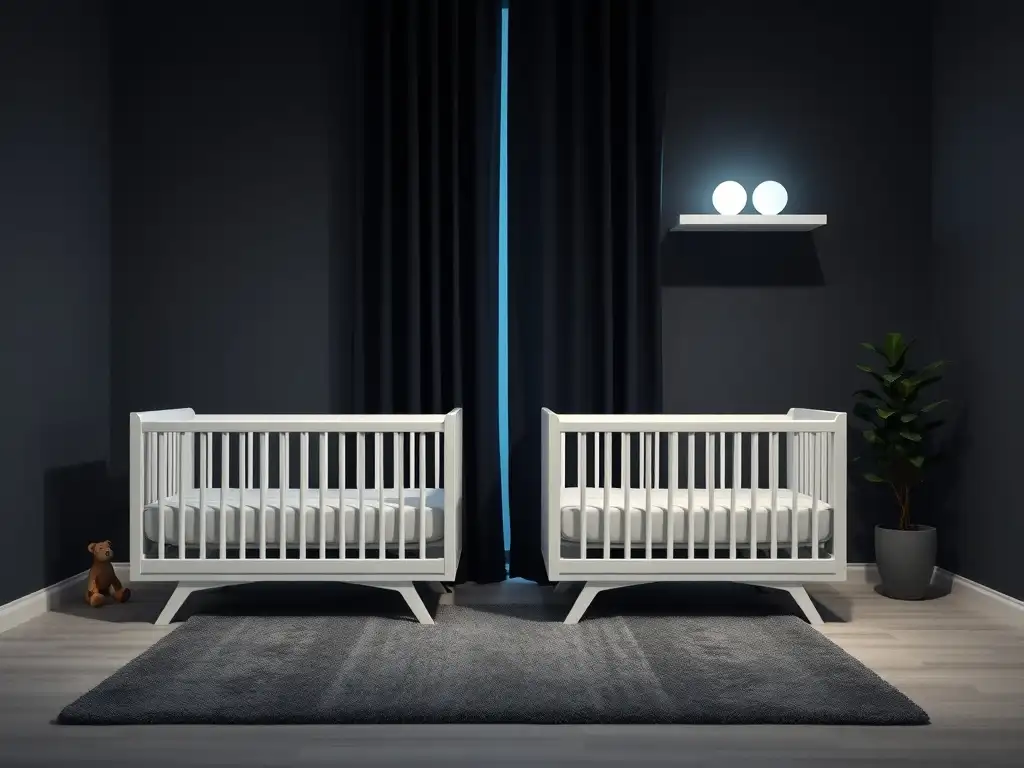
Creating a truly dark nursery for twins or multiples requires a multifaceted approach. While blackout curtains are a crucial first step, they alone might not suffice, especially in rooms with multiple windows or gaps in light sealing. This section explores additional strategies to optimize darkness and improve your twins' sleep environment, addressing the challenges unique to multiple babies sharing a room.
Remember, the goal is to mimic the conditions of nighttime as closely as possible to promote longer, more restful sleep for your little ones. This is especially important for twins, whose sleep cycles can often be intertwined and easily disrupted by external stimuli, such as light.
The age-old debate of nightlights versus complete darkness takes on a new dimension when caring for twins. While a dim nightlight might offer comfort to some parents for nighttime checks, complete darkness is generally considered optimal for promoting melatonin production and deeper sleep. However, the needs of multiples can be complex. Consider these points:
- Individual Preferences: Even twins can have differing sleep preferences. One might be less sensitive to light than the other, impacting your choice. Observing their reactions to light levels will help you find a suitable balance.
- Feeding Schedules: If you're feeding frequently during the night, a very dim red nightlight might be helpful for maintaining minimal light exposure while still allowing you to navigate the room safely. Avoid blue light, which is known to disrupt melatonin production.
- Room Size and Layout: A larger room might benefit more from complete darkness, while a smaller room might require a very low-level nightlight for safety and ease of movement.
- Safety: A dim nightlight can improve safety during nighttime checks, particularly in a room with multiple cribs. Choose a nightlight with a low-wattage bulb and a soft, diffused glow.
Ultimately, the best approach is an individualized one. Experiment with different levels of darkness, noting your twins' sleep patterns. You might find that a gradual transition to complete darkness works best, starting with a very dim light and slowly reducing its intensity over time. Remember to prioritize safety and comfort for both your babies and yourselves.
Using Room Darkening Shades and Blinds: Effective Alternatives to Curtains
Blackout curtains are excellent, but they aren't always the only solution, especially if you're dealing with oddly shaped windows or skylights. Room darkening shades and blinds offer effective alternatives and can be layered with curtains for maximum darkness. Consider these options:
- Cellular Shades: These offer excellent insulation and light blocking capabilities. Their honeycomb structure traps air, helping to regulate room temperature, which is beneficial for sleep.
- Bamboo Shades: A more natural option, bamboo shades provide good light reduction, especially when layered. They also offer a degree of breathability.
- Roller Shades: These are simple and easy to operate, making them a practical choice for busy parents. Look for those specifically designed for light blocking.
- Combination Approach: For ultimate darkness, consider combining blackout curtains with shades or blinds. This layered approach effectively eliminates light leaks around window frames or gaps in the curtains.
Strategic Furniture Placement to Minimize Light Intrusion in a Twin's Room
The arrangement of furniture can significantly impact how much light enters the nursery. Strategic placement minimizes light intrusion and creates a more conducive sleep environment:
- Crib Placement: Position cribs away from windows and doors, minimizing direct light exposure. Consider the direction of sunrise and sunset in your room to optimize crib placement.
- Blocking Light Sources: Use furniture, such as dressers or changing tables, to physically block light from entering the room through gaps or poorly sealed areas around windows and doors.
- Minimize Reflective Surfaces: Glossy furniture or highly reflective surfaces can amplify light. Opt for matte finishes or strategically place rugs to reduce reflections.
- Room Layout: If possible, adjust the room layout to create a more conducive sleep environment. This might involve moving furniture to better block light sources or create a more enclosed feeling in the sleeping area.
Careful consideration of these factors, alongside blackout curtains, will significantly improve your chances of creating a truly dark nursery, giving your twins the best possible chance at long, restful sleep. Remember, consistency is key. Maintaining a dark and quiet environment consistently will help regulate your twins' sleep cycles and establish healthy sleep habits. 😴
Creating a Calming and Safe Dark Nursery Environment for Twins
Creating a dark nursery for twins is crucial for promoting healthy sleep patterns. However, simply darkening the room isn't enough; safety and a calming atmosphere are equally important. This section details how to achieve a dark, safe, and soothing environment for your twins, maximizing their sleep potential and minimizing parental stress. Remember, consistent sleep routines are key for both babies and parents, especially when caring for multiples. This means creating an environment conducive to sleep from the moment they enter the nursery.
Choosing the Right Paint Colors for a Dark Nursery: Promoting Relaxation and Sleep
The color of your nursery walls significantly impacts the overall ambiance. Deep, calming colors are ideal for promoting relaxation and sleep. Avoid overly stimulating colors like bright reds or yellows. Instead, consider these options:
- Deep blues: Evokes a sense of calm and tranquility. Studies show that blue can lower heart rate and blood pressure, contributing to better sleep.
- Soft greens: Associated with nature and serenity. A muted sage green or olive green can create a peaceful and restful space.
- Grays: Neutral and versatile, grays can provide a sophisticated backdrop while still promoting a dark environment. Choose a cool-toned gray to avoid feeling sterile.
- Warm, muted browns: These create a cozy and grounding atmosphere, perfect for a calming nursery.
Remember to consider the light absorption properties of different paint finishes. A matte or eggshell finish will absorb more light than a glossy finish, creating a darker room. This is especially important for "dark nursery twins sleep tips" as it enhances the sleep environment for your multiples.
Soft Lighting Options for Nighttime Checks on Twins: Nightlight Review
Even in a dark nursery, you'll need some light for nighttime feedings and diaper changes. Harsh overhead lights disrupt sleep. Instead, opt for soft, indirect lighting:
- Nightlights: Choose nightlights with low-lumen output and a warm, amber glow. Avoid blue-toned nightlights, as they can interfere with melatonin production. Consider nightlights with adjustable brightness levels for optimal control.
- Glow-in-the-dark stars or decals: These provide a gentle, ambient glow without harsh illumination. They add a touch of whimsy and can be soothing for babies.
- Red light bulb: Red light has minimal impact on melatonin production, making it a suitable option for nighttime checks. However, ensure it's low wattage and positioned away from the cribs.
Creating a dark environment is key to implementing effective "dark nursery twins sleep tips", but maintaining the ability to check on your babies safely and without disturbing their sleep is equally important.
Temperature Control and Air Quality in a Dark Nursery for Multiple Babies
Temperature and air quality are often overlooked but crucial aspects of a healthy sleep environment. For twins, maintaining an optimal environment is doubly important:
| Factor | Ideal Range/Recommendation | Importance for Twins |
|---|---|---|
| Temperature | 68-72°F (20-22°C) | Consistent temperature crucial for both babies' comfort and sleep. |
| Humidity | 40-50% | Prevents dry skin and respiratory issues, particularly important for multiple babies sharing space. |
| Air Circulation | Good ventilation without drafts; consider an air purifier | Reduces allergens and improves air quality, minimizing the risk of respiratory problems. |
| White Noise | White noise machine or fan (low setting) | Masks disruptive noises, creating a consistent soundscape beneficial for both twins' sleep. |
Maintaining optimal temperature and air quality is an often-overlooked aspect of effective "dark nursery twins sleep tips." A comfortable and clean air environment contributes significantly to restful sleep for your multiples. Regularly check and adjust these factors as needed to ensure your twins sleep soundly throughout the night. Remember that a consistent and comfortable environment is key to establishing healthy sleep habits.
Troubleshooting Common Problems: Light Leaks and Sleep Disruptions in Twins' Nurseries
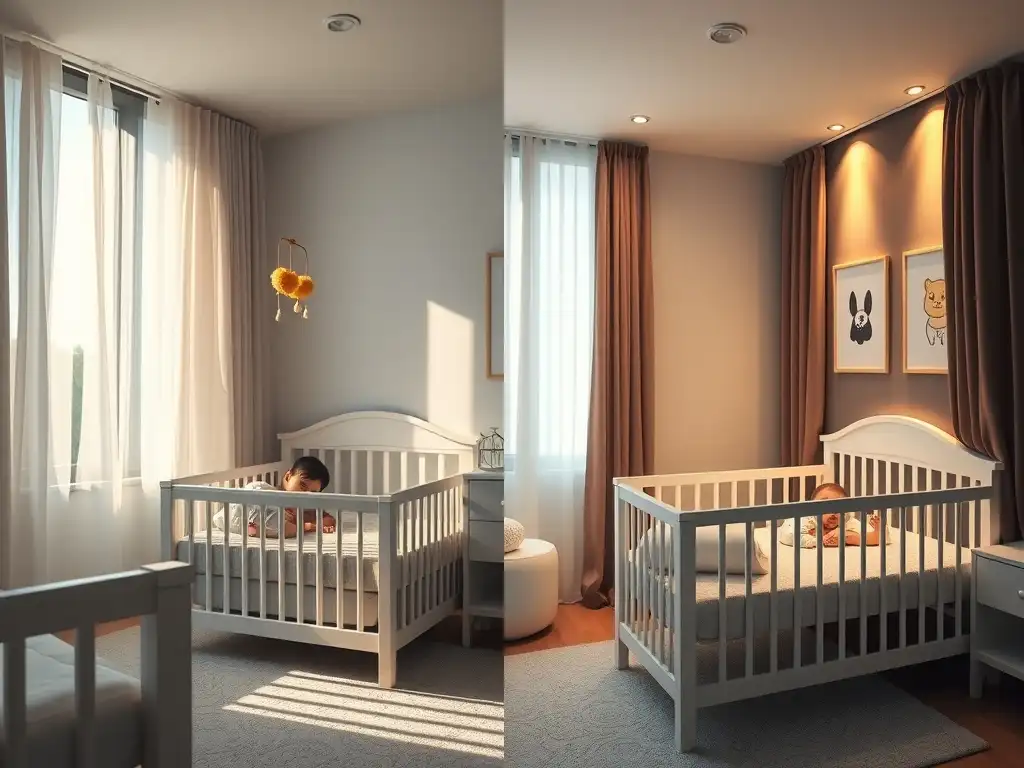
Creating a truly dark nursery for twins presents unique challenges. While blackout curtains are a great start, even small light leaks can significantly disrupt their sleep cycles. This section focuses on identifying and addressing these common issues, providing practical solutions for parents striving for optimal sleep for their multiples. Successfully implementing these strategies can lead to improved sleep quality and overall well-being for both babies and parents. Remember, consistent darkness is key to regulating melatonin production, the hormone crucial for sleep.
Identifying and Sealing Light Leaks in a Dark Nursery: Practical Solutions
Even the slightest amount of light can penetrate a seemingly dark room. For twins, whose sleep is more easily disturbed, this is particularly crucial. Start by performing a thorough "darkness test" in the nursery. Turn off all lights and wait for your eyes to adjust fully. Then, systematically check for light sources:
- Window Gaps: Carefully examine the edges of your blackout curtains. Even a small gap allows light to seep through. Consider using blackout curtain liners or adding extra layers of fabric to block all light. You can also use weather stripping to seal gaps around the window frame.
- Door Cracks: The door is another common culprit. A simple draft stopper placed at the base of the door can effectively block light. You can also use a door seal or even a rolled-up towel to seal any gaps.
- Electrical Outlets: LED indicator lights on electronics or outlets themselves can emit surprising amounts of light. Use outlet covers designed to block light completely.
- Wall Sconces and Lights: Ensure all light fixtures within the nursery are completely switched off, and consider using light-blocking covers for any wall sconces or nightlights.
- Ceiling Lights: Even a seemingly insignificant amount of light from a hallway or adjacent room can disturb your twins' sleep. Consider installing a dimmer switch to minimize light intrusion.
Remember that consistency is key. By meticulously eliminating all light sources, you'll create a consistently dark environment that promotes healthy sleep patterns for your twins. The investment in these solutions will greatly improve your family's quality of sleep in the long run.
Dealing with Early Morning Wake-Ups in Twins: Strategies for Promoting Longer Sleep
Early morning wake-ups are a common frustration for parents of twins. While a dark nursery is essential, it's only one piece of the puzzle. Multiple factors contribute to early awakenings. Addressing these underlying issues will help promote longer, more restful sleep stretches.
- Consistent Bedtime Routine: Establishing a predictable bedtime routine is crucial for regulating your twins' circadian rhythm. This routine should include calming activities like a warm bath, quiet playtime, and a story. Consistency helps signal to their bodies that it's time to sleep.
- Optimizing Sleep Environment: Beyond darkness, consider the temperature and humidity of the nursery. A slightly cooler room (around 68-72°F) is generally ideal for sleep. Ensure the room is also well-ventilated to maintain a comfortable humidity level.
- Addressing Hunger: If your twins are waking up early due to hunger, adjust their feeding schedule to ensure they are adequately nourished before bedtime and potentially offer a late-night feeding if needed. Keep a close eye on their weight to make sure they are getting enough nutrition.
- Swaddling or Sleep Sacks: These can help twins feel secure and prevent them from startling themselves awake during sleep. However, be sure to follow safe sleep guidelines and discontinue swaddling once your babies show signs of rolling over.
- White Noise Machine: A white noise machine can help mask disruptive sounds that might otherwise wake your twins. The consistent, soothing sound can create a more peaceful sleep environment.
Addressing Light Sensitivity Issues in Twins: Gentle Solutions and Product Recommendations
Some twins may be more sensitive to light than others. While a dark nursery is beneficial for all babies, extra precautions may be necessary for particularly light-sensitive twins.
- Blackout Blinds or Shades: These are often more effective than curtains at blocking light, particularly around window edges. Consider using cellular shades, which provide superior insulation and light blocking properties.
- Nightlights with Adjustable Brightness: If your twins need a small amount of light for comfort, opt for a nightlight with a very low, adjustable brightness. Red light is less disruptive to sleep than other colors.
- Eye Masks: While not ideal for all infants, eye masks may be a solution for older babies or twins who are particularly sensitive to light. Choose soft, comfortable masks designed specifically for babies.
- Gradual Light Exposure: As your twins get older, gradually increase their exposure to light in the morning to help regulate their circadian rhythm. Avoid harsh, bright lights, especially first thing in the morning.
- Consult a Pediatrician: If you suspect your twins have an unusual sensitivity to light, consult your pediatrician. They can rule out any underlying medical conditions and offer personalized advice. They may also be able to recommend specialists if necessary. Remember that early intervention is key.
Product Recommendations for a Dark Nursery for Twins: A curated selection
Creating a truly dark nursery for twins requires careful consideration of light blocking solutions. The goal is to mimic nighttime conditions, promoting better sleep for your little ones and potentially reducing night wakings. This section provides a curated selection of products to help you achieve that dark and restful environment. Remember, consistency is key when implementing any sleep training technique.
Blackout Curtains for Twins: Top Picks and Buying Guide
Blackout curtains are a cornerstone of any dark nursery strategy, especially for twins sharing a room. The key is finding curtains that are both effective at blocking light and durable enough to withstand the inevitable wear and tear from curious little hands (and perhaps the occasional accidental spill! ).
Here's what to look for when choosing blackout curtains for your twins' room:
- Total Light Blockage: Look for curtains with a high light-blocking rating. The description should explicitly mention their ability to block out sunlight, streetlights, and other sources of ambient light. Consider a thermal lining for added insulation and noise reduction – a bonus for a peaceful sleep environment.
- Fabric Weight and Quality: Heavier fabrics generally do a better job of blocking light. Choose durable materials that can withstand frequent washing (inevitable with little ones!). Consider materials like microfiber or polyester blends for their ease of care.
- Size and Length: Accurate measurements are crucial. Ensure the curtains are long enough to extend beyond the window frame, preventing light leakage. For twin rooms, double-check the width needed to cover both windows effectively. Consider floor-length curtains for maximum darkness.
- Installation Method: Some curtains use grommets, others have rod pockets or require hooks. Choose a method that is easy for you to manage, especially given the demands of caring for twins.
Choosing the right blackout curtains can significantly impact your twins' sleep quality. Prioritize total light blockage, fabric quality, and ease of installation for the best results. Remember to measure carefully and read reviews before purchasing.
Room Darkening Shades and Blinds for Twins' Rooms: A Comparative Analysis
While blackout curtains are a popular choice, room darkening shades and blinds offer alternative solutions for creating a dark nursery. Let's analyze their pros and cons:
| Feature | Cellular Shades | Roller Shades | Venetian Blinds |
|---|---|---|---|
| Light Blocking | Excellent, especially with a thermal liner | Good, but effectiveness varies based on material | Moderate, gaps between slats allow light penetration |
| Insulation | Excellent | Good | Poor |
| Privacy | Excellent | Good | Moderate |
| Ease of Cleaning | Relatively easy | Relatively easy | Can be more difficult |
| Cost | Moderate to High | Moderate | Low to Moderate |
| Durability | Generally durable | Varies depending on material | Can be fragile |
Cellular shades, with their honeycomb structure, excel at light blocking and insulation. Roller shades provide a good balance of light blocking and affordability. Venetian blinds, while less effective at blocking light, offer better ventilation. The best choice depends on your specific needs and budget. Consider the level of light blockage required and your budget when making your selection.
Nightlights and Soft Lighting Options for a Dark Nursery: Safety and Functionality
Even in a dark nursery, a dim nightlight can be beneficial for nighttime feedings, diaper changes, and soothing your twins. However, it's crucial to choose a nightlight that emits soft, non-glaring light and is safe for use in a baby's room.
Prioritize these features when selecting a nightlight:
- Low Lumens: Look for nightlights with very low lumen output to avoid disrupting sleep. The goal is to provide enough light for visibility without stimulating the babies.
- Warm Light Temperature: Warm-toned light (around 2700K) is gentler on the eyes and more conducive to sleep. Avoid harsh, blue-toned light.
- Automatic Shut-off Timer: Many nightlights offer timers, allowing the light to automatically turn off after a set period, promoting uninterrupted sleep.
- Safety Features: Choose a nightlight with a durable construction, low voltage, and a cool-to-the-touch surface to prevent burns.
- Multiple Light Settings: Some nightlights offer adjustable brightness or color temperature, allowing you to customize the light level to your needs.
Remember, even a small amount of light can interfere with your twins' sleep cycles. The goal is to create a dark, calm, and safe environment to promote restful sleep. Careful selection of blackout curtains, shades, blinds, and nightlights will significantly contribute to achieving this goal. Implementing a consistent sleep routine is equally important for success in establishing healthy sleep patterns in your twins.
Case Study: How a Family Created a Dark Nursery for Their Twins and Improved Sleep
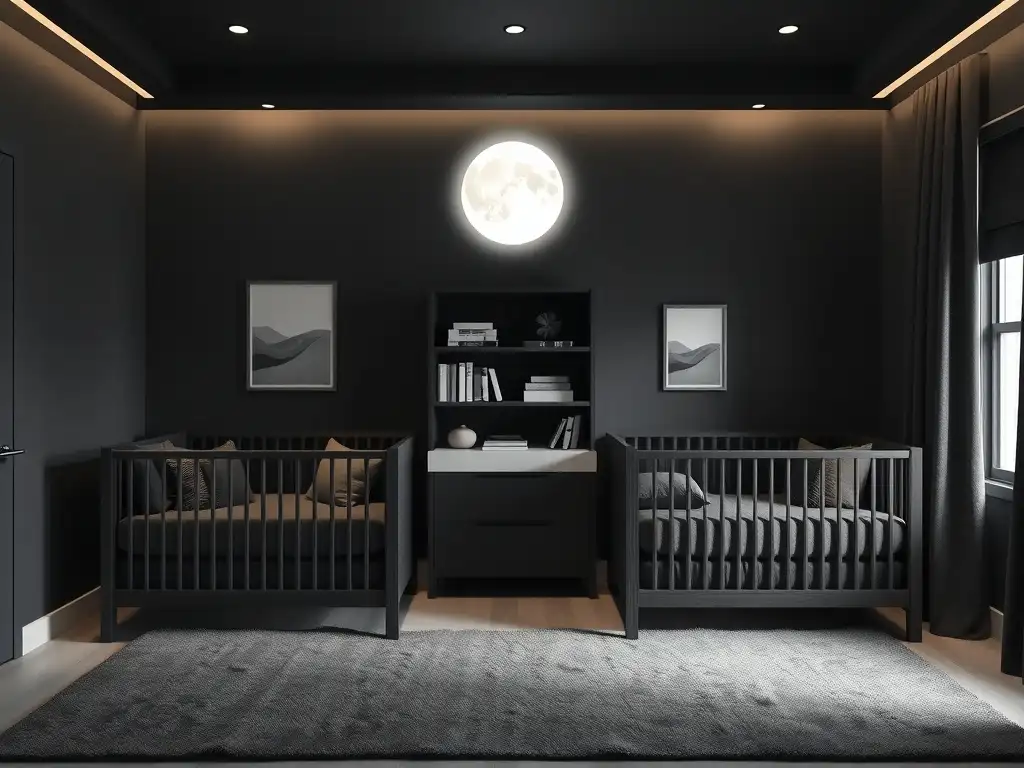
This section details the experience of the Miller family, who successfully implemented a dark nursery strategy for their newborn twins, leading to significantly improved sleep for both babies and parents. The Millers, overwhelmed by the demands of caring for two newborns simultaneously, found themselves struggling with inconsistent sleep patterns and constant nighttime awakenings. Their initial nursery, decorated with bright colors and featuring several light sources, wasn't conducive to optimal sleep.
This case study highlights their journey towards creating a sleep-optimized environment and the positive impact it had on their family's well-being. Their experience provides valuable insights into practical strategies for achieving a dark nursery, even in a multi-child household. The keywords "dark nursery twins sleep tips" are addressed throughout the process.
Before and After: Transforming a Bright Nursery into a Sleep Haven for Twins
Before implementing any changes, the Miller's nursery was a cheerful but brightly lit space. Sunlight streamed through large windows throughout the day, and several lamps and nightlights illuminated the room at night. This constant light exposure, according to Mrs. Miller, made it difficult for the twins to distinguish between day and night, leading to frequent nighttime awakenings and difficulty settling.
| Feature | Before | After |
|---|---|---|
| Wall Color | Light yellow | Soft, dark grey |
| Window Coverings | Sheer curtains | Blackout curtains and blinds |
| Lighting | Multiple lamps, nightlight, sunlight | Dimmable LED nightlight (low-intensity) |
| Decor | Brightly colored mobiles and artwork | Muted tones, minimal visual stimulation |
| Temperature | Varied throughout the day | Consistently cool (68-72°F) |
The transformation involved several key steps: First, they replaced the light yellow walls with a soothing dark grey paint. This significantly reduced light reflection. Second, they installed heavy blackout curtains and blinds to minimize light penetration, even during daylight hours. Third, they removed all but one low-intensity, dimmable LED nightlight, strategically positioned to avoid direct light exposure to the babies' faces. Finally, they simplified the room's decor, opting for muted tones and removing visually stimulating elements. This created a calm and dark environment, ideal for promoting sleep. The application of these "dark nursery twins sleep tips" proved highly successful.
The Results: Improved Sleep Quality and Family Well-being
Following the nursery transformation, the Miller twins experienced a dramatic improvement in their sleep patterns. They began sleeping for longer stretches at night, reducing nighttime feedings and improving their overall sleep quality. The parents also reported a significant improvement in their own sleep, resulting in increased energy levels and improved mood. The stress associated with constant nighttime awakenings diminished considerably.
The positive impact extended beyond just sleep. The calmer, darker nursery fostered a more peaceful atmosphere, allowing for more relaxed and enjoyable interactions with the twins during both day and nighttime routines. The successful implementation of the dark nursery strategy highlights the importance of creating a sleep-optimized environment, particularly for multiples, and demonstrates how seemingly small changes can have a profound impact on the well-being of both babies and parents.
The Millers' experience serves as a compelling example of how effective the application of "dark nursery twins sleep tips" can be in promoting better sleep for twins and a happier family life. The consistent, cool temperature also contributed to the improved sleep. 😴
Conclusion: Maximizing Sleep for Twins Through a Dark Nursery Design
Creating a dark nursery for twins is not merely about aesthetics; it's a strategic investment in your family's well-being. The benefits extend far beyond simply getting your little ones to sleep; a well-designed, dark nursery contributes significantly to their healthy development and your own sanity. Remember, consistent, quality sleep is crucial for infant growth, immune function, and overall development. A dark nursery significantly enhances the chances of achieving this for your twins.
By implementing the strategies discussed, you're actively promoting a sleep environment conducive to restful nights for both your babies and yourselves. The initial effort in creating this space translates to countless hours of peaceful sleep and improved family dynamics in the long run. Prioritizing a dark nursery is a proactive and effective step towards navigating the joys and challenges of raising twins.
Recap: Key Strategies for Creating an Optimal Dark Nursery for Twins
Let's summarize the key takeaways for designing a sleep-promoting dark nursery for twins:
- Blackout Curtains: Essential for blocking out even the slightest light intrusion. Consider heavy-duty, room-darkening curtains or blackout blinds. Multiple layers provide even greater effectiveness.
- Light-Blocking Shades: These are a valuable addition to curtains, especially for gaps around windows or skylights.
- Strategic Furniture Placement: Avoid placing cribs near windows or sources of light. The optimal arrangement minimizes light exposure and facilitates easy nighttime access.
- Nightlights (Used Strategically): A dim, red nightlight can be helpful for nighttime checks without disrupting sleep. Avoid bright lights of any color.
- Consistent Routine: A predictable bedtime routine helps signal sleep and minimizes disruptions. Establishing a consistent schedule, including a dark and quiet nursery, reinforces healthy sleep habits.
- Temperature Control: Maintain a comfortable room temperature—slightly cooler is generally better for sleep. A consistent temperature aids in regulating sleep cycles.
- White Noise Machine: This can help mask disruptive noises, creating a more peaceful sleep environment. Consider using a machine with a variety of sounds to find what works best for your babies.
Remember, every baby is unique. What works perfectly for one set of twins might need slight adjustments for another. The key is to consistently monitor your babies' sleep patterns and adapt your strategies accordingly. Observe their reactions to light and noise and make subtle adjustments to optimize their sleep environment. Flexibility and patience are essential elements in this journey.
Long-Term Benefits of a Dark Nursery for Multiple Babies' Development and Well-being
The benefits of a dark nursery for twins extend beyond just improved sleep in the short term. The positive impact on their development and well-being is substantial and long-lasting:
- Improved Sleep Quality: Consistent, quality sleep is fundamental for healthy growth and development. A dark nursery significantly contributes to achieving this crucial aspect of infancy. Insufficient sleep is linked to various developmental delays and behavioral issues.
- Enhanced Immune Function: Adequate sleep strengthens the immune system, making babies less susceptible to illness. This is especially important for twins, who might be more vulnerable due to shared environments.
- Better Mood Regulation: Well-rested babies are generally happier and more easily soothed. Improved mood regulation contributes to a more harmonious family environment and reduces parental stress.
- Improved Cognitive Development: Sleep plays a vital role in brain development and cognitive function. A dark nursery contributes to optimal brain development, impacting learning and memory capabilities.
- Reduced Risk of SIDS: While not a guarantee, creating a safe sleep environment, including a dark nursery, contributes to reducing the risk of Sudden Infant Death Syndrome (SIDS). This is a crucial consideration for parents of multiples.
- Parental Well-being: Getting enough sleep is paramount for parents. A dark nursery, which promotes better sleep for the babies, directly contributes to improved parental well-being, reducing stress and burnout. This is especially crucial for parents of twins, who face unique challenges.
The creation of a dark nursery for twins is an investment in the long-term health, development, and happiness of your babies and your entire family. The benefits far outweigh the initial effort, paving the way for a more peaceful and fulfilling journey of parenthood. 😴
Frequently Asked Questions
How dark is "dark enough" for a nursery for twins?
Ideally, your nursery should be completely dark, minimizing any light penetration. Use blackout curtains or blinds and cover any electronic device lights. This helps regulate melatonin production for better sleep.
What if my twins have different sleep schedules?
Even with differing schedules, a dark room benefits both. Consider using individual sleep sacks and white noise machines to help each baby sleep soundly, regardless of the other's activity. Focus on creating a consistent bedtime routine for each.
Are blackout curtains essential for twin sleep?
While not strictly essential, blackout curtains are highly recommended. They significantly improve the darkness of the room, crucial for promoting healthy sleep patterns in infants, especially twins who might be more easily disturbed.
Consider using room dividers or individual bassinets/cribs positioned to minimize light disturbance between sleeping areas. Ensure each has access to a dark and quiet space. Using individual swaddles can also help.
What if my twins still wake up frequently despite a dark room?
A dark room is a crucial first step, but other factors influence sleep. Consult your pediatrician to rule out any underlying medical issues. Consider addressing feeding schedules, bedtime routines, and environmental factors like temperature and noise.
Final Reflection: Nurturing Slumber in the Shadowlands
Creating a dark nursery isn't just a design choice; it's a powerful tool in the arsenal of parents striving for peaceful nights with multiples. The overwhelming consensus from parents of twins and triplets, as explored in this article, points to the significant impact a dark sleep environment has on infant sleep quality and overall well-being. This isn't about creating a spooky space, but rather a sanctuary of rest, crucial for both babies and exhausted caregivers.
The journey into parenthood, especially with multiples, is a transformative experience, filled with both immense joy and profound challenges. The relentless demands of caring for two or more newborns can leave parents feeling depleted, and sleep deprivation exacerbates this. A well-designed, dark nursery becomes more than just a room; it becomes a vital component of family wellness. Sleep is the golden chain that binds health and our bodies together.
– Thomas Dekker. This quote, while not directly about twins, speaks volumes about the fundamental importance of sleep for overall well-being, a necessity amplified when caring for multiples.
Consider the information presented within this article. Think about the practical steps you can take to create a dark, calming space for your little ones. You deserve rest, and your babies deserve the optimal environment to thrive. Don't hesitate to experiment with different blackout curtains, nightlights, and sleep routines to find what works best for your family. Embrace the power of darkness to foster peaceful slumber and unlock a new level of harmony in your home. Remember, creating a nurturing sleep environment is an act of self-care for the entire family.
Unleash Your Inner Design Genius: Craft the Perfect Twin Nursery!
Thank you for joining us on this exciting journey into designing a dark and dreamy nursery for your twins! We hope you've gathered plenty of inspiration and practical tips. Now it's time to bring your vision to life.
- Prioritize the essential design elements: Begin with the most impactful decisions—your color scheme, crib placement, and overall room layout—to create a strong foundation for your design. This will yield the best results in the long run.
- Share your progress! We'd love to see your dark nursery take shape. Post pictures on social media using #BabyCareHubTwinNursery and tag us—we might even feature your stunning creation!
- Explore more twin nursery design ideas: Discover more creative ideas and expert advice on BabyCareHub.org, covering topics from storage solutions to sleep training techniques.
Ready to transform your nursery into a haven of calm and style? What design element are you most excited to tackle first?