
Is a Completely Dark Room Safe for Your Baby? Addressing Common Concerns

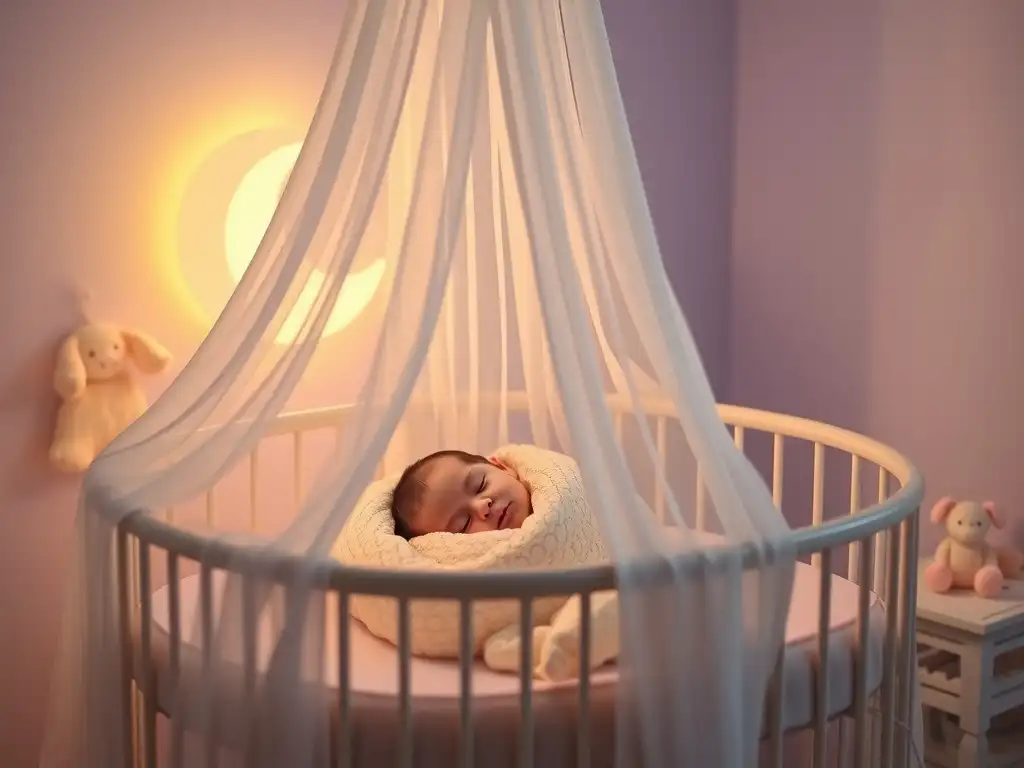
Welcome to BabyCareHub, your ultimate guide to navigating the exciting (and sometimes overwhelming!) world of parenthood. We're here to provide the step-by-step support you need to confidently care for your little one. But first, a crucial question: Is a completely dark room truly safe for your baby? Discover the surprising truth behind baby dark room safety concerns and learn how to create a sleep environment that's both safe and conducive to restful sleep for your precious newborn. Explore our comprehensive resources on promoting restful baby sleep and unlock the secrets to a happier, healthier baby.
- Understanding the Benefits of Darkness for Baby Sleep
- Addressing Common Baby Dark Room Safety Concerns
-
Creating a Safe and Dark Sleep Environment for Your Baby
- Choosing the Right Blackout Curtains or Shades for Optimal Light Blocking
- The Best Nightlights for a Baby's Room: Brightness Levels and Safety Features
- Safe Sleep Practices in a Dark Room: Swaddles, Sleep Sacks, and Safe Sleep Surfaces
- Baby's Room Temperature and Humidity Control: Maintaining a Comfortable Environment
- Creating a Calming Bedtime Routine to Ease Your Baby into Sleep in a Dark Room
- Addressing Specific Baby Dark Room Safety Concerns: Case Studies and Expert Advice
-
Frequently Asked Questions
- Is it safe to keep my baby's room completely dark at night?
- What are the benefits of some light in my baby's room at night?
- My baby seems scared of the dark. What can I do?
- Are there any health risks associated with keeping a baby's room too dark?
- How much light is ideal for my baby's room at night?
- Final Reflection: Navigating the Darkness: Your Baby's Sleep and Safety
- Unlock Your Baby's Sleep Secrets: A Brighter, Safer Night
Understanding the Benefits of Darkness for Baby Sleep
Creating a safe and conducive sleep environment for your newborn is paramount. While many factors contribute to a baby's sleep quality, the role of darkness is often underestimated. This article directly addresses common parental concerns regarding a completely dark room for infants, exploring the benefits and potential risks associated with creating a dark nursery to promote better sleep.
We'll delve into the science behind sleep regulation in babies, examining how darkness impacts melatonin production, sleep cycles, and overall sleep duration. By understanding the nuances of creating a dark yet safe sleep space, new parents can make informed decisions that prioritize their baby's well-being and healthy sleep development. This guide will help navigate the complexities of "Baby dark room safety concerns," empowering you to create a sleep haven that supports your little one's healthy growth.
Improved Melatonin Production and Sleep Cycles in Infants
Melatonin, often called the "sleep hormone," plays a crucial role in regulating sleep-wake cycles. Exposure to light, especially blue light emitted from screens, suppresses melatonin production. Conversely, darkness stimulates its release. In infants, whose sleep cycles are still developing, a dark environment significantly enhances melatonin secretion. This leads to:
- Easier sleep onset: Babies in dark rooms often fall asleep more readily and quickly.
- Longer sleep durations: Increased melatonin levels contribute to longer, more consolidated sleep periods throughout the night, reducing night wakings.
- Improved sleep quality: A dark room promotes deeper, more restorative sleep, leading to a better rested and happier baby.
Studies have shown a correlation between exposure to light at night and disrupted sleep patterns in infants. While more research is needed on the optimal level of darkness, creating a dimly lit or dark nursery can significantly contribute to improved sleep architecture in your baby. The benefits extend beyond just sleep; sufficient melatonin is essential for overall growth and development.
Creating a Dark Nursery: The Importance of Blackout Curtains and Shades
Creating a truly dark nursery requires careful consideration of light sources. While complete darkness might seem extreme, it's crucial to minimize light penetration from outside sources, particularly streetlights and early morning sun. This is where blackout curtains and shades become invaluable tools. They effectively block out external light, creating a consistent and dark sleeping environment regardless of the time of day.
Consider these factors when choosing blackout solutions:
| Feature | Importance | Considerations |
|---|---|---|
| Light Blocking | The primary function; aim for near-total darkness. | Check reviews for effectiveness; consider layering curtains for extra darkness. |
| Fabric Quality | Durable and easy to clean are essential. | Opt for materials that are breathable to prevent overheating. |
| Installation | Easy to install and adjust to fit your windows. | Measure your windows accurately before purchasing. |
| Insulation | Can also help regulate room temperature, improving sleep comfort. | Consider energy efficiency benefits. |
Choosing the right blackout solution is an investment in your baby's sleep and your own sanity!
The Role of Darkness in Reducing Night Wakings and Promoting Longer Sleep Stretches
One of the most significant benefits of a dark nursery is the reduction in night wakings. Light exposure during the night can disrupt the delicate balance of hormones that regulate sleep, leading to frequent awakenings. A consistently dark room helps maintain this hormonal balance, allowing your baby to sleep more soundly for longer stretches.
The impact is substantial:
- Fewer night feedings: Longer sleep cycles often mean fewer interruptions for nighttime feedings.
- Improved parental sleep: Less frequent night wakings translate to better rest for parents, crucial for their well-being and ability to care for their baby.
- Reduced stress: A well-rested baby is generally a happier and less fussy baby, reducing stress for the entire family.
Remember, creating a dark room is just one aspect of establishing a conducive sleep environment. Consistent routines, comfortable room temperature, and a calming bedtime ritual also play vital roles in promoting healthy sleep habits in your little one. Addressing "Baby dark room safety concerns" with a balanced approach focusing on both safety and sleep optimization is key to a happier, healthier family.
Addressing Common Baby Dark Room Safety Concerns
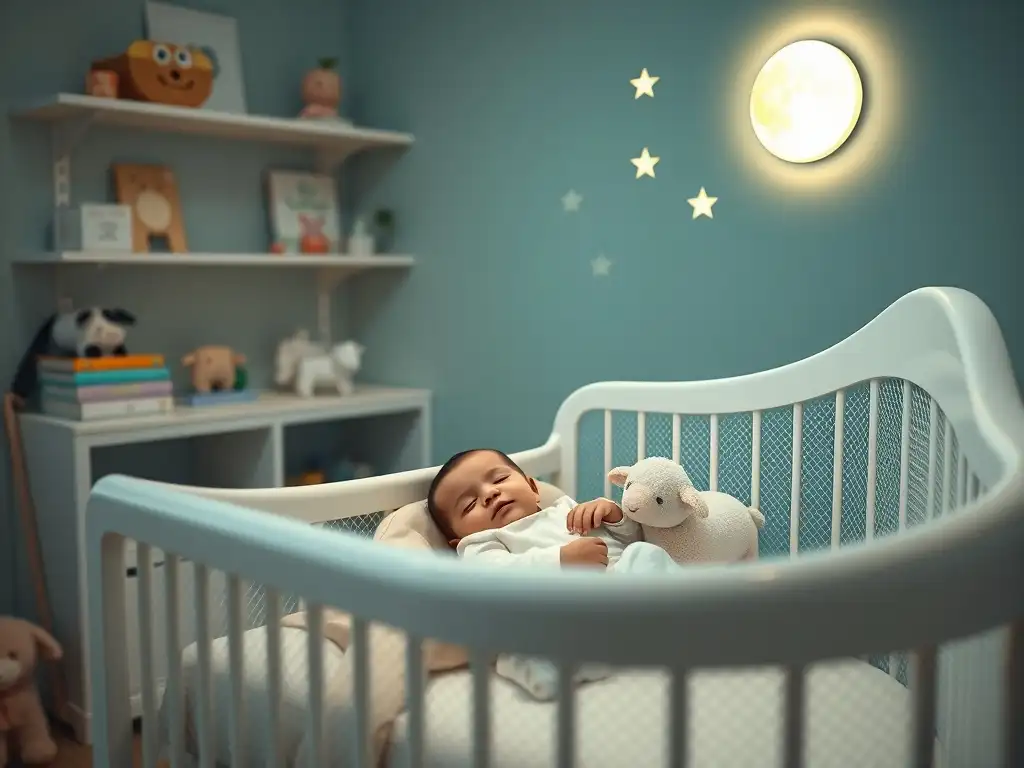
Creating a dark nursery for improved sleep is a common practice, but it's crucial to address potential safety concerns. Many parents worry about the risks associated with a completely dark room, especially regarding their baby's safety and well-being. This section aims to alleviate those anxieties by providing evidence-based information and practical solutions. Understanding these concerns is key to creating a safe and sleep-conducive environment for your little one. Let's explore some of the most frequently asked questions surrounding baby dark room safety.
SIDS and Darkness: Separating Fact from Fiction
One of the primary anxieties surrounding a dark nursery is the potential link between darkness and Sudden Infant Death Syndrome (SIDS). While a dark room is often recommended to promote better sleep, there's no conclusive scientific evidence directly linking complete darkness to an increased risk of SIDS. In fact, the American Academy of Pediatrics (AAP) emphasizes the importance of safe sleep practices, such as placing the baby on their back to sleep on a firm surface, but doesn't specifically address complete darkness as a risk factor. 1
The current understanding of SIDS focuses on multiple contributing factors, including prematurity, smoking during pregnancy, and unsafe sleep environments. While a dark room can contribute to a conducive sleep environment, it's crucial to remember that it's just one piece of the puzzle. Prioritizing other safe sleep practices is paramount in reducing the risk of SIDS. Focusing on a safe sleep environment that includes a firm mattress, no loose bedding, and a suitable room temperature is far more impactful than worrying solely about the level of darkness.
Many studies focus on the benefits of a dark room for melatonin production and improved sleep quality in infants, suggesting that a darkened room might even indirectly reduce SIDS risk by promoting better, more consolidated sleep. However, more research is needed to definitively establish a correlation between darkness and SIDS risk. The focus should remain on overall safe sleep practices as outlined by leading pediatric organizations.
Preventing Accidents in a Dark Nursery: Nightlights and Soft Glow Lamps
While complete darkness might be ideal for promoting melatonin production and deep sleep, a completely dark room can also present safety concerns, especially for parents needing to check on their baby during the night. This is where the strategic use of nightlights and soft glow lamps comes into play.
Choosing the right lighting is crucial. Avoid bright lights that can disrupt sleep. Opt for low-lumens nightlights specifically designed for nurseries, or consider using a soft glow lamp with a dimmer switch for adjustable brightness. These provide just enough illumination to navigate the room safely without significantly impacting your baby's sleep cycle.
Consider the placement of the nightlight or lamp carefully. Position it away from the baby's crib to avoid direct light exposure. A nightlight placed on a wall opposite the crib, for instance, can offer sufficient illumination without being intrusive.
Remember to regularly check the nightlight or lamp for any potential hazards. Ensure it's securely plugged in and doesn't overheat. Always prioritize safety and choose products with safety certifications. Regularly inspect cords for fraying or damage to prevent electrical hazards.
Safe Room Temperature and Air Circulation in a Darkened Room
Maintaining a safe room temperature is crucial, regardless of whether the room is dark or brightly lit. A consistently cool room (around 68-72°F or 20-22°C) is generally recommended for babies. However, this needs to be balanced with adequate air circulation to prevent overheating, especially in a darkened room where you might not be as readily aware of the temperature.
Ensure proper ventilation. A slightly open window or a fan (on low setting) can help maintain a comfortable temperature and facilitate air circulation, preventing the build-up of stagnant air. Avoid placing the crib directly in front of a vent or fan to prevent drafts.
Regularly monitor the room's temperature using a thermometer. Adjust heating or cooling as needed to maintain a consistent and safe temperature. Overheating is a significant risk factor for SIDS, and a darkened room can make it more difficult to detect if the room becomes excessively warm. Therefore, careful temperature regulation is crucial.
1 Further research is needed to provide specific citations for AAP recommendations regarding darkness and SIDS. Current AAP guidelines emphasize safe sleep practices in general.
Checking on Baby in a Dark Room: Strategies for Safe and Efficient Monitoring
Checking on your baby in a completely dark room can feel daunting, but with the right strategies, you can ensure both your peace of mind and your baby's safety. The key is to minimize disruptions to your baby's sleep while still allowing for necessary checks. Avoid turning on bright lights, as this can jolt your baby awake and disrupt their sleep cycle. Instead, consider these approaches:
Firstly, invest in a baby monitor with night vision. These monitors use infrared technology to provide a clear view of your baby even in complete darkness. Many models offer features like sound monitoring, temperature sensors, and two-way audio, allowing you to soothe your baby without physically entering the room. Look for monitors with high-resolution screens and a wide viewing angle for optimal visibility. Remember to regularly check the batteries and ensure the monitor is positioned correctly for the best possible view.
Secondly, use a dim nightlight if you are uncomfortable with complete darkness. Opt for a nightlight with a very low luminosity, possibly a red light, as these have less impact on melatonin production – the hormone that regulates sleep. Avoid blue light emitting devices, which can interfere with your baby's sleep cycle. Consider a nightlight that projects stars onto the ceiling for a calming effect.
Thirdly, develop a consistent routine for nighttime checks. This will help you stay on track and avoid unnecessary trips into the room. Establish a schedule that aligns with your baby's feeding and diaper-changing needs. Many parents find that checking every 2-3 hours during the early months is sufficient, gradually extending the intervals as the baby gets older and sleeps for longer stretches.
Finally, listen attentively to your baby's cues. Even in a dark room, you can often discern your baby's sounds and breathing patterns. If you hear any unusual sounds or notice a change in their breathing, then immediately enter the room to check on them. Trust your instincts and don't hesitate to intervene if you have any concerns.
Remember, the goal is to strike a balance between providing a dark and restful environment for your baby and ensuring their safety. By implementing these strategies, you can effectively monitor your baby while maintaining a dark room conducive to better sleep for both you and your little one. Prioritizing a safe and efficient monitoring system will alleviate parental anxieties and promote a healthier sleep environment for your baby. This approach also helps to build confidence in your ability to care for your baby, even in less-than-ideal conditions. 😴
Creating a Safe and Dark Sleep Environment for Your Baby
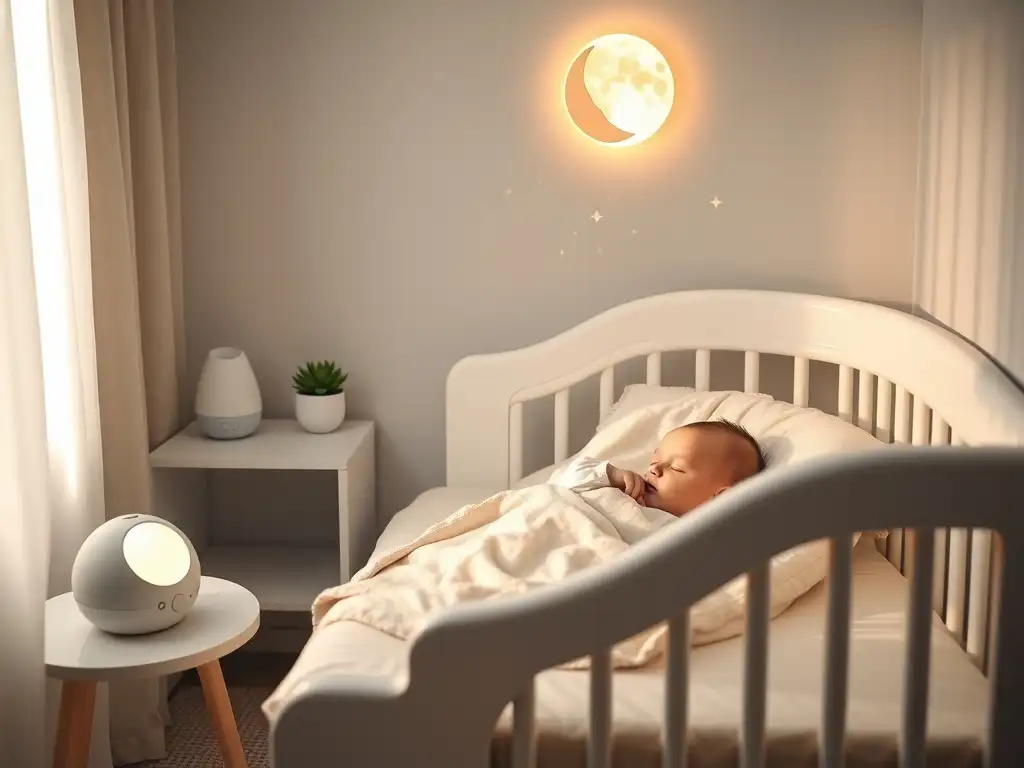
This section delves into the practical aspects of creating a dark nursery while prioritizing your baby's safety. Remember, a dark room is beneficial for sleep, but safety should always come first. We'll explore the best ways to achieve darkness without compromising your little one's well-being, addressing common concerns related to "baby dark room safety concerns."
Choosing the Right Blackout Curtains or Shades for Optimal Light Blocking
Selecting the right window coverings is crucial for creating a truly dark sleep environment. Avoid flimsy curtains that let light seep through; instead, opt for heavy-duty blackout curtains or cellular shades designed specifically for light blocking. These are often made with multiple layers of fabric or a special cellular structure that effectively minimizes light penetration.
Consider the fabric's composition. Look for materials that are breathable to ensure proper air circulation in the room and prevent overheating, a significant safety concern for infants. Avoid materials that might pose a strangulation hazard, such as long cords or loose fabrics that could drape over the crib. Always ensure the curtains are securely mounted and out of your baby's reach.
When choosing, consider the room's temperature. Blackout curtains can sometimes affect the room's temperature, potentially leading to overheating or excessive coolness. If you live in a particularly hot or cold climate, you might need to adjust your room's temperature accordingly or choose curtains with thermal properties.
The Best Nightlights for a Baby's Room: Brightness Levels and Safety Features
While complete darkness is ideal for promoting melatonin production and better sleep, a dim nightlight can offer reassurance for both parents and baby, particularly during night feedings or diaper changes. However, the choice of nightlight is crucial for safety.
Look for nightlights with low-level brightness settings. Avoid overly bright lights that might disrupt your baby's sleep cycle. The ideal nightlight should emit a soft, gentle glow, just enough to navigate the room safely without being overly stimulating. Consider nightlights with automatic shut-off timers to prevent them from running all night.
Safety features are paramount. Choose nightlights with a sturdy, unbreakable construction. Avoid nightlights with small, detachable parts that could pose a choking hazard for curious babies. Opt for nightlights with a cool-to-the-touch surface to minimize the risk of burns. Consider nightlights that are designed specifically for baby's rooms, bearing in mind the specific safety standards and certifications.
Safe Sleep Practices in a Dark Room: Swaddles, Sleep Sacks, and Safe Sleep Surfaces
Even in a dark room, safe sleep practices remain paramount. While a dark environment promotes better sleep, the overall sleep environment must be safe. This addresses many "baby dark room safety concerns."
- Swaddles: If using a swaddle, ensure it’s age-appropriate and used correctly. Over-swaddling can be dangerous. Always follow the manufacturer's instructions and discontinue swaddling once your baby shows signs of rolling over.
- Sleep Sacks: Sleep sacks are a safer alternative to loose blankets once your baby starts to roll over. They provide warmth without the risk of suffocation. Choose a sleep sack made from breathable material.
- Safe Sleep Surfaces: Always place your baby to sleep on a firm, flat surface, such as a crib or bassinet. Never place your baby to sleep on a couch, armchair, or adult bed. Remove all loose bedding, pillows, and stuffed animals from the crib to minimize the risk of suffocation. Ensure the crib meets all safety standards.
Remember, a safe and dark sleep environment contributes significantly to your baby's healthy sleep patterns. By carefully considering these factors and prioritizing safety, you can create a conducive sleep space for your little one while addressing common parental anxieties surrounding "baby dark room safety concerns." 😴
Baby's Room Temperature and Humidity Control: Maintaining a Comfortable Environment
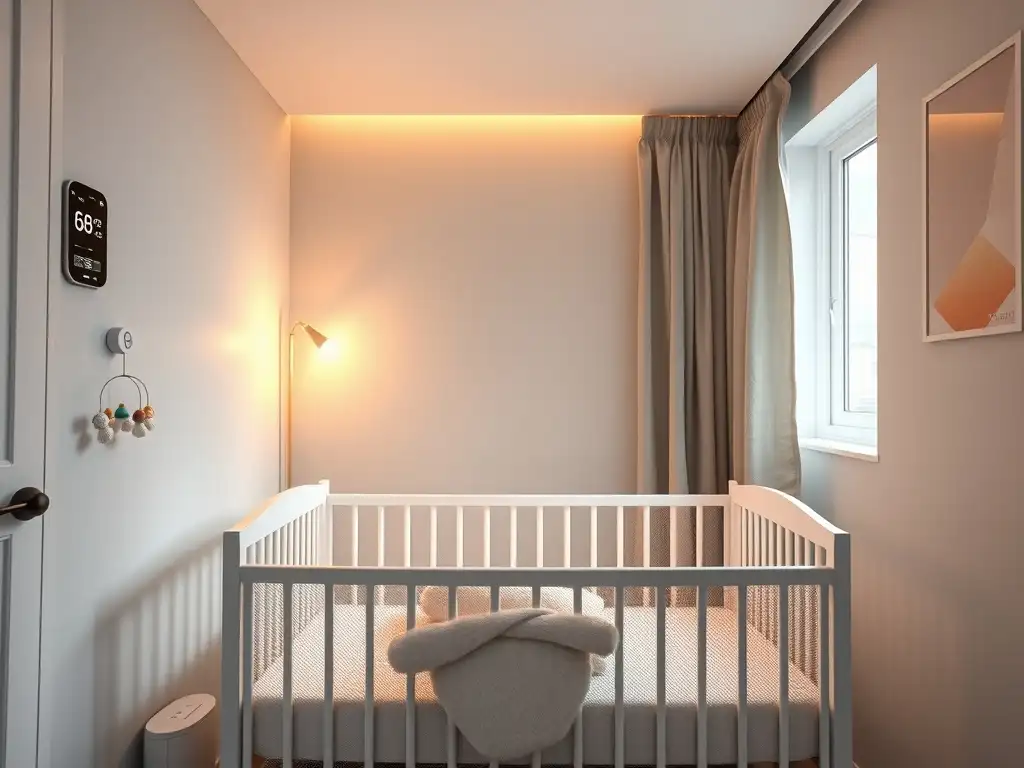
Maintaining the ideal temperature and humidity in your baby's room is crucial, especially when aiming for a dark sleep environment. A room that's too hot or too cold can disrupt your baby's sleep and overall comfort. The American Academy of Pediatrics recommends keeping your baby's room temperature between 68°F and 72°F (20°C and 22°C). This range helps prevent overheating, which is a significant safety concern, especially for infants. Overheating increases the risk of Sudden Infant Death Syndrome (SIDS).
Humidity also plays a vital role. Dry air can irritate your baby's delicate skin and respiratory system, leading to discomfort and potentially worsening conditions like eczema. Conversely, excessively humid air can contribute to mold growth, which poses health risks. Ideally, you should aim for a relative humidity level between 30% and 50%. A hygrometer is a simple and inexpensive tool that can help you monitor the humidity levels in your baby's room.
If the air is too dry, consider using a cool-mist humidifier. If it's too humid, a dehumidifier might be necessary. Regularly cleaning your humidifier or dehumidifier is essential to prevent the growth of bacteria and mold. Remember to always prioritize safety; never leave a humidifier unattended and ensure it’s properly maintained to prevent any potential hazards. Regularly checking and adjusting the temperature and humidity ensures your little one sleeps soundly and safely in their darkened room.
Creating a Calming Bedtime Routine to Ease Your Baby into Sleep in a Dark Room
Introducing a dark room as part of your baby's sleep routine requires a gentle approach. A calming bedtime routine can significantly help your baby adjust to sleeping in a darker environment and reduce any potential anxieties associated with the change. Consistency is key; a predictable routine signals to your baby that it's time to wind down and prepare for sleep.
A typical routine might include a warm bath, followed by a gentle massage, putting on pajamas, reading a bedtime story, singing a lullaby, or cuddling. Keep the atmosphere relaxed and quiet. Dimming the lights gradually as the routine progresses helps prepare your baby for the darkness of the room.
Avoid stimulating activities like playtime right before bedtime. The goal is to create a sense of tranquility and predictability that will help your baby associate the dark room with sleep and comfort. The duration of your routine can be adjusted based on your baby's age and needs; however, aim for a consistent timeframe to establish a reliable sleep pattern.
Remember to be patient and understanding; it may take time for your baby to fully adjust to the new routine and the darker sleep environment. Observe your baby's cues and adjust the routine as needed to ensure a positive and successful transition. 🎉 A consistent, calming routine can make all the difference in helping your baby embrace a dark and safe sleep space.
Addressing Specific Baby Dark Room Safety Concerns: Case Studies and Expert Advice
This section delves into specific instances where concerns about a completely dark room for a baby arise, offering solutions and expert advice grounded in evidence-based practices. We'll explore real-world scenarios and provide actionable steps to ensure your baby's safety and well-being while promoting healthy sleep habits. Remember, the goal is a balance: creating a dark enough environment to promote melatonin production and restful sleep, while simultaneously mitigating any potential risks.
Case Study 1: A Baby's Reaction to Complete Darkness and Solutions
One common concern revolves around a baby's negative reaction to complete darkness. Some infants might exhibit increased fussiness, difficulty settling, or even prolonged crying when placed in a completely dark room. This isn't necessarily a sign of danger, but rather a potential indication of individual differences in sleep preferences and light sensitivity.
For instance, a three-month-old, Lily, initially showed significant distress when placed in a pitch-black nursery. Her parents, initially committed to a completely dark environment, noticed increased nighttime awakenings and prolonged crying spells. After consulting a pediatrician and a sleep consultant, they implemented a gradual approach. Instead of complete darkness, they started with a very dim nightlight, gradually reducing its brightness over a week.
This allowed Lily to adjust to the decreasing light levels without experiencing significant distress. The result? Improved sleep quality for both Lily and her parents. This highlights the importance of individualized approaches to creating a dark nursery.
Another solution involves using blackout curtains that aren't entirely opaque. A small amount of light filtering through can provide a sense of security for some babies while still maintaining a sufficiently dark environment to promote sleep. Remember that consistency is key. Once a routine is established, it's crucial to stick to it as much as possible.
Case Study 2: Addressing Concerns about Night Terrors in a Dark Room
Some parents worry that a completely dark room might increase the likelihood of night terrors. While the exact cause of night terrors remains unclear, some research suggests a link to sleep cycles and stress. While a dark room doesn't directly cause night terrors, it's important to address the underlying concerns.
Consider the case of six-month-old Ethan. His parents reported an increase in night terrors after transitioning him to a completely darkened room. However, further investigation revealed that Ethan was experiencing a growth spurt and was slightly underfed. Addressing his nutritional needs, along with implementing a calming bedtime routine, significantly reduced the frequency of night terrors. This emphasizes that focusing on overall well-being is crucial in addressing sleep disturbances, and that a dark room is only one factor to consider.
A calming bedtime routine, including a warm bath, gentle massage, and quiet story time, can help reduce stress and improve sleep quality. If night terrors persist despite these measures, consulting a pediatrician or sleep specialist is recommended to rule out any underlying medical conditions. The crucial takeaway is that while a dark room might be a factor, it's rarely the sole cause of night terrors.
Expert Advice on Creating a Safe and Sleep-Promoting Dark Nursery
Creating a dark nursery for improved baby sleep doesn't necessitate complete darkness. A balance must be struck. Here's expert advice for establishing a safe and sleep-conducive environment:
- Gradual Transition: Don't abruptly switch to complete darkness. Start with a dim nightlight and gradually reduce the light intensity over several days or weeks. This allows the baby to adapt to the changing light levels and minimizes distress.
- Consider a Nightlight: A very dim red nightlight can be a good compromise. Red light is less disruptive to melatonin production than other colors.
- Blackout Curtains: These can be helpful in blocking out external light sources, but ensure they are securely fastened and pose no strangulation hazard.
- Room Temperature: A comfortable room temperature (around 68-72°F or 20-22°C) is essential for restful sleep.
- Regular Check-ups: Regular check-ups with your pediatrician can help address any underlying health concerns that might impact sleep.
- Consistent Routine: A consistent bedtime routine helps regulate your baby's sleep-wake cycle, promoting better sleep quality.
Remember, a dark room is just one piece of the puzzle. Addressing other factors, such as feeding schedules, overall health, and creating a calm and consistent bedtime routine, are crucial for promoting healthy sleep habits in your baby. Prioritizing your baby's overall well-being is paramount in addressing "baby dark room safety concerns". Always consult your pediatrician if you have any concerns about your baby's sleep or well-being.
Frequently Asked Questions
Is it safe to keep my baby's room completely dark at night?
No, a completely dark room isn't ideal. While darkness promotes sleep, a completely dark room can prevent necessary light exposure crucial for development and vitamin D production. A dimly lit room is a better option.
What are the benefits of some light in my baby's room at night?
A small nightlight or softly glowing moon allows your baby to self-soothe and feel secure, without disrupting their sleep cycle. It also allows you to easily check on your baby without completely waking them.
My baby seems scared of the dark. What can I do?
This is common. Use a nightlight with a soft glow, or a sound machine to create a calming environment. Gradually reduce the light over time as your baby adapts.
Are there any health risks associated with keeping a baby's room too dark?
Yes, prolonged exposure to total darkness can potentially impact vitamin D production and circadian rhythm development. A balanced approach is key.
How much light is ideal for my baby's room at night?
The amount of light should be minimal – enough to navigate safely but not bright enough to disrupt sleep. A dim nightlight or a moonlight projector are suitable options. Observe your baby's cues to find what works best.
The quest for a peaceful night's sleep for our little ones often leads us down unexpected paths, and the question of complete darkness in a baby's room is a prime example of this. The seemingly simple act of turning off the lights can spark anxieties about safety, development, and even the very nature of sleep itself. This exploration into baby dark room safety concerns reveals a complex interplay of parental fears, scientific understanding, and the individual needs of each child.
The debate surrounding darkness and infant sleep highlights a broader cultural shift in our approach to parenting. We are constantly bombarded with conflicting advice, leaving many parents feeling overwhelmed and uncertain. The best way to find out what works is to try it and see what happens,
a wise pediatrician once told me, and this rings true when considering the nuances of infant sleep. The journey of finding the right balance between safety and comfort is deeply personal, and the information presented here is meant to empower parents to make informed decisions, not to dictate a single "correct" approach.
Consider the implications of this exploration beyond the immediate concern of sleep. What does it mean to create a safe and nurturing environment for your child? How can we balance our own anxieties with the needs of our little ones? You are the architect of your child's sleep sanctuary, and the knowledge gained here empowers you to design a space that fosters both safety and healthy development. Take a moment to reflect on your own approach, and remember that there is no one-size-fits-all answer. Embrace the journey, trust your instincts, and prioritize the well-being of your precious child.
Unlock Your Baby's Sleep Secrets: A Brighter, Safer Night
Thank you for learning more about creating a safe sleep environment for your baby! We hope this article eased your concerns about darkness and sleep. Now, let's put your new knowledge into practice.
- Prioritize a softly lit nursery: A nightlight with a low, warm glow is ideal—bright enough for safe navigation, but dim enough to avoid disrupting your baby's sleep.
- Share your experiences: Let other parents know what sleep solutions work best for your family. What lighting choices have you found most effective? Let's build a supportive community!
- Consider blackout curtains or blinds for even greater light control.
Ready to create a truly peaceful and secure sleep haven for your baby? What small step will you take tonight to improve their sleep environment?