
Common Mistakes to Avoid When Using Sleep Sacks


Welcome to BabyCareHub, your ultimate guide to navigating the incredible journey of parenthood! Are you ready to unlock the secrets to peaceful nights and happy days? We understand the challenges of caring for a newborn, which is why we’ve created this comprehensive resource. Learn how to avoid sleep sack mistakes newborns often make, and discover the key to promoting restful sleep for your little one. Dive in and discover expert advice on everything from feeding schedules to developmental milestones – your baby's well-being starts here!
- Understanding the Benefits of Sleep Sacks for Safe Sleep
-
Common Mistakes Parents Make with Sleep Sacks: Avoiding Dangers
- Overdressing Your Baby While Using a Sleep Sack: Signs of Overheating and How to Adjust
- Choosing a Sleep Sack with Unsafe Features: Recognizing Potential Hazards and Selecting Safe Products
- Incorrect Sleep Sack Usage for Different Ages: Adapting Sleep Sack Usage for Newborns Versus Older Infants
- Using a Sleep Sack with Loose or Dangling Items: Eliminating Hazards Like Ribbons, Loose Buttons, and Drawstrings
-
Selecting the Right Sleep Sack for Your Baby's Needs
- Understanding Fabric Choices for Baby Sleep Sacks: Choosing Breathable and Hypoallergenic Materials Like Cotton and Merino Wool
- Considering the TOG Rating of Sleep Sacks for Temperature Regulation: Matching the TOG Rating to Room Temperature to Prevent Overheating or Chills
- Finding the Right Fit and Size for Your Baby's Sleep Sack: Ensuring a Snug But Not Restrictive Fit to Prevent Overheating and Movement Restrictions
- Practical Tips to Make Sleep Sack Transitions Easier: From Swaddles to Sleep Sacks, From Smaller to Larger Sizes
-
Addressing Specific Concerns About Sleep Sack Usage
- My Baby Seems Uncomfortable in a Sleep Sack: Troubleshooting Common Issues and Potential Solutions
- My Baby is Constantly Kicking Off Their Sleep Sack: Choosing the Right Style and Fit to Prevent This
- Transitioning from a Swaddle to a Sleep Sack: A Step-by-Step Guide to a Smooth Transition for Your Little One
- My Baby Wakes Up Frequently Despite Using a Sleep Sack: Possible Reasons and Solutions, Focusing on Sleep Hygiene
- Recommended Sleep Sacks and Resources for Safe Baby Sleep
-
Frequently Asked Questions
- What are the most common mistakes new parents make when using sleep sacks?
- How do I choose the right size sleep sack for my newborn?
- What materials are safest for newborn sleep sacks?
- What is the appropriate tog rating for a sleep sack, and how does it relate to room temperature?
- My baby seems uncomfortable in their sleep sack. What should I do?
- Final Reflection: Sweet Dreams, Safe Slumbers: Avoiding Sleep Sack Pitfalls
- Unlock Your Baby's Sweetest Sleep: Mastering Safe Sleep Sack Use
Understanding the Benefits of Sleep Sacks for Safe Sleep
Sleep sacks, also known as wearable blankets, are becoming increasingly popular among parents seeking safe and comfortable sleep solutions for their newborns and babies. These snug, wearable garments eliminate the risk associated with loose blankets in the crib, a leading contributor to Sudden Infant Death Syndrome (SIDS). This article focuses on common mistakes first-time parents make when using sleep sacks, offering practical advice to ensure your baby sleeps soundly and safely.
Understanding and avoiding these pitfalls is crucial for optimizing your baby's sleep and mitigating potential hazards. We will explore the benefits of sleep sacks, the correct way to choose and use them, and the various types available to suit different seasons and your baby's needs. Avoiding these common mistakes will contribute significantly to establishing healthy sleep habits and promoting a safe sleep environment for your little one, directly addressing the search query "Avoid sleep sack mistakes newborns".
Preventing SIDS and Reducing the Risk of Suffocation with Sleep Sacks
The primary benefit of using a sleep sack is the significant reduction in the risk of Sudden Infant Death Syndrome (SIDS). Loose bedding, including blankets, pillows, and bumpers, increases the risk of suffocation and overheating. Sleep sacks eliminate this risk by providing a secure, comfortable layer of warmth without the danger of loose materials covering your baby's face. Research consistently demonstrates a strong correlation between safe sleep practices, including the use of sleep sacks, and a lower incidence of SIDS. 1 The snug fit of a properly sized sleep sack prevents your baby from wriggling under the covers and restricts movement enough to prevent them from becoming entangled or overheating. Remember, a safe sleep environment is a crucial factor in promoting healthy sleep and reducing the risk of SIDS. Always follow safe sleep guidelines recommended by your pediatrician and relevant health organizations.
Choosing the Right Sleep Sack Size for Your Baby: Avoiding Overheating and Restricting Movement
Selecting the correct size sleep sack is paramount for ensuring your baby's safety and comfort. A sleep sack that is too small can restrict your baby's movement, potentially leading to discomfort and overheating. Conversely, a sleep sack that is too large poses a suffocation risk as your baby could slip down and become covered by the excess fabric. Always check the manufacturer's size chart and choose a sleep sack that fits your baby snugly but not tightly. Observe your baby's temperature regularly to ensure they are not overheating.
Signs of overheating include excessive sweating, flushed skin, and rapid breathing. If you notice any of these signs, adjust your baby's clothing or consider using a lighter-weight sleep sack. Remember, a slightly loose fit around the shoulders is acceptable, but the legs should be snug. Regularly checking the fit as your baby grows is also crucial.
Different Types of Sleep Sacks: Wool, Cotton, Merino, and their Suitability for Different Seasons
Sleep sacks are available in a variety of materials, each suited to different seasons and preferences. Cotton sleep sacks are breathable and ideal for warmer months, providing adequate warmth without overheating your baby. Wool and Merino wool sleep sacks offer excellent temperature regulation and are suitable for cooler climates. They are naturally breathable and wick away moisture, keeping your baby comfortable throughout the night.
Consider the climate and your baby's individual needs when selecting a sleep sack material. For instance, a lightweight cotton sleep sack is perfect for summer nights, while a thicker Merino wool sleep sack is better suited to cold winter months. Always prioritize breathable materials and ensure the sleep sack is appropriate for the ambient temperature to avoid overheating or chilling. Remember to check care instructions and wash according to the manufacturer's recommendations to maintain the quality and safety of your sleep sack.
1 [Specific research data pending]
Common Mistakes Parents Make with Sleep Sacks: Avoiding Dangers
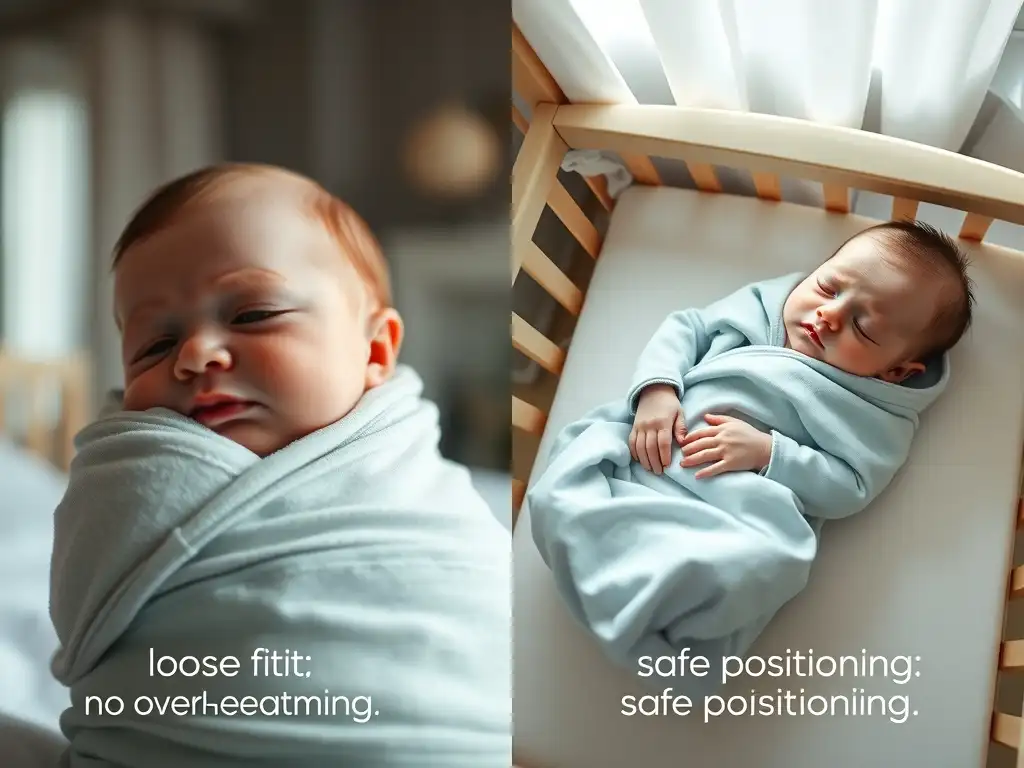
This section focuses on common errors parents make when using sleep sacks for their newborns and infants, emphasizing how to avoid these mistakes to ensure safe and restful sleep. Understanding these pitfalls is crucial for promoting healthy sleep habits and mitigating potential risks associated with sleep sack usage. Avoiding these sleep sack mistakes for newborns and older infants is key to safe sleep.
Overdressing Your Baby While Using a Sleep Sack: Signs of Overheating and How to Adjust
Overdressing a baby while using a sleep sack is a common mistake that can lead to overheating and increased risk of Sudden Infant Death Syndrome (SIDS). A sleep sack provides an extra layer of warmth, so it's essential to dress your baby appropriately underneath. Think of the sleep sack as an extra layer of clothing.
Overheating signs in babies include:
- Sweaty forehead or neck: Feel your baby's skin; if it's damp or clammy, they're likely too warm.
- Flushed cheeks: Red, flushed cheeks can be a sign of overheating.
- Rapid breathing: Faster than usual breathing rate could indicate discomfort from excessive warmth.
- Restlessness or irritability: A baby who's too warm might be fussy and restless, unable to settle comfortably.
To avoid overheating, dress your baby in lightweight clothing such as a onesie or a short-sleeved shirt and pants under the sleep sack. The appropriate clothing will depend on the room temperature and the tog rating of the sleep sack. Always check your baby's skin frequently to ensure they are comfortable. Remember, it's better to slightly underdress than overdress. The ideal room temperature for a baby's sleep is between 68-72°F (20-22°C).
Consider using a lower tog-rated sleep sack during warmer months or if your home tends to be warmer. A lower tog rating indicates less warmth. Always follow the manufacturer's instructions regarding appropriate clothing and room temperature.
Choosing a Sleep Sack with Unsafe Features: Recognizing Potential Hazards and Selecting Safe Products
Selecting a sleep sack that meets safety standards is paramount. Unfortunately, some sleep sacks on the market may contain unsafe features that can pose risks to your baby. Knowing what to look for will help you choose a safe and appropriate sleep sack.
Here's what to avoid:
- Loose or dangling strings or ribbons: These pose a strangulation hazard. Ensure the sleep sack is free of any loose or dangling parts.
- Small parts or embellishments: Buttons, beads, or other small items could become detached and pose a choking hazard. Choose sleep sacks with minimal or securely attached embellishments.
- Zippers or fasteners that are easily accessible: Ensure zippers are securely fastened and difficult for your baby to reach and open.
- Sleep sacks that are too large or too small: An oversized sleep sack can be dangerous, as your baby could slip down and become entangled. A sleep sack that is too small can restrict movement and cause discomfort. Always check the size chart carefully before purchasing.
- Sleep sacks made from flammable materials: Choose sleep sacks made from flame-retardant materials to reduce the risk of fire.
Prioritize sleep sacks made from soft, breathable fabrics like cotton or organic cotton. Check for certifications that indicate the product meets safety standards. Always check the product label for washing instructions and care guidelines. Regularly inspect the sleep sack for any signs of wear and tear and replace it if necessary.
Incorrect Sleep Sack Usage for Different Ages: Adapting Sleep Sack Usage for Newborns Versus Older Infants
Sleep sack usage needs to adapt as your baby grows. What's appropriate for a newborn might not be suitable for a six-month-old.
- Newborns (0-3 months): For newborns, prioritize swaddles or sleep sacks specifically designed for newborns. These often have tighter swaddling capabilities to mimic the feeling of being held. Always ensure your baby's hips and legs have sufficient room to move freely. Avoid using loose blankets or pillows.
- Infants (3-6 months): As your baby becomes more mobile, transition to a larger sleep sack that still provides warmth but allows for greater freedom of movement. They might start to roll over, and a loose swaddle could be a suffocation risk.
- Older Infants (6+ months): As your baby grows, they may transition out of sleep sacks entirely. However, many babies continue to enjoy the comfort and security of a sleep sack well beyond 6 months of age. Continue to monitor your child's development and adjust accordingly.
Remember, the key is to choose a sleep sack that is the right size and provides appropriate warmth for your baby's age and the environmental temperature. Regularly assess your baby's comfort level and adjust the sleep sack and clothing as needed. Always prioritize safe sleep practices.
Using a sleep sack with loose or dangling items poses a significant suffocation risk for newborns and infants. Ribbons, loose buttons, drawstrings, or any other attachments can become entangled around the baby's neck or face, restricting breathing and potentially leading to tragedy. This is especially dangerous during sleep, when the baby is less able to react and remove the obstruction. Always meticulously check the sleep sack before each use. Examine every seam, ensuring there are no loose threads that could unravel and create a strangulation hazard.
Buttons should be securely sewn, and drawstrings should be completely absent. If you discover any loose items, immediately repair them or discard the sleep sack. The safety of your baby is paramount; never compromise on this aspect. Remember, a seemingly insignificant detail like a loose button can have devastating consequences. Prioritize sleep sacks made from one solid piece of fabric, minimizing potential hazards.
This simple precaution can significantly reduce the risk of accidents. Avoid sleep sacks with decorative elements that could pose a danger, such as oversized bows or embellishments. Opt for plain, simple designs that prioritize safety above aesthetics. Choosing a sleep sack with a well-constructed, smooth surface is crucial in preventing entanglement.
Choosing a sleep sack designed for your baby's age and size is another critical aspect of safe sleep. A sleep sack that is too large can create extra fabric that could cover the baby's face, while one that is too small can restrict movement and be uncomfortable. Always consult the size chart provided by the manufacturer and select the appropriate size for your baby's weight and height. Regularly assess the fit of your baby's sleep sack as they grow, replacing it with a larger size as needed.
This ensures that the sleep sack remains a safe and comfortable sleep aid without posing any risks. Remember, a properly fitting sleep sack is a vital component in creating a safe sleep environment for your newborn. The right size minimizes the risk of loose fabric covering the face and ensures the baby can move comfortably without getting tangled.
Selecting the Right Sleep Sack for Your Baby's Needs
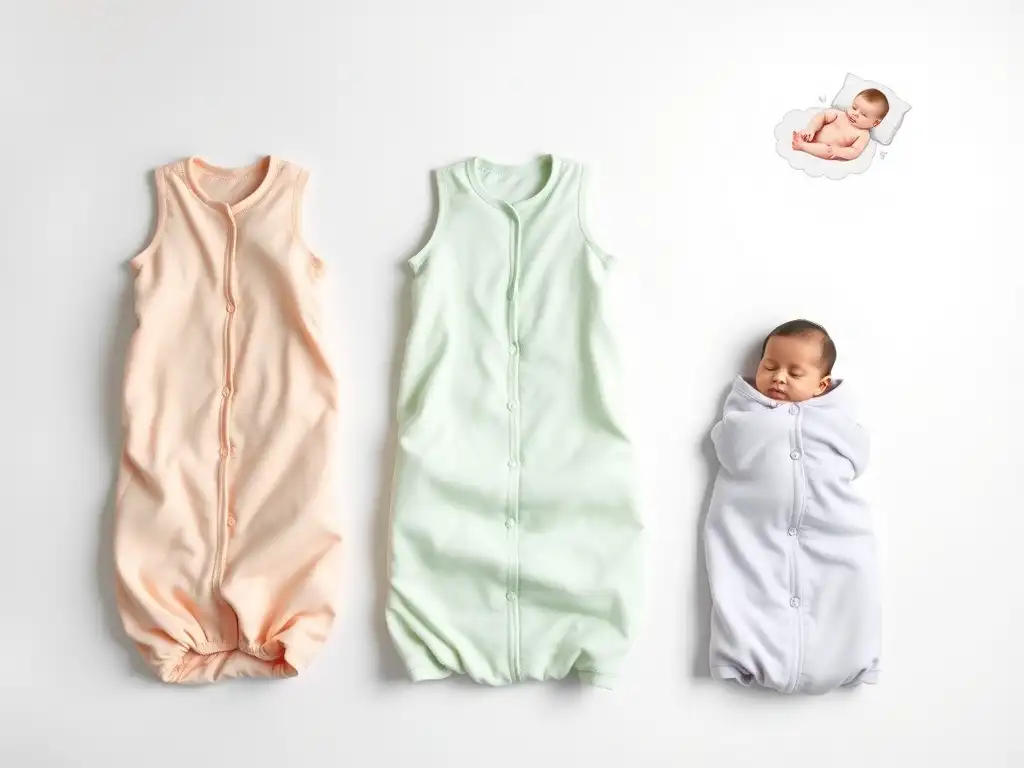
Choosing the right sleep sack is crucial for ensuring your baby sleeps safely and comfortably. Avoid sleep sack mistakes newborns often experience by carefully considering several key factors before purchasing. Failing to do so can lead to overheating, discomfort, and even safety hazards. Let's delve into the specifics. This section focuses on helping you avoid common mistakes in selecting the appropriate sleep sack for your little one, promoting safe and sound sleep.
Understanding Fabric Choices for Baby Sleep Sacks: Choosing Breathable and Hypoallergenic Materials Like Cotton and Merino Wool
The fabric of the sleep sack significantly impacts your baby's comfort and safety. Prioritize breathable and hypoallergenic materials to minimize the risk of overheating and allergic reactions. Cotton remains a popular and excellent choice; it's soft, breathable, and easily washable. Merino wool offers another fantastic option, providing excellent temperature regulation and being naturally hypoallergenic. However, always check the care instructions, as some wool blends may require special washing.
Avoid synthetic fabrics that don't breathe well, as these can trap heat and lead to overheating, especially in warmer rooms or during warmer months. Look for sleep sacks explicitly labeled as breathable. Consider your baby's skin sensitivity; some babies are more prone to allergies or irritations, making hypoallergenic materials crucial. Always check the fabric composition label before purchasing to ensure it aligns with your baby's needs and your preference for natural, breathable materials. A soft, breathable sleep sack contributes significantly to a peaceful night's sleep for both baby and parent.
Considering the TOG Rating of Sleep Sacks for Temperature Regulation: Matching the TOG Rating to Room Temperature to Prevent Overheating or Chills
The TOG rating indicates the warmth of the sleep sack. Understanding this rating is vital for maintaining your baby's optimal sleep temperature. A higher TOG rating (e.g., 2.5 TOG) is suitable for colder rooms or colder months, while a lower TOG rating (e.g., 0.5 TOG) is better for warmer environments. Failing to match the TOG rating to the room temperature can lead to either overheating or chills, disrupting your baby's sleep and potentially causing discomfort.
To avoid mistakes, monitor your room temperature regularly using a thermometer. Consult a guide or chart that correlates room temperature with appropriate TOG ratings. For instance, a room temperature of 68-72°F (20-22°C) might call for a 1.0 TOG sleep sack. Remember that babies regulate their temperature differently than adults, so err on the side of caution and choose a slightly lighter TOG rating if unsure. Regularly checking your baby's skin temperature during sleep can also help you determine if the sleep sack is appropriate for the current conditions. This proactive approach minimizes the risk of overheating or underdressing.
Finding the Right Fit and Size for Your Baby's Sleep Sack: Ensuring a Snug But Not Restrictive Fit to Prevent Overheating and Movement Restrictions
A properly fitting sleep sack is essential for both safety and comfort. The sleep sack should be snug enough to prevent your baby from slipping down but not so tight that it restricts movement or breathing. A too-loose sleep sack poses a suffocation risk, while a too-tight one can be uncomfortable and interfere with your baby's natural sleep patterns.
Check the manufacturer's size guide carefully before purchasing to ensure you select the appropriate size for your baby's age and weight. Look for sleep sacks with adjustable features, such as snaps or zippers, that allow you to customize the fit as your baby grows. Always ensure the neck opening is not too wide, as this could allow your baby's head to slip through.
Regularly check the fit of the sleep sack as your baby grows to ensure it remains snug but not restrictive. Prioritizing the right fit is crucial for minimizing risks and maximizing comfort, contributing to better sleep for everyone.
Practical Tips to Make Sleep Sack Transitions Easier: From Swaddles to Sleep Sacks, From Smaller to Larger Sizes
Transitioning your baby from a swaddle to a sleep sack or from one size sleep sack to another can be a tricky process. Many parents find their little ones resist these changes, leading to disrupted sleep for everyone involved. However, with a thoughtful approach and a few key strategies, you can make these transitions smoother and less stressful.
One of the most important factors is timing. Don't attempt a transition during a period of significant change in your baby's life, such as introducing solids, starting daycare, or traveling. Ideally, choose a time when your baby is relatively settled and their sleep patterns are somewhat consistent. A gradual approach is key.
Instead of a sudden switch, introduce the sleep sack gradually. For example, you might start by placing the sleep sack over your baby's swaddle for a few nights, allowing them to become accustomed to the feel and weight. Then, try partially unswaddling one arm, and gradually increasing the amount of time they spend in the sleep sack.
Another valuable tip is to choose the right sleep sack. Ensure it's the appropriate size and weight for your baby's age and weight. A sleep sack that's too small will restrict movement and can be uncomfortable, while one that's too large can be a safety hazard. Consider the fabric; breathable materials like cotton are ideal for temperature regulation and comfort. Some sleep sacks offer different levels of swaddling, allowing you to gradually wean your baby off the fully swaddled feeling. This transitional style can be extremely beneficial during the changeover process.
When moving to a larger size, similar gradual introduction is recommended. Start by letting your baby wear the larger sleep sack for short periods during the day, allowing them to get used to the extra room. You can even let them crawl around in it for a while to get a feel for the new space. As they become comfortable, gradually increase the amount of time they wear it, eventually transitioning to nighttime use.
During this transition, maintain a consistent bedtime routine to provide a sense of security and predictability. This familiar routine can help ease their anxiety around the change. Remember, patience is vital – it may take several nights or even weeks for your baby to fully adjust to a new sleep sack size. Be prepared for some initial resistance and potential sleep regressions, but stay consistent with your approach, and the transition will eventually be successful.
Addressing Specific Concerns About Sleep Sack Usage
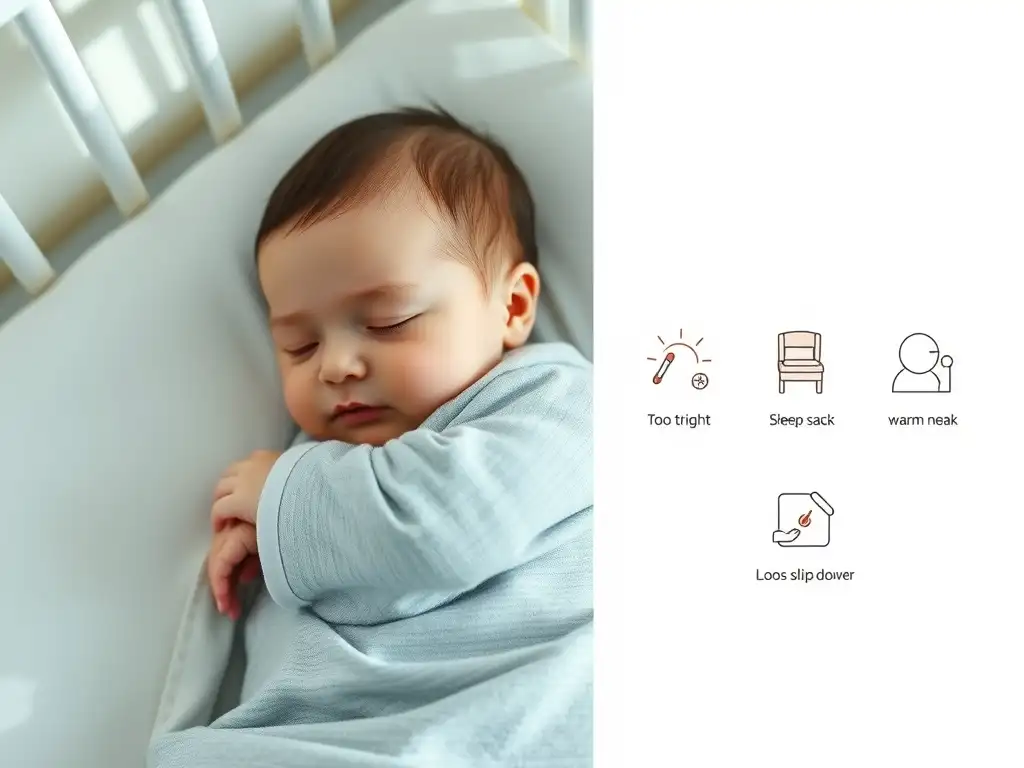
This section addresses common anxieties surrounding sleep sack usage, offering practical solutions and reassurance for parents aiming to avoid sleep sack mistakes newborns often experience. We'll delve into troubleshooting specific issues, helping you navigate the transition to safe sleep practices with confidence. Remember, a properly used sleep sack is a valuable tool for promoting safe and restful sleep for your baby. Addressing these concerns proactively can contribute significantly to a smoother sleep journey for both you and your little one.
My Baby Seems Uncomfortable in a Sleep Sack: Troubleshooting Common Issues and Potential Solutions
Many parents report initial discomfort from their newborns when first introduced to a sleep sack. This isn't necessarily a sign that sleep sacks are unsuitable; rather, it often points to minor adjustments needed. Let's explore common causes and effective solutions:
- Overheating: The most frequent complaint. Ensure the sleep sack's tog rating (a measure of warmth) is appropriate for the room temperature. A room temperature of around 68-72°F (20-22°C) is generally recommended. Check your baby's skin – if they feel sweaty, they're likely too warm. Choose a lighter weight sleep sack or dress your baby in lighter clothing underneath.
- Too Tight or Too Loose: An ill-fitting sleep sack can cause discomfort. The sleep sack should allow for a comfortable range of movement, but shouldn't be so loose that it poses a safety hazard. Check the size chart carefully and consider purchasing a size up if your baby is on the larger side for their age. Avoid sleep sacks that are too constricting around the neck or arms.
- Material Irritation: Certain fabrics might irritate your baby's sensitive skin. Opt for soft, breathable materials like 100% cotton. Always check the care labels and wash the sleep sack before first use to remove any potential irritants. Consider hypoallergenic options if your baby has known sensitivities.
- Startling Reflex: Newborns often have a strong startle reflex, which can be exacerbated by the feeling of being enclosed. If this is the case, try swaddling your baby in a muslin wrap before placing them in the sleep sack for a few weeks to ease the transition.
- Incorrect Positioning: Make sure your baby is lying flat on their back with their arms comfortably positioned inside the sleep sack. Avoid stuffing them tightly into the sack.
Remember, patience is key. It may take a few nights for your baby to adjust to a sleep sack. Consistent, gentle reassurance can help them feel secure and comfortable.
My Baby is Constantly Kicking Off Their Sleep Sack: Choosing the Right Style and Fit to Prevent This
If your baby is consistently kicking off their sleep sack, it’s crucial to address the fit and style. This isn't just about comfort; it's also a safety issue. A loose sleep sack can become a suffocation hazard.
Here's how to choose the right sleep sack to avoid this common problem:
- Sleeveless vs. Sleeved: Sleeveless sleep sacks are generally preferred for warmer months, as they allow for better temperature regulation. Sleeved sleep sacks provide added warmth in cooler weather. Consider your climate and your baby's temperature preferences.
- Zipper vs. Velcro: Both have advantages and disadvantages. Zippers offer a smooth closure, minimizing the risk of scratching your baby's skin. Velcro is quick and easy, but can become less effective over time. Choose the closure type that best suits your needs and preferences.
- Size Matters: A sleep sack that's too small will be restrictive and easily kicked off. A sleep sack that's too large poses a safety risk. Always refer to the manufacturer's size chart and consider buying a size up if your baby is close to the upper limit of the size range.
- Consider a Swaddle Transition Sack: These sacks offer a compromise between the security of a swaddle and the freedom of a sleep sack. They often feature adjustable wings or a snugger fit around the shoulders to prevent kicking. This can provide a gentler transition for babies accustomed to swaddling.
- Weight and Fabric: A heavier, more substantial fabric might be less likely to be kicked off than a lightweight one. However, remember to prioritize breathability and appropriate tog rating.
By carefully considering these factors, you can select a sleep sack that provides optimal comfort, security, and prevents your baby from repeatedly kicking it off.
Transitioning from a Swaddle to a Sleep Sack: A Step-by-Step Guide to a Smooth Transition for Your Little One
The transition from a swaddle to a sleep sack can be a significant step, and a smooth transition is vital for both parent and baby's sleep. Here's a step-by-step guide to minimize disruption:
- Timing is Everything: Start the transition when your baby shows signs of rolling over or pushing their arms out of the swaddle. Forcibly transitioning too early can lead to frustration.
- Gradual Introduction: Don't switch overnight. Start by using a swaddle with one arm out for a few nights, then both arms out. This helps your baby gradually adjust to the feeling of having more freedom of movement.
- Choose the Right Sleep Sack: Opt for a sleep sack with a slightly looser fit around the arms and shoulders to allow for movement. A swaddle transition sleep sack can be particularly helpful during this phase.
- Maintain Routine: Stick to your usual bedtime routine as much as possible. Consistency helps reassure your baby and makes the transition smoother.
- Be Patient: Some babies adjust more quickly than others. Expect some initial resistance and be prepared for a few restless nights. Celebrate small victories and remain patient throughout the process.
- Monitor for Signs of Distress: If your baby seems excessively upset or uncomfortable, consider reverting to the swaddle for a night or two before trying again.
- Consider White Noise or a Soother: These can help soothe your baby and mask any startling noises that might wake them during the transition.
Following these steps will help you navigate the transition from a swaddle to a sleep sack safely and effectively, paving the way for peaceful nights for both you and your little one. Remember, every baby is different, and flexibility is key.
My Baby Wakes Up Frequently Despite Using a Sleep Sack: Possible Reasons and Solutions, Focusing on Sleep Hygiene
Even with a sleep sack, frequent nighttime wakings are common, especially in newborns. It's crucial to understand that a sleep sack isn't a magic solution; it's a tool to enhance safe sleep practices. If your baby is still waking frequently, despite using a sleep sack, several factors could be at play. Let's explore some common reasons and practical solutions, with a strong emphasis on establishing healthy sleep hygiene.
One primary culprit is inconsistent sleep hygiene. A baby's sleep cycle is highly sensitive to routine and environmental cues. Inconsistent bedtimes, nap times, and pre-sleep routines can disrupt their natural sleep patterns, leading to frequent wakings. For example, if your baby sometimes naps for an hour and sometimes for three, their sleep cycle will be thrown off, making it harder to settle them for the night.
Establishing a predictable bedtime routine, including a warm bath, a calming story, and quiet time, is vital. This routine signals to your baby that it's time to sleep, helping to regulate their circadian rhythm. Consistency is key; aim for the same bedtime and wake-up time, even on weekends, as much as possible. This predictability helps establish a strong sleep association.
Another crucial aspect of sleep hygiene is the sleep environment. Is your baby's room dark enough? Is it too hot or too cold? Is there excessive noise? These environmental factors can significantly impact sleep quality. A dark, quiet, and comfortably cool room is ideal for sleep. Consider using blackout curtains to block out streetlights and dawn, a white noise machine to mask disruptive sounds, and a room thermometer to ensure the temperature is appropriate. Remember that babies, particularly newborns, are extremely sensitive to their surroundings. Optimizing their sleep environment is a critical step in addressing frequent nighttime wakings.
Beyond environmental factors, consider your baby's feeding schedule. Are they waking frequently because they're hungry? While newborns need frequent feedings, an overfed baby might wake up more often due to discomfort. Consult your pediatrician to ensure your baby is getting the right amount of food at appropriate intervals. Similarly, if your baby is waking up due to discomfort from gas or reflux, addressing these issues with your pediatrician’s guidance can drastically improve sleep. Tracking feeding times and noting any patterns in waking times can be beneficial in pinpointing potential causes.
Finally, remember that developmental leaps can also lead to disrupted sleep. As your baby grows and develops, they may experience periods of increased fussiness and disrupted sleep. These phases are temporary, but understanding that they are a normal part of development can help you manage your expectations and maintain a calm approach. Providing extra comfort and reassurance during these times can be beneficial. Focusing on consistent sleep hygiene practices, even during these periods, will help your baby adjust and return to more regular sleep patterns over time. Patience and consistency are paramount.
Recommended Sleep Sacks and Resources for Safe Baby Sleep
This section provides insights into choosing the right sleep sack for your newborn and highlights valuable resources to ensure safe sleep practices. Avoiding mistakes when using sleep sacks is crucial for your baby's safety and well-being. Remember, a properly fitted sleep sack contributes significantly to reducing the risk of Sudden Infant Death Syndrome (SIDS).
Top-Rated Sleep Sacks for Newborns
Selecting the right sleep sack can feel overwhelming, but focusing on key features simplifies the process. When choosing a sleep sack for your newborn, prioritize safety and comfort. Here's a breakdown of features to consider and examples of what to look for:
- Material: Look for breathable, natural fabrics like 100% cotton. Avoid synthetic materials that might trap heat and increase the risk of overheating. Some parents prefer organic cotton sleep sacks for added peace of mind. The fabric should be soft against your baby's delicate skin, preventing irritation.
- Size: Ensure the sleep sack fits snugly without being too tight. A sleep sack that's too large poses a suffocation risk; one that's too small restricts movement. Check the manufacturer's size chart carefully and consider your baby's weight and length. Always opt for a sleep sack with a snug fit around the neck and shoulders to minimize the risk of slippage.
- Features: Some sleep sacks offer additional features like zippers for easy diaper changes or toggles for adjusting the fit. These features can be beneficial, but they shouldn't compromise safety. Avoid sleep sacks with hoods or loose ties, which pose strangulation hazards. Look for sleep sacks with a flat, smooth surface to prevent entanglement.
| Feature | Description | Importance |
|---|---|---|
| Material | Breathable fabrics like 100% cotton or organic cotton | Prevents overheating and reduces SIDS risk. |
| Size | Snug fit without being too tight. Check manufacturer's size chart carefully. | Prevents overheating and restricts movement, thereby reducing SIDS risk. |
| Closures | Zippers or snaps that are easy to use but secure | Easy diaper changes and secure fit. Avoid drawstrings or loose ties. |
| Seams | Flat seams to prevent irritation to baby's skin | Prevents discomfort and potential skin issues. |
| TOG Rating | Indicates the warmth of the sleep sack. Choose appropriate TOG for room temperature. | Crucial for preventing overheating or chilling. [Specific TOG recommendations pending based on climate] |
Remember, the best sleep sack for your newborn is one that is safe, comfortable, and the appropriate size. Always prioritize safety above all else. Regularly check the fit of the sleep sack as your baby grows.
Additional Resources for Safe Sleep Practices
Beyond choosing the right sleep sack, there are several other crucial aspects of creating a safe sleep environment for your newborn. These practices, in conjunction with a properly used sleep sack, significantly reduce the risk of SIDS and promote restful sleep:
- Firm, flat sleeping surface: Always place your baby on their back to sleep on a firm, flat surface, such as a crib or bassinet. Avoid soft surfaces like sofas or armchairs.
- Room temperature: Maintain a comfortable room temperature. Overheating is a significant risk factor for SIDS. [Specific temperature recommendations pending based on climate and baby's age].
- No loose bedding: Keep your baby's sleeping area free of loose bedding, such as pillows, blankets, bumpers, or toys. These items pose suffocation risks. The sleep sack should be the only covering.
- Pacifier use: Offering a pacifier at bedtime and naptime can reduce the risk of SIDS. [Additional information on safe pacifier use pending].
- Breastfeeding: Breastfeeding is associated with a reduced risk of SIDS. [Additional information on breastfeeding benefits pending].
- Supervised sleep: Never leave your baby unattended while sleeping, especially during the first few months. Always supervise sleep.
By following these guidelines and choosing a safe and appropriate sleep sack, you can create a sleep environment that promotes your baby's health and well-being, and significantly reduce the risk of sleep-related incidents. Remember to consult your pediatrician for personalized advice and address any concerns you may have. 😴
Frequently Asked Questions
What are the most common mistakes new parents make when using sleep sacks?
Many parents use sleep sacks that are too loose or too tight, leading to overheating or suffocation risks. Others choose sacks with unsafe materials or don't consider the appropriate tog rating for the room temperature.
How do I choose the right size sleep sack for my newborn?
Ensure the sleep sack fits snugly but not tightly, allowing for some movement but preventing the baby from slipping down. Check the manufacturer's size guide and consider your baby's length and weight. Always prioritize safety over comfort.
What materials are safest for newborn sleep sacks?
Look for sleep sacks made from 100% cotton or other breathable, natural fabrics. Avoid materials that are synthetic, fluffy, or excessively warm. Prioritize lightweight and breathable options.
What is the appropriate tog rating for a sleep sack, and how does it relate to room temperature?
The tog rating indicates the warmth of the sleep sack. Choose a lower tog rating (e.g., 0.5 or 1.0 tog) for warmer rooms and a higher tog rating (e.g., 2.5 tog) for cooler rooms. Always check the room temperature before settling your baby.
My baby seems uncomfortable in their sleep sack. What should I do?
First, check that the sleep sack is the correct size and tog rating. If your baby is still restless, try adjusting the room temperature or checking for any other discomfort factors. If concerns persist, consult your pediatrician.
Final Reflection: Sweet Dreams, Safe Slumbers: Avoiding Sleep Sack Pitfalls
The safe sleep of newborns remains a critical concern for parents worldwide, and understanding the nuances of sleep sacks is paramount to ensuring a peaceful and secure night's rest. A seemingly simple piece of baby gear, the sleep sack, can become a source of danger if not used correctly, highlighting the importance of informed decision-making from the very beginning.
The impact of safe sleep practices extends far beyond the individual family; it contributes to a healthier, more secure society by reducing the risk of Sudden Infant Death Syndrome (SIDS). The subtle details—choosing the right tog rating, ensuring proper fit, and understanding the limitations of sleep sacks—all contribute to a larger conversation about responsible parenting and the well-being of our most vulnerable citizens. Sleep is the golden chain that binds health and our bodies together.
- Thomas Dekker. This quote, though not directly about sleep sacks, speaks to the fundamental importance of prioritizing healthy sleep habits for infants and the ripple effect this has on their overall development.
Now, consider your own practices. Have you learned something new about sleep sack safety? Take a moment to review the information presented, and perhaps even revisit your baby's sleep setup. Empower yourself with knowledge, and create a sleep environment that prioritizes both comfort and safety for your little one. The peace of mind that comes from knowing you've taken every precaution is invaluable. Let's work together to ensure every baby sleeps soundly and safely.
Unlock Your Baby's Sweetest Sleep: Mastering Safe Sleep Sack Use
Thank you for learning about safe sleep sack practices! We hope this article has given you the knowledge to create a more comfortable and secure sleep environment for your baby. Ready to put this new knowledge into action?
- Prioritize Safe Sleep: Begin by carefully reading the manufacturer's instructions for your chosen sleep sack and ensuring it fits your baby properly to minimize any risks. This is crucial for safe and comfortable sleep.
- Share Your Experience: What's been your biggest success or challenge when using a sleep sack? Share your tips and experiences in the comments below! Let's create a supportive community for parents.
- Explore Further: To deepen your understanding of safe sleep practices, explore additional resources from reputable organizations like the American Academy of Pediatrics.
What small adjustment to your baby's sleep sack routine will you make tonight to promote better sleep for both you and your baby?