
Overcoming Postpartum Depression: A Journey to Healing and Wellness

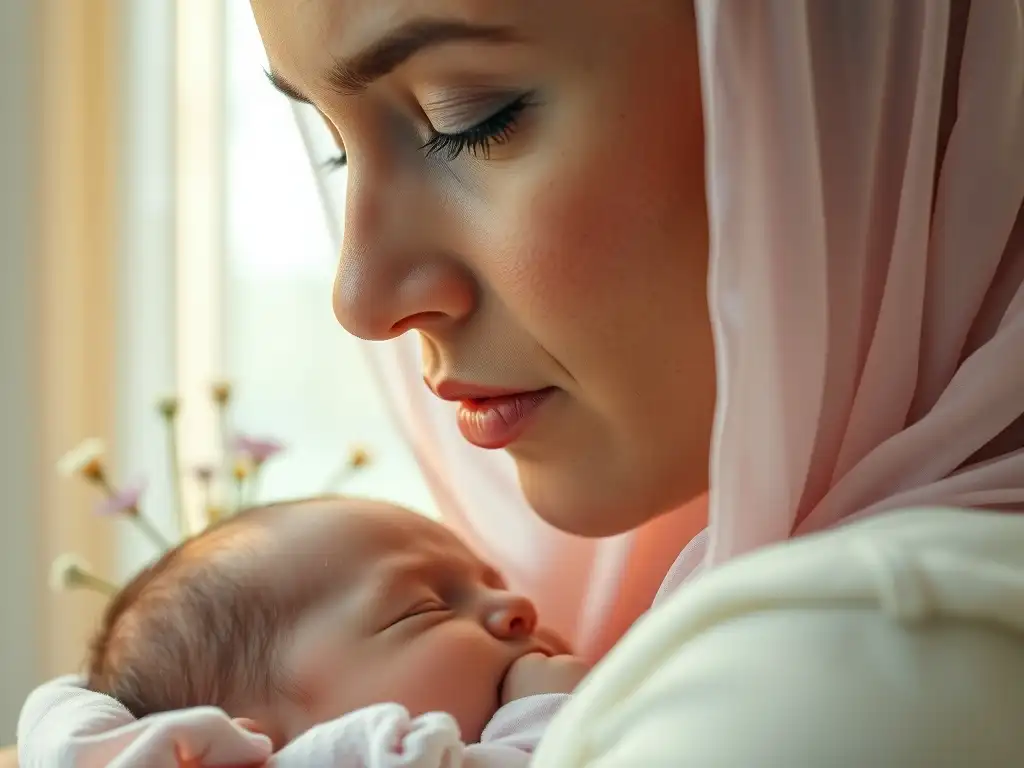
Welcome to BabyCareHub, your trusted companion on this incredible journey of parenthood! Navigating the early months can be overwhelming, but we're here to guide you every step of the way. While the joys of new parenthood are undeniable, understanding and addressing challenges like postpartum depression is crucial for both your well-being and your baby's. Discover a path towards healing and wellness; embark on your Postpartum Depression healing journey with us, and learn how to nurture yourself and your little one. Let's explore the resources and support you need to thrive.
- Understanding Postpartum Depression: Recognizing the Signs
- Navigating the Postpartum Depression Healing Journey: First Steps
-
Effective Strategies for Postpartum Depression Treatment
- Therapy Options for Postpartum Depression: Cognitive Behavioral Therapy (CBT) and More
- Medication for Postpartum Depression: Understanding Treatment Options
- Lifestyle Changes to Support Postpartum Mental Wellness: Diet, Exercise, and Sleep
- Mindfulness and Meditation Techniques for Managing PPD Symptoms
- Long-Term Strategies for Maintaining Wellness After Postpartum Depression
- Resources and Further Support for Postpartum Depression
-
Frequently Asked Questions
- What is postpartum depression (PPD)?
- How long does the healing journey from postpartum depression typically take?
- What are some effective treatments for postpartum depression?
- Where can I find support during my postpartum depression healing journey?
- Is it possible to fully recover from postpartum depression?
- Final Reflection: Embracing the Light After the Storm
- Rediscover Your Joy: Take the Next Step Towards Wellbeing
Understanding Postpartum Depression: Recognizing the Signs
The transition to parenthood is a joyous yet challenging journey. While the overwhelming love for a newborn is undeniable, the postpartum period can also present significant emotional and physical hurdles for new mothers (and sometimes fathers). This article focuses on postpartum depression (PPD), a serious condition affecting a considerable number of parents after childbirth. Understanding PPD, recognizing its symptoms, and knowing how to seek help are crucial steps in navigating this difficult period and embarking on a healing journey toward wellness.
This guide provides a comprehensive overview of postpartum depression, its identification, and the various factors that contribute to its development, ultimately empowering you to take proactive steps towards recovery and a healthier, happier future for both yourself and your baby. The information presented here is intended for educational purposes and should not replace professional medical advice. Always consult with a healthcare professional for diagnosis and treatment.
Identifying Symptoms of Postpartum Depression (PPD)
Postpartum depression isn't simply "feeling down" after childbirth; it's a clinically significant mood disorder characterized by persistent sadness, hopelessness, and overwhelming feelings of inadequacy. Symptoms can vary in intensity and presentation, but some common signs include:
- Persistent sadness or low mood lasting for more than two weeks.
- Loss of interest or pleasure in activities once enjoyed. This might include previously cherished hobbies, social interactions, or even caring for the baby.
- Significant changes in appetite or sleep patterns – either excessive sleeping or insomnia.
- Fatigue and lack of energy, making even simple tasks feel overwhelming.
- Feelings of worthlessness, guilt, or excessive self-criticism. New mothers often experience intense self-doubt regarding their parenting abilities.
- Difficulty concentrating or making decisions. The "baby brain" often experienced after childbirth can be exacerbated by PPD.
- Irritability, anxiety, or panic attacks. These can manifest as extreme emotional reactivity or constant worry.
- Thoughts of self-harm or harming the baby. This is a serious symptom requiring immediate professional attention. If you experience such thoughts, please seek help immediately.
It's crucial to remember that experiencing some of these symptoms doesn't automatically mean you have PPD. However, the persistence and intensity of these symptoms are key indicators. The severity and duration of symptoms can vary greatly from person to person.
Differentiating PPD from Baby Blues
Many new mothers experience "baby blues," a milder form of postpartum mood disturbance characterized by mood swings, tearfulness, and anxiety. Baby blues typically begin within two to three days after delivery and usually resolve within two weeks. Unlike PPD, baby blues are generally less severe and don't significantly interfere with daily functioning.
The key difference lies in the duration and intensity of the symptoms. Baby blues are temporary and relatively mild, while PPD is a more persistent and debilitating condition requiring professional intervention. The following table summarizes the key distinctions:
| Feature | Baby Blues | Postpartum Depression (PPD) |
|---|---|---|
| Onset | 2-3 days postpartum | Within the first few weeks postpartum, or later |
| Duration | Less than two weeks | More than two weeks |
| Severity | Mild mood swings, tearfulness, anxiety | Persistent sadness, hopelessness, severe anxiety |
| Impact on life | Minimal impact on daily functioning | Significant interference with daily functioning |
| Treatment | Usually resolves on its own; support helpful | Requires professional help, often medication & therapy |
Recognizing Risk Factors for Postpartum Depression
Several factors can increase a person's risk of developing postpartum depression. These risk factors are not guarantees of developing PPD, but understanding them can help individuals be more vigilant and proactive about their mental health. Some common risk factors include:
- Previous history of depression or anxiety: A personal history of mental health conditions significantly increases the risk.
- Family history of depression: A genetic predisposition can play a role.
- Stressful life events: Financial difficulties, relationship problems, or lack of social support can exacerbate vulnerability.
- Complications during pregnancy or childbirth: Trauma during labor and delivery or significant health challenges for the mother or baby can contribute to PPD.
- Lack of social support: Feeling isolated and unsupported can intensify feelings of loneliness and inadequacy.
- Unrealistic expectations of motherhood: Societal pressures and idealized portrayals of motherhood can lead to feelings of failure and inadequacy.
- Hormonal changes: The dramatic fluctuations in hormones after childbirth can trigger or worsen mood disorders.
The journey to healing from postpartum depression is unique to each individual. However, recognizing the signs, understanding the risk factors, and seeking professional help are essential first steps towards recovery and a brighter future. Remember, you are not alone, and help is available.
When to Seek Professional Help for Postpartum Mood Disorders
Postpartum depression (PPD) is a serious condition that can significantly impact a mother's well-being and her ability to care for her newborn. While experiencing some sadness or anxiety after childbirth is common, PPD goes beyond the "baby blues." It's crucial to understand when those feelings warrant professional intervention. Ignoring the warning signs can prolong suffering and potentially hinder the mother-child bond. Early intervention is key to a successful recovery journey.
Several factors indicate the need for immediate professional help. Persistent feelings of overwhelming sadness, hopelessness, or worthlessness that last for more than two weeks are significant red flags. These feelings shouldn't be dismissed as simply "part of motherhood." Similarly, experiencing significant anxiety, panic attacks, or intrusive thoughts that interfere with daily life requires immediate attention. These symptoms can manifest in various ways, such as difficulty sleeping, changes in appetite, loss of interest in activities once enjoyed, and even thoughts of self-harm or harming the baby. These are not normal aspects of postpartum recovery and require immediate professional guidance.
Beyond the emotional aspects, physical symptoms can also signal the need for professional help. Changes in sleep patterns, significant weight loss or gain, persistent fatigue, and unexplained physical pain should be evaluated by a healthcare professional. These physical manifestations often accompany the emotional distress of PPD and require a holistic approach to treatment. It's important to remember that postpartum mood disorders can present differently in each individual, so it's vital to trust your instincts and seek help if something feels wrong.
Furthermore, if you notice a decline in your ability to care for yourself or your baby, it's crucial to seek professional support. This includes difficulty bonding with your baby, neglecting your personal hygiene, or experiencing challenges in performing basic daily tasks. These are clear indicators that you are struggling to cope and that professional intervention is necessary to help you regain your ability to care for yourself and your child. Remember, seeking help is a sign of strength, not weakness.
It shows that you are prioritizing your well-being and the well-being of your baby. Reaching out to a healthcare professional, therapist, or support group can provide the necessary support and guidance to navigate this challenging period. Don't hesitate; your health and your baby's well-being depend on it. Early intervention significantly improves the chances of a full recovery and a positive postpartum experience.

The postpartum period is a time of immense physical and emotional change. For many new parents, this transition is joyous and fulfilling. However, for others, it can be fraught with challenges, including postpartum depression (PPD). Embarking on the postpartum depression healing journey requires courage, self-compassion, and a proactive approach.
Understanding the initial steps is crucial for navigating this complex experience successfully. This section focuses on the critical first steps in your healing journey, emphasizing the importance of early intervention and building a strong support network. Remember, seeking help is a sign of strength, not weakness. Your well-being is paramount, and recovery is possible with the right support and strategies.
Seeking Support: Talking to Your Doctor and Loved Ones
The first and most important step in your postpartum depression healing journey is to reach out for professional help. Don't hesitate to schedule an appointment with your obstetrician, gynecologist, or primary care physician. They can assess your symptoms, rule out any underlying medical conditions, and recommend appropriate treatment options. Honest and open communication is key. Describe your feelings in detail, including any persistent sadness, anxiety, irritability, or changes in sleep or appetite. Your doctor can provide accurate diagnoses and suggest evidence-based treatment plans, possibly including therapy, medication, or a combination of both.
Equally crucial is talking to your loved ones – your partner, family members, or close friends. Sharing your struggles can alleviate feelings of isolation and shame. Choose individuals you trust and who offer unconditional support. Explain how they can best help you, whether it's through practical assistance with childcare, household chores, or simply lending a listening ear.
Remember, it's okay to ask for help; it's a crucial part of the healing process. Open communication fosters understanding and creates a supportive environment conducive to recovery. Many find that explaining the symptoms of postpartum depression helps loved ones understand and offer better support. For example, explaining that the "baby blues" are different from PPD can help them differentiate between normal postpartum emotions and a clinical condition.
Building a Strong Support System: Family, Friends, and Support Groups
A robust support system is invaluable in overcoming postpartum depression. While talking to your doctor and loved ones is a vital first step, actively cultivating a wider support network is essential for sustained recovery. This may involve:
- Leaning on family and friends: Delegate tasks, accept offers of help, and schedule regular social interactions (even if you don't feel like it initially). The simple act of connecting with others can significantly improve your mood.
- Joining a support group: Connecting with other mothers experiencing similar challenges can create a sense of community and shared understanding. Support groups offer a safe space to share experiences, learn coping mechanisms, and gain valuable insights from others on their healing journey. The shared experience can be incredibly validating and empowering.
- Seeking professional therapy: A therapist specializing in postpartum depression can provide personalized support, coping strategies, and guidance throughout your recovery. Cognitive Behavioral Therapy (CBT) and other therapeutic approaches can be highly effective in managing PPD symptoms.
- Utilizing online resources: Many online communities and forums provide a platform for connection and support. However, remember to prioritize verified and reputable sources of information.
This multi-faceted approach helps build resilience and provides ongoing emotional support throughout your postpartum depression healing journey. Remember, building this support network is an ongoing process, not a one-time event. Actively nurturing these connections is vital for long-term well-being.
Importance of Self-Care During Postpartum Recovery
Self-care is not a luxury but a necessity during postpartum recovery, especially when dealing with postpartum depression. It's about prioritizing your physical and mental health, even amidst the demands of caring for a newborn. Self-care practices can significantly impact your healing journey and should be incorporated into your daily routine, however challenging it may seem.
Prioritizing self-care might look different for everyone, but some examples include:
- Adequate sleep: While this may seem impossible with a newborn, aiming for even short periods of rest can make a significant difference. Enlist help from your partner or family to allow for brief naps or periods of quiet time.
- Nourishing diet: Focus on consuming healthy, balanced meals, even if you only manage small portions throughout the day. Proper nutrition fuels your body and mind, contributing to overall well-being.
- Gentle exercise: Light physical activity, such as short walks or gentle stretches, can boost your mood and energy levels. Start slowly and gradually increase the intensity as you feel more comfortable. Consult your doctor before starting any new exercise routine.
- Mindfulness and relaxation techniques: Practices such as meditation, deep breathing exercises, or yoga can help manage stress and anxiety. Even a few minutes of mindful breathing can make a difference.
- Engaging in enjoyable activities: Make time for activities that bring you joy and relaxation, even if it's just for a few minutes each day. This could include reading, listening to music, or engaging in a hobby.
Remember, self-care is not selfish; it’s essential for your recovery and your ability to care for your baby. By prioritizing self-care, you are investing in your overall well-being and fostering a healthier and more fulfilling postpartum experience. Integrating these practices into your daily routine, even in small ways, can significantly contribute to your postpartum depression healing journey.
Prioritizing Mental and Physical Health After Childbirth
The postpartum period presents a unique set of challenges, demanding a significant shift in priorities for new parents. Successfully navigating the postpartum depression healing journey begins with recognizing the interconnectedness of mental and physical well-being. Ignoring physical health needs can exacerbate mental health struggles, and vice versa. Therefore, a holistic approach is crucial.
This means prioritizing adequate rest, even if it feels impossible at times. Newborns demand constant attention, but short periods of rest throughout the day, even 15-20 minutes at a time, can make a remarkable difference in managing fatigue, a common trigger for postpartum mood swings and depression. This might involve asking for help from family or friends, utilizing a baby carrier to allow for movement while the baby rests, or simply finding quiet moments for deep breathing exercises.
Nutrition also plays a vital role. The body is recovering from childbirth, and adequate nutrient intake supports both physical and mental healing. Focusing on a balanced diet rich in fruits, vegetables, lean protein, and whole grains is essential. Avoid relying heavily on processed foods or sugary snacks, which can lead to energy crashes and exacerbate mood fluctuations. Staying hydrated is equally important, as dehydration can worsen fatigue and mood swings. If dietary changes are proving difficult, consulting a registered dietitian or nutritionist specializing in postpartum nutrition can provide personalized guidance and support.
Finally, gentle physical activity, as advised by your physician, can significantly boost mood and energy levels. It's not about intense workouts; rather, short walks, gentle yoga, or even stretching exercises can help release endorphins and improve overall well-being. Remember to listen to your body and avoid pushing yourself too hard, especially during the initial weeks after childbirth. Prioritizing rest, nourishment, and gentle movement provides a strong foundation for navigating the emotional challenges of postpartum depression and sets the stage for a successful healing journey. Remember, seeking support from healthcare professionals is crucial during this phase.
Effective Strategies for Postpartum Depression Treatment

Postpartum depression (PPD) is a serious condition affecting many new mothers, impacting their well-being and their ability to bond with their newborns. Successfully navigating this challenging period requires a multifaceted approach, combining professional help with lifestyle adjustments. This section outlines several effective strategies to aid in the postpartum depression healing journey. Understanding the various treatment options available is crucial for finding the best path towards recovery. Remember, seeking help is a sign of strength, not weakness. The goal is to regain a sense of self and enjoy the precious moments of motherhood without the overwhelming burden of PPD.
Therapy Options for Postpartum Depression: Cognitive Behavioral Therapy (CBT) and More
Cognitive Behavioral Therapy (CBT) is frequently recommended for PPD. CBT helps identify and challenge negative thought patterns and behaviors contributing to depression. Through structured sessions, mothers learn coping mechanisms and strategies to manage depressive symptoms. A therapist guides the process, providing support and tools for navigating difficult emotions and situations.
The effectiveness of CBT in treating PPD has been demonstrated in numerous studies, showcasing its ability to improve mood, reduce anxiety, and enhance overall well-being. Beyond CBT, other therapeutic approaches such as interpersonal therapy, which focuses on improving relationships, and psychodynamic therapy, which explores unconscious patterns, can also be beneficial for some individuals experiencing PPD. The choice of therapy often depends on individual needs and preferences, in consultation with a healthcare professional. Finding the right therapist is key; a good therapeutic relationship builds trust and facilitates open communication, essential for effective treatment.
The journey to healing isn't always linear. Some women may require several sessions to see significant improvements, while others may respond more quickly. It's important to maintain open communication with your therapist, voicing any concerns or challenges encountered along the way. Regular check-ins and honest dialogue ensure the therapy remains tailored to your evolving needs during your postpartum depression healing journey.
Medication for Postpartum Depression: Understanding Treatment Options
Medication can be a valuable component of a comprehensive PPD treatment plan. Antidepressants, specifically selective serotonin reuptake inhibitors (SSRIs), are commonly prescribed. SSRIs help regulate serotonin levels in the brain, improving mood and reducing depressive symptoms. The choice of medication and dosage depends on individual factors, including medical history and other medications taken.
It's crucial to discuss potential side effects with your doctor and carefully monitor your response to the medication. Remember that medication is often most effective when used in conjunction with therapy. The combination provides a holistic approach, addressing both the psychological and biological aspects of PPD. The timeline for experiencing the full benefits of medication varies, and patience is essential.
Some women may see improvements within a few weeks, while others may require several months to achieve optimal results. Regular monitoring by a healthcare professional is vital to adjust dosages or explore alternative options if needed. It’s important to emphasize that medication is not a standalone solution but rather a tool to aid in the overall healing process. It should be viewed as part of a broader strategy towards managing PPD, not a cure-all solution.
Lifestyle Changes to Support Postpartum Mental Wellness: Diet, Exercise, and Sleep
Lifestyle modifications play a significant role in supporting mental wellness during the postpartum period. A healthy diet rich in fruits, vegetables, and whole grains provides essential nutrients for both physical and mental well-being. Regular physical activity, even short walks, releases endorphins, improving mood and reducing stress. Prioritizing adequate sleep, although challenging with a newborn, is crucial for recovery.
Even small improvements in sleep can have a noticeable impact on mood and energy levels. Creating a supportive network of family and friends can provide crucial emotional support. Open communication with your partner, family, or friends about your struggles can alleviate feelings of isolation and foster a sense of shared responsibility.
Engaging in activities that bring joy and relaxation, such as reading, listening to music, or spending time in nature, can provide much-needed respite and promote a sense of calm. While these lifestyle changes won't cure PPD on their own, they significantly contribute to overall well-being and create a supportive environment for the healing process. Remember that self-care is not selfish; it's essential for both your physical and mental health, and it’s a critical part of your postpartum depression healing journey.
Mindfulness and Meditation Techniques for Managing PPD Symptoms
Mindfulness and meditation are powerful tools in the postpartum depression (PPD) healing journey, offering a path towards self-compassion and emotional regulation. These practices aren't about escaping difficult emotions, but rather about learning to observe them without judgment. By cultivating present moment awareness, new mothers can begin to interrupt the cycle of negative thought patterns often associated with PPD.
One effective technique is mindful breathing. This simple practice involves focusing on the sensation of your breath entering and leaving your body. Even five minutes of mindful breathing can significantly reduce stress and anxiety levels. Start by finding a quiet space, sitting comfortably, and gently focusing your attention on your breath. When your mind wanders (and it will! ), gently guide your attention back to your breath. This act of redirection is a crucial part of the practice. Consistency is key; aim for daily practice, even if it's just for a few minutes.
Guided meditations specifically designed for postpartum women are readily available online or through apps. These guided meditations often incorporate visualizations, affirmations, and body scans to help you connect with your body and emotions. Look for meditations that address common PPD symptoms like anxiety, fatigue, and feelings of inadequacy. The soothing voice and structured nature of guided meditations can be particularly helpful during periods of intense emotional distress.
Beyond formal meditation sessions, incorporating mindfulness into daily life can also be beneficial. This might involve paying close attention to the sensations of holding your baby, savoring the taste of your food, or noticing the colors and textures around you. These small moments of presence can help ground you in the present and reduce feelings of overwhelm. Even seemingly insignificant activities, like washing dishes or taking a shower, can become opportunities for mindful engagement. Try to approach these tasks without rushing, paying attention to the details and sensations involved.
Remember, the journey to healing is not linear. There will be days when practicing mindfulness feels challenging. Be patient and kind to yourself. The consistent practice of mindfulness and meditation, however, offers a powerful avenue towards managing PPD symptoms and fostering a greater sense of self-awareness and emotional well-being. Consider exploring different techniques to find what resonates best with you; the goal is to find a practice that supports your unique needs and helps you on your postpartum depression healing journey.
Long-Term Strategies for Maintaining Wellness After Postpartum Depression

Postpartum depression (PPD) recovery isn't a destination; it's a journey. Successfully navigating the initial phases of healing is crucial, but maintaining long-term wellness requires proactive strategies. This section focuses on building a sustainable foundation for your mental and emotional well-being long after the acute symptoms of PPD have subsided. The goal is to equip you with tools to prevent relapse and cultivate a life filled with joy and resilience.
Developing Healthy Coping Mechanisms for Stress and Anxiety
The postpartum period is inherently stressful. Sleep deprivation, hormonal fluctuations, and the immense responsibility of caring for a newborn can trigger anxiety and overwhelm even the most prepared parent. Developing healthy coping mechanisms is paramount to prevent these stressors from escalating into a recurrence of PPD symptoms.
This involves identifying your personal triggers and developing personalized strategies. For example, if you find that social media comparisons exacerbate feelings of inadequacy, consider limiting your time online. If physical activity helps alleviate stress, prioritize regular exercise, even if it's just a short walk each day. Mindfulness techniques, such as deep breathing exercises or meditation, can also be incredibly effective in managing anxiety.
Consider journaling as a way to process emotions. Writing down your thoughts and feelings can provide a valuable outlet for stress and help you identify patterns in your emotional responses. Remember, there's no one-size-fits-all solution. Experiment with different techniques to discover what works best for you. A crucial aspect is self-compassion; acknowledge that it's okay to not be okay, and that seeking support is a sign of strength, not weakness. Prioritize self-care—it's not selfish; it's essential for your well-being and the well-being of your family.
Maintaining a Supportive Network and Seeking Ongoing Support
A strong support system is crucial for long-term recovery from postpartum depression. This network might include your partner, family members, friends, or a support group specifically designed for new mothers. Open communication is key; don't hesitate to share your feelings and concerns with those you trust. Lean on your support system for help with childcare, household chores, or simply a listening ear.
Consider professional support as well. Continuing therapy or counseling, even after significant improvement, can help you process past trauma, develop coping skills, and prevent future episodes of PPD. A therapist can provide a safe and non-judgmental space to explore your emotions and develop personalized strategies for managing stress and anxiety. Regular check-ins with your healthcare provider are also important to monitor your mental health and address any concerns promptly. Don't underestimate the power of connection and the importance of having people who understand and care about your journey.
Recognizing Relapse and Seeking Help Early
Even with proactive strategies in place, relapse is possible. Recognizing the early warning signs is crucial for preventing a full-blown recurrence of PPD. These signs might include increased fatigue, irritability, difficulty sleeping, loss of interest in activities you once enjoyed, feelings of hopelessness, or recurring thoughts of self-harm. The key is to be vigilant and self-aware.
If you notice any of these warning signs, don't hesitate to reach out for help immediately. Contact your therapist, doctor, or a trusted member of your support network. Early intervention is key to preventing a worsening of symptoms and ensuring a swift return to wellness. Remember, seeking help is a sign of strength, not weakness.
Your mental health is just as important as your physical health, and prioritizing it is an act of self-love and responsibility. Don't be afraid to advocate for yourself and seek the support you need to thrive. Your postpartum depression healing journey is ongoing, and seeking help when needed is a crucial part of that journey.
Planning for Future Challenges and Preventing Recurrence
Postpartum depression (PPD) can be a significant challenge, but understanding the factors that contributed to its onset can be crucial in preventing recurrence. Many women find that proactively addressing potential stressors before they arise is highly beneficial. This involves careful planning and self-awareness. For example, a mother who experienced PPD after a difficult birth might benefit from researching and choosing a birth plan that prioritizes her comfort and control for any future pregnancies. This might include opting for a doula, exploring pain management options, or choosing a birthing environment that aligns with her preferences.
Furthermore, recognizing and addressing personal vulnerabilities is paramount. Did financial pressures, relationship difficulties, or lack of support contribute to your PPD? Addressing these underlying issues proactively can significantly reduce the likelihood of a relapse. This could involve seeking couples counseling, improving communication within the family unit, or developing a strong support network of friends, family, or support groups. Open communication with your partner about your mental health needs is essential – fostering a supportive environment at home can be profoundly protective against future episodes.
Planning also extends to creating a sustainable self-care routine. This isn't about finding hours for luxurious spa days, but rather integrating small, manageable acts of self-care into your daily life. This might include scheduling regular exercise, even if it's just a short walk each day, prioritizing healthy nutrition, ensuring sufficient sleep whenever possible, and making time for activities that bring joy and relaxation. Remember, even 15 minutes of mindfulness or meditation can make a tangible difference.
It's about building resilience and establishing healthy coping mechanisms before facing potential future stressors. This proactive approach empowers you to manage challenges effectively and maintain your overall well-being. The key is consistency and making self-care a non-negotiable part of your daily routine. This long-term strategy is as important as any medication or therapy in preventing PPD recurrence.
Resources and Further Support for Postpartum Depression
This section focuses on providing practical resources and avenues for support to aid in your postpartum depression healing journey. Navigating postpartum depression can feel isolating, but remember you are not alone. Many resources are available to help you on your path to recovery and wellness. Accessing these resources is a crucial step in your healing process. We'll explore both local and online options, ensuring you have a range of choices to suit your needs and preferences. Remember, seeking help is a sign of strength, not weakness.
Finding Local Support Groups and Mental Health Professionals
Connecting with others who understand what you're going through can be incredibly beneficial. Local support groups offer a safe space to share experiences, receive encouragement, and learn coping mechanisms from both peers and professionals. These groups often provide a sense of community and reduce feelings of isolation, a common symptom of postpartum depression.
Finding a qualified mental health professional is also crucial. Therapists specializing in perinatal mental health possess the expertise to provide tailored support and evidence-based treatments. They can help you identify triggers, develop effective coping strategies, and navigate the challenges of postpartum depression. Some therapists offer in-person sessions, while others provide telehealth options for added convenience.
Consider the following when searching for local support:
- Your insurance provider: Check your insurance plan for a list of covered mental health providers.
- Your doctor or midwife: They can often provide referrals to specialists in perinatal mental health.
- Online directories: Several websites list mental health professionals in your area, often allowing you to filter by specialization and insurance acceptance.
- Local hospitals and health centers: Many hospitals and health centers offer mental health services, including support groups for postpartum mothers.
Remember to inquire about their experience with postpartum depression specifically. A therapist's understanding of the unique challenges of this condition is invaluable. Finding the right fit is essential, so don't hesitate to try different professionals until you find one with whom you feel comfortable and supported.
Online Resources and Communities for Postpartum Mothers
The internet offers a wealth of resources for postpartum mothers, providing access to information, support, and community from the comfort of your home. Online support groups can be particularly helpful for those who find it difficult to attend in-person meetings due to childcare responsibilities or other constraints. These online communities offer a sense of connection and shared experience, allowing you to connect with others navigating similar challenges.
Beyond support groups, numerous websites and organizations offer valuable information on postpartum depression, its symptoms, treatment options, and self-care strategies. These resources can help you better understand your condition, learn about effective coping mechanisms, and feel more empowered in your healing journey. However, always remember that online information should be considered alongside professional medical advice.
Here are some features you might find helpful in online resources:
- Educational materials: Look for websites offering evidence-based information on postpartum depression, its causes, and treatment options.
- Support forums and communities: Connect with other mothers facing similar challenges. Sharing experiences and offering support can be incredibly powerful.
- Self-help tools and techniques: Many resources offer guided meditations, journaling prompts, and other self-care techniques that can aid in managing symptoms.
- Expert advice and Q&A sections: Some platforms allow you to interact with mental health professionals or other experts.
Understanding the Long-Term Impact of Untreated Postpartum Depression
Untreated postpartum depression can have significant and long-lasting consequences for both the mother and the child. The impact extends beyond the initial postpartum period, potentially affecting various aspects of life, including relationships, career, and overall well-being. Early intervention and treatment are crucial to mitigate these potential long-term effects.
For the mother, untreated postpartum depression can lead to:
- Increased risk of future depressive episodes: Postpartum depression can increase the likelihood of experiencing depression later in life.
- Relationship difficulties: The emotional strain of untreated depression can significantly impact relationships with partners, family, and friends.
- Challenges in parenting: Difficulty bonding with the baby, reduced patience, and struggles with childcare are common consequences.
- Impact on career and productivity: Reduced energy levels, difficulty concentrating, and overall emotional distress can negatively affect work performance.
- Physical health problems: Untreated depression can exacerbate existing health issues and contribute to new ones.
For the child, the consequences can include:
- Delayed development: Children of mothers with untreated postpartum depression may experience delays in cognitive, emotional, and social development.
- Behavioral problems: Increased irritability, aggression, and difficulty regulating emotions are possible outcomes.
- Attachment issues: The mother's emotional state can affect the parent-child bond, potentially leading to attachment difficulties.
Addressing postpartum depression promptly and effectively is vital for the long-term well-being of both the mother and the child. Seeking professional help and utilizing available resources are essential steps in fostering a healthy and happy future for the entire family. Remember, recovery is possible, and with the right support, you can navigate this challenging period and emerge stronger.
Frequently Asked Questions
What is postpartum depression (PPD)?
Postpartum depression is a mood disorder affecting mothers after childbirth. Symptoms include persistent sadness, anxiety, and changes in sleep and appetite. It's crucial to seek professional help if you suspect you have PPD.
How long does the healing journey from postpartum depression typically take?
The healing journey varies greatly, depending on the severity of PPD and the individual's response to treatment. It can take several weeks or months, sometimes even longer, with consistent effort and support. Patience and self-compassion are key.
What are some effective treatments for postpartum depression?
Treatment options include therapy, particularly cognitive behavioral therapy (CBT), and medication. Support groups, lifestyle changes like exercise and healthy eating, and strong social support are also beneficial.
Where can I find support during my postpartum depression healing journey?
Many resources are available! Consider contacting your doctor or a mental health professional. Support groups, both online and in-person, provide invaluable community and understanding. BabyCareHub also offers helpful guides and resources.
Is it possible to fully recover from postpartum depression?
Yes! With the right treatment and support, full recovery is absolutely possible. It's important to remember that recovery is a process, and setbacks may occur. Focus on self-care and maintaining a positive outlook.
Final Reflection: Embracing the Light After the Storm
The journey to healing from postpartum depression is not a sprint, but a marathon requiring unwavering self-compassion and a supportive community. The pervasive silence surrounding this condition continues to leave countless mothers feeling isolated and alone, hindering their recovery and the well-being of their families. This silence must be broken.
Postpartum depression's impact extends far beyond the individual mother; it ripples outwards, affecting families, relationships, and societal perceptions of motherhood. The societal pressure to "bounce back" immediately after childbirth often exacerbates the struggle, leaving mothers feeling inadequate and ashamed. The most common way people give up their power is by thinking they don't have any.
– Alice Walker. This quote resonates deeply, as many women suffering from PPD feel powerless against their overwhelming emotions and circumstances. Recognizing this powerlessness is the first step towards reclaiming agency and embarking on the path to healing.
You, the reader, hold the key to your own well-being. This journey is not about perfection; it's about progress. Take the time to listen to your body and your mind. Seek support from loved ones, healthcare professionals, and support groups. Remember that asking for help is a sign of strength, not weakness. Embrace self-compassion, celebrate your small victories, and know that you are not alone. Your healing journey is unique and valuable, and your strength and resilience will guide you towards a brighter, more fulfilling future.
Rediscover Your Joy: Take the Next Step Towards Wellbeing
Thank you for exploring resources for healing and wellness after childbirth. We hope this article offered valuable insights and support during this important transition. Now, let's focus on nurturing your well-being.
- Prioritize self-care: Even 15 minutes dedicated to something enjoyable—a warm bath, reading, or simply a quiet cup of tea—can be transformative. This small act is a powerful first step towards reclaiming your joy.
- Connect with our supportive community: Share your experiences and insights in the comments below. Connecting with others who understand can be incredibly beneficial.
- Explore additional resources: Consider local support groups or online communities dedicated to postpartum recovery. Learning about available resources empowers you to continue your healing journey.
Ready to begin feeling your best? What small act of self-care will you prioritize today?