
Moving Your Body, Healing Your Mind: The Benefits of Exercise for Postpartum Anxiety

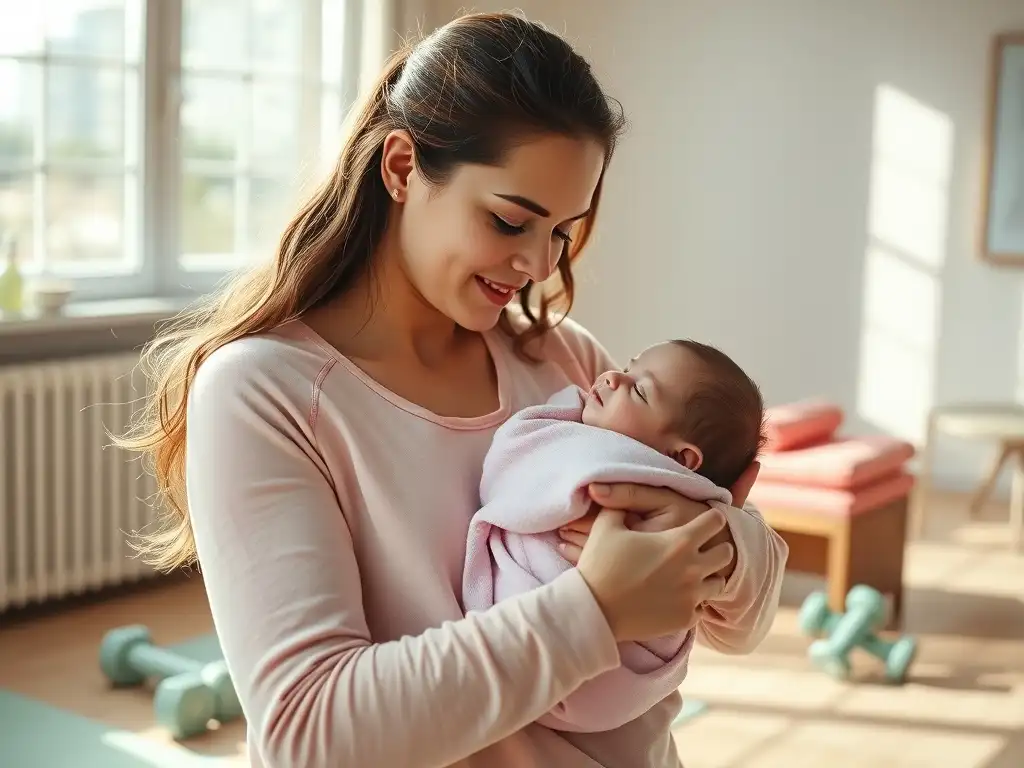
Welcome to BabyCareHub, your ultimate guide to navigating the incredible journey of parenthood. We understand that the transition to becoming a parent is filled with both joy and challenges, and that’s why we’re here to support you every step of the way. Are you struggling with postpartum anxiety? Discover how incorporating Postpartum exercise can not only benefit your physical recovery but also significantly alleviate those anxieties, leading to a more peaceful and fulfilling journey. Let's explore how movement can heal your mind – read on to learn more.
- Understanding Postpartum Anxiety and its Impact
- The Power of Exercise in Postpartum Anxiety Relief
- Tailoring Your Exercise Plan for Postpartum Anxiety
- Beyond Physical Benefits: The Mental Health Advantages of Postpartum Exercise
- Practical Tips for Incorporating Exercise into Your Postpartum Routine
- Combining Exercise with Other Self-Care Strategies for Postpartum Anxiety Relief
- When to Seek Professional Help for Postpartum Anxiety
- Frequently Asked Questions
- Final Reflection: Embracing Movement, Embracing Wellness
- Unleash Your Inner Strength: Next Steps to a Calmer You
Understanding Postpartum Anxiety and its Impact
The transition to motherhood is a period of immense joy, but it can also be incredibly challenging. For many new mothers, the postpartum period brings a wave of hormonal shifts, sleep deprivation, and immense responsibility that can contribute to the development of postpartum anxiety. This condition, often overlooked, significantly impacts a mother's well-being and her ability to care for her newborn.
This article explores the powerful connection between physical activity and mental health in the postpartum period, focusing specifically on how exercise can alleviate anxiety and contribute to a mother's overall recovery. We'll delve into the symptoms of postpartum anxiety, examine the role of physical inactivity in exacerbating it, and discuss the hormonal influences at play, ultimately demonstrating how a carefully planned exercise routine can be a vital tool in managing and reducing postpartum anxiety. Understanding this relationship empowers new mothers to prioritize their physical and mental health, fostering a more positive and fulfilling postpartum journey.
Remember, seeking professional help is crucial if anxiety becomes overwhelming. This article provides information and should not be considered a replacement for professional medical advice.
Recognizing the Symptoms of Postpartum Anxiety
Postpartum anxiety presents itself differently in each mother, making recognition crucial for early intervention. Symptoms can range from mild to severe and often overlap with other postpartum conditions. Common indicators include:
- Excessive worry and nervousness: A persistent feeling of unease and apprehension about the baby's health, the mother's ability to cope, or the future.
- Panic attacks: Sudden episodes of intense fear accompanied by physical symptoms such as rapid heartbeat, shortness of breath, and trembling.
- Irritability and anger: Increased frustration and difficulty managing emotions, leading to outbursts and heightened sensitivity.
- Sleep disturbances: Difficulty falling asleep, staying asleep, or experiencing restless sleep, further exacerbating anxiety.
- Difficulty concentrating: Struggling to focus on tasks, making it challenging to care for the baby or engage in daily activities.
- Physical symptoms: Headaches, muscle tension, stomach problems, and other physical manifestations of anxiety.
It's important to note that many new mothers experience some level of anxiety in the postpartum period. However, when these symptoms are persistent, severe, and interfere with daily life, professional help should be sought. Early diagnosis and intervention can significantly improve outcomes. Don't hesitate to reach out to your doctor, midwife, or a mental health professional if you are concerned.
The Link Between Physical Inactivity and Postpartum Anxiety
The postpartum period often involves significant physical inactivity due to fatigue, hormonal changes, and the demands of caring for a newborn. This lack of physical activity can negatively impact mental health, potentially worsening postpartum anxiety. Studies have shown a strong correlation between physical inactivity and increased anxiety levels in the general population, and this connection is even more pronounced during the vulnerable postpartum phase. The lack of exercise can lead to:
- Increased stress hormones: Physical activity helps regulate stress hormones like cortisol. Inactivity can lead to an imbalance, exacerbating anxiety.
- Reduced endorphin production: Exercise stimulates the release of endorphins, natural mood boosters that counteract anxiety. Inactivity reduces endorphin levels, leaving mothers more susceptible to anxiety.
- Sleep disturbances: Regular exercise can improve sleep quality, a crucial factor in managing anxiety. Inactivity often contributes to further sleep disruption, creating a vicious cycle.
- Decreased self-esteem: The physical changes of pregnancy and the challenges of postpartum recovery can already affect self-esteem. Lack of physical activity can worsen this, contributing to feelings of inadequacy and anxiety.
The Role of Hormones in Postpartum Anxiety and Exercise
Hormonal fluctuations play a significant role in postpartum anxiety. The dramatic drop in estrogen and progesterone levels after childbirth can trigger mood swings, anxiety, and depression. Exercise, however, can positively influence these hormonal imbalances. Regular physical activity can:
- Stabilize hormone levels: While it doesn't directly replace hormones, exercise helps regulate the body's hormonal response, reducing the intensity of hormonal fluctuations.
- Boost serotonin and dopamine: These neurotransmitters, crucial for mood regulation, are positively impacted by exercise, leading to improved mood and reduced anxiety.
- Reduce cortisol levels: As mentioned before, exercise helps regulate cortisol, the stress hormone. Lower cortisol levels contribute to a calmer, less anxious state.
It's crucial to remember that exercise should be approached gradually and safely in the postpartum period. Consulting with a healthcare professional before starting any new exercise routine is essential to ensure it aligns with individual needs and physical capabilities. The benefits of exercise in managing postpartum anxiety are significant, but a tailored approach is key to achieving optimal results and promoting both physical and mental well-being.
The Power of Exercise in Postpartum Anxiety Relief
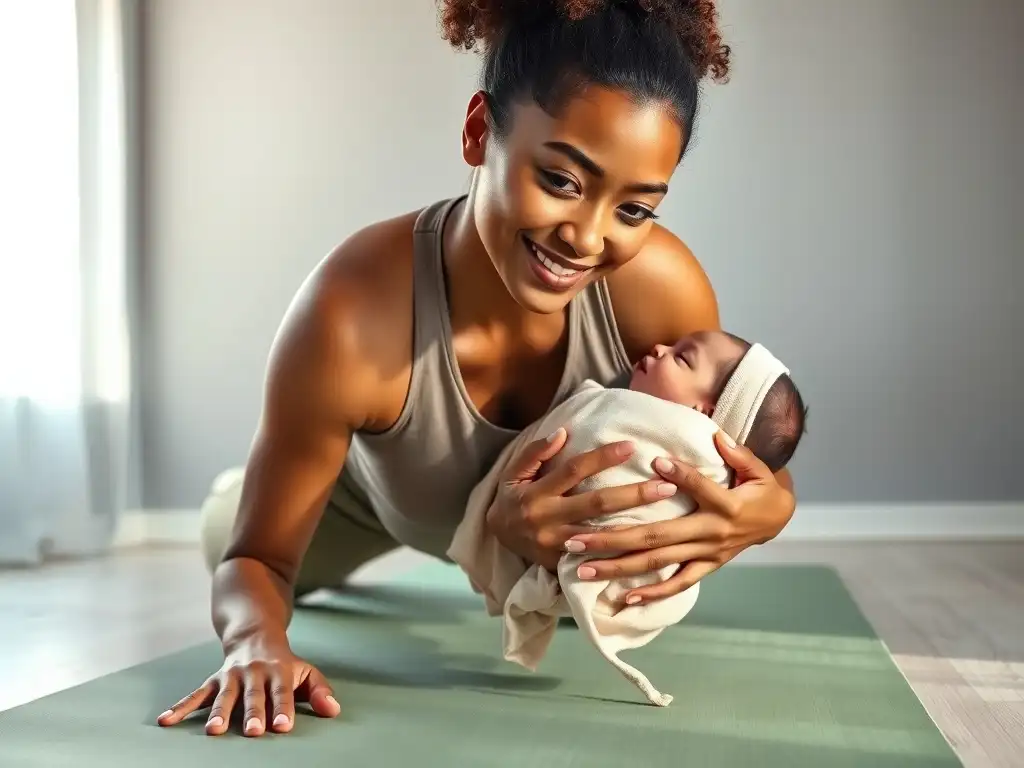
Postpartum anxiety, a prevalent challenge faced by many new mothers, can significantly impact mental and physical well-being. Characterized by excessive worry, nervousness, and difficulty managing daily tasks, it often stems from hormonal fluctuations, sleep deprivation, and the immense responsibility of caring for a newborn. Fortunately, research increasingly points to the remarkable power of exercise as a potent tool in postpartum anxiety relief.
The benefits extend beyond simply burning calories; regular physical activity triggers the release of endorphins, natural mood boosters that combat feelings of stress and anxiety. Furthermore, exercise contributes to improved sleep quality, reduced fatigue, and a heightened sense of self-efficacy – all crucial factors in managing postpartum anxiety. The key is to choose activities that are safe, enjoyable, and sustainable, allowing new mothers to prioritize their mental and physical health without adding undue pressure.
This section will explore effective and safe ways to incorporate exercise into your postpartum routine to alleviate anxiety symptoms and promote overall well-being. The impact on postpartum exercise anxiety relief is significant and well documented.
Postpartum Exercise: Safe and Effective Ways to Move Your Body
Choosing the right type of exercise postpartum is paramount, especially when considering anxiety relief. The goal is to gradually increase activity levels while prioritizing safety and listening to your body. Avoid high-impact exercises in the early weeks following delivery, focusing instead on low-impact activities that are gentle on your body. Here are some examples:
- Walking: A simple yet effective way to start. Begin with short walks and gradually increase the duration and intensity as you feel comfortable. Walking outdoors offers the added benefit of fresh air and sunshine, contributing to improved mood.
- Swimming: The buoyancy of water supports your body weight, reducing strain on joints and muscles. Swimming is a fantastic low-impact cardio workout that can be incredibly soothing.
- Yoga and Pilates: These practices emphasize gentle movements, stretching, and mindfulness, promoting relaxation and stress reduction. Many postpartum yoga classes are specifically designed to address the physical changes and emotional challenges of this period.
- Kegel Exercises: While not a full-body workout, strengthening pelvic floor muscles is crucial for postpartum recovery and can contribute to a sense of control and well-being.
It's crucial to consult your healthcare provider before starting any new exercise program after childbirth. They can provide personalized advice based on your individual needs and recovery progress. Remember, consistency is key, but don't strive for perfection. Even short bursts of activity throughout the day can make a difference. Prioritizing self-care through gentle movement can significantly contribute to postpartum exercise anxiety relief.
Types of Exercise Beneficial for Postpartum Anxiety Relief
Different types of exercise offer unique benefits for managing postpartum anxiety. While low-impact activities are generally recommended in the early postpartum period, diversifying your routine can enhance its effectiveness.
| Exercise Type | Benefits for Postpartum Anxiety Relief | Considerations |
|---|---|---|
| Cardio (low-impact) | Improves mood, reduces stress, boosts energy levels. | Start slowly, listen to your body, avoid high-impact activities initially. |
| Strength Training | Builds strength, increases confidence, improves body image. | Focus on proper form, use lighter weights initially, avoid straining. |
| Yoga & Pilates | Promotes relaxation, reduces stress, improves flexibility and body awareness. | Choose classes designed for postpartum women. |
| Mindfulness & Meditation | Calms the mind, reduces anxiety, promotes self-awareness. | Even short sessions can be beneficial. |
Remember that the "best" type of exercise is the one you enjoy and can stick with consistently. Experiment with different activities to find what works best for you. Combining several types of exercise can provide a more holistic approach to managing anxiety. For example, a morning walk combined with an evening yoga session can offer a balanced approach to physical activity and stress reduction. This holistic approach contributes significantly to postpartum exercise anxiety relief.
Building a Sustainable Exercise Routine After Childbirth
Creating a sustainable exercise routine after childbirth requires planning, patience, and self-compassion. It’s not a race; it's a journey towards improved physical and mental well-being. Here are some tips for building a sustainable routine:
- Start small: Don’t try to do too much too soon. Begin with short, manageable workouts and gradually increase the duration and intensity.
- Schedule it in: Treat your exercise time like any other important appointment. Schedule it into your day and stick to it as much as possible.
- Find an exercise buddy: Having a friend or family member to exercise with can provide support and motivation.
- Be flexible: Life with a newborn is unpredictable. If you miss a workout, don’t beat yourself up about it. Just get back on track as soon as you can.
- Listen to your body: Pay attention to your body’s signals. If you feel pain, stop and rest. Don't push yourself too hard, especially in the early postpartum period.
Building a sustainable routine is crucial for long-term postpartum exercise anxiety relief. Remember that consistency, not intensity, is key. By incorporating these strategies, you can establish a healthy exercise habit that supports your physical and mental well-being for years to come. This sustainable approach to exercise is vital for long-term postpartum exercise anxiety relief.
Tailoring Your Exercise Plan for Postpartum Anxiety
Postpartum exercise anxiety relief is achievable with a carefully planned approach. The key is to create a program that's not only safe and effective for your physical recovery but also supportive of your mental well-being. Many new mothers experience anxiety surrounding their bodies post-partum, making the choice to exercise feel daunting. However, the right kind of exercise can be incredibly beneficial.
We'll explore how to customize a plan that addresses both your physical and emotional needs. Remember, consulting your doctor or a qualified healthcare professional before starting any new exercise routine after childbirth is crucial. They can assess your individual circumstances and provide personalized advice.
Choosing the Right Intensity and Duration for Postpartum Exercise
The intensity and duration of your postpartum workouts should be tailored to your individual fitness level before pregnancy, the type of delivery you experienced (vaginal or cesarean), and your current physical and emotional state. Starting slowly is paramount. Instead of aiming for intense, hour-long sessions, begin with shorter, lower-intensity workouts. Think 15-20 minutes of gentle activity, such as walking or light stretching, a few times a week.
Gradually increase the duration and intensity as your body allows. Listen to your body’s signals; pain is a clear indication to stop and rest. It's better to err on the side of caution. Don't compare yourself to others; every woman's postpartum recovery journey is unique.
Here's a sample week of a gentle postpartum exercise plan:
| Day | Activity | Duration | Intensity Level | Notes |
|---|---|---|---|---|
| Monday | Gentle Walking | 15 mins | Low | Focus on breathing and enjoying the fresh air. |
| Tuesday | Rest or Light Stretching | 10 mins | Very Low | Gentle stretches to improve flexibility. |
| Wednesday | Gentle Walking | 20 mins | Low | Gradually increase duration as tolerated. |
| Thursday | Rest or Pelvic Floor Exercises | 10 mins | Very Low | Focus on strengthening pelvic floor muscles. |
| Friday | Gentle Walking | 20 mins | Low | Enjoy the outdoors! |
| Weekend | Rest or Light Yoga | 20 mins | Low | Choose restorative yoga poses. |
Remember, consistency is key, but so is rest. Prioritize sleep and allow your body ample time to heal.
Listening to Your Body: Recognizing and Responding to Physical and Emotional Signals
Postpartum recovery is a deeply personal journey. Your body will communicate its needs through various physical and emotional signals. Learning to interpret these signals is crucial for safe and effective exercise.
- Physical Signals: Pay close attention to pain, fatigue, dizziness, shortness of breath, or excessive bleeding. These are all signs to slow down or stop exercising. Muscle soreness is normal, but sharp or persistent pain isn't.
- Emotional Signals: Anxiety, overwhelming sadness, or feelings of inadequacy can be exacerbated by strenuous exercise. If you feel overwhelmed, prioritize rest and self-care. Listen to your intuition; it's a valuable guide.
It is important to note that postpartum anxiety can manifest in various ways. Some women experience intense fear and worry, while others might feel restless, irritable, or have difficulty concentrating. If your anxiety is significantly impacting your ability to exercise or manage daily tasks, seek professional help. A therapist or counselor can provide valuable support and guidance.
Gradual Progression: Avoiding Overexertion and Burnout
Avoid the temptation to "push through" discomfort or to rapidly increase the intensity and duration of your workouts. A gradual progression is vital to prevent injury, overexertion, and burnout. Your body needs time to adapt to the demands of exercise after childbirth.
Consider using a workout journal to track your progress, noting the type of exercise, duration, intensity, and how you felt both physically and emotionally. This will help you monitor your progress and make adjustments as needed. Remember to celebrate your small victories. Each workout is a step toward better physical and mental health. Don't be discouraged by setbacks; they are a normal part of the recovery process. Focus on consistency and self-compassion, and remember that your postpartum journey is unique to you. Prioritizing rest and self-care alongside exercise is crucial for effective postpartum anxiety relief.
Beyond Physical Benefits: The Mental Health Advantages of Postpartum Exercise
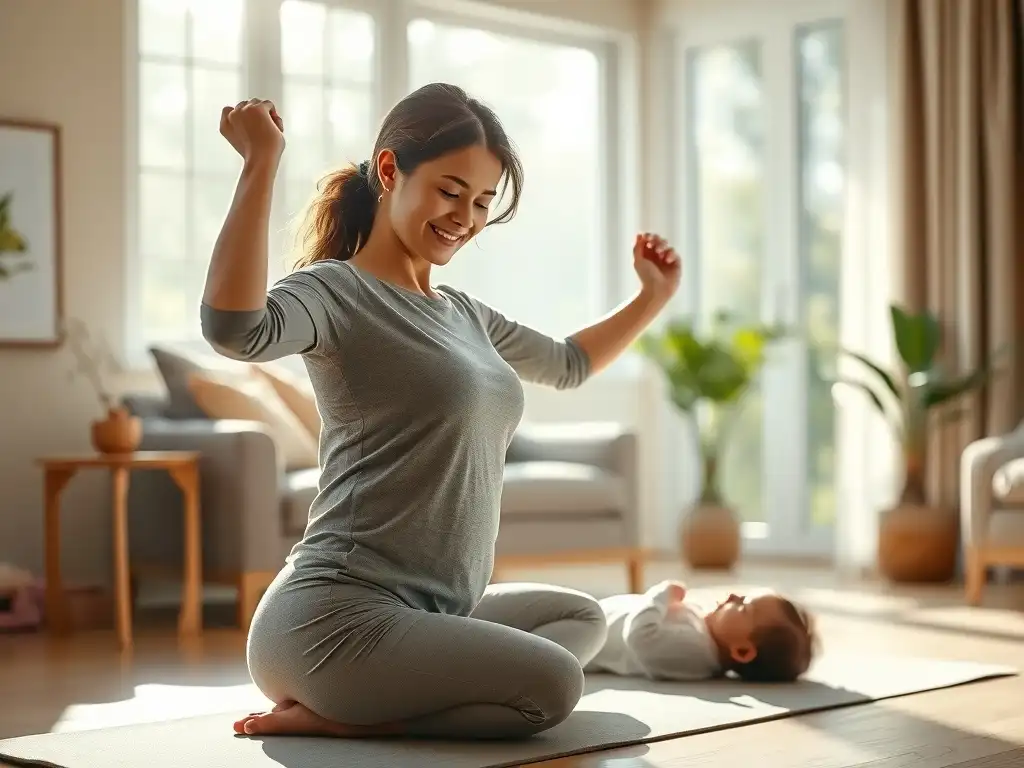
Postpartum exercise isn't just about regaining your pre-pregnancy physique; it's a powerful tool in managing the emotional rollercoaster of postpartum life, particularly in alleviating postpartum anxiety. While the physical benefits are undeniable – increased energy, improved strength, and weight management – the impact on mental well-being is equally significant. This section delves into the crucial mental health advantages of incorporating exercise into your postpartum recovery plan.
Understanding these benefits can help motivate new mothers to prioritize physical activity, contributing to a healthier and happier postpartum journey. The positive effects on anxiety relief are especially noteworthy for those struggling with postpartum exercise anxiety.
Exercise and Stress Reduction in Postpartum Women
The physiological changes during and after pregnancy significantly impact a woman's hormonal balance, often leading to increased stress and anxiety levels. Exercise acts as a natural stress reliever by triggering the release of endorphins, often called "feel-good" hormones. These endorphins have mood-boosting effects, helping to counteract the anxiety and irritability many new mothers experience. Studies have shown that regular physical activity, even moderate intensity exercise like brisk walking, can significantly reduce levels of cortisol (the stress hormone) in postpartum women. 1 This reduction in cortisol contributes directly to a calmer, more manageable emotional state, providing a much-needed respite from the demands of caring for a newborn. Furthermore, the focus and discipline required during exercise can provide a valuable mental break from the constant worries and anxieties associated with motherhood. This "mindfulness" aspect of exercise further contributes to stress reduction. Finding an activity you enjoy is key; consider yoga, swimming, or simply a daily walk with your baby in a stroller.
Improved Sleep Quality Through Postpartum Exercise
Sleep deprivation is a hallmark of the postpartum period, exacerbating anxiety and overall well-being. Ironically, while exhaustion might seem like a reason not to exercise, regular physical activity can actually improve sleep quality. Exercise helps regulate your circadian rhythm, the natural sleep-wake cycle, promoting more consistent and restful sleep.
This is partly due to the reduction in stress hormones mentioned earlier, but also because physical activity can increase the depth and duration of slow-wave sleep (the restorative phase of sleep). Improved sleep quality directly translates to better mood regulation, reduced anxiety, and increased energy levels throughout the day, making the challenges of postpartum life more manageable. Remember to avoid intense exercise close to bedtime, opting for gentler activities in the evenings.
Boosting Mood and Self-Esteem Through Physical Activity
The physical changes that occur during and after pregnancy can significantly impact a woman's body image and self-esteem. The demands of motherhood, coupled with potential body image issues, can contribute to feelings of anxiety and inadequacy. Exercise offers a powerful antidote to these negative feelings. As you regain strength and fitness, you'll experience a boost in self-esteem and confidence.
The sense of accomplishment derived from achieving fitness goals, however small, can be incredibly empowering. This positive reinforcement contributes to a more positive self-image and improved overall mood, helping to combat the anxiety and self-doubt that can plague postpartum women. Focusing on the process of becoming stronger and healthier, rather than solely on achieving a specific body shape, is crucial for maintaining a positive mindset and maximizing the mental health benefits of postpartum exercise. Celebrate your achievements, no matter how small, and remember that consistency is key.
1 [Specific study data pending]
Practical Tips for Incorporating Exercise into Your Postpartum Routine
Postpartum exercise anxiety relief is achievable with a strategic and mindful approach. The key isn't to suddenly become a marathon runner, but to gradually reintroduce movement into your life. Remember, consistency is more important than intensity, especially in the early postpartum period. Listen to your body, and don't push yourself beyond your limits. Prioritize gentle activities that you enjoy and that help you manage stress.
Finding Time for Exercise with a Newborn
Finding time for yourself, let alone exercise, can feel impossible with a newborn. However, short bursts of activity throughout the day can be incredibly effective. Think 10-15 minute sessions rather than hour-long workouts. Here are some ideas:
- Babywearing workouts: Many exercises can be performed while wearing your baby in a carrier. This allows you to bond with your little one while getting some exercise. Look for videos specifically designed for babywearing workouts.
- Walking: A simple walk around the block is a fantastic way to get some fresh air, clear your head, and gently increase your activity level. Even a short stroll with the stroller can make a difference.
- Incorporate movement into daily routines: Instead of sitting while feeding, try gentle stretches or walking around. Use commercial breaks during television time for quick exercises like squats or jumping jacks.
- Utilize naptime: While your baby sleeps, seize the opportunity for a quick yoga session or a short strength-training routine. Remember to prioritize safety and have a plan in case the baby wakes up early.
- Enlist help: Ask your partner, a family member, or a friend to watch the baby for a short period to allow you to exercise uninterrupted.
Creating a Supportive Environment for Postpartum Exercise
Your environment plays a crucial role in your success. A supportive environment reduces the pressure and promotes consistency. This is especially crucial for postpartum exercise anxiety relief.
- Start small: Don't feel pressured to jump into intense workouts immediately. Begin with gentle walks, short yoga sessions, or prenatal-focused exercises. Gradually increase the intensity and duration as you feel stronger and more confident.
- Find an exercise buddy: Exercising with a friend or joining a postpartum fitness class can provide motivation and support. The social aspect can also help alleviate feelings of isolation, a common contributor to postpartum anxiety.
- Create a dedicated space: Designate a quiet corner in your home for your workouts. This space should be free of distractions and equipped with the necessary equipment. This dedicated space will help you mentally prepare for your exercise sessions.
- Prioritize self-care: Remember that exercise is just one aspect of self-care. Ensure you're getting enough sleep, eating nutritious meals, and engaging in activities that bring you joy. This holistic approach is key to managing postpartum anxiety.
- Celebrate small victories: Acknowledge your progress and celebrate your achievements, no matter how small they may seem. Positive reinforcement is essential for maintaining motivation and building confidence.
Seeking Professional Guidance: Consulting with a Doctor or Physical Therapist
Before starting any postpartum exercise program, it's crucial to consult with your doctor or a physical therapist. They can assess your physical condition, identify any potential risks, and recommend safe and effective exercises tailored to your needs. This is especially important if you've experienced complications during pregnancy or delivery.
- Diastasis recti check: A physical therapist can assess for diastasis recti, a separation of the abdominal muscles that is common after pregnancy. They can guide you on safe exercises to strengthen your core and help close the gap.
- Pelvic floor exercises: Kegel exercises are crucial for strengthening the pelvic floor muscles, which can be weakened during pregnancy and childbirth. A physical therapist can teach you proper techniques and provide personalized guidance.
- Postural assessment: Pregnancy and childbirth can alter your posture. A physical therapist can assess your posture and recommend exercises to improve it, reducing back pain and other common postpartum discomforts.
- Personalized exercise plan: Based on your individual needs and limitations, a physical therapist can create a customized exercise plan that gradually increases in intensity, ensuring your safety and promoting effective postpartum exercise anxiety relief.
- Mental health support: Some physical therapists are also trained to address the mental health aspects of postpartum recovery, providing additional support and guidance. Don't hesitate to discuss your anxiety with them. They can provide valuable resources and connect you with appropriate support services.
Remember, prioritizing your physical and mental well-being is crucial during the postpartum period. By incorporating exercise into your routine mindfully and seeking professional guidance when needed, you can effectively manage postpartum anxiety and enjoy the many benefits of physical activity.
Combining Exercise with Other Self-Care Strategies for Postpartum Anxiety Relief
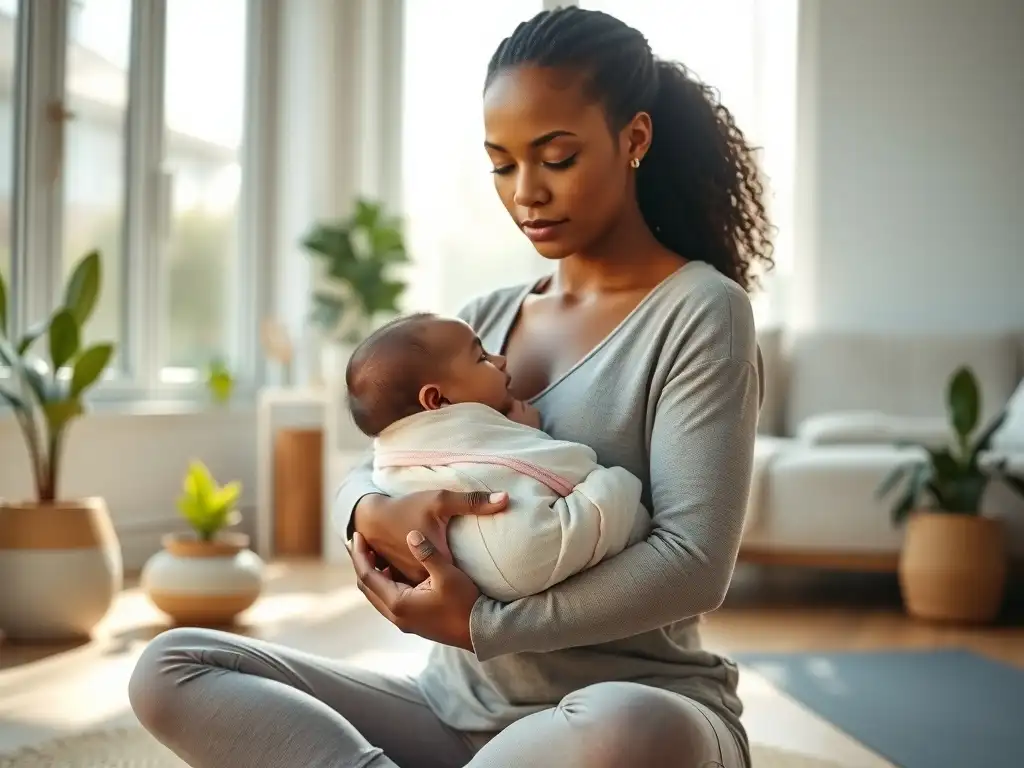
Postpartum anxiety is a significant challenge for many new mothers, impacting their well-being and ability to care for their newborns. While exercise offers substantial benefits in alleviating postpartum anxiety symptoms, it's crucial to understand that it's most effective when integrated into a broader self-care strategy. Relying solely on physical activity for anxiety relief may not be sufficient and could even be counterproductive if not balanced with other essential components of mental and physical well-being. Think of exercise as one powerful tool in a comprehensive toolkit for managing postpartum anxiety – not the only solution.
The Importance of a Holistic Approach to Postpartum Mental Wellness
A holistic approach recognizes the interconnectedness of physical, mental, and emotional health. For postpartum anxiety relief, this means addressing multiple factors simultaneously. Exercise helps regulate hormones, reduces stress, and improves mood, but combining it with other self-care practices amplifies its effects. Imagine a three-legged stool: Exercise forms one leg, while other crucial aspects, like sufficient sleep, healthy nutrition, and stress-reduction techniques, form the other two.
Without all three legs, the stool – your overall well-being – is unstable. A holistic approach ensures a more sustainable and effective path to managing postpartum anxiety. Studies show that women who engage in multiple self-care strategies report significantly lower levels of anxiety and improved quality of life compared to those focusing solely on one aspect. This integrated approach promotes long-term mental wellness rather than a quick fix.
Mindfulness and Meditation for Anxiety Management
Mindfulness and meditation techniques are powerful tools in managing anxiety. These practices help cultivate awareness of the present moment, reducing rumination on past events or worries about the future – common triggers for postpartum anxiety. Even short, daily meditation sessions (as little as 5-10 minutes) can significantly impact anxiety levels. Mindfulness exercises, such as focusing on your breath or body sensations, can help ground you in the present when anxiety arises.
These practices complement exercise by providing tools to manage anxious thoughts and feelings effectively. The combination of physical activity and mental calm creates a powerful synergy for postpartum anxiety relief. Consider incorporating guided meditation apps or attending local mindfulness classes to enhance your practice. The key is consistency; even a few minutes a day can make a remarkable difference.
Nutrition and Sleep Hygiene for Optimal Postpartum Recovery
Proper nutrition and sleep hygiene are fundamental to both physical and mental recovery after childbirth. Postpartum exhaustion and nutritional deficiencies can exacerbate anxiety symptoms. Prioritizing a balanced diet rich in fruits, vegetables, whole grains, and lean protein provides the essential nutrients needed for optimal brain function and hormone regulation.
Similarly, adequate sleep is paramount for both physical and mental restoration. Aim for at least 7-8 hours of quality sleep per night, establishing a regular sleep schedule and creating a conducive sleep environment. While this might seem challenging with a newborn, implementing strategies like co-sleeping (if safe and comfortable), creating a relaxing bedtime routine, and seeking support from partners or family can significantly improve sleep quality.
Combining these lifestyle choices with regular exercise creates a supportive environment for reducing postpartum anxiety and promoting overall well-being. Remember, taking care of yourself is not selfish; it's essential for your ability to care for your baby. Prioritize both exercise and these crucial lifestyle factors for a holistic approach to postpartum anxiety relief.
When to Seek Professional Help for Postpartum Anxiety
Postpartum anxiety, while common, can escalate to a level requiring professional intervention. Understanding when to seek help is crucial for your well-being and the health of your baby. Ignoring warning signs can exacerbate symptoms and delay recovery. Remember, seeking help is a sign of strength, not weakness. Early intervention often leads to more effective and faster recovery. This section focuses on recognizing the need for professional help and navigating the process of finding appropriate support. It's important to remember that this information is for educational purposes and doesn't replace professional medical advice.
Recognizing Warning Signs Requiring Immediate Attention
Several warning signs indicate a need for immediate professional help. These aren't just feelings of anxiety; they represent a potential crisis requiring urgent intervention. These include:
- Suicidal thoughts or self-harm: This is the most critical warning sign. If you're experiencing thoughts of harming yourself or your baby, seek immediate medical attention. Call emergency services or go to the nearest hospital.
- Severe panic attacks: Experiencing multiple, intense panic attacks daily, significantly impacting your daily functioning, necessitates professional help. These attacks can be debilitating and require specialized treatment.
- Inability to care for yourself or your baby: If anxiety makes basic self-care or childcare impossible, professional intervention is crucial. This might include neglecting personal hygiene, not feeding your baby, or struggling to perform essential tasks.
- Hallucinations or delusions: Experiencing hallucinations (seeing or hearing things that aren't there) or delusions (holding false beliefs) requires immediate psychiatric evaluation. These symptoms are serious and indicative of a more severe mental health condition.
- Persistent feelings of overwhelming hopelessness and despair: While some sadness is normal postpartum, persistent feelings of profound hopelessness and despair that don't improve over time necessitate professional help. These intense feelings can interfere with your ability to cope and enjoy life.
Remember, even if you don't experience all of these signs, persistent and overwhelming anxiety warrants professional assessment. Don't hesitate to reach out for help; early intervention can significantly improve outcomes.
Finding Support Groups and Therapists Specializing in Postpartum Mental Health
Navigating the mental health system can be daunting, especially during the postpartum period. Fortunately, many resources are available to support new mothers experiencing anxiety. Finding a therapist specializing in perinatal mental health is crucial. These professionals understand the unique challenges faced by postpartum individuals and can provide targeted treatment.
Here's how to find appropriate support:
- Your healthcare provider: Start by talking to your doctor, midwife, or OB-GYN. They can provide referrals to mental health professionals in your area and offer guidance on available resources.
- Online directories: Several online directories list therapists specializing in postpartum mental health. Search for "perinatal mental health" or "postpartum anxiety therapist" in your area.
- Support groups: Joining a support group can provide a sense of community and shared experience. Connecting with other mothers facing similar challenges can be incredibly helpful and validating. Look for local groups or online forums.
Remember to check the credentials and experience of any therapist you consider. A good therapist will create a safe and supportive environment where you feel comfortable discussing your experiences.
Building a Strong Support System for Postpartum Recovery
Building a strong support network is essential for managing postpartum anxiety and promoting recovery. This network should consist of people who understand your needs and can provide emotional, practical, and physical support. This might include:
- Partner or spouse: Open communication with your partner is crucial. Share your feelings and concerns, and work together to manage challenges. Ensure they understand your needs and are prepared to offer support.
- Family and friends: Lean on trusted family members and friends for practical help, such as childcare, meal preparation, or errands. Allow them to support you emotionally as well.
- Doulas and postpartum nurses: These professionals can provide invaluable support during the postpartum period, offering practical assistance and emotional guidance.
- Community resources: Explore community resources such as parenting classes, new parent groups, and local support organizations.
Creating a robust support system will help you navigate the challenges of postpartum anxiety and foster a smoother recovery. Remember that seeking help and building a strong support network are vital steps in your journey to healing. Prioritizing your mental health is not selfish; it’s essential for your well-being and the well-being of your family.
Frequently Asked Questions
Is exercise safe for me postpartum, especially with anxiety?
Yes, gentle exercise is generally safe and can be very beneficial. Always consult your doctor before starting any new workout routine, especially after childbirth. Listen to your body and don't push yourself too hard.
What kind of exercise is best for postpartum anxiety relief?
Low-impact activities like walking, yoga, and swimming are excellent choices. These exercises are gentle on your body while promoting relaxation and reducing stress. Focus on activities you enjoy.
How soon after delivery can I start exercising?
It's recommended to wait until you've received clearance from your doctor, typically around 6 weeks postpartum. Even then, start slowly and gradually increase intensity. Prioritize healing.
Will exercise actually help reduce my postpartum anxiety?
Yes, exercise releases endorphins, which have mood-boosting effects. Physical activity can also help improve sleep, reduce stress, and boost self-esteem, all crucial for managing anxiety.
What if I don't have time for a formal workout?
Even short bursts of activity throughout the day can make a difference. Try incorporating movement into your daily routine; take the stairs, walk around while you're on the phone, or do some stretching exercises. Small steps add up!
Final Reflection: Embracing Movement, Embracing Wellness
The profound connection between physical activity and mental well-being is undeniable, especially in the postpartum period. The overwhelming anxieties and hormonal shifts experienced after childbirth can feel insurmountable, but the simple act of moving your body offers a powerful antidote, a pathway to reclaiming strength and serenity. This isn't just about physical fitness; it's about nurturing a holistic sense of self-care that is crucial for both mother and baby.
The impact of postpartum anxiety extends far beyond the individual, rippling outwards to affect families and communities. It's a pervasive issue, often shrouded in silence, leaving many mothers feeling isolated and misunderstood. The normalization of exercise as a vital tool for managing postpartum anxiety is a crucial step towards fostering support and understanding. The body keeps the score,
as Bessel van der Kolk so poignantly states, reminding us that trauma and stress are deeply imprinted within our physical selves. By engaging in mindful movement, we begin to rewrite that narrative, fostering a healthier relationship with our bodies and minds.
Now, consider your own journey. What small steps can you take today to prioritize your physical and mental well-being? Perhaps it's a gentle walk in nature, a short yoga session, or simply a few minutes of stretching. Remember, there is no pressure to achieve perfection; the act of starting, of choosing movement over inertia, is the most significant step. Embrace the power of your body to heal your mind, and allow yourself the grace and compassion you deserve during this transformative period.
Unleash Your Inner Strength: Next Steps to a Calmer You
Thank you for exploring the powerful connection between exercise and postpartum anxiety relief. We hope you gained valuable insights into prioritizing your mental and physical well-being. Now, let's put those insights into action!
- Prioritize gentle movement: Even 15 minutes of mindful stretching or a brisk walk can significantly improve your mood. Start slowly, listen to your body, and gradually increase the intensity and duration of your workouts. This is your personal journey to a calmer you.
- Connect with other mothers: Sharing experiences and finding support is incredibly beneficial. Join a local mothers' group or an online forum—remember, you are not alone in this.
- Practice breathwork: Deep, conscious breathing can effectively manage anxiety symptoms. Try a guided meditation app or dedicate a few minutes each day to focused breathing exercises.
Ready to begin your self-care journey? What small step will you take today to nurture your mind and body?