
Grandparent Power: How to Involve Family in Your Support System


Welcome to BabyCareHub, your ultimate guide to navigating the incredible journey of parenthood! Feeling overwhelmed? Discover how to build a strong support system and unlock the invaluable resource that is family involvement. Learn practical strategies on how to effectively Involve grandparents in newborn care, ensuring a smoother transition into this exciting new chapter of your lives. Ready to experience the power of shared parenting and create a thriving family unit? Let's explore!
- Leveraging Grandparent Support for Newborn Care
- Involve Grandparents in Daily Newborn Care Routines
- Addressing Potential Challenges: Navigating Differences in Opinions
- Grandparents' Contributions to Newborn Safety and Health
- Creating a Supportive and Harmonious Family Dynamic
-
Frequently Asked Questions
- How can I involve my grandparents in my newborn's care without feeling overwhelmed?
- What are some age-appropriate tasks for grandparents to help with newborn care?
- My parents live far away; how can they still be involved in my baby’s life?
- How do I handle disagreements with my parents about newborn care practices?
- What if my parents are overbearing and want to take over?
- Final Reflection: The Enduring Strength of Family in Newborn Care
- Unlock Grandparent Potential: Strengthen Your Family Support System Today
Leveraging Grandparent Support for Newborn Care
Becoming a new parent is a joyous but often overwhelming experience. The transition to parenthood brings a whirlwind of emotions, responsibilities, and a steep learning curve. Building a strong support network is crucial for navigating this period successfully, and often, grandparents play a pivotal role.
This article explores the invaluable contribution grandparents can make to newborn care, offering practical advice on how to effectively integrate them into your support system and foster a positive and collaborative relationship. We'll cover the numerous benefits of involving grandparents, strategies for clear communication, and how to define roles that maximize their contributions while respecting everyone's boundaries.
Successfully involving grandparents in your newborn's care can significantly reduce stress, enhance family bonding, and create a more enriching experience for both parents and the child. Learning to effectively utilize the "Grandparent Power" in your support system can be a game-changer for new parents, allowing for more rest, more time for bonding, and a more positive family dynamic.
Benefits of Grandparent Involvement in Newborn Care
Grandparents offer a unique blend of experience, wisdom, and unconditional love that can be incredibly beneficial for new parents and their babies. Their involvement can manifest in various ways, each contributing to a more supportive and fulfilling parenting journey. Consider these key advantages:
- Reduced Parental Stress: The practical assistance grandparents provide, such as helping with feeding, changing diapers, or soothing a crying baby, frees up parents to rest, focus on other tasks, or simply enjoy precious moments with their newborn. This reduction in stress is crucial for postpartum well-being and healthy parent-child bonding. 😴
- Enhanced Emotional Support: The emotional support grandparents offer is invaluable. They can provide a listening ear, offer encouragement, and share their own experiences, helping new parents feel less alone and more confident in their abilities. This emotional cushion is especially important during the challenging early weeks and months. ❤️
- Transmission of Family Traditions and Values: Grandparents often play a crucial role in passing down family traditions, values, and stories. This intergenerational connection enriches the child's life and strengthens family bonds across generations. 👵👴
- Shared Childcare Responsibilities: Grandparents can help share the burden of childcare, providing parents with much-needed respite and opportunities to pursue personal needs or couple time. This shared responsibility is essential for maintaining a healthy work-life balance and preventing parental burnout. 🤝
Setting Clear Expectations with Grandparents: Communication is Key
Open and honest communication is the cornerstone of a successful grandparent-parent partnership. Before your baby arrives, or as soon as possible afterward, sit down with your parents or in-laws and discuss your expectations regarding their involvement. This proactive approach minimizes misunderstandings and ensures everyone is on the same page.
Consider creating a simple plan outlining:
| Aspect | Expectation |
|---|---|
| Visiting Schedule | [Specific visiting schedule, e.g., 2-3 times a week for 2-3 hours each time] |
| Childcare Responsibilities | [Specific tasks, e.g., helping with nighttime feedings, bathing the baby] |
| Parenting Styles | [Agreement on key parenting approaches, e.g., sleep training methods] |
| Decision-Making | [How major decisions regarding the baby's care will be made] |
| Boundaries | [Clear boundaries on physical contact, routines, and household tasks] |
Remember to be clear, specific, and empathetic in your communication. This ensures that everyone feels heard, understood, and valued. Regular check-ins are also essential to address any emerging concerns or adjustments needed.
Defining Grandparent Roles: Practical Help and Emotional Support
Defining clear roles for grandparents ensures everyone understands their contributions and responsibilities. This avoids confusion and potential conflict. Some grandparents may thrive in hands-on care, while others might prefer offering emotional support or running errands. Consider the following:
- Hands-on Care: This could include feeding, changing diapers, bathing, burping, and soothing the baby. However, be sure to clearly communicate your preferred methods and any specific instructions.
- Emotional Support: Grandparents can provide invaluable emotional support by offering a listening ear, providing encouragement, and sharing their own parenting experiences. This can help alleviate stress and boost parental confidence.
- Practical Assistance: Grandparents can assist with household chores, meal preparation, grocery shopping, or running errands, freeing up parents to focus on the baby.
- Specialized Support: Some grandparents may have specific skills or talents that can be particularly helpful, such as expertise in infant massage, babywearing, or early childhood development.
Remember, the key is flexibility and collaboration. As your baby grows and your needs change, the roles and responsibilities of your grandparent support system may also evolve. Regular communication and a willingness to adapt are essential for maintaining a positive and mutually beneficial relationship.
Involve Grandparents in Daily Newborn Care Routines
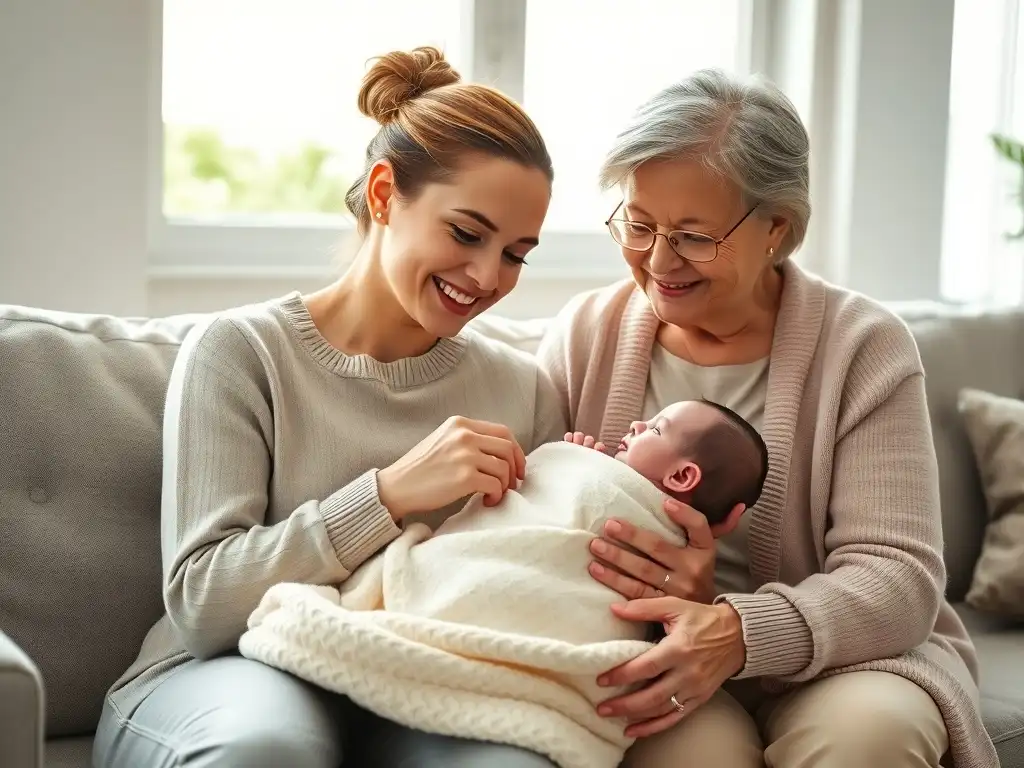
Grandparents offer a wealth of experience and can be invaluable assets in the daily care of a newborn. Successfully integrating them into your support system requires clear communication, defined roles, and a shared understanding of your parenting philosophy. This section details how to effectively involve grandparents in key aspects of your baby's daily routine, fostering a collaborative and supportive environment for both parents and the little one. Remember, the goal is to create a team approach where everyone feels valued and contributing effectively to the baby's well-being. This is crucial for successful Involve grandparents newborn care.
Grandparent Assistance with Feeding: Bottle Feeding and Breastfeeding Support
Grandparents can play a significant role in feeding, whether your baby is breastfed or bottle-fed. For breastfeeding mothers, grandparents can offer crucial support by providing emotional encouragement, preparing snacks and drinks for the mother, and ensuring she gets adequate rest. They can also assist with tasks like burping the baby after feedings, changing diapers, and soothing the infant. This allows the mother to focus on the feeding process and bond with her baby.
For bottle-feeding, grandparents can be trained to prepare bottles correctly, following your specific instructions regarding formula preparation and sterilization techniques. They can also handle the actual feeding, giving parents a break and allowing for some much-needed rest. Consistency is key; ensure grandparents understand your preferred methods and routines to avoid confusion and potential issues. Teaching them proper bottle-holding techniques to prevent gas and colic is also essential. This shared responsibility promotes a sense of teamwork and eases the burden on parents.
Remember to provide detailed, written instructions on formula preparation, including the correct water temperature and the precise ratio of formula to water. This ensures safety and consistency, especially if multiple caregivers are involved. Consider creating a visual guide with pictures, which can be particularly helpful for older grandparents.
Grandparents' Role in Baby's Sleep Schedule: Establishing Consistent Routines
A consistent sleep schedule is vital for a newborn's development, and grandparents can be instrumental in maintaining it. Before the baby arrives, discuss your desired sleep routine with your parents or in-laws. This preemptive conversation allows you to establish shared expectations and avoids potential conflicts later on. Clearly communicate your preferred methods for soothing a crying baby, whether it's swaddling, rocking, or white noise.
The role of grandparents in establishing the sleep schedule might include putting the baby down for naps and bedtime, ensuring a consistent bedtime routine, and recognizing early signs of tiredness. Consistency is key; grandparents should be aware of your baby's sleep cues and follow your established routine as closely as possible. This includes the same sleep environment (darkness, quiet, temperature) and the same soothing techniques. This will help to prevent any confusion for the baby, ensuring he or she gets enough rest. Consider creating a detailed schedule with visual cues, including nap times, bedtime, and wake-up times.
Incorporating Grandparents in Baby's Daily Activities and Playtime
Beyond feeding and sleep, grandparents can significantly contribute to your baby's daily activities and playtime. Simple activities like singing lullabies, reading books, and engaging in gentle tummy time can strengthen the bond between grandparent and grandchild, while simultaneously providing valuable developmental stimulation for the baby. Grandparents can provide a different perspective and introduce new playful interactions that you might not have considered.
Remember to involve them in choosing age-appropriate toys and activities. They can also help with age-appropriate activities such as tummy time, playing with rattles, and singing songs. This shared experience fosters a strong bond between grandparents and their grandchild, providing valuable support for the parents. The involvement of grandparents in playtime will not only help to entertain the baby but also alleviate some of the burden on new parents, allowing them to focus on other tasks.
It's a win-win situation for everyone involved. Encourage them to document special moments and milestones, creating lasting memories for the whole family. This shared experience enhances the overall family dynamic and strengthens the support network. This is a key part of successful Involve grandparents newborn care.

Becoming parents is a monumental life change, and the arrival of a newborn often brings a surge of well-meaning advice from family members, especially grandparents. While their support is invaluable, differences in parenting styles and approaches can lead to friction. Successfully involving grandparents in newborn care requires proactive strategies to navigate these potential challenges and foster a harmonious relationship. This section explores common difficulties and offers practical solutions to ensure a positive experience for everyone involved.
Handling Conflicting Parenting Styles: Respectful Communication Strategies
One of the biggest hurdles is managing conflicting parenting styles. Grandparents, raised in a different era, may have vastly different approaches to feeding, sleeping, discipline, and even basic care. For example, a grandparent might advocate for letting the baby "cry it out," a method that contradicts the current evidence-based approach of responsive parenting favored by many modern parents. The key is respectful, open communication. Before the baby arrives, have a family meeting to discuss expectations and preferences. This preemptive conversation allows you to establish shared understanding and reduces the likelihood of disagreements arising in stressful moments.
It's crucial to approach these conversations with empathy. Grandparents often offer advice out of love and a desire to help. Phrase your responses carefully, acknowledging their experience while gently explaining your chosen methods. Instead of saying "That's wrong," try "We're following a different approach based on current research, and we appreciate your understanding." Active listening is paramount; hear their perspective before articulating your own.
Remember, a compromise might be possible. Perhaps you can agree to try a grandparent's suggestion on a specific occasion, while maintaining your preferred approach for the majority of the time. This demonstrates respect for their experience while reinforcing your parental authority. Documenting your parenting choices can be helpful; having a written plan can facilitate discussions and clarify your decisions.
Balancing Grandparent Involvement with Personal Parenting Choices
Finding the right balance between accepting grandparental help and maintaining control over your parenting choices is a delicate act. Grandparents' enthusiasm can sometimes overshadow parental decisions. For instance, a grandparent might offer unsolicited advice on feeding schedules or soothe the baby using methods that you’ve chosen to avoid. This can lead to feelings of frustration and resentment. To avoid this, clearly define roles and responsibilities. Create a shared schedule outlining when grandparents will be involved and what tasks they'll undertake. This clear structure prevents misunderstandings and ensures everyone understands their part in caring for the baby.
Consider creating a "Grandparent Handbook" – a simple document outlining your family's preferred parenting style, routines, and any specific needs or allergies the baby might have. This handbook isn't meant to dictate, but rather to inform and guide, minimizing the potential for conflict. It's also a wonderful opportunity to share your values and explain your reasoning behind certain choices.
Remember to celebrate the grandparent's contributions and express gratitude for their support. Positive reinforcement strengthens the bond and encourages continued collaborative care. Regular check-ins, both with your partner and your parents, can help to ensure everyone is on the same page and address any emerging concerns proactively.
Maintaining parental authority while welcoming grandparental support requires setting clear boundaries. This is about respect, not exclusion. While grandparents can offer invaluable help, the ultimate decisions regarding the baby's care should rest with the parents. For example, if grandparents consistently disregard your instructions regarding sleep training or feeding, it's essential to address the issue directly and firmly. The goal is not to shut them out, but to ensure consistency and avoid conflicting messages for the baby.
Setting boundaries might involve limiting visit durations, specifying tasks they can help with, or politely declining suggestions that don't align with your parenting philosophy. It's crucial to deliver these boundaries with kindness and empathy, emphasizing your appreciation for their support while asserting your authority as the primary caregivers. Remember that setting healthy boundaries is a sign of strength, not weakness. It protects both the baby's well-being and the parent-grandparent relationship.
Consider using “I feel” statements to express concerns without placing blame. For example, instead of saying "You're always ignoring my instructions," try "I feel frustrated when my instructions regarding the baby's sleep routine aren't followed." This approach fosters open communication and collaboration. Regular family meetings can provide a forum to revisit and adjust boundaries as needed, ensuring the support system remains healthy and supportive.
Grandparents' Contributions to Newborn Safety and Health
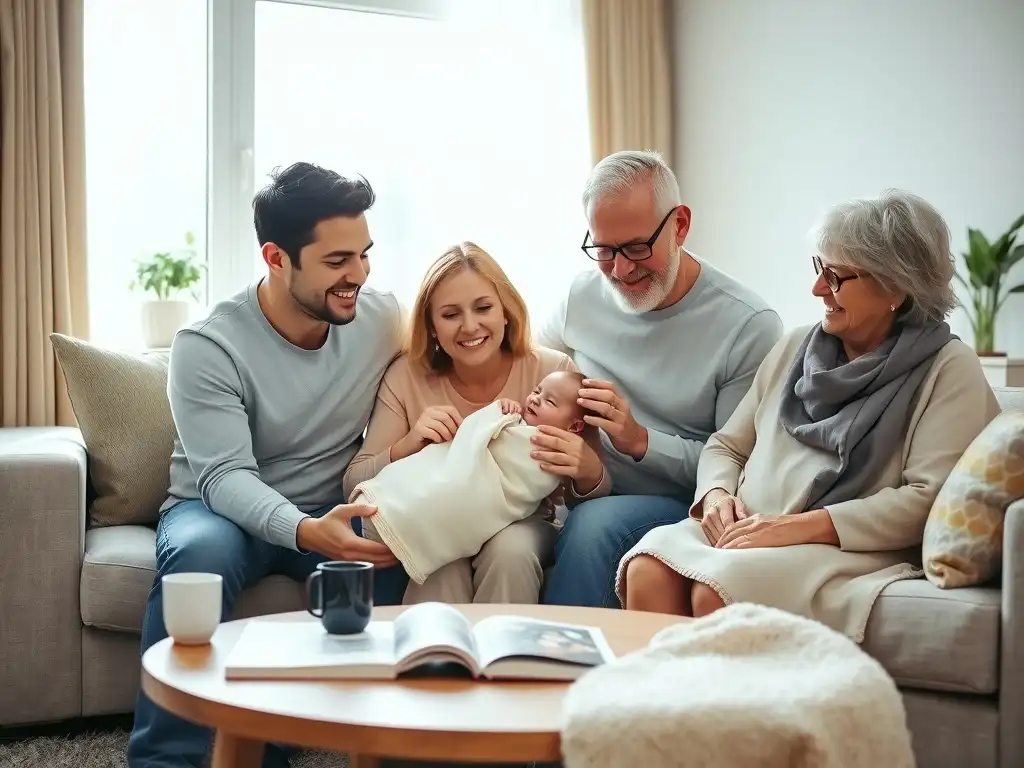
Grandparents offer a unique and invaluable resource in the challenging world of newborn care. Their experience, often spanning decades, provides a wealth of knowledge and practical support that can significantly ease the transition to parenthood. Involving grandparents in your newborn's care can contribute directly to the baby's safety and overall health, fostering a strong and supportive family unit.
This isn't just about babysitting; it's about creating a collaborative environment where experienced hands work alongside new parents to ensure the best possible care. The benefits extend beyond the immediate practical assistance, fostering intergenerational bonds and creating lasting memories. This collaborative approach to "Involve grandparents newborn care" is crucial for both parents and the baby's well-being.
Grandparent's Role in Monitoring Baby's Development
Monitoring a baby's development is crucial in the early months. Grandparents, with their keen observational skills honed over years of experience, can play a significant role in this process. They can assist in tracking milestones such as head control, rolling over, grasping objects, and early vocalizations. This isn't about replacing professional check-ups; instead, it's about providing an extra layer of observation and reporting any unusual patterns or concerns to the parents.
For example, a grandparent might notice a delay in reaching a particular milestone, prompting a discussion with the parents and, if necessary, a visit to the pediatrician. This early detection can be crucial in addressing potential developmental issues promptly. Regular communication and shared observation notes between parents and grandparents can create a comprehensive picture of the baby’s progress. Consider using a shared digital calendar or notebook to track developmental milestones and any observations.
This collaborative approach ensures that nothing is missed and promotes open communication. Remember, early intervention is key to addressing any potential concerns effectively. Detailed records, even informal ones, can be invaluable for future reference.
Ensuring Safety Protocols are Followed: A Collaborative Approach
Safety is paramount when caring for a newborn. Involving grandparents in establishing and maintaining safety protocols is essential. This includes creating a safe sleep environment (firm mattress, no loose bedding), practicing safe handling techniques, and ensuring the baby's surroundings are free from hazards. Grandparents can be instrumental in reinforcing these practices, consistently reminding parents and caregivers about potential risks. A collaborative approach might involve creating a checklist of safety measures, which is regularly reviewed and updated. This checklist could include items such as:
| Safety Measure | Checked By (Parent/Grandparent) | Date Checked | Notes |
|---|---|---|---|
| Crib safety checked | |||
| Car seat properly installed | |||
| Smoke detectors functioning | |||
| Water heater temperature set | |||
| Baby proofing completed |
Regular discussions about safety concerns, including potential hazards in the home environment, are vital. This collaborative approach ensures consistent adherence to safety protocols, reducing the risk of accidents and injuries. Open communication and shared responsibility are key to creating a safe and nurturing environment for the newborn. Remember, it's a team effort, and every member plays a crucial role in the baby's safety and well-being. The collaborative approach to safety not only protects the baby but also strengthens the family bond.
Creating a Supportive and Harmonious Family Dynamic
Involving grandparents in newborn care can significantly enhance the overall well-being of both parents and the baby. However, successfully integrating grandparents into your support system requires careful planning and open communication. The key is to create a supportive and harmonious family dynamic where everyone feels valued and respected. This isn't just about delegating tasks; it's about building a collaborative partnership.
Building a Strong Team: Fostering Collaboration and Understanding
Establishing clear expectations from the outset is crucial. Before the baby arrives, sit down with your parents (or in-laws) and discuss your needs and preferences regarding newborn care. This isn't about dictating rules, but about sharing information and ensuring everyone is on the same page. Consider creating a shared document outlining feeding schedules, sleep routines, and any specific preferences you have regarding diaper changing, swaddling techniques, or soothing methods.
This proactive approach minimizes misunderstandings and potential conflicts later on. For example, if you prefer a particular type of swaddle, clearly communicate that preference. If you are following a specific sleep training method, explain the rationale behind it. Open communication avoids later disagreements about differing parenting styles.
Remember that grandparents may have different parenting styles based on their own experiences. Instead of dismissing their methods outright, try to find common ground and compromise. Perhaps you can agree on a trial period for a particular technique, or find a middle ground that incorporates elements of both your approach and theirs. Flexibility and mutual respect are key to building a strong team. Consider using a shared online calendar to schedule visits and childcare responsibilities. This can prevent scheduling conflicts and ensure everyone has a clear understanding of their roles.
Showcasing Appreciation: Recognizing Grandparents' Contributions
Grandparents often offer their assistance out of love and a desire to be involved in their grandchild's life. Acknowledging and appreciating their contributions goes a long way in fostering a positive relationship. Simple gestures like saying "thank you," offering a cup of coffee, or taking a few minutes to chat can make a world of difference.
Consider occasionally giving them a small gift as a token of your appreciation for their help. This doesn't have to be expensive; a handwritten card expressing your gratitude can be equally meaningful. Regularly checking in with them and asking about their well-being also strengthens your bond.
Remember that they are providing invaluable support, and acknowledging this will help maintain a positive and collaborative dynamic. Consider creating a family photo album or scrapbook to document the baby's milestones, including photos of the grandparents interacting with their grandchild. This creates a lasting memory and shows your appreciation for their involvement.
Long-Term Benefits of Grandparent Involvement: Building Family Bonds
The benefits of involving grandparents in newborn care extend far beyond immediate assistance. Regular interaction between grandparents and their grandchildren fosters strong family bonds that can last a lifetime. Grandparents can share their wisdom, stories, and traditions, enriching the child's life and creating lasting memories. This intergenerational connection provides children with a sense of belonging and stability. Furthermore, the support grandparents provide allows parents to have more time for self-care, strengthening their relationship and reducing parental stress.
The improved family dynamic resulting from collaboration and mutual respect contributes to a more secure and nurturing environment for the child. This intergenerational support network provides a valuable resource for the whole family, fostering resilience and strengthening the bonds that tie everyone together. Studies show that children with strong grandparent relationships often exhibit improved emotional and social development. 👶👴👵
Frequently Asked Questions
How can I involve my grandparents in my newborn's care without feeling overwhelmed?
Start small! Assign specific, manageable tasks like holding the baby while you shower or helping with laundry. Gradually increase involvement as you and your family feel comfortable. Open communication is key.
What are some age-appropriate tasks for grandparents to help with newborn care?
Grandparents can excel at gentle rocking and soothing, reading stories (even to newborns!), preparing bottles or food (if appropriate), and offering emotional support. Avoid tasks requiring heavy lifting or complex medical procedures.
My parents live far away; how can they still be involved in my baby’s life?
Utilize technology! Video calls allow for regular interaction. They can also send care packages, contribute to a baby fund, or plan visits when possible. Consider sending photos and updates regularly.
How do I handle disagreements with my parents about newborn care practices?
Establish clear boundaries and expectations early on. Discuss differing opinions respectfully, emphasizing your baby's safety and well-being. Remember, you are the parent and have the final say in your child's care.
What if my parents are overbearing and want to take over?
Communicate your needs and preferences firmly but kindly. Set clear limits on their involvement. Reiterate that you appreciate their support but need to manage your baby's care according to your chosen methods. Consider family therapy if needed.
Final Reflection: The Enduring Strength of Family in Newborn Care
The overwhelming responsibility of newborn care is often underestimated, yet the power of involving grandparents in this journey is profoundly transformative. Building a strong support system from the outset isn't just beneficial; it's essential for the well-being of both parents and the child. This article has explored practical ways to integrate grandparents into the crucial early months, fostering a deeper connection between generations while easing the burden on new parents.
The impact of multi-generational family support extends far beyond the immediate practical assistance. It cultivates a sense of community, shared responsibility, and enduring love that shapes the child's development and strengthens family bonds for years to come. This interconnectedness, often overlooked in our increasingly individualistic society, is a precious resource. The family is one of nature's masterpieces.
- George Santayana. This quote beautifully encapsulates the inherent value and strength found within a supportive family unit, particularly during the demanding yet rewarding experience of raising a newborn.
Now, consider your own family dynamics. How can you proactively cultivate a stronger support network, drawing on the wisdom and experience of your elders? Don't hesitate to reach out, communicate your needs clearly, and embrace the invaluable contribution grandparents can offer. The journey of parenthood is richer and more fulfilling when shared, and the legacy of family support extends far beyond the first few months of your baby's life. Embrace this opportunity to build a stronger, more connected family unit, one filled with love, laughter, and the enduring power of grandparent involvement.
Unlock Grandparent Potential: Strengthen Your Family Support System Today
Thank you for exploring the power of family support! We hope you gained valuable insights into building stronger relationships with your grandparents. Now, let's put that knowledge into action.
- Schedule a Family Call: This week, dedicate time to discuss how your grandparents can best support you and your family. Be specific about your needs; do you require extra childcare, emotional support, or practical assistance?
- Share this Article: Spread the word! Share this article on social media to let other new parents know about the incredible support available through strong family connections.
- Brainstorm Creative Solutions: Think beyond babysitting! Consider how your grandparents' unique skills and passions can enrich your family's life. Could they teach your child a new hobby, share family stories, or simply offer a listening ear?
Ready to build a stronger, more supportive family network? What unique talents and contributions could your grandparents bring to your family's life?