
Portable Baby Cribs and Playards: A Traveler's Guide to Safe Sleep

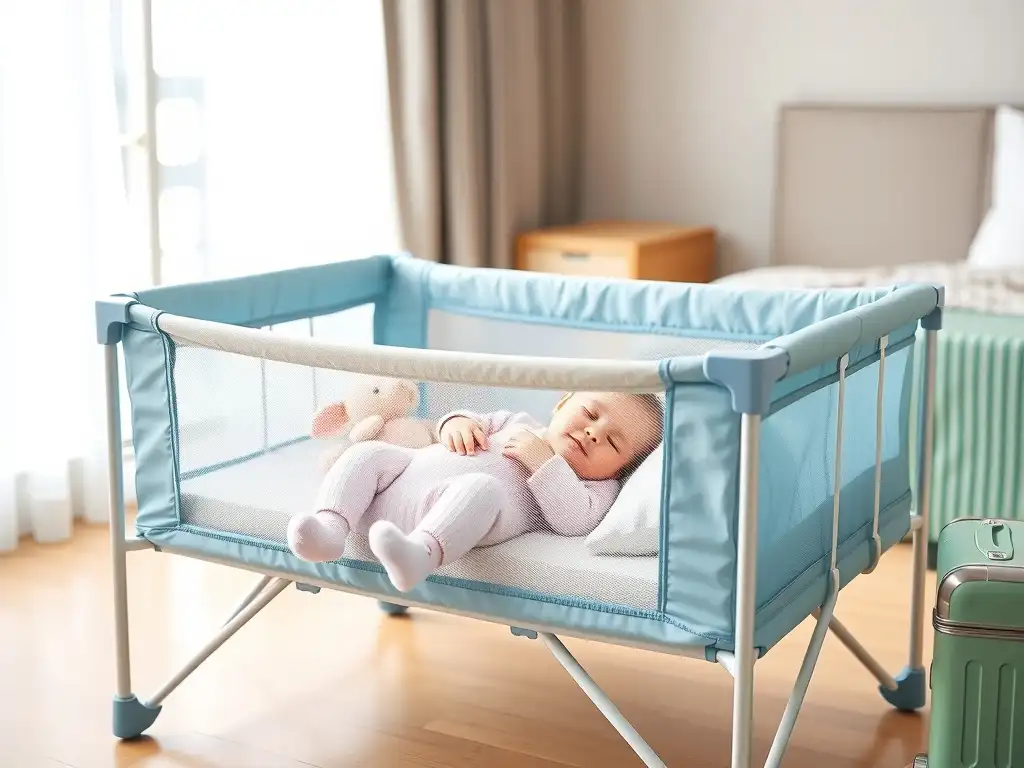
Welcome to BabyCareHub, your ultimate guide to navigating the exciting yet challenging world of parenthood. We understand the whirlwind of emotions and questions that come with welcoming a new baby, which is why we've created a comprehensive resource filled with practical advice and expert insights. Are you planning a trip and wondering how to ensure your little one sleeps soundly? Discover the secrets to safe and comfortable travel with our in-depth exploration of travel safe baby cribs – a must-read for every parent venturing out with their precious cargo. Let's embark on this journey together!
-
Choosing the Right Travel Crib for Your Baby: Size, Safety, and Features
- Compact Travel Cribs: Graco Pack 'n Play vs. BabyBjorn Travel Crib Light
- Lightweight and Portable Cribs for Easy Transport: Considerations for Airline Travel
- Essential Safety Features: Secure Mattress, Sturdy Frame, and Breathable Mesh Sides
- Travel Crib vs. Pack and Play: Understanding the Differences and Choosing the Best Fit
-
Setting Up Your Travel Crib: A Step-by-Step Guide for Safe Sleep
- Preparing the Surface: Ensuring a Stable and Safe Setup for Your Baby’s Sleep Space
- Assembling Your Portable Crib: A Quick Guide with Graco Pack 'n Play Example
- Securing the Mattress: Preventing Suffocation Risks in Travel Cribs
- Checking for Safety Hazards: Regular Inspection for Loose Parts and Potential Dangers
- Best Portable Cribs for Different Travel Scenarios
-
Maximizing Safety: Tips for Safe Sleep on the Go
- Safe Sleep Practices in Travel Cribs: Following the American Academy of Pediatrics Guidelines
- Managing Sleep Schedules While Traveling: Tips for Maintaining Consistency
- Addressing Common Sleep Issues in Unfamiliar Environments: Dealing with Jet Lag and Disruptions
- Travel Crib Accessories for Enhanced Safety: Sleep Sacks, Monitors, and More
- Frequently Asked Questions about Safe Travel Cribs
- Recommended Products: Our Top Picks for Safe and Convenient Travel Cribs
- Frequently Asked Questions
- Final Reflection: The Enduring Legacy of Safe Sleep on the Go
- Unleash the Adventure: Sleep Soundly, Travel Freely!
Choosing the Right Travel Crib for Your Baby: Size, Safety, and Features
Traveling with a baby can be an exciting adventure, but ensuring your little one's safety and comfort is paramount. One of the most crucial pieces of equipment for stress-free travel with a baby is a portable crib or playard. This comprehensive guide will help first-time parents navigate the world of travel cribs, focusing on selecting the safest and most convenient option for your family's needs.
We'll explore various types of portable cribs, highlighting key features to consider, from size and weight to safety certifications and ease of setup. Choosing the right travel crib can significantly reduce stress and ensure your baby enjoys a comfortable and secure sleep, even while on the go. This guide focuses on finding the perfect "travel safe baby crib" for your needs, ensuring peace of mind during your adventures.
Compact Travel Cribs: Graco Pack 'n Play vs. BabyBjorn Travel Crib Light
Choosing between a compact travel crib like the Graco Pack 'n Play and the BabyBjorn Travel Crib Light often comes down to personal preference and travel style. Both are popular choices, known for their ease of setup and portability. However, they differ in several key aspects.
The Graco Pack 'n Play is generally larger and heavier, offering more space for your baby. Its larger size may be a benefit for longer trips or if you anticipate your baby using it for extended periods. It often includes additional features like a changing table or toy bar.
Conversely, the BabyBjorn Travel Crib Light prioritizes lightweight portability. It folds down incredibly compactly, making it ideal for frequent flyers or those with limited car space. While smaller, it still offers a safe and secure sleeping environment for your baby.
| Feature | Graco Pack 'n Play | BabyBjorn Travel Crib Light |
|---|---|---|
| Size | Larger | Smaller, more compact |
| Weight | Heavier | Significantly lighter |
| Portability | Less portable, suitable for car travel primarily | Highly portable, ideal for airline travel |
| Features | Often includes changing table, toy bar, etc. | Simpler design, focused on portability and safety |
| Price | Generally less expensive | Typically more expensive |
Ultimately, the best choice depends on your travel style and priorities. Consider how often you'll be traveling, the mode of transportation, and the amount of space you have available. Think about your baby's age and size; a larger baby might need the extra room offered by the Graco Pack 'n Play.
Lightweight and Portable Cribs for Easy Transport: Considerations for Airline Travel
Airline travel with a baby requires careful planning and the right equipment. When choosing a portable crib for air travel, prioritize lightweight and compact designs. Oversized or heavy cribs can be cumbersome to manage at the airport and may incur additional baggage fees. Look for cribs that meet airline size restrictions for carry-on luggage, or that can be easily checked in as baggage.
Remember to check with your airline regarding their specific policies on infant equipment and any size or weight limitations. Some airlines may have specific requirements for the type of materials used in the crib, so reviewing their guidelines before your trip is essential. Always ensure the crib is securely packed to prevent damage during transit. Moreover, familiarizing yourself with airport procedures for handling baby equipment can greatly reduce stress. Planning ahead and choosing the right lightweight crib can make air travel with your baby significantly smoother.
Essential Safety Features: Secure Mattress, Sturdy Frame, and Breathable Mesh Sides
Safety is paramount when choosing a travel crib. Several critical features contribute to safe sleep for your baby. A secure mattress is crucial; it should fit snugly within the crib frame to prevent gaps where your baby could get trapped. The crib frame itself must be sturdy and stable, capable of withstanding movement during travel and preventing collapses.
Breathable mesh sides are another essential safety feature. These allow for proper air circulation, reducing the risk of overheating and suffocation. Look for cribs with tightly woven mesh to prevent your baby from getting their limbs trapped. Always check for any safety certifications or standards the crib meets, such as those issued by relevant organizations. Prioritizing these safety features ensures your baby sleeps soundly and securely, no matter where you are. 👶😴
Travel Crib vs. Pack and Play: Understanding the Differences and Choosing the Best Fit
Choosing between a travel crib and a pack 'n play can feel overwhelming for first-time parents preparing for travel with their little one. While both offer portable sleeping solutions, they differ significantly in size, features, and overall functionality. Understanding these differences is crucial for selecting the best fit for your family's travel needs and your baby's safety.
A travel crib, often lighter and more compact than a pack 'n play, primarily focuses on providing a safe sleeping space. Think of it as a mini-version of a standard crib, usually featuring a simple, foldable design. They typically prioritize ease of transport and lightweight construction, making them ideal for frequent travelers or those with limited storage space at home. Many travel cribs are designed to be freestanding and do not require anchoring to a wall. However, this simplicity often comes at the cost of features; they usually lack additional components like changing tables or toy bars.
In contrast, a pack 'n play, also known as a playard, offers a more multi-functional approach. It's typically larger and heavier than a travel crib, providing a larger play area in addition to a sleeping space. Pack 'n plays often include features like a changing station, toy bars, and sometimes even a bassinet, making them a convenient all-in-one solution for both sleeping and playtime, particularly beneficial for longer trips or stays at relatives' homes. However, their bulkier size and weight make them less convenient for frequent or short trips.
The best choice depends entirely on your travel style and your baby's age and needs. If you prioritize lightweight portability and a dedicated sleeping space for frequent short trips, a travel crib is likely the better option. For longer trips or when versatility is key, a pack 'n play's added features and larger play area might outweigh its increased bulk.
Consider factors such as the frequency of your travel, the duration of your trips, and the available storage space in your vehicle or hotel room when making your decision. Prioritize safety features regardless of your choice, ensuring the crib or playard meets all relevant safety standards. Remember to always follow the manufacturer's instructions for setup and use to guarantee your baby's safe and comfortable sleep.
Setting Up Your Travel Crib: A Step-by-Step Guide for Safe Sleep
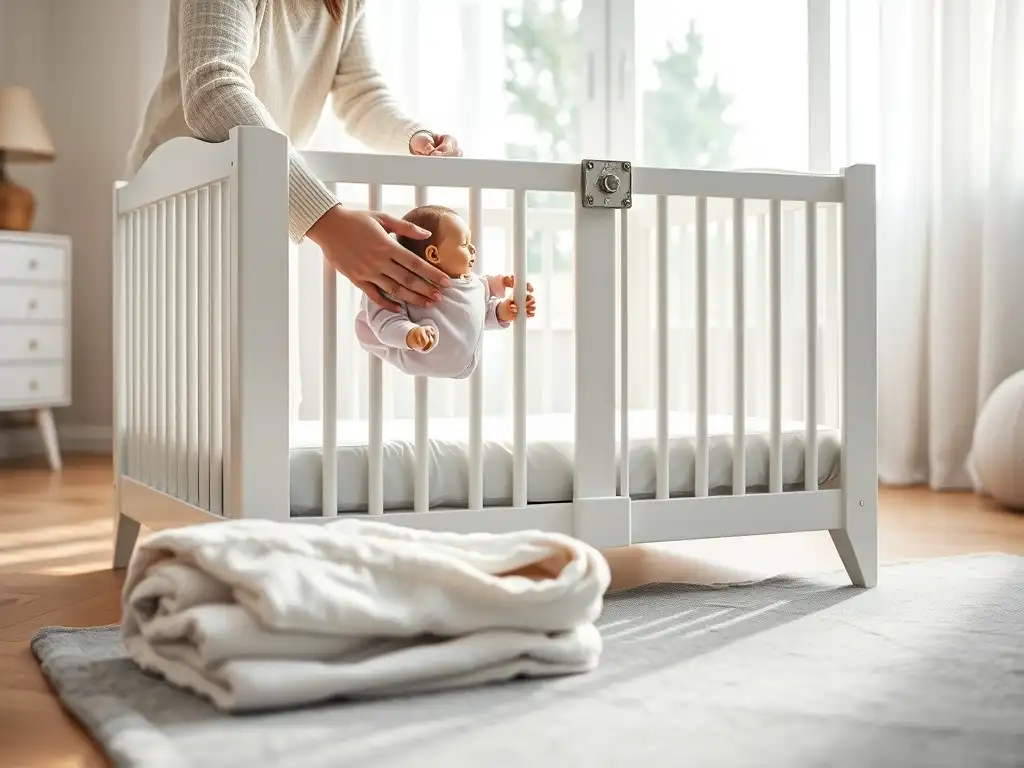
This section provides a detailed, step-by-step guide to setting up your travel crib or playard for safe sleep, focusing on minimizing risks and ensuring your baby's comfort. Remember, a safe sleep environment is paramount for your little one, especially when traveling. This guide prioritizes a safe and secure setup for your travel safe baby crib, no matter the brand.
Preparing the Surface: Ensuring a Stable and Safe Setup for Your Baby’s Sleep Space
Before even thinking about assembling your portable crib, consider the surface on which you'll place it. A stable, level surface is crucial. Avoid placing the crib on uneven ground, soft surfaces like beds or sofas, or near any potential hazards.
- Hard, Level Surfaces: Opt for a hard, flat surface like a floor or a sturdy table. Ensure the surface is clean and free of any debris that could pose a choking hazard.
- Stability Check: Once you've chosen your surface, gently rock the surface to assess its stability. If it wobbles, find a more secure location.
- Avoid Elevated Surfaces: Never place a travel crib on an elevated surface like a bed or changing table. This significantly increases the risk of falls.
- Environmental Considerations: Check the surrounding area for potential hazards such as electrical cords, sharp objects, or curtains that your baby could reach.
Remember, a stable and safe sleep environment is the foundation for a peaceful night's sleep for both you and your baby. Even a slight tilt or instability can affect the crib's structural integrity and potentially compromise your baby's safety. Prioritize safety above all else when setting up your travel safe baby crib.
Assembling Your Portable Crib: A Quick Guide with Graco Pack 'n Play Example
Assembling your portable crib correctly is vital for safety. While instructions vary by brand, the general principles remain the same. Let's use the popular Graco Pack 'n Play as an example. This is a common travel safe baby crib choice for parents. However, always refer to your specific crib's instruction manual for detailed guidance.
The Graco Pack 'n Play, like many portable cribs, typically involves unfolding the frame, securing the legs, and attaching the mattress. Pay close attention to:
- Frame Stability: Ensure all the frame components are securely connected and the frame is stable and sturdy. A wobbly frame presents a safety hazard.
- Leg Locks: Confirm all leg locks are engaged properly, preventing accidental collapses.
- Mattress Fit: The mattress should fit snugly within the crib frame, with no gaps. A loose mattress creates a suffocation risk.
- Zippers and Latches: If the crib has zippers or latches, make sure they are properly closed and secured.
Ignoring any of these steps can create a dangerous situation for your baby. Always double-check each step before placing your baby in the travel crib. Remember, even minor assembly errors can have significant consequences.
Securing the Mattress: Preventing Suffocation Risks in Travel Cribs
The mattress is a critical component of a safe travel crib setup. A loose or improperly fitted mattress significantly increases the risk of suffocation. Here's how to ensure the mattress is correctly secured:
- Snug Fit: The mattress should fit snugly inside the crib frame. There should be no significant gaps between the mattress and the sides of the crib. Larger gaps present a risk of your baby becoming trapped or suffocating.
- No Gaps: Check for gaps around the edges of the mattress. Even small gaps can be dangerous.
- Mattress Thickness: Use only the mattress specifically designed for your travel crib. Using a mattress that's too thin or too thick can compromise safety.
- Firmness: The mattress should be firm enough to support your baby's weight without sagging significantly. A sagging mattress increases the risk of suffocation.
The right mattress is a crucial component of a safe and comfortable travel safe baby crib. Never compromise on mattress security; it's a non-negotiable aspect of safe sleep. Always prioritize your baby's safety and well-being.
Checking for Safety Hazards: Regular Inspection for Loose Parts and Potential Dangers
Before each use, and especially after travel, a thorough inspection of your travel crib is paramount. This isn't just about ensuring a comfortable sleep space for your little one; it's about prioritizing their safety. Look for any loose parts, such as screws, bolts, or connectors. A loose connection could pose a significant hazard, potentially leading to the crib collapsing or your baby becoming entangled.
Gently wiggle all components to check their stability. Pay close attention to the mattress support, ensuring it's firmly attached and doesn't wobble. A shaky mattress support can create an uneven sleeping surface, increasing the risk of your baby rolling into an unsafe position.
Furthermore, carefully examine the fabric of the crib. Check for any tears, rips, or significant wear and tear. Damaged fabric could create strangulation hazards or allow your baby to get trapped. Also, inspect the mesh sides, if applicable, for any holes or weak points. Remember, the mesh is designed to provide ventilation while preventing your baby from falling out.
Compromised mesh significantly reduces the safety features of the crib. If you find any damage, it's crucial to repair it immediately or, if repair isn't possible, replace the crib entirely. Your baby's safety should always be the top priority. Don't overlook seemingly minor issues; even a small tear can become a significant hazard.
Finally, the area surrounding the travel crib plays a vital role in safety. Ensure that nothing is placed within reach of your baby that could potentially cause harm. Avoid placing pillows, blankets, toys, or other items inside the crib. These items can create suffocation risks, especially for newborns and infants.
Keep the area around the crib clear of any cords, wires, or other potential entanglement hazards. Remember, a safe sleep space is not only about the crib itself but also about the environment surrounding it. Regularly inspect both the crib and its surroundings to ensure a safe sleep environment for your precious little one. Proactive safety checks are a crucial element of responsible parenthood and contribute significantly to a peaceful and safe travel experience for both you and your baby.
Best Portable Cribs for Different Travel Scenarios
Choosing the right portable crib significantly impacts your baby's safety and your peace of mind while traveling. The ideal "travel safe baby crib" depends heavily on your mode of transportation and the length of your trip. This section outlines the best options for various travel scenarios, emphasizing ease of use, safety features, and portability. We'll explore how different designs cater to specific needs, ensuring your little one sleeps soundly wherever your adventures take you.
Top-Rated Travel Cribs for Airplane Trips: Compact and Lightweight Options
Airplane travel with a baby presents unique challenges. Space is at a premium, and weight restrictions apply to carry-on luggage. Therefore, a lightweight and compact crib is paramount. Look for models that fold down easily into a small carrying bag, ideally with straps for comfortable carrying. Consider these key features:
- Weight: Under 10 pounds is ideal for easy maneuverability through airports. Anything heavier can become a significant burden, especially when juggling other luggage and your baby.
- Dimensions: Check airline carry-on size restrictions before purchasing. Many compact travel cribs meet these requirements when folded.
- Material: Lightweight yet sturdy materials like breathable mesh and aluminum are preferred. Avoid bulky wooden or heavy plastic models.
- Safety: Ensure the crib meets all relevant safety standards and features a secure locking mechanism.
A good example of a suitable crib would be one with a lightweight aluminum frame and breathable mesh sides, easily folding into a compact package smaller than a standard carry-on suitcase. This allows for convenient storage during the flight and reduces the overall burden of transporting the crib. Always prioritize safety features, ensuring the locking mechanism is reliable and the mesh is durable.
Road Trip Ready: Sturdy and Easy-to-Assemble Cribs for Car Travel
Road trips offer more flexibility regarding luggage size and weight. However, ease of assembly and disassembly is crucial. You'll want a crib that's sturdy enough to withstand the bumps and vibrations of car travel, yet still relatively easy to set up and pack away at your various destinations. Consider these factors:
- Sturdiness: A robust frame is necessary to ensure stability during travel. Look for cribs with reinforced corners and a solid base.
- Ease of Assembly: A quick and straightforward assembly process is a must. Cribs with intuitive designs and minimal parts are ideal. Consider the number of steps involved and whether the instructions are clear and easy to follow.
- Storage: While a larger crib might be acceptable for car travel, consider how easily it can be stored in your vehicle when not in use. Some models offer clever storage solutions or compact folding designs.
- Portability: While sturdiness is key, you still want a crib that's manageable to carry from the car to your accommodation.
For road trips, a pack-and-play style crib that combines a crib and play area is often a good choice. These often provide a more spacious sleeping area than ultra-compact airplane cribs, and the play area can be useful at your destination. Prioritize models with simple, sturdy constructions and easy-to-follow assembly instructions.
Hotel-Friendly Cribs: Space-Saving Designs for Comfortable Stays
Hotel rooms are often limited in space. Therefore, a space-saving "travel safe baby crib" design is essential. Prioritize cribs that are compact when folded and easy to store away when not in use. Consider these points:
- Compact Folding: Look for cribs that fold flat or into a slim profile to maximize space in your hotel room.
- Lightweight Design: A lighter crib is easier to maneuver within a hotel room, especially if you have to navigate stairs or tight corridors.
- Easy Setup: A quick and simple setup is crucial to minimize disruption to your baby's sleep routine and conserve your own energy after a day of travel.
- Mattress: Ensure the included mattress is comfortable and supportive for your baby. The mattress should fit snugly within the crib frame to prevent any gaps or spaces where your baby could become trapped.
Many travel cribs offer a combination of features that make them suitable for hotel stays. Look for those that can be easily folded and stored, are lightweight, and are quick to set up and take down. Prioritize models with secure locking mechanisms and breathable mesh sides to ensure your baby's safety and comfort. A lightweight, compact, and easily-stored crib allows you to maximize the limited space and minimize disruption during your stay.
Multi-functional Travel Cribs with Playard Features: Space-Saving 2-in-1 Options
Many modern travel cribs cleverly combine the functionality of a crib with a playard, offering a space-saving solution ideal for various travel scenarios. These 2-in-1 options are particularly beneficial for families with limited luggage space or those who plan on spending extended periods away from home. The integrated playard feature provides a safe and stimulating environment for your baby to play during the day, eliminating the need to carry a separate playpen.
Consider the overall dimensions when folded and packed. Some models boast impressively compact folds, making them easy to transport in a car or airplane. However, even the most compact models will still occupy a significant portion of your luggage. Prioritize models with durable, lightweight materials like aluminum or reinforced fabric to minimize weight without compromising safety.
The ease of setup and takedown is a crucial factor to consider. Look for models with intuitive mechanisms and clear instructions. A quick and easy setup is especially valuable when you're tired after a long journey and eager to settle your baby down. Read reviews to gauge the ease of assembly and potential frustrations other parents have experienced. Some models might require more dexterity or patience than others.
Furthermore, safety features are paramount in choosing a multi-functional travel crib. Ensure the crib meets all relevant safety standards and features secure locking mechanisms to prevent accidental collapses. Check for strong, stable legs and a comfortable, well-ventilated mattress pad. The playard area should also be securely enclosed with breathable mesh panels to ensure proper ventilation and allow you to easily keep an eye on your baby. A secure and stable structure is essential for peace of mind during your travels. Remember to check the manufacturer's weight recommendations to ensure the crib is suitable for your baby's size and weight.
Choosing a multi-functional travel crib with playard features offers significant benefits for traveling parents. The combined functionality saves space and reduces the burden of carrying multiple pieces of equipment, which is important when you are already managing a lot of luggage for a family trip. Investing in a high-quality, easy-to-use model will make your travels significantly more comfortable and stress-free.
Remember to carefully consider the safety features, ease of setup, and overall durability before making your purchase, ensuring a safe and enjoyable travel experience for both you and your little one. A good 2-in-1 option can truly be a game-changer for your travel plans.
Maximizing Safety: Tips for Safe Sleep on the Go
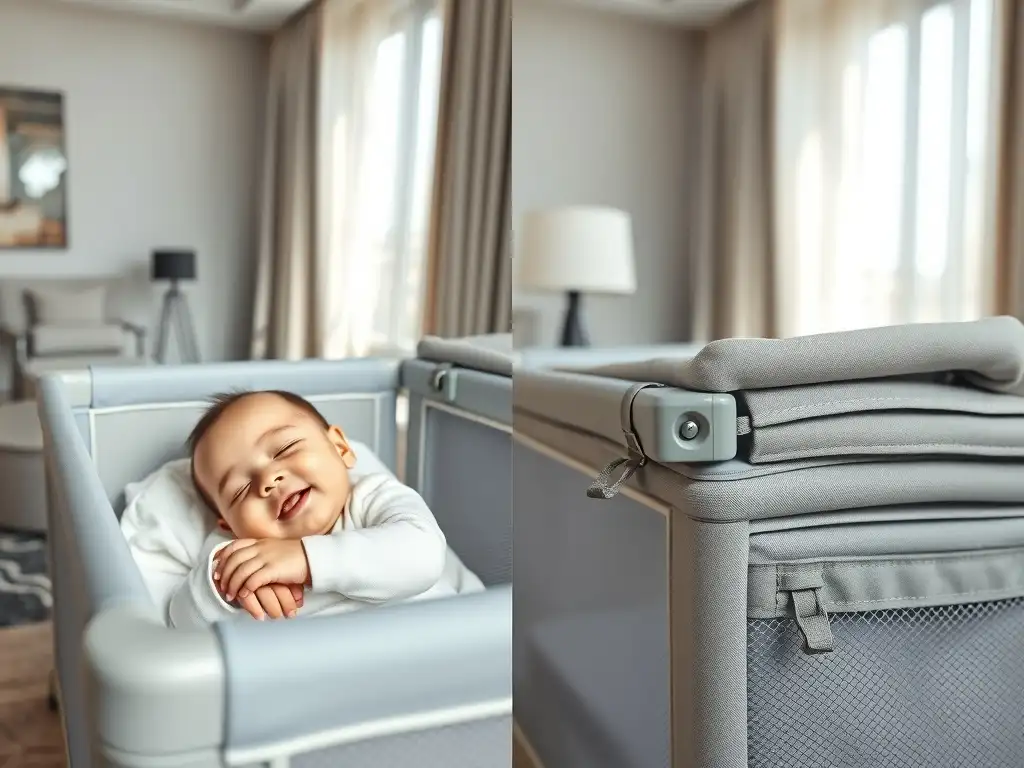
Traveling with a baby requires meticulous planning, especially concerning sleep arrangements. A travel safe baby crib, whether a portable crib or playard, is a crucial piece of equipment, but its safety hinges on proper usage and adherence to established guidelines. This section outlines key strategies to ensure your little one sleeps soundly and securely during your travels. Remember, a safe sleep environment is paramount, regardless of location.
Safe Sleep Practices in Travel Cribs: Following the American Academy of Pediatrics Guidelines
The American Academy of Pediatrics (AAP) recommends specific safe sleep practices that remain crucial even when using a travel safe baby crib. These guidelines prioritize reducing the risk of Sudden Infant Death Syndrome (SIDS) and other sleep-related infant deaths. Let's review the key recommendations in the context of travel:
- Firm, flat surface: Always ensure the mattress in your portable crib or playard is firm and flat. Avoid soft surfaces like waterbeds, sofas, or adult beds. A slightly too-soft mattress can create a suffocation risk.
- Proper fit: The mattress should fit snugly within the crib, with no gaps larger than two fingers between the mattress and the sides. Loose-fitting mattresses can pose a significant hazard.
- No loose bedding: Avoid using pillows, blankets, bumpers, stuffed animals, or other soft items in the crib. These increase the risk of suffocation, especially in a less familiar environment. Instead, consider a lightweight sleep sack for warmth.
- Correct positioning: Always place your baby on their back to sleep. This is the safest sleeping position for infants, regardless of the sleeping environment.
- Room temperature: Maintain a comfortable room temperature. Overheating is a risk factor for SIDS. Dress your baby appropriately for the temperature.
- Regular inspections: Before each use, thoroughly inspect the travel crib for any damage, loose parts, or potential hazards. Replace any damaged components immediately.
Managing Sleep Schedules While Traveling: Tips for Maintaining Consistency
Maintaining a consistent sleep schedule is vital for your baby's well-being, even while traveling. Disruptions can lead to fussiness and difficulty sleeping. Here's how to minimize sleep schedule disruptions:
- Maintain a routine: Try to stick to your baby's usual bedtime routine as much as possible, even when traveling. This provides a sense of familiarity and predictability.
- Minimize light exposure: Darkness promotes melatonin production, crucial for sleep regulation. Use blackout curtains or eye masks to minimize light exposure in unfamiliar environments.
- White noise machine: A portable white noise machine can block out distracting noises in hotels or other unfamiliar surroundings, promoting better sleep.
- Consistent sleep cues: Maintain consistent sleep cues such as feeding, bathing, or singing lullabies before bedtime. This helps your baby associate these actions with sleep.
- Adjust for time zones: When traveling across time zones, gradually adjust your baby's schedule to the new time zone to mitigate jet lag.
Addressing Common Sleep Issues in Unfamiliar Environments: Dealing with Jet Lag and Disruptions
Traveling can significantly disrupt a baby's sleep patterns. Jet lag, unfamiliar surroundings, and changes in routine can lead to sleep disturbances. Here are some strategies to address these challenges:
- Jet lag mitigation: Gradually shift your baby's sleep schedule in the days leading up to your trip if traveling across multiple time zones. This helps to reduce the impact of jet lag.
- Creating a familiar sleep space: Bring familiar items from home, such as a favorite blanket or stuffed animal (if used safely, outside the crib), to help your baby feel more secure in a new environment.
- Dealing with crying: Respond promptly to your baby's crying, but try to distinguish between actual needs and mere fussiness. Sometimes gentle rocking or soothing sounds can help calm your baby.
- Seeking professional advice: If you experience persistent sleep problems, consider consulting your pediatrician or a sleep specialist for personalized guidance.
Remember, prioritizing your baby's safe sleep is non-negotiable, even when traveling. By following these tips and utilizing a travel safe baby crib correctly, you can ensure peaceful and secure sleep for your little one during your adventures. 😴
Travel Crib Accessories for Enhanced Safety: Sleep Sacks, Monitors, and More
Safe sleep for your baby isn't just about the crib itself; it's about creating a secure and comfortable sleep environment wherever you are. Travel cribs, while offering a safe sleeping space away from home, benefit greatly from the addition of carefully selected accessories. These accessories can significantly enhance your baby's safety and your peace of mind while traveling.
One crucial accessory is a sleep sack. Sleep sacks, also known as wearable blankets, eliminate the risk of loose bedding that could cover your baby's face and interfere with breathing. Opt for a sleep sack appropriate for the temperature; lightweight cotton for warmer climates and fleece or heavier materials for cooler temperatures. Remember to always choose a sleep sack that fits your baby snugly but doesn't restrict movement. A properly fitted sleep sack is a vital component of safe sleep, especially in unfamiliar environments.
Another valuable accessory is a baby monitor. While you might be tempted to skip this when traveling, especially for short trips, a monitor provides reassurance and allows you to keep an eye on your baby even when you're in another room. Opt for a portable monitor with a long range and clear audio or video capabilities.
This allows you to check on your baby without constantly needing to be in the same room, helping to minimize disturbances to your baby's sleep. Some monitors even offer features like temperature sensors, which are particularly useful when traveling to unfamiliar climates or using different types of accommodations.
Beyond sleep sacks and monitors, consider other accessories that contribute to safe sleep. A nightlight can provide a calming and familiar presence in a new environment. A white noise machine can help block out distracting sounds and promote restful sleep. These seemingly minor additions can make a big difference in ensuring your baby sleeps soundly and safely during your travels.
Remember to always check the manufacturer's instructions for safe use and appropriate age ranges for all accessories. Prioritizing your baby’s safety while traveling requires attention to detail and a proactive approach, and the right accessories are a significant part of that. A well-equipped travel crib, complete with appropriate accessories, can transform a potentially stressful travel experience into a more comfortable and safe one for both you and your little one.
Frequently Asked Questions about Safe Travel Cribs
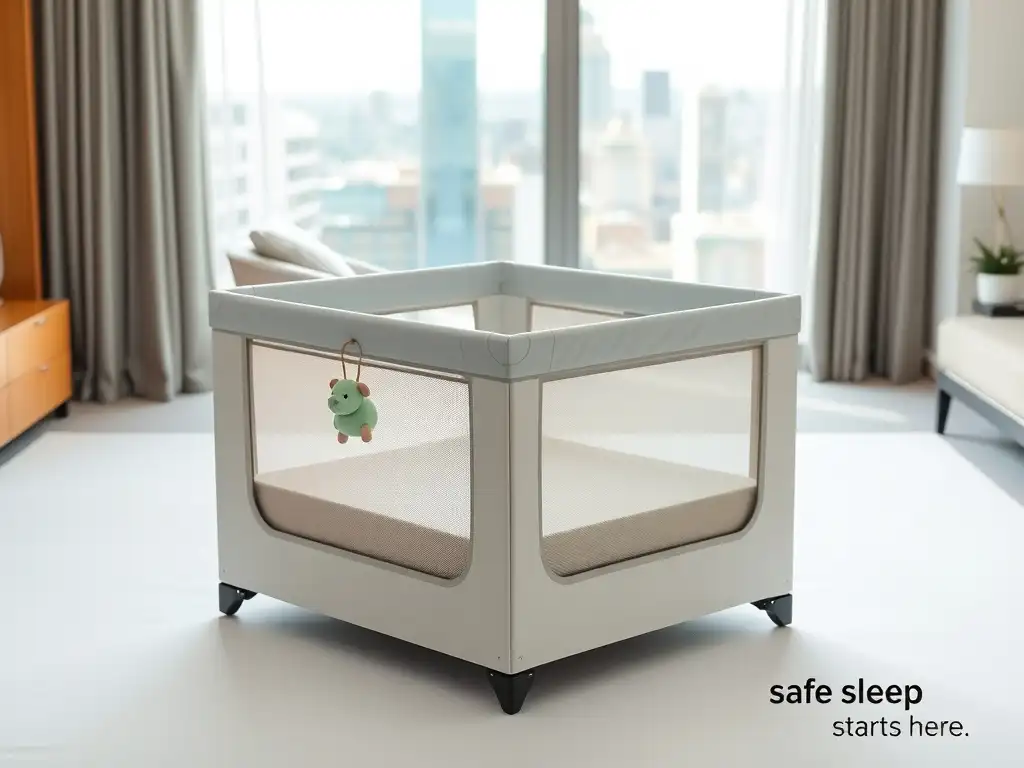
This section addresses common queries regarding the safety and practicalities of portable baby cribs and playards, specifically focusing on the concerns of parents traveling with infants. We aim to provide clear, concise answers to help you make informed decisions about safe sleep arrangements during your travels.
How to Clean and Maintain Your Travel Crib: Hygiene Tips for Maintaining a Safe Sleep Environment
Maintaining a clean and hygienic travel crib is paramount for your baby's health and well-being. Regular cleaning prevents the buildup of bacteria, viruses, and allergens, contributing to a healthier sleep environment. Here's a step-by-step guide:
- Regular Cleaning: Aim to wipe down the mattress and the crib frame with a damp cloth and mild, baby-safe detergent at least once a week. Avoid harsh chemicals, as these can irritate your baby's skin. Always ensure the crib is completely dry before placing your baby inside.
- Spot Cleaning: Address spills and messes immediately. Use a clean cloth and mild detergent to blot up any stains, working from the outside in to avoid spreading.
- Mattress Care: The mattress should be aired out regularly. If possible, allow it to sit in direct sunlight for a few hours to kill any lingering germs. Check the manufacturer's instructions for specific cleaning recommendations for your mattress. Consider using a waterproof mattress protector for easier cleaning and protection against accidents.
- Fabric Components: For fabric components that are removable and machine washable, follow the care instructions on the label carefully. Wash in cold water and tumble dry on low heat or air dry to avoid shrinkage or damage.
- Deep Cleaning: Consider a more thorough deep cleaning every few months, depending on usage. Vacuuming the mattress and frame can remove dust mites and other allergens.
What are the best travel cribs for newborns? Features to consider
Choosing the right travel crib for a newborn requires careful consideration of several key features. While there's no single "best" crib, prioritizing safety and functionality is crucial. Key features to consider include:
- Firm Mattress: A firm, flat mattress is non-negotiable for safe sleep. Avoid soft mattresses or those with excessive padding, which pose a suffocation risk.
- Sturdy Construction: The crib should be stable and well-constructed to prevent collapse. Check for strong materials and secure joints. Look for a crib that meets all relevant safety standards.
- Easy Setup and Foldability: A simple, quick setup and compact folding design are essential for ease of travel. Consider the size and weight of the crib when folded, especially if you're carrying it yourself.
- Breathability: Good airflow is vital. Ensure the crib has adequate ventilation to prevent overheating. Avoid models with completely enclosed sides.
- Size and Dimensions: While compact is desirable, the crib should still offer sufficient space for your growing baby. Consider the crib's dimensions and how much space it will occupy in your accommodation.
- Portability: Look for features like wheels, carrying straps, or a lightweight design to enhance portability.
Are all travel cribs safe? Choosing reputable brands and safety certifications
Not all travel cribs are created equal. Safety should be your top priority when selecting a travel crib for your baby. While many meet safety standards, it's crucial to be vigilant. Here's how to ensure you're choosing a safe option:
- Safety Certifications: Look for cribs that meet or exceed safety standards set by organizations like the Juvenile Products Manufacturers Association (JPMA) in the US or equivalent organizations in your country. The presence of a certification label is a strong indicator of safety compliance.
- Reputable Brands: Stick to well-known and established brands with a proven track record of producing safe and reliable baby products. Research reviews and check for any safety recalls before purchasing.
- Regular Inspections: Before each use, thoroughly inspect the crib for any signs of damage, loose parts, or wear and tear. Replace any damaged components immediately.
- Proper Assembly: Follow the manufacturer's instructions carefully when assembling the crib. Ensure all parts are correctly fitted and secured to prevent collapse.
- Safe Sleep Practices: Remember that even the safest travel crib requires adherence to safe sleep practices. Always place your baby on their back to sleep on a firm, flat surface, free of loose bedding or toys. Never leave your baby unattended in the crib.
Choosing a safe and suitable travel safe baby crib requires careful consideration and research. Prioritizing safety features and reputable brands ensures your baby's comfort and wellbeing during your travels.
How long can my baby safely sleep in a travel crib?
The duration your baby can safely sleep in a travel crib isn't defined by a specific timeframe, but rather by adherence to safe sleep guidelines. While a travel crib offers a portable sleeping space, it's crucial to prioritize safety above convenience. The American Academy of Pediatrics (AAP) recommends room-sharing (keeping your baby in your room) for at least the first six months, ideally for the first year, to reduce the risk of Sudden Infant Death Syndrome (SIDS). This recommendation applies regardless of whether your baby sleeps in a crib, bassinet, or travel crib.
Therefore, the length of time your baby spends in a travel crib should align with these safe sleep recommendations. If you're traveling and using a travel crib for overnight sleep, ensure it's placed in your room, and you're readily able to monitor your baby. Avoid letting your baby sleep in the travel crib for extended periods if you are not in the same room, and always follow the manufacturer's instructions regarding weight limits and age appropriateness.
Remember, a travel crib is a temporary sleeping solution for travel purposes; it's not a replacement for a baby's regular crib at home. Prioritize safe sleep practices above all else. The focus should be on ensuring your baby is sleeping safely, not on maximizing time spent in the travel crib.
Regularly check on your baby, regardless of the duration of their sleep. Regular monitoring is key to ensuring your little one's safety. A well-rested baby, safely sleeping, is the ultimate goal, regardless of location.
Recommended Products: Our Top Picks for Safe and Convenient Travel Cribs
Choosing the right travel crib is crucial for ensuring your baby's safety and comfort while traveling. The market offers a variety of options, each with its own set of features and benefits. To help you navigate this, we've reviewed three popular and highly-rated travel cribs frequently searched for under the keyword "travel safe baby crib," focusing on their safety features, ease of use, and overall value. Consider factors like your baby's age and your travel style when making your final decision. Remember, always prioritize safety above all else when selecting a travel crib.
Graco Pack 'n Play Playard Review: Features, Pros, and Cons
The Graco Pack 'n Play is a long-standing favorite among parents, often topping lists of best travel cribs. Its popularity stems from its ease of setup and relatively lightweight design. The model's portability is a significant advantage for frequent travelers.
- Features: Many models include a changing table, a bassinet, and a toy bar, making it a versatile option for various stages of babyhood. Some versions also boast vibration settings to soothe fussy babies. The mesh sides ensure good ventilation and allow parents to keep an eye on their little one. The included carrying bag simplifies transportation.
- Pros: Quick and easy setup; lightweight and portable; relatively affordable; versatile with additional features; readily available in most baby stores.
- Cons: Can feel somewhat flimsy compared to other models; the additional features can add to the overall weight and bulk; some users report that the mattress is a bit thin. The included mattress is not always considered the highest quality and may need replacing for optimal comfort and support.
The Graco Pack 'n Play is a solid choice for budget-conscious parents who prioritize convenience and ease of use. However, it's important to carefully assess its sturdiness and mattress quality before purchasing, particularly if you are traveling extensively or your baby is nearing the upper weight limit.
BabyBjorn Travel Crib Light Review: Features, Pros, and Cons
The BabyBjorn Travel Crib Light is known for its sleek design and lightweight construction. Its minimalist aesthetic appeals to many parents, and its compact folded size makes it a great option for those who value space-saving features. This crib is often found in searches for a "travel safe baby crib" due to its reputation for safety and ease of use.
- Features: The BabyBjorn Travel Crib Light is incredibly lightweight and folds down flat for easy storage and transport. Its simple design focuses on safety and ease of use. The breathable mesh sides ensure good ventilation. It features a firm, padded mattress.
- Pros: Exceptionally lightweight and portable; very easy to assemble and disassemble; compact folded size; stylish design; firm mattress provides adequate support.
- Cons: Higher price point compared to other travel cribs; lacks additional features like a changing table or toy bar; the simple design might not appeal to everyone; the mattress may not be suitable for extended use beyond the crib's recommended weight limit.
The BabyBjorn Travel Crib Light excels in portability and ease of use. Its higher price tag might be a deterrent for some, but the superior quality and compact design make it a worthwhile investment for frequent travelers prioritizing a lightweight and easy-to-manage travel crib.
Guava Family Lotus Travel Crib Review: Features, Pros, and Cons
The Guava Family Lotus Travel Crib stands out for its unique design and focus on sustainability. Its lightweight and compact build makes it easy to carry, while its innovative construction ensures a safe and comfortable sleep space for your little one. This often comes up in searches for "travel safe baby crib" because of its focus on safety and ease of transport.
- Features: The Lotus crib boasts a unique, lightweight frame made from durable materials. It folds down compactly and is surprisingly spacious for its size. It features breathable mesh panels for optimal ventilation and visibility.
- Pros: Very lightweight and portable; easy setup; compact folding size; durable and sustainable materials; spacious interior for baby's comfort.
- Cons: Higher price point; the minimalist design might not offer extra features some parents prefer, such as a changing table or toy bar; availability might be limited compared to other brands.
The Guava Family Lotus Travel Crib is a premium option that prioritizes sustainability and lightweight design. While it comes at a higher price point, its durability and ease of use make it a worthwhile investment for environmentally conscious parents seeking a high-quality, portable crib. Its unique design may also appeal to those looking for something beyond the standard travel crib options.
Frequently Asked Questions
What is a travel safe baby crib?
A travel safe baby crib, also known as a portable crib or playard, is a lightweight and foldable crib designed for easy transportation and setup, providing a safe sleeping environment for your baby while traveling. It offers a secure and contained space away from hazards.
How do I choose a safe travel crib?
Look for cribs that meet safety standards like those set by the CPSC (US) or equivalent in your country. Check for sturdy construction, secure latches, and a firm mattress. Ensure it's the right size for your baby.
Are all portable cribs the same?
No, portable cribs vary in features, size, and materials. Some are lightweight and simple, while others offer extra features like changing tables or storage. Consider your travel needs and budget when choosing.
What are the safety precautions when using a travel crib?
Always follow the manufacturer's instructions. Never leave your baby unattended in the crib. Ensure the mattress fits snugly and is firm and flat. Regularly inspect the crib for any damage or loose parts.
Can I use a travel crib as a regular crib at home?
While possible, a dedicated crib is generally recommended for home use as it often offers more space and features. Travel cribs are primarily designed for temporary use during travel and may not be as durable for long-term everyday use.
Final Reflection: The Enduring Legacy of Safe Sleep on the Go
The pursuit of safe sleep for infants transcends geographical boundaries; it's a universal need demanding innovative solutions. The convenience of portable baby cribs and playards shouldn't come at the cost of a child's well-being. This guide has highlighted the crucial factors to consider when choosing and using these products, ensuring safe and restful sleep for your little one, no matter where your adventures take you.
The impact of safe sleep practices extends far beyond a single journey. It shapes the development of healthy sleep habits, contributing to a child's overall well-being and emotional regulation. Sleep is the golden chain that binds health and our bodies together.
This quote, though not specifically about travel, underscores the profound importance of prioritizing safe and sufficient sleep for our children, wherever they may be. The choices we make as parents, from selecting the right travel crib to establishing consistent sleep routines, have a lasting impact on their lives.
Consider the information presented within this guide. Reflect on your own travel plans and the safety measures you'll implement to ensure your baby's sleep is prioritized. Don't let the excitement of travel overshadow the paramount importance of a safe and secure sleep environment. Empower yourself with knowledge, choose wisely, and embark on your journeys with peace of mind, knowing you've taken every precaution to safeguard your little one's precious sleep.
Unleash the Adventure: Sleep Soundly, Travel Freely!
Thank you for exploring safe and portable sleep solutions for your little one! We hope this guide has given you the confidence to travel with peace of mind. Ready to take the next step?
- Invest in your family's travel peace of mind: Research and purchase a portable crib or playard that best suits your needs and travel style. Consider factors like weight, ease of assembly, and safety features.
- Share your travel tips and experiences: Let other parents know about your favorite portable crib or any clever tricks you've learned for traveling with a baby. Connect with the BabyCareHub community and share your wisdom!
- Explore detailed crib reviews: Learn more about various portable crib models to make an informed decision. (Note: This information can be found on our site.)
What's most important to you when choosing a travel crib – portability, safety, or ease of use?